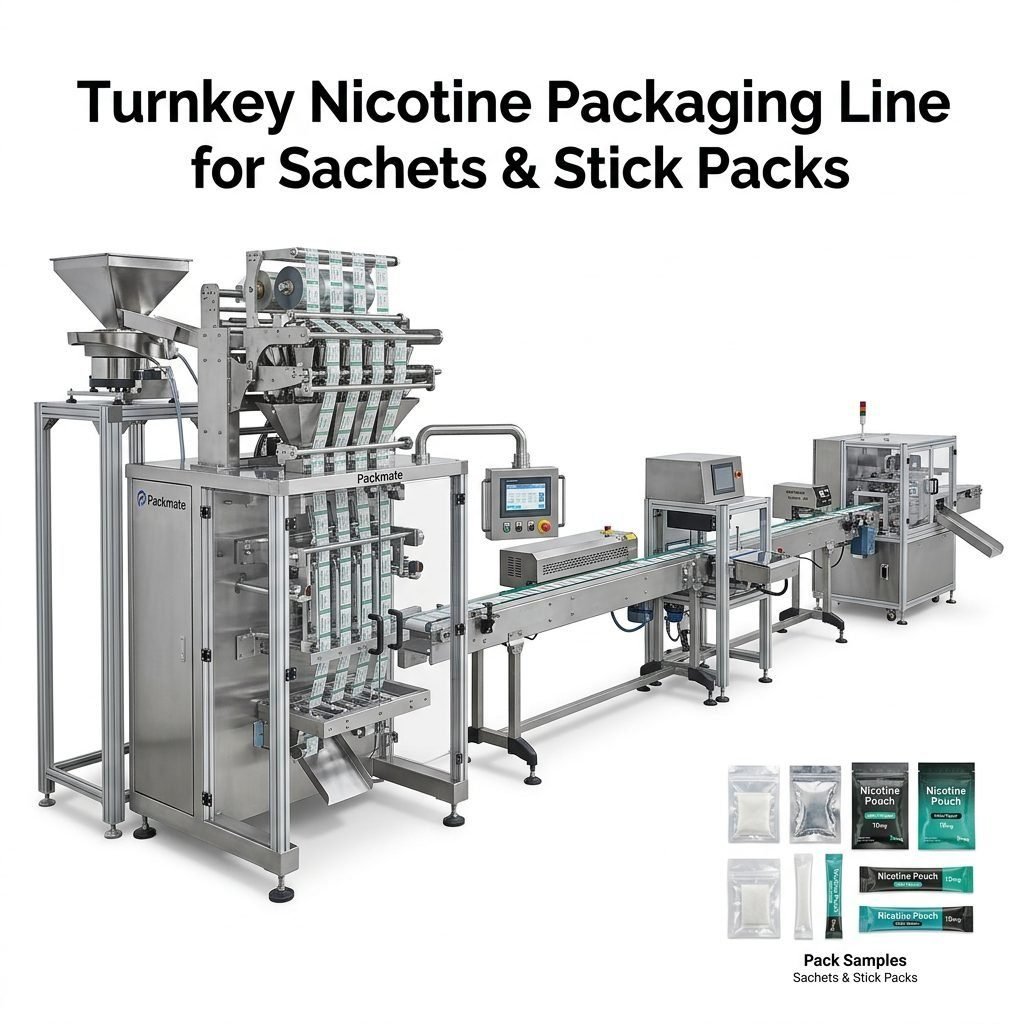
Selecting the right snus packaging machinery manufacturer for a production line in Brazil requires more than just comparing machine prices. You need to evaluate technical capabilities, local market habits, regulatory constraints, climate considerations, and the manufacturer’s experience with nicotine pouch systems. This guide walks you through practical steps and criteria to choose a partner who will support reliable, high-efficiency production tailored to Brazilian market needs.
Understand Brazil’s Market and Cultural Context
Brazil’s diverse population favors convenience and bold branding. Consumers often prioritize compact, portable formats for on-the-go use. When planning production, consider packaging sizes, portion styles (single-portion pouches vs. multi-packs), and visual design that resonate with local retail channels. Also keep in mind climatic factors: many regions are humid and warm, which affects material choice and sealing performance.
Key Brazil-specific points:
- Check local regulations early — consult ANVISA and customs advisers for nicotine product rules.
- Choose barrier materials suitable for humid, warm climates to prevent moisture ingress.
- Design for retail formats common in Brazil — kiosks, supermarkets, and convenience stores.
Define Your Production Requirements First
Before approaching manufacturers, list your production KPIs: target output (units per minute/hour), pouch type (stick pack, sachet, multi-lane nicotine pouches), target formats, fill materials (powder, granular, liquid), and acceptable uptime. These requirements shape the choice between single-lane precision machines and high-speed multi-lane lines.
Performance Metrics to Specify
Make sure to document:
- Target speed (e.g., 200–600 pouches/min depending on lanes)
- Accuracy tolerances for dosing (mg or g)
- Acceptable downtime and maintenance windows
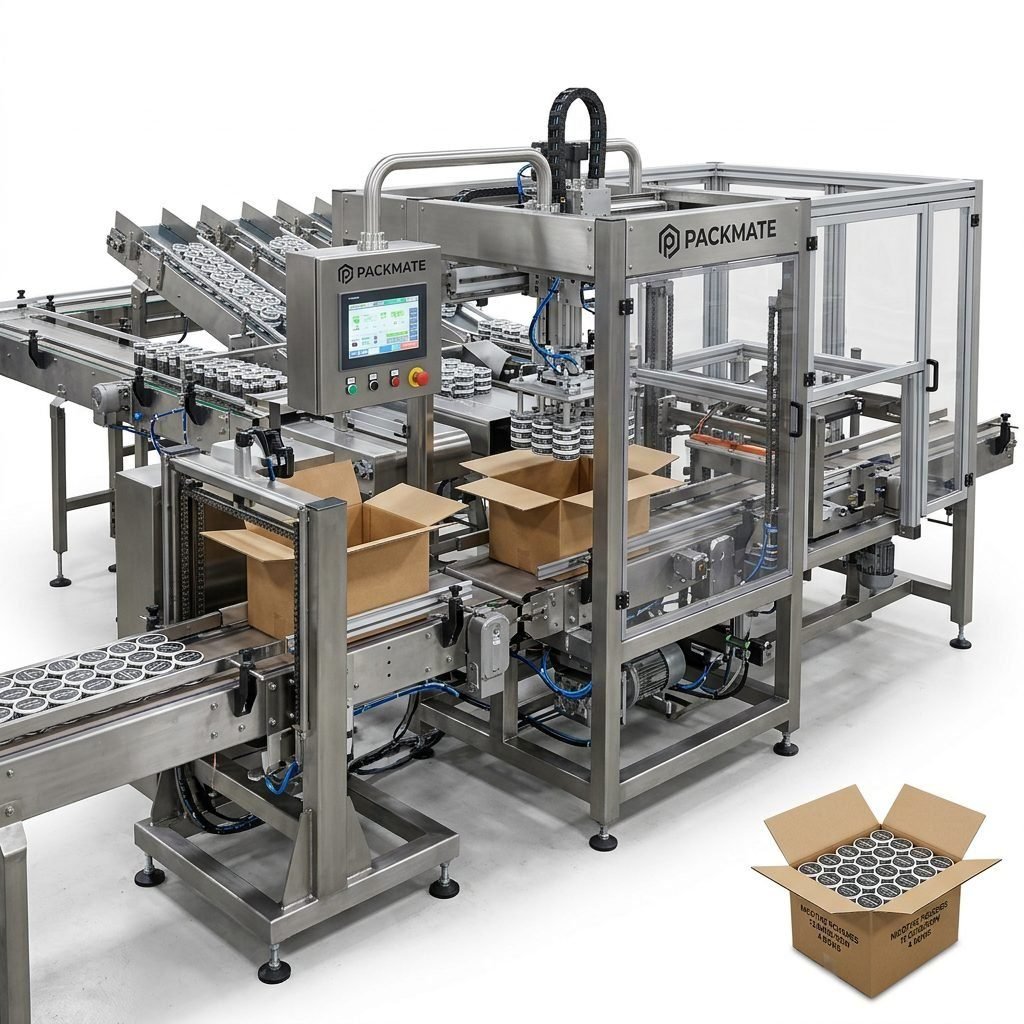
- Integration with upstream weighing/filling and downstream cartoning
Technical Criteria: What to Look for in a Snus Packaging Machine
Technical robustness ensures consistent output and product integrity. When evaluating machines, focus on the design features that matter most for nicotine pouch production.
Must-have technical features:
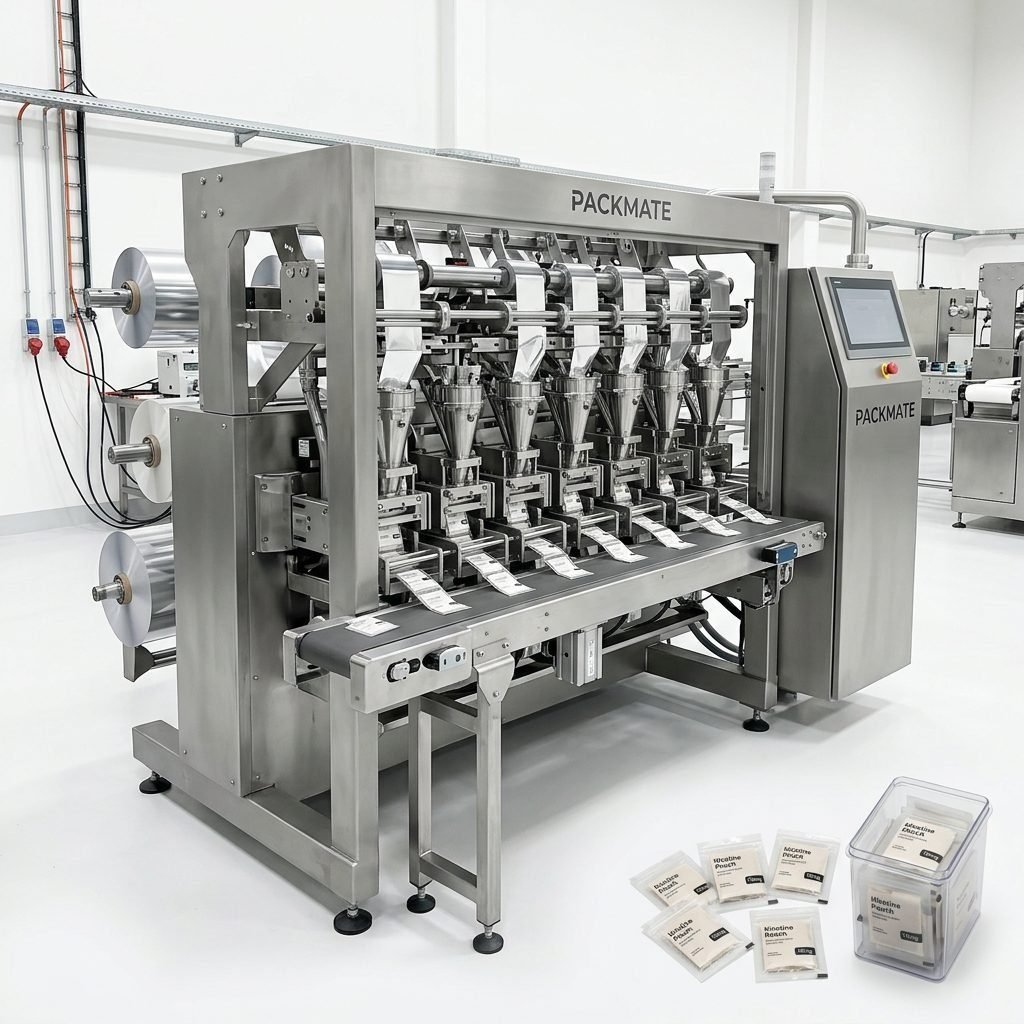
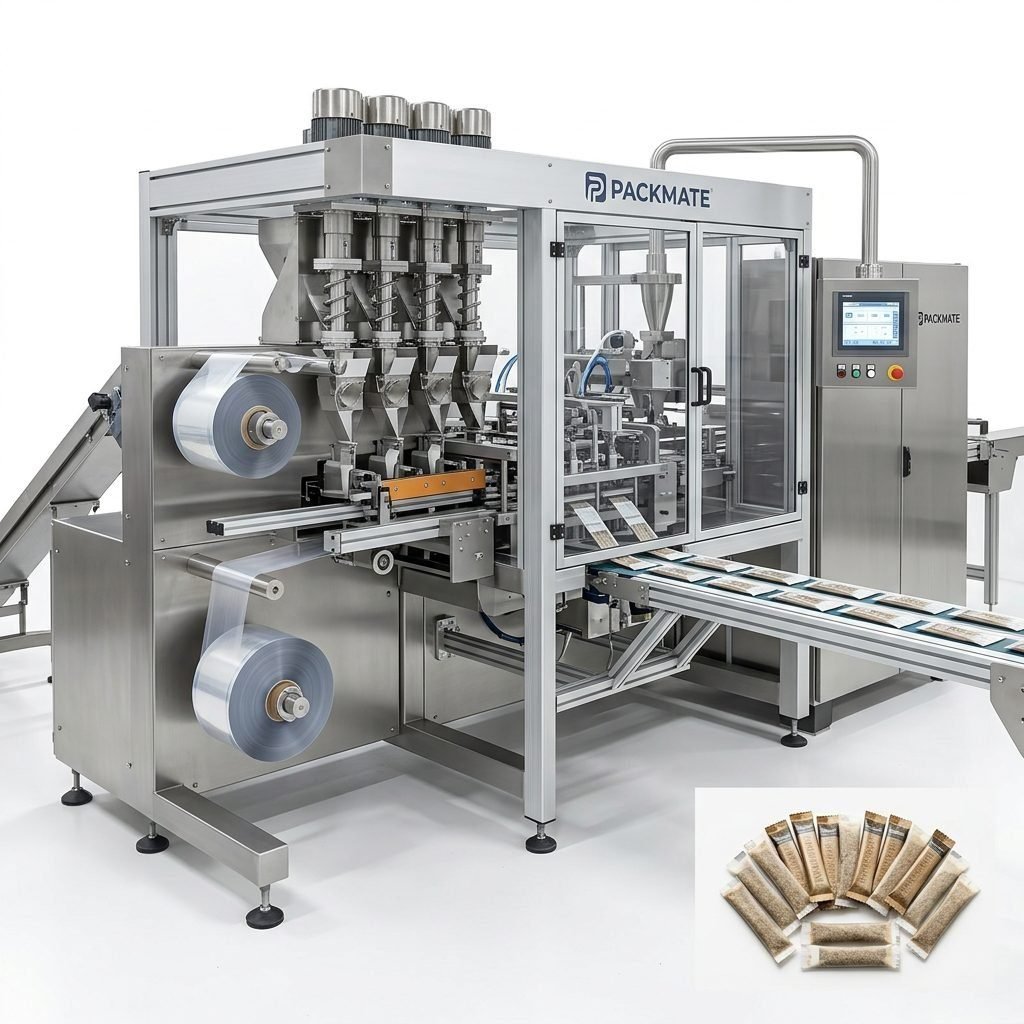
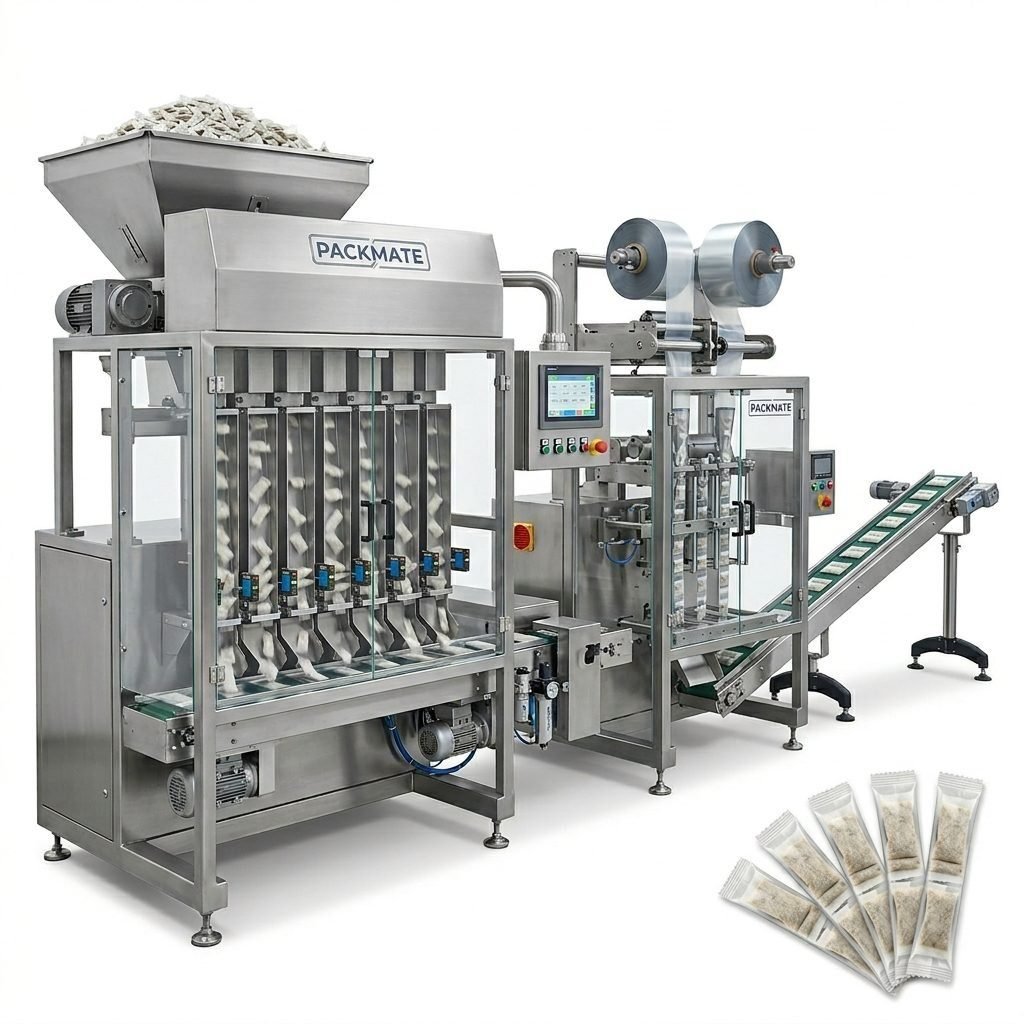
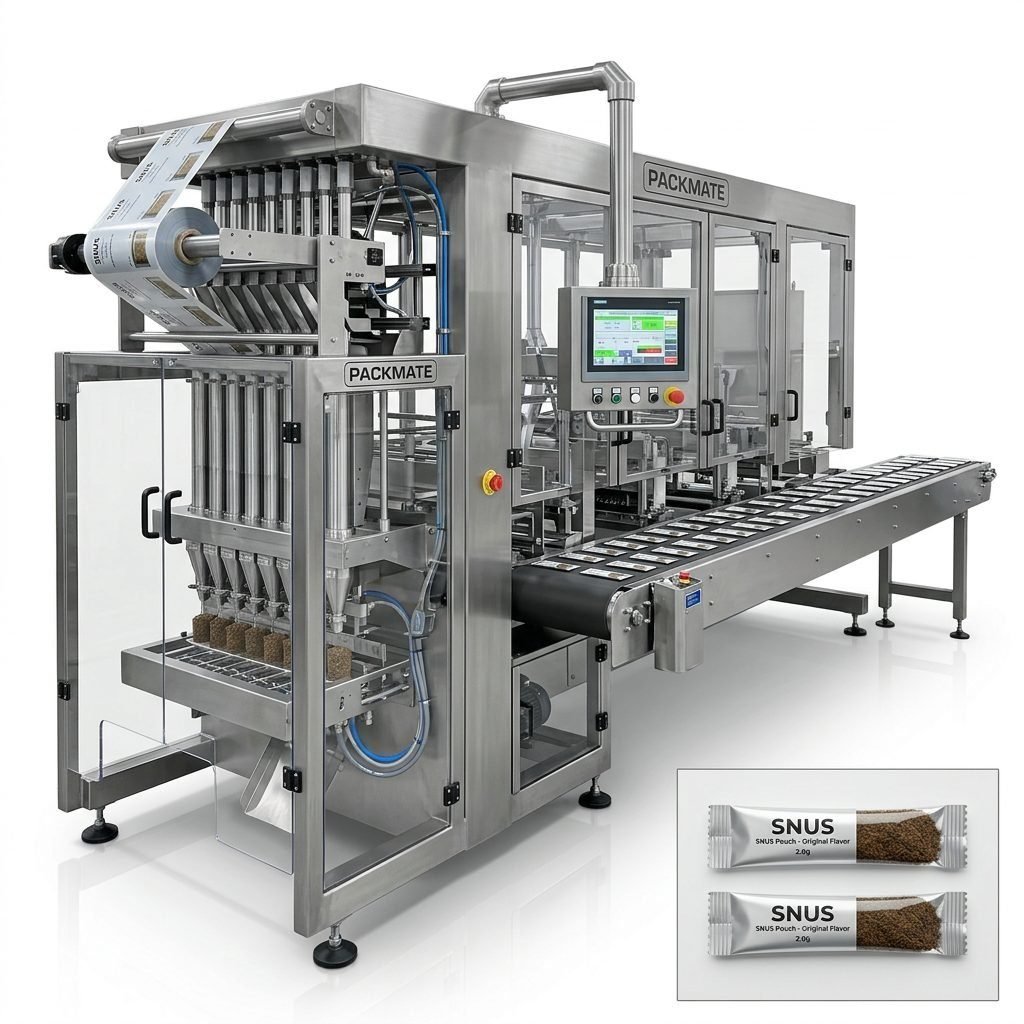
- Multi-lane capability for small-dose pouches to maximize throughput.
- High-precision dosing systems compatible with powders and granules.
- Stable sealing systems for various pouch films and foil-laminates.
- Quick-change tooling for flexible format shifts and minimal downtime.
- Integrated PLC controls, HMI touchscreens and recipe management.
Material Compatibility and Packaging Types
Confirm the machine’s compatibility with barrier films, biodegradable laminates, and compostable options if you plan eco-friendly packaging. For snus and nicotine pouches, airtight seals and reliable cut/shape accuracy are critical to maintain freshness, especially in Brazil’s humid zones.
Evaluate the Manufacturer — Beyond the Brochure
Choosing the right manufacturer means assessing engineering depth, after-sales support, production capacity, certifications, and track record. Use the following checklist when comparing suppliers.
Manufacturer checklist
- Years of experience in snus/nicotine pouch equipment (look for 10+ years in niche machines).
- Facility scale: CNC machining centers, precision assembly lines, and testing labs indicate strong manufacturing capability.
- CE and ISO certifications for compliance and quality assurance.
- Custom turnkey solutions, integration capabilities, and on-site commissioning services.
- Clear spare parts supply chain and remote technical support options for Brazilian locations.
Why Experience Matters — Real-World Example
A manufacturer with decades of experience in snus packing understands critical nuances: low-dose multi-lane dosing, gentle pouch handling, and long-run stability. These capabilities reduce changeover times and quality issues, translating to better ROI.
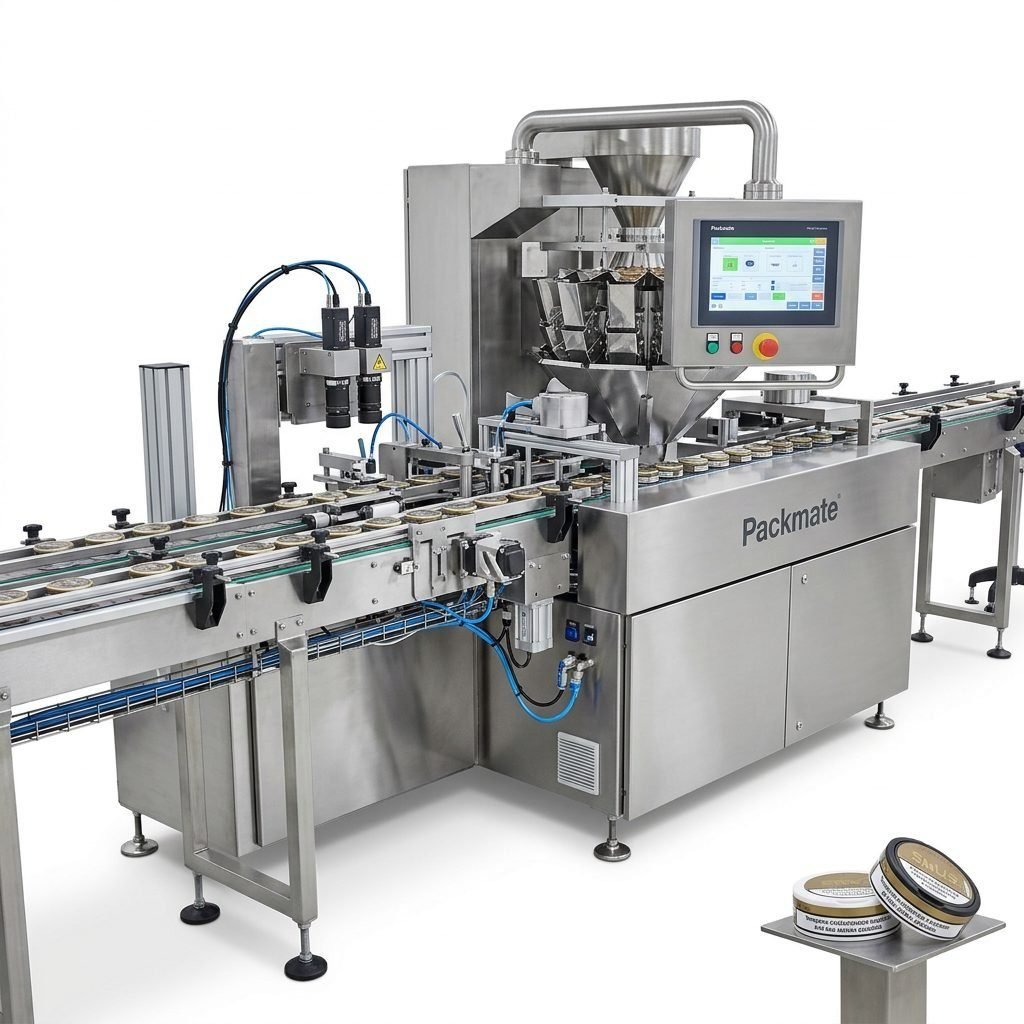
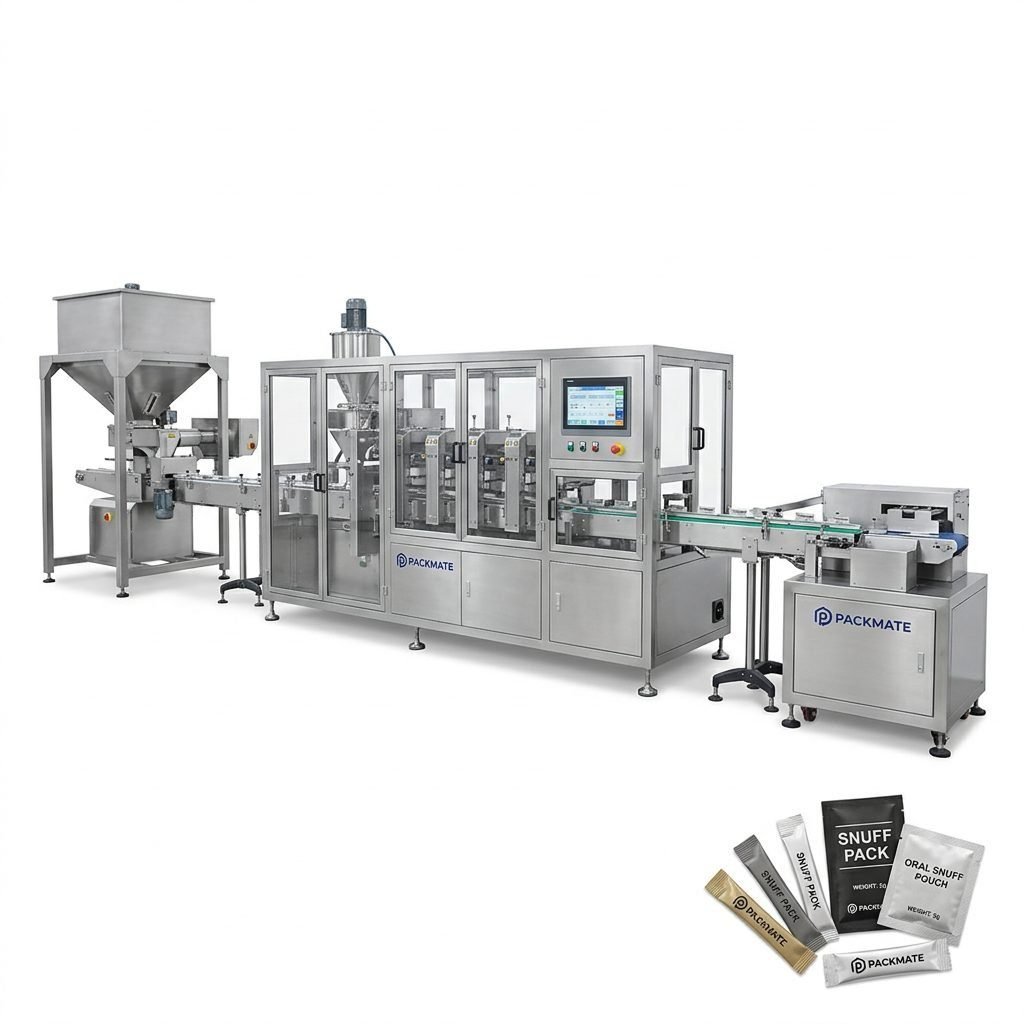
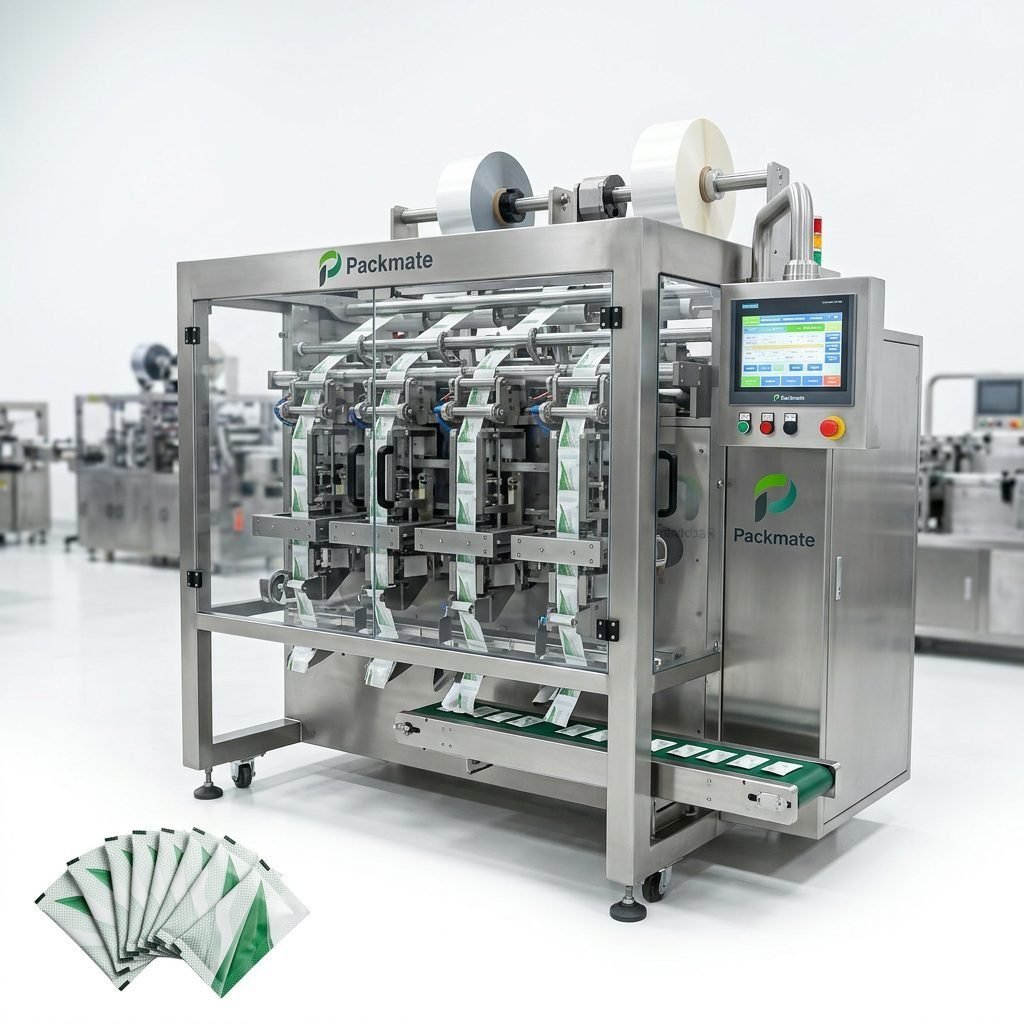
For detailed product categories, you can explore trusted equipment lines such as Snus & Nicotine Packaging Machines and Sachet & Stick Pack Machines that demonstrate typical capabilities and formats.
Factory Strength, Customization and Turnkey Solutions
A large factory with advanced machining reduces lead times and increases quality consistency. Ask about the manufacturer’s ability to deliver turnkey packaging lines including weighing, filling, sealing, and cartoning. Turnkey suppliers reduce integration risk and speed up your time-to-market.
What to verify:
- Factory area and production capacity (e.g., 20,000㎡ with CNC centers).
- Availability of sample testing, live demonstrations, and customer case studies.
- Customization options for pouches, multi-lane configurations and product handling.
Certifications and Global Standards
Ensure the equipment meets international certifications like CE and ISO. These are important when exporting to or operating within regulated Brazilian environments and when working with large retailers that require documented compliance.
Support, Spare Parts, and Local Service in Brazil
After-sales support is often the deciding factor. Ask potential manufacturers about local partners in Brazil, spare parts availability, remote troubleshooting, and on-site training. Consider suppliers who offer documentation in Portuguese and post-sale technical support with reasonable SLAs.
Service expectations:
- Clear spare parts pricing and lead times to Brazil ports.
- Remote diagnostics and preventive maintenance programs.
- Training programs for Brazilian floor teams and procurement of critical spares locally.
Cost vs. ROI — Calculate the Real Production Value
The cheapest machine can cost more in the long run if it has frequent downtime or high consumable costs. Factor in total cost of ownership (TCO): electricity, consumables, spare parts, uptime, and labor. A higher initial investment in a multi-lane, automated line often yields faster ROI through higher throughput and lower per-unit labor costs.
Supply Chain and Logistic Considerations for Brazilian Operations
Calculate shipping costs, import duties, and customs clearance times. Verify packaging machine suppliers have experience shipping to Brazil and can assist with documentation for customs, certificates, and compliance paperwork. If possible, request FOB and CIF quotes and compare lead times.
Integration with Upstream and Downstream Equipment
A complete production line might include weighing & packaging systems, fillers, and auxiliary equipment. Validate interoperability and communication protocols. Check examples of integrated lines such as those shown under Weighing & Packaging Systems and Filling & Packaging Lines.
Verify Track Record: Cases, Exhibitions, and Customer Feedback
Look for real-world cases and exhibition participation to evaluate reputation. Manufacturers who exhibit globally and publish case studies demonstrate transparency and confidence in their equipment. Review customer testimonials and ask for references in Latin America or similar climate markets.
For company background and exhibitions, review the manufacturer’s profile and show participation at About Packmate and Our Exhibition.
Negotiation Tips and Purchase Terms
Negotiate payment milestones tied to acceptance tests and FAT/SAT (Factory Acceptance Test / Site Acceptance Test). Ensure warranty terms, installation, commissioning, and training are clearly defined. Include spare parts kits and documentation in Portuguese if possible.
Purchase checklist
- Defined FAT acceptance criteria and test samples.
- Detailed commissioning plan and timeline for Brazil installation.
- Warranty, spare parts list, and response time SLAs.
- Training scope and documentation language preferences.
Final Selection: Making the Decision
Shortlist 2–3 manufacturers and request detailed proposals including technical drawings, electrical diagrams, performance guarantees, and references. If possible, visit the factory or request live online demos. Choose the supplier that best matches your technical specs, demonstrates strong local support, and provides transparent TCO calculations.
Example: Why a Specialized Snus Machine Supplier Can Be the Best Choice
A specialized supplier with 30+ years of experience and a large dedicated facility often delivers higher reliability, better multi-lane designs, and tailored turnkey solutions. Such a partner will typically provide better documentation, faster improvements, and a more mature spare parts network.
Explore product families and case references at the manufacturer’s product pages like Bag & Pouch Packaging Machines and the Case portfolio to evaluate real deployments.
Practical Next Steps for Brazilian Buyers
– Draft a clear specification document with speeds, formats, and materials.
– Ask shortlisted manufacturers for FAT videos using your materials.
– Verify regulatory requirements with local counsel and prepare clearance documentation.
– Request a complete proposal that includes installation, training, and spare parts for the first 12 months.
Helpful links
Conclusion
Choosing the best snus packaging machinery manufacturer in Brazil is a multi-dimensional decision that involves technical evaluation, regulatory awareness, local climate considerations, and reliable post-sale support. Prioritize suppliers with strong snus/nicotine pouch experience, comprehensive turnkey capabilities, and a proven track record in similar markets to ensure sustainable production and strong ROI.
Frequently Asked Questions
Q1: How do I confirm a machine’s real production speed?
A1: Request FAT videos or live demonstrations using your exact materials and pouch formats. Verify output over extended runs to account for changeovers and maintenance stops.
Q2: What certifications should I ask for when buying for Brazil?
A2: Ask for CE and ISO as baseline quality markers, and request documentation to support customs clearance and any health authority reviews. Also confirm electrical and safety standards applicable to Brazil.
Q3: Is multi-lane equipment necessary for small-dose nicotine pouches?
A3: Multi-lane systems often provide the best balance of speed and dosing precision for small-dose pouches, improving throughput while maintaining consistency.
Q4: How important is local service presence in Brazil?
A4: Very important — local or regional service partners reduce downtime, speed spare parts delivery, and simplify compliance with installation requirements.
Q5: Where can I get examples of installed lines and customer references?
A5: Ask suppliers for case studies and customer references, and review their published cases and exhibition portfolios for real-world deployments.