Choosing the right snus packaging machine for a small island market like Nauru requires more than just comparing speeds and prices. You must consider climate, import logistics, local retail formats, and service availability. This guide walks Nauruan entrepreneurs, regional distributors, and procurement managers through practical steps to select a snus or nicotine pouch packaging solution that fits your production goals, budget, and the unique realities of operating in Nauru.
Why Nauru’s local context matters for packaging equipment
Nauru is a compact island nation with a small population and tropical humidity. Businesses here commonly operate with tight warehouse space, limited local manufacturing support, and reliance on imports. That means your packaging equipment choice must balance footprint, robustness to humidity and corrosion, ease of maintenance, and supply-chain readiness for spare parts. Machines that are overly complex or require frequent on-site parts may create long downtimes due to shipping delays.
Key local considerations:
✅ Compact footprint preferred due to limited factory space.
✅ Corrosion-resistant materials and moisture control for tropical climate.
✅ Remote support and spare-parts availability are critical.
✅ Energy-efficient machines reduce operating costs where power supply may vary.
Common snus/nicotine pouch packaging formats and what they mean for you
Different product formats imply different equipment choices. The most common are:
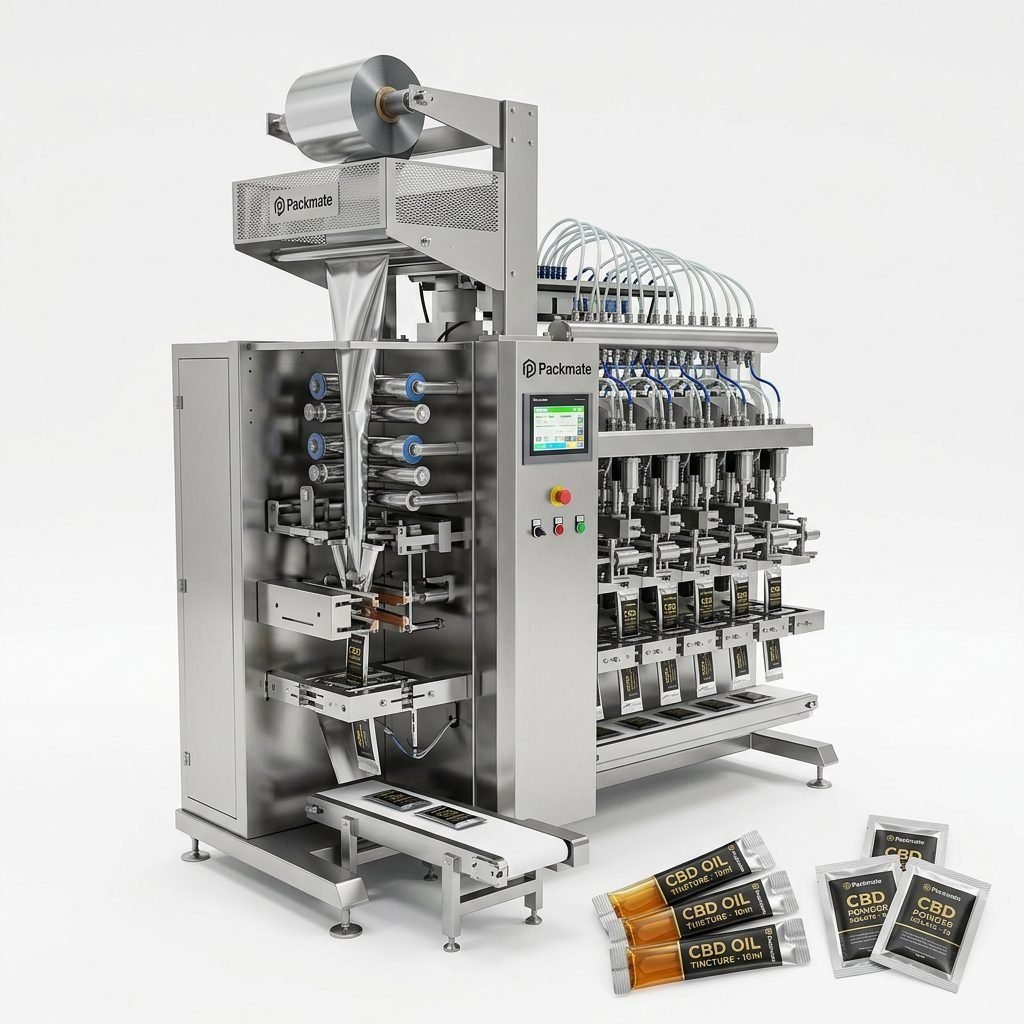
• Stick packs — ideal for single-dose convenience; compact machines are available for lower-output lines.
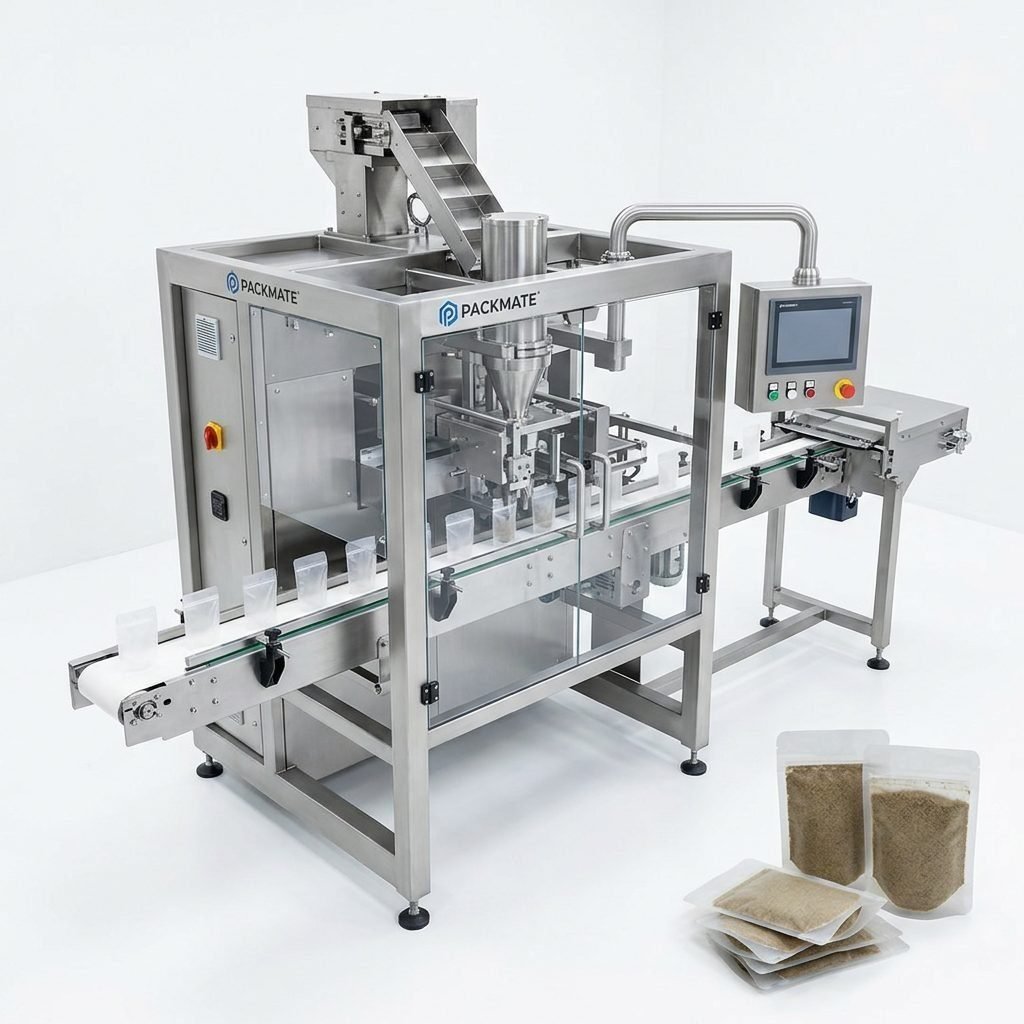
• Sachets and pillow pouches — versatile for different weights and shapes; often used for powdered or granular nicotine pouches.
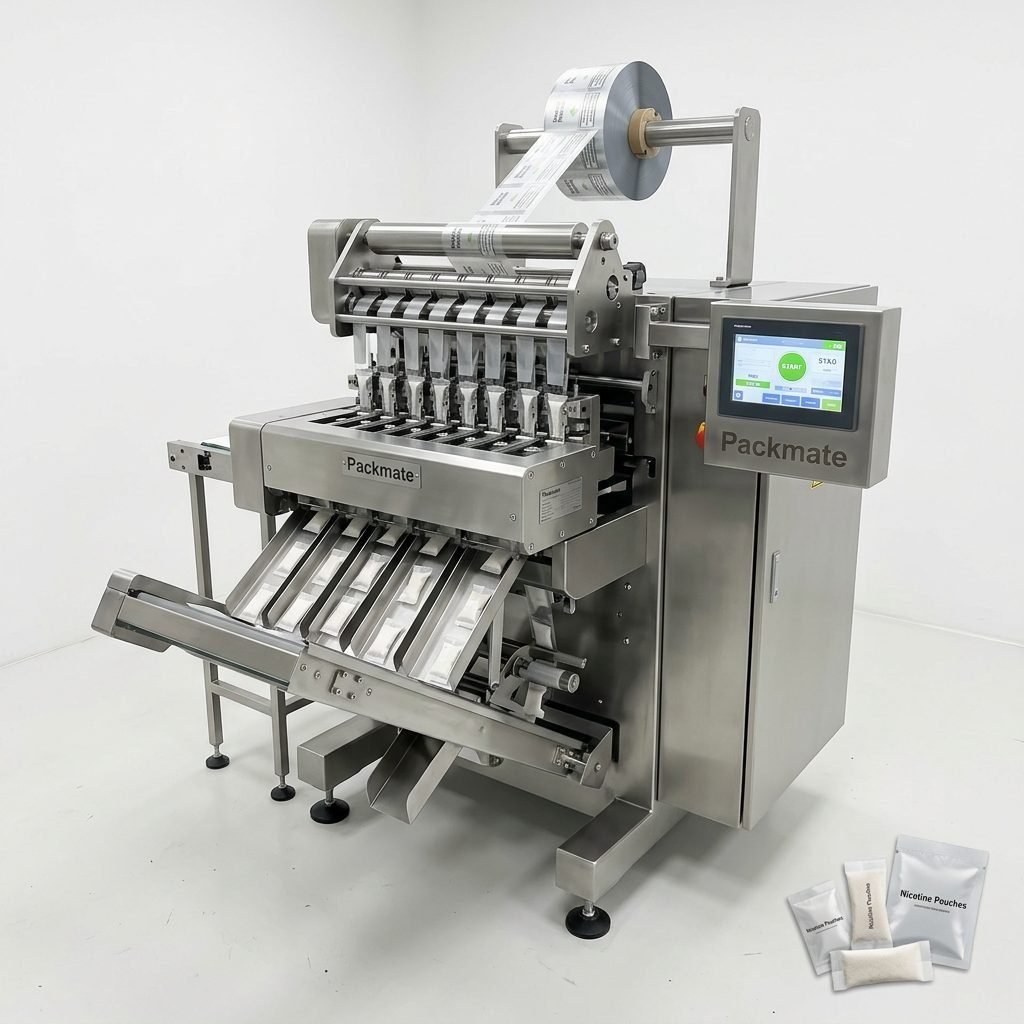
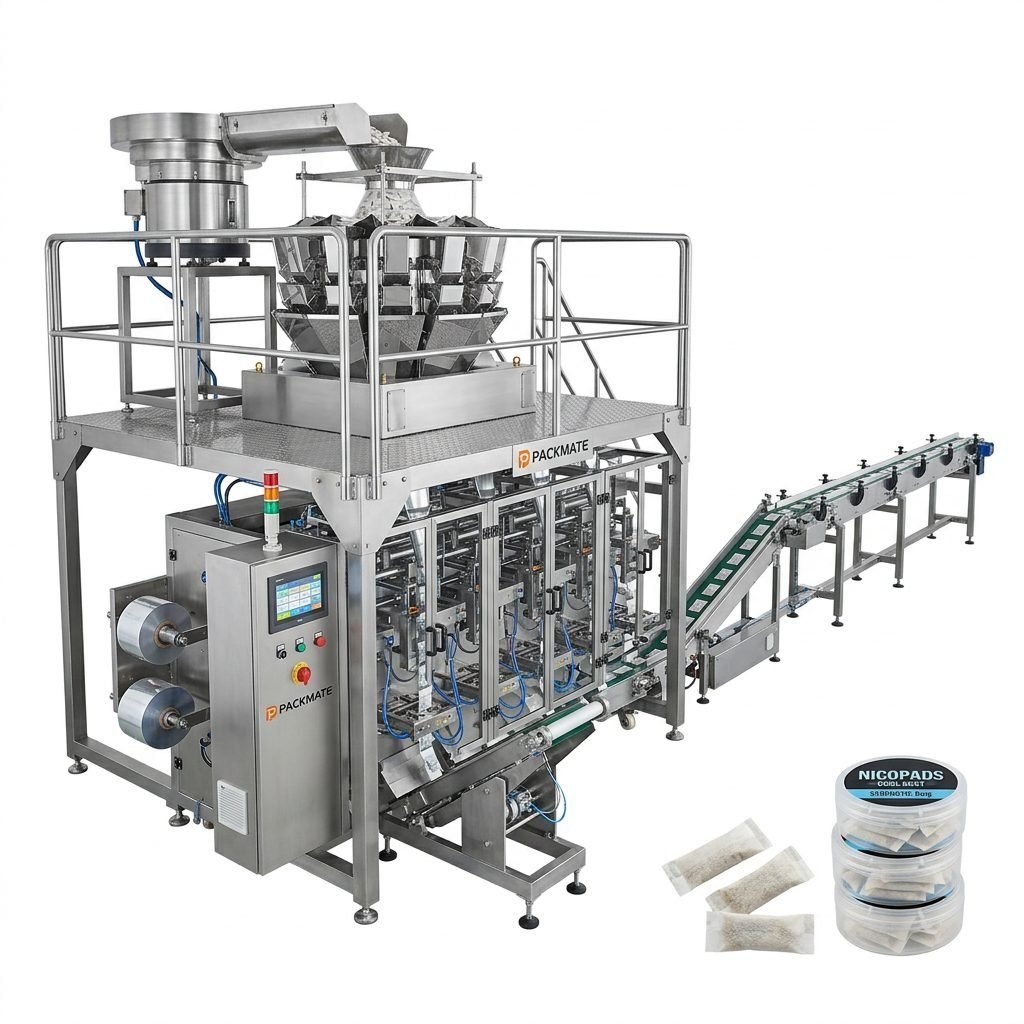
• Multi-lane systems — high throughput for larger batches; best when exporting to regional markets or supplying multiple retail chains.
When to pick multi-lane vs single-lane
If you plan to scale quickly or produce for export to nearby Pacific markets, a multi-lane solution offers economies of scale. For local, low-volume niche brands serving Nauru’s domestic market, single-lane or small multi-lane machines reduce investment and simplify maintenance.
Top technical specs to evaluate
When comparing models, pay attention to these measurable items:
• Speed (packs/minute) — choose a speed that matches your realistic production plan rather than the maximum possible.
• Accuracy (weight / dose tolerance) — tight dosing tolerance reduces wastage and ensures regulatory compliance.
• Sealing technology — high-barrier seals and temperature control preserve product life in humid climates.
• Material compatibility — can the machine handle the pouch materials you prefer (foil-laminates, paper-film, biodegradable films)?
• Changeover time — fast format changeovers reduce downtime when you run multiple SKUs.
Tip: Prioritize machines that list performance with your exact pouch size and film composition. If the spec sheet uses ambiguous conditions, ask for a video demonstration with your product.
Materials, sealing and shelf life — especially important in tropical climates
Tropical humidity in Nauru accelerates moisture uptake and oxidation in nicotine pouches. Choose packaging films with strong moisture and oxygen barrier properties and machines capable of reliable heat or ultrasonic sealing. Consider nitrogen flushing or desiccants for longer shelf life. When asking suppliers, request tests or references showing shelf-life performance in humid environments.
Automation level vs staffing and skills
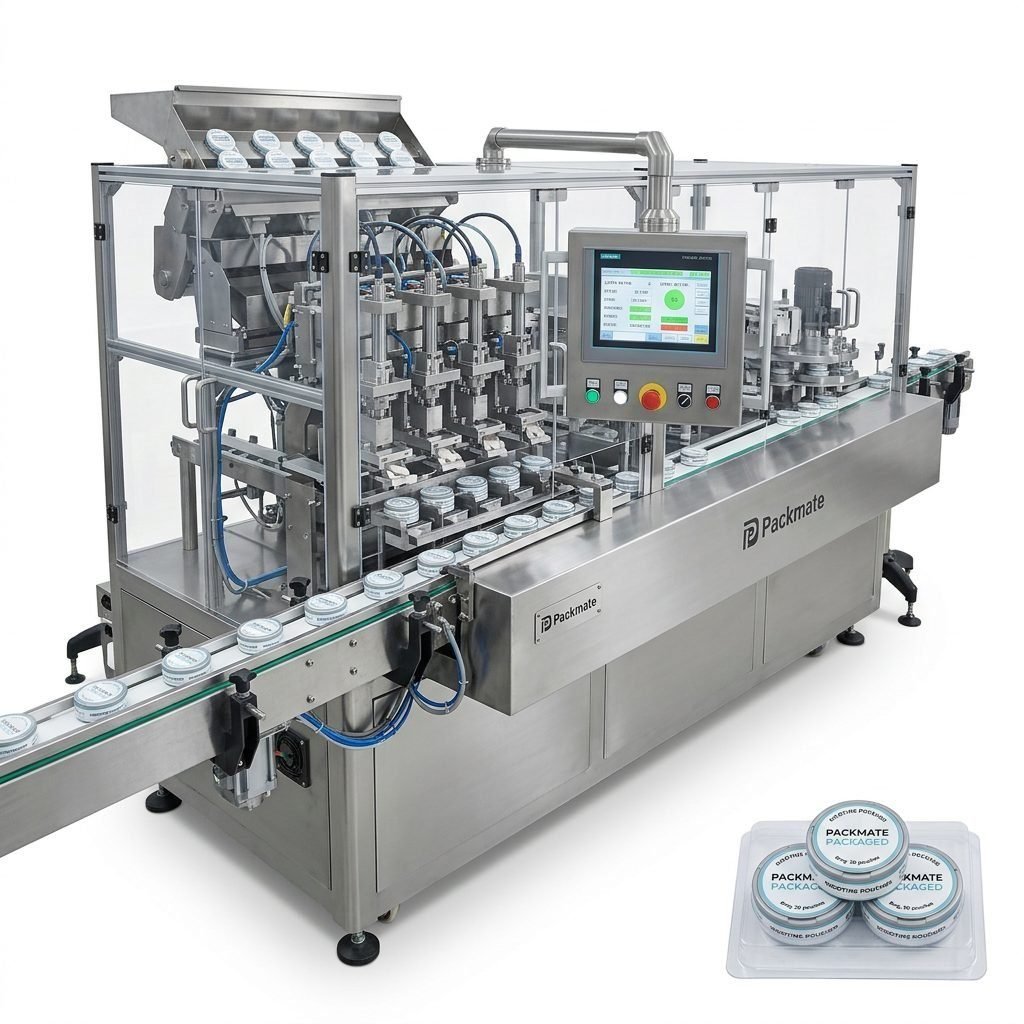
Higher automation reduces manual labor but increases reliance on trained technicians. In Nauru, where skilled technicians may be limited, a balance often works best: semi-automated solutions with intuitive HMI (Human-Machine Interface), remote diagnostics, and a service contract. Machines with modular components and clear user manuals in English will reduce training time.
Remote support and training
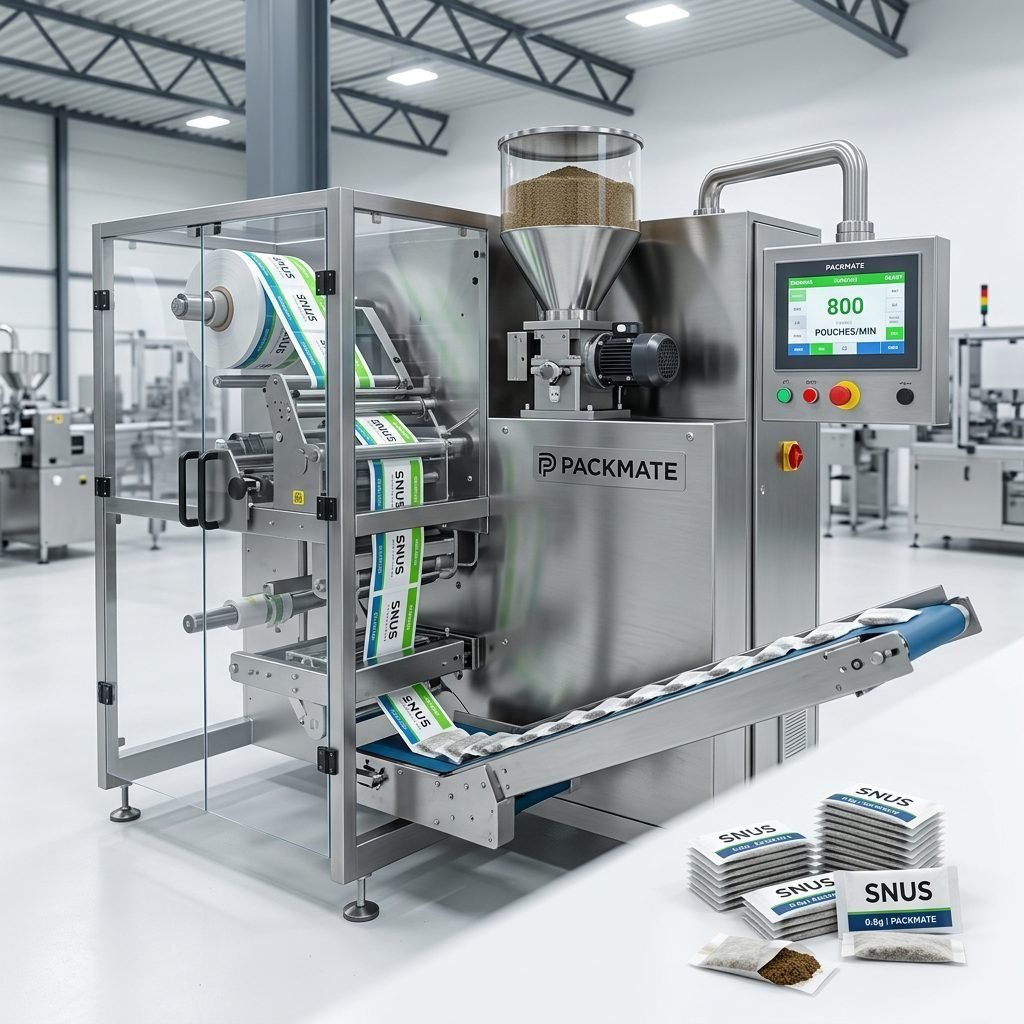
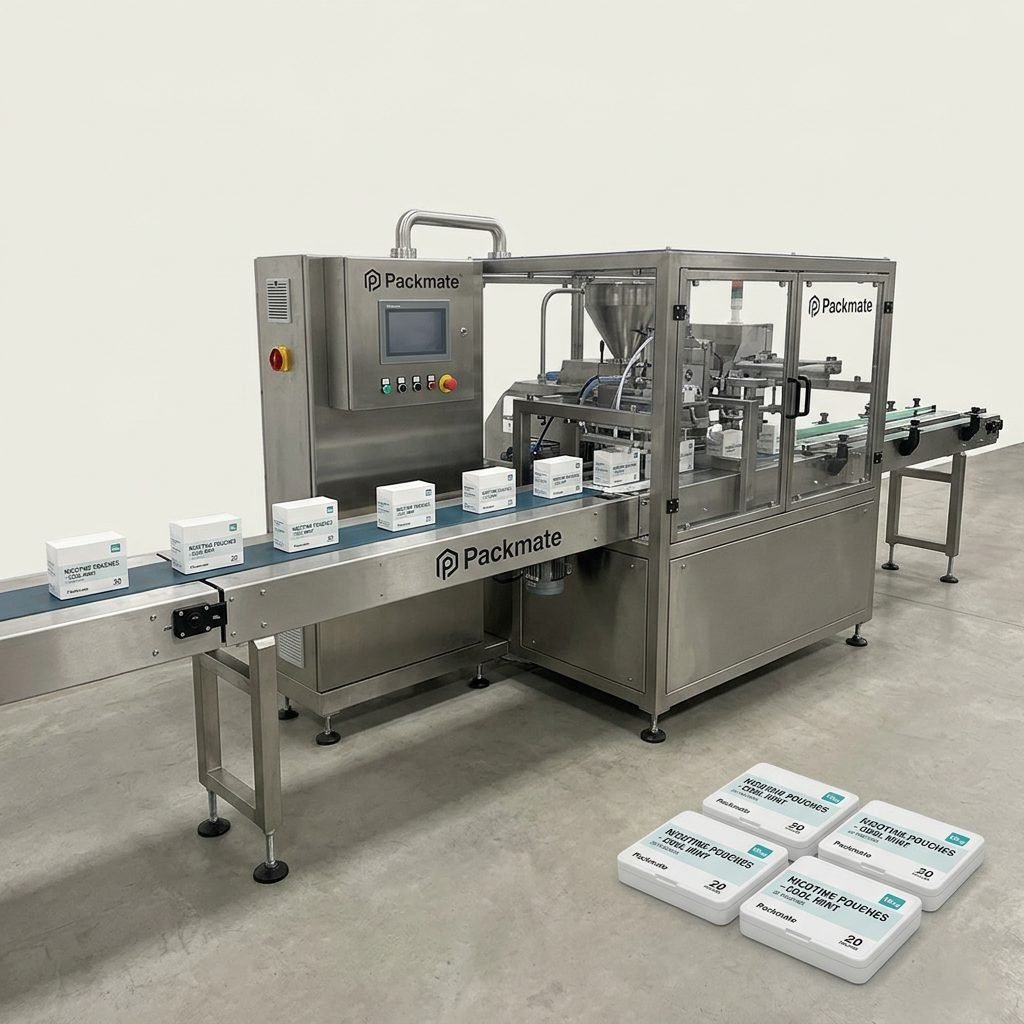
Confirm whether the manufacturer offers remote troubleshooting, spare-part kits, and on-site training options. Look for providers who document successful installations in island or remote markets. Packmate Snus Machine, for example, emphasizes global turnkey solutions and after-sales support to reduce downtime for clients worldwide. Learn more about their product range on the Snus & Nicotine Packaging Machines and Bag & Pouch Packaging Machines pages.
Compliance, certifications and labeling
Regulatory frameworks for nicotine products differ around the Pacific. Ensure your machine and finished packaging allow easy printing of mandatory warnings, batch numbers, and ingredient lists in English and, when appropriate, local languages. Machine certifications (CE, ISO) indicate manufacturing quality and safety standards — these are also useful when importing equipment into Nauru.
Energy, footprint and workshop requirements
Evaluate your site for power stability, ventilation, and space. Energy-efficient drives and variable-frequency motors reduce power spikes and consumption. Purchase systems with a compact footprint if you have limited factory area. Confirm the machine’s weight and foundation needs and plan for crane or forklift access during installation.
Spares, consumables and lead times — plan for logistics
Because Nauru relies on shipping and occasional flight services for parts, stock critical spares locally: sealing jaws, PLC modules, belts, and dosing nozzles. Negotiate spare-part kits with your supplier and confirm typical lead times. Good suppliers will also provide clear exploded parts lists and remote verification support to help troubleshoot before shipping replacement parts.
Procurement checklist (quick):
• Confirm machine suitability for your pouch format and film.
• Ask for local or regional references and remote support options.
• Verify spare parts list and lead times.
• Ensure energy and footprint compatibility with your site.
• Check certifications (CE/ISO) and printing/labeling capabilities.
Budgeting and ROI considerations
Total cost of ownership includes machine price, shipping, import duties, installation, training, consumables, and expected downtime. For a small market like Nauru, choose a scalable solution: start with a lower-capacity line that supports growth and can be upgraded. Conduct a basic ROI calculation that factors in labor savings, reduced waste from accurate dosing, and expanded retail distribution potential.
Why pick a proven manufacturer for island markets
Proven suppliers with global installations bring documentation, field-tested reliability, and established spare-part channels. Packmate Snus Machine offers a wide product range, 30+ years of experience, and turnkey lines that can simplify procurement and deployment. Explore their product and service pages to compare models and support packages: Snus & Nicotine Packaging Machines, Bag & Pouch Packaging Machines, and Service.
Case example (typical approach)
Scenario: A small Nauruan brand wants to produce 1,000 packs/day for the domestic market and occasional regional shipments.
Recommended approach:
1) Start with a compact stick-pack or sachet machine with modular add-ons for printing and nitrogen flushing.
2) Purchase a spare-parts kit and remote-support agreement.
3) Train two local technicians (onsite or remote) and document maintenance routines.
4) Monitor production metrics for three months, then consider a multi-lane upgrade when consistent demand justifies higher throughput.
Final procurement tips before you sign
• Request a full packing demo video using your product and film.
• Negotiate a clear warranty, spare-part terms, and training schedule.
• Confirm shipping terms, customs clearance support, and local installation assistance.
• Ask for references in similar climates or island markets.
Quick links to explore suppliers and resources:
• Snus & Nicotine Packaging Machines
• Bag & Pouch Packaging Machines
• Service • Contact Us
Conclusion
Selecting a snus packaging machine for Nauru means balancing technical performance, climate resilience, spare-parts logistics, and local operational capacity. Prioritize practical features like strong barrier sealing, simple maintenance, remote support, and a compact footprint. Work with a supplier who provides clear installation, training, and after-sales service to minimize downtime and protect your investment.
Common Questions
Q: What machine features help with high humidity in Nauru?
A: Look for corrosion-resistant materials (stainless steel), reliable heat or ultrasonic sealing with controlled temperature, and options for nitrogen flushing or desiccants to extend shelf life.
Q: How many spare parts should I stock locally?
A: At minimum, stock sealing jaws, belts, sensors, and common PLC modules. Work with your supplier to create a parts kit tailored to your machine model and local shipping lead times.
Q: Should small Nauruan producers choose multi-lane systems?
A: Not usually at first. Start with single-lane or small multi-lane machines and upgrade as demand grows. Multi-lane investments pay off when you consistently run large volumes or export regionally.
Q: Can I get remote training and troubleshooting from overseas suppliers?
A: Yes. Many manufacturers offer remote diagnostics, video training, and virtual commissioning. Ensure your supplier provides clear documentation and dependable remote support contracts.
Q: Where can I find more information on machine models and services?
A: Check manufacturer product pages and service portals. For Packmate’s offerings and detailed product lists, visit their product and contact pages linked above.