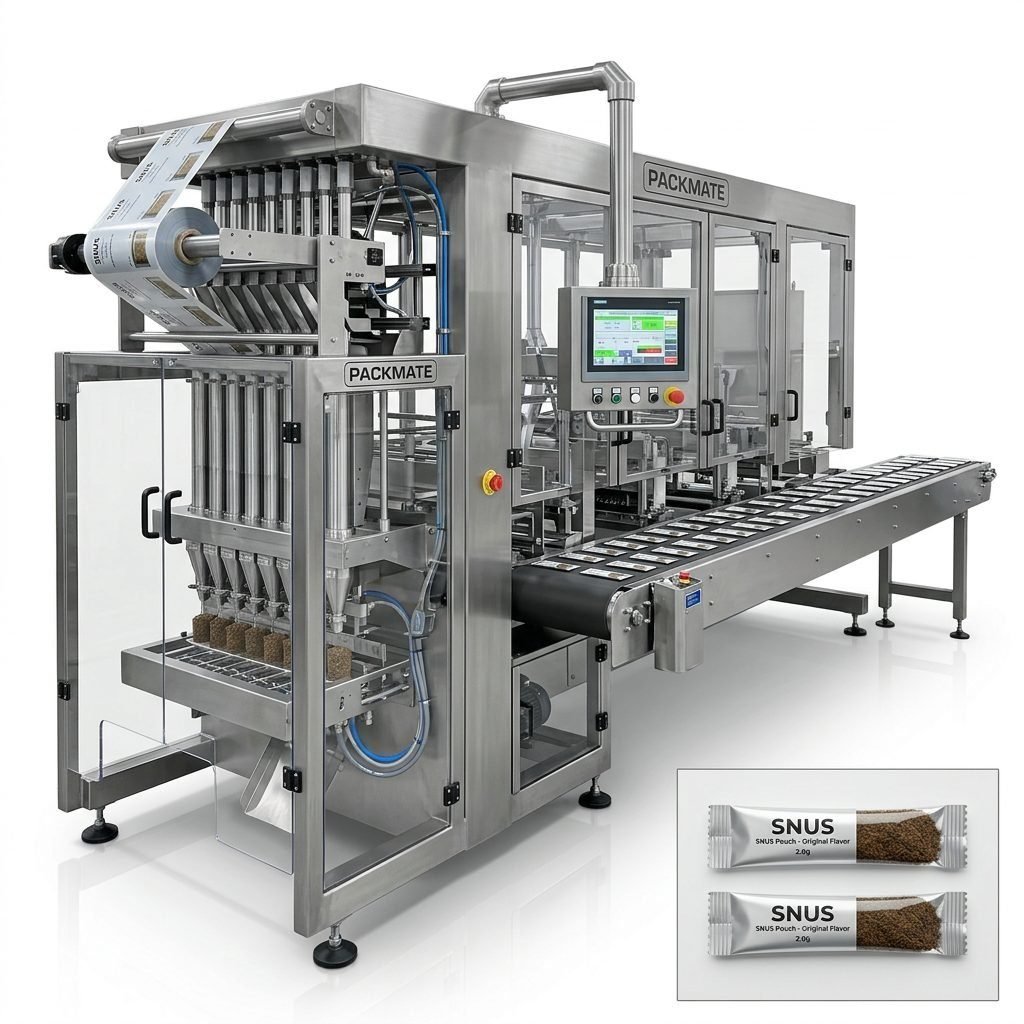
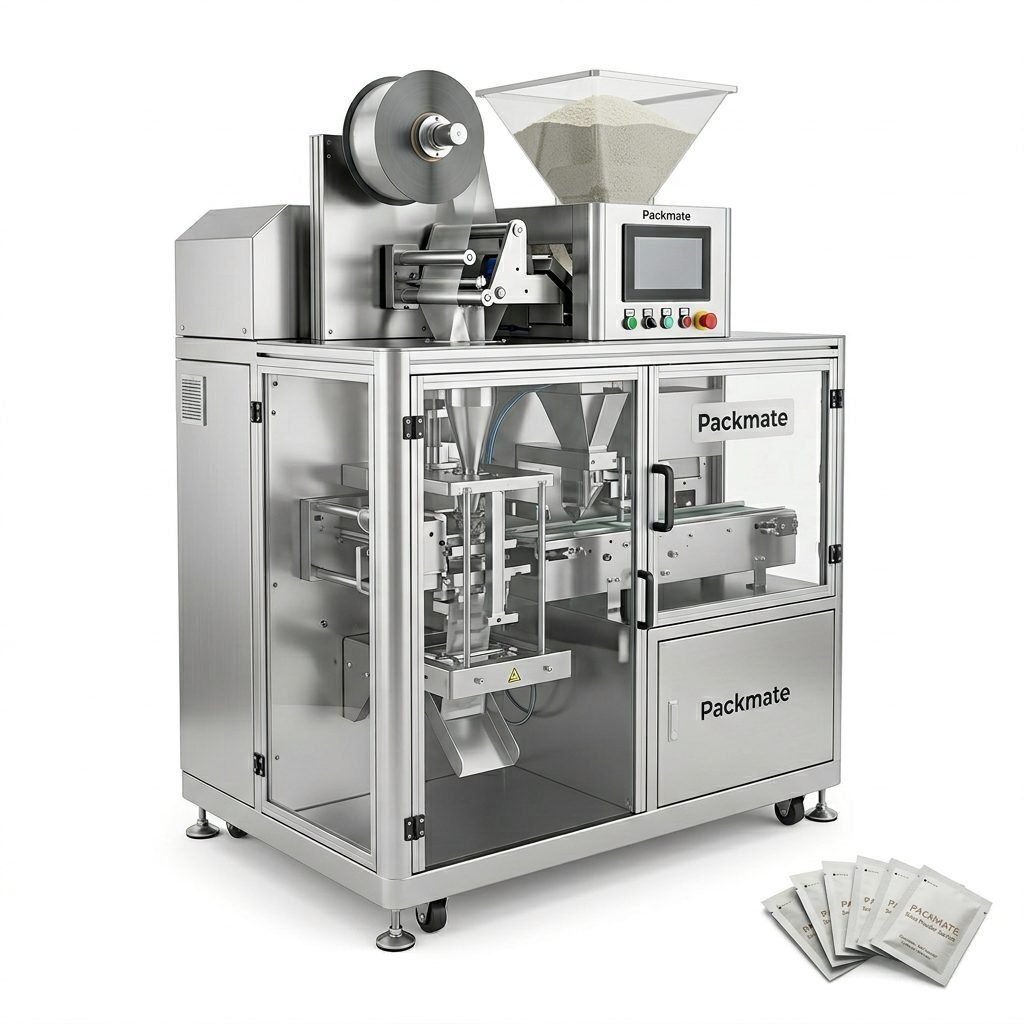
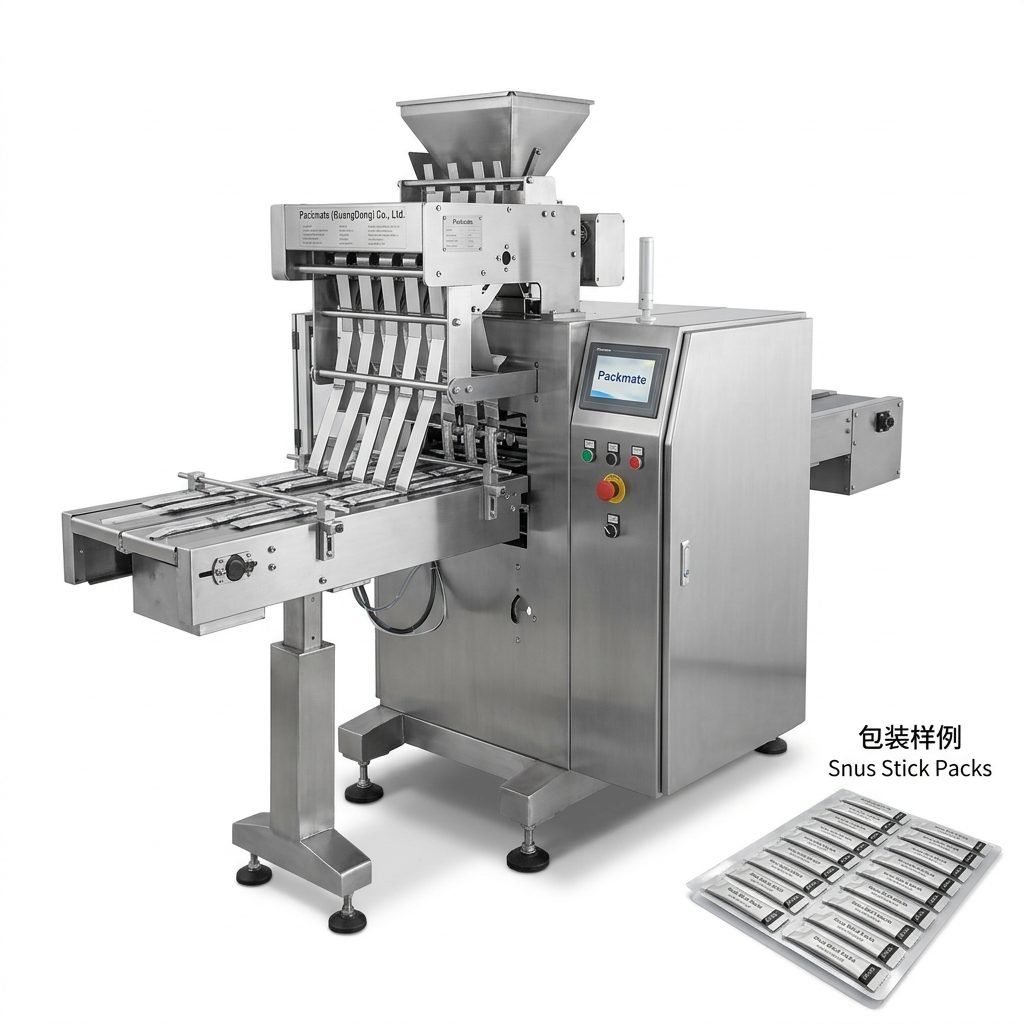
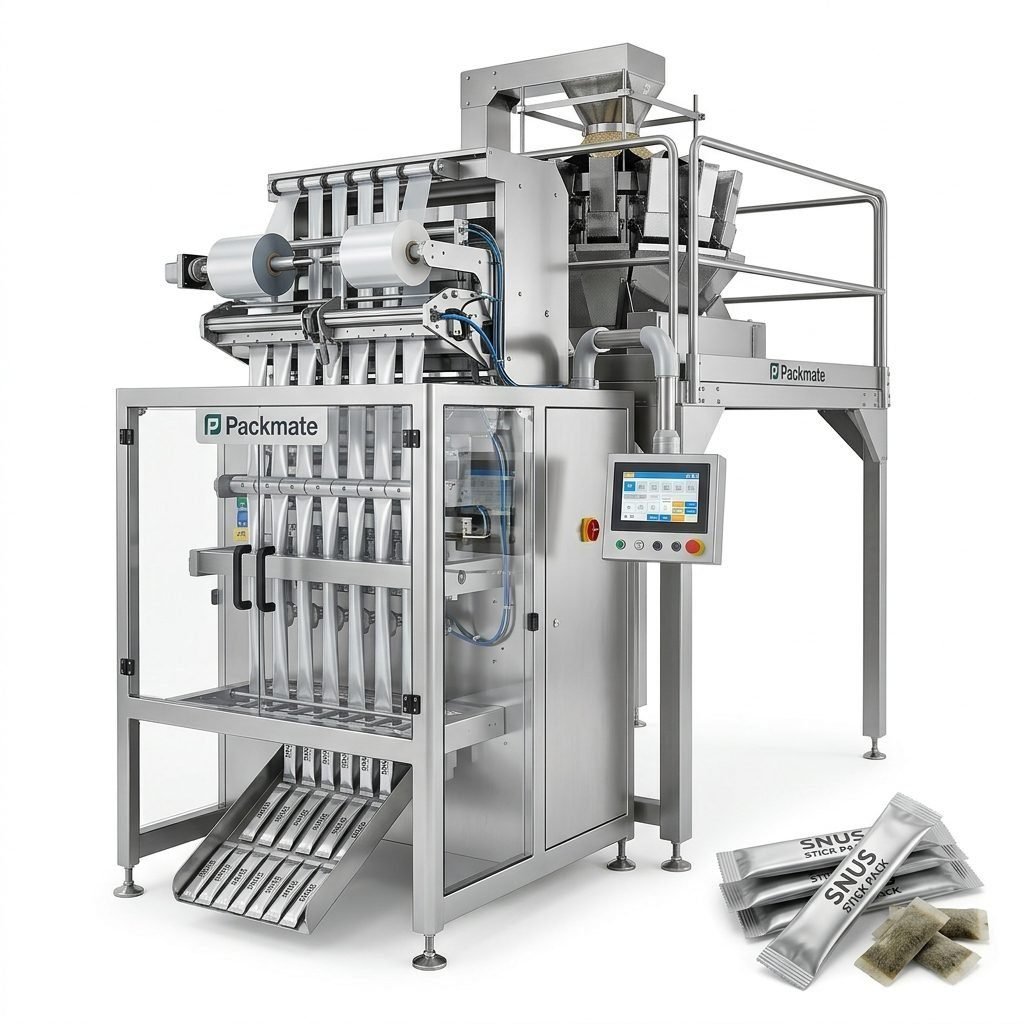
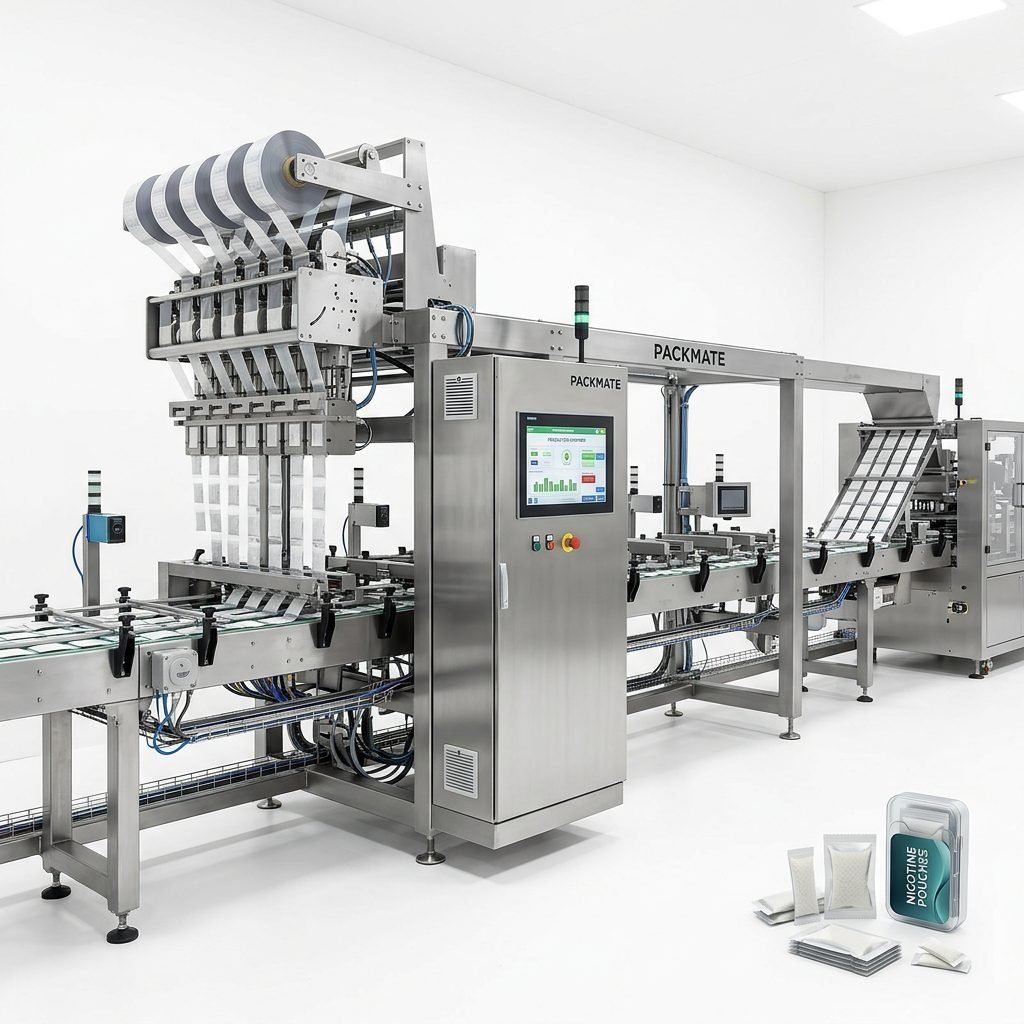
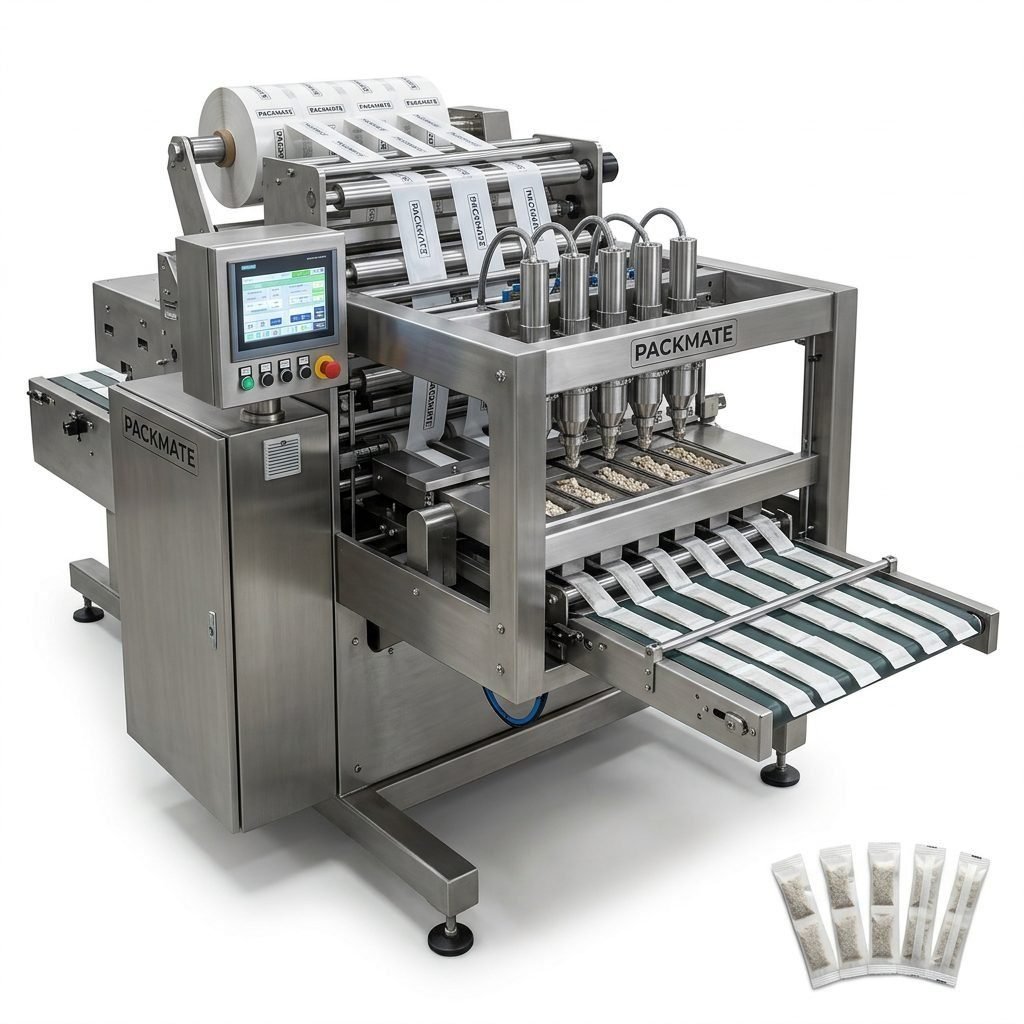
Choosing the right nicotine pouch or snus packaging machine manufacturer is a critical step for any business in Costa Rica that wants consistent product quality, regulatory compliance, and long-term operational reliability. This guide walks you through a practical, actionable process to evaluate suppliers, compare capabilities, and sign agreements that protect your investment. Whether you are launching a new nicotine pouch brand or upgrading an existing line, these insights will help you make a confident decision.
⚙️ Why the Manufacturer Choice Matters
A packaging machine is not just equipment; it is the backbone of your production process. A reliable supplier delivers machines that meet performance targets, minimize downtime, and adapt to evolving product formats. Choosing the right partner impacts: production throughput, product consistency, regulatory compliance, and total cost of ownership over years of operation.
📌 Core business risks from a poor choice
⚠️ Unexpected downtime and long repair lead times
⚠️ Inability to scale multi-lane output for small-dose nicotine pouches
⚠️ Non-compliance with CE/ISO or export documentation complications
🔍 Key Criteria When Selecting a Nicotine Packaging Machine Manufacturer in Costa Rica
Evaluate suppliers across technical capability, quality systems, local support, and commercial transparency. The following checklist helps you prioritize vendor assessments for nicotine pouch/snus packaging lines.
1. Industry Experience & Specialized Expertise
Look for vendors with deep experience in snus and nicotine pouch equipment. Companies that have developed multi-lane systems and stick-sachet options understand low-dose filling, powder flow, and sealing requirements. Experience reduces design risk and shortens commissioning time.
2. Certifications & Compliance
Verify CE, ISO, and any other relevant certifications. For export and local regulatory compliance in Costa Rica, documentation and proper machine guarding, electrical standards, and traceability systems are essential.
3. Manufacturing Capacity & Lead Times
Assess factory scale, CNC capabilities, and assembly lines. Larger facilities with automated machining and precision assembly typically deliver consistent quality and shorter lead times. Ask for typical build and delivery timelines for multi-lane snus lines.
4. Customization & R&D
Nicotine product variants require rapid changeovers and format flexibility. A manufacturer with R&D capacity can adapt dosing, pouch material, and sealing technologies. Customizable control software and interchangeable tooling are major advantages.
5. After-sales Service & Spare Parts
Local or regional support is a decisive factor. Quick spare parts shipment, remote troubleshooting, and trained technicians keep lines running. Confirm warranty terms, trained service partners in Central America, and spare parts kits for critical wear items.
6. Quality Control & Factory Testing
Request documentation on factory acceptance tests (FAT), performance records, and QA protocols. FATs that include run-time demonstration with your product or simulated material are valuable to validate performance prior to shipping.
7. Price vs Total Cost of Ownership
Lowest purchase price rarely equals best value. Include installation, spare parts, consumables, power consumption, and expected MTBF in your cost model. A higher-quality machine with fewer stoppages can reduce manufacturing cost per pouch significantly.
📊 Practical Vendor Assessment: Questions to Ask Every Supplier
✅ What is your experience with nicotine pouch / snus packaging specifically?
✅ Can you provide FAT records and references for similar multi-lane lines?
✅ What are your standard lead times and options for expedited delivery?
✅ What warranty, training, and spare parts policies are included?
✅ Do you offer turnkey integration services, including weighing, filling, and downstream packing?
📌 What to Look for in Factory Visits and Audits
If feasible, schedule a factory visit. Key observations during the visit include machining precision, assembly layout, QA stations, inventory of critical spares, and how the company manages custom projects.
Factory Audit Checklist (compact)
• Review CNC and machining capabilities to ensure part tolerances are repeatable.
• Inspect assembly lines for cleanliness, organized workstations, and calibration tools.
• Observe FAT area and request a simulated production run on similar materials.
• Check inventory of wear parts and lead times for replacement components.
• Verify quality records, CE/ISO certificates, and traceability systems.
💡 How Packmate Aligns with These Requirements
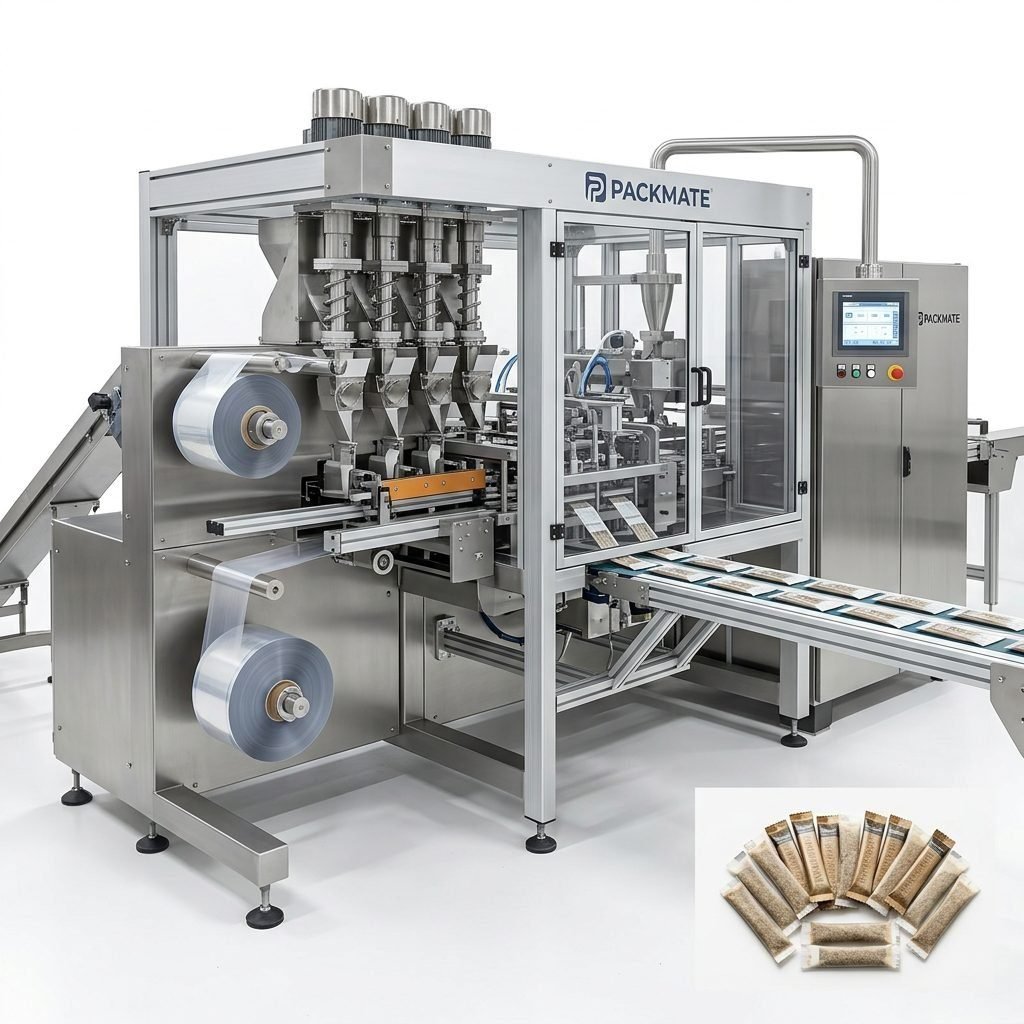
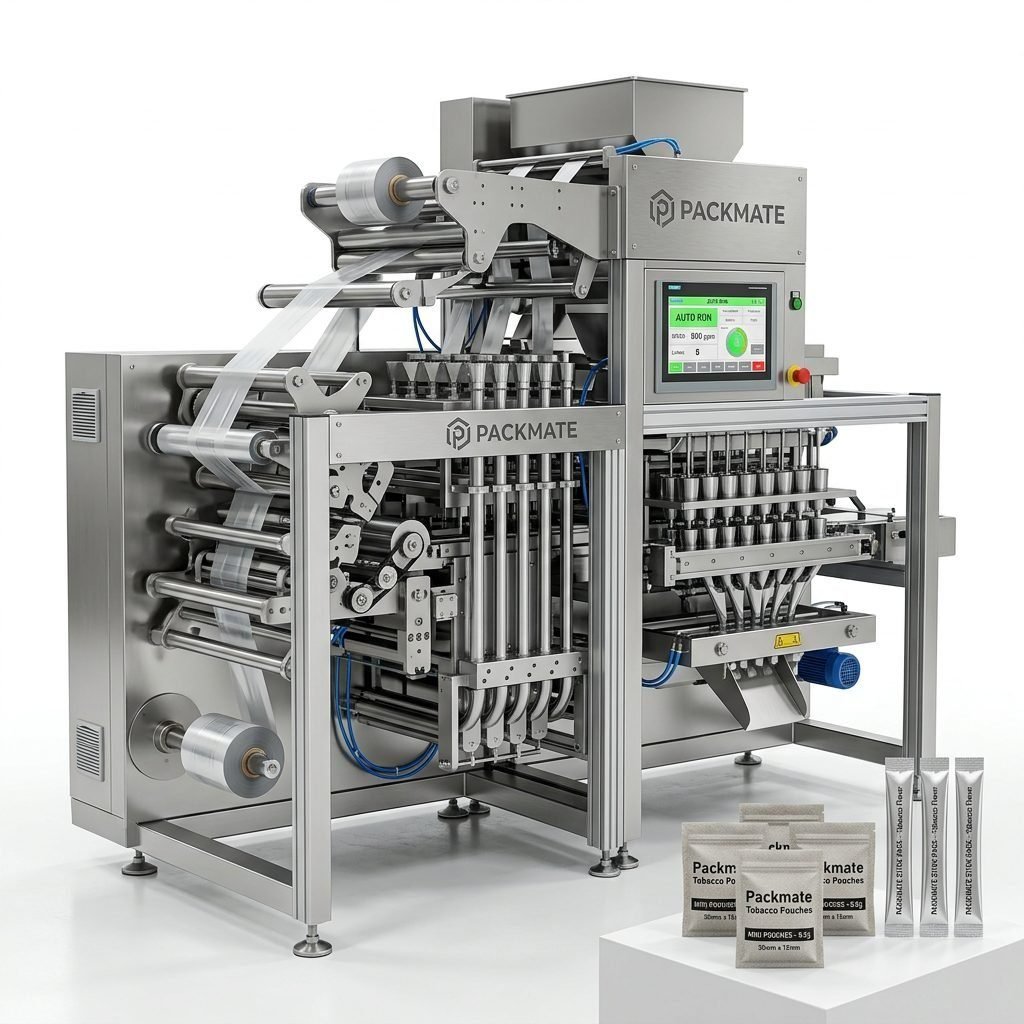
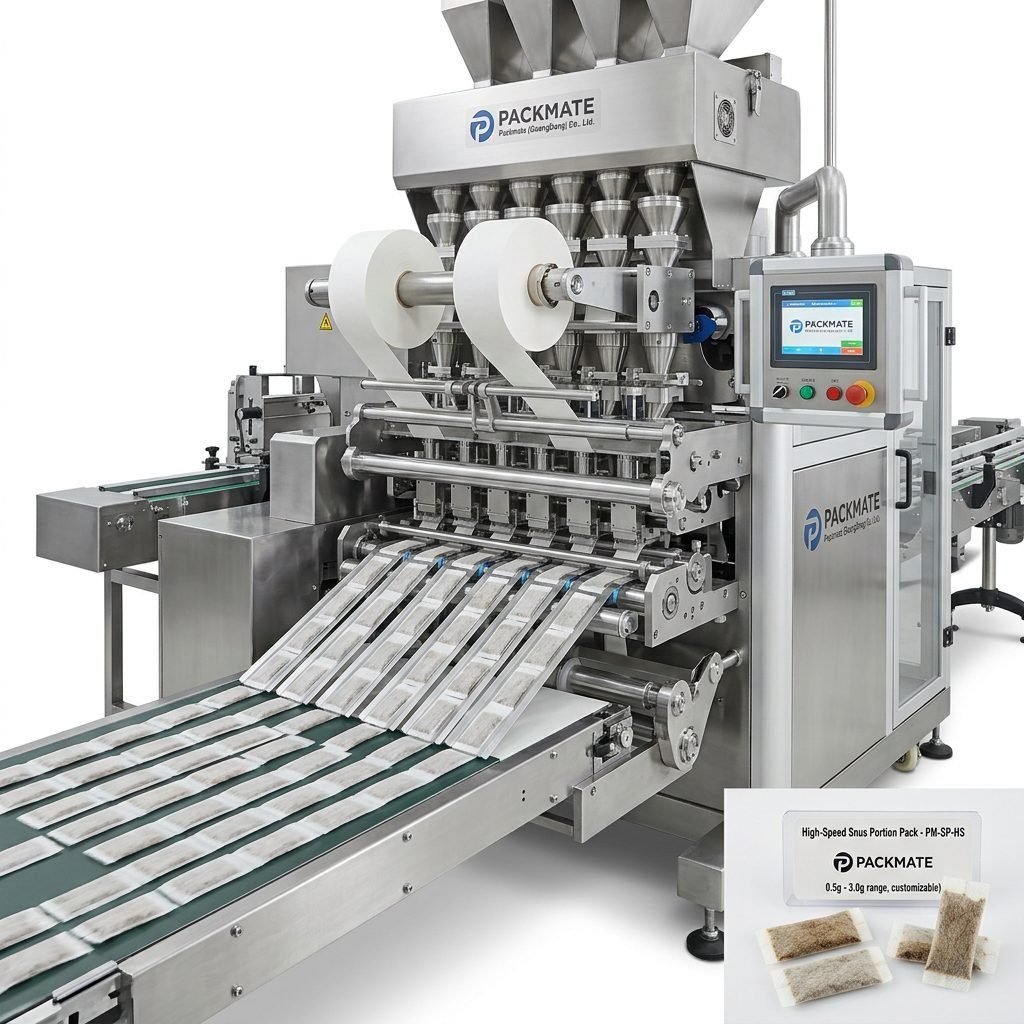
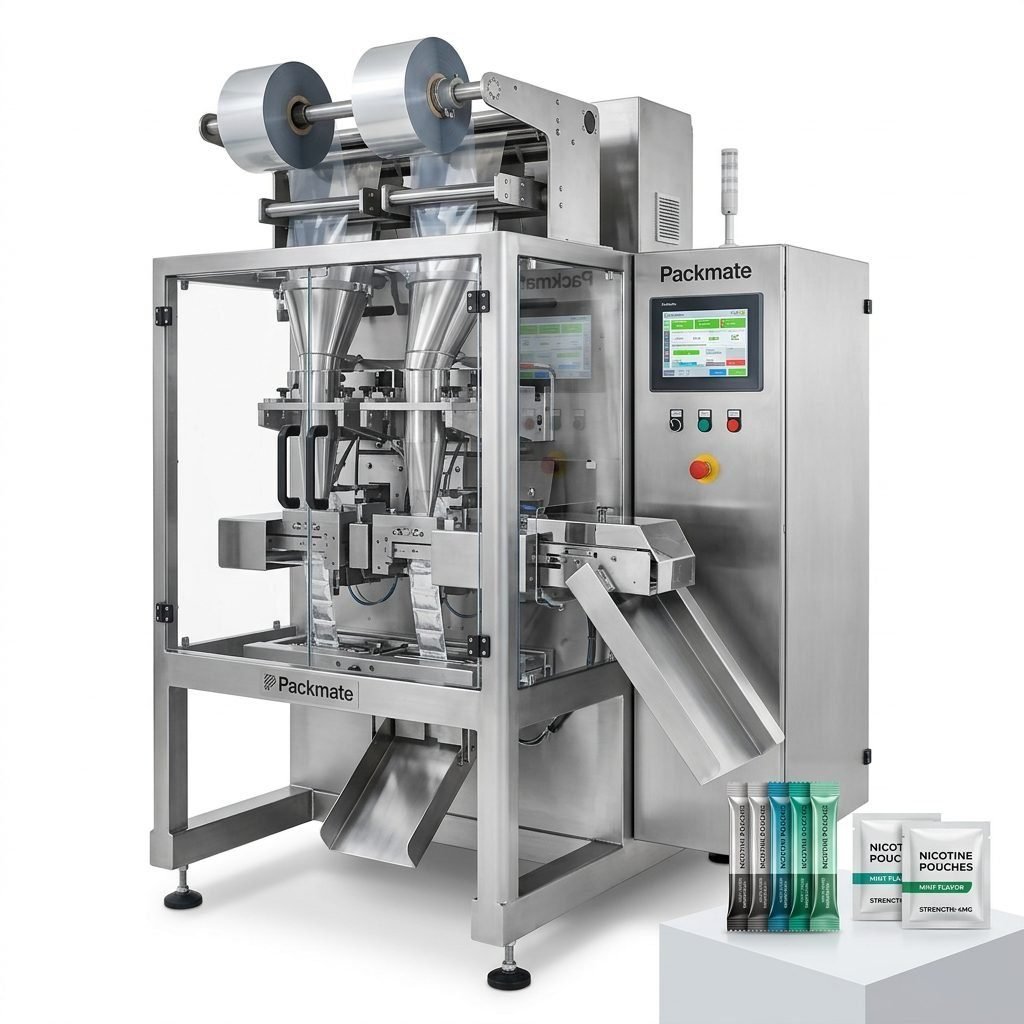
Packmate Snus Machine is positioned as a specialist in snus and nicotine pouch systems with over 30 years of engineering experience and a 20,000㎡ manufacturing facility. For buyers in Costa Rica evaluating global suppliers, Packmate brings several strengths that address common selection criteria.
🌐 Global turnkey capability: custom production lines including stick pack, sachet, and multi-lane systems.
⚙️ Manufacturing strength: advanced CNC machining centers and precision assembly lines.
📜 Certifications: CE and ISO compliant equipment to meet export and local regulatory needs.
📦 Model range: over 50 machine models and tailored turnkey solutions for nicotine pouches.
For technical details on relevant machines, see Packmate’s product pages for Snus & Nicotine Packaging Machines, and explore integration options in the Weighing & Packaging Systems section. Company background and history can be found on the About Packmate page, and real-world implementations are documented in their Case library.
🧾 Commercial & Contract Considerations
Negotiate terms that protect production continuity. Typical elements to cover include delivery milestones, acceptance testing, performance guarantees, spare parts lists, training scope, and an escalation matrix for technical issues.
Recommended contract clauses
• Detailed FAT acceptance criteria with measurable KPIs.
• Spare parts delivery time commitments (48–72 hours for critical items if possible).
• Defined warranty period, coverage for mechanical and electrical systems, and service response SLAs.
• Training for operators and maintenance staff, with documentation and diagrams included.
🚚 Logistics, Installation & Local Support in Costa Rica
Consider a supplier’s logistics experience for shipping heavy machinery, customs clearance, and local installation partners. A vendor that assists with freight documentation and can recommend regional technicians will reduce startup risk and lead time.
Integration with existing lines
Confirm electrical, pneumatic, and data interface requirements in advance. Discuss how the supplier will integrate the new machine with existing pack-out systems, vision inspection, or cartoning equipment to avoid last-minute incompatibilities.
✅ Final Selection Checklist
• Verified references for similar nicotine pouch projects
• Clear FAT criteria and documented performance guarantees
• Local service options and spare parts availability
• Transparent total cost of ownership and warranty conditions
• Factory capability to produce, test and customize packaging lines (CNC, assembly, QA)
🔎 Next Steps: How to Shortlist and Proceed
Start with a focused Request for Quotation (RFQ) that includes your product specs, target throughput, available floor space, utilities, and preferred commissioning dates. Invite shortlisted suppliers to submit FAT plans and sample-run videos, and request remote demos when on-site visits aren’t possible.
If you want to review a specialist lineup, check product families tailored to snus and nicotine pouch production and connected systems for weighing and filling. Explore the Sachet & Stick Pack Machines and the broader Filling & Packaging Lines for complementary modules.
Fast tips for procurement teams
• Keep technical and commercial evaluations separate for clarity.
• Request spare parts lists with part numbers and prices as part of the quote.
• Negotiate a staged payment tied to FAT, shipping, and on-site acceptance.
📞 Ready to Contact Suppliers?
When you are ready to reach out, use the manufacturer’s contact channels and request a tailored proposal that addresses nicotine pouch specifics, multi-lane outputs, and compliance documentation. For direct contact and service queries, see Packmate’s Contact Us page and their Service offerings.
Summary — Make an Informed, Low-Risk Choice
Selecting a nicotine packaging machine manufacturer in Costa Rica requires structured evaluation: prioritize specialized experience, proven QA and FAT processes, local support, and clear contractual protections. A partner with extensive R&D, robust manufacturing capabilities, and global turnkey experience will reduce your time-to-market and long-term operating cost.
Frequently Asked Questions
Q: How long does it typically take to receive and commission a multi-lane snus packaging line?
A: Lead times vary by configuration and customization, but a typical build-to-FAT timeline ranges from 12 to 24 weeks. Expedited options may be available depending on factory capacity and component availability.
Q: What warranty and after-sales support should I require?
A: Require a clear warranty covering mechanical and electrical defects (commonly 12 months), defined spare parts delivery times, remote troubleshooting support, and on-site service options for commissioning and training.
Q: Are nicotine pouch machines regulated differently for Costa Rica?
A: While machine safety and electrical standards are universal, confirm local regulatory requirements for nicotine product labeling and packaging materials. Ensure your supplier provides documentation and compliance certificates for export and equipment safety.
Q: Can suppliers provide turnkey lines including weighing and filling?
A: Yes. Many specialist vendors offer integrated solutions that combine snus packaging machines with weighing, filling, and downstream packing systems. Review the vendor’s system integration experience and request case studies.
Q: How do I assess spare parts availability?
A: Ask for a spare parts catalog with lead times, local distributor options (if any), and recommended on-site spare kits. Fast access to critical wear items like seals, cutters, and sensors is essential to minimize downtime.