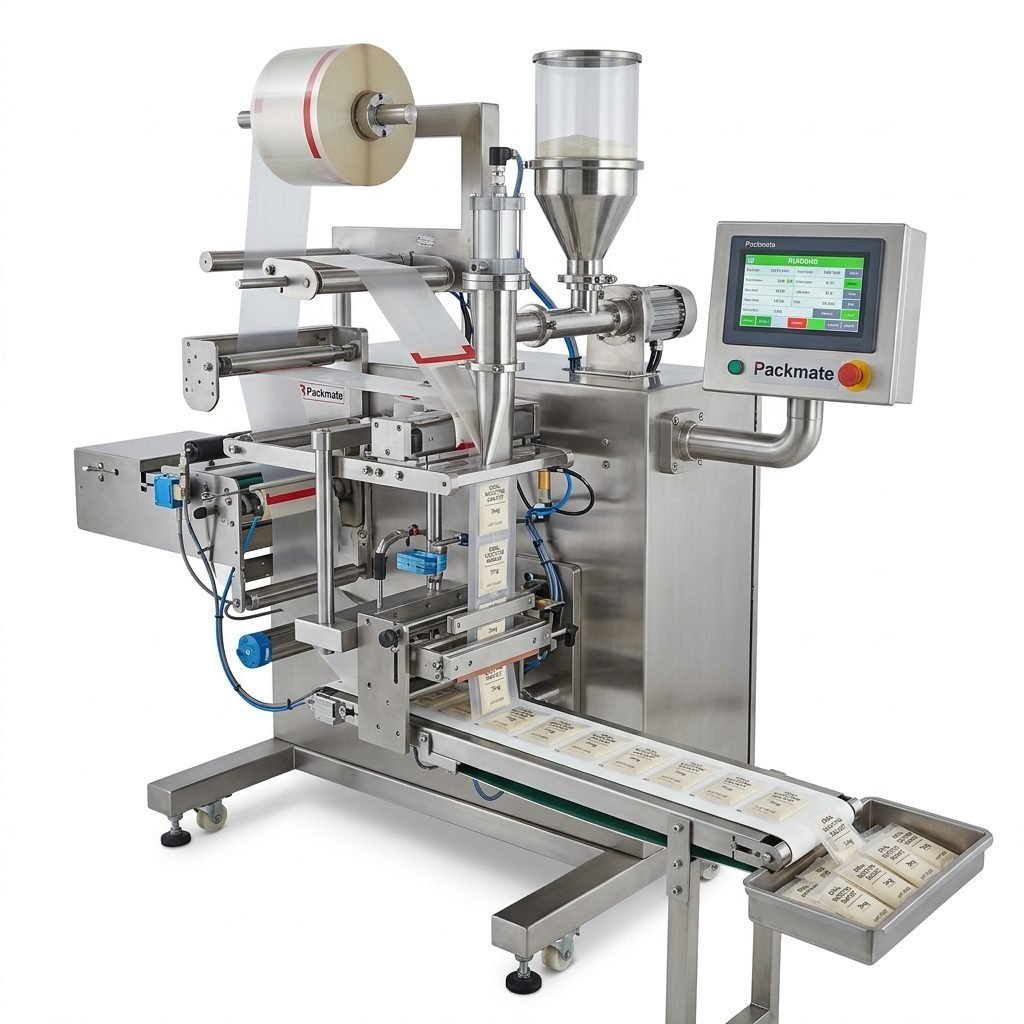
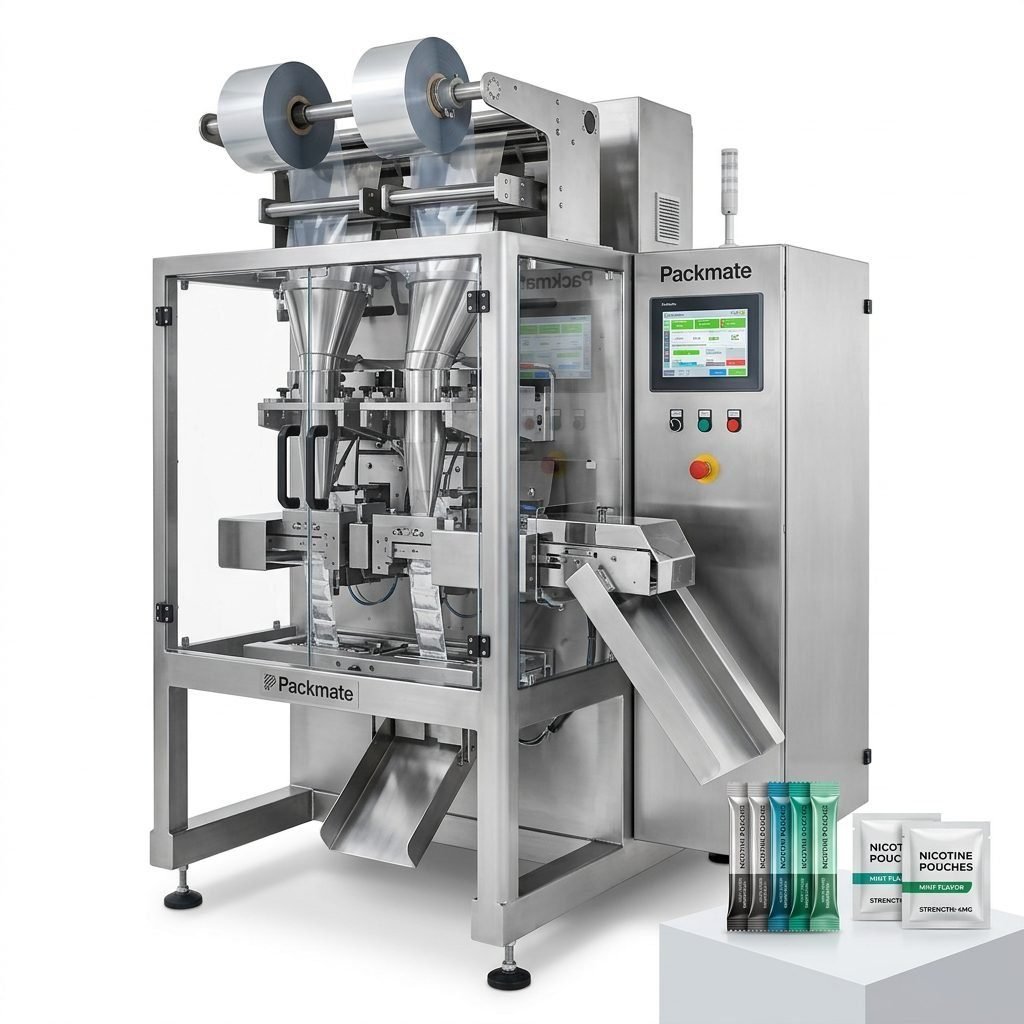
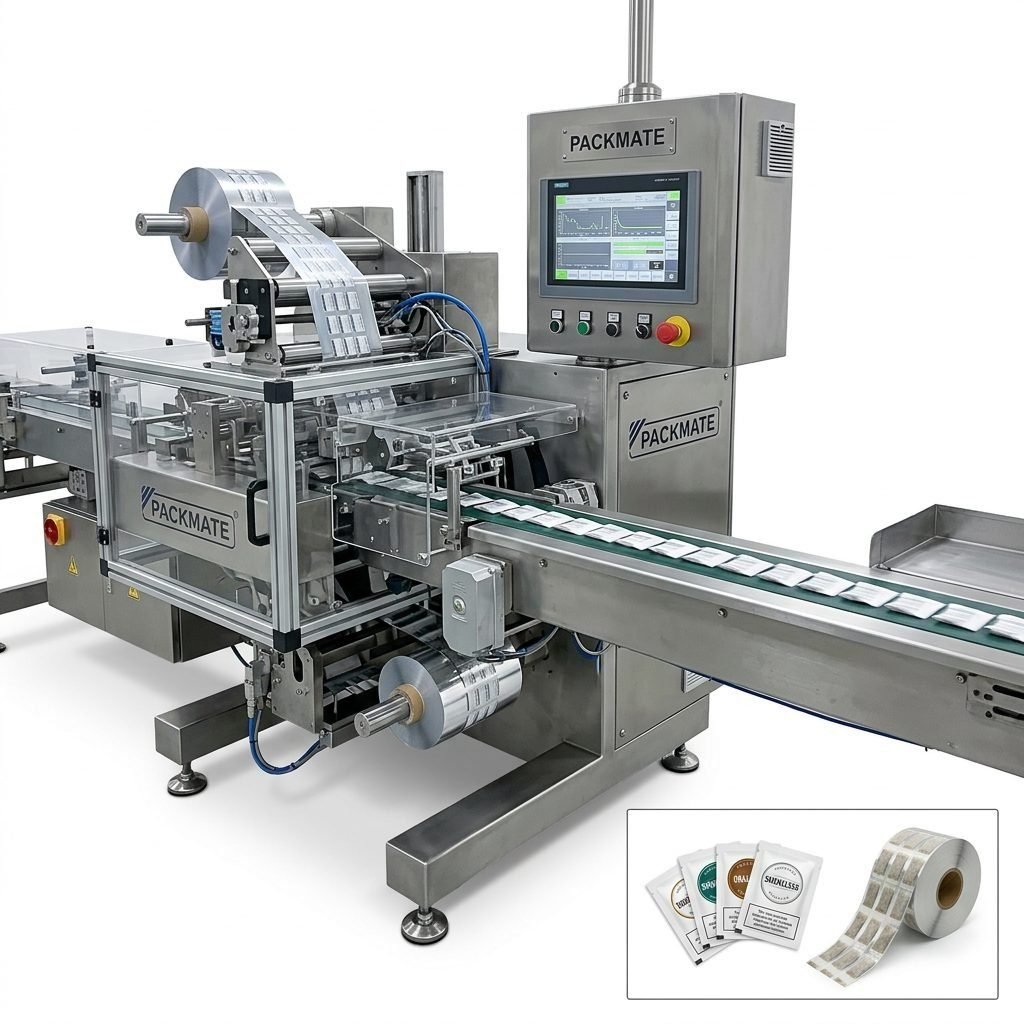
Choosing the right snus packaging machine manufacturer in Guatemala can transform your nicotine pouch or snus production from intermittent runs into a reliable, high-output operation. This guide walks you through the practical and strategic factors to evaluate manufacturers, helping you select a partner that delivers performance, compliance, and long-term value.
🔎 Understand Your Production Needs First
Before reaching out to any supplier, document your core requirements: daily output targets, pouch formats (stick pack, sachet, multi-lane pouches), product types (powder, granule, liquid, nicotine pouches), integration needs (weighing, filling, cartoning), and regulatory constraints. Having a clear spec sheet helps you get accurate proposals and avoids costly mismatches later.
📌 Key production parameters to list
– Target pieces per minute and lanes required
– Preferred pouch type and size range
– Product fill types (powder, granules, liquid, or nicotine pouch material)
– Required hygiene and safety standards (CE, ISO) and local regulatory demands
– Automation level: manual feeding vs. full turnkey line
🏗️ Evaluate Manufacturing Capability & Experience
A manufacturer’s track record matters. Look for companies with decades of engineering experience and a diverse product portfolio. For example, suppliers with 20,000㎡ factories, advanced CNC machining centers, and 50+ machine models demonstrate depth in production and customization. These capabilities reduce delivery risks and typically result in more mature, serviceable machines.
Ask for a plant tour (virtual or in-person) and request photos or videos of assembly lines, testing areas, and CNC equipment.
⚙️ Technical Features That Determine Performance
When comparing machines, focus on engineering details that affect uptime, accuracy, and maintenance:
Precision & Stability
Look for rigid frames, high-precision gearboxes, and stabilized feeding systems. These features reduce variation in pouch fill weight and cut accuracy—critical for nicotine pouch dosing.
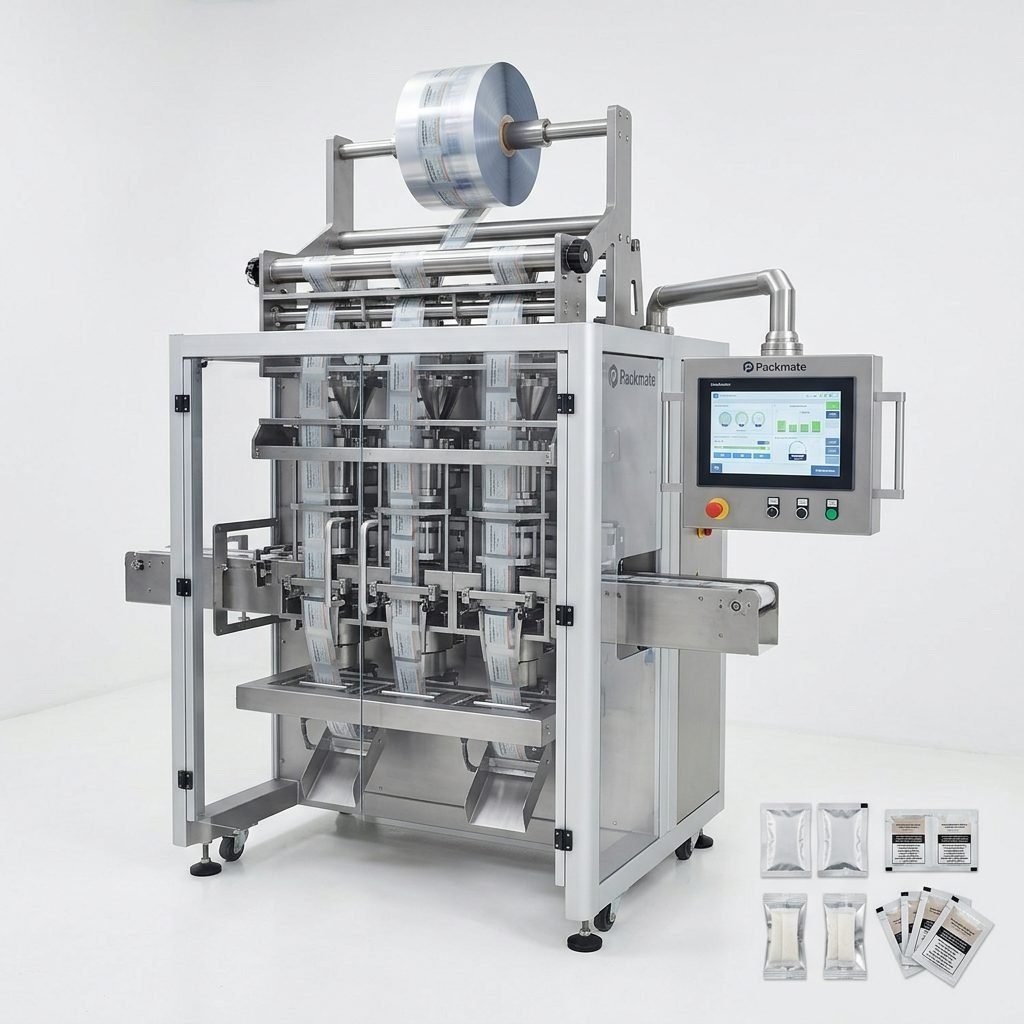
Modularity & Multi-lane Options
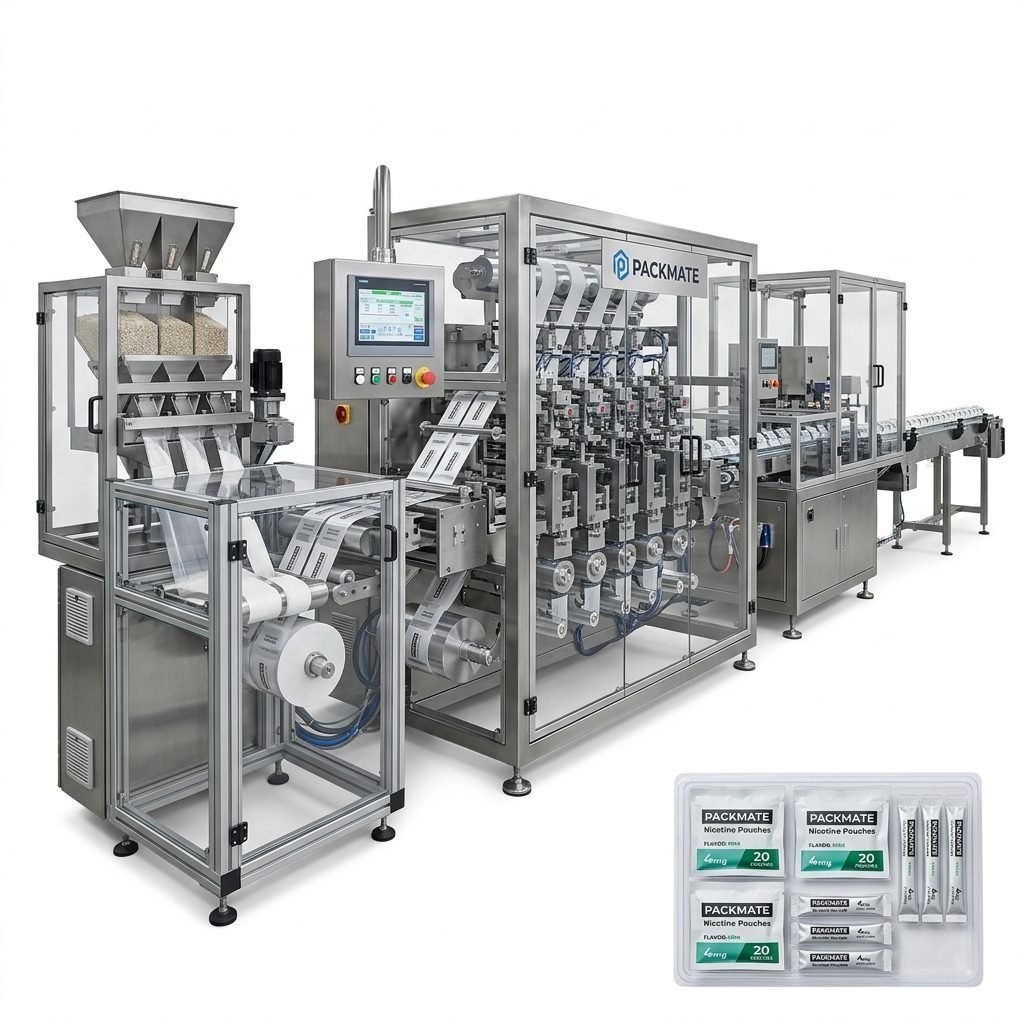
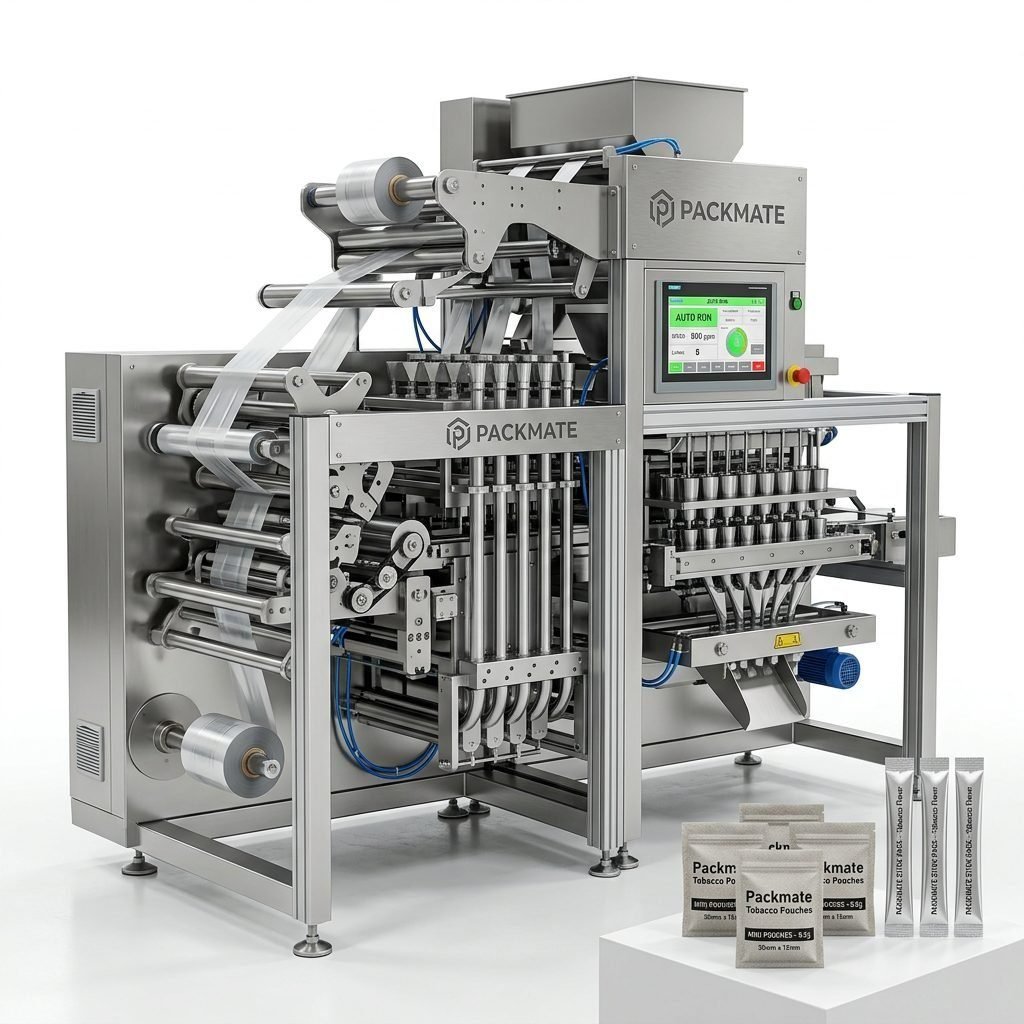
Multi-lane systems increase output without doubling floor space. Suppliers that offer modular add-ons let you scale lanes or convert pouch styles with minimal changeover time.
Control & HMI
Modern PLCs with intuitive touch HMIs and remote access options cut troubleshooting time. Ask about recipe management, alarm logging, and compatibility with Industry 4.0 systems.
🧩 Customization & Turnkey Supply — What to Expect
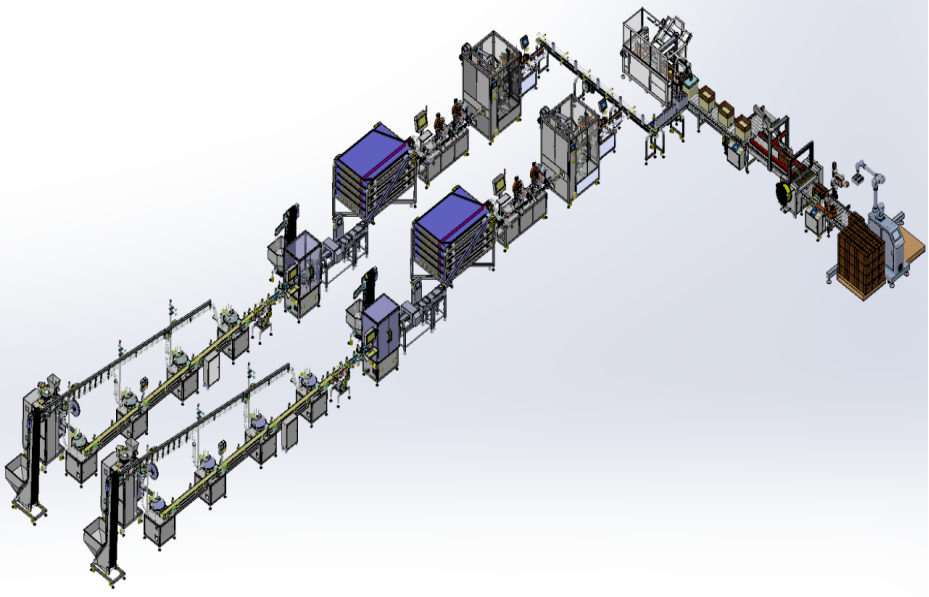
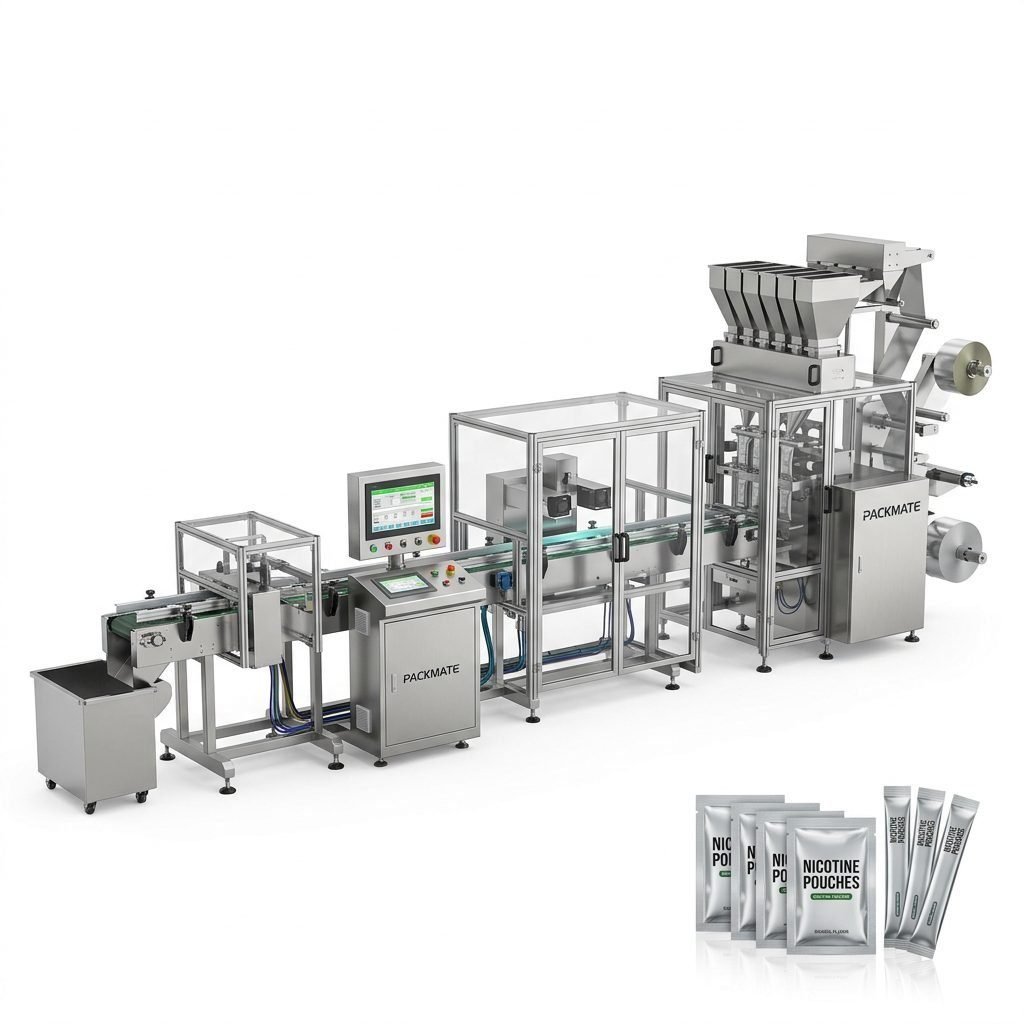
If you need a complete production line—filling systems, weighing, multi-lane pouch machines, end-of-line packaging—choose a supplier that designs turnkey solutions. A full-line provider reduces interface risks and often offers better lead times because they control the full integration chain. See examples of integrated equipment under Filling & Packaging Lines and Weighing & Packaging Systems.
clear layout drawings, utility lists (power, air, water), and a commissioning timeline with acceptance criteria.
✅ Quality, Certifications & Compliance
Compliance with CE and ISO standards is non-negotiable for export and regulatory assurance. Verify certificates and ask for recent audit records. Reputable manufacturers also have documented quality control processes and pre-shipment testing to prove machine performance before dispatch.
Sample testing & FAT (Factory Acceptance Test)
Insist on a FAT with your actual product or an approved substitute. FAT should cover stability tests, speed validation, sealing integrity, and weight accuracy across lanes. Document accepted performance metrics in the contract.
🤝 After-sales Support & Spare Parts
After-sales service is the backbone of long-term uptime. Evaluate the manufacturer’s service network, response SLA, remote diagnostics capability, and spare parts lead times. A factory with global exhibition presence and international case references often has better support pathways.
You can review real-world cases and exhibition activities to vet reputation: Case and Our Exhibition.
💰 Pricing, Total Cost of Ownership & ROI
Low upfront price may hide high lifetime costs. Consider energy consumption, spare parts pricing, mean time between failures (MTBF), and ease of maintenance. A slightly higher-cost machine with superior reliability and faster changeovers often yields a better ROI over 3–5 years.
calculate downtime costs, operator training time, spare part consumption, and consumable parts replacement frequency.
📝 How to Vet and Compare Suppliers — A Step-by-Step Checklist
Use this structured approach to compare multiple vendors fairly:
1. Request an RFP with your spec sheet and ask for machine drawings, cycle rates, power/air requirements, and packing samples.
2. Ask for FAT videos or a live FAT demonstration with your product.
3. Check references and recent export projects; review About Packmate to understand the supplier background.
4. Compare warranty terms, spare parts lists, and remote support options.
5. Verify certificates (CE, ISO) and ask for test reports.
📦 Packaging Types and Machine Lines — Matching Solution to Product
Different product types require different machine architectures. Explore relevant product categories to match the best-fit equipment:
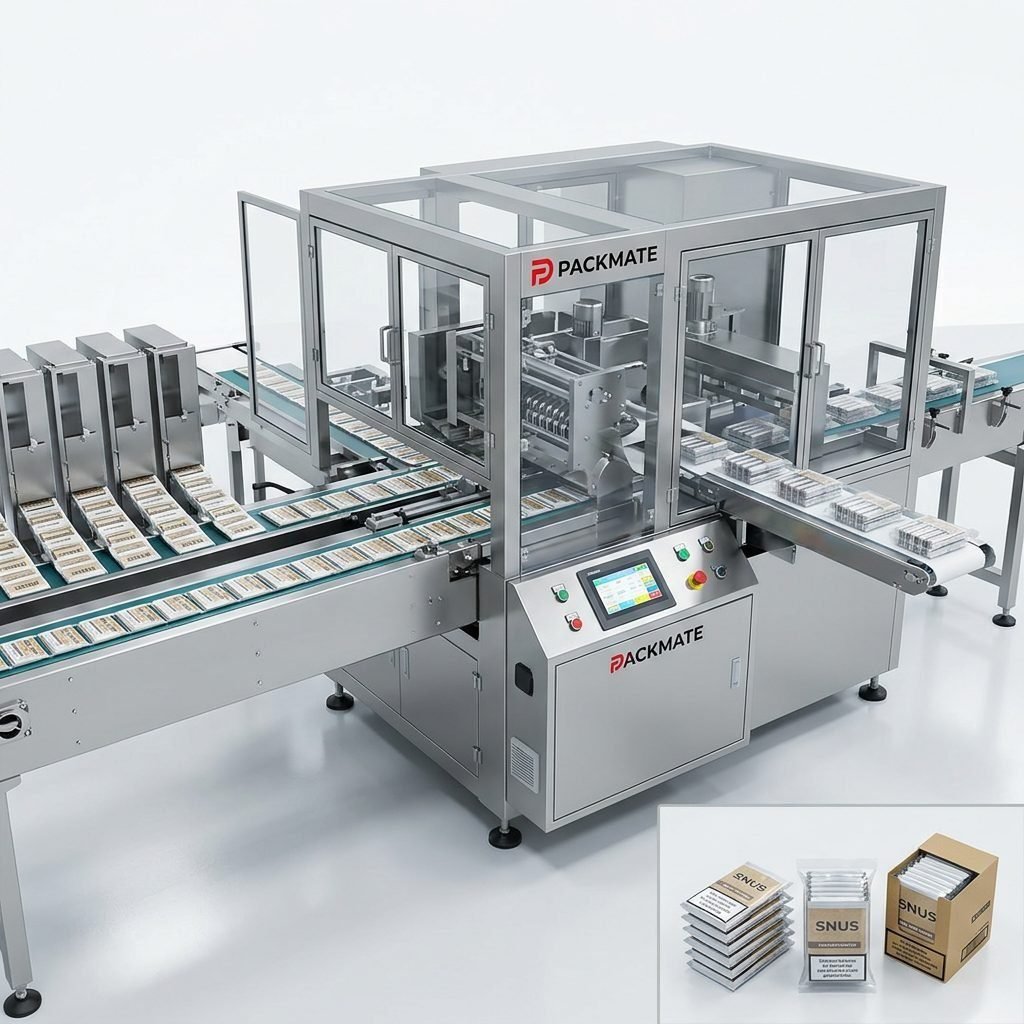
– For nicotine pouches and snus: choose machines specialized in snus & nicotine pouch formats — see Snus & Nicotine Packaging Machines.
– For flexible bag and pouch formats: evaluate Bag & Pouch Packaging Machines.
– For single-serve items in stick or sachet form: review Sachet & Stick Pack Machines.
🔧 Installation, Commissioning & Training
A strong supplier will offer on-site commissioning and operator training. Ensure the contract includes detailed timelines for installation, test runs, and acceptance. Training should cover routine maintenance, quick troubleshooting, and parts replacement procedures to minimize downtime.
📈 Future-proofing: Upgrades & Scalability
Consider whether the manufacturer supports software upgrades, lane expansion, and retrofits for new pouch types. Suppliers that continuously innovate and exhibit globally indicate long-term stability and product evolution.
manufacturing footprint, R&D history, sample portfolio, and global installations.
📞 Contact & Next Steps
Once you shortlist 2–3 manufacturers, request a comparative quote and a binding delivery schedule. For suppliers with proven snus packaging expertise and global turnkey solutions, reach out through their official channels — for example, use the manufacturer’s contact page to request a tailored proposal: Contact Us.
🧭 Final Recommendation
Prioritize manufacturers that combine decades of engineering experience with modern automation, a proven multi-lane product line, and strong after-sales support. Evaluate proposals not just on price but on tested performance metrics, spare parts strategy, and the supplier’s ability to deliver a complete, compliant production line.
🔁 Quick decision checklist
– Does the supplier provide FAT with your product?
– Are CE/ISO certificates available and current?
– Is remote support and spare parts coverage clear?
– Can the machine scale with your future needs?
❓ Frequently Asked Questions
Q1: How long does delivery and commissioning usually take for a snus packaging line?
Lead time varies by customization and current production schedules. Standard multi-lane lines typically require 12–20 weeks from order confirmation, plus 1–3 weeks for on-site commissioning depending on scope.
Q2: What warranty and spare parts support should I expect?
Expect a standard warranty period (often 12 months) and an option for extended coverage. Good suppliers provide an initial spare parts kit and clearly priced replacement parts with international shipping options.
Q3: Can the same machine handle nicotine pouches and dry powder products?
Many machines are configurable for both, but you should confirm sealing temperature ranges, material handling components, and cleanability. Discuss changeover procedures and required tooling with the manufacturer.
Q4: Are multi-lane upgrades available if demand grows?
Yes. Select suppliers offer modular multi-lane architectures that allow lane additions or upgrades. Ensure the initial machine frame and control system support expansion.
Q5: How do I validate a supplier’s credibility?
Check factory size, years in business, certifications, customer references, and recent exhibition participation. Reviewing case studies and visiting a FAT are reliable ways to validate performance.