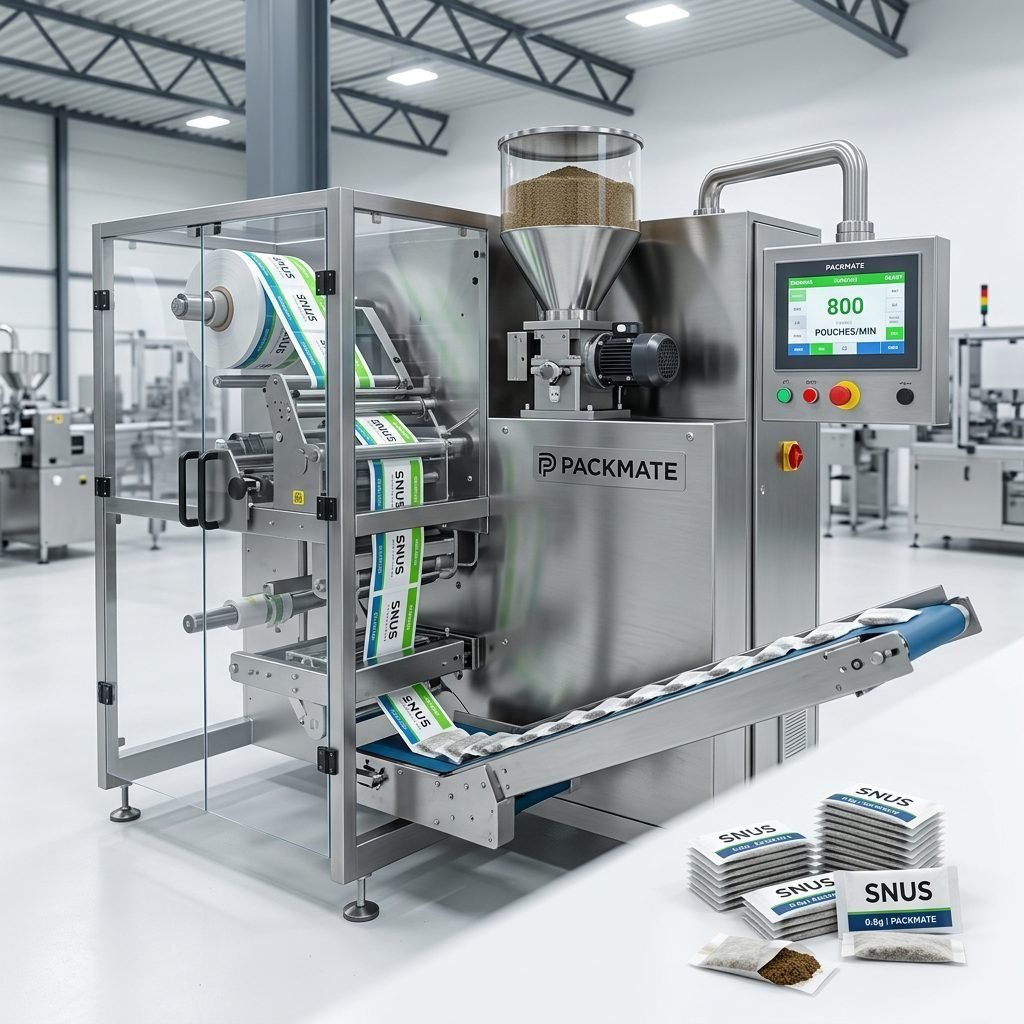
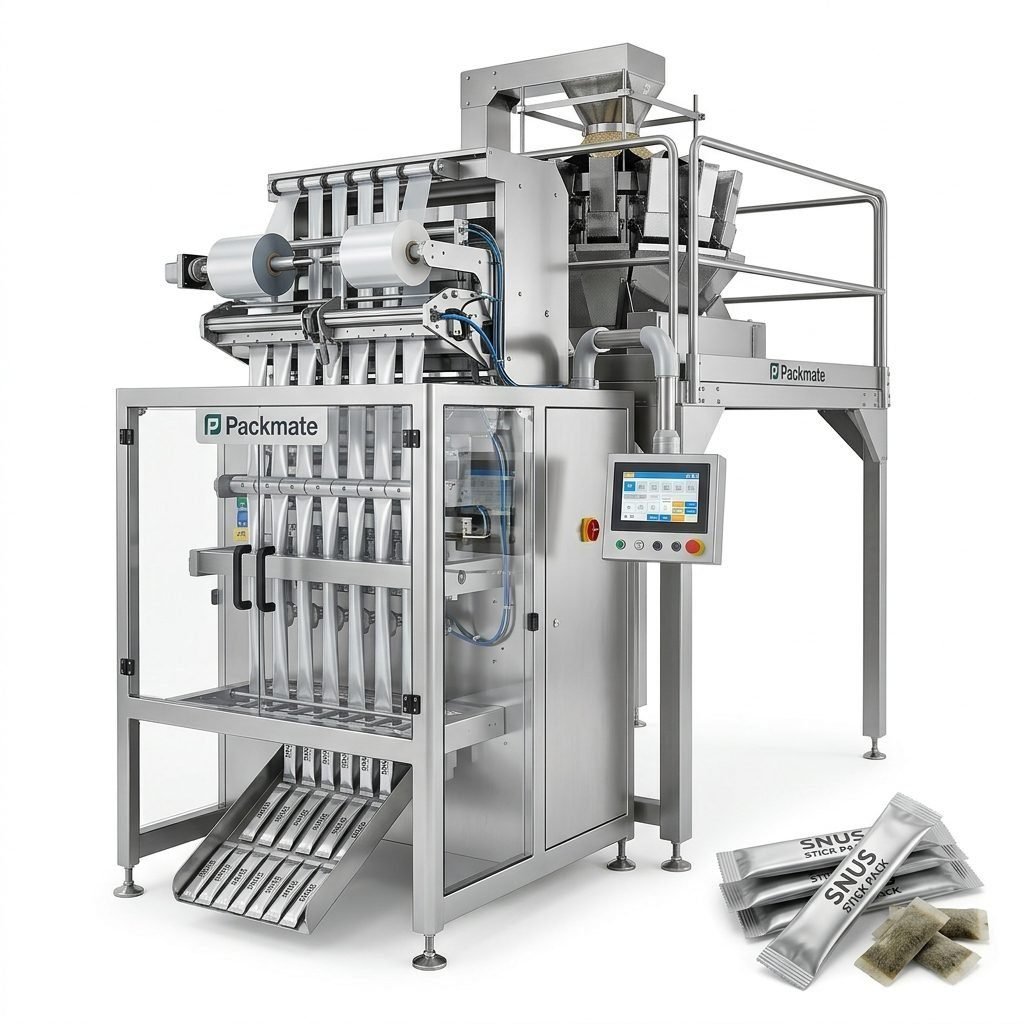
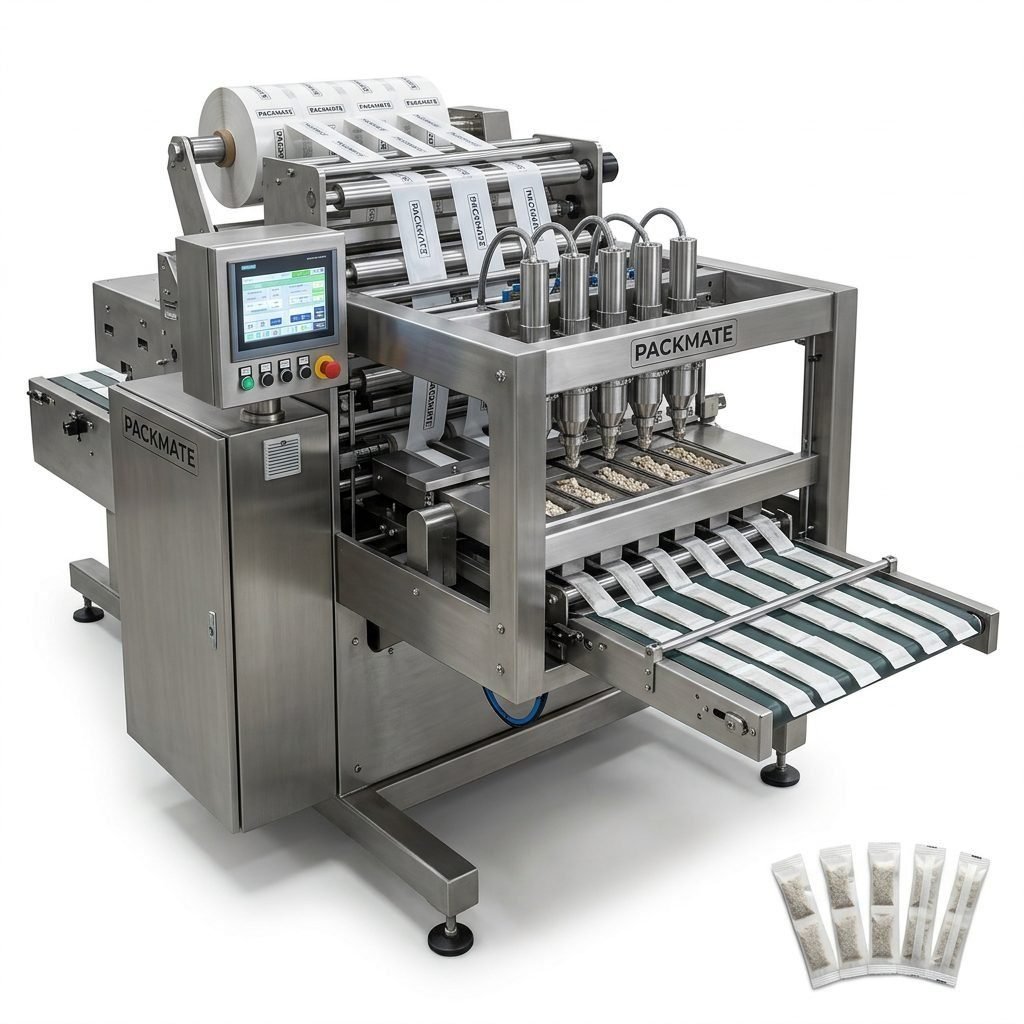
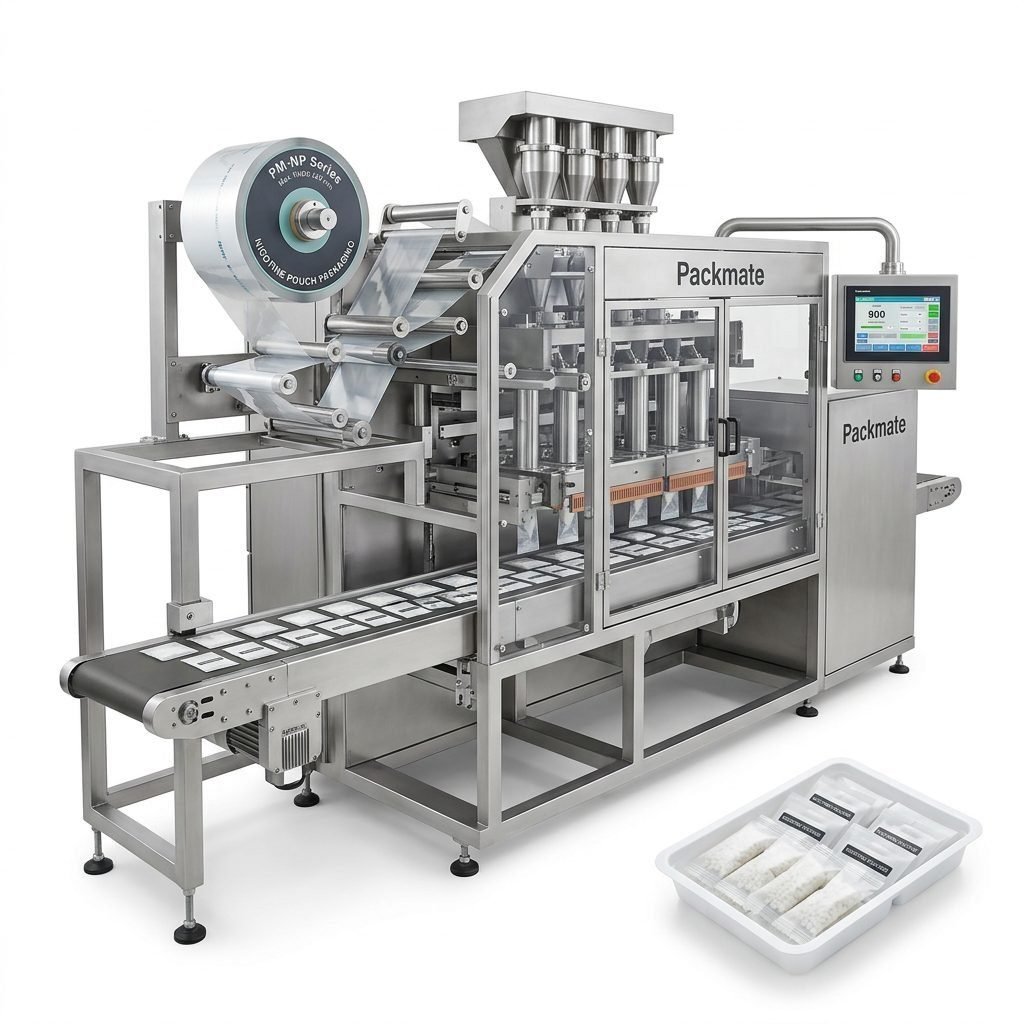
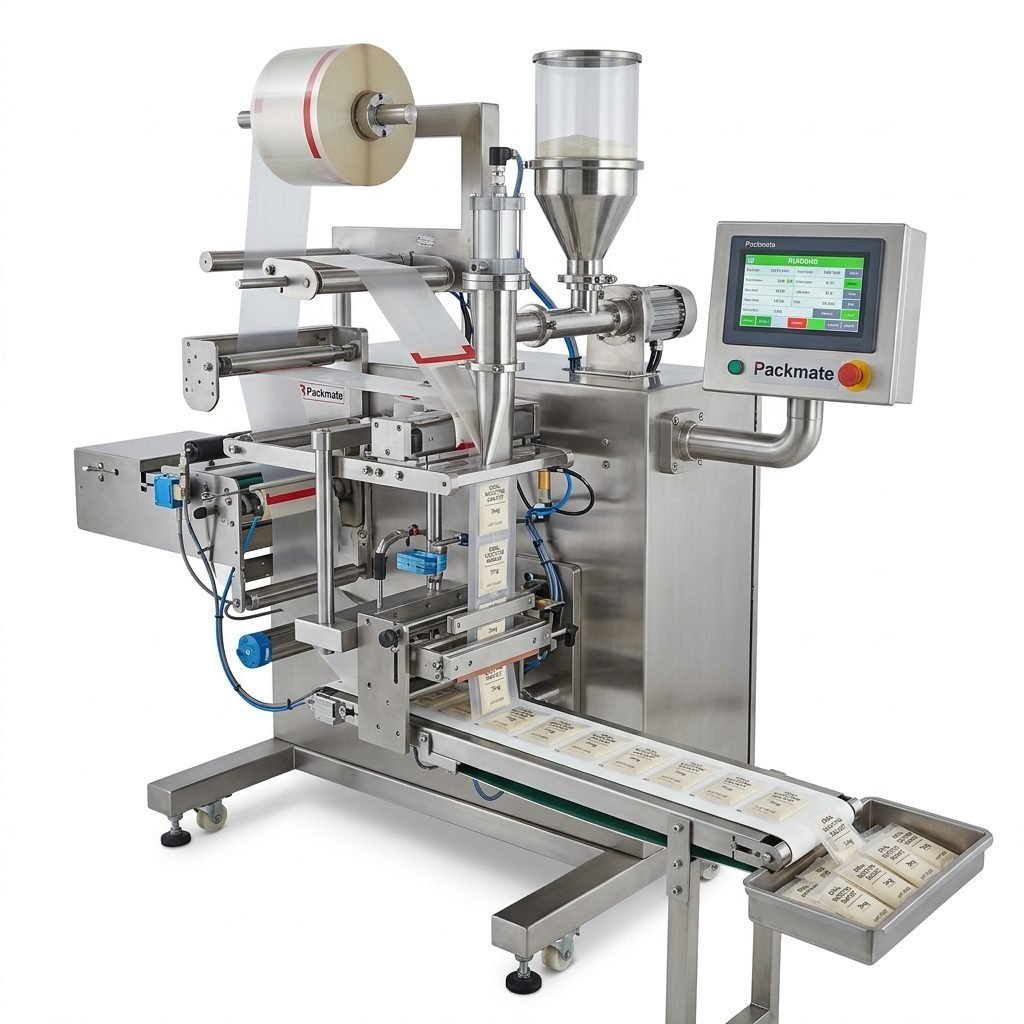
Choosing the right snus packaging machinery manufacturer for your business in East Timor is a strategic decision that affects product quality, production efficiency, regulatory compliance, and long-term profitability. This guide walks you through practical steps, evaluation criteria, and negotiation tips so you can select a supplier who delivers reliable machines, professional support, and high ROI for nicotine pouch or snus packaging operations.
Understand Your Production Needs First
Start with a clear specification of your production goals. Consider:
- Daily output target (pouches/hour or kg/day).
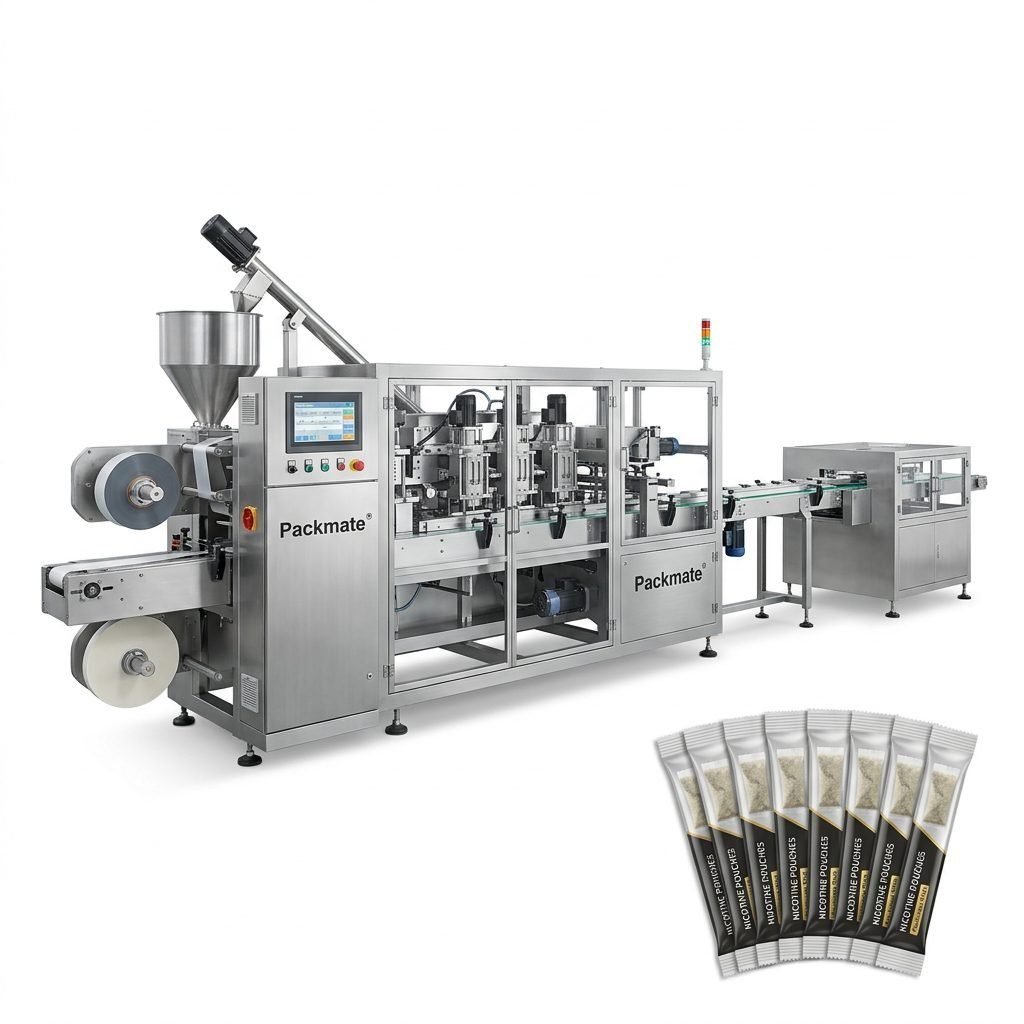
- Pack formats: stick pack, sachet, multi-lane nicotine pouch, or custom-shaped pouches.
- Product types: dry snus powder, granules, micro-pouches, or liquid (if applicable).
- Flexibility needs: single machine for one format or modular lines for multiple SKUs.
- Integration: do you need weighing, filling, labeling or secondary packaging?
Why Manufacturer Credentials Matter
A reputable manufacturer demonstrates stability through factory scale, technical experience, certifications, and proven global projects. When evaluating suppliers in or serving East Timor, prioritize these markers:
Certifications and Compliance
Make sure equipment meets international standards (CE, ISO) and can be adapted to local regulatory requirements in East Timor. Machines used for nicotine-containing products may also require hygiene-friendly designs and material traceability. Ask for certificates and quality control reports.
Core Technical Criteria to Evaluate
When comparing manufacturers, evaluate technical features and real-world performance:
- Filling accuracy — critical for small-dose nicotine pouches to ensure compliance and customer consistency.
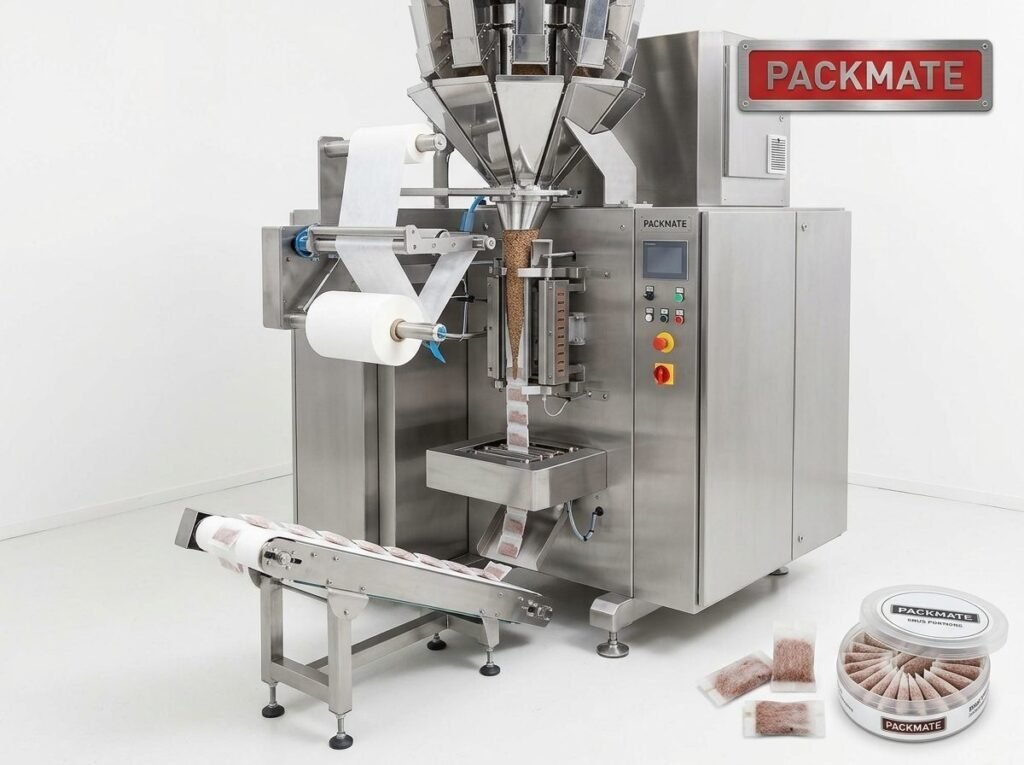
- Multi-lane capability — increases output density; check lane synchronization and changeover time.
- Servo control & PLC systems — modern electronics reduce downtime and allow recipe-based production.
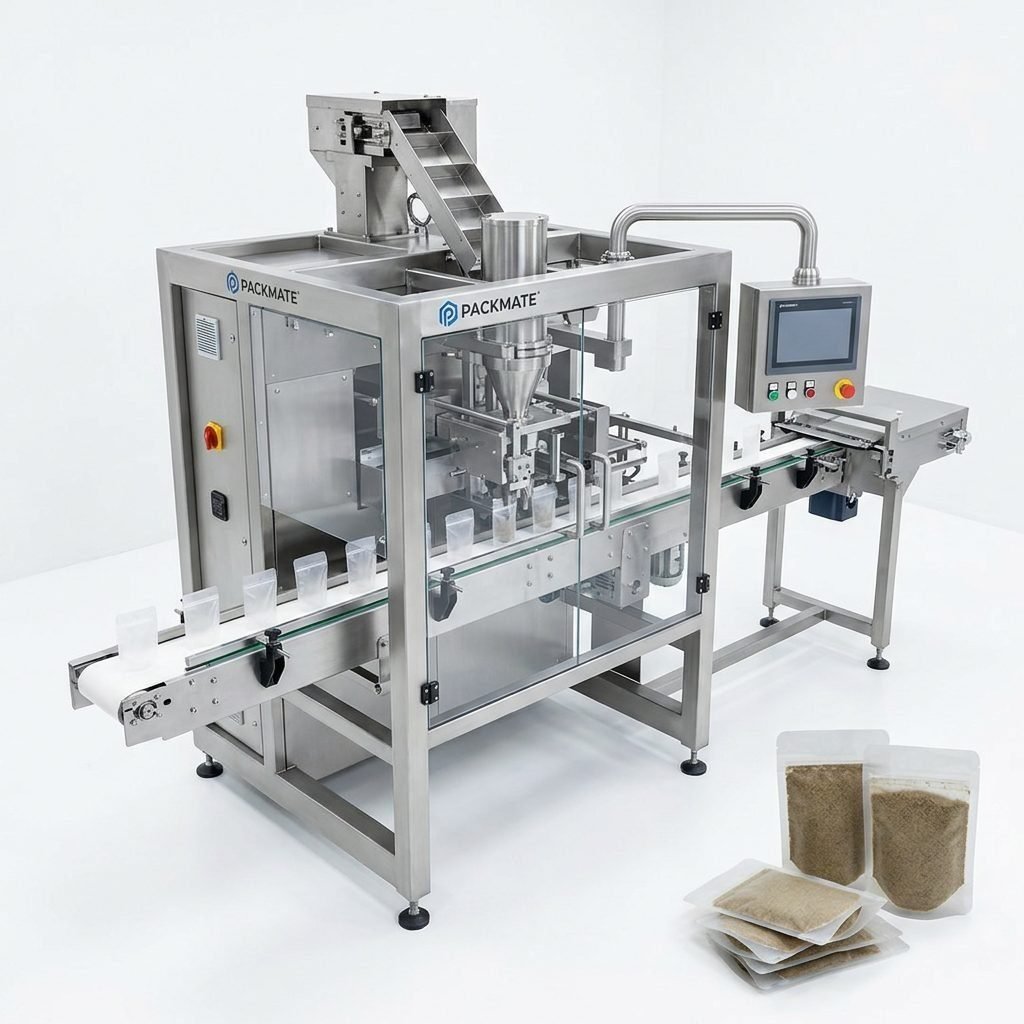
- Material contact parts — stainless steel (food-grade), easily detachable for cleaning.
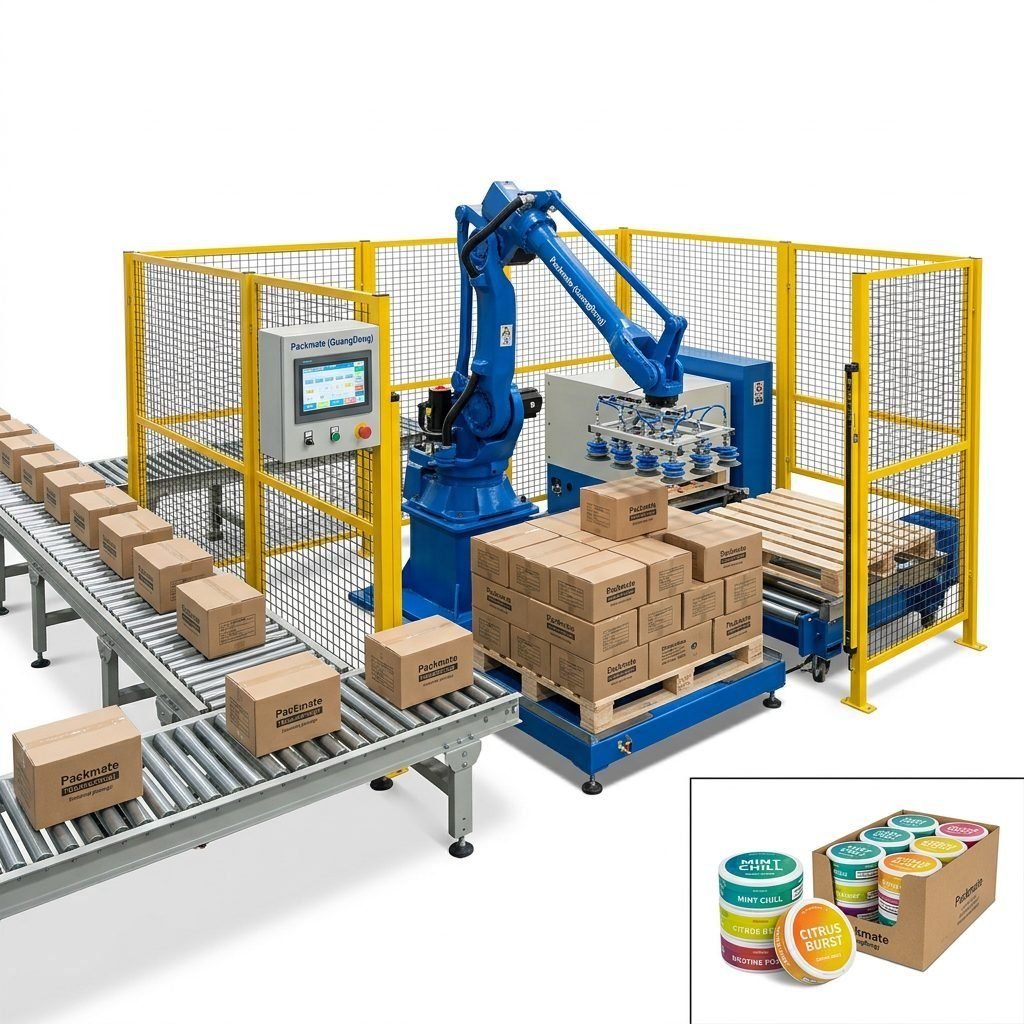
- Automation level — does the line include weighing, metal detection, reject systems, or robotic palletizing?
Customization & Turnkey Solutions
A strong manufacturer offers tailored solutions rather than one-size-fits-all. Consider whether the supplier can:
- Customize multi-lane formats and pouch sizes.
- Provide full filling & packaging lines with upstream/downstream equipment.
- Integrate weighing systems and inspection equipment.
- Deliver documentation, training, and commissioning on-site in East Timor.
Production Capacity & Lead Time
Evaluate the manufacturer’s production capacity, current order backlog, and typical lead times. A 20,000㎡ factory with advanced CNC machining centers and precision assembly lines usually indicates reliable delivery capabilities and repeatable quality. Confirm realistic delivery windows and any potential shipping delays to East Timor.
After-Sales Support & Local Service
After-sales service can make or break your production uptime. Look for:
- Warranty terms and spare parts availability.
- Remote diagnostics and software updates.
- On-site commissioning and operator training.
- Local partners or service agents who can reach East Timor faster.
Evaluate Total Cost of Ownership (TCO)
Purchase price is only part of the equation. Assess TCO by considering:
- Energy consumption and utility needs.
- Spare parts lifecycle and consumables.
- Operator labor and training costs.
- Expected maintenance intervals and mean time between failures (MTBF).
- Potential upgrades and scalability.
ROI Example
Estimate ROI by calculating increased throughput, reduced waste, and labor savings compared with current production. High-precision multi-lane snus machines often deliver faster paybacks in high-volume scenarios.
Factory Visit, Demonstrations & References
Never skip a live machine demo or a factory visit when possible. Request:
- Live demonstrations with material similar to your product.
- Reference customers in similar markets and contactable case studies.
- Video of production lines running multi-shift operations.
If a physical visit is difficult, ask for a virtual tour or recorded demonstrations. Review case examples to confirm the manufacturer’s experience with nicotine pouch and snus lines. See sample project portfolios and global installations to evaluate track record and adaptability.
Contract Terms, Warranty & Intellectual Property
Carefully review sales contracts for delivery terms (EXW, FOB, CIF), warranty scope, acceptance testing criteria, and penalties for missed milestones. Ensure proprietary recipes or designs for your pouches are protected through clear IP clauses.
Practical Procurement Steps for East Timor Buyers
1. Prepare a technical brief describing product, format, speeds, and layout constraints.
2. Shortlist 3–5 manufacturers based on credentials and initial proposals.
3. Request detailed quotations including documentation, installation, training, and spare parts list.
4. Schedule demos and check references. For overseas suppliers, insist on recorded tests and remote Q&A.
5. Negotiate warranty, delivery, and penalties. Define FAT and SAT (Site Acceptance Test) acceptance criteria.
6. Arrange shipping, customs, and local installation plans early to avoid delays in East Timor.
Useful Resources & Links
To explore specific machine types and solutions, review product pages and company information:
- Snus & Nicotine Packaging Machines — Product overview and models
- Sachet & Stick Pack Machines — Alternative formats
- About Packmate — Company profile & manufacturing strength
- Case studies — Global cooperation examples
Negotiation Tips & Red Flags
When negotiating, focus on measurable deliverables. Some red flags to watch for:
- Unclear warranty scope or missing spare parts lists.
- Refusal to provide FAT or video evidence of similar machines running.
- Vague lead times or evasive answers about factory capacity.
- No local service partners or slow remote support commitments.
Real-World Case Example
A manufacturer with 30+ years of engineering experience and a 20,000㎡ facility provided a multi-lane snus packaging line to a European customer. The line included precision filling, servo-driven sealing, integrated metal detection, and automated secondary packing. With thorough FAT testing, remote commissioning, and a spare parts package, the line achieved target output within the first month and reduced product giveaway by improving filling accuracy.
Decision Checklist: Choose a Manufacturer If They Deliver All of These
– Transparent technical specs, clear FAT criteria, and proven multi-lane solutions.
– Strong factory capability, adequate production space, and CNC precision machining.
– International certifications (CE/ISO) and hygiene-focused designs for nicotine products.
– Responsive after-sales support, spare parts availability, and training programs.
– Clear contract terms, warranty, and delivery milestones.
Next Steps
Create your technical brief, shortlist suppliers, and request detailed proposals with FAT videos and references. If you’d like to review a proven product lineup and company background, visit the manufacturer’s product and company pages for more in-depth information.
Frequently Asked Questions (FAQs)
Q1: What is the typical lead time for a custom snus packaging line?
Lead time varies by complexity and factory backlog. Standard single machines can ship in a few weeks, while fully customized multi-lane turnkey lines often require 12–20 weeks including FAT and shipping. Confirm timelines in the proposal and include buffer for shipping and customs clearance to East Timor.
Q2: How important are certifications like CE and ISO for snus packaging equipment?
Certifications demonstrate compliance with international safety and quality standards, which is important for exporting products and ensuring machine reliability. For nicotine-containing products, hygiene design and material traceability are also critical.
Q3: Can a manufacturer provide remote support for commissioning in East Timor?
Many modern manufacturers offer remote commissioning, diagnostics, and operator training via video conferencing and secure remote access. However, plan for at least one on-site visit for final acceptance and operator handover if remote connectivity is limited.
Q4: What spare parts should I insist on with my first order?
Insist on a starter kit: sealing jaws, belts, sensors, critical pneumatic components, and electrical spares like PLC modules. Also request a recommended spares list and anticipated replacement intervals to minimize downtime.
Q5: Where can I see real examples of snus packaging lines and customer cases?
Review manufacturer case studies and exhibition records for live demos and customer references. For example, visit the product pages and case section to explore installed lines and global cooperation examples.