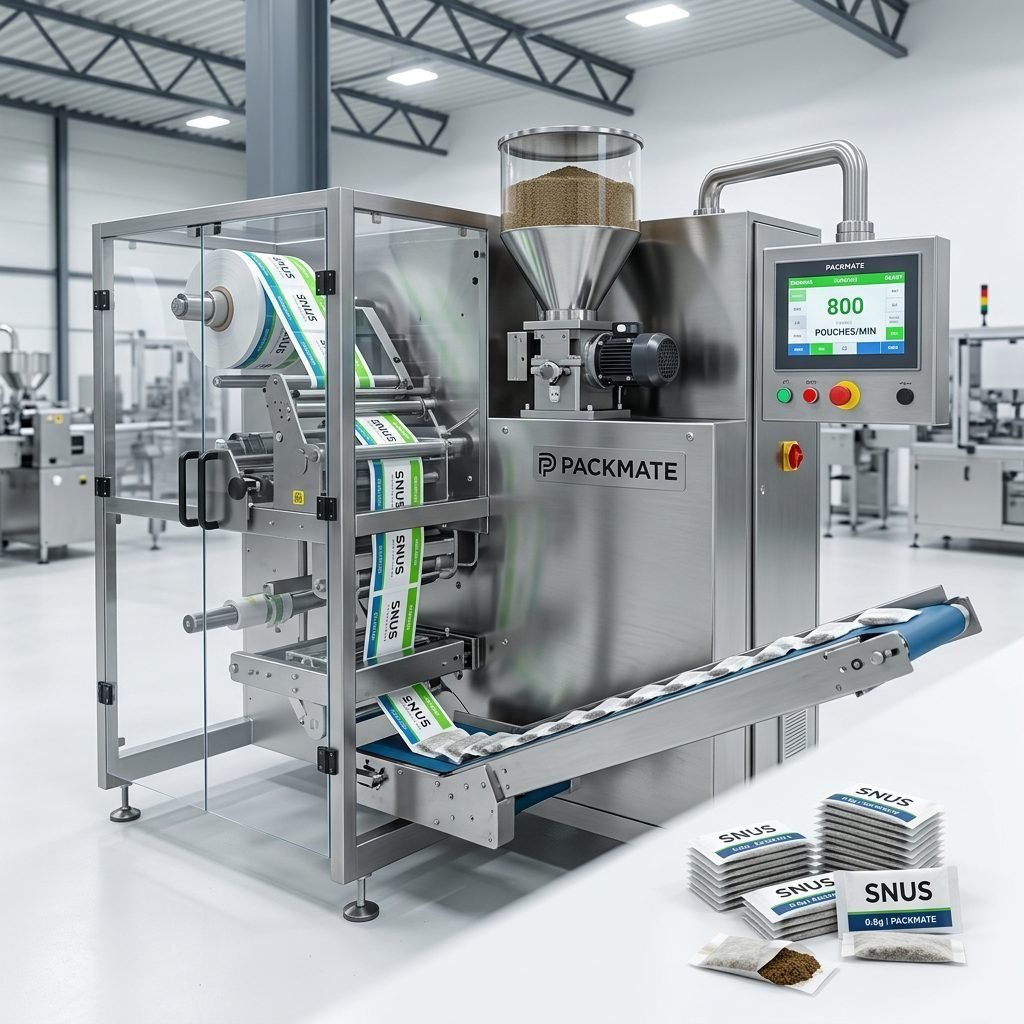
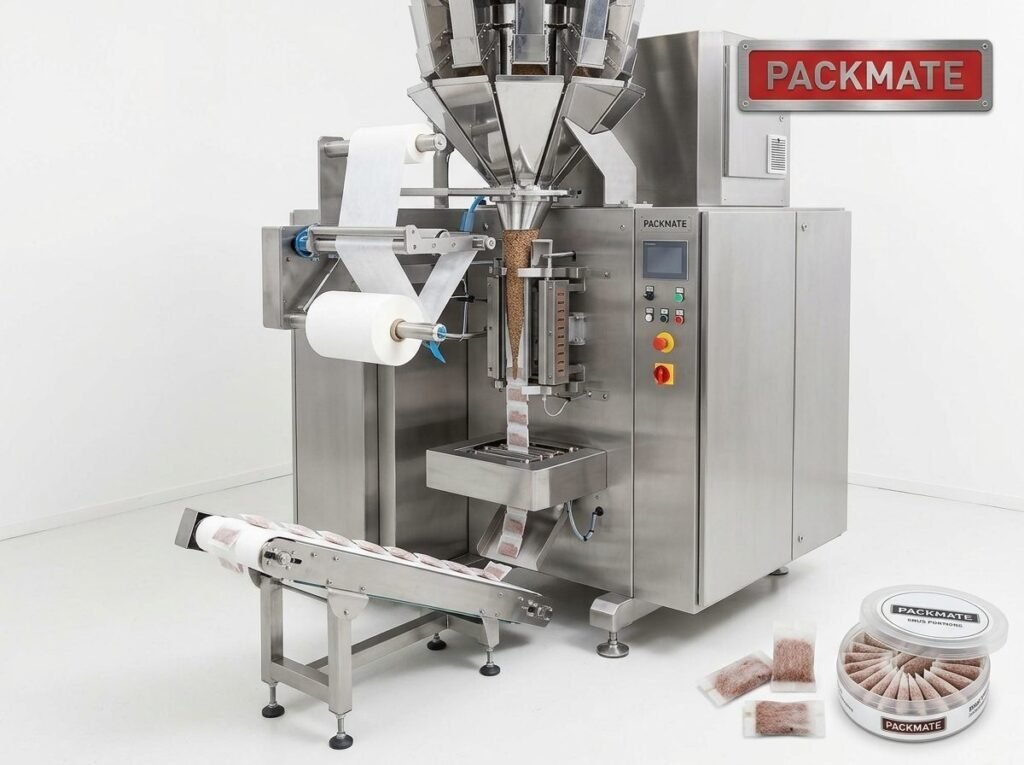
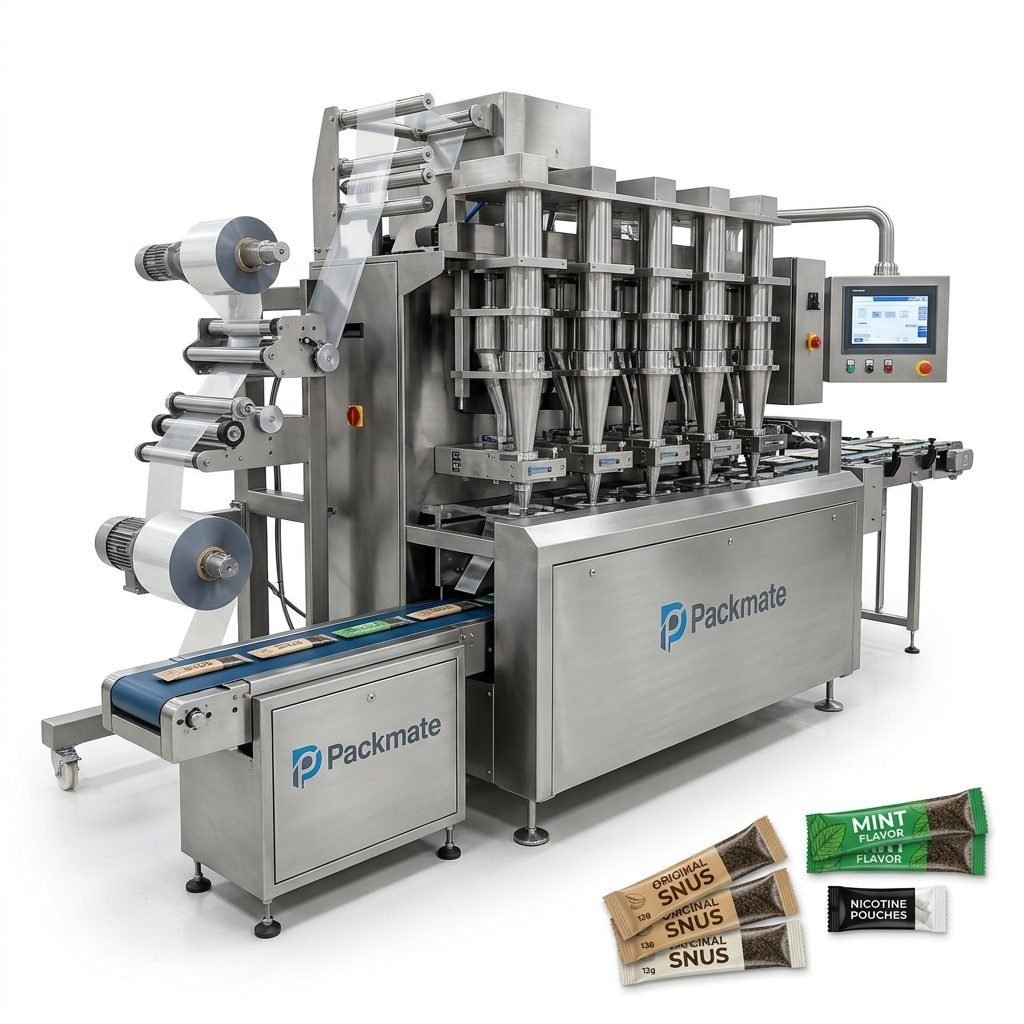
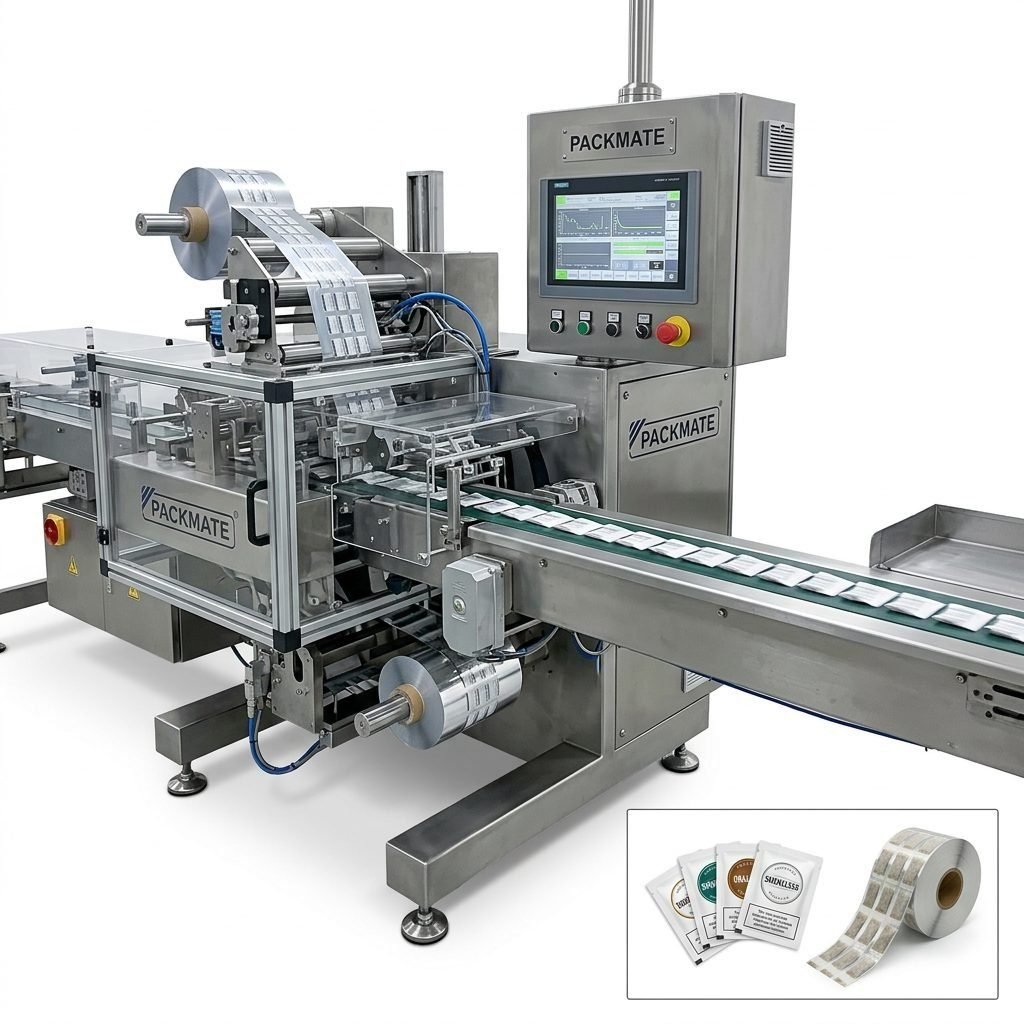
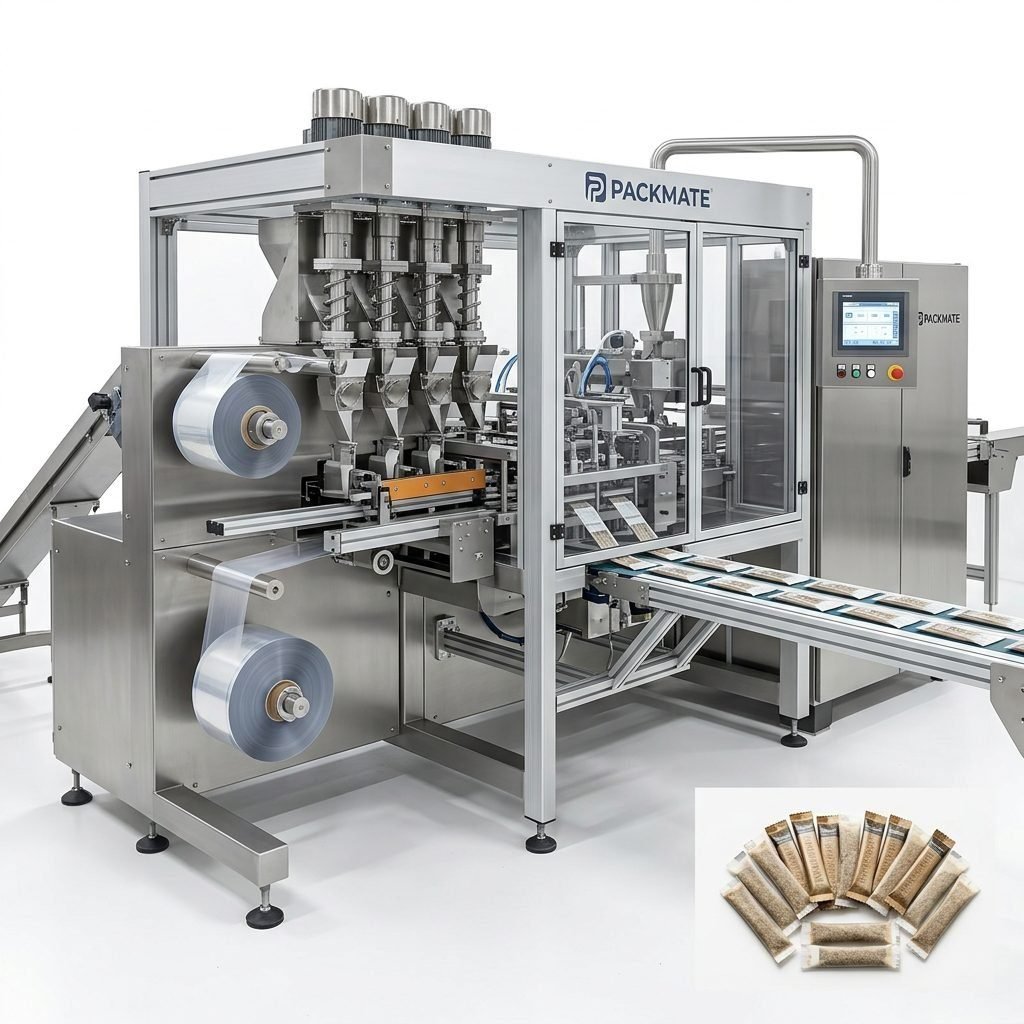
Entering the snus and nicotine pouch market in Micronesia requires careful vendor selection. The right supplier determines whether your production line runs smoothly in island conditions — or faces delays caused by humidity, logistics, or lack of technical support. This guide explains how to choose the best snus packaging machine supplier for Micronesia, covering technical specifications, local considerations, compliance, after-sales service, and purchasing strategies to ensure long-term success.
Understand Your Local Market and Production Needs
Micronesia is a region composed of many small islands and communities with unique consumption habits and distribution channels. Before contacting suppliers, clarify:
✓ Production scale: Are you planning a small artisanal batch operation for local stores or a higher-volume line supplying multiple islands?
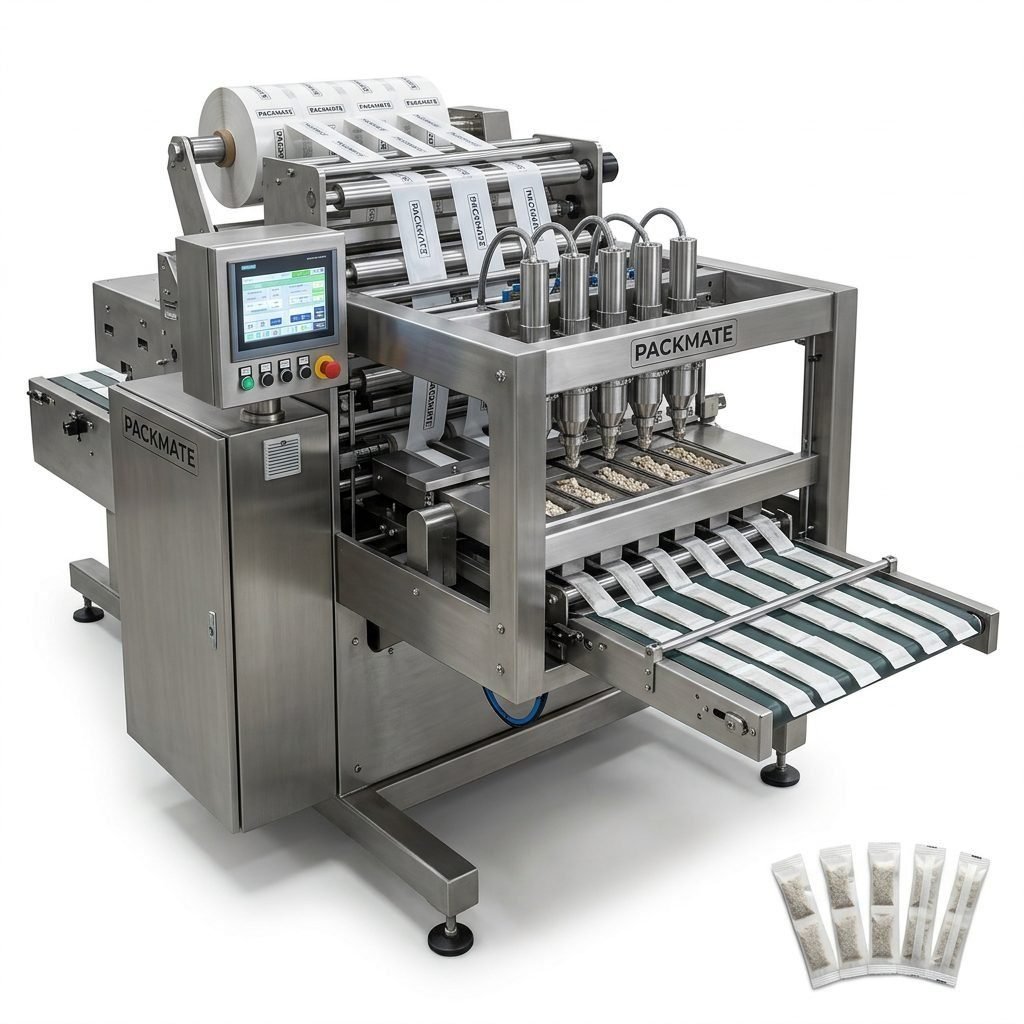
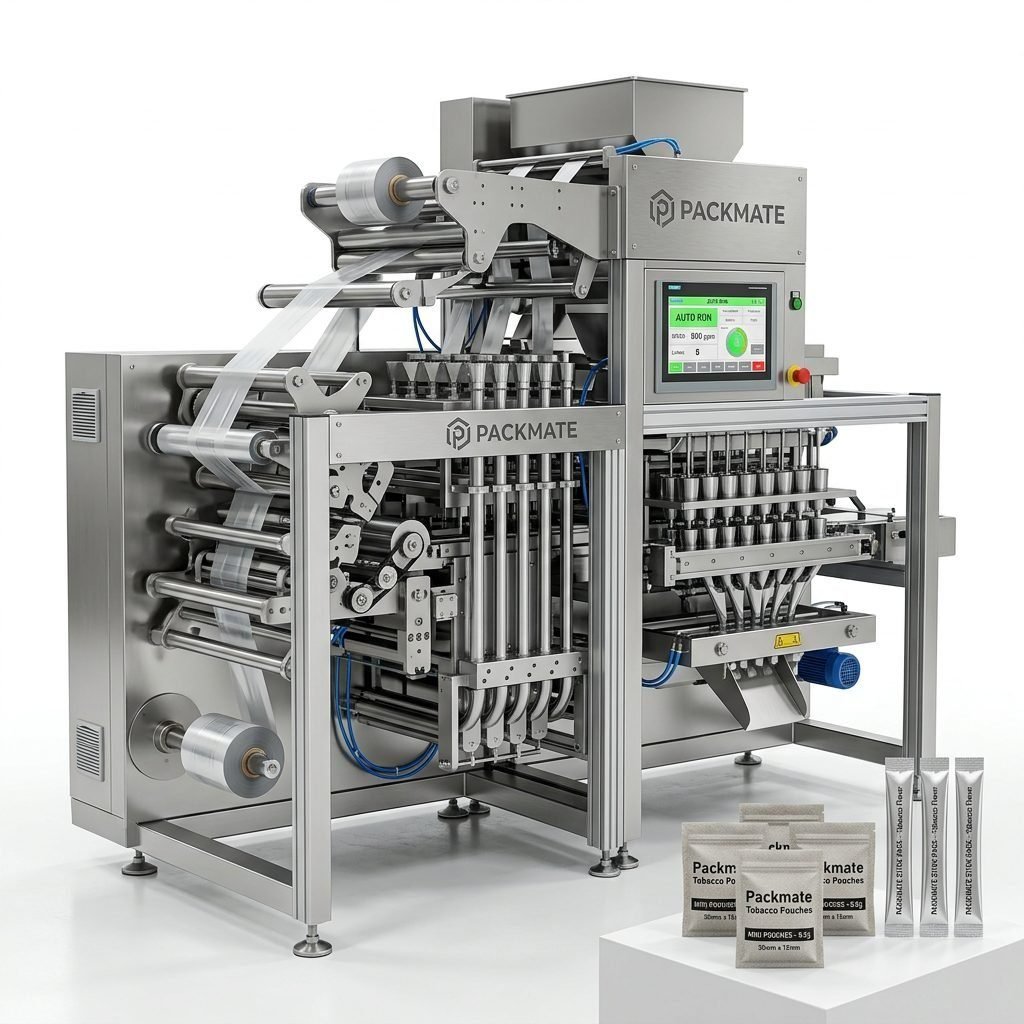
✓ Product format: Nicotine pouches and snus come in various pouch styles — stick pack, sachet, or multi-lane pouches. Choose machines that support the pouch type you intend to sell.
✓ Batch flexibility: Seasonal or small-batch flavors are common. Consider machines that switch formats or dosing weights quickly.
Factor in Island Logistics and Environmental Conditions
Shipping to Micronesia means long sea or air routes and exposure to marine climate. These realities influence the type of equipment you should buy.
- Rust-resistant materials and finishes (stainless steel or treated frames) to withstand humidity and salt air.
- Compact footprint for limited factory space on smaller islands and the ability to modularize equipment for staged installation.
- Voltage and power compatibility with local grids — many islands have variable supply; inquire about machines tolerant of voltage fluctuations or options for UPS/generator integration.
Practical Tip
🔧 Ask suppliers for packaging machine variants optimized for tropical climates — condensed-gas or humidity-control options can protect electronics and product integrity.
Choose Machines that Match Product Characteristics
A supplier must provide equipment compatible with your product’s texture, dose, and packaging materials:
• For powdery nicotine blends, look for precise dosing and dust control features.
• For moist snus-style products, ensure sealing systems are robust and that packaging films provide reliable barrier properties.
• Multi-lane lines can increase throughput but require more floor space and local technical knowledge.
Evaluate Supplier Experience and Certifications
Supplier credibility is critical. Confirm industry experience, certifications, and whether their machines meet international standards.
- CE and ISO certifications are essential indicators of safety and consistent manufacturing quality.
- Case studies and global references show how suppliers perform in varied markets — look for experience supplying island or remote customers.
- Ask for factory photos, production timelines, and testing reports before purchase.
Learn more about a manufacturer’s product range and credentials on their product and about pages: Snus & Nicotine Packaging Machines, About Packmate.
After-Sales Service, Spare Parts, and Training
For Micronesian buyers, reliable after-sales support is a major differentiator.
⚠️ Confirm spare parts lead times — remote islands may face weeks of delay for parts shipped by sea.
🔁 Choose suppliers offering preventive maintenance contracts and remote diagnostics so issues can be addressed quickly by phone or video.
🎓 Training — on-site or detailed online sessions — is crucial to upskill local operators who may not have prior experience with advanced packaging systems.
Packmate’s global service offerings and case portfolio demonstrate how vendors support customers after purchase: Service, Case.
Regulatory Compliance and Local Customs
Micronesia comprises different jurisdictions with distinct tobacco and nicotine regulations. You must ensure both the product and packaging comply with local law.
- Check labeling requirements including language, health warnings, ingredient lists, and nicotine content disclosures.
- Respect cultural attitudes: some islands have conservative views on tobacco. Consider product presentation and distribution strategies that align with local norms.
- Engage local authorities and legal counsel early to confirm import permits and taxation practices.
Export Documentation and Logistics
When importing machinery into Micronesia, coordinate with suppliers for export packing, documentation (commercial invoice, packing list, certificate of origin), and freight terms. Ask for:
🌊 Robust export packaging to survive sea transit and multiple handling points.
📦 Modular packing that allows disassembly for shipping and reassembly onsite — helpful for island operations with small cargo capacity.
Financial Considerations and Total Cost of Ownership
Price is only one component of the purchase decision. Evaluate:
- Initial cost vs. long-term reliability and energy consumption.
- Extended warranties and service packages — these can save significant downtime costs on remote islands.
- Training and commissioning fees, spare parts kits for the first year, and travel expenses for on-site service.
Supplier Selection Checklist
✓ Demonstrated experience in snus/nicotine pouch machines and turnkey solutions — view product lines such as Bag & Pouch Packaging Machines and Weighing & Packaging Systems.
✓ Clear warranty, spare parts policy, and remote support options.
✓ Technical training and commissioning plan for on-site setup in Micronesia.
Negotiation and Trial Strategies
Protect your investment by negotiating terms that reduce risk:
- Factory acceptance testing (FAT) or video trials before shipment so you verify machine performance.
- Flexible payment terms tied to delivery milestones and successful on-site commissioning.
- Include a spare parts kit and essential tooling in the contract to minimize downtime after arrival.
Working with a Trusted Manufacturer: What to Expect
Reputable suppliers like Packmate Snus Machine offer end-to-end solutions shaped by decades of engineering experience. Expect:
• A wide selection of machine models and customization for local needs.
• Strong manufacturing capacity and quality control from a well-equipped factory.
• International compliance, exhibition presence, and reference clients across continents.
For details on product offerings and technical specs, visit the manufacturer’s catalog and product sections: Catalog, Sachet & Stick Pack Machines.
Installation, Training, and Local Empowerment
A successful project doesn’t end at delivery. Plan for installation logistics, training local operators, and building supply chains for consumables.
🔁 Insist on a commissioning visit or a certified local technician trained by the supplier.
📘 Obtain detailed operation manuals and spare parts lists adapted to your machine configuration.
Environmental and Social Responsibility
When buying equipment for small island communities, consider sustainability: energy-efficient machines reduce fuel costs, and suppliers should help manage waste packaging and disposal consistent with local environmental priorities.
Final Checklist Before Purchase
✓ Confirm machine compatibility with product, climate, and local power supply.
✓ Verify certifications, FAT results, and references from similar deployments.
✓ Clarify warranty, spare parts availability, and remote support terms.
✓ Plan for installation, operator training, and initial spare parts stocking.
By following these steps and partnering with an experienced, export-ready supplier, businesses in Micronesia can establish reliable snus and nicotine pouch production that respects local customs, withstands island environments, and supports sustainable growth.
Frequently Asked Questions
Q1: How long will it take to receive a snus packaging machine in Micronesia?
A1: Delivery times vary with shipping method and island destination. Air freight is faster but costly; sea freight is common and can take several weeks, plus customs clearance. Ask suppliers for estimated lead times and recommended freight options.
Q2: What spare parts should I order with the machine?
A2: Order wear parts (seals, belts, sensors), a basic tools kit, and any unique components the machine uses. A 6–12 month spare parts kit reduces downtime in remote locations.
Q3: Do I need local certification for the machines?
A3: Many islands accept CE/ISO-recognized equipment, but local import rules differ. Check with customs and health authorities to confirm labeling and machine approval requirements.
Q4: Can I get remote technical support if onsite technicians aren’t available?
A4: Yes. Many suppliers provide remote diagnostics, video troubleshooting, and parts shipping. Ensure this is included in the service agreement.
Q5: How do I find a supplier experienced with nicotine pouch lines?
A5: Review manufacturers’ history, product pages, and case studies. Established vendors with comprehensive product lines and certifications — and those who participate in global exhibitions — are generally more reliable partners.