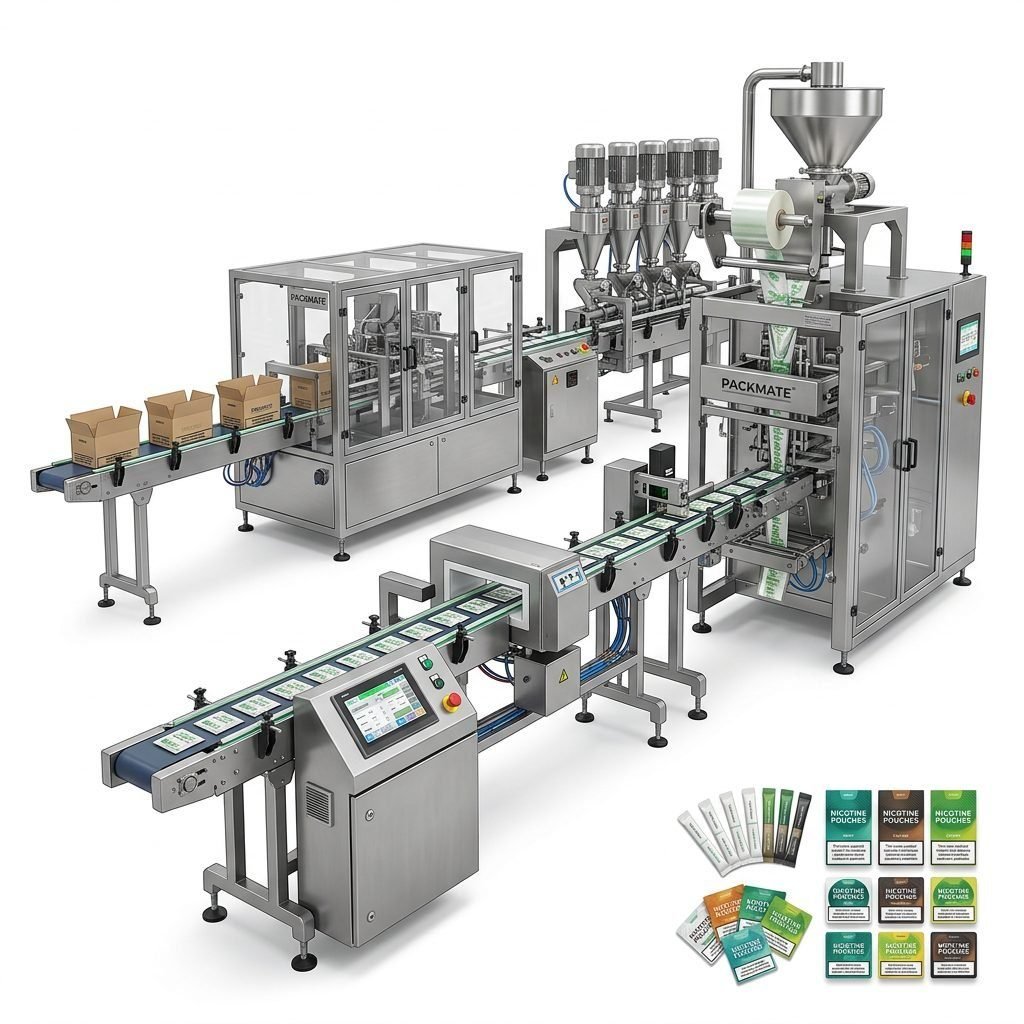
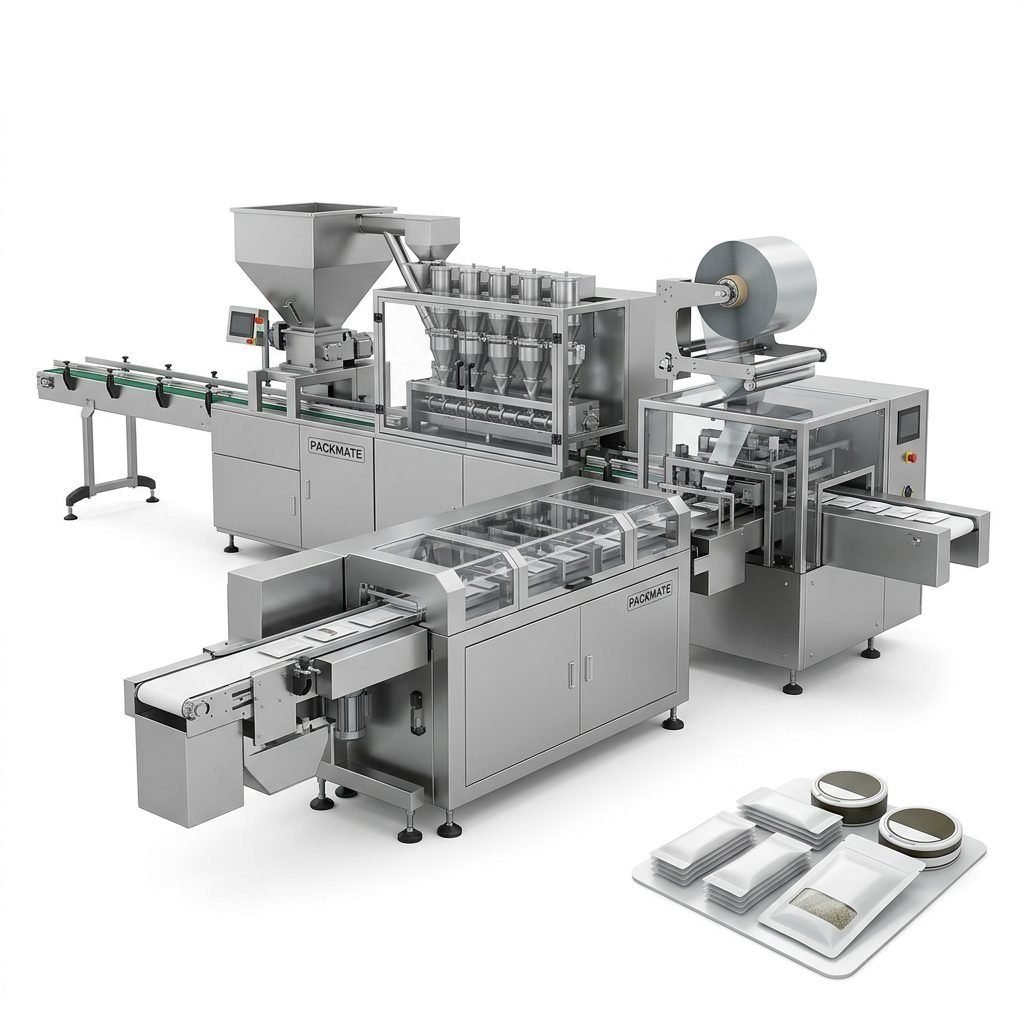
Choosing the right snus packaging machine in Austria requires balancing technical performance, regulatory compliance, and local market preferences. This buyer’s guide walks you through how to evaluate machines for nicotine pouches and snus-style products, what to consider for Austria-specific rules and consumer habits, and how to select a reliable supplier with strong after-sales support.
Austria market & regulatory overview 🇦🇹
Austria follows European Union regulations regarding tobacco products, meaning that traditional tobacco-containing snus faces strict controls across most EU countries. At the same time, the market for tobacco-free nicotine pouches has grown, with many Austrian consumers preferring discreet, single-dose formats and high-quality packaging. Manufacturers and packagers operating in Austria should prioritize regulatory compliance, German-language labeling, and sustainable packaging options to meet local expectations.
Practical local considerations
🔸 Austrian consumers favor clean, premium-looking packs and clear German labeling. Product information in German is often expected.
🔸 Sustainability matters: lightweight materials and recyclable packaging can improve acceptance.
🔸 Discreet single-portion sachets and slim pouches are popular for on-the-go use.
Key technical criteria when selecting a snus packaging machine
Evaluate machines on performance, flexibility, and long-term operating cost. Below are the most important technical aspects to compare.
1. Packaging formats and compatibility
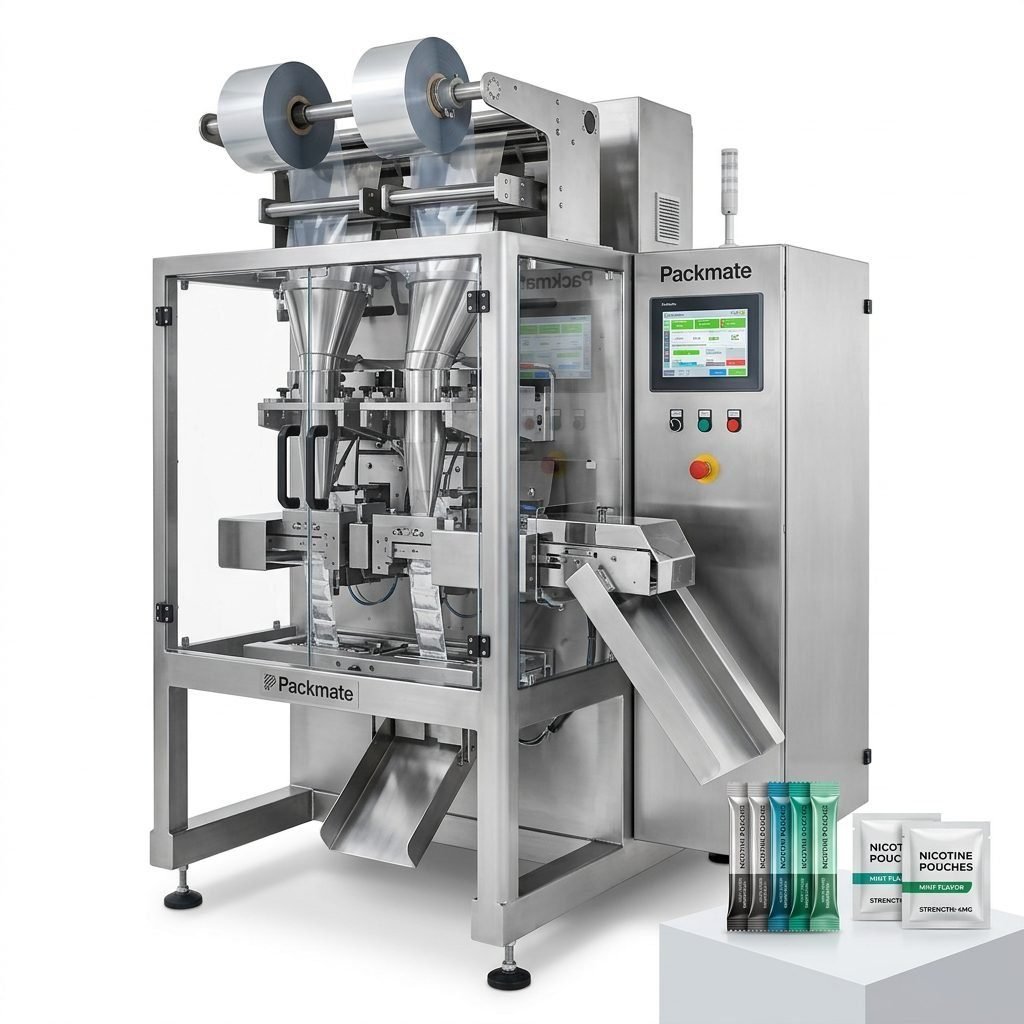
A top choice should handle the specific formats you need: single-dose sachets, stick packs, or multi-pouch trays. If you plan to produce both tobacco-free nicotine pouches and other small-dose products (tea, powders), choose machines with flexible filling heads and adaptable dosing systems.
2. Speed, lanes and capacity
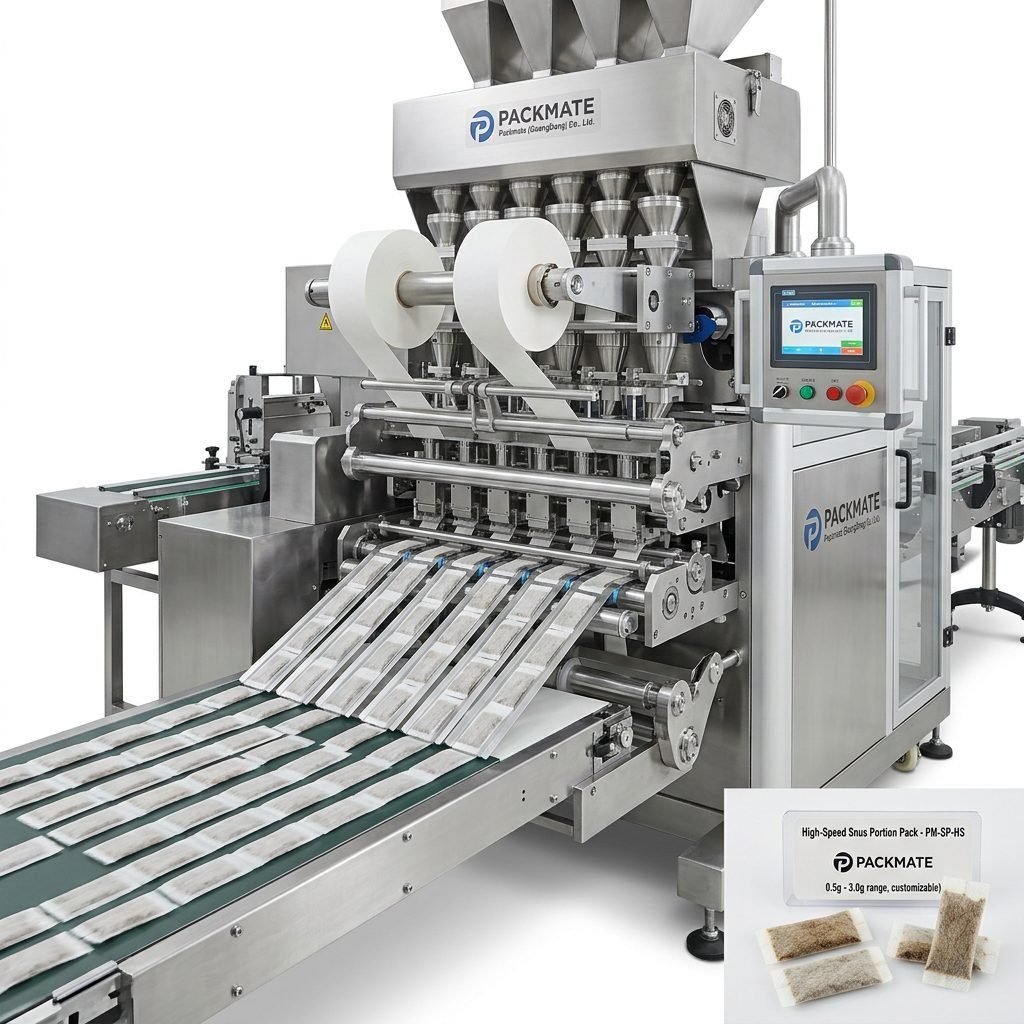
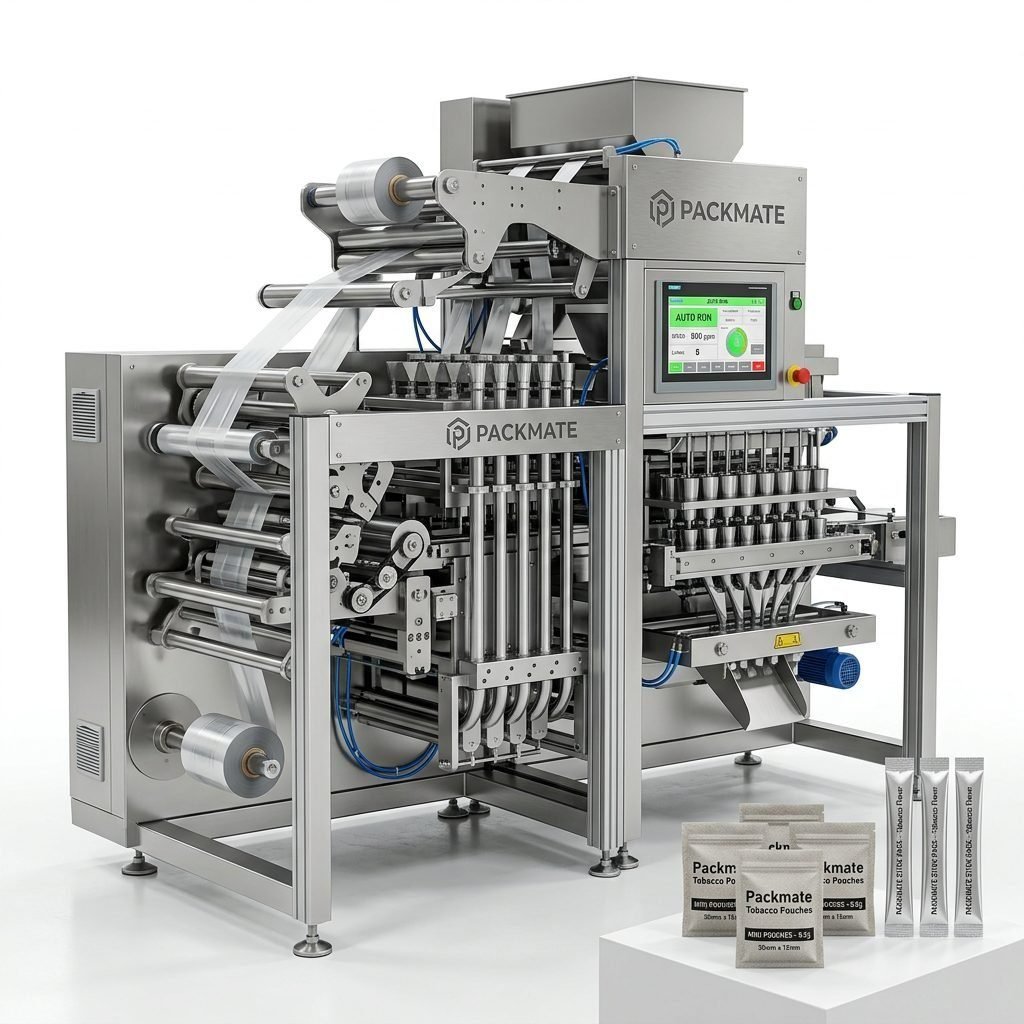
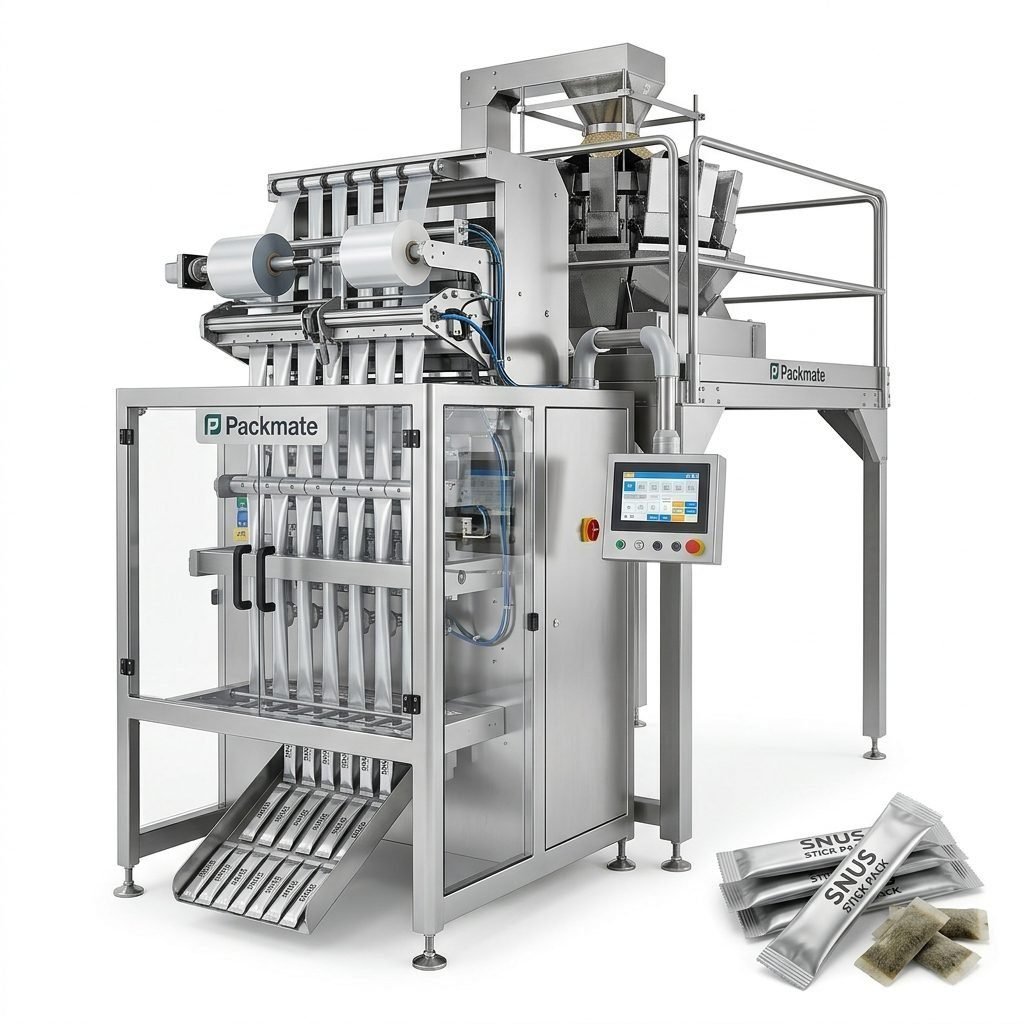
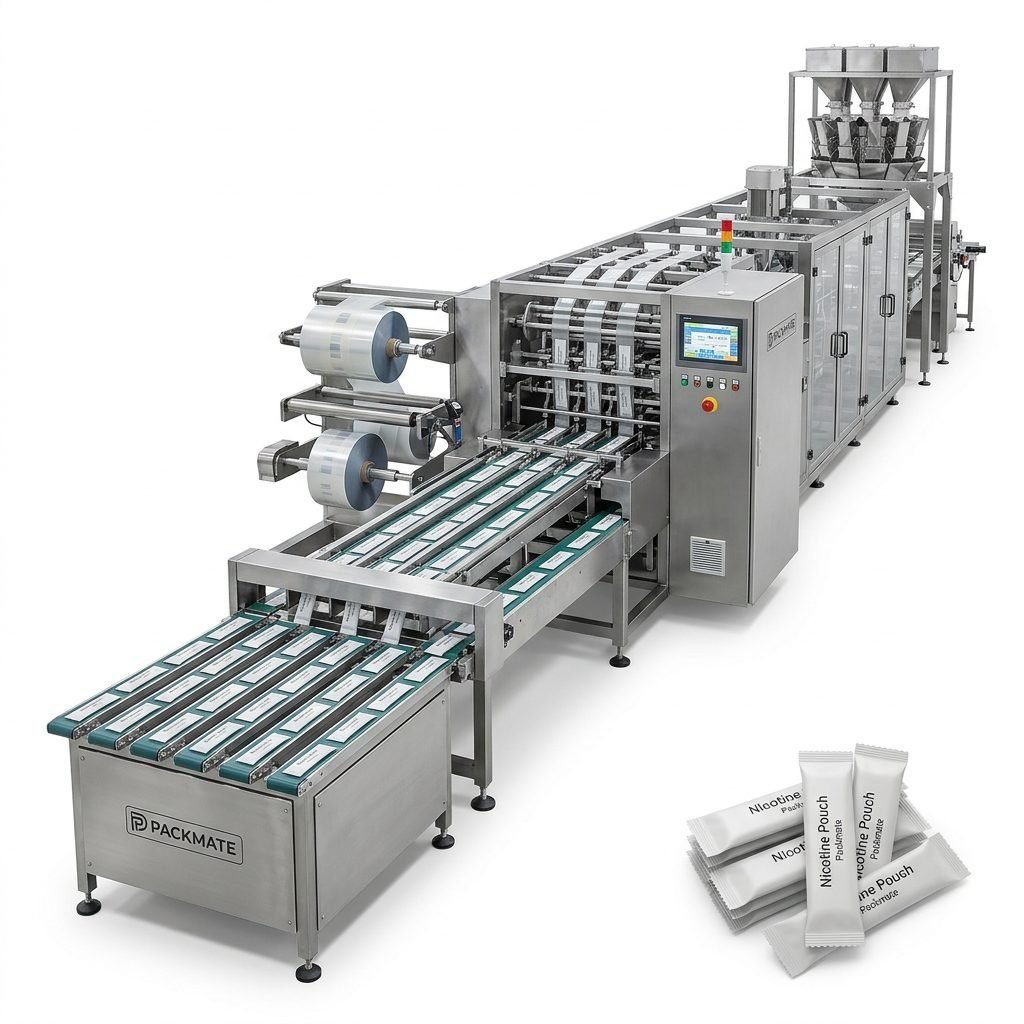
Decide the required output: pilot-scale, mid-volume, or high-capacity. Multi-lane machines can multiply throughput without increasing footprint. For example, a 4- to 8-lane snus line can dramatically raise output while preserving product quality. Match machine lanes to your expected SKU mix.
3. Filling accuracy & weighing systems
Small-dose products demand precise dosing. Look for integrated weighing or volumetric systems with closed-loop control to reduce giveaway and maintain consistent weight per pouch. High-precision filling reduces waste and improves regulatory traceability.
4. Film & laminate compatibility
Make sure the machine accommodates the films and laminates you prefer (barrier films for moisture control, recyclable mono-materials). Heat-sealing temperatures, draw lengths, and web handling must be compatible with your packaging materials.
5. Changeover, cleaning & maintenance
Fast changeovers and hygienic design reduce downtime. Check for quick-tooling kits, tool-less adjustments, and easy access for cleaning. For nicotine pouches, residue management and material-safe construction extend uptime.
6. Automation, controls & Industry 4.0
Modern PLCs, intuitive HMI panels, recipe storage, and remote diagnostics are essential. Remote support and data logging help troubleshoot issues quickly and improve OEE. Seek machines that offer remote diagnostics and recipe management.
Compliance, labeling & environmental rules in Austria
Austria’s packaging and labeling expectations require careful attention. Key items include accurate ingredient lists, health warnings where applicable, manufacturer contact details, and clear language usage. Recyclability and packaging waste regulations influence material choices and print instructions for disposal.
⚖️ Labeling in German is recommended for retail acceptance. Include manufacturer information and batch codes for traceability.
♻️ Choosing recyclable laminates or mono-material films helps reduce regulatory friction and aligns with Austrian sustainability preferences.
Selecting the right supplier — checklist
Use this checklist when evaluating manufacturers and system integrators.
-
Proven experience with snus & nicotine pouch lines — request references and case studies.
-
CE and ISO certifications for safety and quality.
-
On-site installation, commissioning, and operator training in your language or with local translators.
-
Spare parts availability and remote support contracts to minimize downtime.
-
Customization capability for labeling, embossing, perforations or unique pouch shapes.
Why Packmate is often chosen
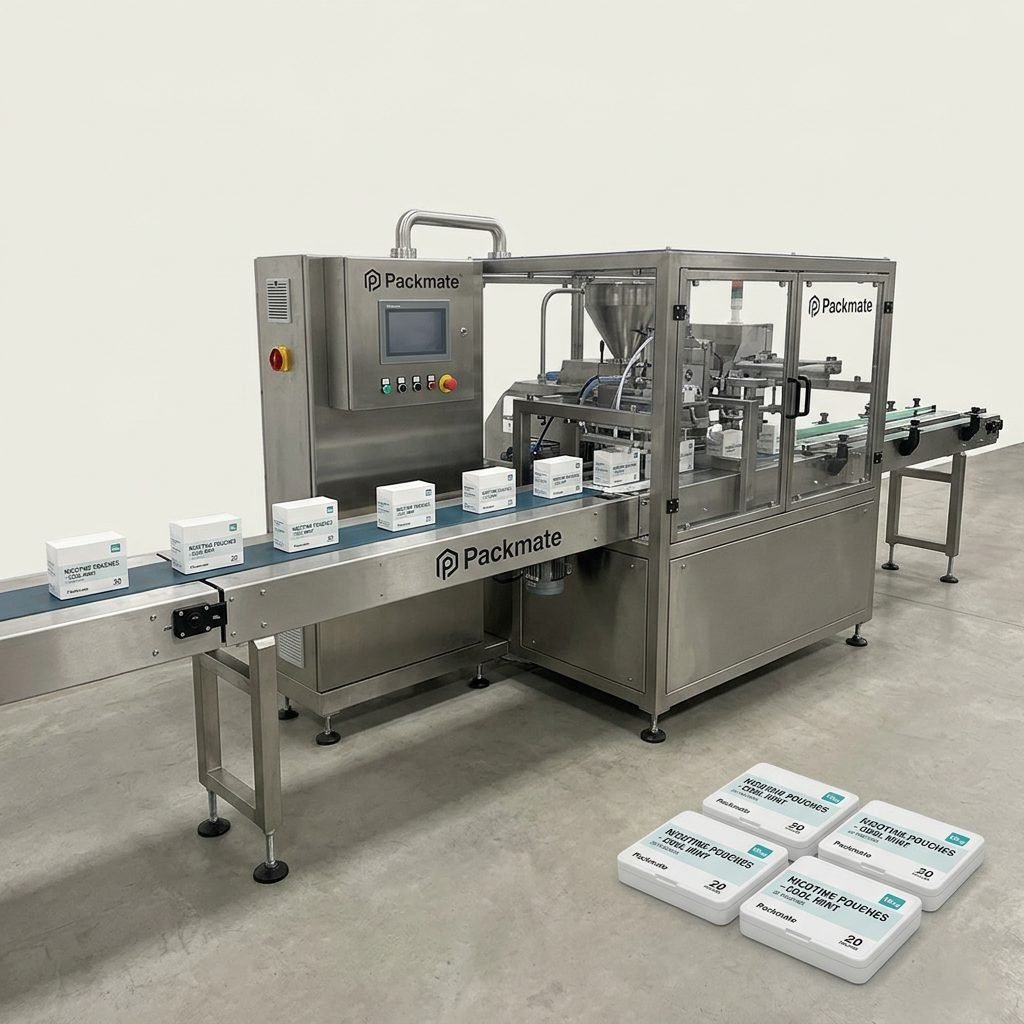
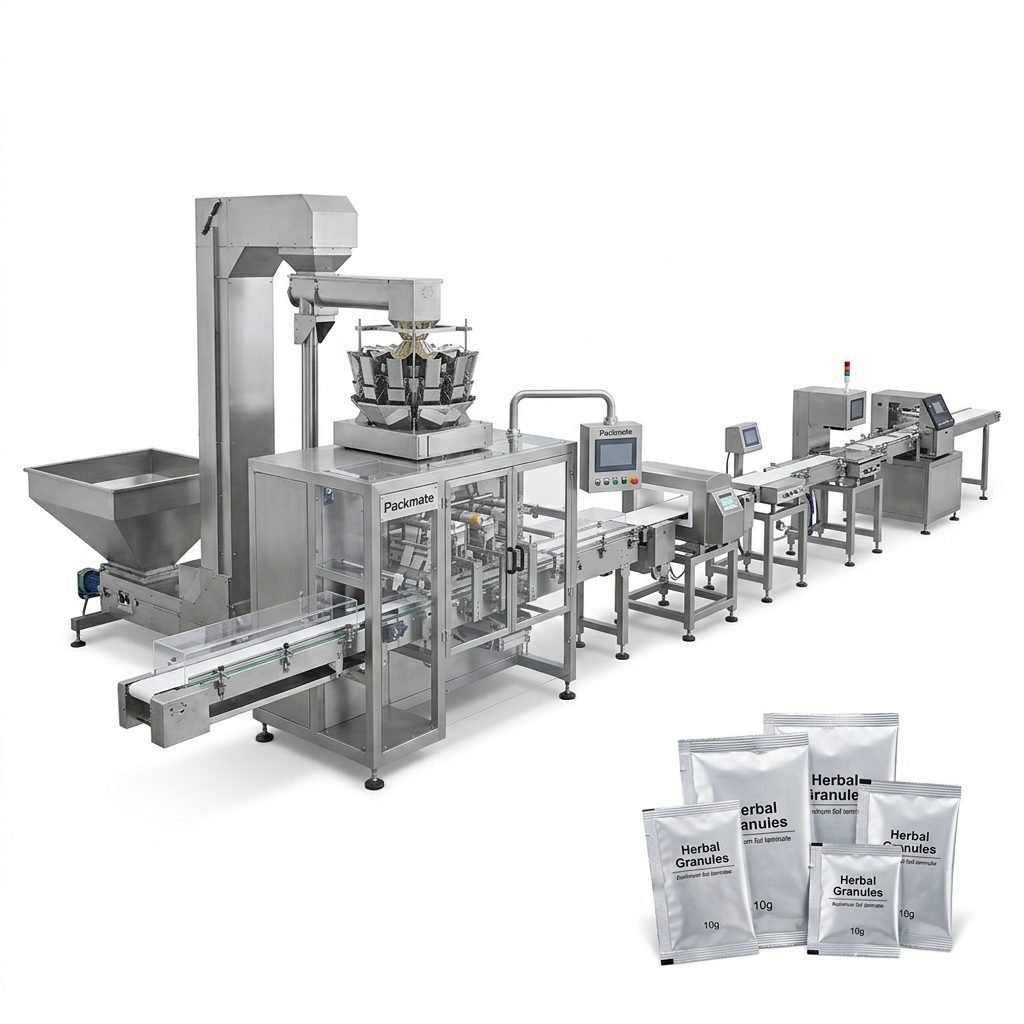
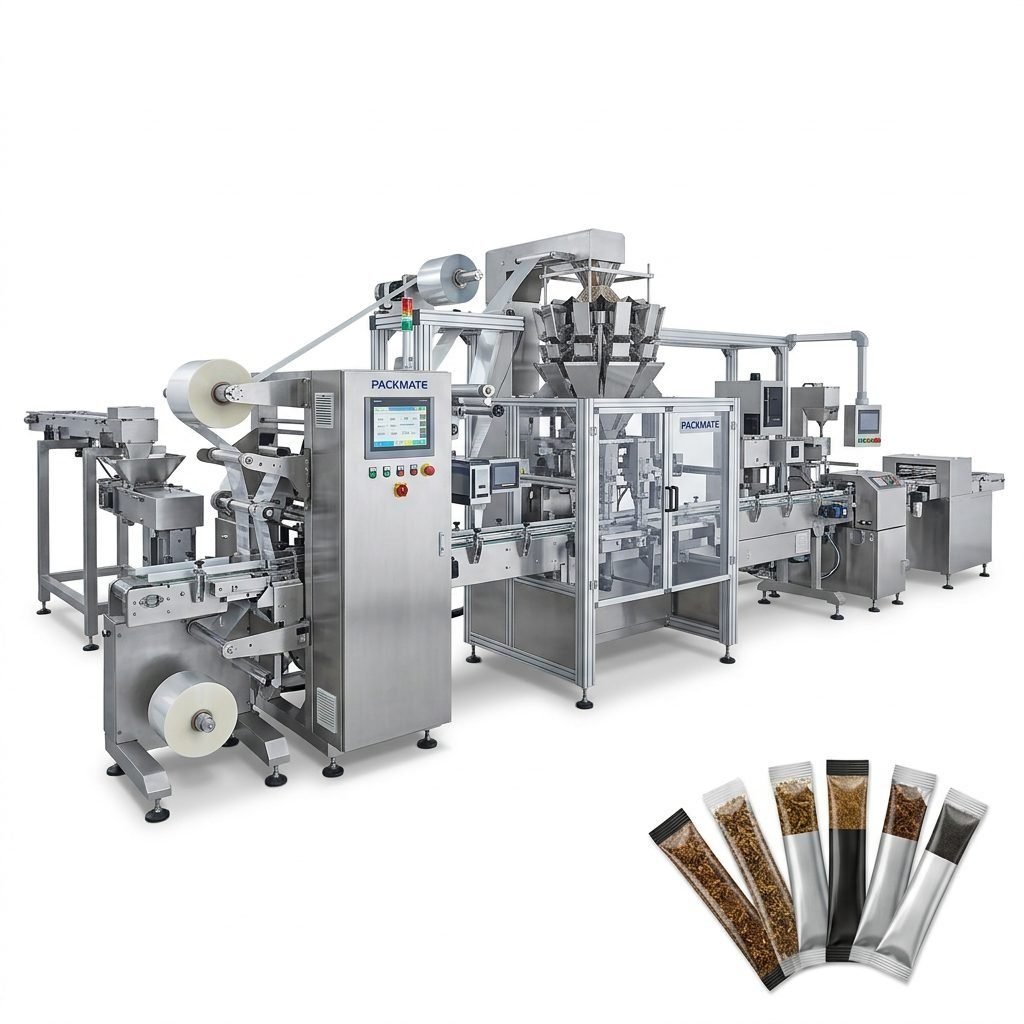
With over 30 years of engineering experience and a wide product range, Packmate focuses on high-performance snus pouch packaging lines with multi-lane systems and turnkey solutions. Learn about product lines such as Snus & Nicotine Packaging Machines and full packaging lines for weighing and filling to see compatible models for your needs.
Explore product details: Snus & Nicotine Packaging Machines · Weighing & Packaging Systems · Filling & Packaging Lines.
Cost, ROI and total cost of ownership
Purchase price is just one piece of the puzzle. Consider total cost of ownership: energy consumption, spare parts, changeover time, training costs, and yield. High-precision dosing reduces product giveaway, often offsetting higher initial investment through long-term savings.
🔎 Tip: Run a payback calculation including expected production volumes, target OEE, and product value per pouch. A machine that reduces waste and speeds changeovers can pay back in months rather than years.
Installation, validation and after-sales support
Ensure your supplier provides on-site commissioning, validation documentation, and operator training. For Austria, ask about local language support and timetables for spare parts. A strong service package should include remote diagnostics, preventative maintenance schedules, and easy access to consumables.
For more on service offerings and support, see Service and contact channels such as Contact Us for timelines and local arrangements.
Common customization options to request
Many Austrian packagers choose custom features to stand out and meet regulations:
-
German-language printing and batch coding systems
-
Foil embossing or matte finishes for premium appearance
-
Child-resistance or resealable features, where required
-
Integrated checkweighers and metal detectors for quality assurance
How to run a supplier evaluation visit
When possible, visit the manufacturer or a customer site for a live demonstration. Inspect machine build quality, material handling, and operator interfaces. Ask for production data on similar SKUs and request references in European markets. Packmate’s factory tours and case studies can offer real-world insights into machine performance and reliability.
See actual projects and applications: Case · About Packmate.
Decision roadmap — a quick buyer flow
1) Define SKUs, expected volumes and packaging materials.
2) Prioritize must-have features (multi-lane, accuracy, GMP hygiene).
3) Shortlist suppliers with European references and relevant certifications.
4) Request factory acceptance tests and site visits.
5) Negotiate service, spare parts packages and language-specific training.
Final recommendations
✅ Prioritize machines with precision dosing, fast changeovers, and robust multi-lane capabilities.
✅ Ensure compliance with Austrian/EU labeling and packaging expectations, including German-language labels and sustainable material choices.
✅ Work with suppliers who provide on-site commissioning, spare parts availability, and remote support to reduce downtime.
Useful links
Packmate resources: Snus & Nicotine Packaging Machines · Service · Contact Us
Frequently Asked Questions
Q1: Is snus legal to sell in Austria?
A1: Traditional tobacco-containing snus is restricted under EU rules except in Sweden. Tobacco-free nicotine pouches are treated differently and availability can vary. Always confirm with local legal counsel and regulatory authorities before market entry.
Q2: What packaging materials are best for Austrian consumers?
A2: Barrier films that preserve freshness, combined with recyclable or mono-material laminates, are preferred. German-language labeling and clear disposal instructions improve retail acceptance.
Q3: How important is machine flexibility?
A3: Very important. A machine that supports multiple pouch sizes, fast changeovers, and multi-lane configurations helps you adapt to SKU changes and seasonal demand.
Q4: What after-sales services should I require?
A4: On-site commissioning, operator training in German if possible, spare parts lead times, preventative maintenance schedules, and remote support for diagnostics are highly recommended.
Q5: Where can I see real examples or demos?
A5: Request factory acceptance tests, site visits or recorded demos from suppliers. Check supplier case studies and exhibition participation for live demonstrations and references.