Choosing the right snus packaging machinery supplier for your Sudan factory is a strategic decision that affects product quality, regulatory compliance, and the long-term profitability of your production line. This guide walks you through practical, locally relevant steps to evaluate suppliers, technical considerations for snus and nicotine pouch lines, and negotiation tips tailored to Sudan’s business environment.
Understand the Sudan Market & Regulatory Context
Before committing to any supplier, confirm the legal status of nicotine pouches and snus in Sudan. Sudanese regulations can change and local authorities may require import permits, customs documentation, or product testing. Engage with local legal counsel and customs brokers to verify whether nicotine products require special labeling, warnings, or taxes.
📌 Local custom tips: business communication in Sudan values personal relationships and trust. Plan in-person meetings when possible, be respectful of local religious customs (avoid scheduling important discussions during major religious holidays), and prepare Arabic-language summaries of technical specs if your local team prefers Arabic.
Assess Technical Capability & Product Fit
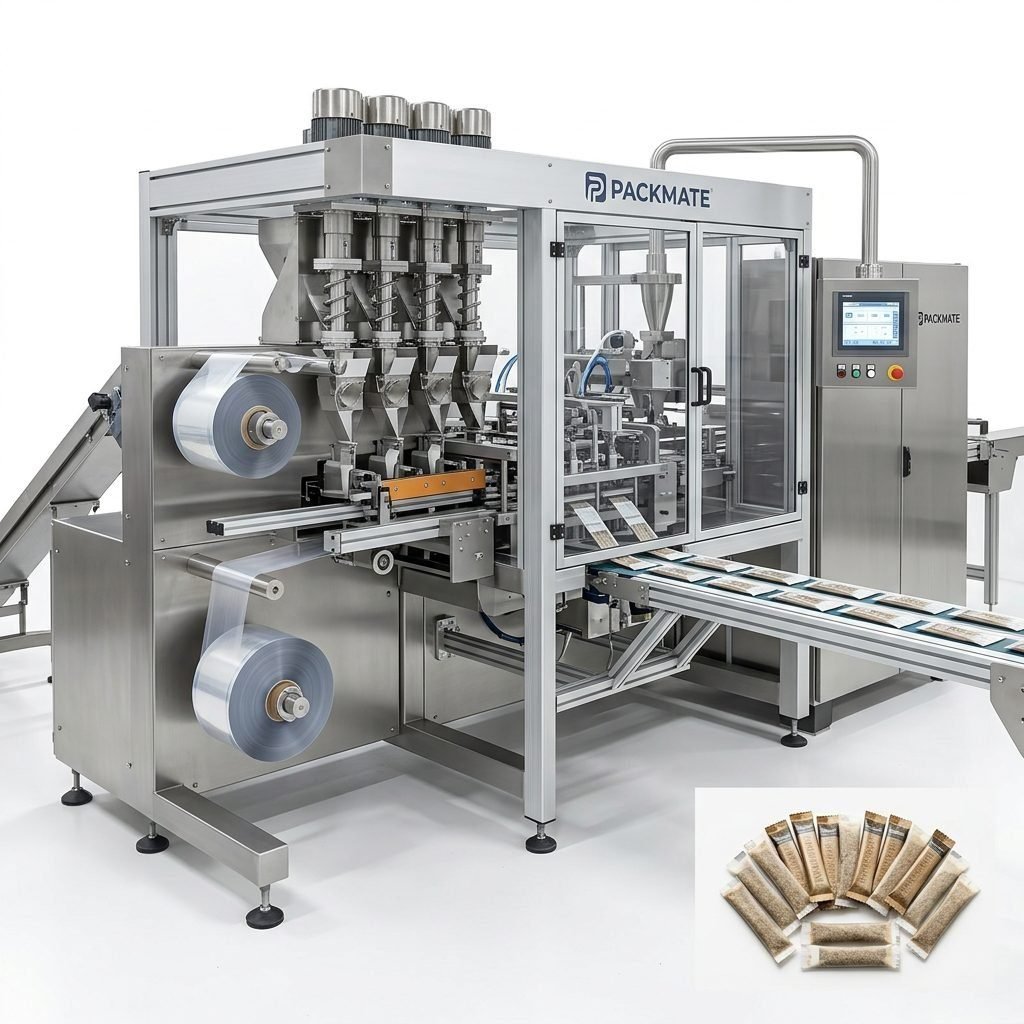
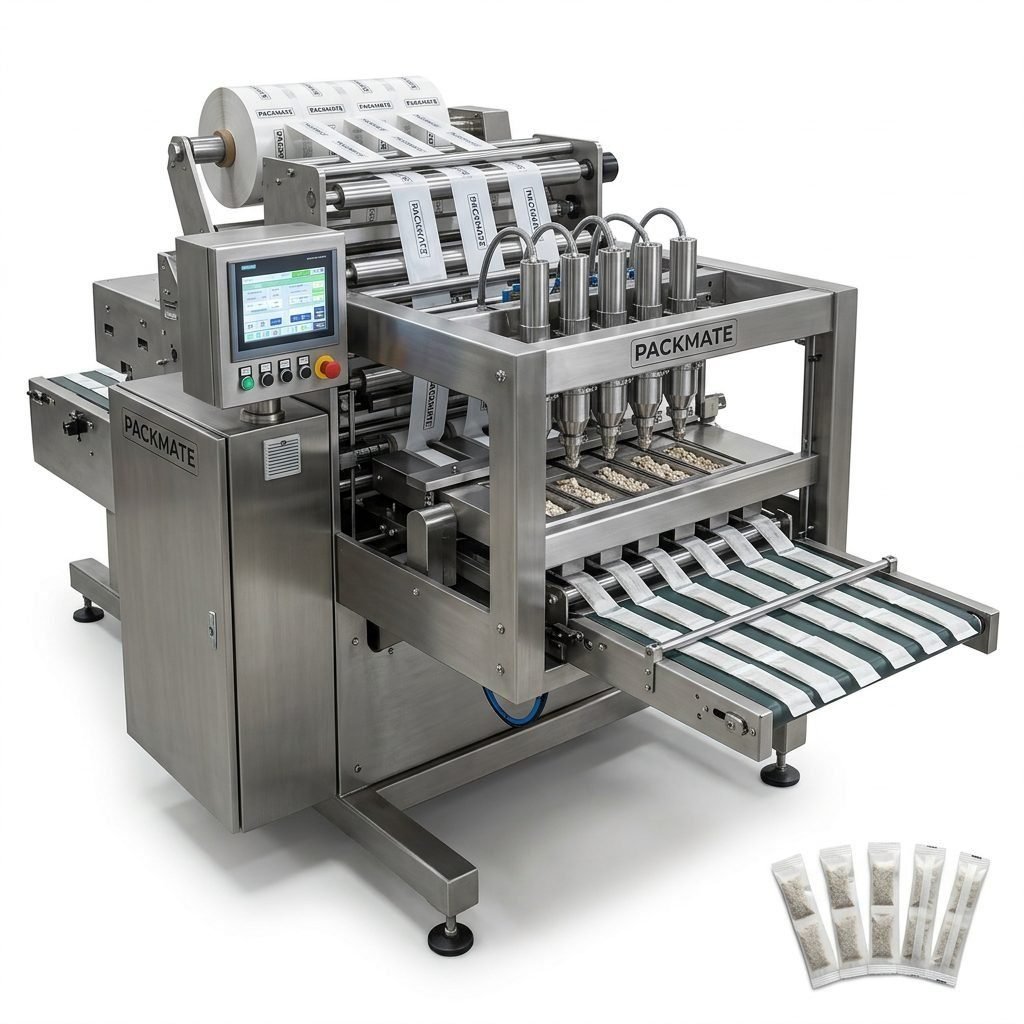
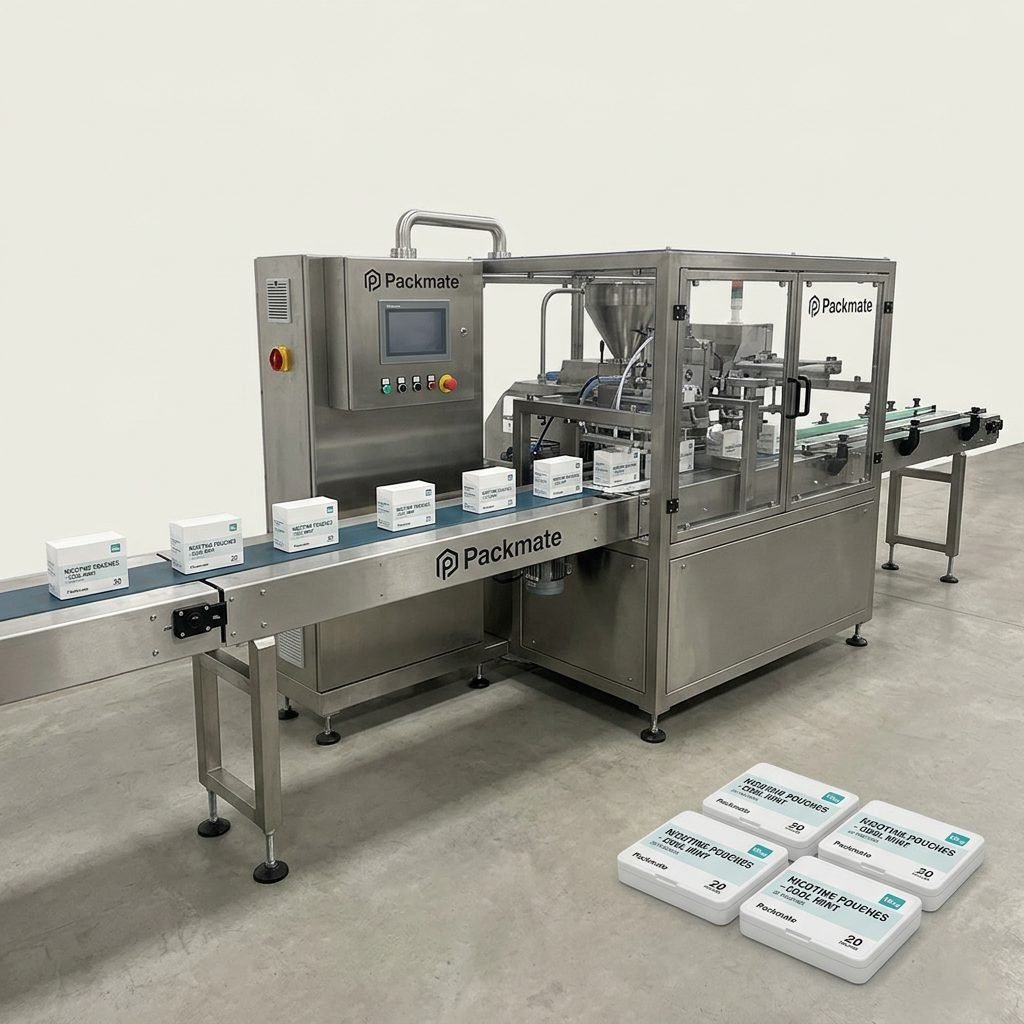
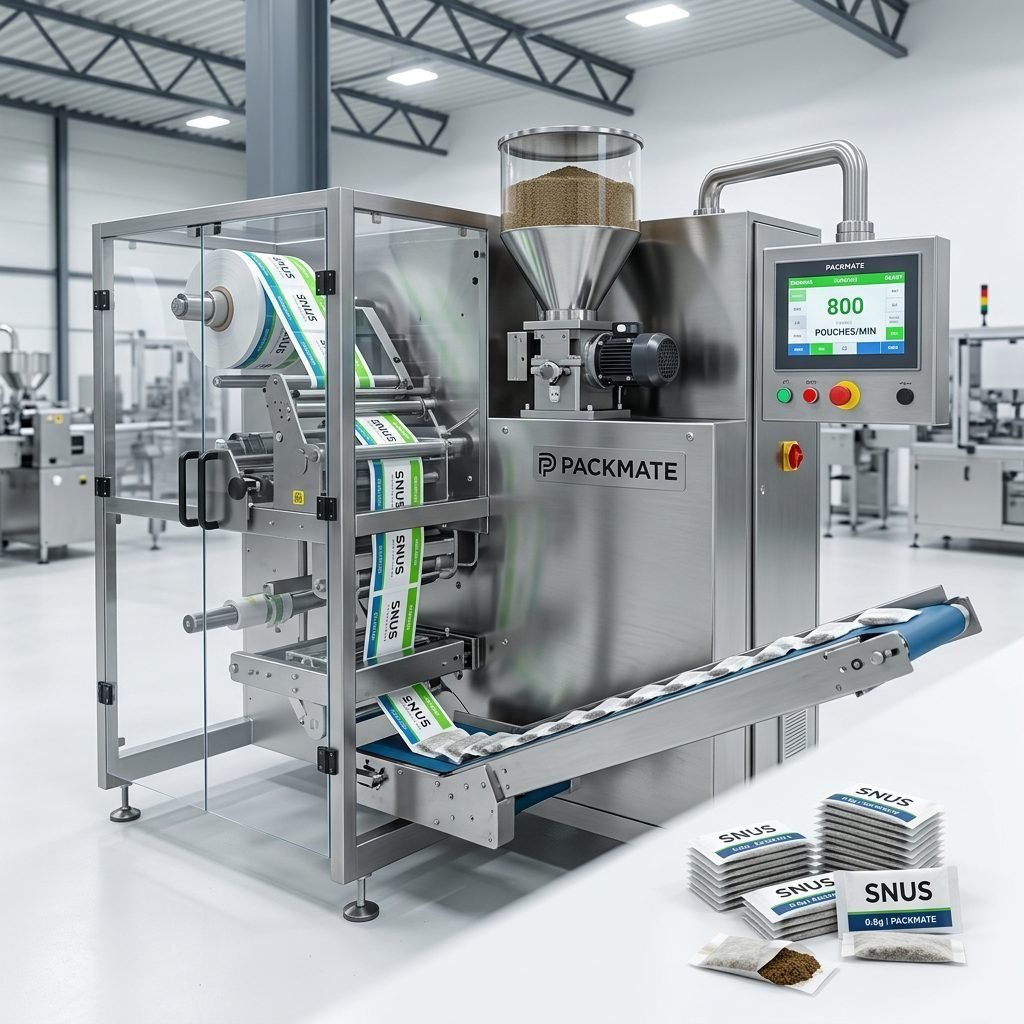
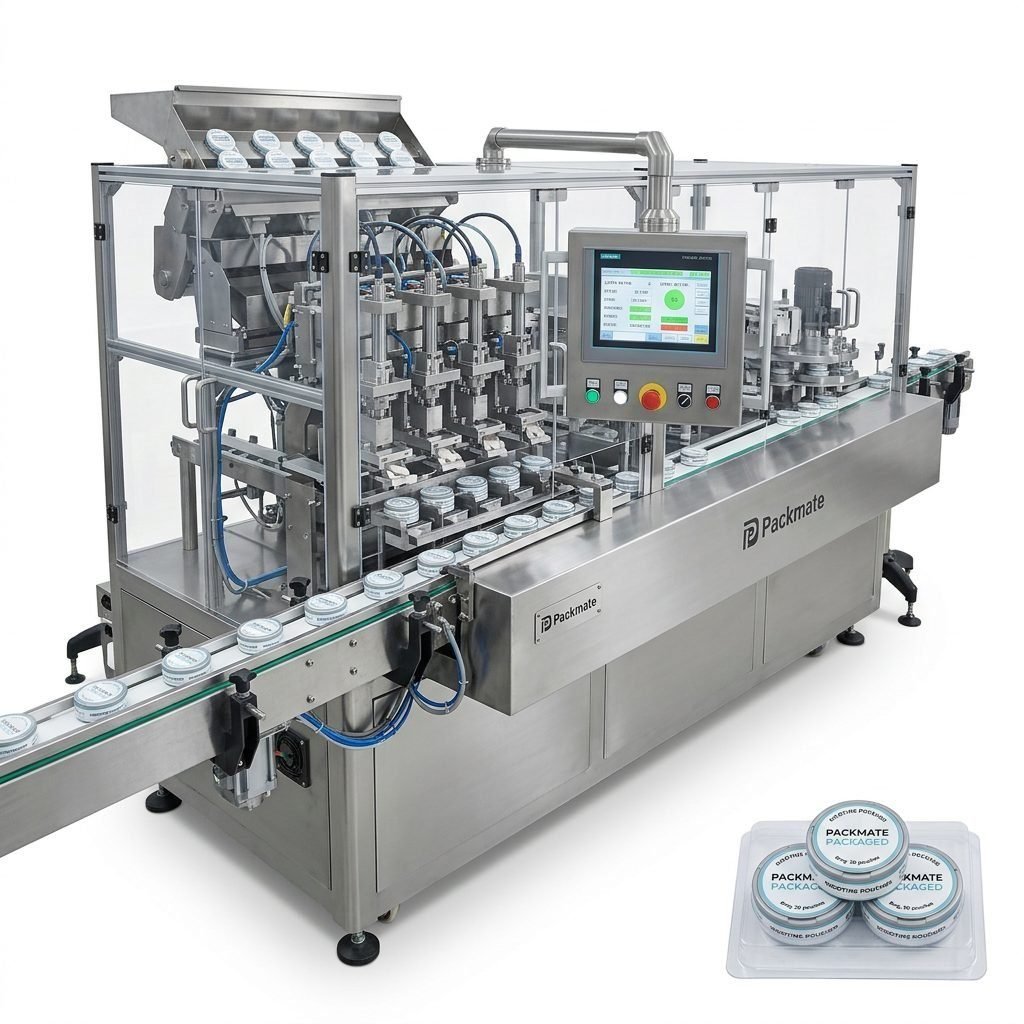
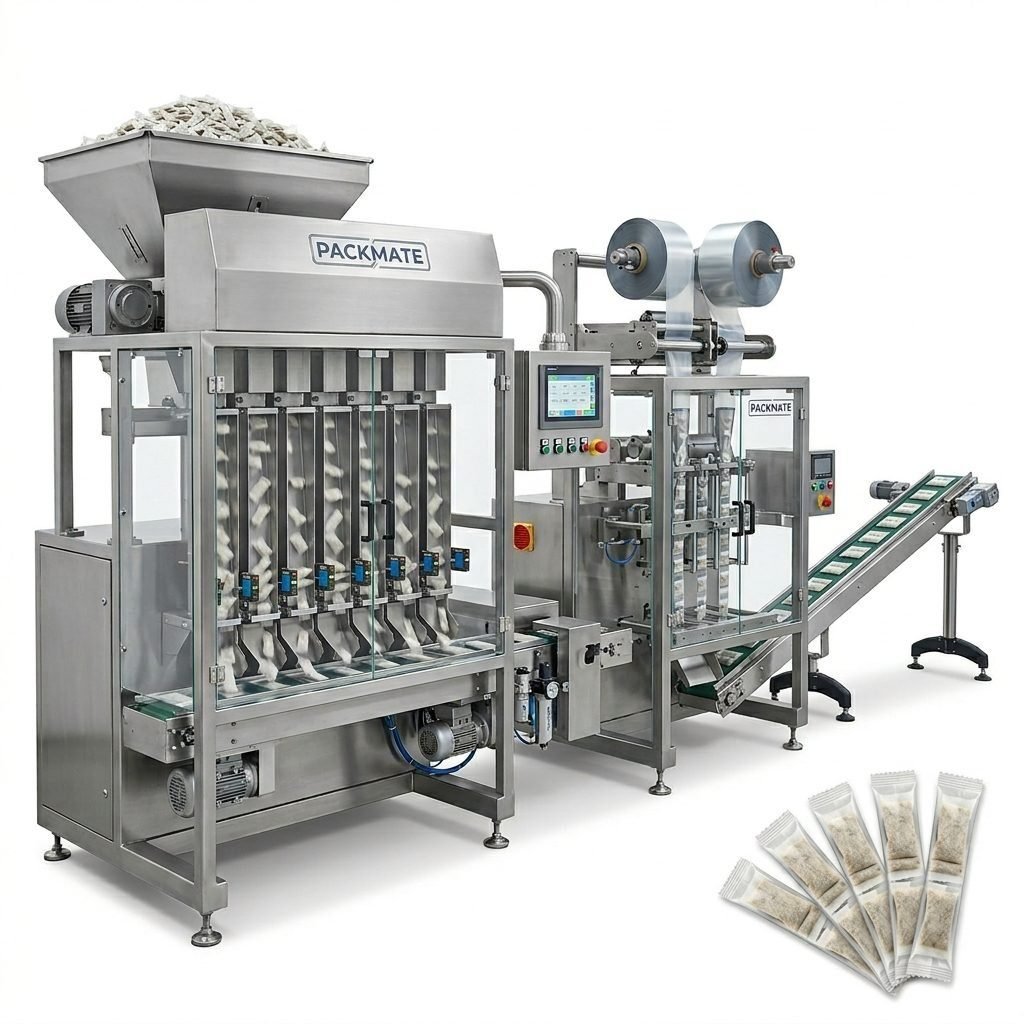
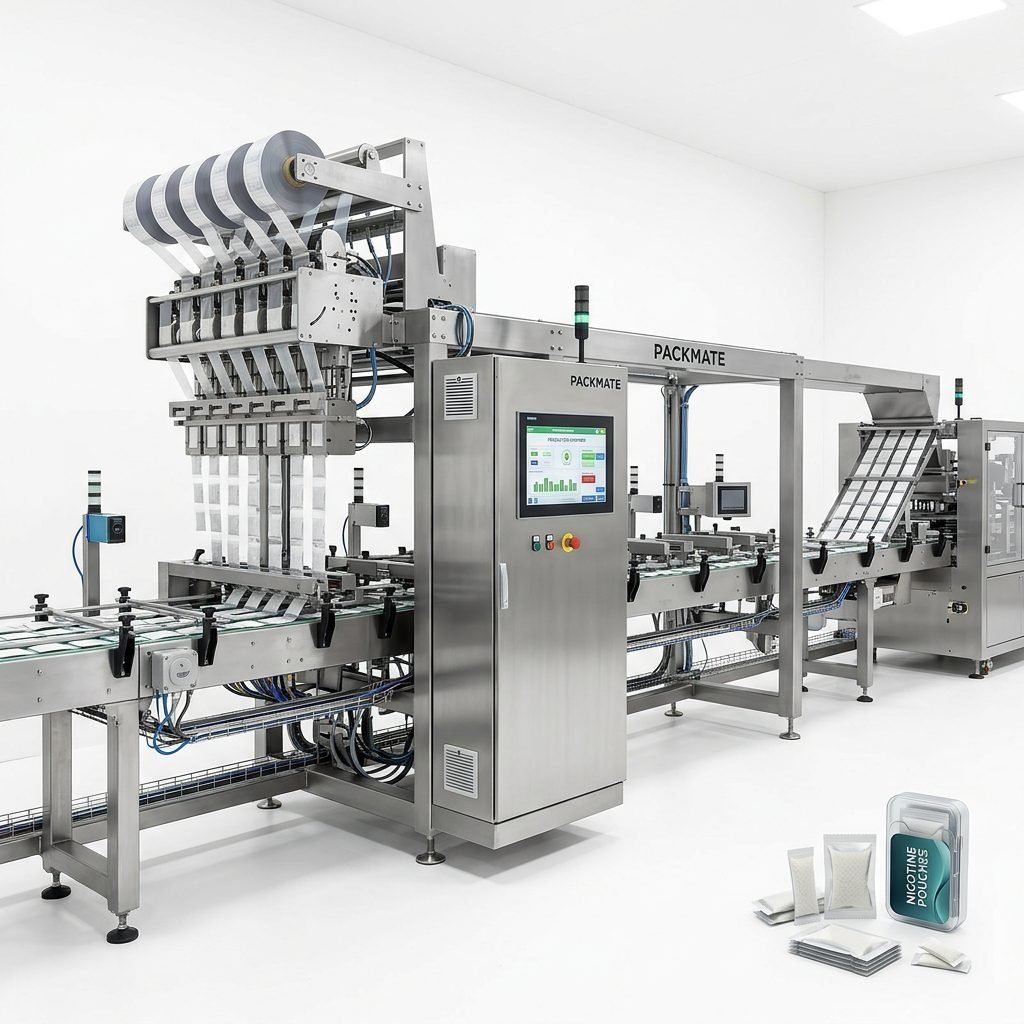
Match the supplier’s machine types to your product format (pouches, sachets, stick packs, multi-lane snus pouches). Look for suppliers who specialize in snus/nicotine lines rather than general packagers. Key machine families to review include Snus & Nicotine Packaging Machines and Bag & Pouch Packaging Machines.
Important technical indicators: production speed (pouches/min), lane configuration, dosing accuracy (mg tolerance), material compatibility, and cleaning/accessibility for maintenance. Request detailed performance curves and tolerance charts for the exact model you consider.
Verify Manufacturing Strength & Certifications
Confirm the supplier’s factory capabilities: CNC machining, assembly lines, and quality testing. A factory with a 20,000㎡ facility and multiple models is typically able to support customization and spare parts supply. Look for internationally recognized certifications such as CE and ISO. You can often verify certificates through supplier documentation or the supplier’s certification page, for example Certificate.
After-sales Support, Spare Parts & Training
For Sudan, where importing spare parts can face delays, prioritize suppliers that provide:
- Guaranteed spare parts availability and lead times
- Remote support (video diagnostics, PLC access) and clear escalation paths
- On-site commissioning and operator training in English and, if possible, Arabic
- Comprehensive manuals and spare parts kits shipped with the machine
🔧 Quick assessment question: Can the supplier provide a local partner or distributor in the region for fast spare parts distribution? If not, check the expected shipping times and customs handling from their factory to Port Sudan or Khartoum.
Practical Considerations for Factories in Sudan
Sudan presents unique operational considerations. Evaluate these practical elements before finalizing your purchase:
Power & Environmental Controls
Ensure machines are tolerant of voltage fluctuations, or budget for stabilized power supplies and UPS systems. High relative humidity and dust can affect pneumatics and electronics; select machines with appropriate sealing, IP-rated components, and maintenance-friendly designs.
Workforce Skills & Local Training
Invest in operator and maintenance training. Suppliers that offer extended commissioning and localized documentation reduce downtime and long-term costs. Consider rotation of trained staff to reduce single-person dependencies.
Logistics: Shipping, Customs & Installation
Plan for customs clearance at Port Sudan or air freight to Khartoum. A supplier experienced with exporting to Africa will provide proper packing, export documents, and possibly DDP (Delivered Duty Paid) quotations. Clarify installation responsibilities and whether the supplier will supervise local installers.
Factory Visits, Demos & References
Arrange a factory visit or remote demo to see the exact machine model running your product or a close surrogate. Request:
- Live demonstrations of snus/nicotine pouch runs
- Reference customers in similar climates or markets (ask for contacts)
- Case studies showing long-term reliability (Case)
Key Commercial Terms & Risk Mitigation
Commercial clarity protects your investment. Negotiate and confirm the following:
- Warranty scope and duration (mechanical, electrical, consumables)
- Payment terms and acceptable banking arrangements in Sudan
- Lead time, production schedule, and penalty clauses for delays
- Inspection & acceptance criteria upon delivery and commissioning
- Training, spare parts kits, and recommended spare parts list
How to Validate Supplier Claims
Validate technical claims through multiple channels: factory tests, video records of sample runs, third-party inspections, and client references. Review the supplier’s exhibition history and public demonstrations for real-world proof — see their exhibition activities and events for confidence (Our Exhibition).
Performance Metrics to Compare
Use measurable metrics to compare machines objectively:
- Output capacity (pouches per minute) under your product specs
- Accuracy & filling variance (standard deviation in mg)
- Changeover time between SKUs
- Mean time between failures (MTBF) and mean time to repair (MTTR)
- Total cost of ownership (TCO) over 5 years including spare parts and downtime
✅ Decision tip: Score each supplier against the metrics above (0–10) and weight them by importance (e.g., spare parts availability may have higher weight for Sudan). This creates a simple decision matrix that highlights the best overall fit.
Customization & Turnkey Solutions
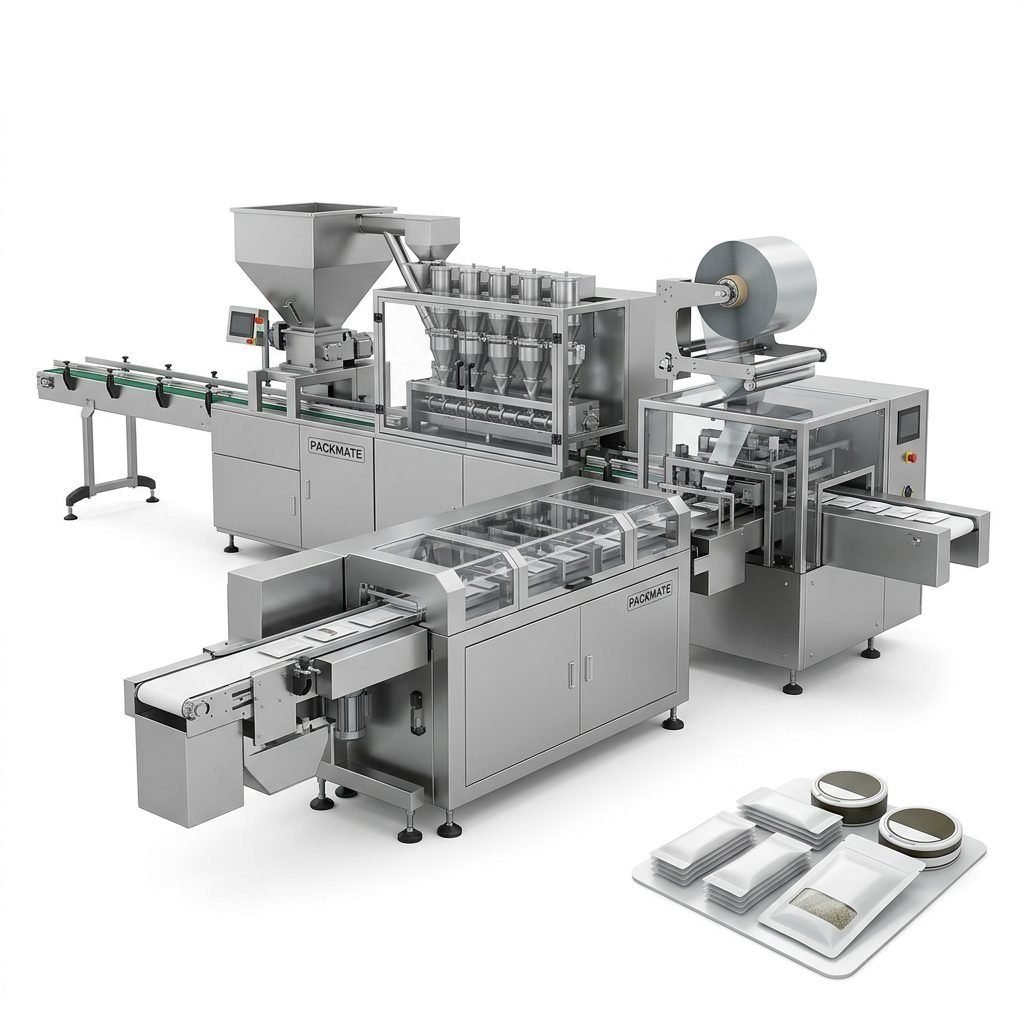
If you need full production capability, choose suppliers that can deliver turnkey lines including dosing, filling, weighing, and packaging. Check compatibility with auxiliary systems such as conveyors, checkweighers, and pick-and-place modules. Learn about integrated lines via providers of Filling & Packaging Lines and Weighing & Packaging Systems.
Negotiation & Final Steps
When you narrow to one or two vendors, request a final commercial offer with clear inclusions: spare parts list, training schedule, commissioning plan, and a pre-shipment inspection checklist. Ask for an option to visit the final FAT (Factory Acceptance Test) or to witness a live run of your product prior to shipment.
Local Partnerships & Long-term Service
Consider developing a local service agreement or authorized reseller relationship to ensure fast response for breakdowns. Suppliers that support local inventory of high-failure items significantly reduce downtime risk.
Final Recommendation & Next Steps
Start by shortlisting suppliers that specialize in snus packing and have proven export experience to Africa. Request demos and certificates, validate references, and negotiate clear commercial terms. If you want to learn more about an experienced manufacturer with multiple snus machine models and global turnkey solutions, review the supplier’s “About” page and reach out for a tailored proposal (About Packmate, Contact Us).
Frequently Asked Questions
Q1: Are nicotine pouches legal to import and sell in Sudan?
A1: Regulations change, so consult local authorities and a customs broker. Confirm labeling, health warnings, and any import restrictions before signing a purchase contract.
Q2: What warranty and service should I expect from an international supplier?
A2: Standard warranties cover manufacturing defects for 12–24 months. Ensure the supplier provides spare parts lists, remote support, and options for on-site technicians for commissioning.
Q3: How can I reduce downtime caused by spare parts delays?
A3: Stock critical spare parts locally, negotiate a consignment arrangement, and train multiple local technicians. Prioritize machines with modular, easy-to-repair designs.
Q4: How to evaluate the supplier’s real-world performance?
A4: Request factory acceptance tests, client references in similar climates, and machine run videos with your product specs. Review case studies and exhibition demonstrations to validate claims (Case).