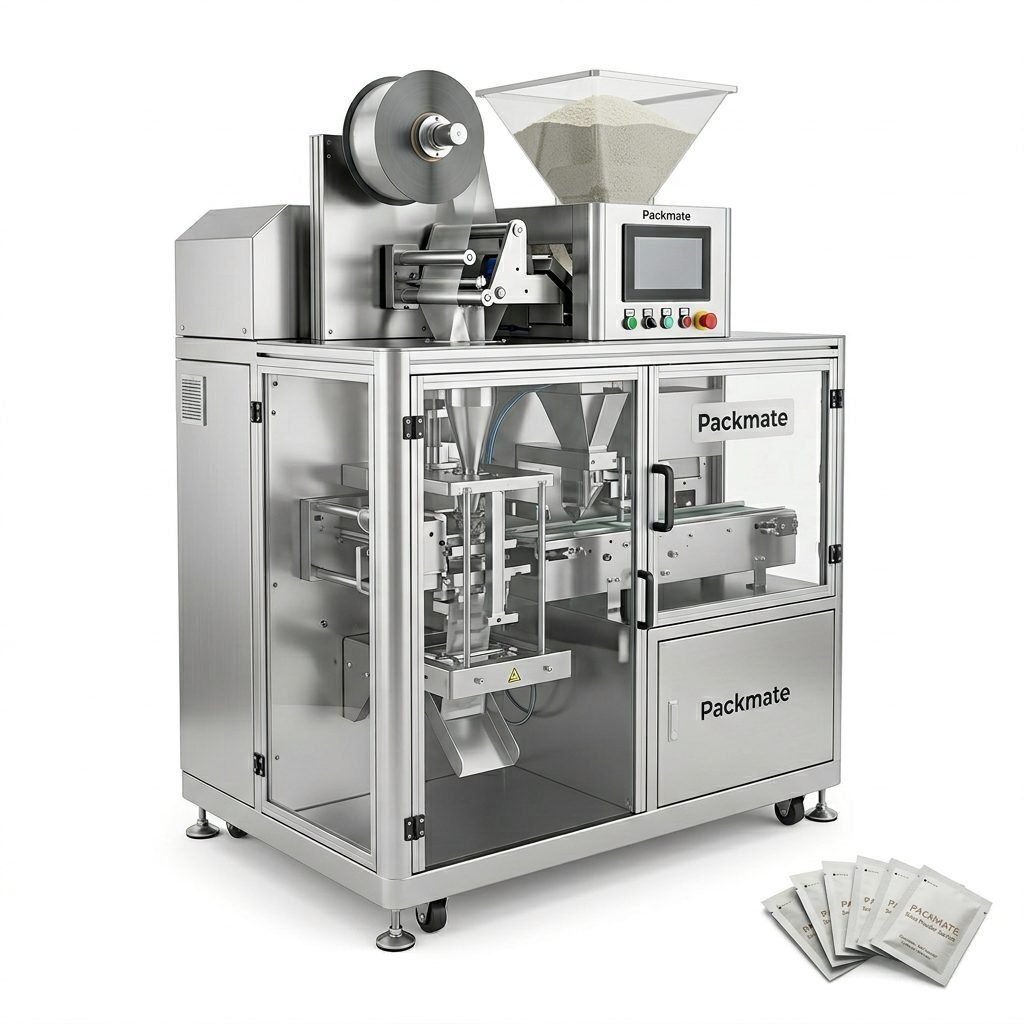
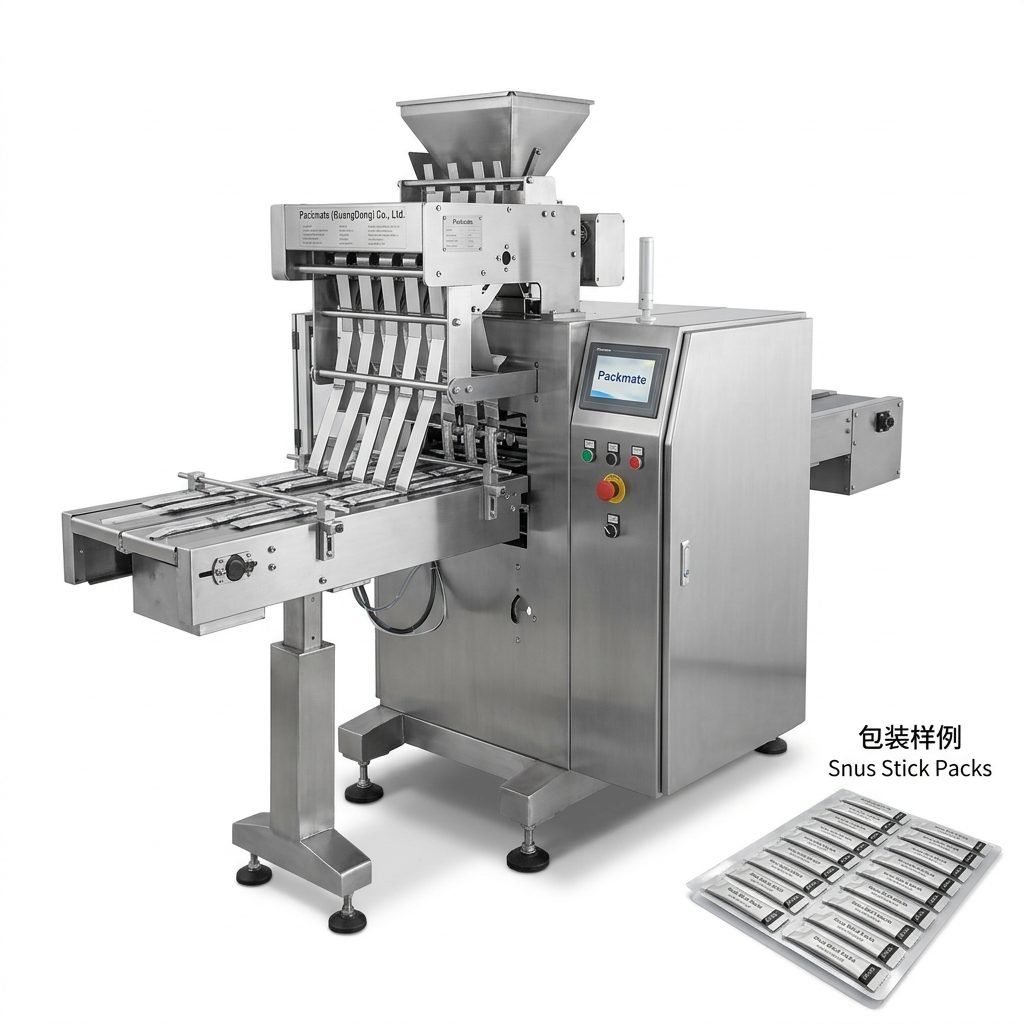
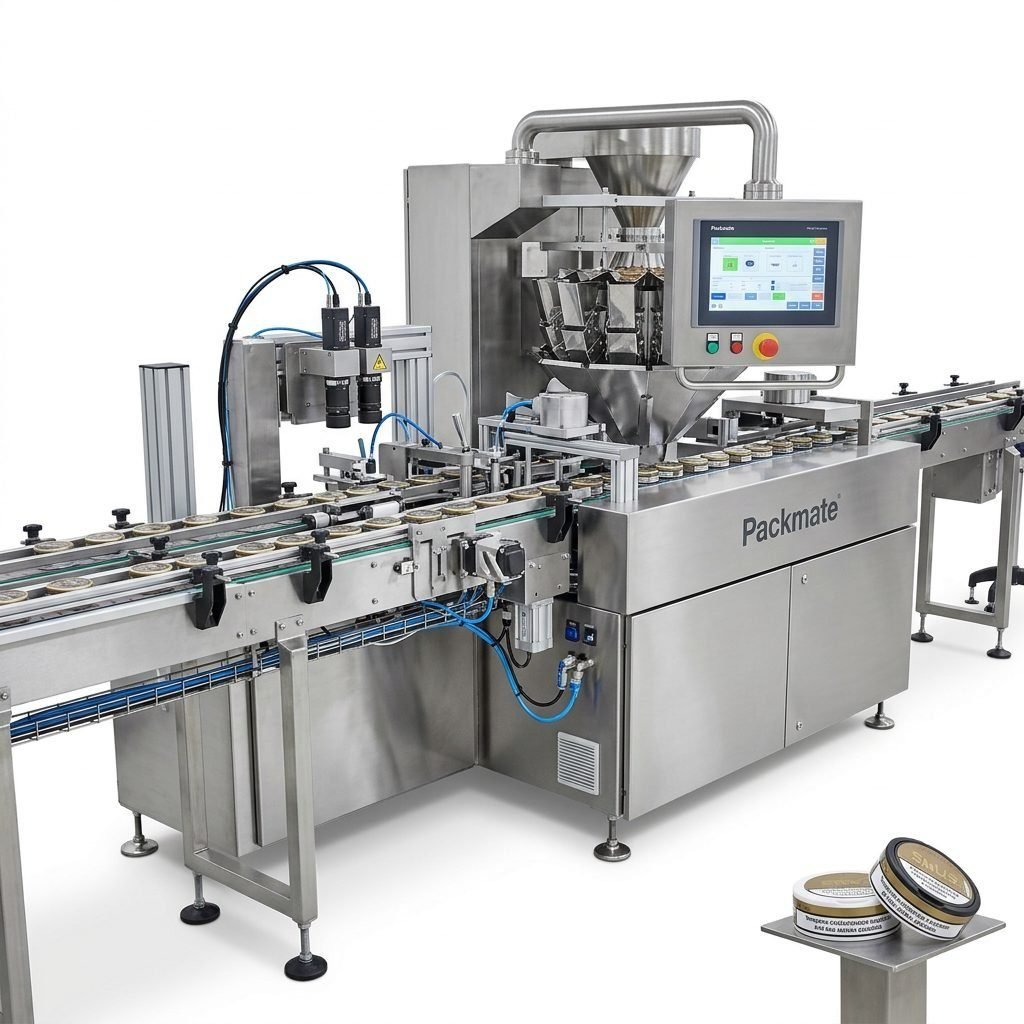
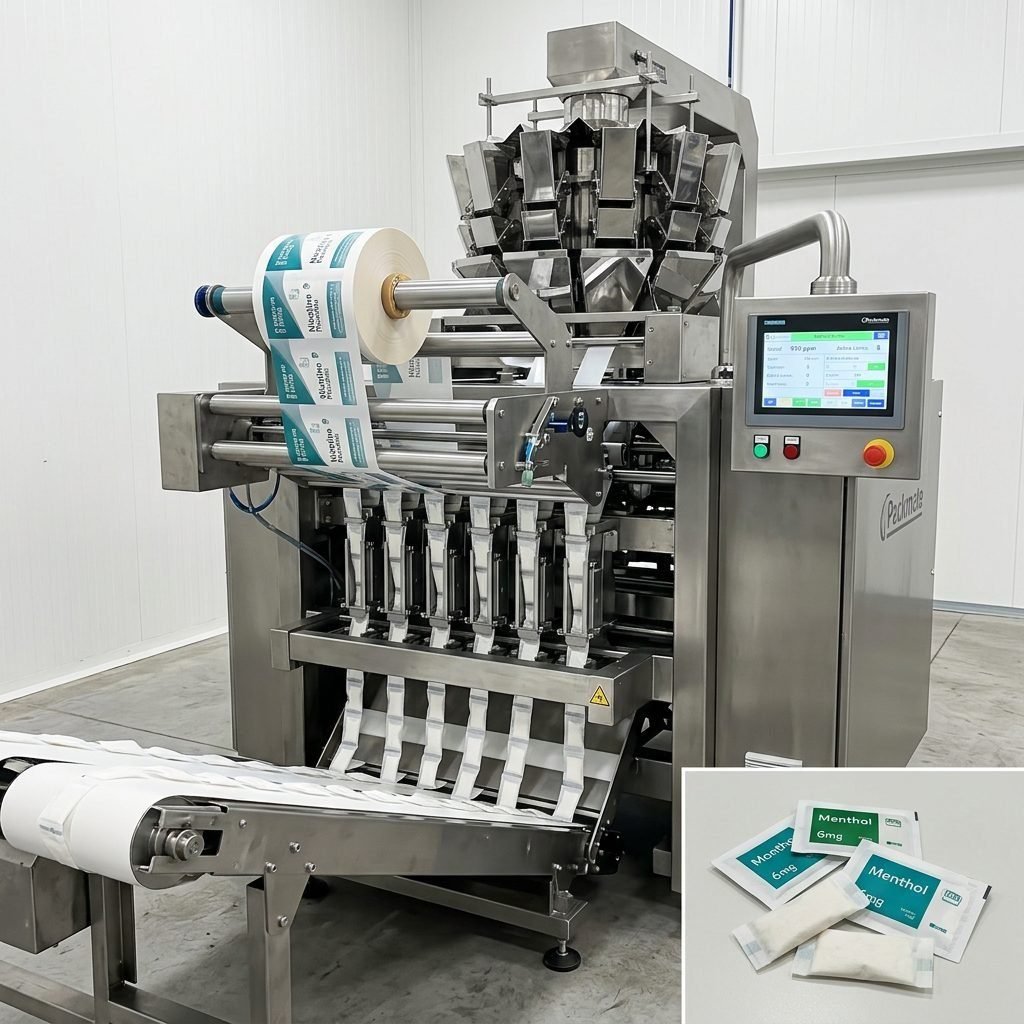
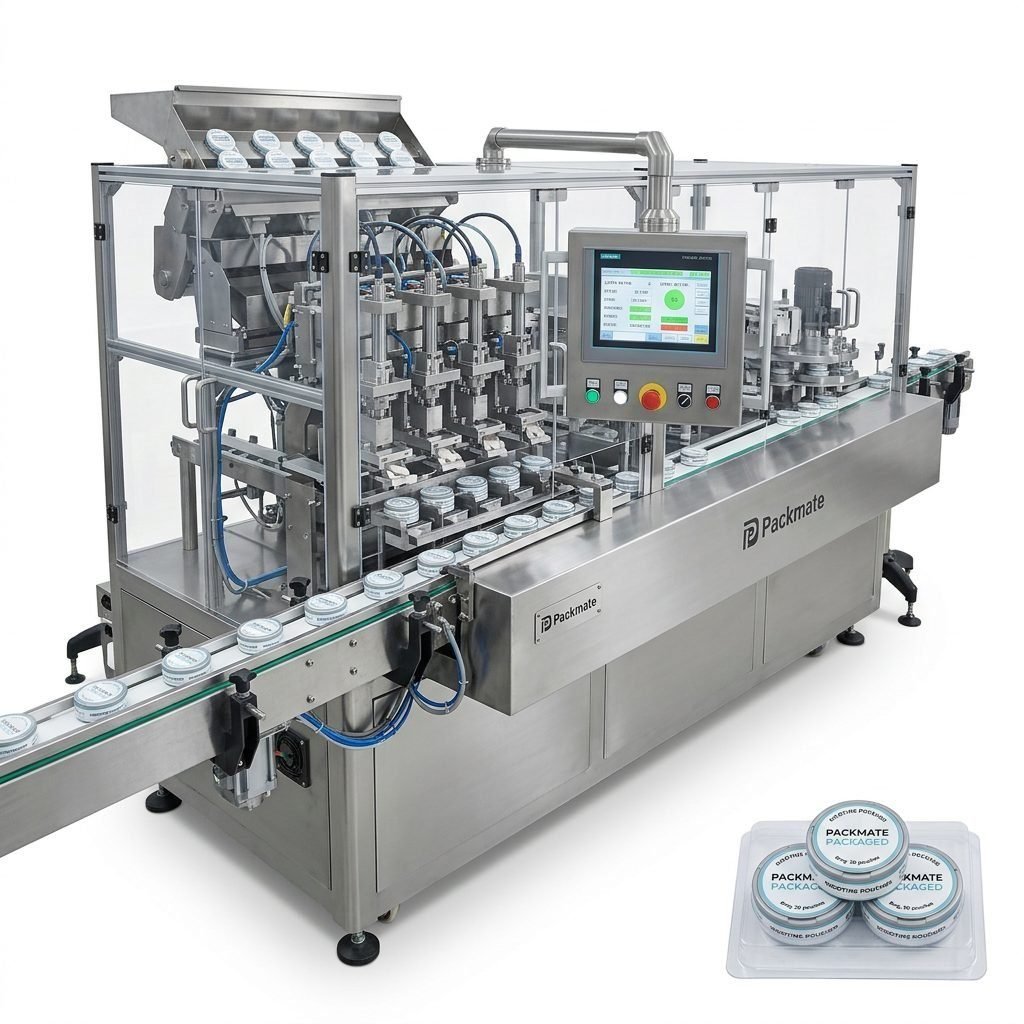
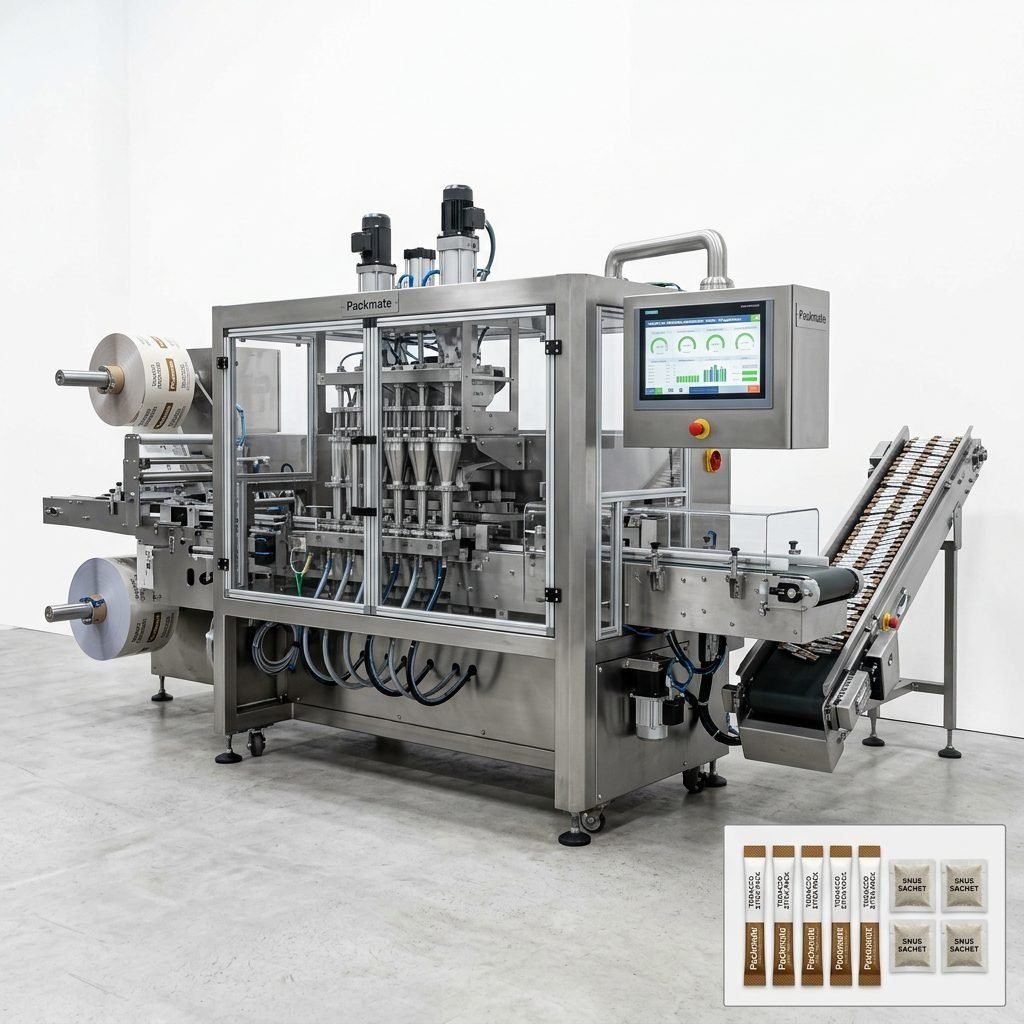
Choosing the right snus packaging machinery manufacturer for your Chilean production needs is a strategic decision that affects product quality, regulatory compliance, uptime, and long-term profitability. This guide walks you through practical evaluation criteria, logistics and customs considerations in Chile, and actionable steps to shortlist and vet suppliers — helping you select a partner who delivers reliable machines, timely support, and a tailored production line.
Understand Your Product and Production Targets
Before you contact any manufacturer, clarify what you will produce (snus pouches, nicotine pouches, multi-flavored sticks), target daily throughput, pouch formats, and dosing requirements. Machines vary widely: single-lane stick packers vs. multi-lane pouch lines, powder dosing vs. moisture-sensitive fill systems. A clear specification will help manufacturers propose the right model and avoid overpaying for unnecessary features.
Key technical questions to define
• Target pieces per minute and shift length
• Pouch type and dimensions (format flexibility)
• Filling medium: powder, granules, moist snus paste or liquid additives
• Desired level of automation (manual feed vs. turnkey line)
• Integration with upstream and downstream equipment (weighing, cartoning)
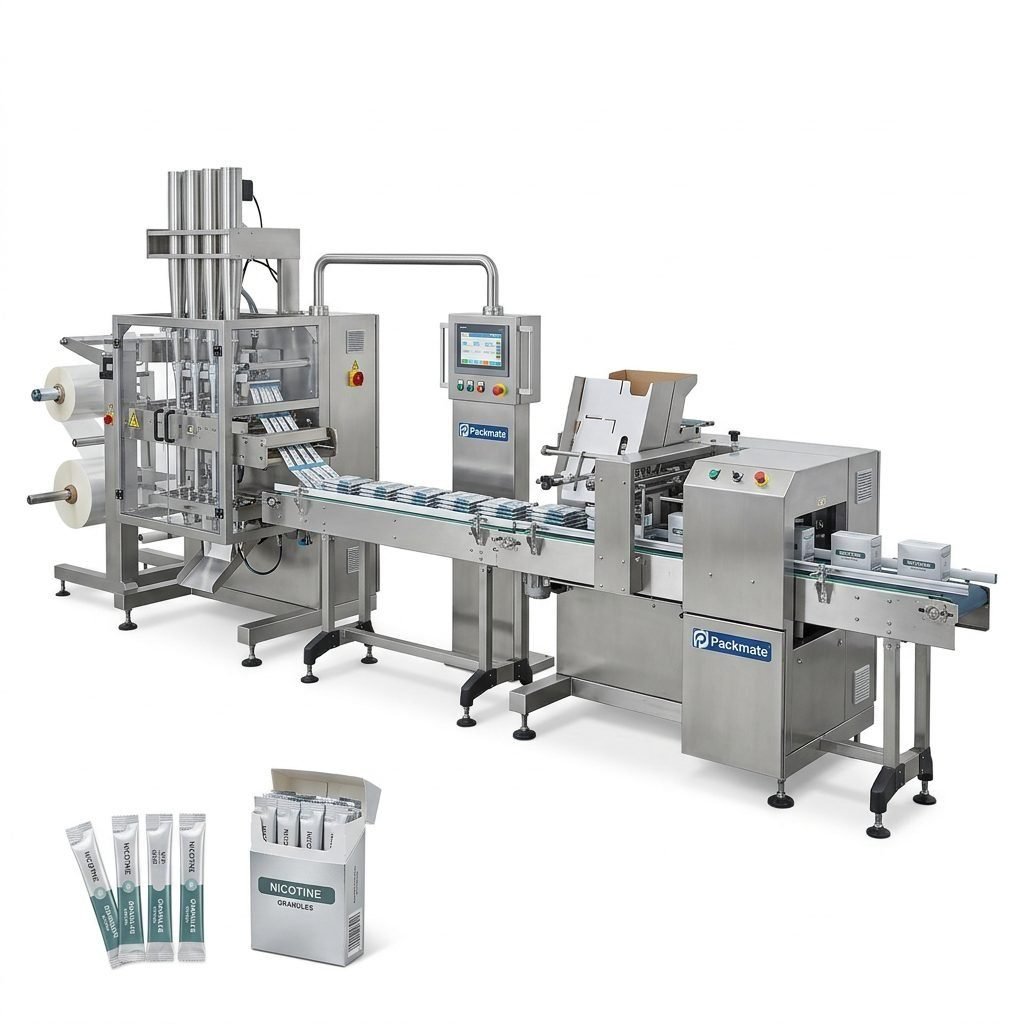
Tip: If you need a complete production line, look for manufacturers that offer integrated solutions — from snus filling and dosing to pouch forming and secondary packaging. See examples of turnkey offerings like Filling & Packaging Lines.
Evaluate Manufacturer Capabilities and Experience
Experience matters when handling niche products such as snus and nicotine pouches. Look for a manufacturer with a proven track record in snus-specific equipment and multi-lane small-dose pouch systems. Ask about factory capabilities, number of models, and years in R&D and production.
Checklist for supplier capability
• Years of experience in snus/nicotine packaging lines (preferably 10+ years)
• Number of machine models and customization options
• In-house CNC machining and precision assembly (for spare parts and quality)
• Certifications (CE, ISO) to ensure safety and compliance
• Case studies and references in global markets
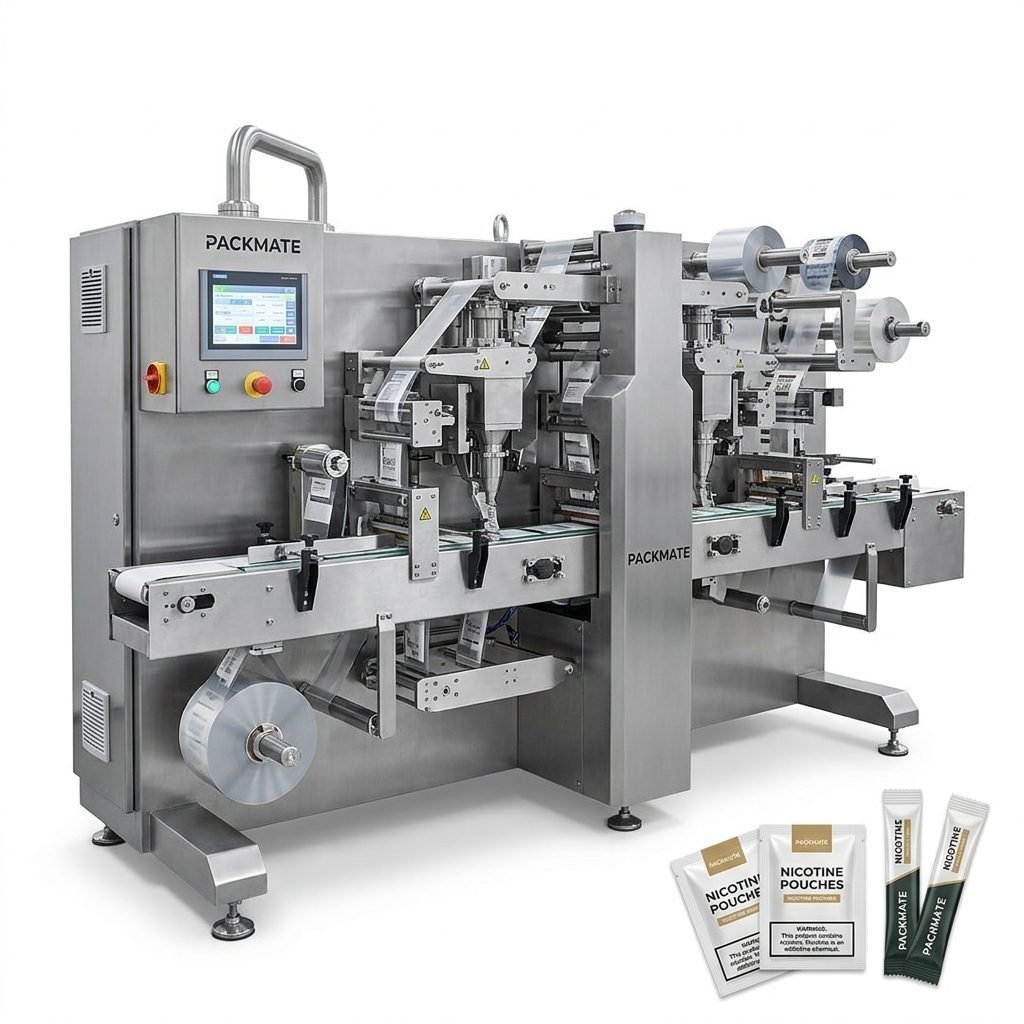
Packmate highlight: manufacturers like Packmate have over 30 years of engineering experience, a 20,000㎡ factory with advanced CNC machining, and a lineup of 50+ machine models suitable for nicotine pouches and snus. Learn more on their About Packmate page.
Quality, Reliability and Certifications
Machines for nicotine products must run consistently and meet hygiene and safety standards. Demand documentation: CE/ISO certificates, material traceability, test reports, and FAT (Factory Acceptance Test) videos. Robust engineering and strict quality control reduce downtime and ensure predictable maintenance schedules.
What to request from vendors
• Copies of CE/ISO certificates and safety approvals
• Detailed machine specifications and tolerance reports
• FAT demonstration videos and performance guarantees
• Warranty terms and MTBF/MTTR data for critical components
Customization, Flexibility and Future-proofing
The snus market evolves quickly: new pouch sizes, flavors, and regulations. Choose a manufacturer offering modular designs and easy retrofit options. Multi-lane machines and programmable changeovers reduce downtime when you introduce new SKUs.
Indicators of a flexible partner
• PLC-driven controls and recipe management
• Quick-change tooling and format kits
• Options for adding weighing, metal detection, or printing modules
• Capability to design custom pick-and-place or counting systems
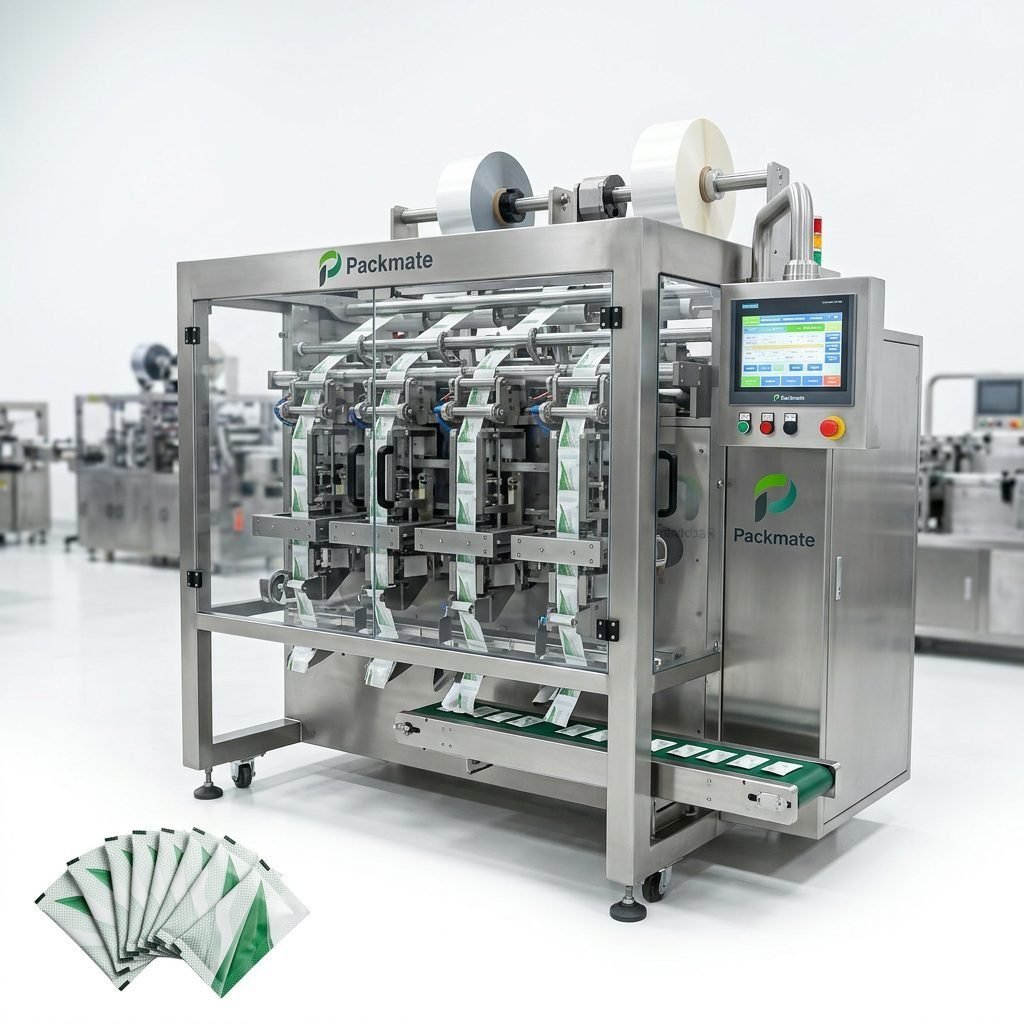
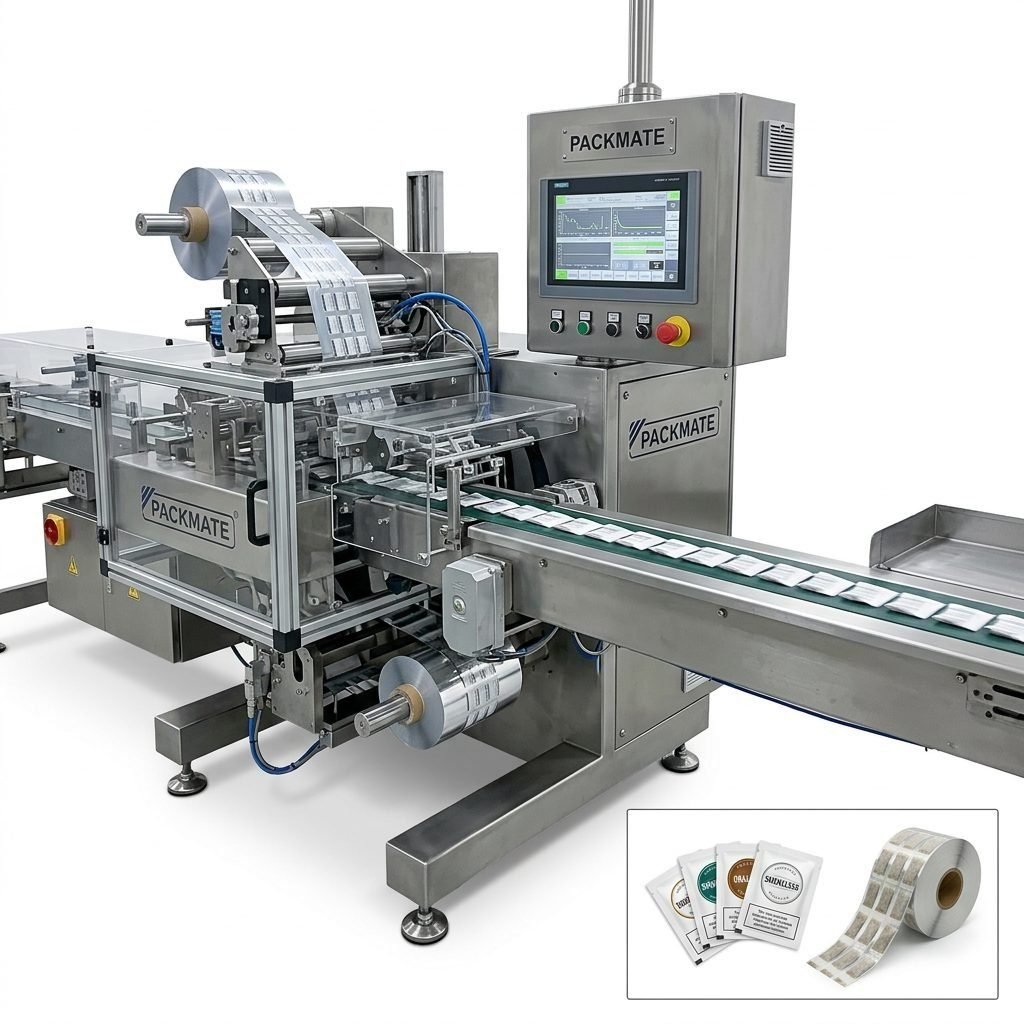
Product link examples: Check machine categories to compare options: Snus & Nicotine Packaging Machines and Sachet & Stick Pack Machines.
Service, Spare Parts and Local Support in Chile
After-sales service is critical. Evaluate lead times for spare parts, availability of local technicians or certified partners in Chile, and remote support capabilities. A supplier with global experience often has partners or can train your local engineers for first-line maintenance.
Ask about:
• Spare parts list with part numbers and expected delivery times to Chile
• Remote diagnostic options (VPN, teleservice)
• Training programs for operators and maintenance staff
• On-site installation, commissioning and SOP documentation
Logistics, Import and Chilean Regulations
Chile’s import procedures, VAT rules, and any tobacco/nicotine-related regulations must be considered early. Work with vendors experienced in exporting to South America and confirm customs classification, required paperwork, and whether machines need special permits due to nicotine handling. Budget for shipping, import duties, and local agent fees to avoid surprises.
Practical logistics tips
• Request FOB/CIF quotes and approximate lead times
• Confirm crating details, weight and dimensions for freight booking
• Prepare technical documentation (manuals in Spanish may be required)
• Engage a local customs broker familiar with technical imports
Note: Chilean customers appreciate Spanish-language manuals and onsite training in Spanish. Confirm language options during negotiations to speed commissioning and operator proficiency.
Factory Visits, Audits and Acceptance Testing
Whenever possible, visit the manufacturer’s factory or request a live video tour. Verify machining centers, assembly lines, and quality control. A physical or virtual Factory Acceptance Test gives you the chance to see the machine running with your product or a representative sample before shipment.
FAT checklist
• Run your product at target speed and measure yield
• Inspect hygiene features and cleanability
• Verify electrical and safety interlocks
• Record a FAT video and receive signed acceptance documentation
Total Cost of Ownership (TCO) — Not Just Purchase Price
Evaluate maintenance costs, spare parts pricing, energy consumption, and expected lifetime. A cheaper machine may cost more in downtime and repairs. Ask vendors for MTBF (mean time between failures) figures and spare parts kits included with purchase.
TCO components to compare
• Initial capital expenditure and financing options
• Annual maintenance budget and common wear parts
• Warranty coverage and extended service plans
• Energy consumption and utilities footprint
How to Shortlist and Score Suppliers
Build a simple scoring matrix weighing factors like technical match, certifications, price, warranty, spare parts availability, and local support. Use the matrix to compare 3-5 suppliers and narrow to 1-2 for final negotiations and FAT visits.
Sample scoring tips: Give higher weight to suppliers with snus-specific experience, CE/ISO certifications, and proven exports to South America. Consider adding bonus points for Spanish documentation or local partners.
Negotiation and Contract Essentials
Include clear terms in contracts: delivery schedules, acceptance criteria, spare parts list, training scope, warranty specifics, penalties for missed delivery, and after-sales SLA. Confirm responsibilities for customs clearance and installation.
Contract checklist
• Delivery milestones and penalties
• FAT and SAT acceptance criteria
• Warranty start date and exclusions
• Spare parts lead times and minimum stock recommendations
• Training and documentation obligations
Local Market and Consumer Insights for Chile
In Chile, consumer preferences and strict tobacco-related regulations can influence packaging and labeling. Many consumers value discreet, well-designed pouches and sustainability in packaging. Local retail formats may favor compact multipacks and clear labeling in Spanish. Tailor your packaging format and artwork to comply with local and regional requirements.
Additionally, Chileans appreciate reliability and after-sales service. A manufacturer who offers Spanish-language support or local-certified technicians will have an advantage in rapid troubleshooting and operator training.
Why Packmate Is a Consideration
Packmate Snus Machine offers a combination of historical expertise and modern production capabilities: 30+ years of engineering, a 20,000㎡ facility, advanced CNC machining, 50+ machine models, and turnkey solutions. Their product range spans snus/nicotine packaging machines, stick pack and sachet machines, and complete filling lines — which can accelerate your expansion into the Chilean market.
Explore product categories and case studies to validate fit: Bag & Pouch Packaging Machines, Case, and their Service offerings.
Decision Roadmap — From Inquiry to Running Line
1. Finalize product specs and production targets.
2. Shortlist 3–5 suppliers with snus experience and proper certifications.
3. Request technical proposals, FAT videos, and references.
4. Visit factory or perform a virtual audit; run a FAT with your product sample.
5. Agree contract terms including delivery, acceptance, warranty, and training.
6. Prepare Chilean import documentation and local installation plans.
7. Commission, train operators, and start production with a scheduled optimization period.
Quick reminder: include spare parts kits and a remote service agreement in your initial negotiation to minimize downtime in the first critical months after startup.
Final selection tips
• Prioritize proven snus/nicotine expertise and global installations.
• Value clear FAT evidence and performance guarantees.
• Ensure language compatibility and local service readiness in Chile.
• Factor TCO and warranty into your decision, not just purchase price.
Useful resources
For deeper technical detail, check product pages and catalogs, and reach out directly for tailored proposals: Catalog and Contact Us.
Conclusion
Selecting the best snus packaging machinery manufacturer for Chile requires a balance of technical fit, proven reliability, export experience, and local service readiness. By clarifying your product needs, evaluating supplier credentials, conducting FATs, and planning for local regulatory and logistics realities, you can secure a partner that delivers consistent quality and supports your growth in the Chilean marketplace.
Frequently Asked Questions
Q1: What documentation should I require for importing packaging machines into Chile?
A: Ask for commercial invoice, packing list, machine manuals (preferably Spanish), CE/ISO certificates, FAT reports, and a certificate of origin. Work with a Chilean customs broker to confirm HS codes and any special permit requirements if machines will handle nicotine-containing products.
Q2: How important is a Factory Acceptance Test (FAT) before shipment?
A: Extremely important. FATs demonstrate real performance with your product and document acceptance criteria. They reduce commissioning risk and ensure the supplier meets contractual guarantees.
Q3: Can manufacturers provide Spanish documentation and local training?
A: Many experienced exporters provide Spanish-language manuals and can organize local training or remote sessions. Prioritize suppliers who offer materials and training in Spanish to speed operator onboarding in Chile.
Q4: What are realistic lead times for custom snus packaging lines?
A: Standard models may ship in a few months, while fully customized turnkey lines can take 4–8 months depending on complexity. Always confirm production slots, especially during peak exhibition seasons or global supply chain delays.
Q5: Where can I see real-world examples of snus packaging lines?
A: Check supplier case studies and exhibition demos. For example, review Packmate’s global cases and exhibition showcases to see live demonstrations of snus and nicotine packaging equipment: Our Exhibition.