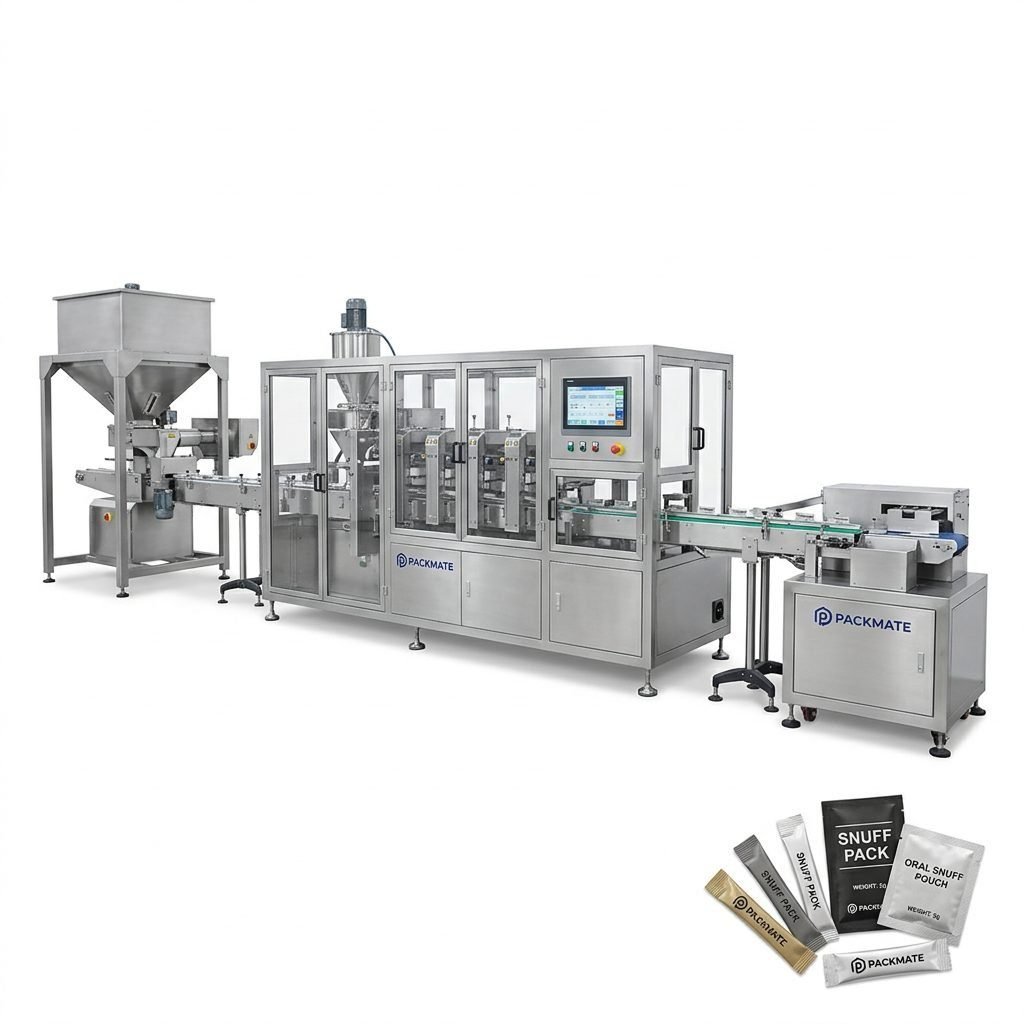
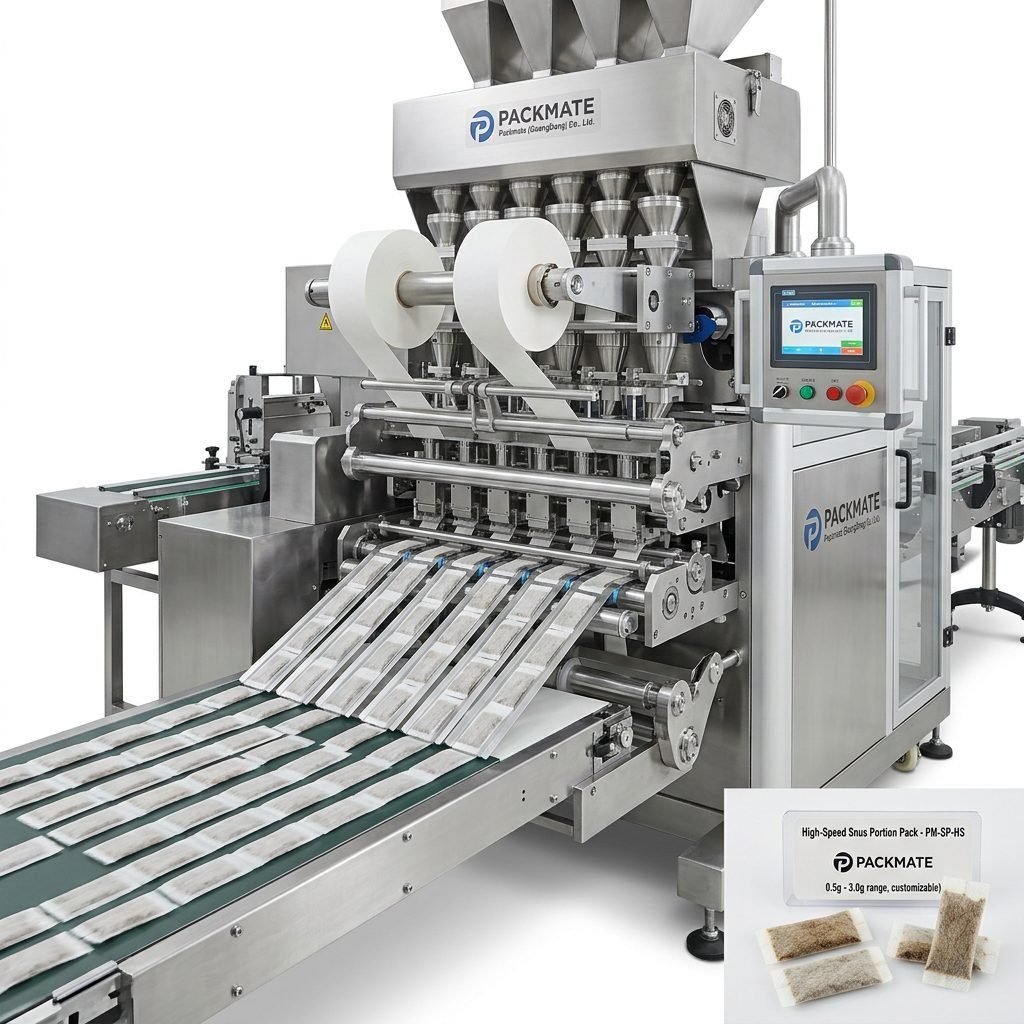
Choosing the right snus packaging machine supplier for your factory in Vietnam is a strategic decision that affects product quality, regulatory compliance, production efficiency, and long-term costs. This guide walks you through practical, on-the-ground criteria—tailored to Vietnam’s manufacturing environment and business culture—so you can evaluate suppliers confidently and secure a partner that supports growth, reliability, and local market realities.
Why the right supplier matters in Vietnam
Vietnam’s manufacturing sector is rapidly expanding, and local demand for nicotine pouches, snus, and related consumer products is increasing. Selecting a supplier who understands not only the technical aspects of snus packing machines but also the regional logistics, compliance landscape, and local workforce skills can mean the difference between a smooth ramp-up and months of troubleshooting.
Tip: Suppliers with global experience and proven installations in Asia are often better prepared for Vietnam’s import processes, on-site training needs, and after-sales support logistics.
Key selection criteria
When evaluating potential suppliers, focus on several practical categories that combine technical competence with service reliability:
1. Experience and specialization
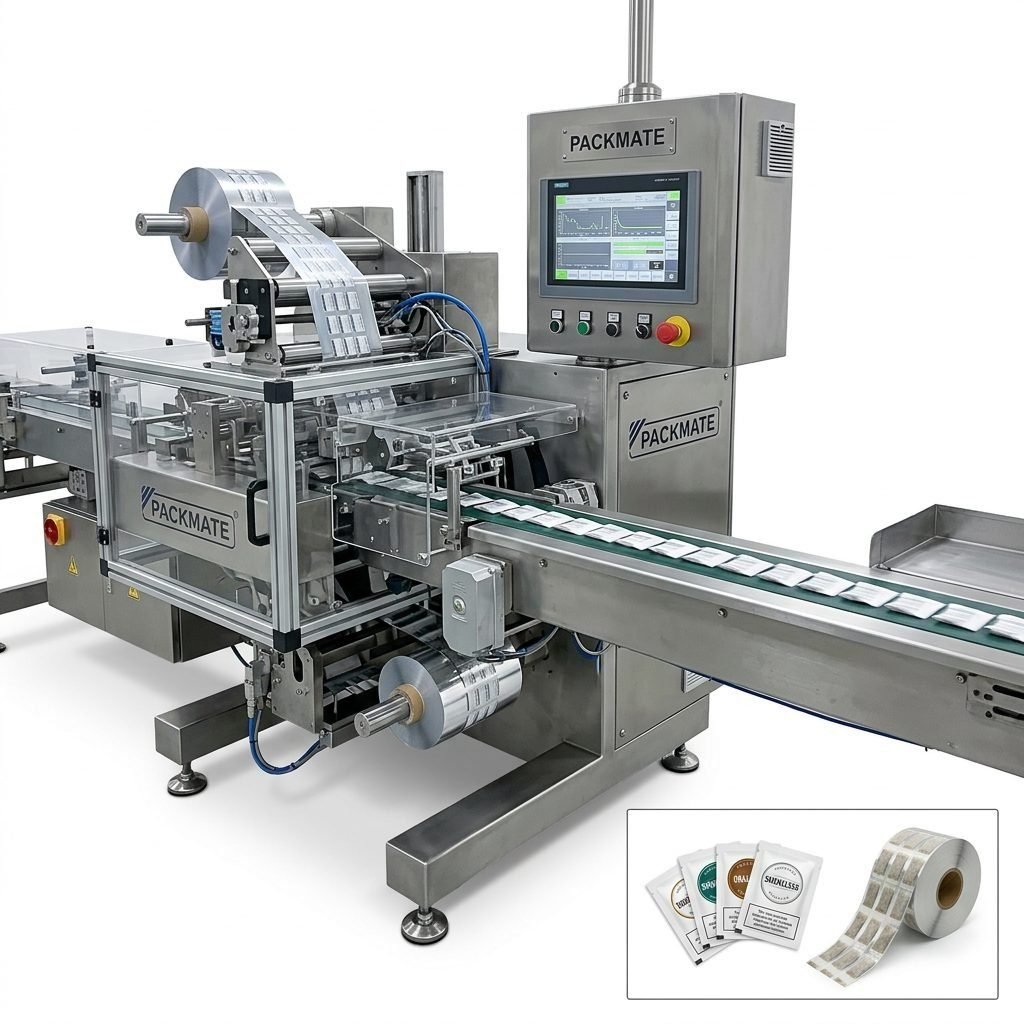
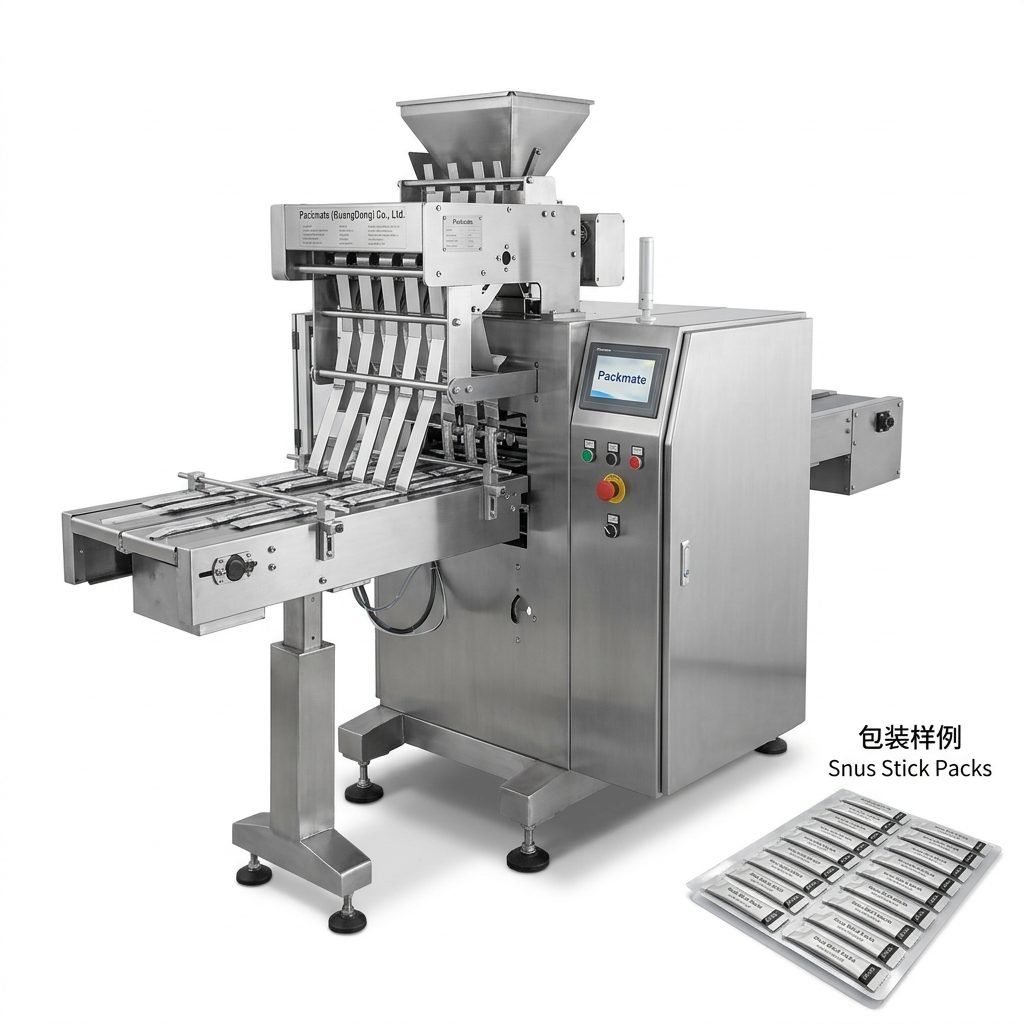
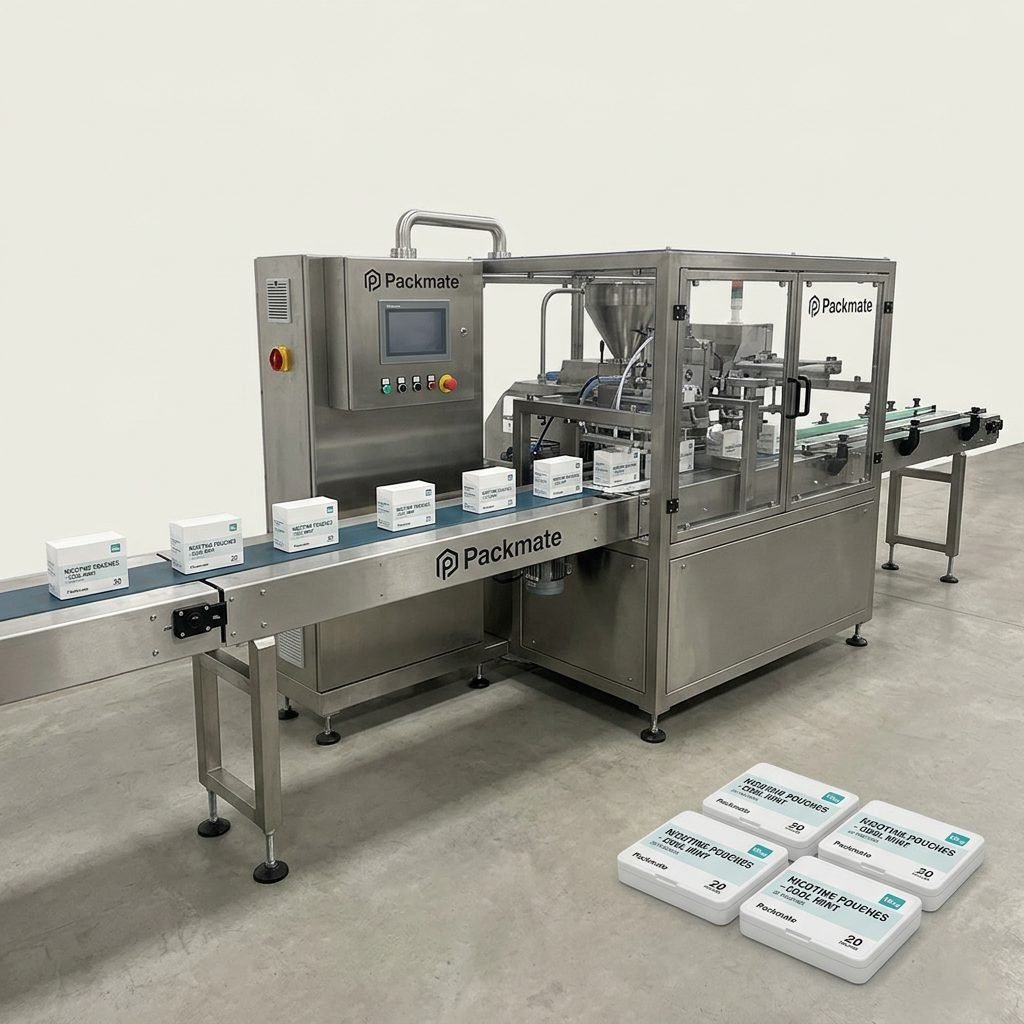
Look for manufacturers with a long track record specifically in snus or nicotine pouch packaging lines. Companies that specialize in small-dose, multi-lane pouch systems and stick/sachet formats can better address typical snus production challenges such as dosing accuracy, dust control, and precise sealing. For example, a manufacturer with 20+ years of focused development and dozens of machine models demonstrates depth and continuous improvement.
2. Factory capacity and production tools
Verify the supplier’s manufacturing footprint: advanced CNC centers, precision assembly lines, and quality testing labs show they can deliver consistent machine builds and handle large orders or customized turnkey lines. A 20,000㎡ facility with robust machining systems is a positive signal of stability and scalability.
3. Certifications and compliance
Ensure the supplier’s equipment meets international standards (such as CE and ISO) and can be adapted to meet Vietnam’s regulatory requirements. Certification helps with customs clearance and gives confidence in safety and quality control practices.
Must-check: Request copies of CE/ISO certificates and references from existing customers in Southeast Asia.
Technical features that matter for snus packaging
Not all packaging machines are equal. Focus on features that directly impact product quality and production uptime:
🔶 Dosing accuracy: Critical for nicotine pouches—look for precise weighing systems and stable metering.
🔶 Multi-lane capability: Multi-lane lines increase throughput for small-dose pouches and reduce per-unit costs.
🔶 Sealing quality and hermeticity: Proper sealing extends shelf life and prevents moisture ingress.
🔶 Hygienic design: Avoid contamination with easy-to-clean surfaces and dust control systems.
🔶 Automation & integration: PLC controls, HMI interfaces, and compatibility with upstream/downstream equipment (weighers, case packers) for turnkey lines.
Service, spare parts and training
In Vietnam, proximity and timely support can be decisive. Consider the supplier’s spare parts strategy, response time for repairs, and whether they provide local or regional technicians.
✅ Local representation: If the supplier has a partner or service center in Southeast Asia, that shortens downtimes and reduces shipping delays for spare parts.
✅ Training programs: On-site commissioning and operator training in English (or Vietnamese if available) accelerates productive operation.
✅ Warranty & preventive maintenance: Clear warranty terms and scheduled maintenance plans protect future output and cash flow.
Inspection checklist for factory visits or remote audits
Whether you visit the supplier’s factory or perform a remote audit, use a standardized checklist:
• Manufacturing capacity: Tour the machining and assembly areas; ask about daily output and lead times.
• Quality control: Observe final testing procedures and sample testing for sealing, weight accuracy, and cycle stability.
• Spare parts inventory: Ask for a list of consumables and recommended stock levels for your expected production volume.
• Control systems: Request a live demo of the HMI and PLC, and confirm language options and recipe management features.
• After-sales process: Clarify communication channels, escalation steps, and lead times for both technical support and spare parts.
Checklist highlight: Get a recorded machine run with your actual product or a close analog—this is the best proof of capability.
Cost, ROI and financing options
The cheapest quote is rarely the best choice. Evaluate total cost of ownership:
• Initial CAPEX vs long-term reliability: Higher quality machines reduce downtime and maintenance cost.
• Energy consumption and consumables: These recurring costs add up—ask for typical figures based on similar installations.
• Production efficiency: Higher throughput and less changeover time shorten payback periods.
• Financing & leasing: Some suppliers or local banks in Vietnam offer equipment loans or leasing—explore options to spread upfront costs.
Local business etiquette and operational tips for Vietnam
Understanding Vietnamese business culture can improve negotiations and ongoing relationships:
🔹 Relationship-building: Personal meetings and consistent follow-ups build trust — suppliers often prioritize partners with which they have strong rapport.
🔹 Respectful negotiation: Expect polite but firm bargaining; be clear about technical needs and timelines.
🔹 Factory visits: Plan visits in advance and confirm demonstrations; Vietnamese factories value punctual appointments.
Why choose an experienced partner like Packmate
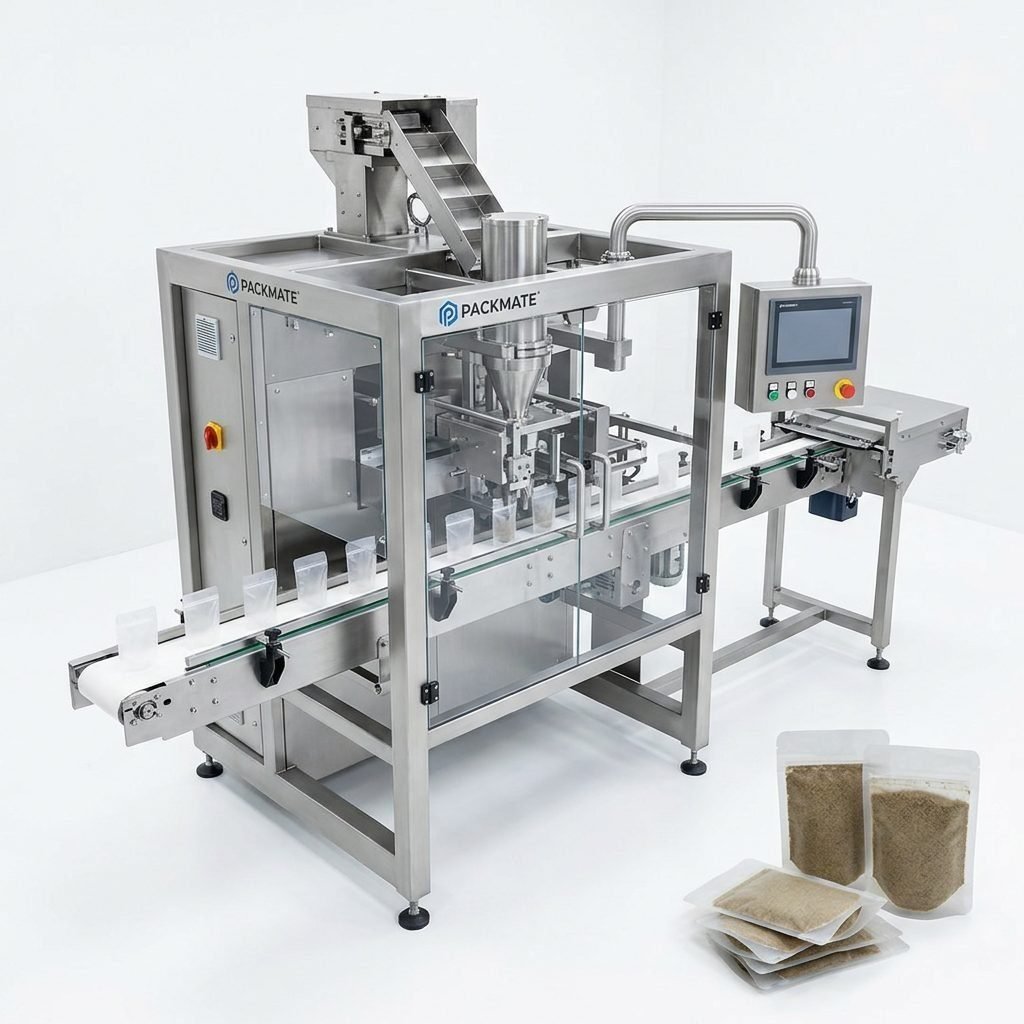
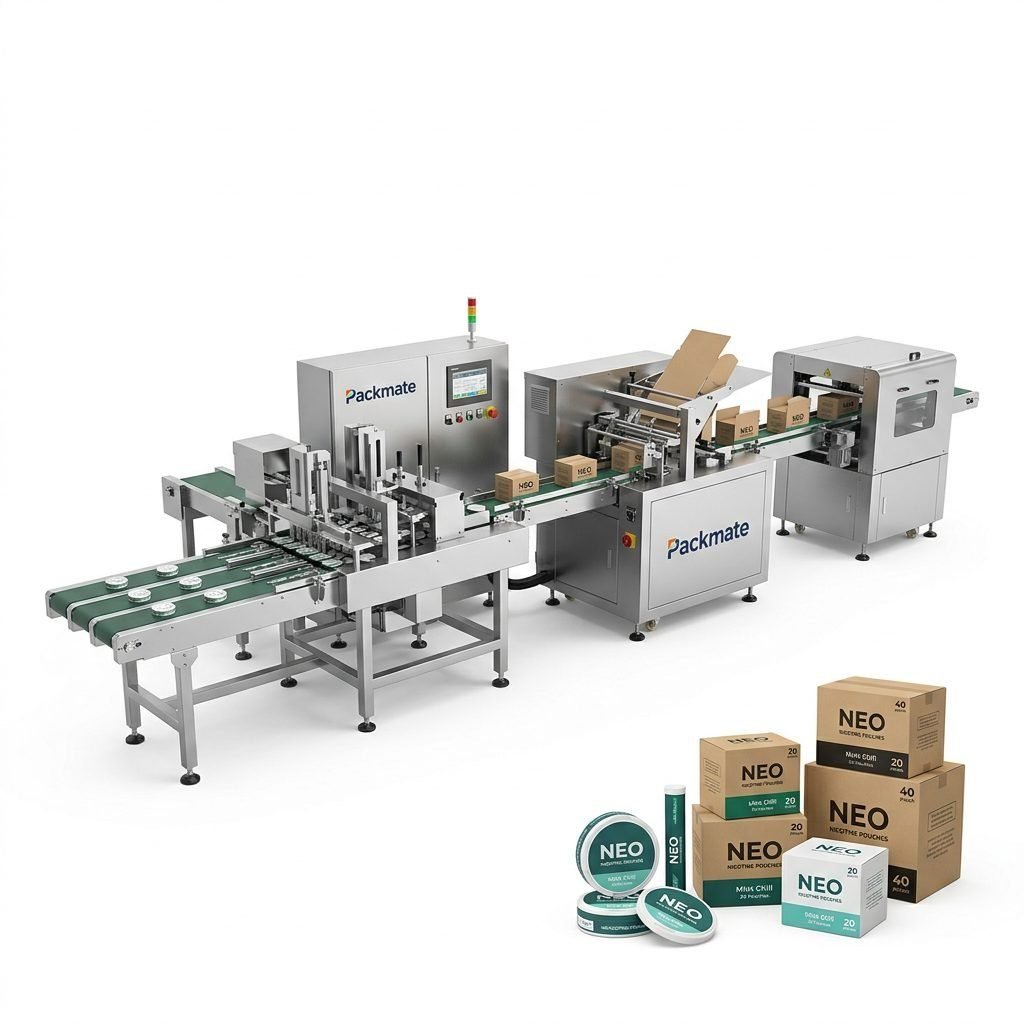
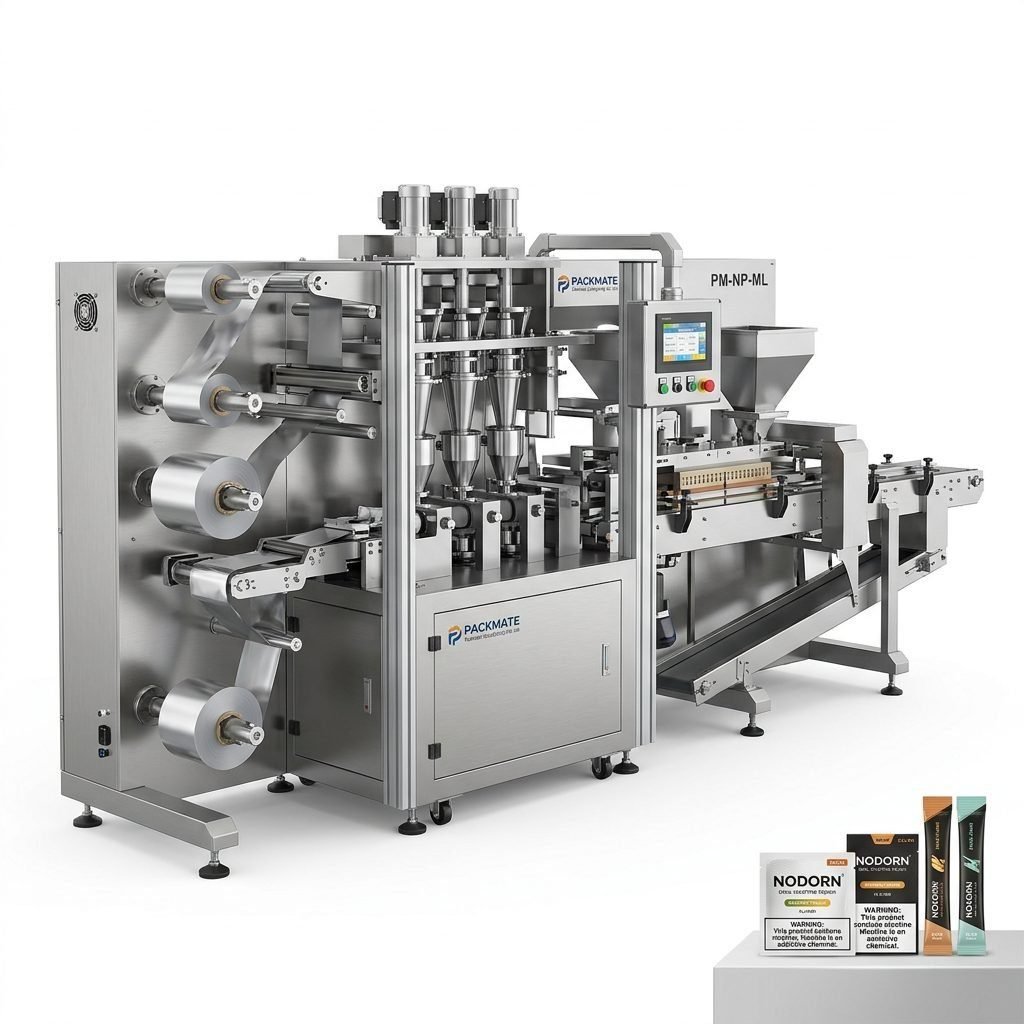
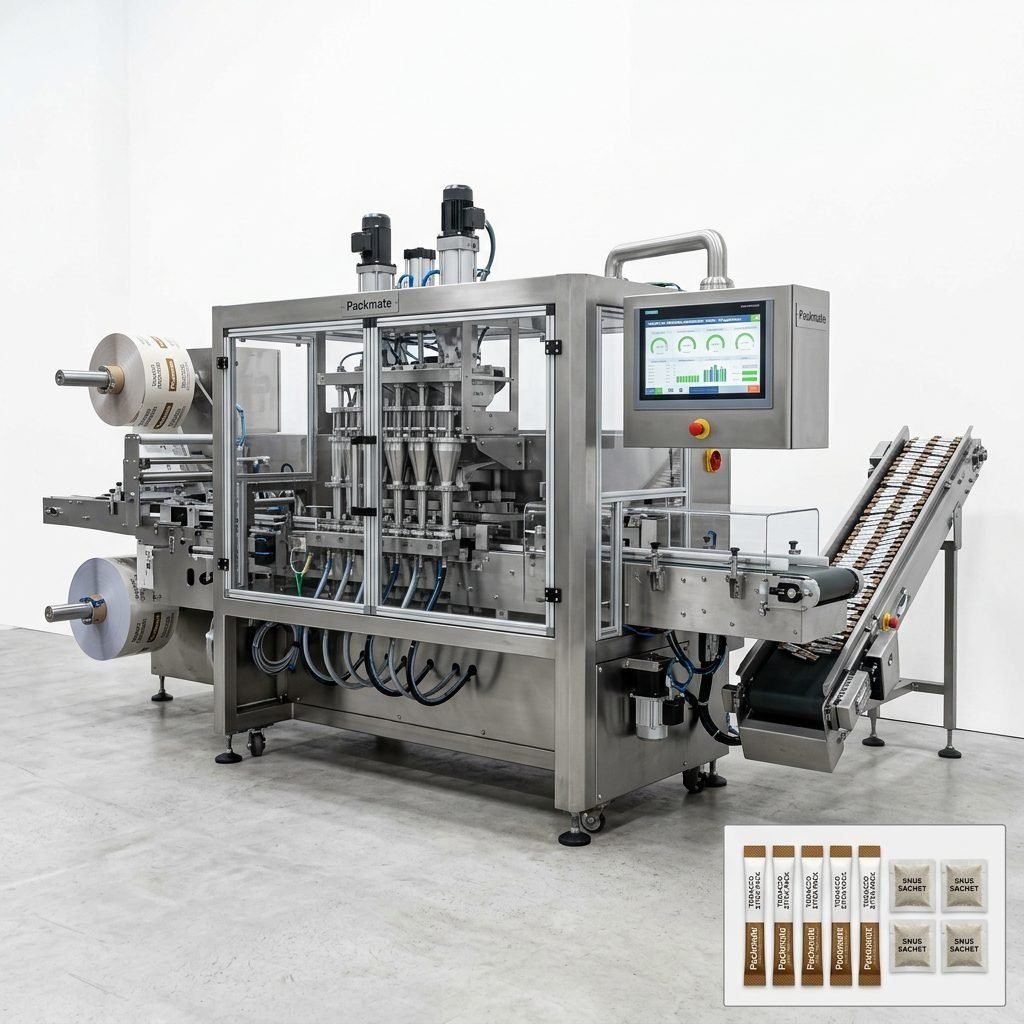
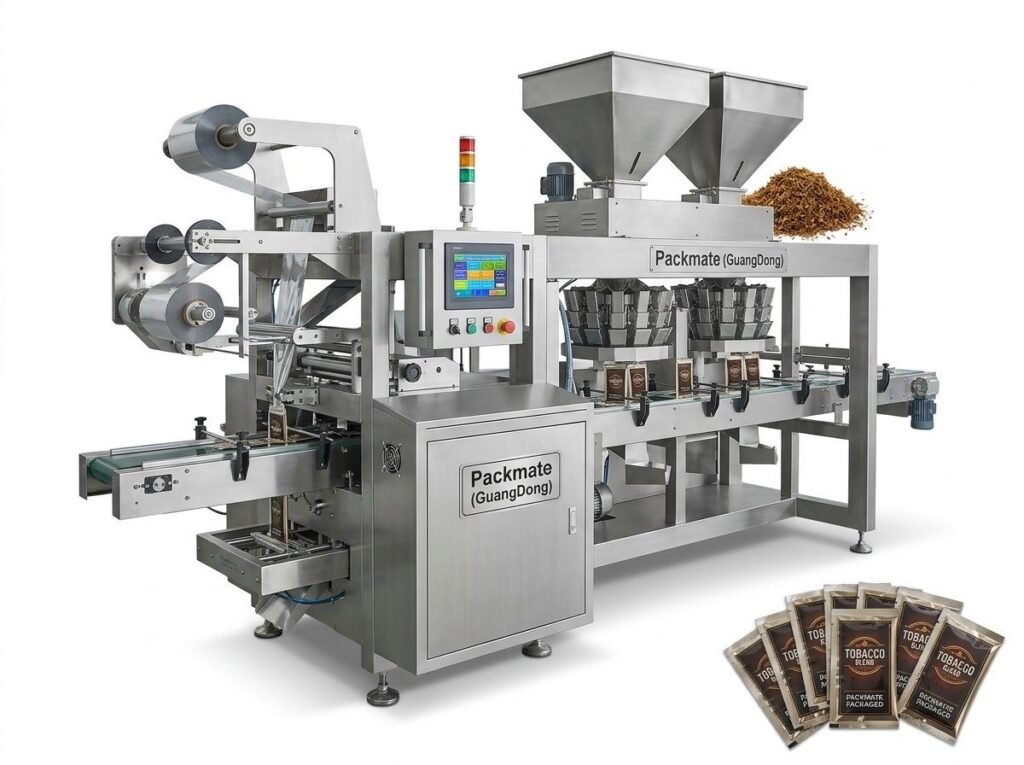
Suppliers with decades of focused experience in snus and nicotine pouch packaging bring technical maturity and industry-proven designs. When evaluating partners, consider companies that explicitly offer snus-specific solutions, multi-lane systems, and turnkey integration. For detailed machine lines, you can review specialized categories such as Snus & Nicotine Packaging Machines and Bag & Pouch Packaging Machines to compare technical features and case studies.
Packmate’s profile highlights many of the attributes Vietnamese factories seek: decades of engineering, a large manufacturing facility with advanced CNC and assembly systems, and a suite of product lines including stick pack, sachet, multi-lane, and turnkey solutions. For company background and credentials, see their About page and certifications: About Packmate and Certificate.
Practical steps to finalize a supplier
Follow a structured process to reduce risk:
1. Create a technical specification sheet for your snus product (weight, pouch type, sealing, desired output).
2. Shortlist 3–5 suppliers and request proposals that include machine specs, lead times, warranty, and training.
3. Visit the top candidates’ factories or request live demos with your product. Record machine runs and collect performance data.
4. Compare total cost of ownership and negotiate terms for spare parts stocking, response SLAs, and payment schedules.
5. Finalize documentation and plan for installation, commissioning, and operator training.
Action step: Before signing, ask for a reference customer in the region and verify the machine’s long-run performance.
Logistics, installation and local setup
Account for customs clearance, local transportation, and site prep in Vietnam. Clarify whether the supplier assists with import paperwork or provides CIF/DDP terms. Confirm the required utilities (power, compressed air), foundation needs, and floor loading to avoid surprises during installation.
If you need full production line integration, explore complementary equipment such as weighing and packaging systems—these can be sourced from the same supplier to simplify compatibility. See related automation lines here: Weighing & Packaging Systems and Filling & Packaging Lines.
Final checklist before purchase
– Confirm machine specs vs your product.
– Validate references and factory tours.
– Agree spare parts list, warranty, and service SLAs.
– Ensure local compliance and import assistance.
– Plan operator training and acceptance tests.
Need help? Where to get more information
For detailed machine catalogs, case studies, exhibition schedules, or direct contact with technical teams, review the supplier’s online resources: Catalog, Case, and Contact Us.
Frequently Asked Questions
Q1: How important is multi-lane capability for snus production in Vietnam?
A1: Multi-lane systems are often essential for efficient small-dose pouch production because they multiply throughput without proportionally increasing floor space or labor costs.
Q2: What lead times should I expect for a complete snus packaging line?
A2: Typical lead times vary with customization level and supplier capacity. Expect anywhere from 8 to 20+ weeks; longer for turnkey lines that include multiple integrated machines.
Q3: Do suppliers provide installation and training in Vietnam?
A3: Many experienced suppliers offer on-site commissioning and operator training. Confirm language support and whether remote support options are available.
Q4: What certifications should I ask for when importing machines into Vietnam?
A4: CE and ISO certificates are standard for safety and quality. Also ask about any country-specific documentation needed for customs clearance.
Q5: How can I reduce downtime after installation?
A5: Maintain a recommended inventory of spare parts, secure a service agreement with clear SLAs, and schedule regular preventive maintenance with trained technicians.