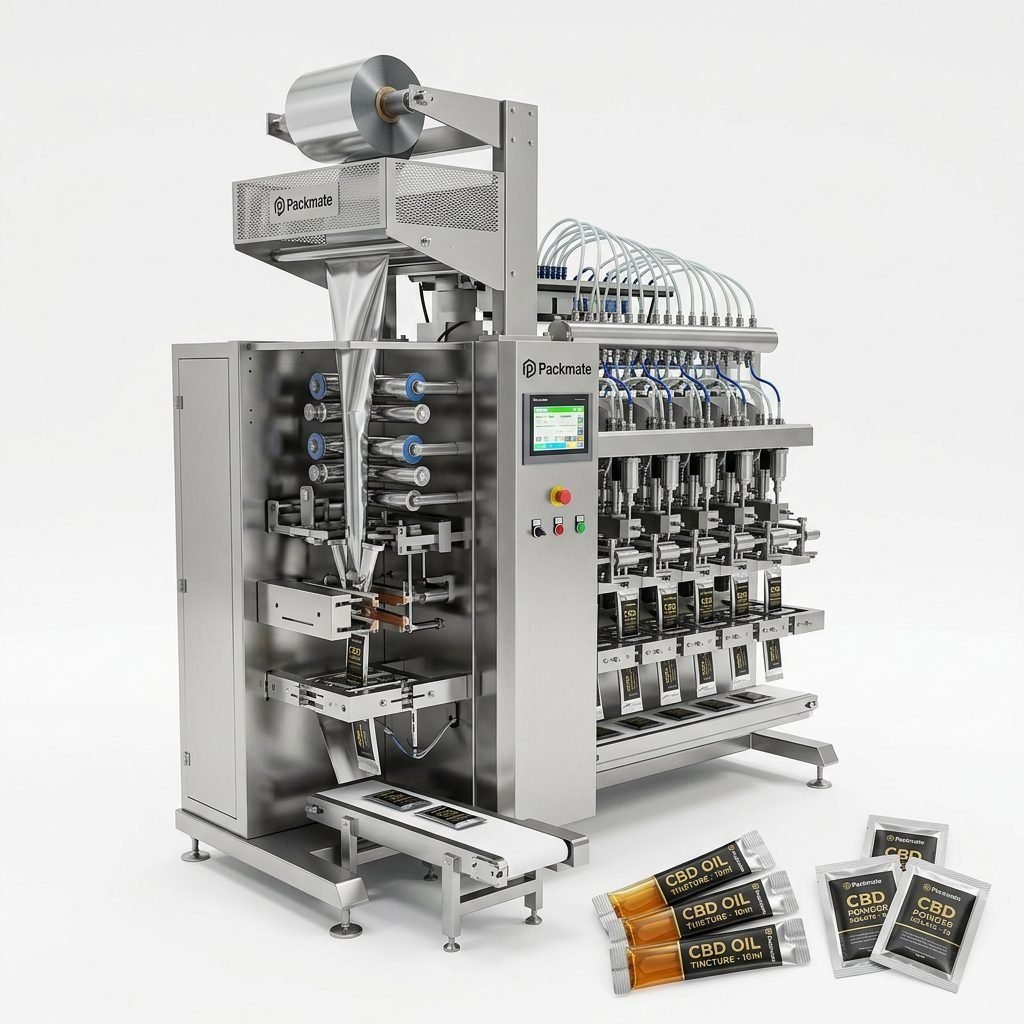
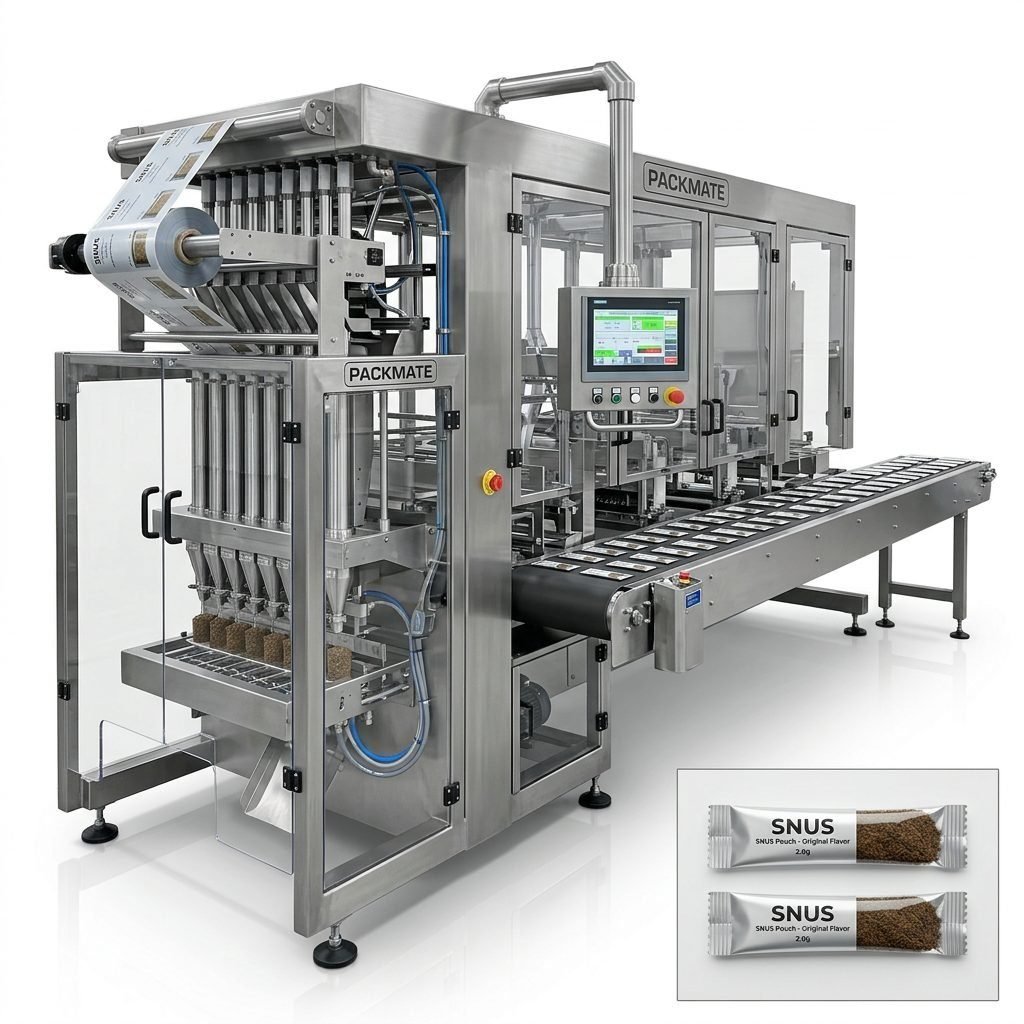
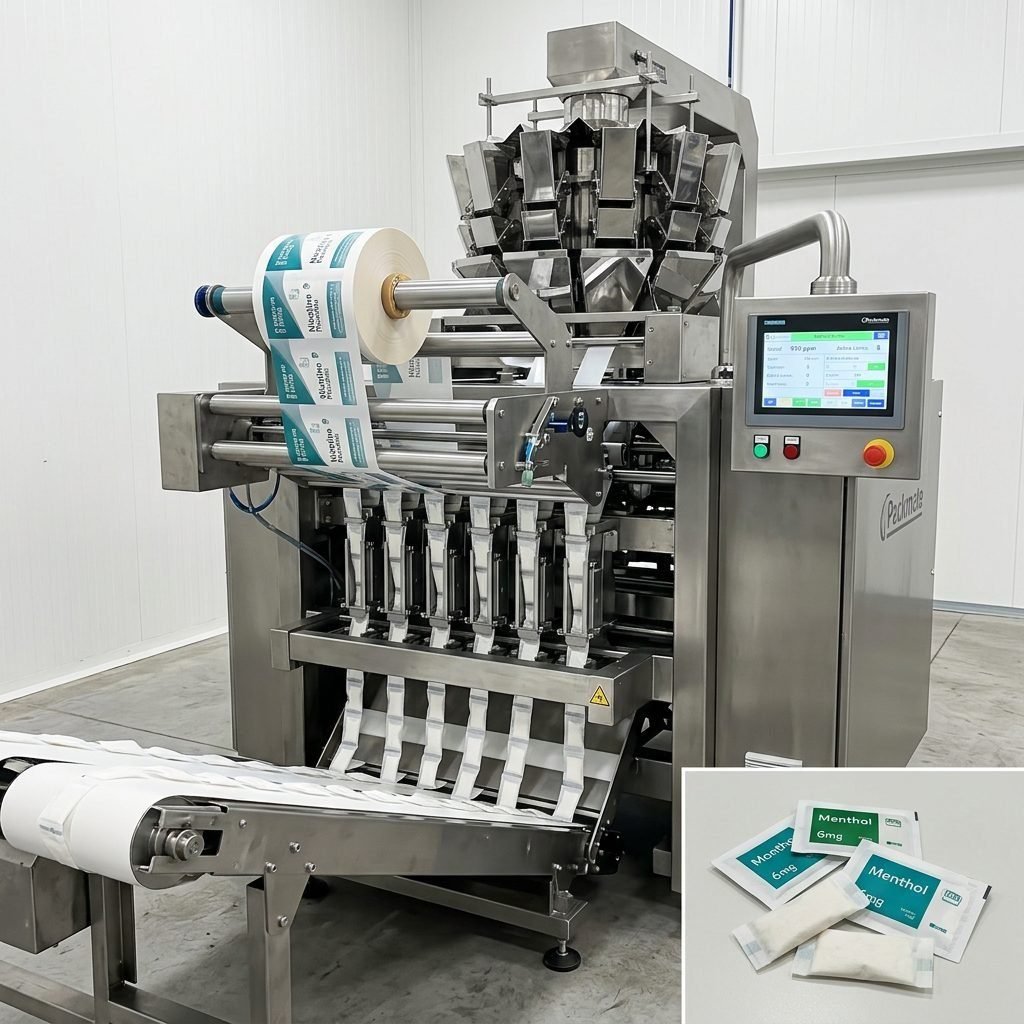
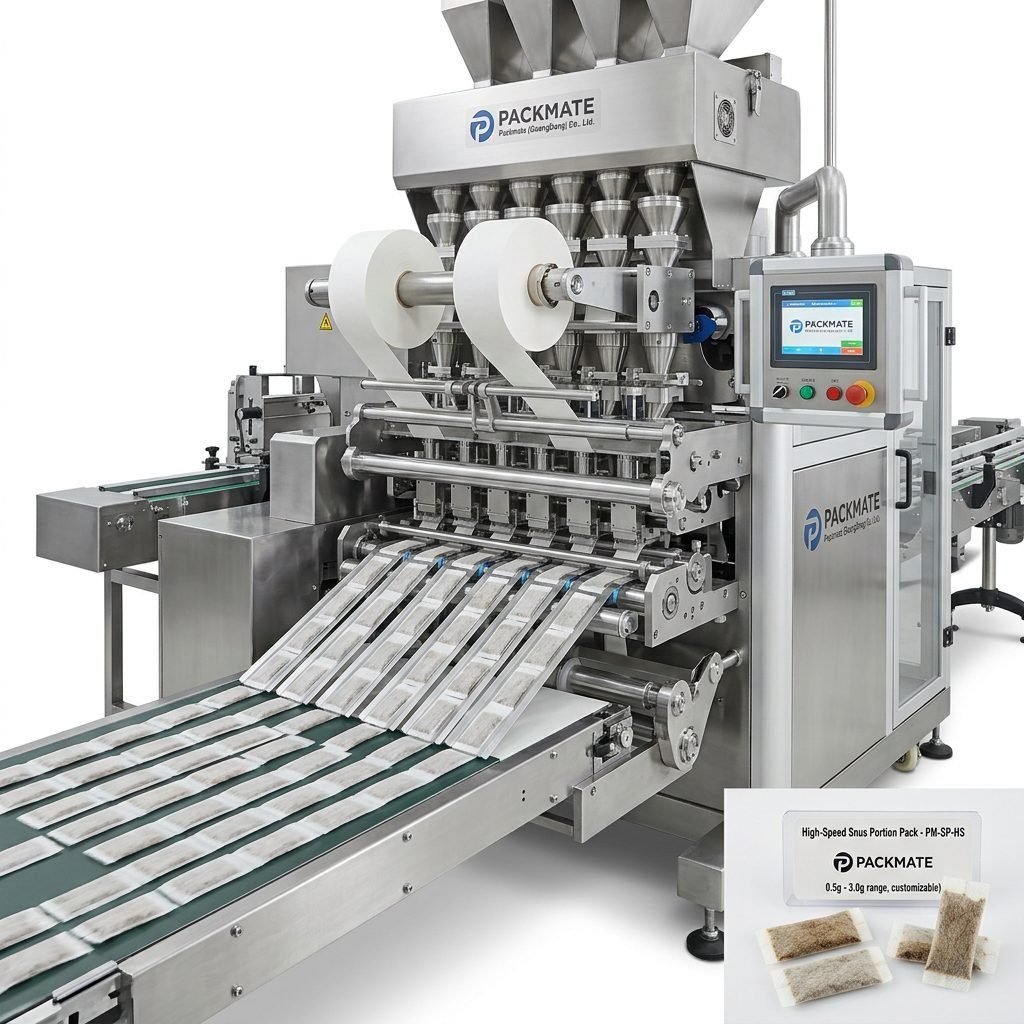
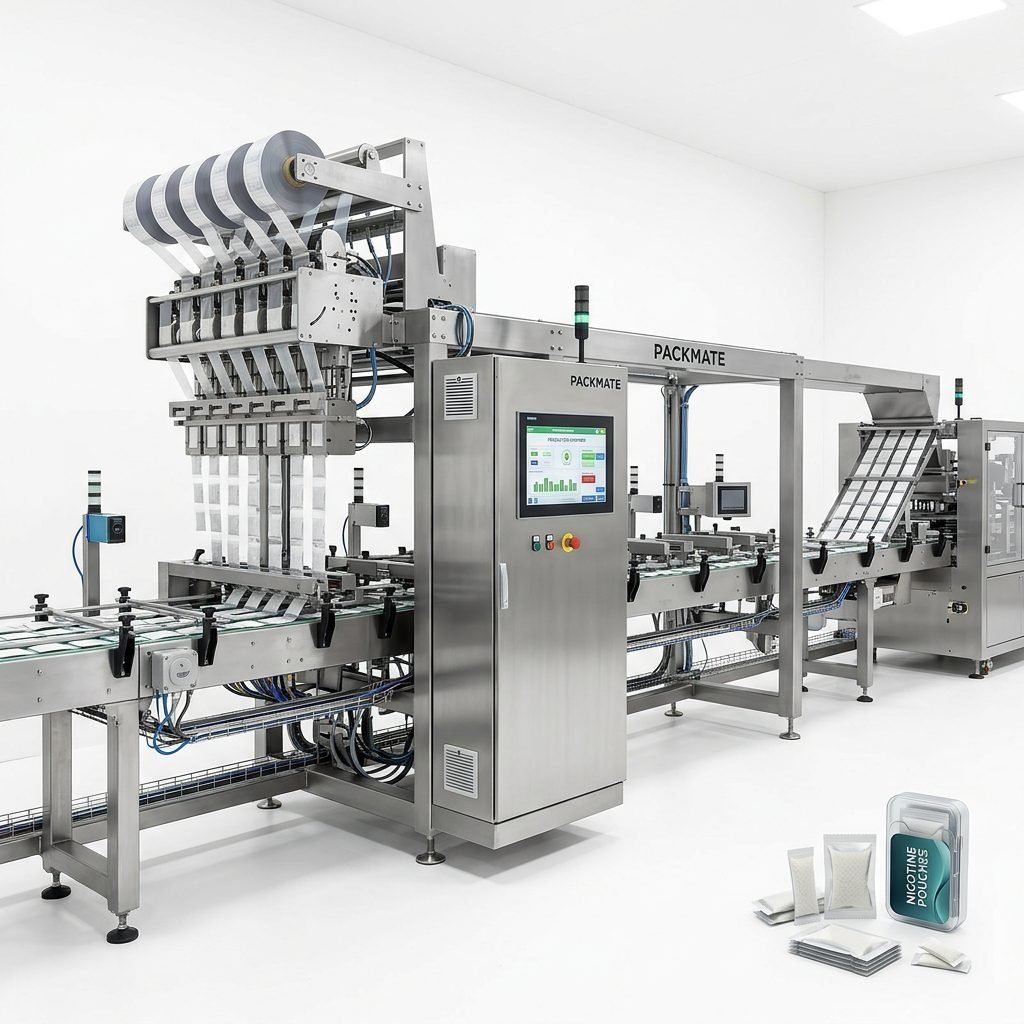
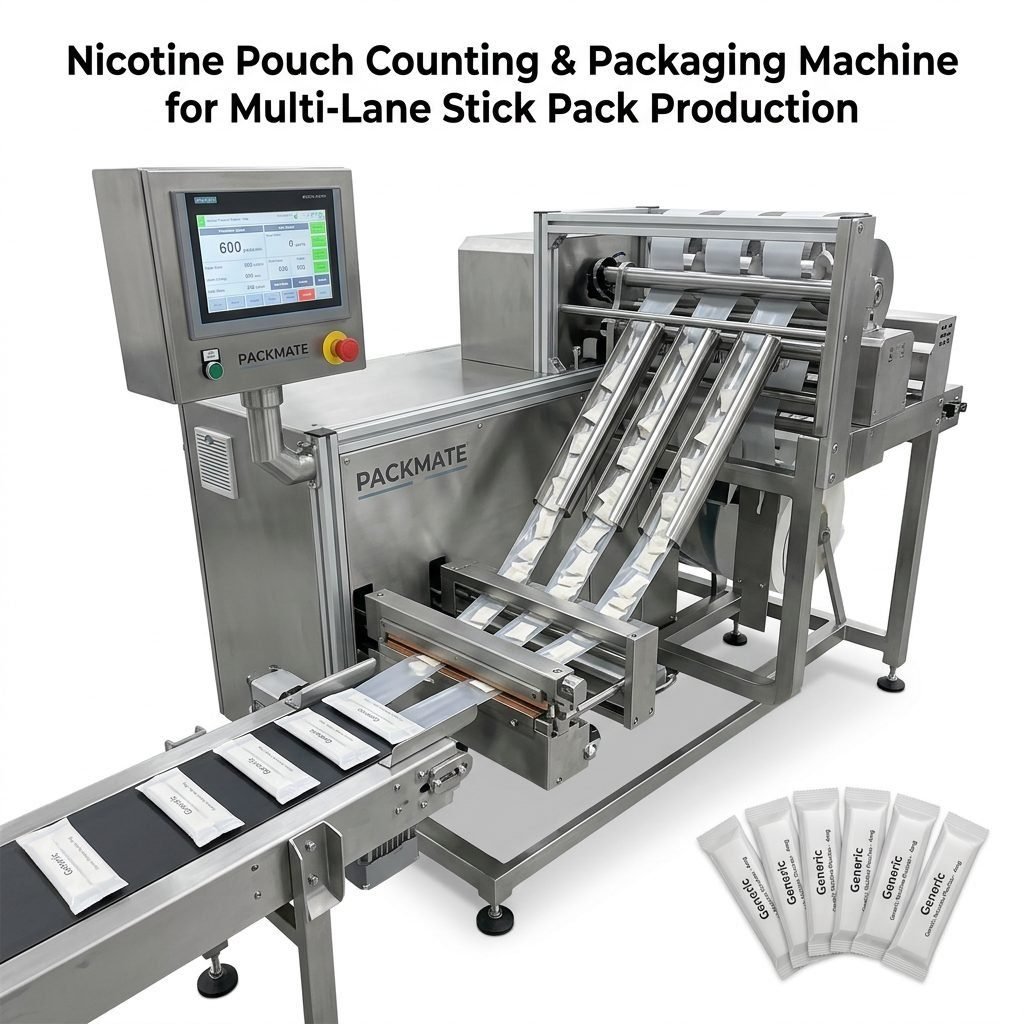
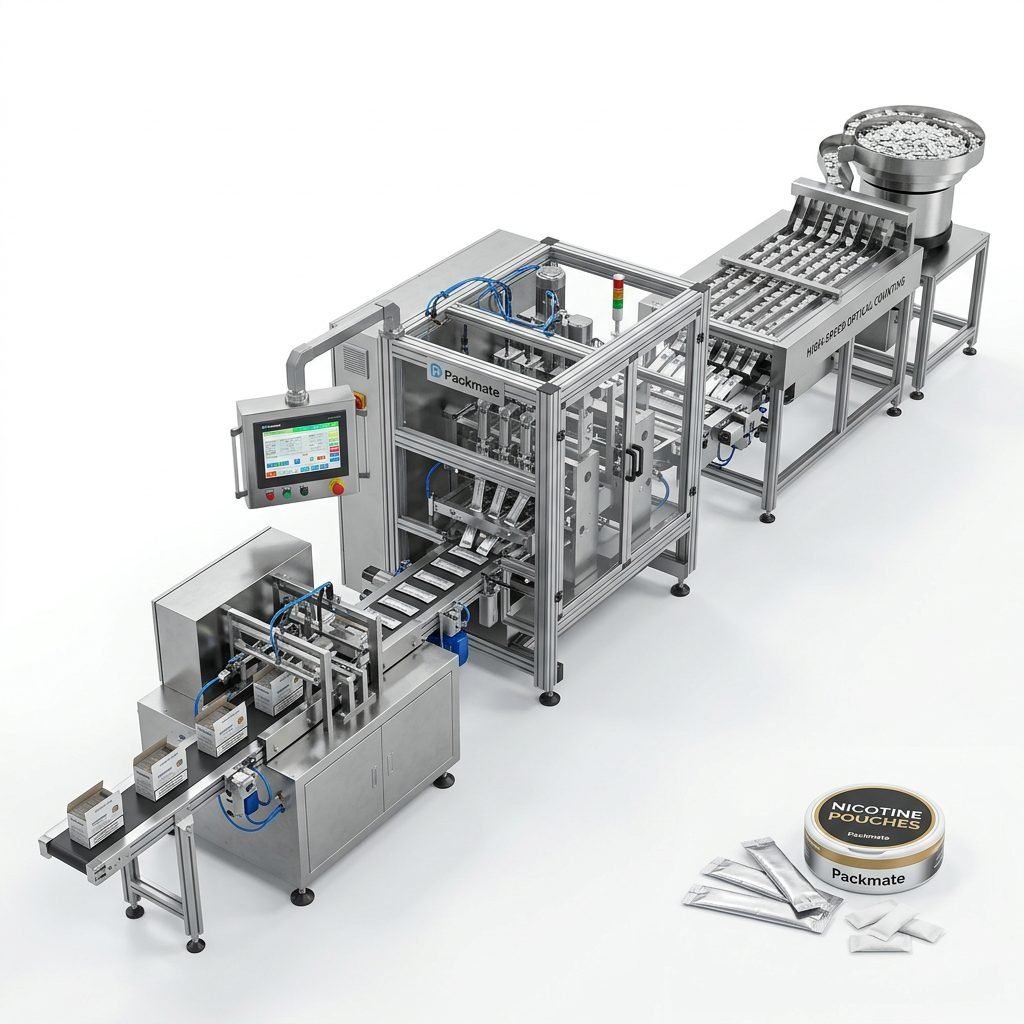
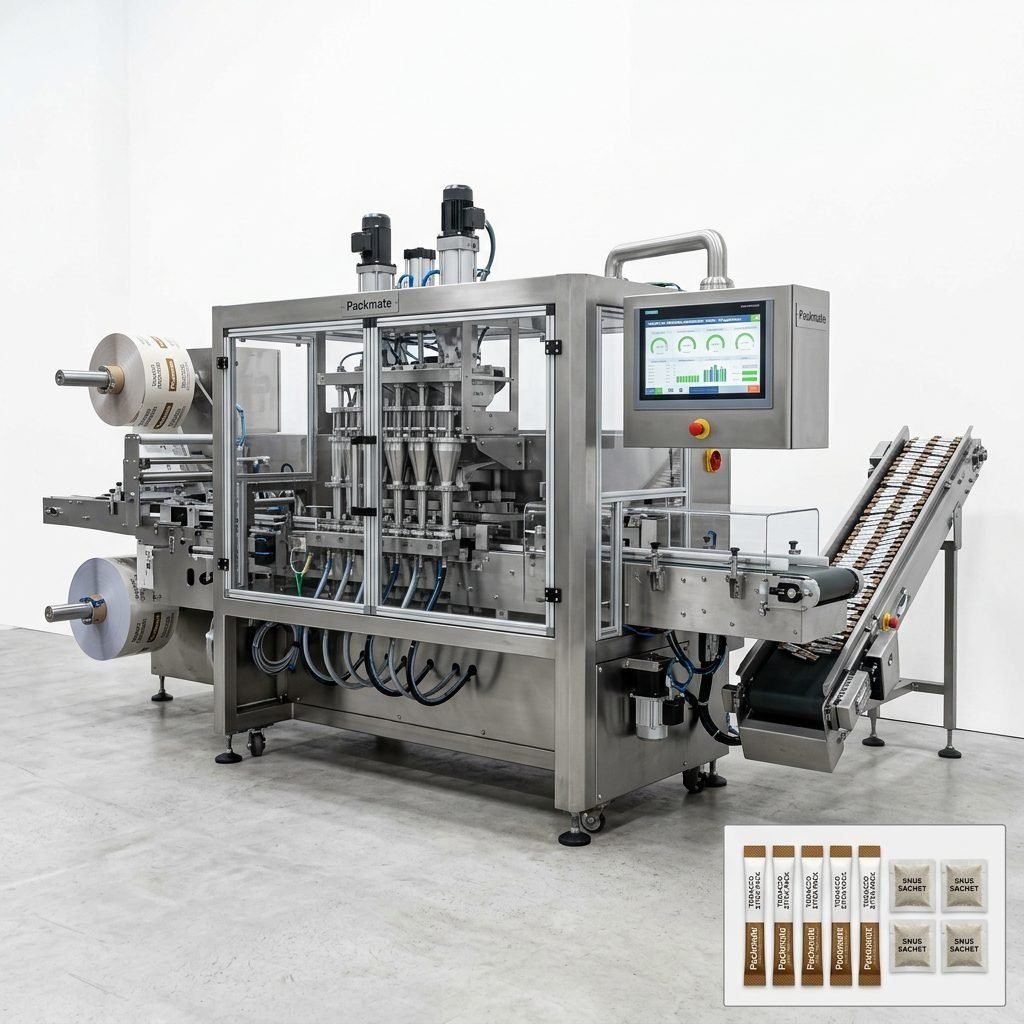
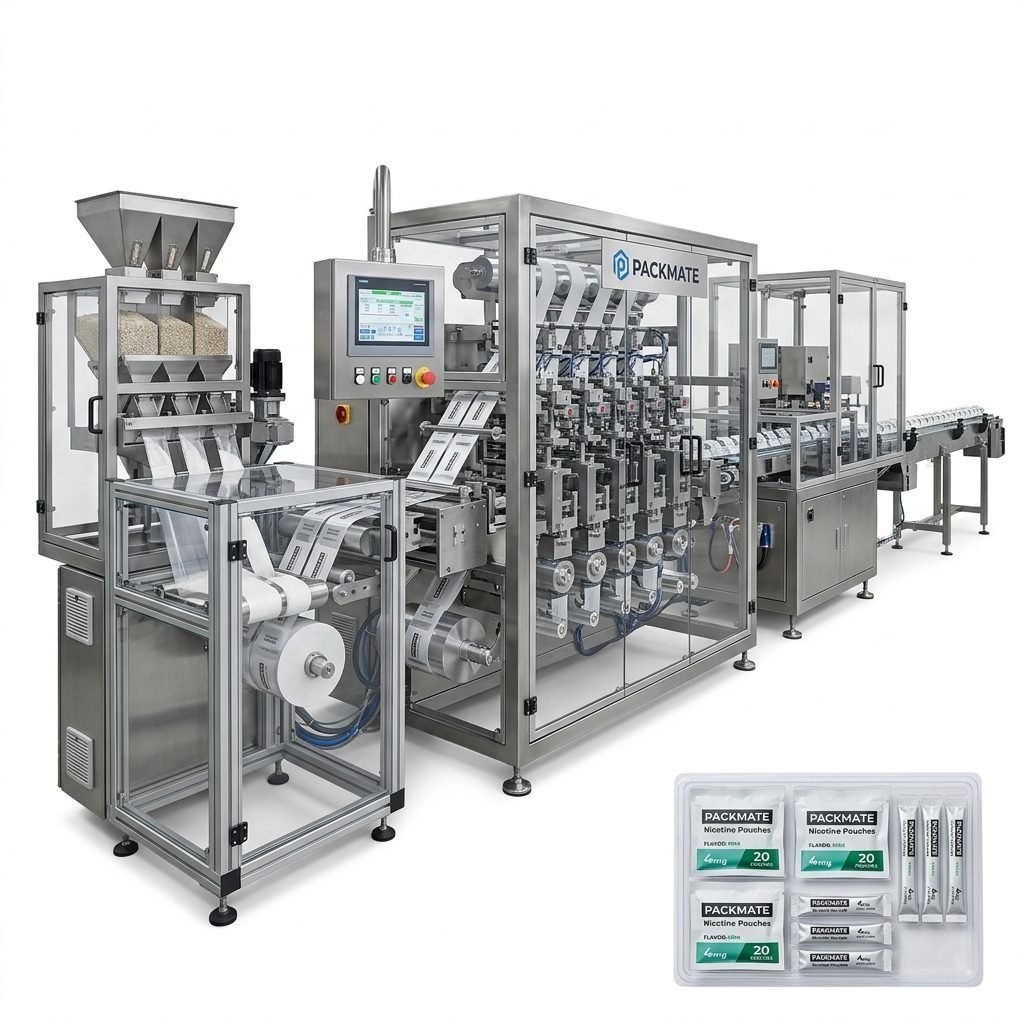
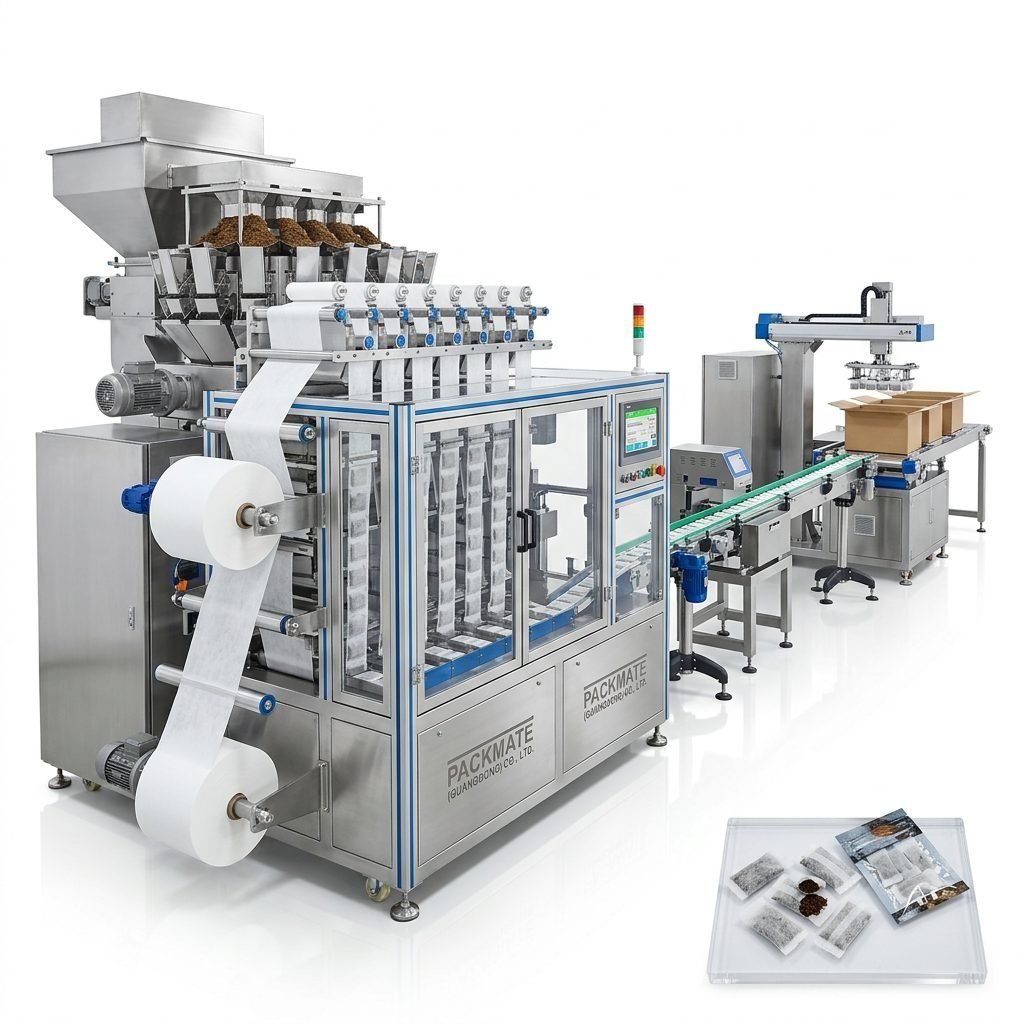
Entering the snus and nicotine pouch market in Thailand demands the right packaging partner. Selecting the best snus packaging machine manufacturer can determine product quality, line efficiency, regulatory compliance, and long-term profitability. This guide helps business owners, production managers, and procurement teams evaluate manufacturers in Thailand (and nearby regions) to ensure you choose a reliable partner who delivers performance, customization, and after-sales support.
Why choosing the right manufacturer matters
A packaging machine is more than equipment — it is the backbone of your production line. Choosing the wrong supplier can result in frequent downtime, poor packaging integrity, inconsistent portioning, and regulatory complications. Conversely, a reputable manufacturer offers machines engineered for stability, repeatability, and easy maintenance. Look for partners with proven experience in snus and nicotine pouch packaging, advanced engineering capabilities, and a global service footprint.
🔧 Quick tip: Prioritize manufacturers with domain-specific experience in snus/nicotine pouch packaging rather than general pouch machine vendors.
1. Proven industry experience and engineering strength
Experience matters. A company that has developed snus solutions for decades understands nuances like small-dose filling accuracy, multi-lane synchronization, and material handling for lightweight pouches. Check for:
- Years of R&D in packaging machinery and a clear development timeline.
- Range of product models — stick pack, sachet, multi-lane systems, and specialized snus lines.
- In-house manufacturing capabilities such as CNC machining, precision assembly, and quality testing.
2. Machine types and modular flexibility
The manufacturer should offer a variety of machine concepts suitable for nicotine pouches: single-lane for smaller production needs, multi-lane for higher throughput, and options that integrate weighing or dosing systems. Consider suppliers who provide both core machines and auxiliary systems for a turnkey line.
📦 Explore product categories: Snus & Nicotine Packaging Machines, Sachet & Stick Pack Machines, and Bag & Pouch Packaging Machines.
3. Production capacity & factory facilities
Evaluate the manufacturer’s factory footprint, machining centers, and assembly lines. A facility of substantial size with advanced CNC and precision assembly lines implies better control over quality and the ability to customize machines and spare parts.
Ask for evidence of the manufacturing scale, for example, factory square meters, number of models in production, and quality testing workflows. A manufacturer with global turnkey solutions and a large factory footprint is often better positioned to scale with your needs.
4. Quality certifications and compliance
Certifications such as CE and ISO indicate a commitment to international standards. For nicotine-related products, regulatory compliance, machine safety features, and documentation are critical. Request copies of the manufacturer’s certificates and evidence of machine conformity to relevant standards.
5. Customization and turnkey solutions
The best manufacturers offer fully customized production lines: integrating filling, multi-lane pouch forming, sealing, coding, packing, and palletizing. Confirm the supplier’s experience in engineering turnkey lines for snus/nicotine pouches and their ability to tailor specifications for your product format and output targets.
✅ Must-have: A supplier that provides end-to-end solutions including weighing, filling, and auxiliary equipment like feeders and conveyors. See examples in Weighing & Packaging Systems and Filling & Packaging Lines.
6. After-sales service and spare parts availability
After-sales support is often the deciding factor. Confirm:
- Local or regional service capability and response time.
- Availability of spare parts and clear spare-parts catalog.
- Training options for operators and maintenance staff.
- Remote diagnostics and digital support offerings.
7. Performance metrics & testing
Request documented performance data: throughput (pouches/min), accuracy (mg or % variance), downtime statistics, and examples of production runs for similar products. A supplier who performs rigorous testing and can demonstrate consistent results is essential for predictable production.
How to evaluate a manufacturer in practice
Use a structured evaluation approach to compare suppliers objectively. Below is a practical checklist and scoring approach you can apply when interviewing manufacturers or reviewing proposals.
Evaluation checklist
- Engineering experience & history (years in snus packaging).
- Factory size & machining capabilities.
- Product portfolio and available machine models.
- Certifications (CE, ISO) and compliance documentation.
- References and case studies (ask for customer contact).
- Service network, spare parts lead time, and training offerings.
- Warranty terms and performance guarantees.
- Cost of ownership: energy, maintenance, and consumables.
Scoring and comparison
Assign weights to critical factors (e.g., 30% reliability, 25% service, 20% price, 15% flexibility, 10% certifications) and score each vendor. This helps clarify trade-offs between upfront cost and long-term value.
Negotiation tips and procurement strategy
When you narrow down suppliers, approach negotiations strategically:
- Negotiate a performance acceptance test (FAT) with specific KPIs before shipment.
- Include clear documentation requirements, spare parts lists, and training scope.
- Request a long-term parts pricing agreement or fast-shipping options for critical spares.
- Clarify warranty coverage, service SLAs, and remote support methods.
📣 Pro tip: A FAT (Factory Acceptance Test) with live production samples is invaluable. Insist on validated performance metrics before final payment.
Visiting the factory & validating capabilities
If feasible, a factory visit reveals the reality behind claims. During the visit, verify:
- Assembly lines and machining centers are modern and well-kept.
- Quality control procedures, documentation, and test rigs are in place.
- Completed machines with client references and live demos.
- Inventory of spare parts and manufacturer resource allocation for after-sales service.
If you cannot visit in person, arrange a live remote demonstration or virtual factory tour and request videos of production runs and test certificates.
Checking references and case studies
Ask for case studies and references from customers in your region or industry. Review completed projects and enquire about machine uptime and support responsiveness. Manufacturer case pages often highlight successful installations and can be a helpful starting point: Case.
Costs: beyond the purchase price
Consider total cost of ownership (TCO): initial machine price, installation, local modifications, operator training, spare parts inventory, energy consumption, and routine maintenance. Sometimes a higher upfront investment yields lower TCO through improved uptime and lower consumable usage.
Financial & logistical considerations
Clarify shipment terms, lead times, payment milestones, and customs/documentation support. A manufacturer experienced with global exports will assist with compliant packaging, crate specifications, and documentation for smooth customs clearance.
Why Packmate Snus Machine is worth evaluating
If you are sourcing snus or nicotine pouch packaging equipment, consider suppliers with a solid engineering history, broad product range, and global turnkey expertise. Packmate (GuangDong) Co., Ltd. offers over 30 years of engineering experience, 20,000㎡ manufacturing facilities, and a portfolio of snus-specific machines. Learn more about their company background and capabilities at About Packmate.
🔍 Suggested next steps: Arrange a demo, request FAT data, and evaluate references. For full services and post-sale offerings, refer to Service and Contact Us.
Bringing it all together: a procurement checklist
Use the checklist below when finalizing your supplier selection:
- Technical fit: machine meets capacity, format, and accuracy requirements.
- Quality assurance: certifications, testing, and FAT procedures confirmed.
- Customization: ability to adapt to your pouch materials, sizes, and coatings.
- Service & spare parts: defined SLAs, spare parts lead times, and training.
- Commercial terms: clear warranty, payment schedule, and penalties for missed KPIs.
Final considerations before signing a contract
Ensure contractual clauses cover machine performance guarantees, acceptance criteria, penalties for non-conforming deliveries, and a clear escalation path for service requests. Keep communication lines open with your supplier and document all technical agreements in an annex to the purchase contract.
Attend exhibitions and live demos
Seeing machines in operation provides confidence in supplier claims. Check the manufacturer’s exhibition schedule and arrange to see machines running real products: Our Exhibition.
📌 Remember: A machine that is proven in similar applications will shorten ramp-up time and reduce risk.
Conclusion
Selecting the best snus packaging machine manufacturer in Thailand (or sourcing from nearby global suppliers) requires a balance of technical capability, factory strength, compliance, and after-sales support. Prioritize vendors who demonstrate domain experience, robust factory infrastructure, comprehensive turnkey solutions, and transparent service commitments. Use FAT testing, factory visits (or virtual tours), and careful contract terms to mitigate risk and ensure a smooth production start-up.
Frequently Asked Questions
Q1: How long does it take to receive a fully installed snus packaging line?
A1: Lead times vary by customization and capacity, typically from 3–6 months for standard lines and 6–12 months for highly customized turnkey solutions. Ensure the supplier provides a clear project schedule.
Q2: What performance metrics should I demand during FAT?
A2: Request documented throughput (pouches/min), filling accuracy, sealing integrity, and mean time between failures (MTBF). FAT should include real product runs under representative conditions.
Q3: Are spare parts readily available for snus machines?
A3: Reputable manufacturers maintain spare parts inventories and offer parts catalogs. Negotiate lead times for critical spares and consider stocking essential components locally.
Q4: Can these machines handle different pouch materials and sizes?
A4: Yes, top manufacturers design modular systems adjustable to various pouch materials, thicknesses, and sizes. Confirm material compatibility during the specification phase.
Q5: Where can I find more technical information and contact details?
A5: Visit the manufacturer’s product pages and contact channels for catalogs, technical sheets, and sales inquiry forms: Catalog, Contact Us, and FAQs.