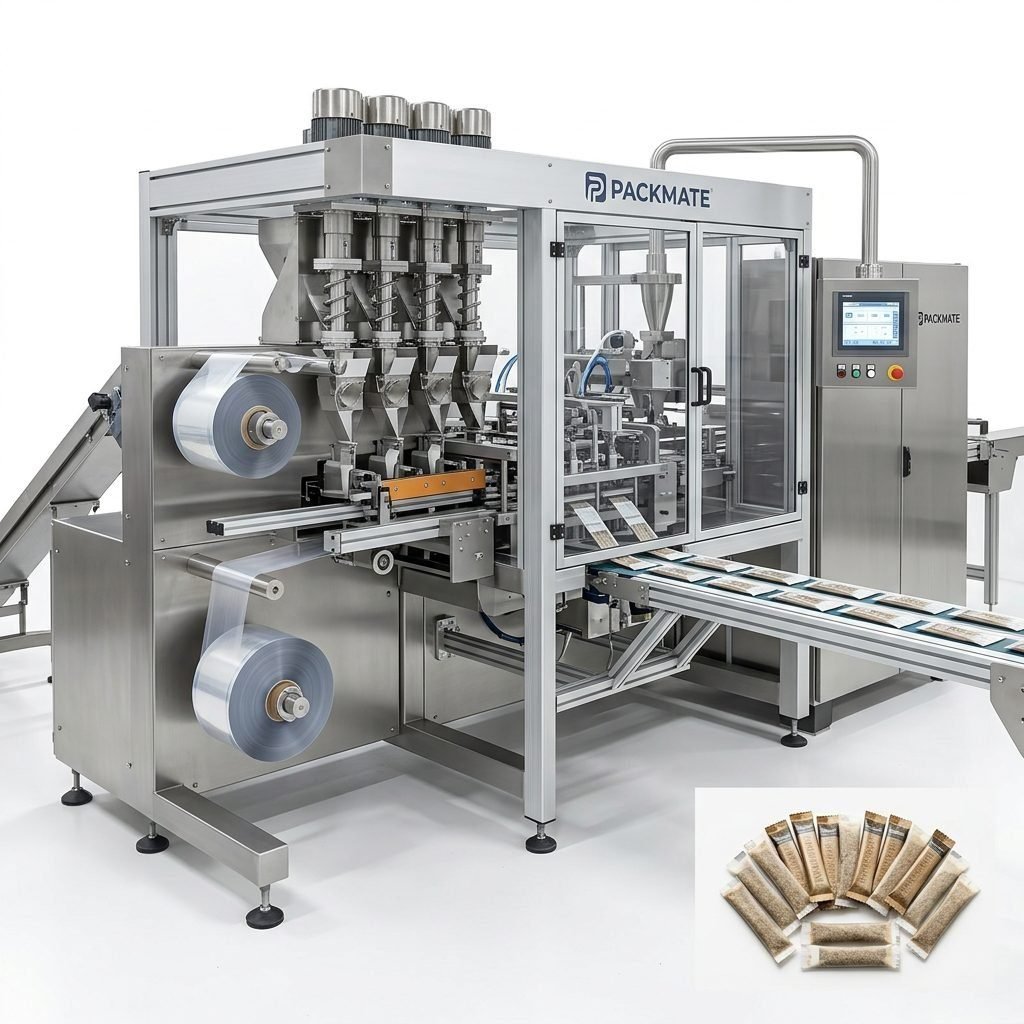
Choosing the right nicotine packaging machinery manufacturer in Asia can make or break your production plan. When a plant’s uptime, product integrity, and regulatory compliance are on the line, selecting a partner with proven engineering capability, transparent processes, and long-term service support is essential. This guide walks supply chain managers, production engineers, and procurement teams through practical evaluation criteria, verification steps, and negotiation tips so you can confidently select a vendor that matches your production needs and commercial goals.
Understand Your Production Requirements First
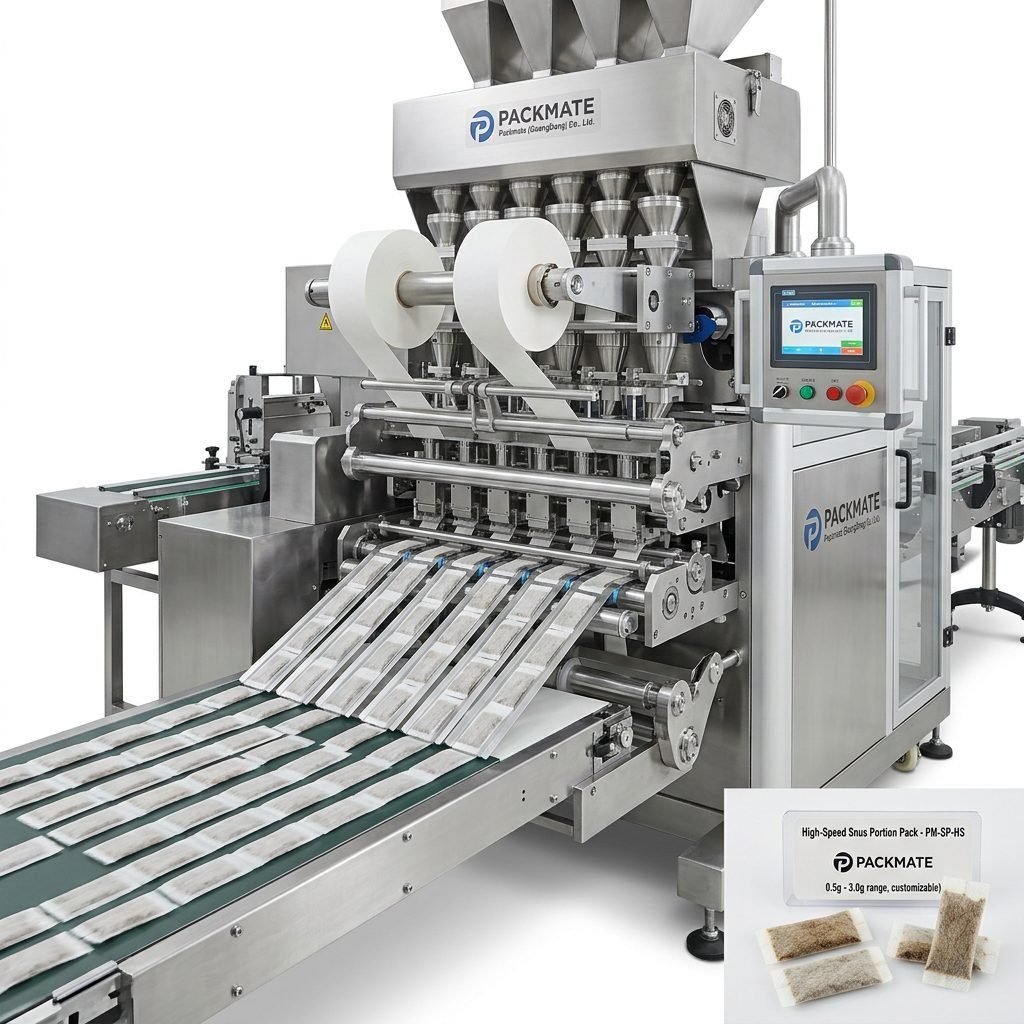
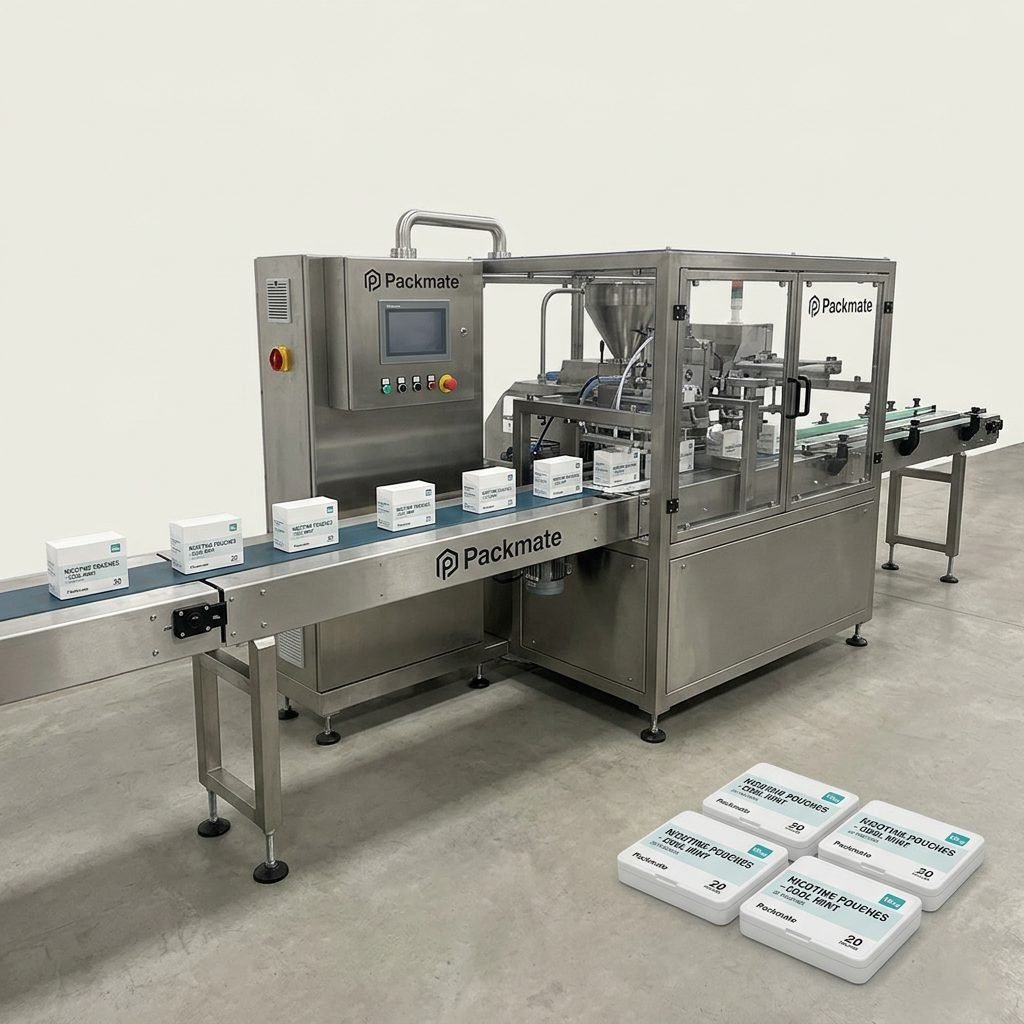
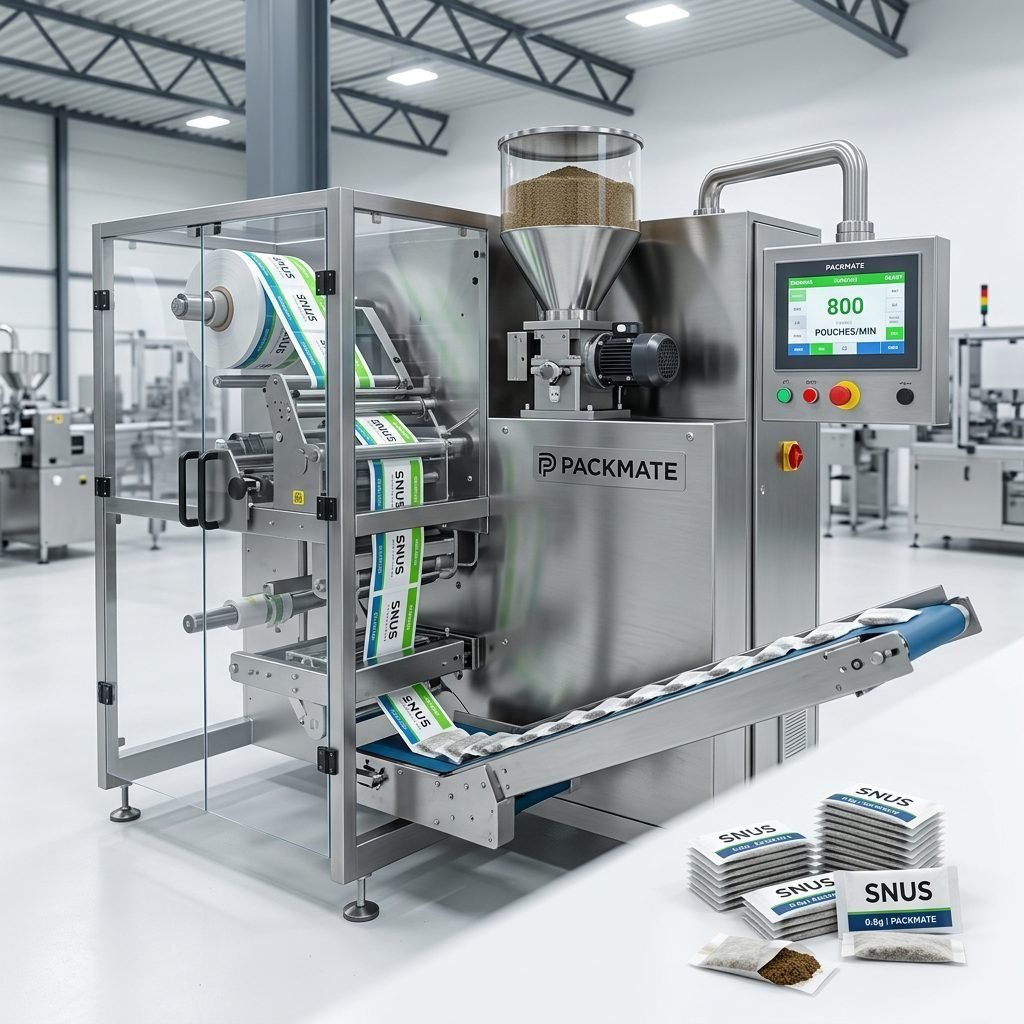
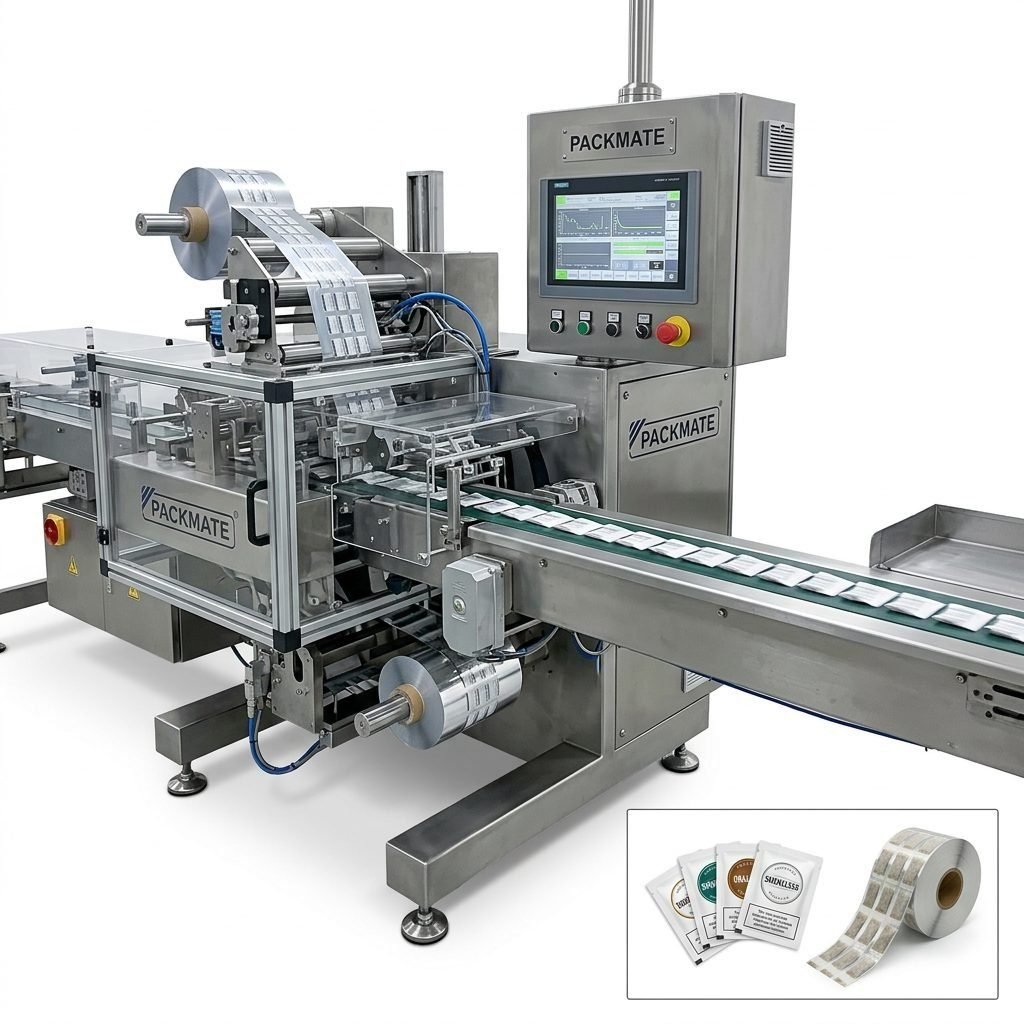
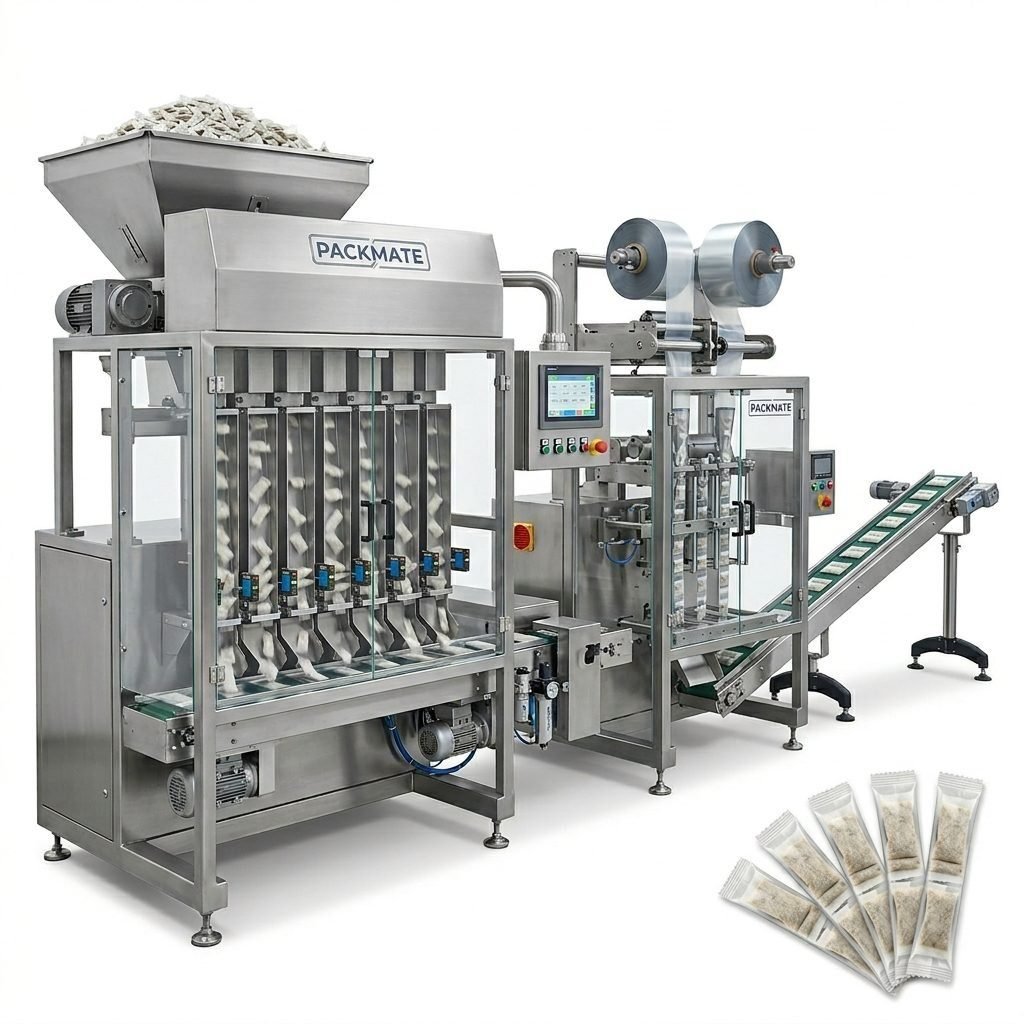
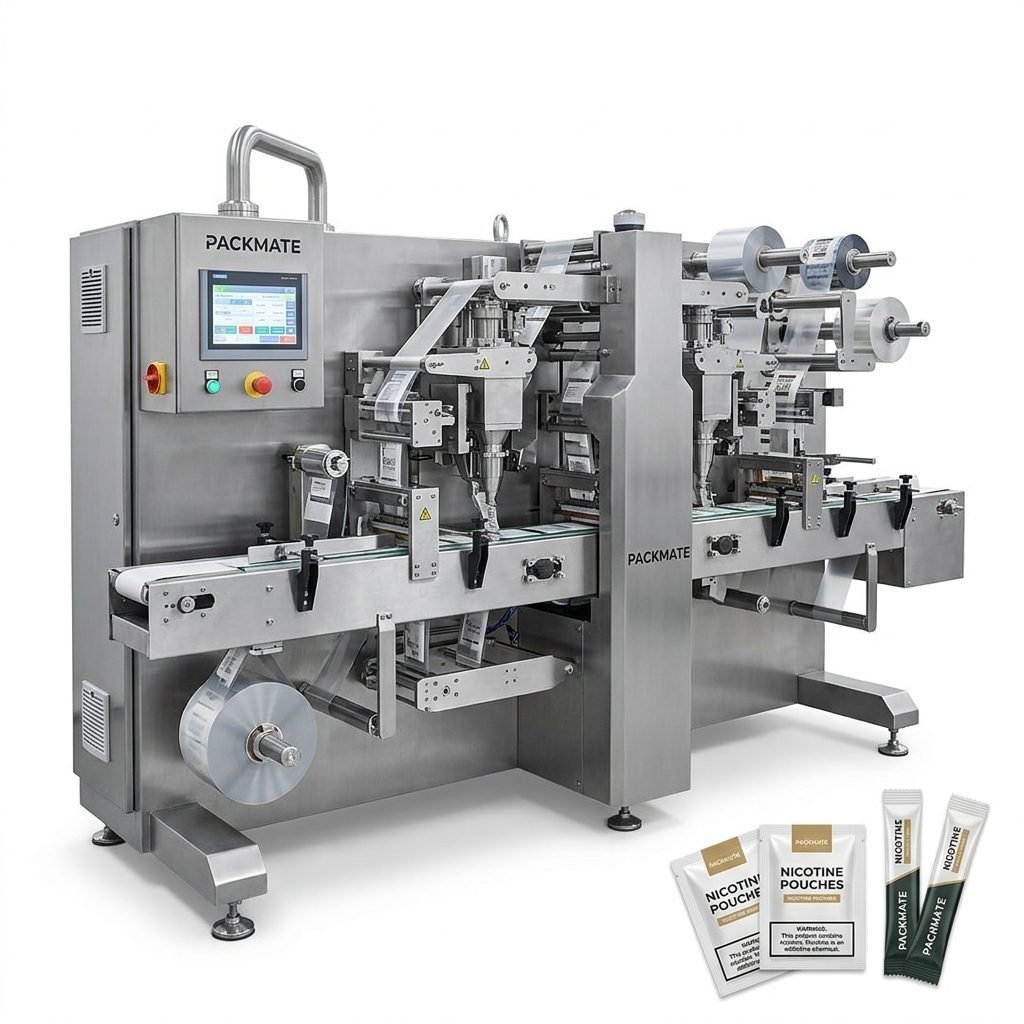
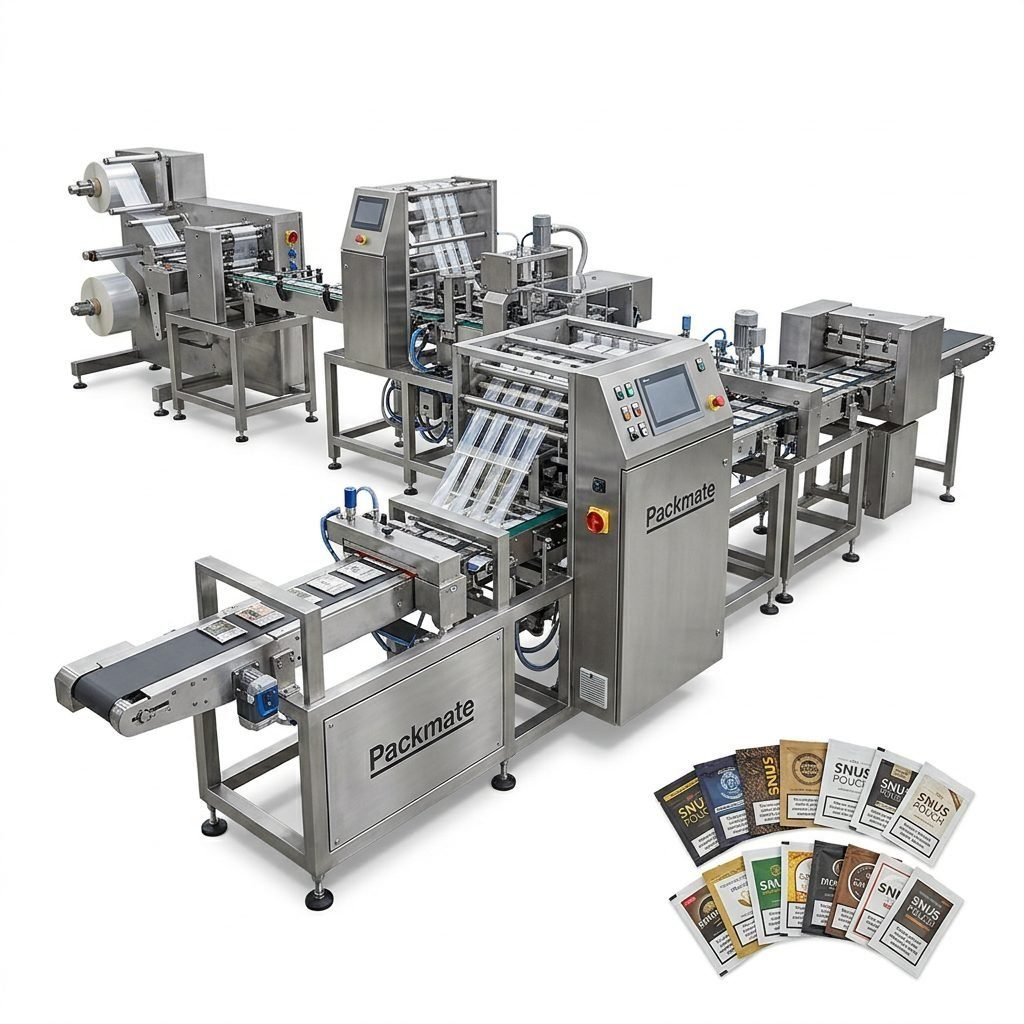
Before you shortlist manufacturers, document your production specification in detail. Know the target output (pieces/min or lines/hour), pouch formats (single-lane vs multi-lane), product forms (powder, granules, liquid, or nicotine pouches/snus), and packaging materials. If you require specialized lines such as multi-lane snus packaging, prioritize manufacturers with demonstrable experience in that niche. For an overview of specialized equipment, review product families such as Snus & Nicotine Packaging Machines and Bag & Pouch Packaging Machines.
Key production questions to answer
• What is your planned annual volume and daily shift pattern?
• Do you need single-dose precision for small nicotine pouches or high-speed stick packs?
• Which regulatory standards (CE, ISO, local certifications) must the machine comply with?
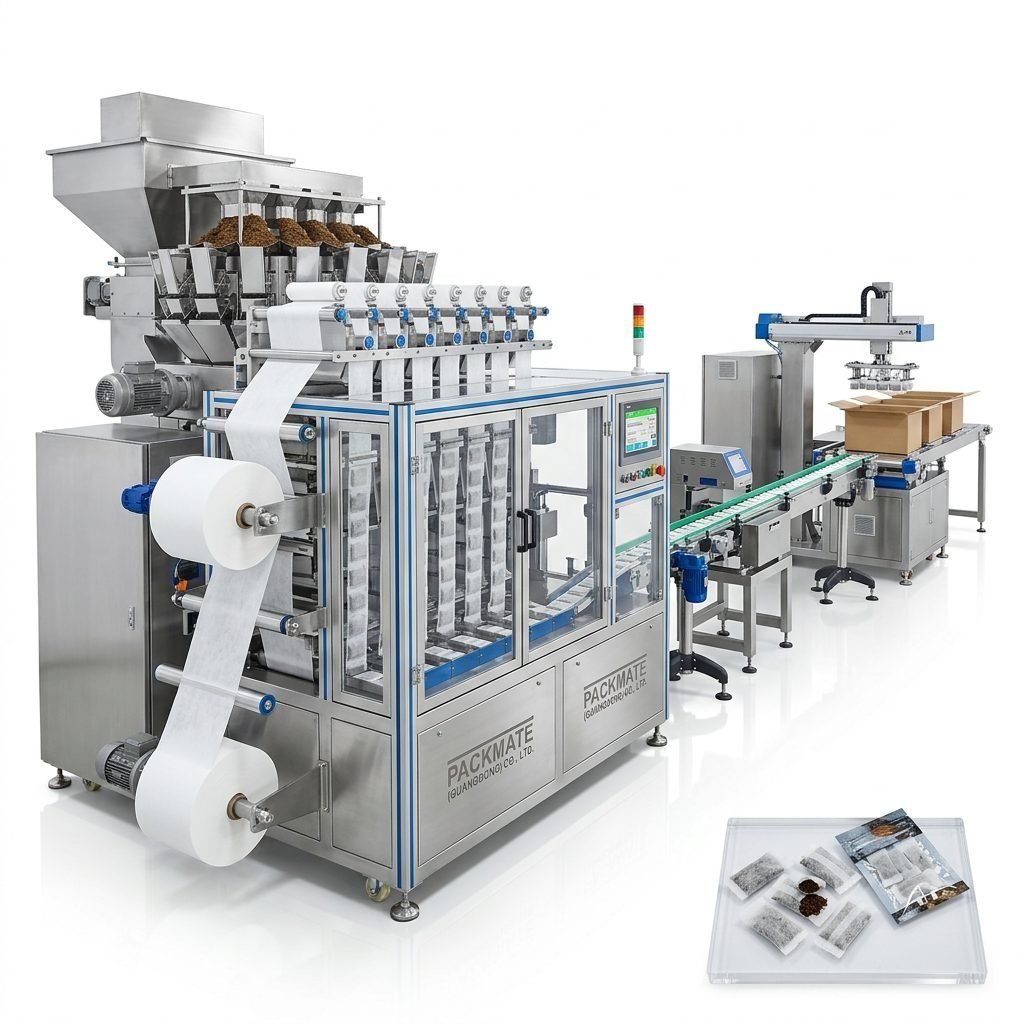
• Will you need integration with upstream weighing or downstream case packing lines?
🔧
Tip: Documenting these requirements up front prevents scope creep and helps suppliers provide accurate, comparable proposals.
Evaluate Manufacturing & Engineering Strength
Asia hosts many competent packaging equipment manufacturers, but capabilities vary widely. Look for companies with:
• Proven engineering teams and years of R&D focused on nicotine/snus packaging.
• In-house CNC machining centers, precision assembly lines, and a controlled environment for sensitive product equipment.
• A diverse product catalog that covers stick pack, sachet, multi-lane, and modular systems — which indicates flexibility to customize. Check product pages for technical depth and options, for example items under Sachet & Stick Pack Machines and Weighing & Packaging Systems.
⚙️
Red flag: Suppliers who outsource critical components without quality traceability can cause long-term service and spare-parts delays.
Quality Control, Testing & Certifications
Quality assurance is paramount for nicotine pouch equipment. Verify that the manufacturer operates a stringent testing protocol and holds relevant certifications. Important elements include:
• International certifications such as CE and ISO — these demonstrate compliance with safety and quality management systems.
• Factory acceptance test (FAT) procedures with performance verification under simulated production conditions.
• Traceability of materials and components, plus calibration records for dosing systems.
• Service test runs and sample production to verify sealing integrity, fill volume accuracy, and package presentation.
What to ask during a factory tour
During a site visit, observe the assembly flow, metrology equipment, and final testing rigs. Ask to see certificates and FAT reports. You should also request references from existing customers who run similar nicotine pouch lines.
Customization, Modularity & Integration
Your nicotine product may evolve over time — flavors, pouch sizes, or packaging materials can change. Prioritize suppliers offering modular platforms that support future upgrades without full replacement. Look for:
• Flexible feed systems for different pouch formats.
• Servo-driven units for fast changeovers and precise control.
• Integration capabilities with upstream filling and weighing equipment, as well as downstream conveyors and case packers. Manufacturers that provide complete production lines, including Filling & Packaging Lines, will better align with turnkey ambitions.
✔️
Must-have: Quick-change tooling and saved recipe functionality reduce downtime and loss during SKU transitions.
After-sales Support & Spare Parts Strategy
A robust after-sales program is essential for continuous production. Confirm the supplier offers:
• Global service network or timely remote support for PLC/drive troubleshooting.
• Clear spare parts list with lead times and local stocking options.
• Service agreements, preventive maintenance packages, and technician training for your team.
• Documentation in your language and on-site commissioning until production targets are met.
Service indicators to verify
• Average response time for critical breakdowns.
• Availability of consumables and wear parts for at least 3–5 years.
• Remote monitoring options and software updates policy.
Cost vs. Total Cost of Ownership (TCO)
Purchase price is only one component. Evaluate true TCO by estimating energy consumption, spare parts replacement, maintenance labor, and expected lifetime. High-efficiency machines with lower scrap rates and consistent dosing will typically save more over time even if the upfront cost is higher.
💡
Budgeting note: Request a simple TCO model from vendors and compare scenarios for year 1, year 3, and year 5.
Supply Chain, Lead Times & Logistics
Manufacturing lead times, shipping windows, and customs paperwork can impact your ramp schedule. Ask manufacturers about:
• Typical lead time for standard machines and for custom builds.
• Packaging and crating standards for export.
• Assistance with installation permits, documentation, and customs clearance.
• Local agent or partner presence in your country for faster field service.
Proof of Performance: Case Studies & References
Ask for case studies or site references that match your product type and production scale. A credible manufacturer should provide:
• Video or documented FAT reports showing actual cycle rates and sample outputs.
• References from customers running similar nicotine pouch lines and willingness to arrange site visits. Explore published examples in the manufacturer’s case pages such as Case.
What a good case study contains
• Objective before-and-after metrics (throughput, downtime, scrap reduction).
• Details on customization and how the manufacturer solved specific product challenges.
• Long-term operational feedback after installation.
Commercial Terms & Warranty
Ensure contract terms cover warranty scope, penalty clauses for missed delivery dates, and acceptance criteria. Key clauses should describe:
• Warranty duration and exclusions.
• Detailed acceptance test criteria and performance guarantees.
• Spare parts kit and commissioning support timeline.
• Intellectual property terms for custom tooling and software.
Factory Visit Checklist
When you visit a supplier’s factory, bring a checklist and verify:
• Shop floor cleanliness and organized assembly lines.
• Presence of testing rigs and sample production records.
• Skilled staff and engineering documentation accessibility.
• Evidence of continuous improvement and R&D investment. If you want to know more about the company itself, review their profile at About Packmate.
📝
Observation: A transparent manufacturer will welcome tours and readily share test data and customer contacts.
How to Compare Quotes Objectively
Build a comparison matrix including technical specs, warranty, spare parts, FAT criteria, training, integration scope, delivery schedule, and TCO estimates. Score each vendor against these categories and weight them according to your priorities (e.g., uptime highest). Avoid choosing solely on lowest initial price.
Negotiation & Contracting Tips
• Request a binding FAT performance commitment with penalties for non-conformance.
• Negotiate a spare-parts package at purchase to reduce early-life downtime risk.
• Set clear acceptance criteria and an approved test run duration post-commissioning.
• Include training days for operators and technicians as part of the delivery scope.
Making the Final Decision
When your matrix scores are close, prioritize service responsiveness, documentation clarity, and real-world references. A manufacturer that invests in long-term relationships and offers turnkey solutions — from filling to packaging — will typically reduce overall project risk. If you need to discuss project specifics or request a quote, consider using the manufacturer’s contact page: Contact Us.
Quick checklist before signing
• Confirm FAT acceptance criteria and sample outputs.
• Lock spare parts list and lead times into the contract.
• Confirm on-site commissioning timeline and training days.
• Ensure software ownership and recipe backups are defined.
📌
Final reminder: The best manufacturer is not always the cheapest — it is the one that aligns with your production goals and stands behind performance and service commitments.
Additional Resources
Explore relevant product ranges and technical brochures to validate the supplier’s capability set. Useful links include product category pages and service information such as Auxiliary Packaging Equipment and the Service offerings.
Frequently Asked Questions (FAQs)
Q1: How long does it typically take to receive and commission a nicotine pouch packaging line?
A1: Lead times vary by customization but expect 12–20 weeks for a standard multi-lane line including FAT and shipping; add time for custom tooling and local installation logistics.
Q2: What is included in a factory acceptance test (FAT)?
A2: A FAT usually covers mechanical checks, electrical and PLC validation, run-time at target speeds with representative materials, sealing and leak tests, and generation of FAT reports and sample packs.
Q3: How can I ensure spare parts availability after purchase?
A3: Negotiate a spare parts kit at purchase, ask for a recommended spare-parts list with part numbers, and confirm lead times and local stocking options to minimize downtime risk.
Q4: Should I prioritize local dealers or direct manufacturers?
A4: Both have pros and cons. Local dealers may provide faster on-site support, while direct manufacturers often offer better pricing, deeper engineering knowledge, and quicker access to spare parts. Evaluate based on service SLAs and references.
Q5: Where can I find more company and product information?
A5: For more detailed information on company background, certifications, and exhibition presence, review the manufacturer’s About and Certificate pages, and request catalogs and case studies through the website.