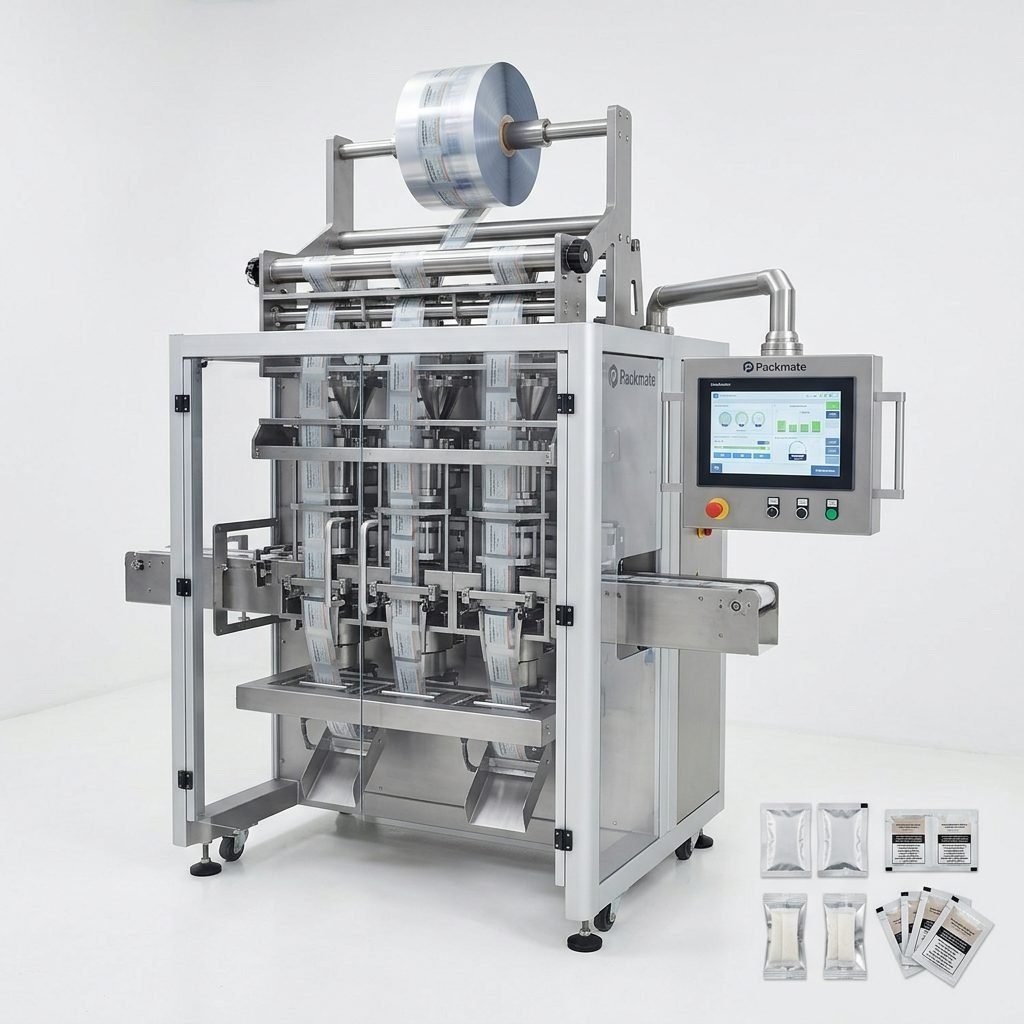
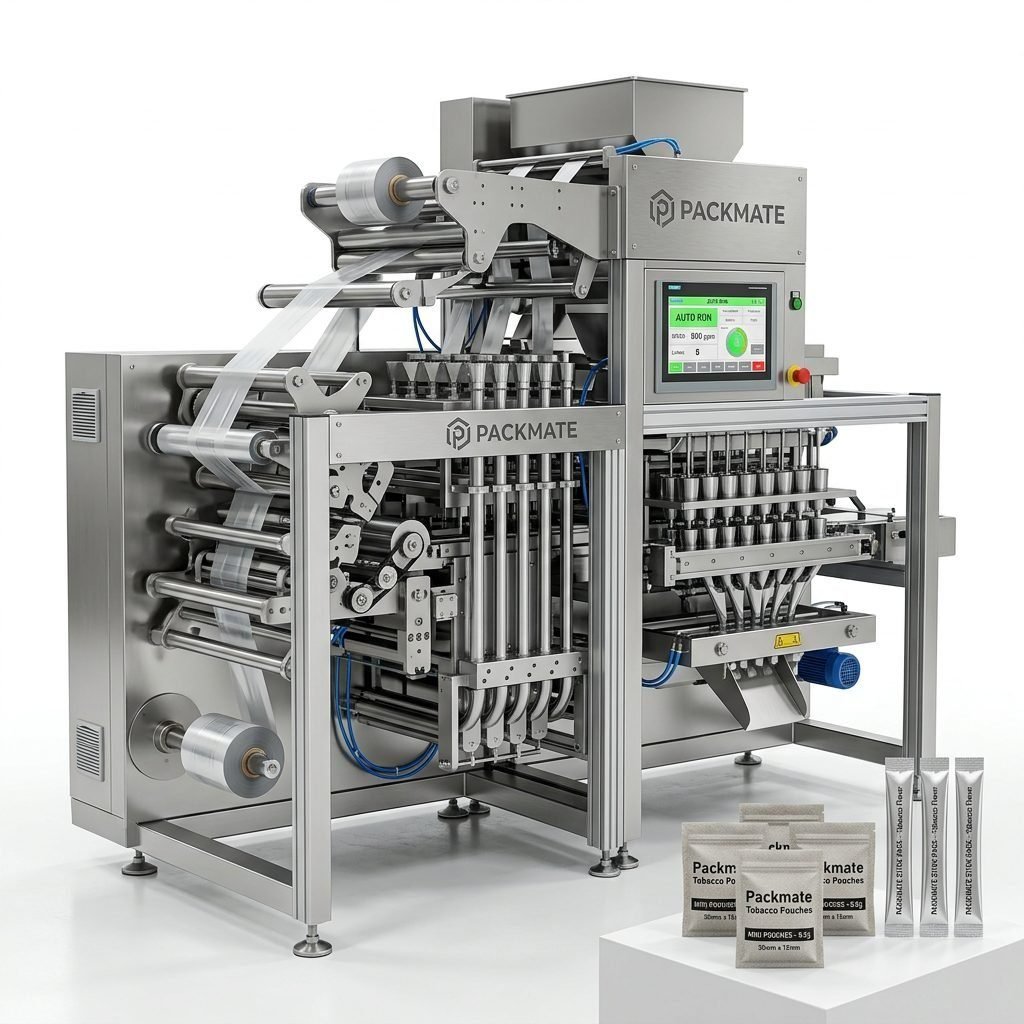
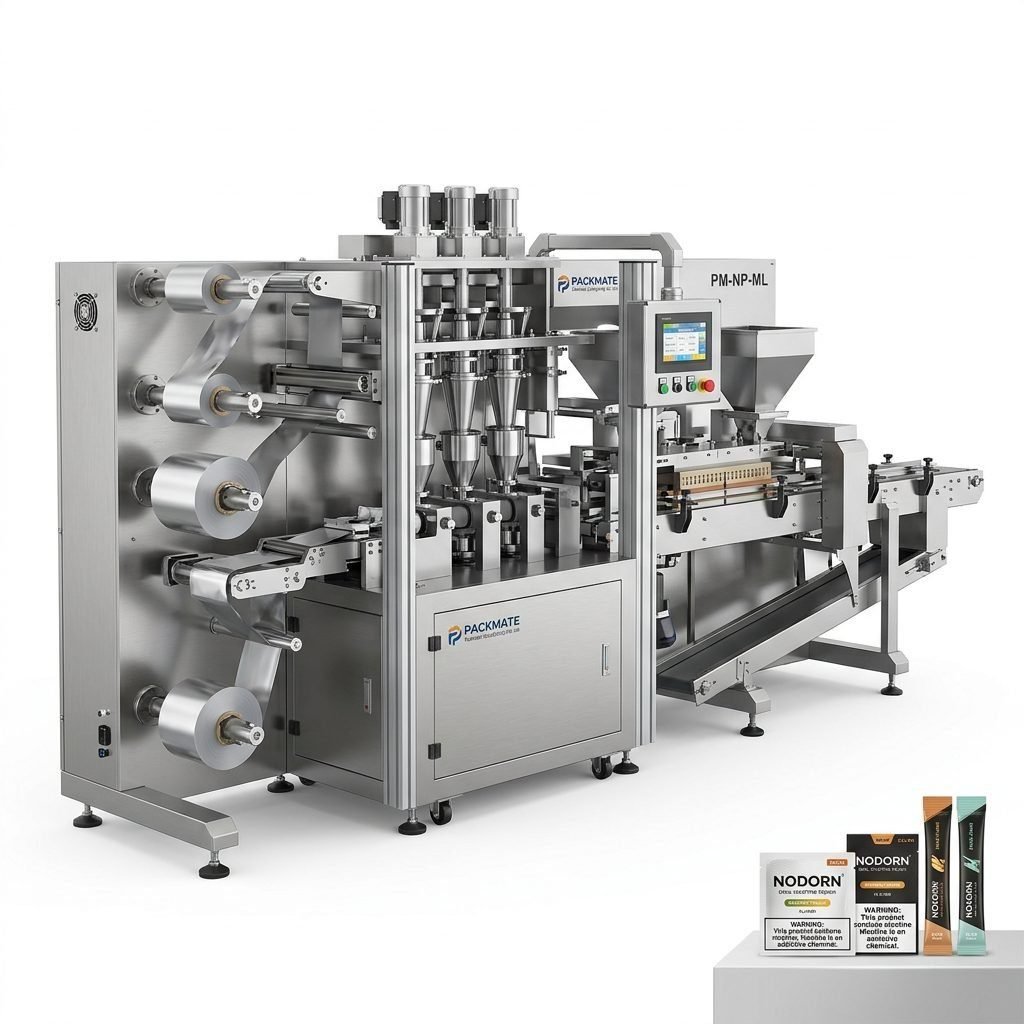
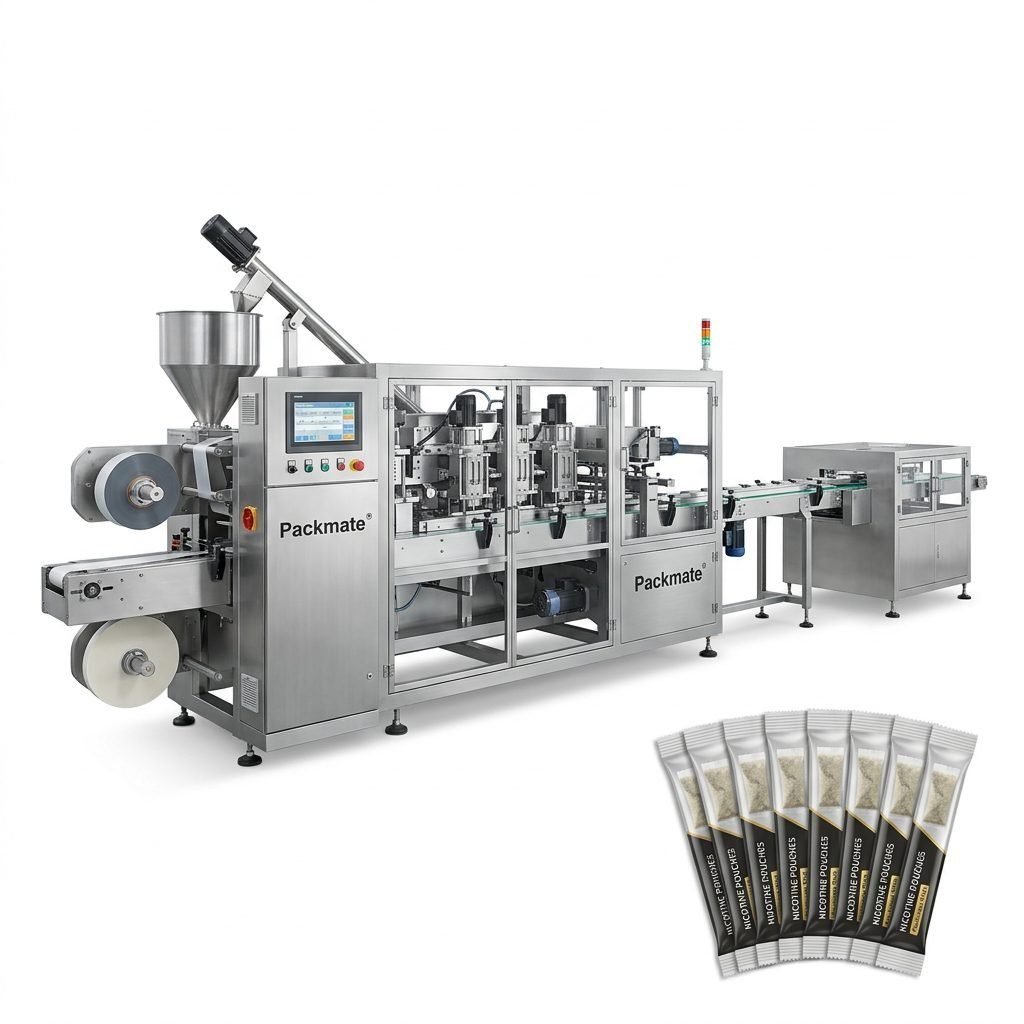
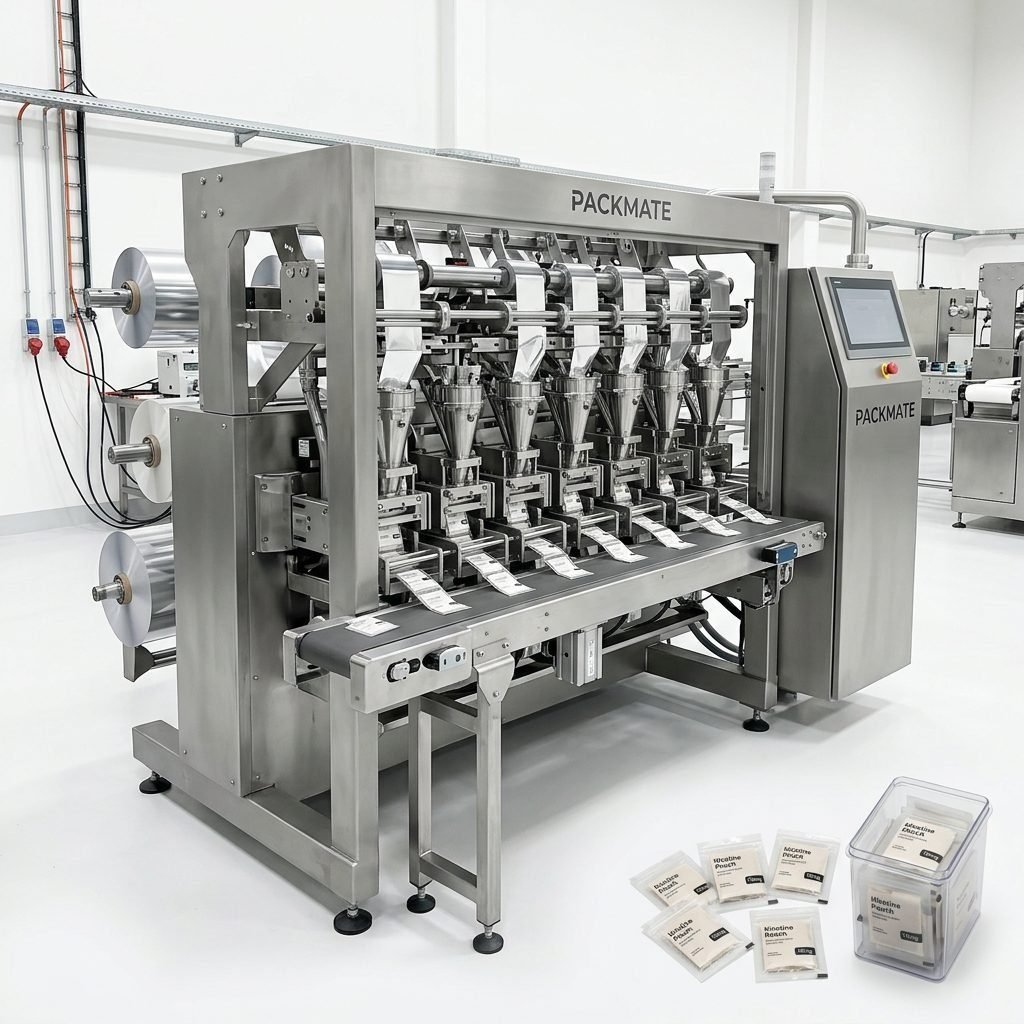
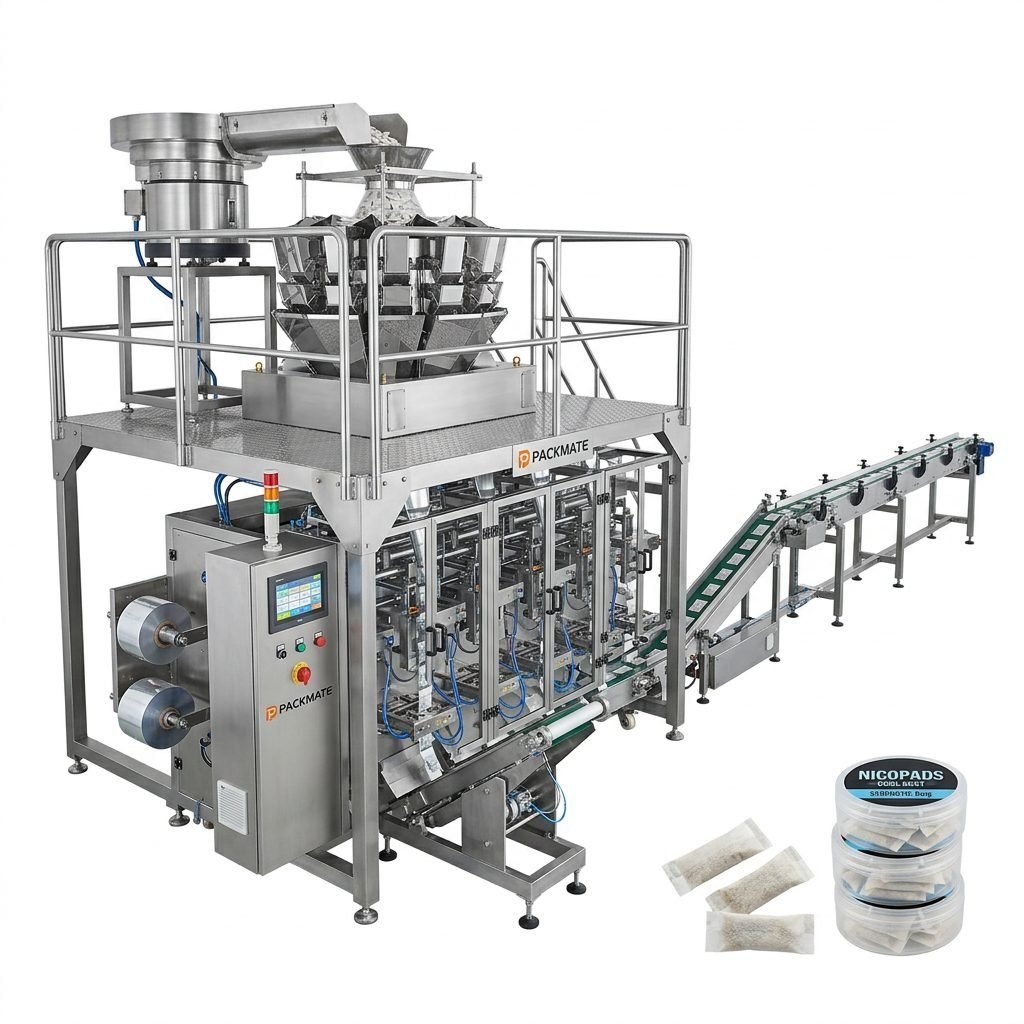
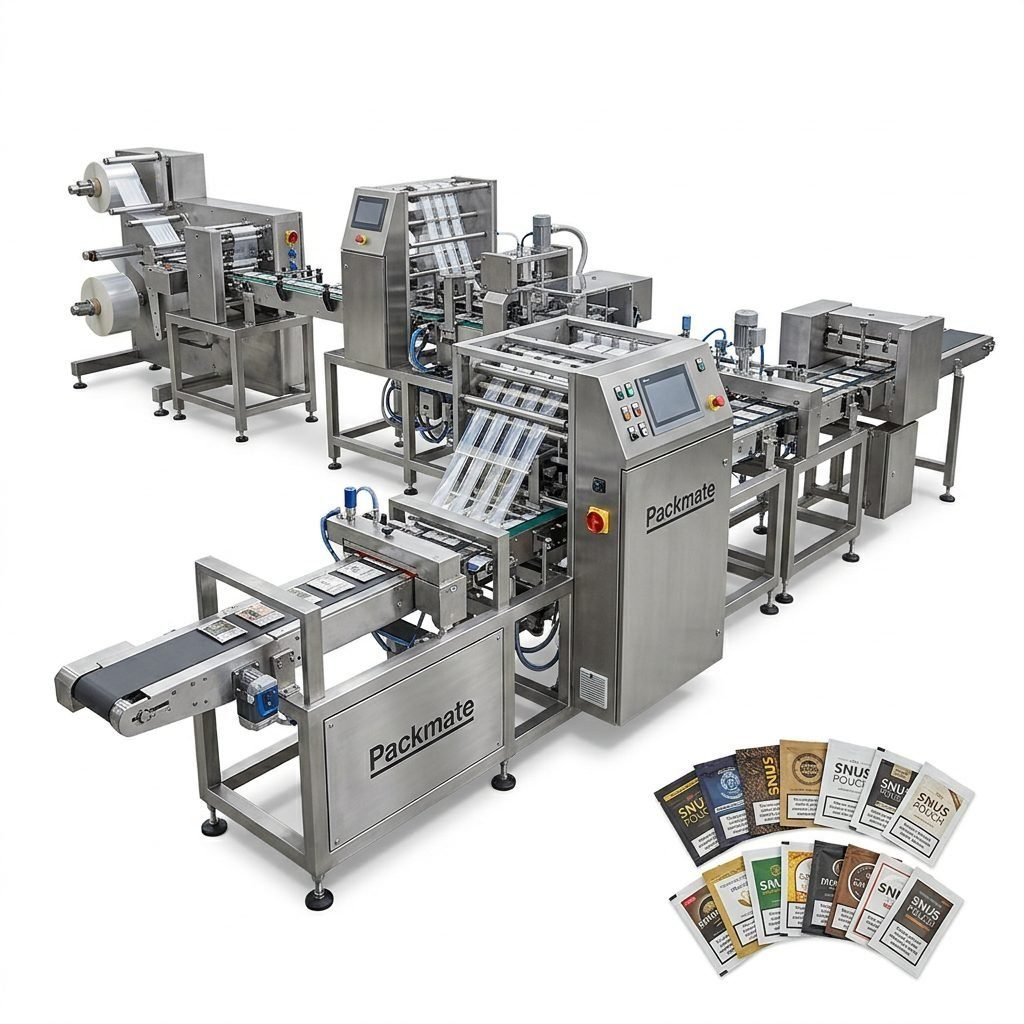
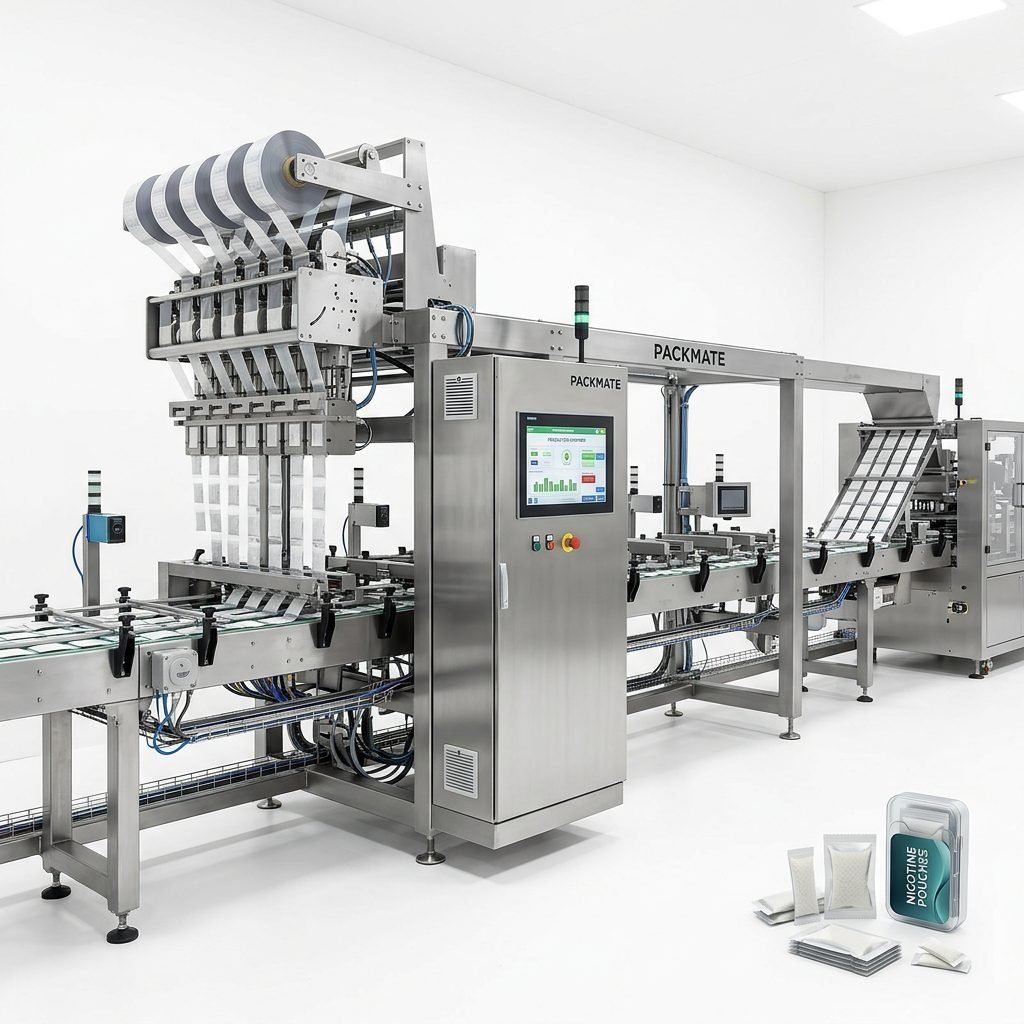
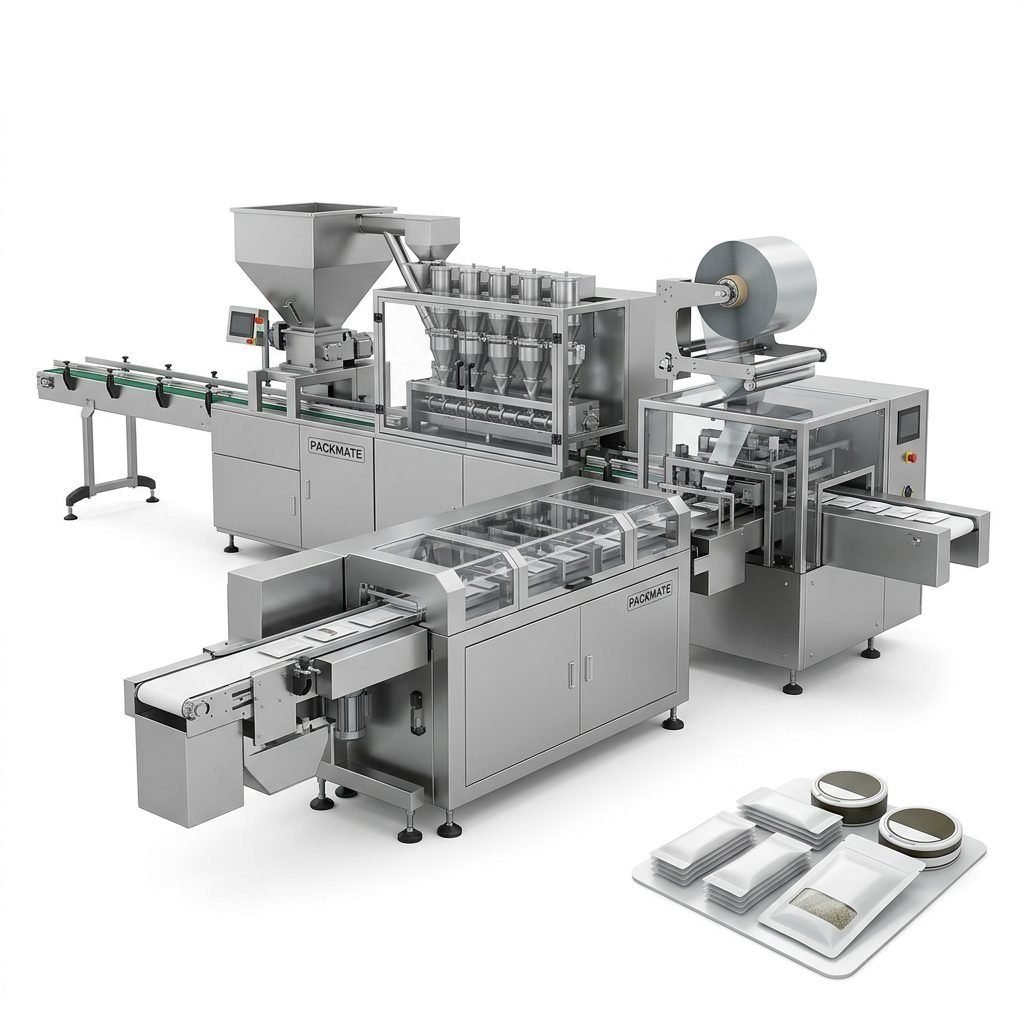
Choosing the right snus packaging machinery for your Guyana-based production line is a critical decision that affects throughput, product quality, compliance, and long-term profitability. This guide helps production managers, procurement teams, and factory owners evaluate key machine features, production requirements, and supplier capabilities so you can make an informed purchase that scales with your business. Read on for practical considerations, technical comparisons, and actionable steps to select the best snus packaging equipment for your operation.
Understand Your Production Requirements ⚙️
Start by defining clear production targets: daily output (pouches per day), shift patterns, number of SKUs, pouch sizes and formats (loose snus sachets, stick packs, multi-lane pouches), and desired automation level. A machine that fits a small trial line may fail under a full-scale commercial run, while an oversized system can inflate your capital expenditure and floor-space needs.
Key metrics to quantify:
production speed (ppm), lane count, dose accuracy, changeover time, and acceptable scrap rate. Also assess upstream and downstream integration points such as weighing feeders, metal detectors, case packers, and palletizers so the chosen snus packaging machine integrates smoothly into the full line.
Material Compatibility & Package Formats 📦
Different nicotine pouch and snus formulations (moist snus, dry pouches, powder blends) require compatible filling, dosing and sealing technologies. Some machines are designed for granular or powder fills, while others specialize in micro-dose pouch sealing. Choose a machine with proven performance on your specific product type to maintain dose consistency and seal integrity.
If you plan to offer multiple formats, consider a modular system or a multi-lane machine that supports quick changeovers and flexible tooling. For detailed options, review product lines such as
Snus & Nicotine Packaging Machines and
Bag & Pouch Packaging Machines.
Production Speed vs. Accuracy: Find the Right Balance 🔍
High-speed machines can dramatically increase output but may compromise dosing accuracy or increase wear on components if not designed for your SKU. Conversely, slower, precision-focused machines may deliver lower waste and better quality control. Determine the acceptable tolerance for dose variation and specify it to suppliers. Look for machines with advanced servo controls, closed-loop feedback, and high-precision dosing systems.
Essential spec to request: maximum speed (pouches/min per lane), dose tolerance (mg or %), thermal sealing temperature range, and recommended maintenance intervals.
Automation & Integration Considerations 🤖
Assess the automation level you need: manual loading vs. automated feeders, single-lane vs. multi-lane synchronized lines, and whether PLC/HMI interfaces match your existing control systems. Full-line integration reduces labor and error, while stand-alone machines may be easier to validate and maintain. Ask about OEE (overall equipment effectiveness) features and remote diagnostics to reduce downtime.
For robust solutions, explore turnkey production lines that combine dosing, filling, sealing, and secondary packaging. Packmate Snus Machine provides complete lines including weighing and packaging systems; see examples in their
Weighing & Packaging Systems and
Filling & Packaging Lines catalogs.
Quality, Certification & Regulatory Compliance ✅
For nicotine pouch products, compliance with local and international regulations is essential. Request machines that meet CE and ISO standards, and verify hygienic design features like stainless steel contact parts, easy-to-clean surfaces, and enclosed product paths to minimize contamination risks.
When evaluating vendors, ask for certification documents, material traceability, and factory test records. If you require machine acceptance testing (FAT) or site acceptance testing (SAT), ensure these are included in the contract and clearly specified.
Supplier Credibility & After-Sales Support 🛠️
A machine’s lifetime performance depends heavily on supplier quality and support. Prioritize manufacturers with extensive experience in snus/nicotine packaging and proven global deployments. Packmate Snus Machine, for example, brings 30+ years of engineering experience and turnkey solutions, backed by a large manufacturing facility and strict quality control.
Important support aspects:
spare parts availability, local service partners, remote troubleshooting, operator training, and clear warranty terms. Request references or case studies to validate real-world performance — see customer examples in the
Case section.
Total Cost of Ownership (TCO) & Return on Investment (ROI) 💰
Purchase price is only part of the equation. Calculate TCO including installation, civil works, utility upgrades, spare parts, consumables, maintenance labor, training, and expected downtime. Estimate ROI based on increased production capacity, reduced labor costs, and improved yield from precise dosing and reduced waste.
Pro tip: Request a breakdown of consumables and spare parts costs for the first 3 years and include those in your TCO model to avoid surprise expenses after purchase.
Factory Footprint & Utilities 🏭
Ensure the machine footprint, weight, and utility requirements (power, compressed air, vacuum) fit your Guyana facility. Multi-lane machines and integrated lines need more floor space and often raised foundations. Ask the supplier for layout drawings, service clearances, and installation checklists so your engineering team can prepare the site.
Performance Validation & Acceptance Testing 🔬
Require a FAT (Factory Acceptance Test) with your product to validate performance claims. During FAT, verify speed, dose accuracy, seal integrity, reject handling, and integration points. Detailed test reports and video records can be invaluable for regulatory audits and future troubleshooting.
Upon delivery, conduct SAT to confirm performance in your production environment. Make acceptance criteria explicit in the purchase agreement to avoid disputes and ensure the supplier meets contractual obligations.
Spare Parts & Maintenance Strategy 🔧
A documented maintenance schedule keeps uptime high. Ask for a recommended preventive maintenance plan and typical Mean Time Between Failures (MTBF). Secure a spare parts kit for wear items and critical components, and confirm lead times for replacements. Suppliers with local warehousing or regional partners will reduce downtime in Guyana.
Customization & Future-Proofing 🧭
Your product mix and regulatory needs may evolve. Opt for machines that allow modular upgrades, additional lanes, or retrofittable modules for labeling, serialization, or secondary packaging. A manufacturer with a wide product portfolio and engineering depth can adapt solutions as your business grows — see more about supplier capabilities on the
About Packmate page.
Checklist before purchase: FAT results, spare parts list, warranty terms, training plan, and integration drawing. Confirm these are included in the contract.
Negotiating Contracts & Warranty Terms 📝
Negotiate clear terms on delivery dates, acceptance criteria, warranty coverage, false warranty exclusions, and post-warranty service rates. Include clauses for performance guarantees tied to production speed and dose accuracy, and ensure spares and training are part of the initial package or available as optional bundles.
Local Logistics & Customs in Guyana 🌍
Factor in import duties, shipping times, and local installation services. Working with a supplier experienced in international logistics will simplify customs clearance and reduce delays. Confirm who handles on-site installation, commissioning, and initial operator training — these are critical for a smooth start-up.
Final Buying Steps & Recommended Questions to Ask Vendors ✅
Before signing, ask for: detailed specifications, FAT video, spare parts list, training agenda, warranty text, layout drawings, electrical and pneumatic requirements, integration APIs or communication protocols, MTBF data, and references from similar customers. Confirm the supplier’s ability to support you in Guyana and request a timeline for spare parts shipping.
If you need a starting point for your procurement journey, suppliers like Packmate offer a range of machines and turnkey solutions—explore product families under
Sachet & Stick Pack Machines and auxiliary equipment at
Auxiliary Packaging Equipment.
Quick decision guide: Match machine lane/speed to target output, insist on product FAT, verify supplier references, and include spare parts & training in the contract.
Conclusion & Next Steps 📋
Choosing the best snus packaging machinery for Guyana requires balancing throughput, accuracy, regulatory needs, and supplier reliability. Prioritize vendors with proven snus packaging expertise, robust after-sales support, and a record of international deliveries. Prepare a clear specification document, schedule FATs with your key SKUs, and negotiate service and spare parts terms to protect uptime and ROI.
Ready to explore specific equipment? Contact reputable suppliers for tailored proposals and arrange a factory visit or FAT session to validate the right solution for your production line. For vendor contact and support, you can reach out via their
Contact Us page.
Frequently Asked Questions (FAQ)
Q1: What is the typical lead time for a snus packaging machine?
A1: Lead times vary by model and customization but typically range from 8 to 20 weeks including FAT. Complex turnkey lines may require longer planning and installation schedules.
Q2: How do I validate dose accuracy before purchase?
A2: Request a Factory Acceptance Test (FAT) using your product to measure dose tolerance, consistency, and yield. Detailed FAT reports and video evidence help validate supplier claims.
Q3: What after-sales support should I expect?
A3: Expect spare parts availability, remote diagnostics, on-site commissioning, operator training, and a clear warranty. Confirm local service partner arrangements or remote support SLAs.
Q4: Are machines easy to upgrade for new SKUs?
A4: Many manufacturers design modular machines for future upgrades. Confirm tool changeover times, available retrofit kits, and whether additional lanes or modules can be added without major rebuilds.
Q5: Where can I see real-world installations?
A5: Ask the supplier for case studies and references — many provide client examples and exhibition demonstrations. Visit the supplier’s case and exhibition pages to view past implementations.