Choosing the best snus packaging machinery supplier in the United States requires more than comparing price tags. Manufacturers, importers, and brand owners must evaluate technical capability, regulatory understanding, customization capacity, after-sales support, and long-term total cost of ownership. This guide walks you through practical steps, US-specific considerations, and direct evaluation criteria so you can select a supplier who delivers reliable equipment, compliant packaging solutions, and predictable production uptime.
Why the right supplier matters for US snus and nicotine pouch brands
The US market for nicotine pouches and snus has unique distribution channels (convenience stores, vape shops, e-commerce), evolving regulations, and strong focus on product safety and labeling. A supplier that understands these dynamics reduces the risk of non-compliance, costly rework, and production downtime.
Key benefit: a qualified supplier helps you achieve consistent pouch weight, hermetic seals, label accuracy, and line speeds that match your sales forecast — critical for competing in US retail and online channels. ✔️
Understand US regulatory and market customs
US regulations for tobacco and nicotine products are enforced by agencies including the FDA. While packaging machinery vendors do not make regulatory decisions for your product, they should be aware of requirements for child-resistant packaging where applicable, tamper-evident labeling, ingredient disclosure locations, and lot traceability systems. Additionally, some states have specific restrictions that affect distribution packaging or labeling — discuss state-by-state needs with your supplier early.
From a cultural standpoint, American consumers often expect clear labeling, resealable pouches for convenience, and discreet shelf presentation. Many retailers prefer compact multipacks and merchandising-ready outer packs. Confirm that your machinery supplier can produce formats that match local retail preferences.
Which machine types matter for US snus production
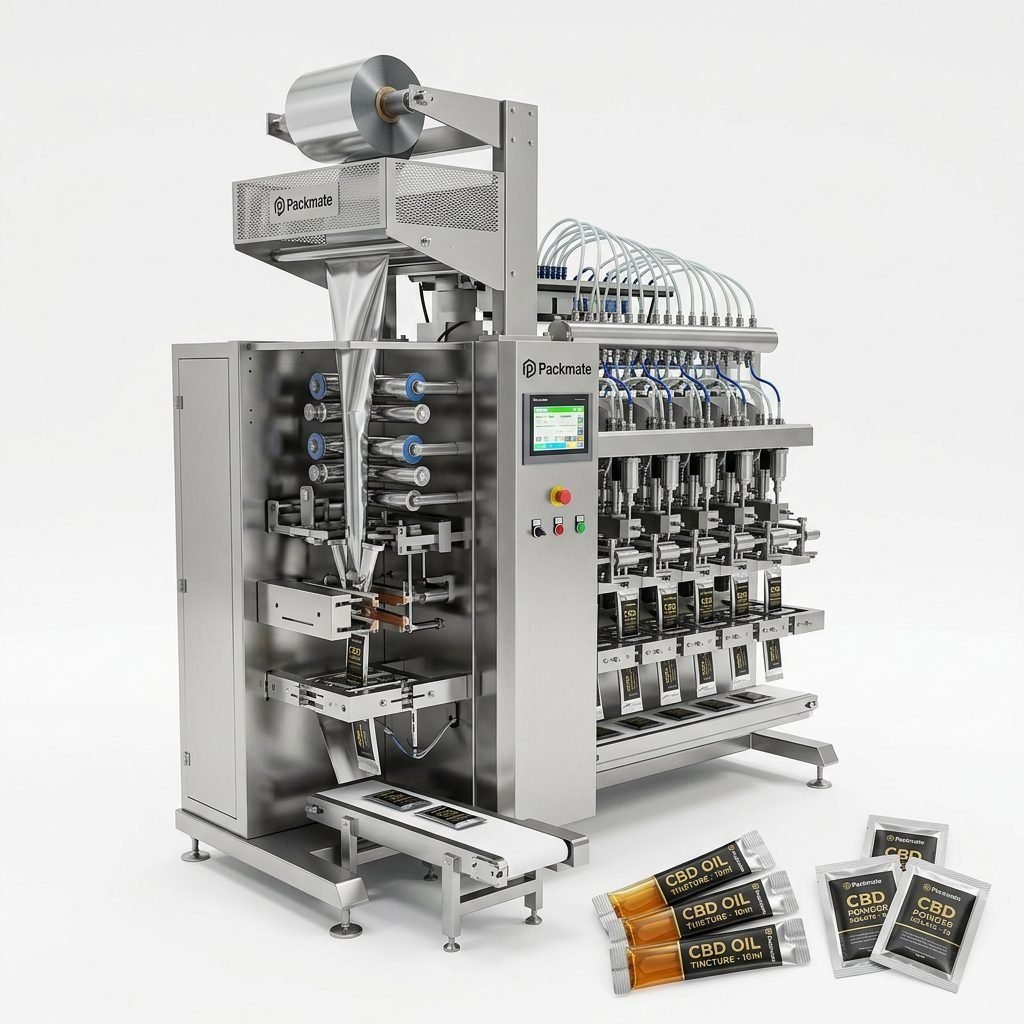
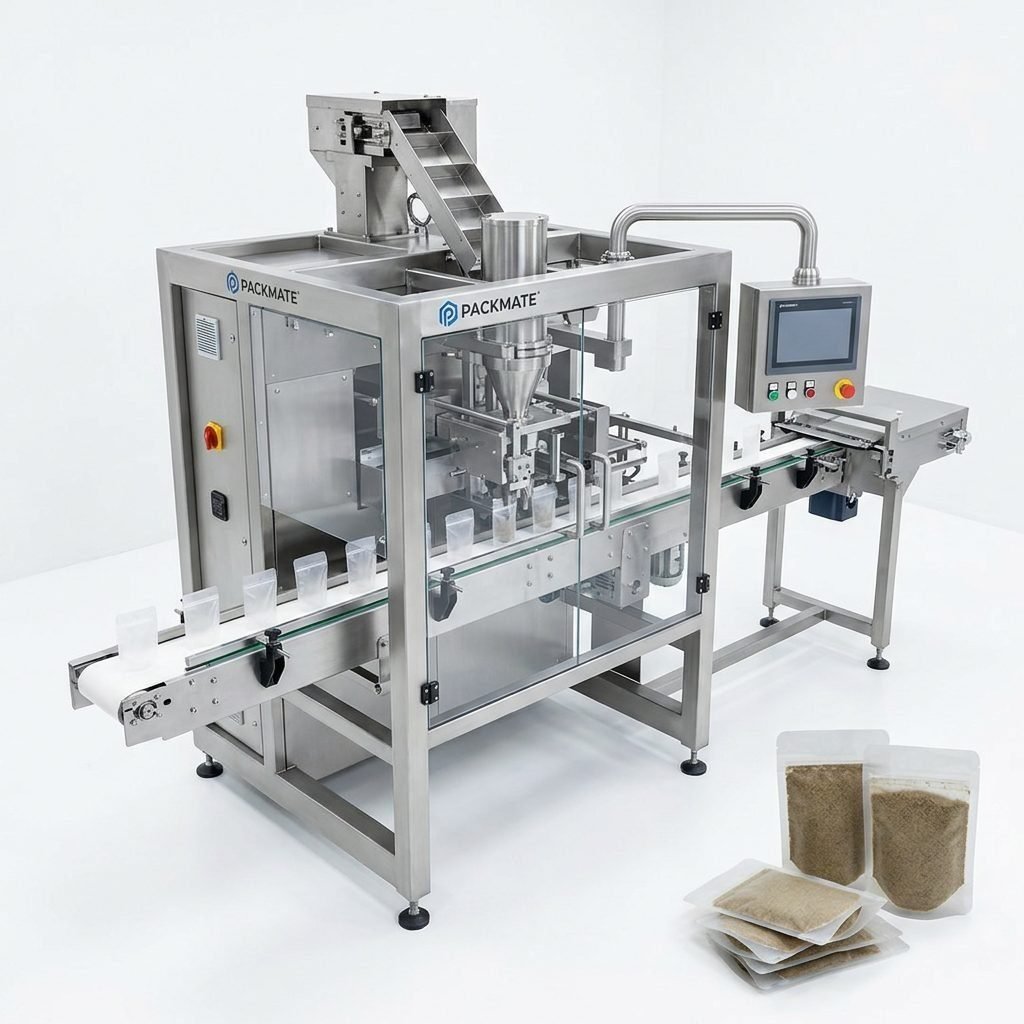
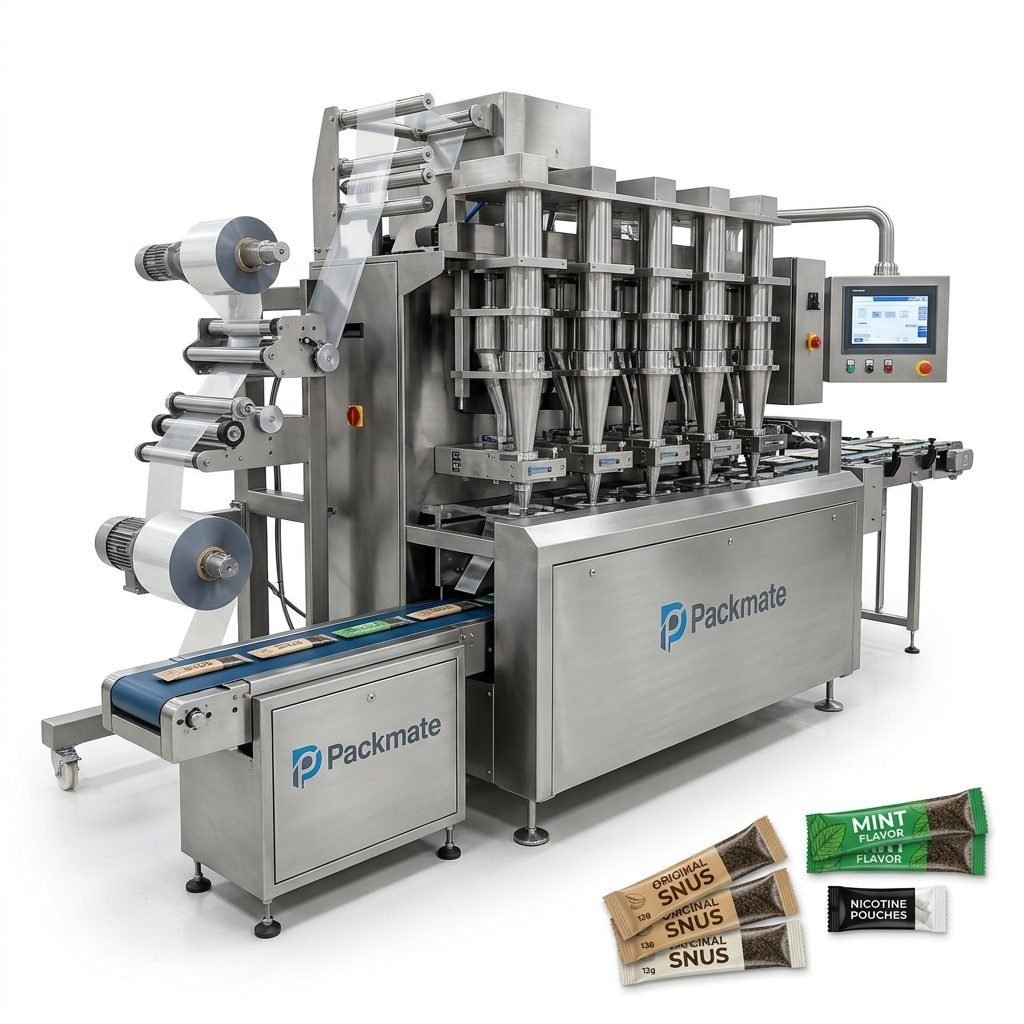
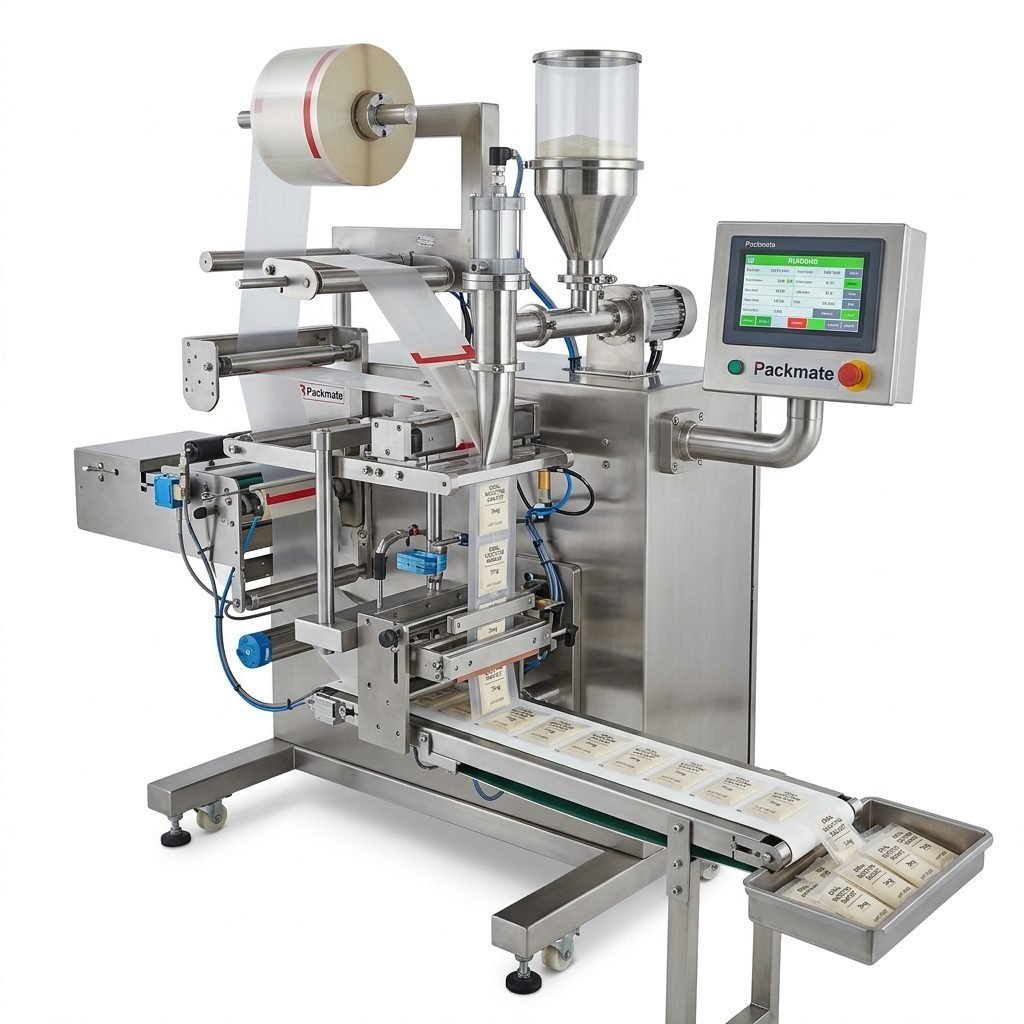
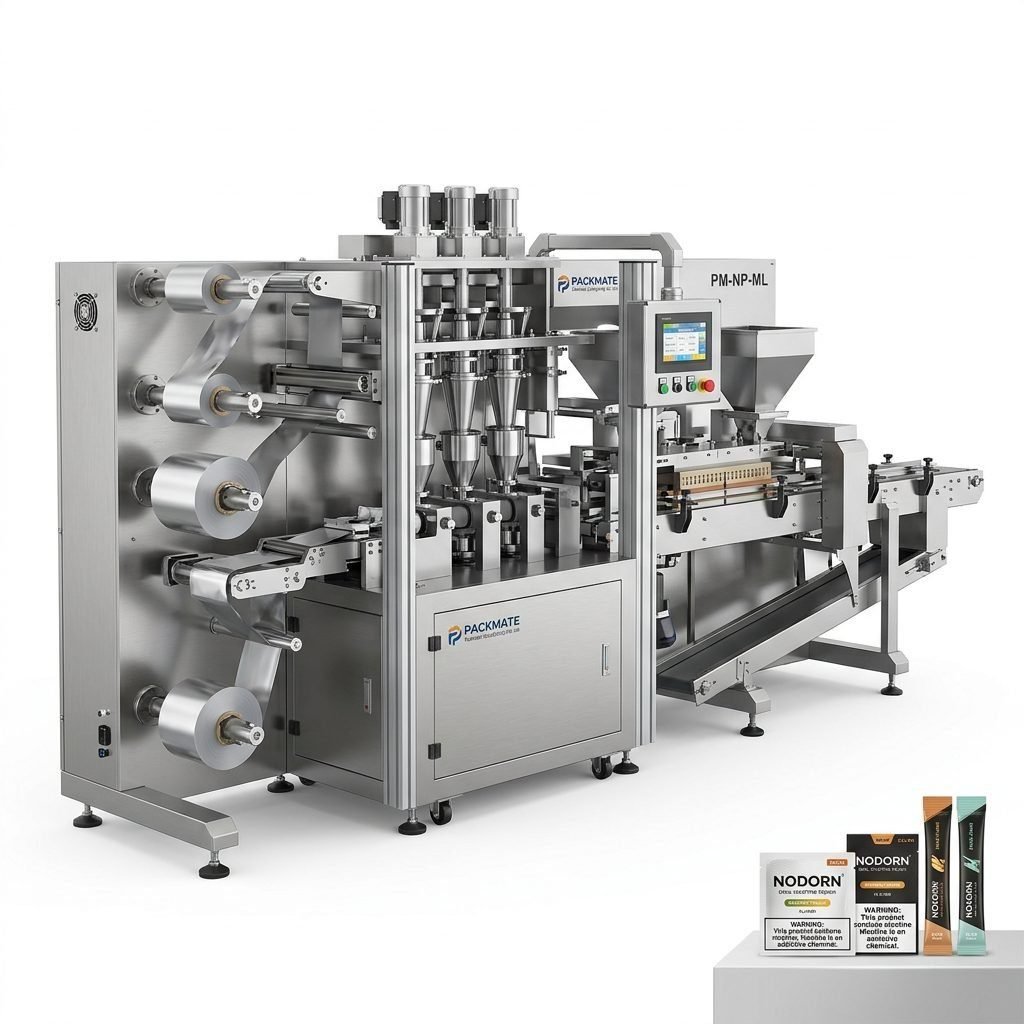
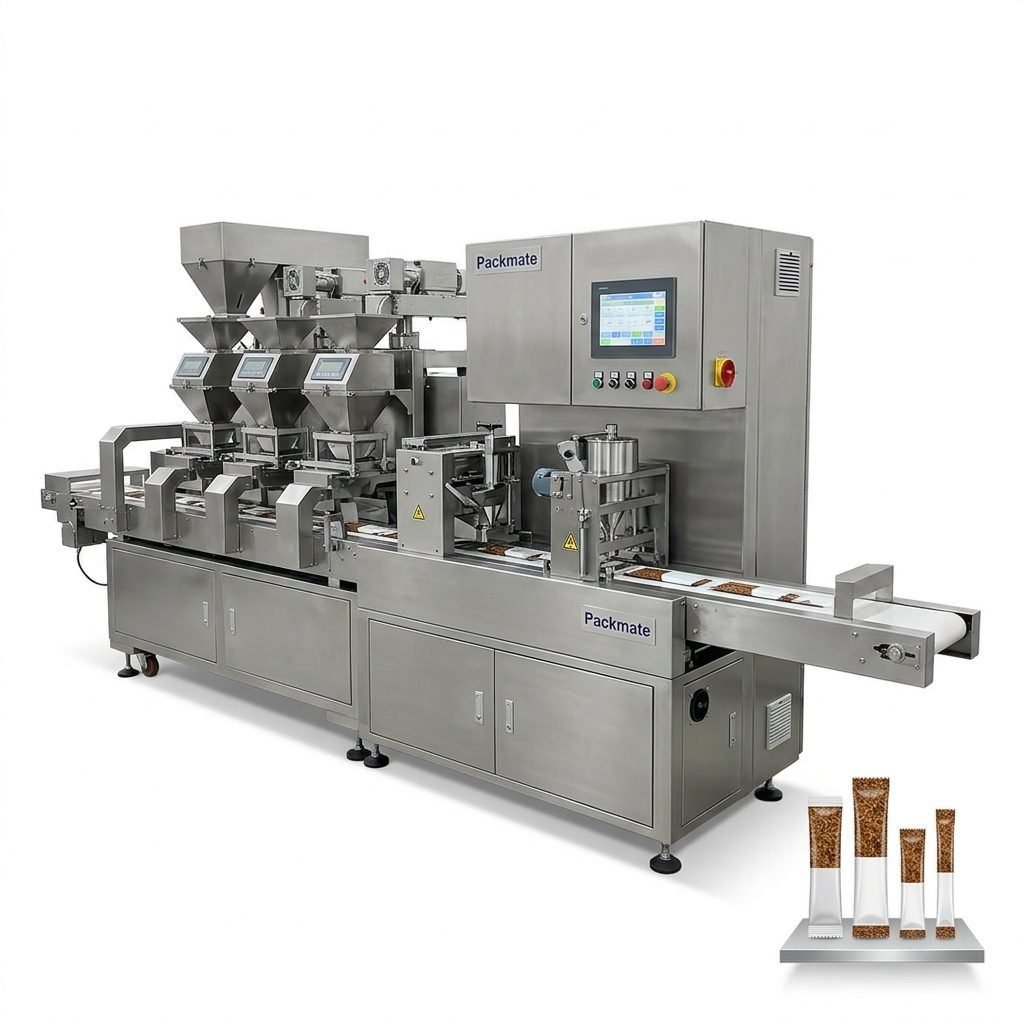
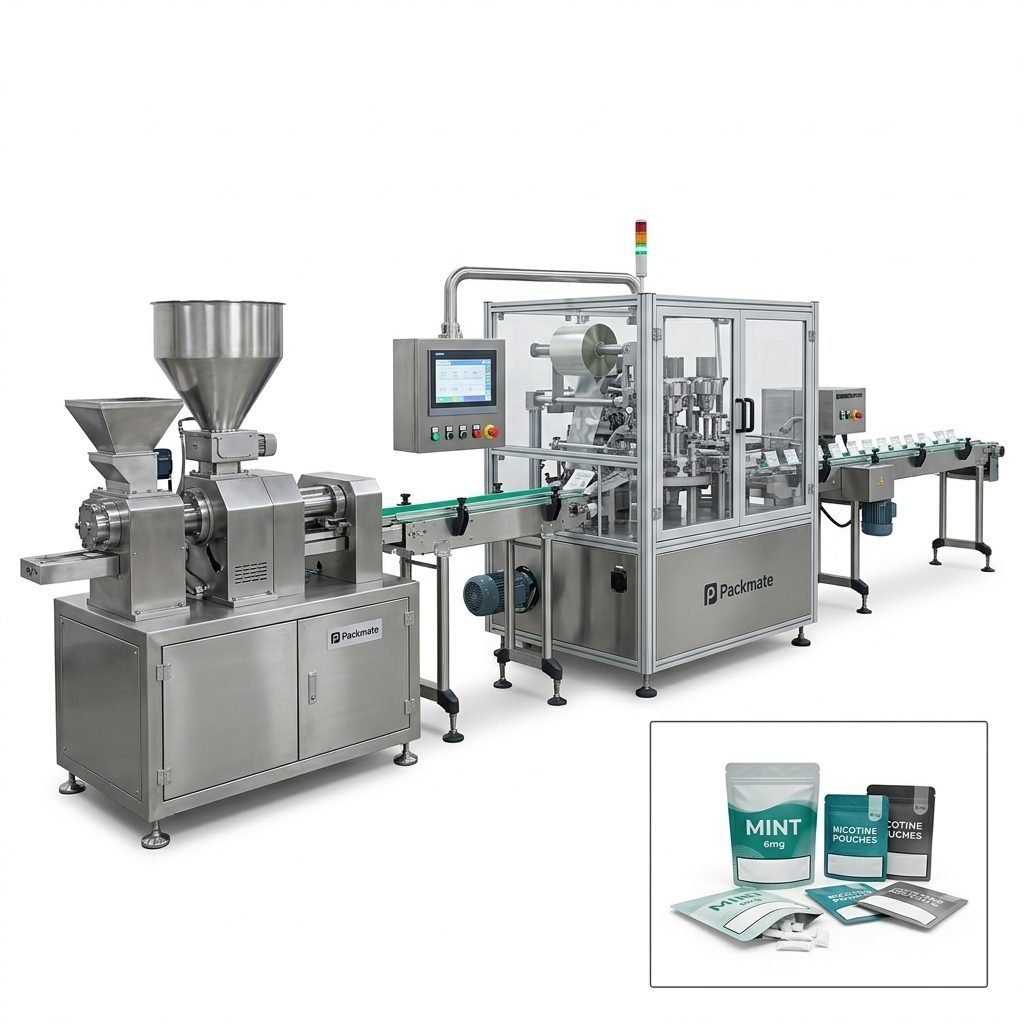
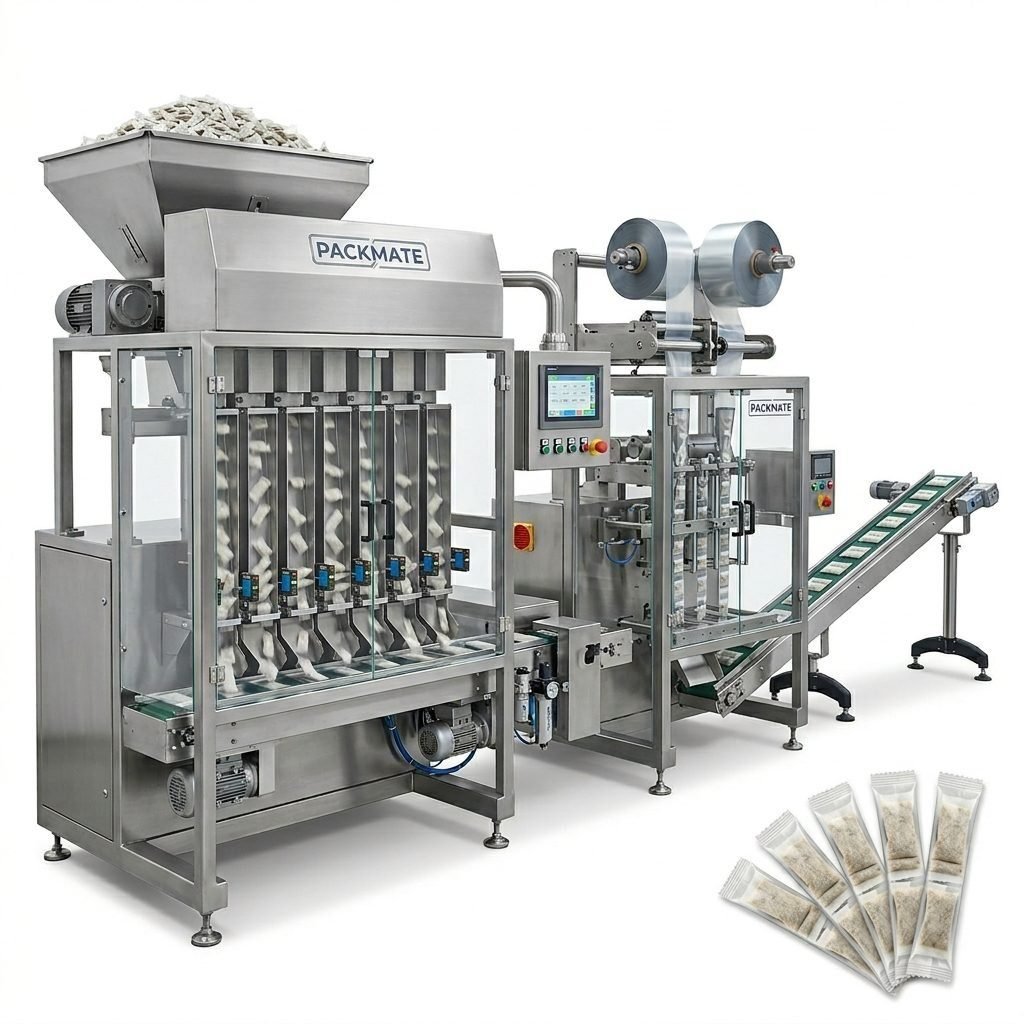
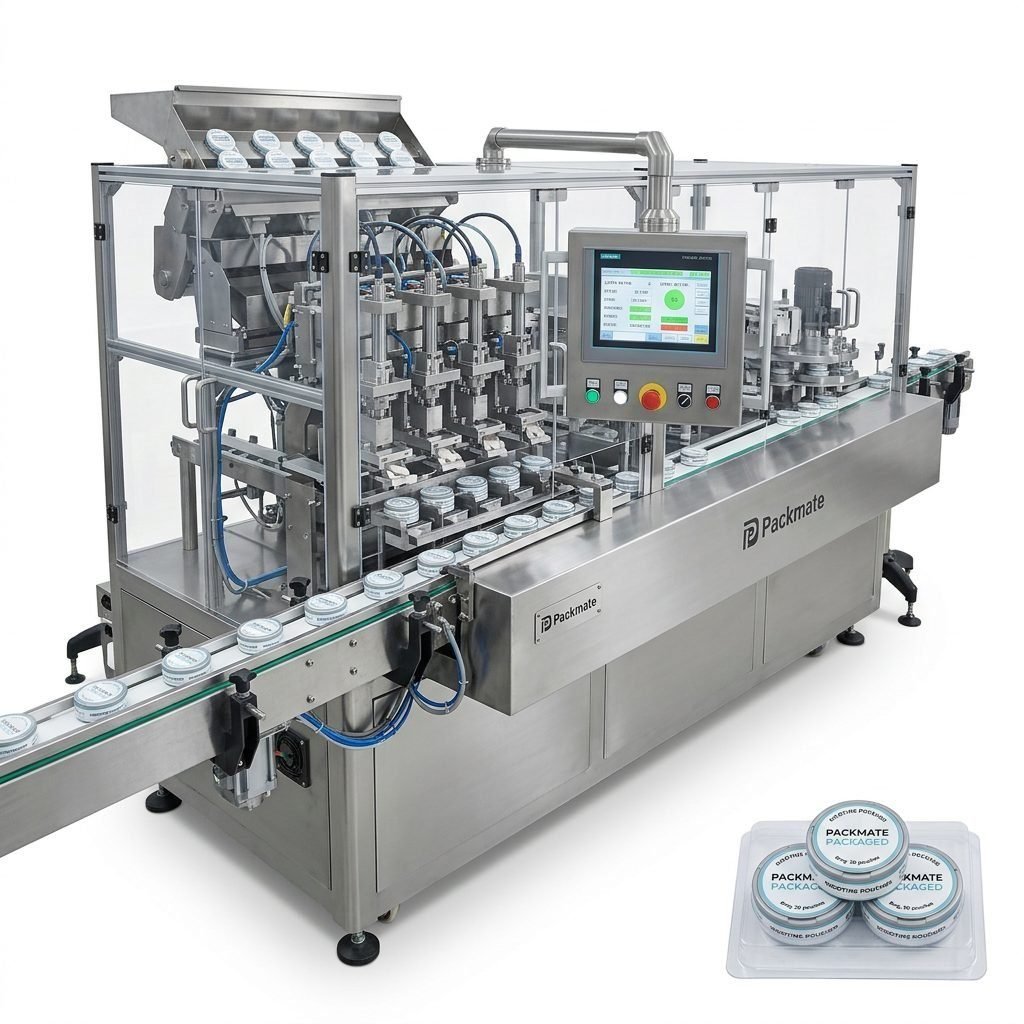
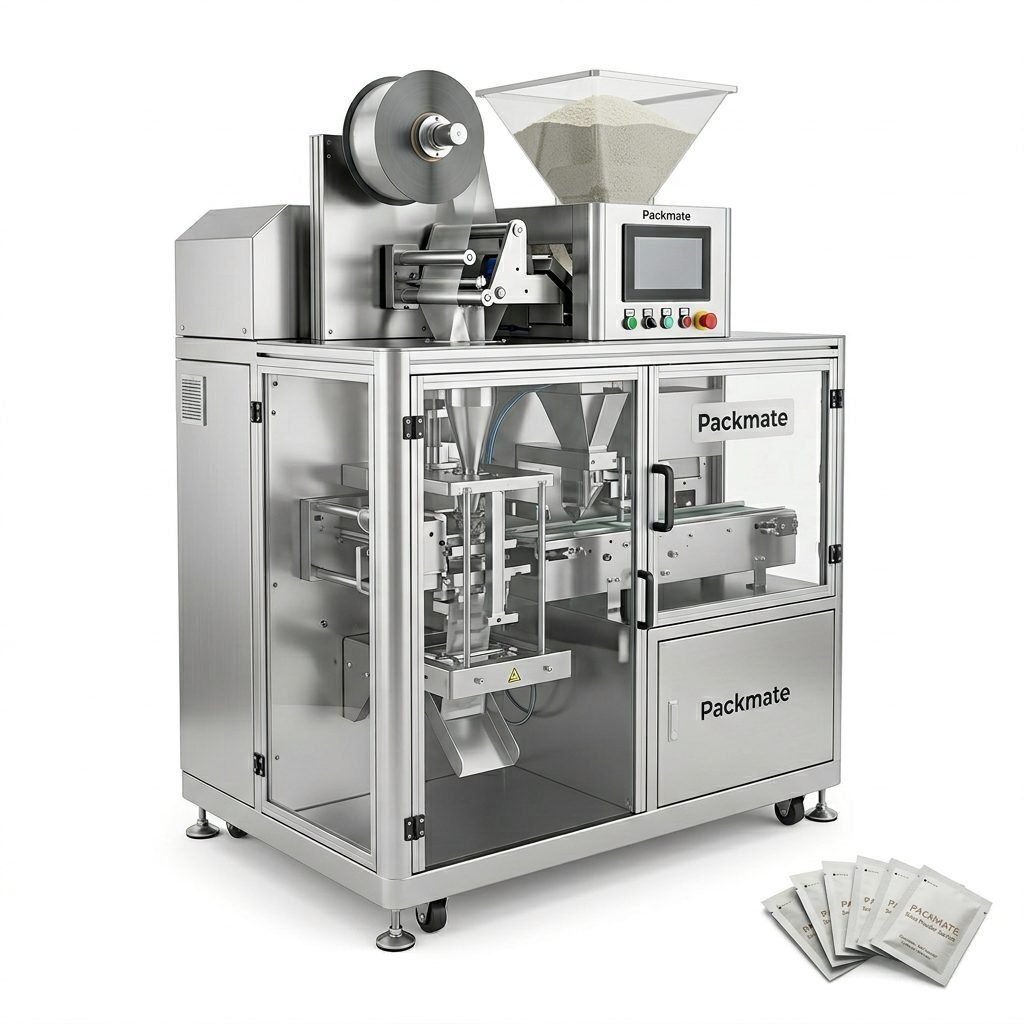
Typical production lines for snus and nicotine pouches include stick pack and sachet systems, multi-lane pouch machines for high throughput, dosing/weighing integrations, and final pouch packing or cartoning stations. When evaluating suppliers, review their proven models and cases for similar product viscosity, particulate size, and target pouch weights.
Useful product references:
Snus & Nicotine Packaging Machines,
Sachet & Stick Pack Machines,
Filling & Packaging Lines.
Must-have features for snus packaging equipment
- Accurate multi-head or auger dosing to maintain consistent pouch weight and compliance with labeling claims. 🔧
- High-precision sealing technology to prevent moisture ingress and ensure shelf life. 🛡️
- Multi-lane options for small-dose, high-volume production without sacrificing accuracy. ⚙️
- In-line metal detection, checkweighers, and vision systems for quality assurance and recall readiness. ✔️
- Easy-to-access components and modular design to reduce maintenance downtime. 🔩
Red flags when evaluating suppliers
Be cautious if a supplier cannot provide documented references for snus or nicotine pouch lines, hesitates to show factory capability, or cannot clarify spare parts lead times. Suppliers that avoid discussing regulatory adaptability (e.g., label changeover, child-resistant options, traceability) are higher risk for US operations.
Assess manufacturing and QA capabilities
Visit or verify the supplier’s factory capabilities: CNC machining, precision assembly, and testing procedures. Suppliers with a dedicated production footprint and experienced engineering team are more likely to deliver reliable machines and troubleshooting support. For example, Packmate Snus Machine operates a large manufacturing facility with advanced CNC centers and strict quality testing — a critical advantage when you’re scaling production.
Verify certifications such as CE and ISO relevant to machine safety and manufacturing quality. Ask for photos or videos of test runs and sample pouches produced on the exact model you plan to buy. For background on company and certifications, see:
About Packmate and
Certificate.
Turnkey solutions and customization
US brands often require customization: multi-lane head count, specific pouch shapes, resealable zippers, or special materials for barrier properties. The ideal supplier offers turnkey lines that include dosing, sealing, secondary packaging, and automation controls integrated with traceability (batch coding and serialization). Ask for case studies demonstrating similar custom projects.
Browse example installations and success stories at:
Case.
After-sales service, spare parts, and training
In the US market, fast access to spare parts and responsive technical support is vital. Confirm the supplier’s spare parts inventory, typical lead times, and whether they provide on-site commissioning, operator training, and remote diagnostic tools. Evaluate extended warranty options and service contracts to secure predictable operating costs.
Check the supplier’s service offerings:
Service and contact channels:
Contact Us.
Total cost of ownership (TCO) considerations
Don’t focus solely on purchase price. Consider uptime history, mean time between failures (MTBF), parts replacement costs, energy consumption, and changeover time between SKUs. Machines that reduce changeover time and simplify maintenance often deliver better long-term value in the high-mix product environment common in US retail.
Checklist highlight: request MTBF data, spare parts lead times, a spare-parts kit quotation, and a remote-diagnostics plan before signing a contract. 🧾
Factory acceptance test (FAT) and site acceptance test (SAT)
A formal FAT with sample materials ensures the line meets agreed performance metrics (speed, accuracy, seal integrity). For US imports, insist on witnessed FATs or video-recorded runs if you cannot attend. SAT after installation verifies performance in your facility with your materials, packaging film, and operators.
Delivery timelines and logistics
Discuss production lead time, shipping mode (FCL/LCL/air), customs documentation, and installation windows. A supplier familiar with US import logistics reduces surprises. If local installation teams are limited, confirm remote support and clear documentation for mechanical and electrical hookups.
Practical evaluation checklist before signing
Use this short checklist to compare suppliers:
- Can the supplier demonstrate similar US installations or export case studies?
- Are CE/ISO compliance documents and FAT reports available?
- Does the supplier provide spare parts kits and guaranteed lead times?
- Is on-site commissioning and operator training included or optional?
- Do they support multi-lane, high-precision dosing suited to small-dose pouches?
- Are remote diagnostics, PLC/human-machine interface (HMI) language options, and software updates part of the package?
Why supplier transparency and partnership matter
Packaging machinery is a multi-year investment. Suppliers who act as partners provide continuous improvement suggestions, retrofit options for new SKUs, and rapid spare-part response. Look for manufacturers with a documented history in the snus/nicotine market, clear factory profiles, and exhibition presence — these signals show long-term commitment.
For instance, a supplier with over 30 years of engineering experience and a 20,000㎡ manufacturing facility demonstrates capacity to design, manufacture, and support production lines as volumes grow.
Tip: request a site visit or live demonstration at an exhibition. Many suppliers showcase machines at trade fairs — a great chance to verify performance and ask targeted technical questions. See upcoming shows at
Our Exhibition.
Negotiating terms and documentation
Ensure purchase agreements include acceptance criteria, performance guarantees, warranty scope, lead times for critical spares, and training deliverables. Ask for a documented preventive maintenance schedule and recommended spares list to budget for the first 24 months.
Final selection: practical steps
1) Shortlist vendors with relevant snus/nicotine experience. 2) Request FAT videos, case studies, and references. 3) Compare TCO including warranties and service agreements. 4) Confirm compliance documentation and spare parts policy. 5) Finalize contract with clear acceptance tests and timelines.
Summary and next actions
Selecting the best snus packaging machinery supplier in the United States blends technical vetting, regulatory awareness, and practical service evaluation. Prioritize suppliers that demonstrate historical success with nicotine pouch lines, robust manufacturing capabilities, and strong after-sales support. Engage early on customization needs and regulatory labeling to avoid late-stage redesigns. When in doubt, request a documented FAT and talk to existing US customers.
Helpful resources
For more details on equipment categories and full solutions, explore manufacturer product pages and catalogs that showcase snus and pouch options:
Snus & Nicotine Packaging Machines,
Bag & Pouch Packaging Machines,
Weighing & Packaging Systems.
Frequently Asked Questions
Q1: How long does it typically take from order to production-ready installation?
A1: Typical lead times vary by model and customization level. Standard single-line units can be delivered in a few months, while fully customized multi-lane turnkey lines often require 4–9 months including FAT and shipping arrangements.
Q2: What certifications should I request from a supplier?
A2: Request CE (if relevant to export), ISO quality management evidence, machine safety documentation, and FAT reports. Also confirm documentation supporting components used in contact with product (food-grade materials) if required.
Q3: Can suppliers integrate traceability and serialization for US distribution?
A3: Yes — modern lines can include in-line coding, vision inspection, and data logging modules to support batch traceability. Discuss your traceability requirements during the technical spec stage.
Q4: How do I evaluate a supplier’s after-sales response time?
A4: Ask for SLA examples, average spare-part shipping times to the US, remote support options, and customer references. A transparent supplier will provide lead-time data and success metrics.
Q5: Where can I see live demos or get more product information?
A5: Visit exhibition listings or the manufacturer’s product pages and contact channels for demos and catalogs. Example resources include the product pages and exhibition schedule:
Our Exhibition and
Catalog.