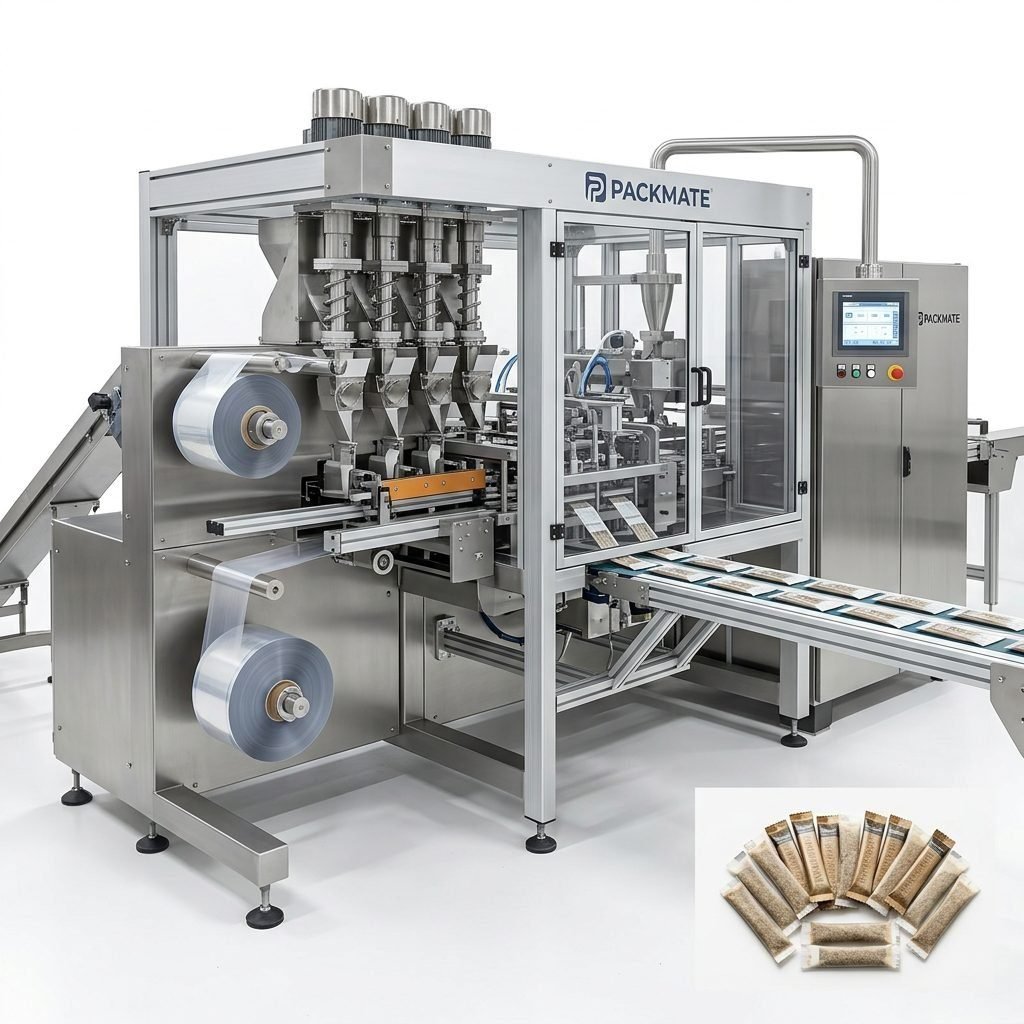
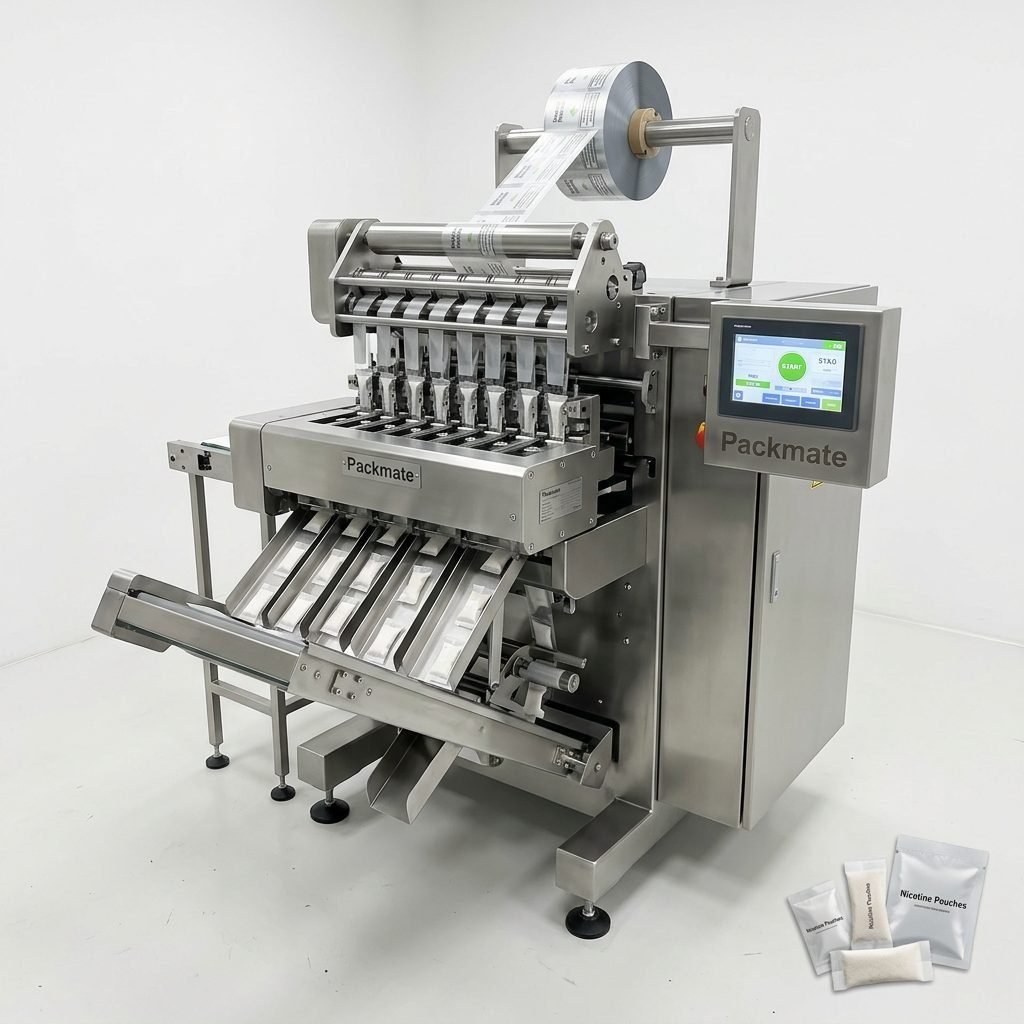
South Africa’s snus and nicotine pouch market is growing steadily, and choosing the right packaging machinery can determine whether your production line becomes a competitive advantage or a recurring headache. This practical buyer’s guide walks you through the key factors—technical, commercial, and regulatory—to help you select the best snus packaging equipment for your operation. It condenses real-world considerations into clear steps and checklists so you can make a confident purchase decision.
Understanding the South African Market Context
The local regulatory landscape, import logistics, and consumer preferences all influence machinery choice. South African manufacturers typically balance cost-efficiency with the need for compliance and traceability. Expect to evaluate machines not just on throughput but also on sanitary design, ease of maintenance, and the availability of spare parts within the region.
Why local support and after-sales matter
📦 Local technical support reduces downtime. When a critical component fails, waiting weeks for a replacement can be far costlier than the spare itself. Ensure prospective suppliers have a clear plan for parts, remote troubleshooting, and on-site service.
🔎 Tip: Ask about a local agent, dedicated field engineer, or a stocked parts kit for South Africa before you sign. This single check often separates good purchases from costly ones.
Types of Snus Packaging Machines — Match the product to the process
There are several machine categories used for snus and nicotine pouch packaging. Your product form, dosing precision, and desired output speed will determine the type you need.
Sachet & Stick Pack Machines
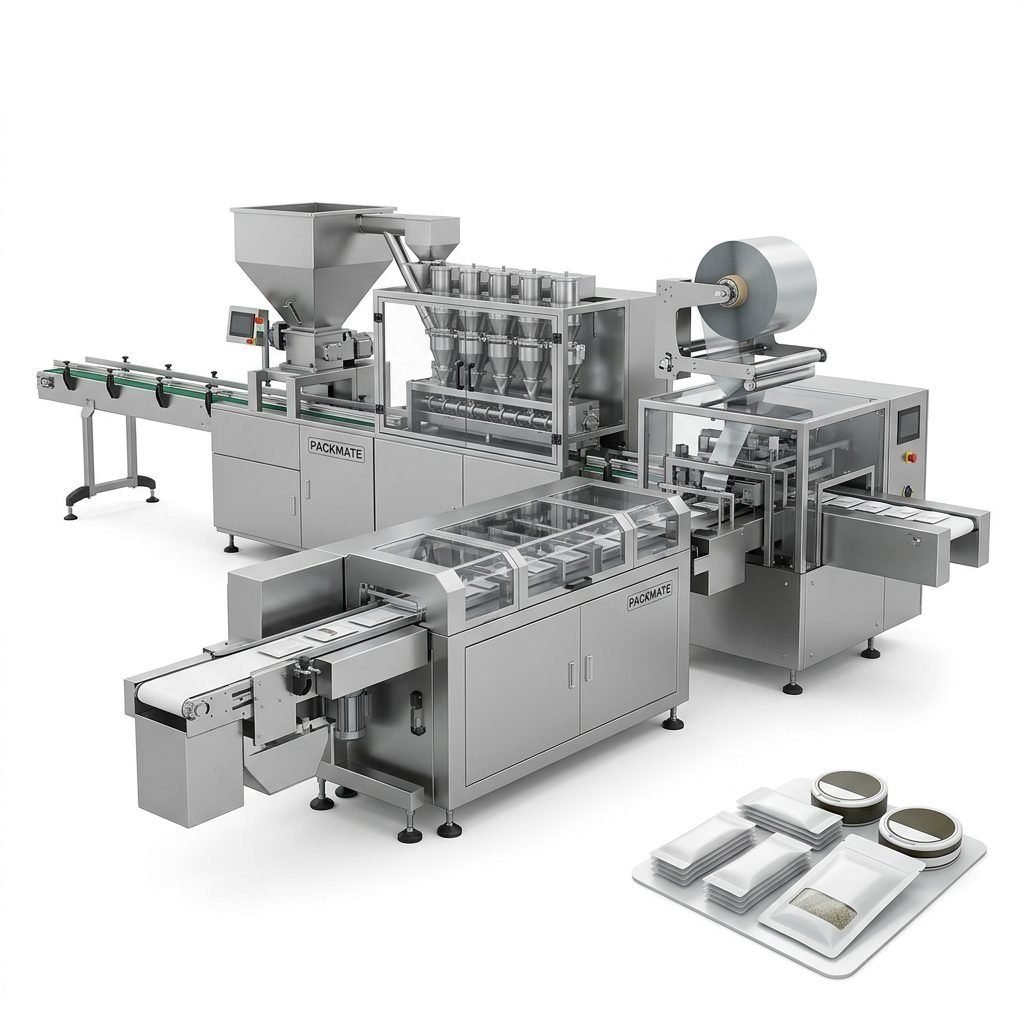
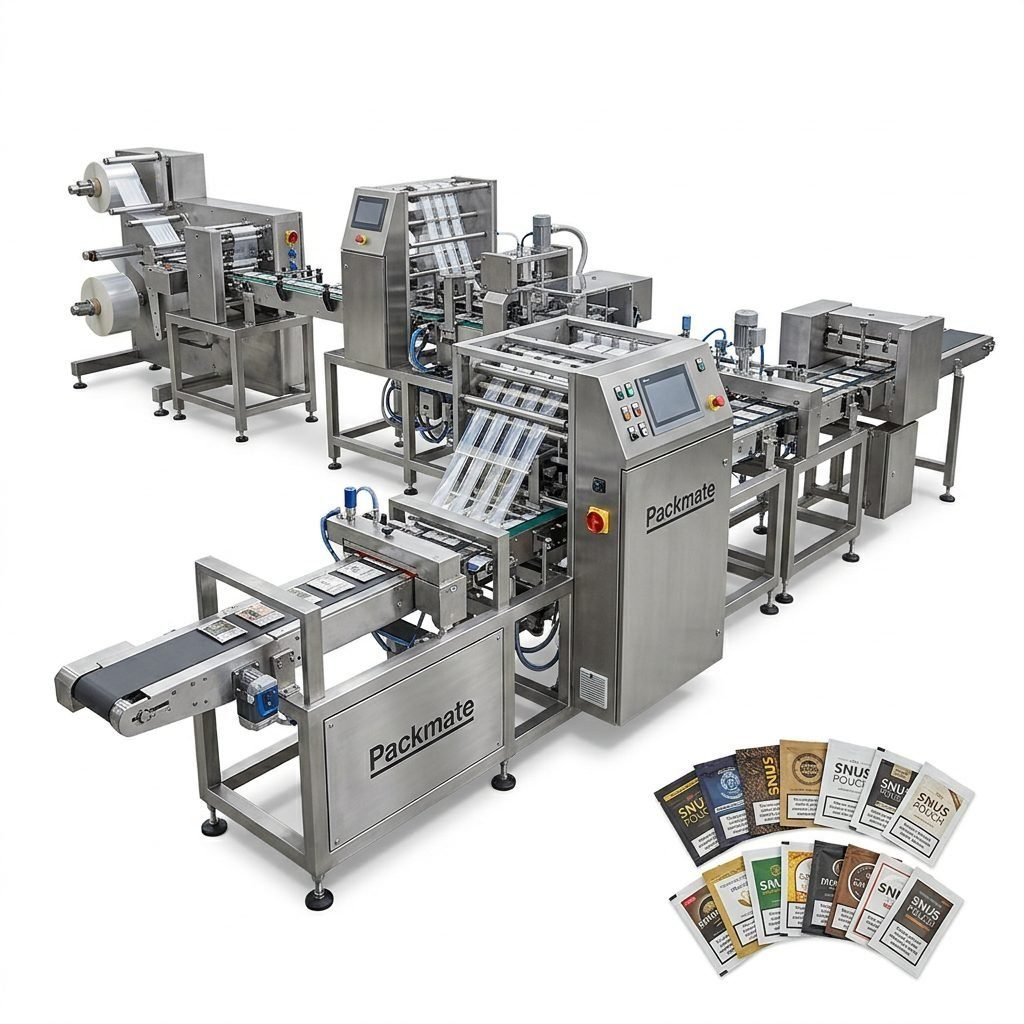
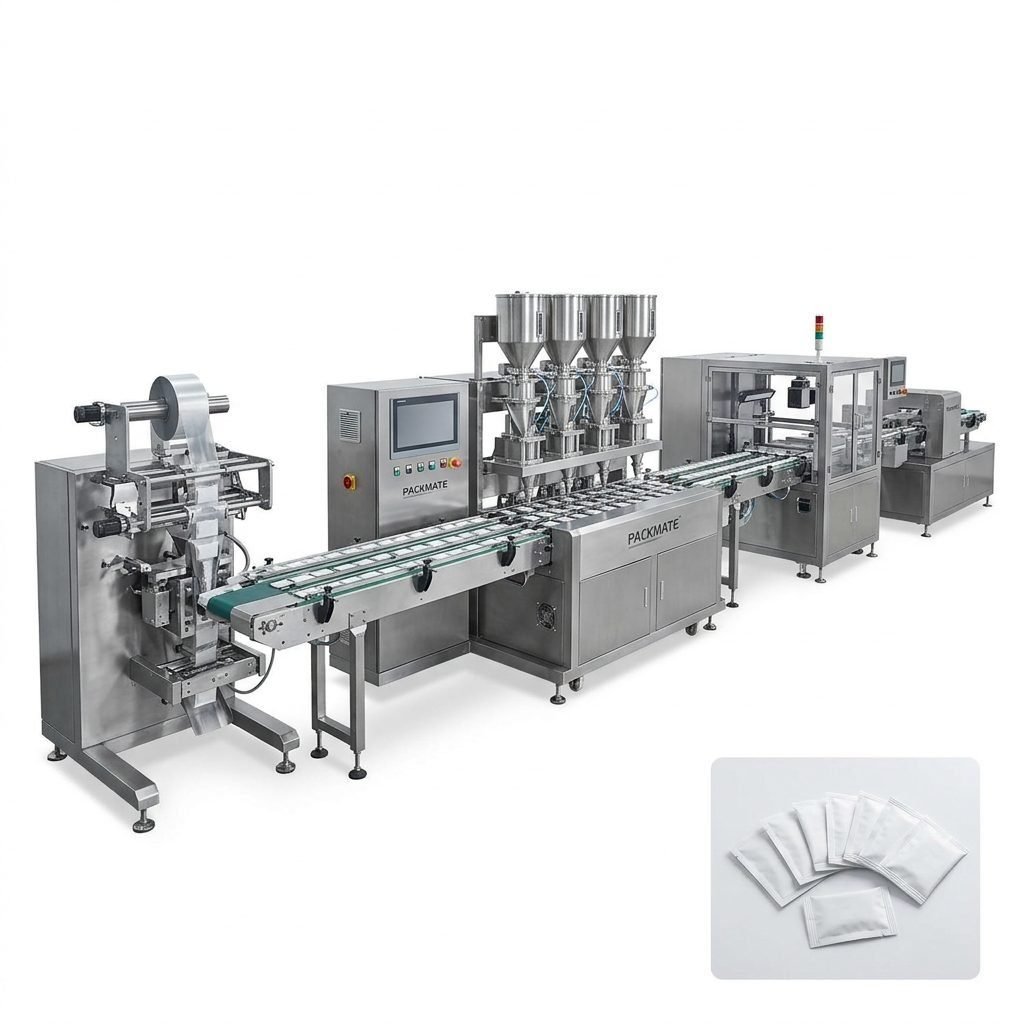
🧾 Best for single-dose pouches and stick formats. These machines are versatile for powders, granules, and small pouches. If your product requires quick changeovers and compact footprint, consider models in the sachet and stick pack class. Explore sample configurations on the manufacturer’s product pages such as Sachet & Stick Pack Machines.
Snus & Nicotine Pouch Packaging Machines
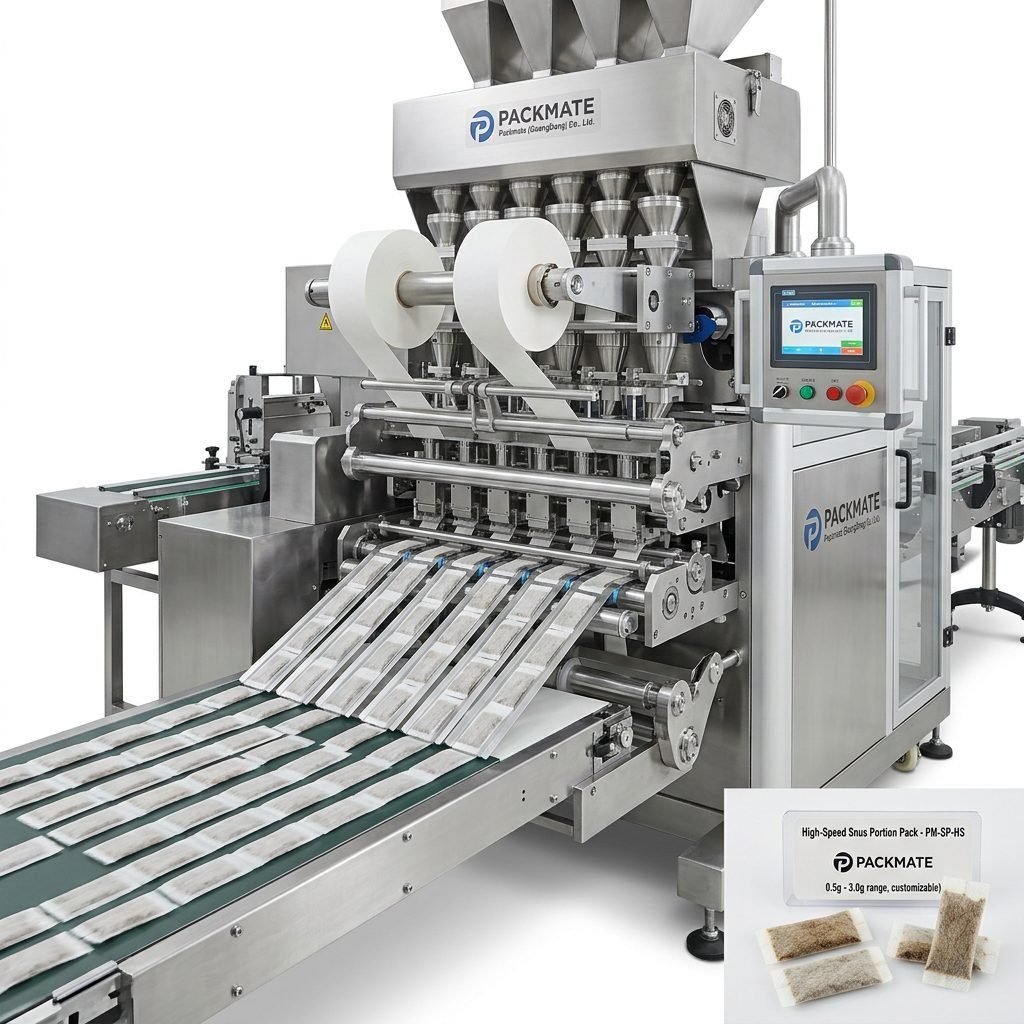
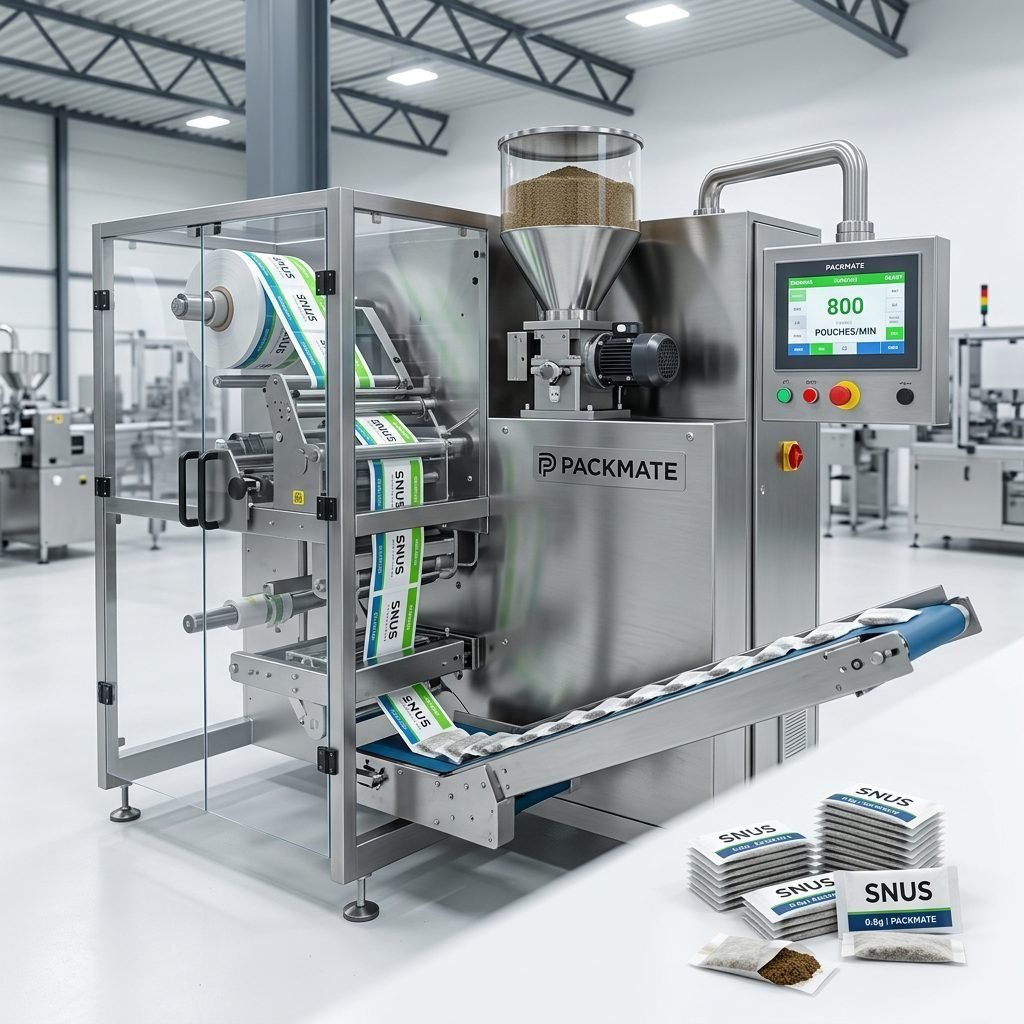
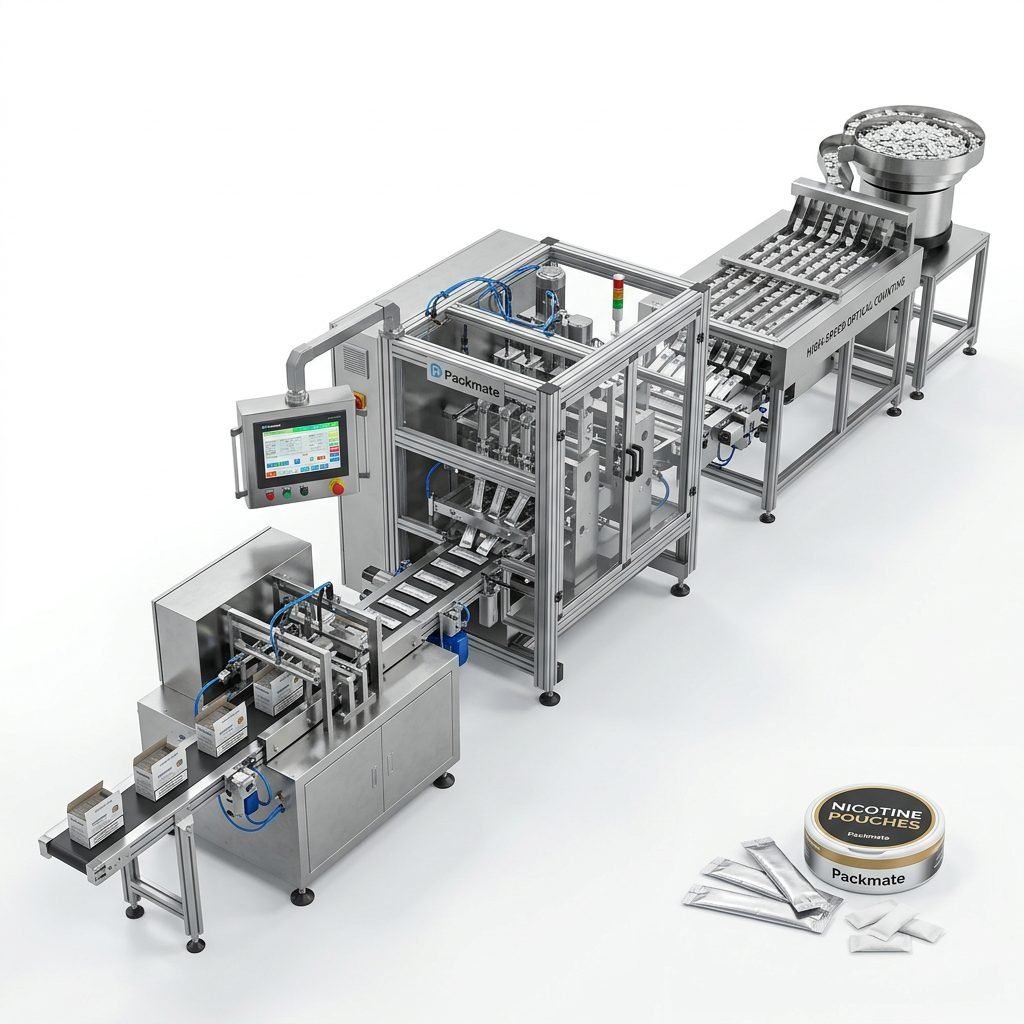
🧪 Designed specifically for nicotine pouches and snus formats, these machines handle the delicate filling, pouch forming, and sealing processes required for high-quality finished products. If your focus is nicotine pouches, review dedicated lines at Snus & Nicotine Packaging Machines.
Multi-lane Systems
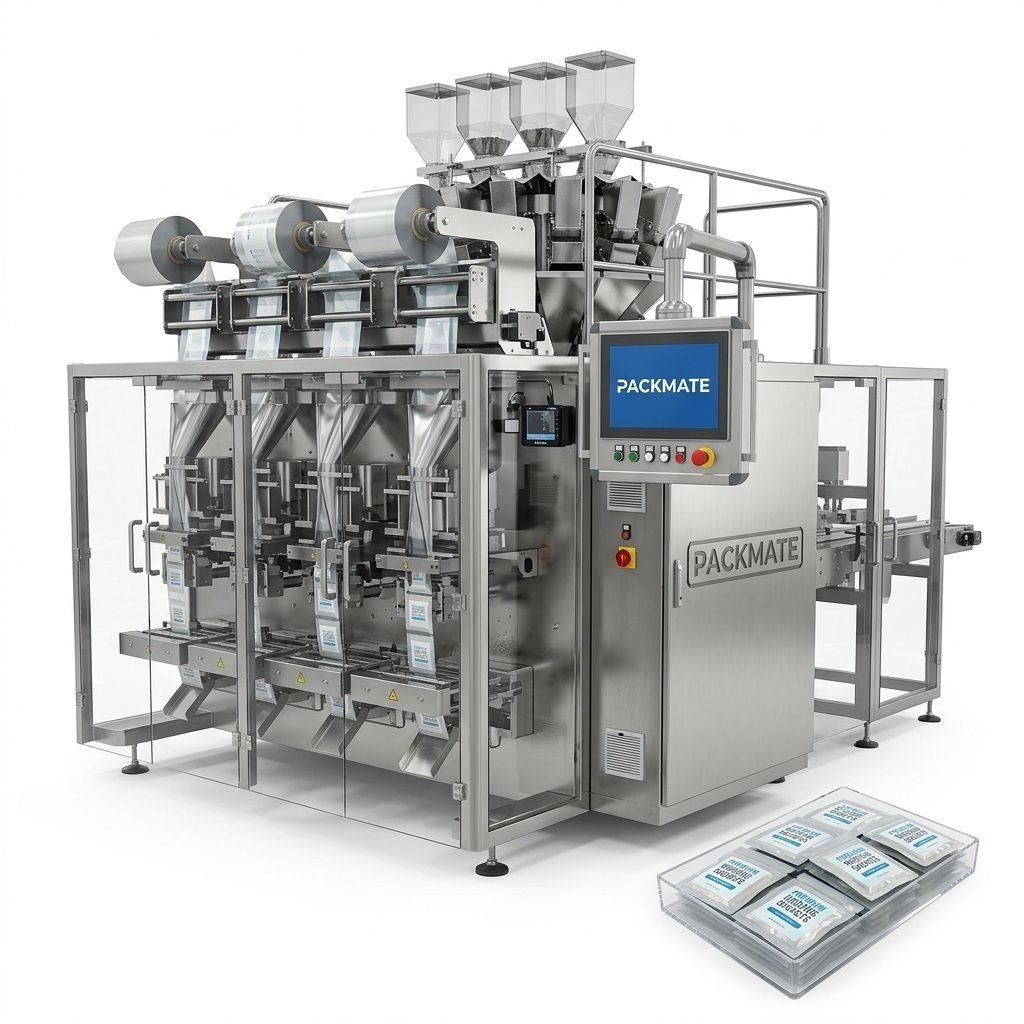
⚙️ For high-output plants, multi-lane machines multiply throughput without a proportional increase in floor space. These systems suit producers scaling up from pilot runs to commercial volumes. Ensure your floor plan, utilities, and handling equipment support the increased capacity.
Key Technical Specifications to Evaluate
Evaluate machines across these technical dimensions to match capability with needs.
✅ Throughput (pouches/min): Ensure the machine can meet your peak production targets with a margin for growth.
✅ Dosing accuracy: Tolerance levels for nicotine product weight are critical—specify performance in mg or grams.
✅ Changeover time: Faster tool-free changeovers reduce waste and downtime between SKUs.
✅ Material compatibility: Confirm compatibility with your pouch material (paper, foil, composite films).
Compliance, Certifications & Traceability
South African and export markets may require CE or ISO-level compliance along with product traceability features. Insist on machines with good hygiene design, CIP-friendly areas where applicable, and clear labeling/serialization support for regulatory reporting.
🔐 Ask for documented certifications (CE, ISO) and machine-level test reports. Many reputable manufacturers publish certificates and test documentation—see company credentials like Certificate.
Automation, Integration & Industry 4.0
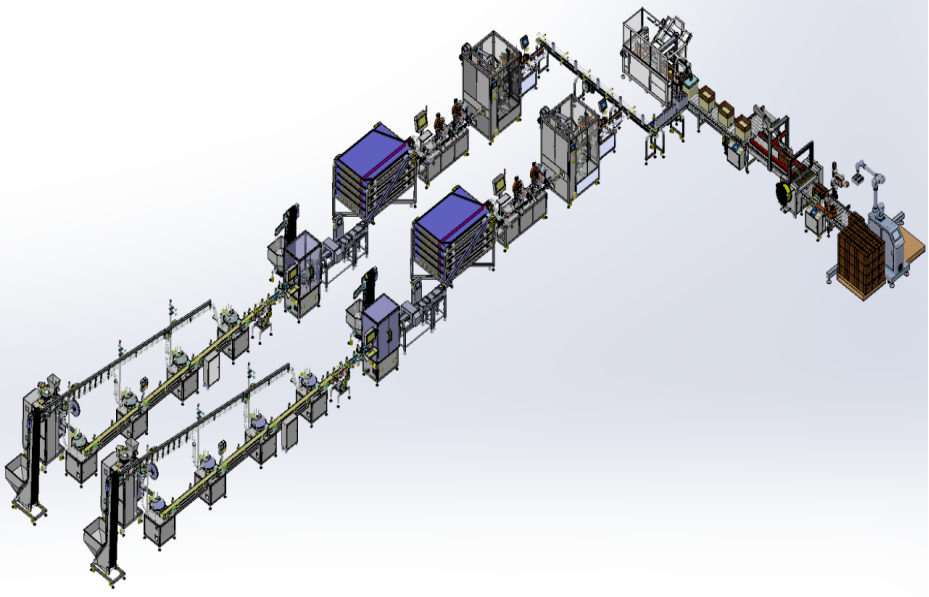
Modern packaging lines must integrate with upstream weighing, filling systems, and downstream cartoning. Evaluate PLC/HMI standards, communication protocols (Ethernet/IP, Profinet), and remote diagnostics capability.
🌐 Remote monitoring saves travel time and speeds troubleshooting. Request a demo of the manufacturer’s HMI menus and remote service tools before purchase.
Maintenance, Spare Parts & Training
A robust maintenance plan is as important as the machine specs. Look for clear documentation, training programs, and spare part kits.
🛠️ Training: Confirm that the vendor offers on-site operator and maintenance training, plus manuals and parts lists.
🔧 Spare parts: Request lead times for critical parts and recommended spares to keep on-site. Where possible, choose machines built with widely available components (motors, bearings, PLCs).
Selecting a Supplier: Questions to Ask
When evaluating suppliers, combine technical due diligence with business checks. Ahead of a formal RFQ, ask:
• What is your track record with snus/nicotine pouch clients? (ask for references and case studies, e.g., Case)
• Can you provide SAT (site acceptance test) and FAT (factory acceptance test) documentation?
• What warranties and service-level agreements are included?
• Do you offer turnkey solutions including weighing and filling integration? (see related systems at Weighing & Packaging Systems)
Cost of Ownership: Beyond the Purchase Price
Total cost of ownership (TCO) includes installation, commissioning, spare parts, consumables, energy use, and labor. A lower upfront price can mask higher running costs—evaluate energy efficiency, yield (good pouches per hour), and typical maintenance intervals.
Calculating ROI
Build a simple ROI model: annual production volume × margin per pouch minus annual operating cost (labor, energy, parts). Compare the payback period across shortlisted machines. For many small-to-mid plants, a machine with slightly higher cost but higher uptime and accuracy will pay back faster.
Installation, Commissioning & Factory Acceptance Tests
Ensure the supplier supports FAT before shipment and SAT after installation at your site. A detailed FAT reduces risk: you should see the machine running your formulation, packaging material, and target speed.
🚚 Logistics: Confirm packing, shipping method, and any import documentation needed for South Africa. Vendors with export experience typically ease customs clearance and local delivery delays.
Sustainability & Material Choices
Packaging consumers and regulators increasingly value recyclable or compostable materials. If you plan to use eco-friendly films or paper-based laminates, confirm machine sealing technology and temperature control compatibility.
♻️ Material trials are essential—request a trial run with your intended film supplier to confirm seal integrity and pouch aesthetics.
Checklist Before You Buy
Use this pre-purchase checklist to validate proposals:
✓ Production capacity and growth margin validated
✓ Dosing accuracy specifications signed off with test data
✓ FAT/SAT procedures defined and agreed in the contract
✓ Spare parts list and lead times provided
✓ Training and documentation included in the offer
Why Choose an Experienced Manufacturer
Manufacturers with decades of experience in snus and pouch packaging design bring proven engineering solutions. They can offer multi-lane lines, turnkey integration, and customized options for complex formulations. For example, learning about a manufacturer’s history and capabilities—such as facility size, model range, and specialized product lines—helps build confidence. Refer to supplier background information like About Packmate and their product catalogs when shortlisting.
Making the Final Decision
Balance technical fit, supplier reliability, and TCO to make a decision. Prioritize uptime, dosing accuracy, and local service options. Visit the factory if feasible, request live demonstrations, and compare multiple offers under the same performance criteria.
📌 Final reminder: ask for references from customers using similar machines and request recent SAT/FAT reports. This reduces procurement risk and speeds your path to stable production.
Next Steps: Where to Get More Information
If you want to explore machine models or request a quote, review product pages that detail machine families and technical datasheets such as Bag & Pouch Packaging Machines and Filling & Packaging Lines. For questions about service, commissioning, or exhibition demos, consult the supplier’s service and contact pages.
Common Questions (FAQs)
Q1: How do I choose between a single-lane and a multi-lane snus packaging machine?
A1: Choose single-lane for lower volumes and flexibility; multi-lane for high throughput and optimized floor use. Consider future growth, product type, and investment budget.
Q2: What certifications should the machine have for export and local compliance?
A2: Look for CE and ISO certifications, documented FAT/SAT records, and hygiene-friendly design. Confirm any country-specific registration requirements for nicotine-related products.
Q3: Are trials and FATs typically available before purchase?
A3: Yes. Reputable manufacturers offer FAT with your materials and SAT at your site. Always request a FAT demonstration using your packaging film and product formulation.
Q4: How much spare inventory should I keep onsite?
A4: Maintain spares for wear parts (seals, belts, sensors) and one critical electronic spare (PLC module or HMI) where lead times are long. The vendor’s recommended spare list is a good start.
Q5: Where can I get local help with installation and maintenance?
A5: Ask the supplier about local agents, authorized service partners, or factory-certified engineers for South Africa. Confirm service response times and remote support availability.