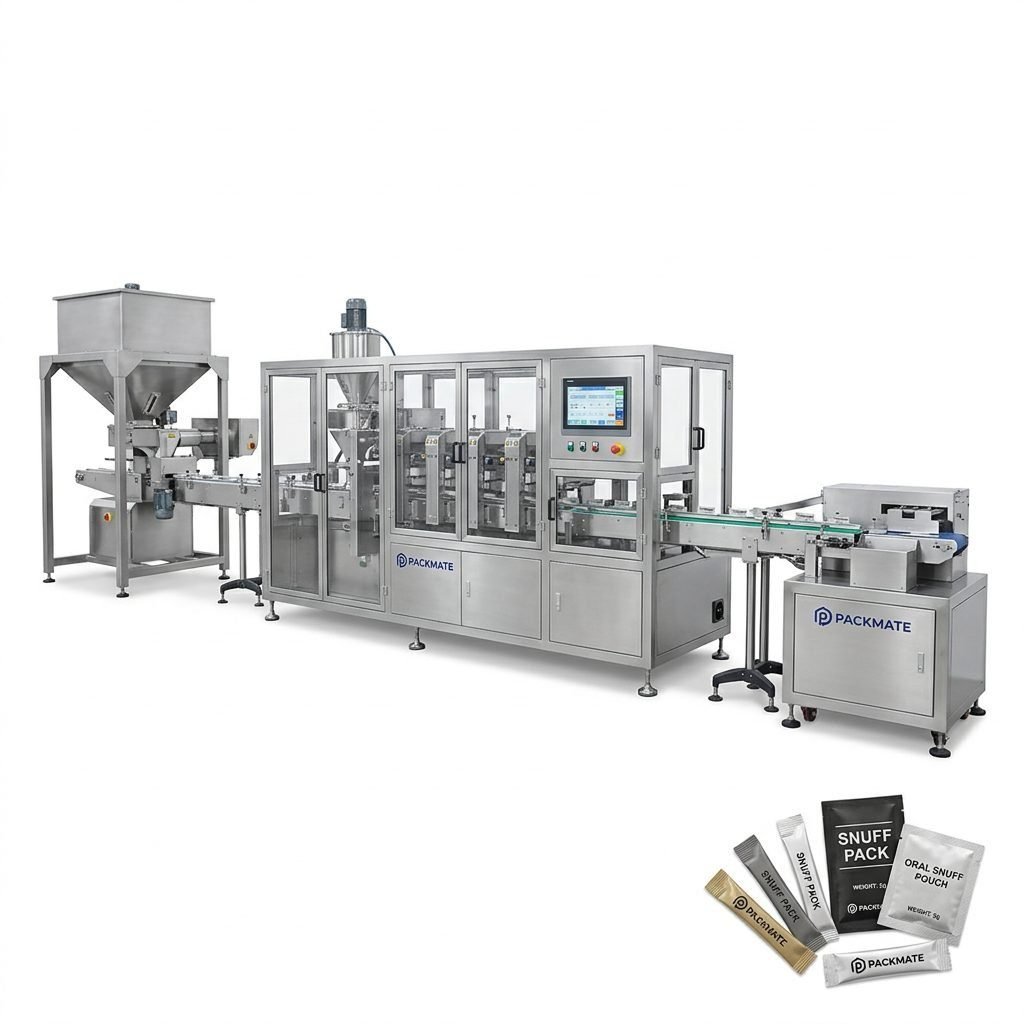
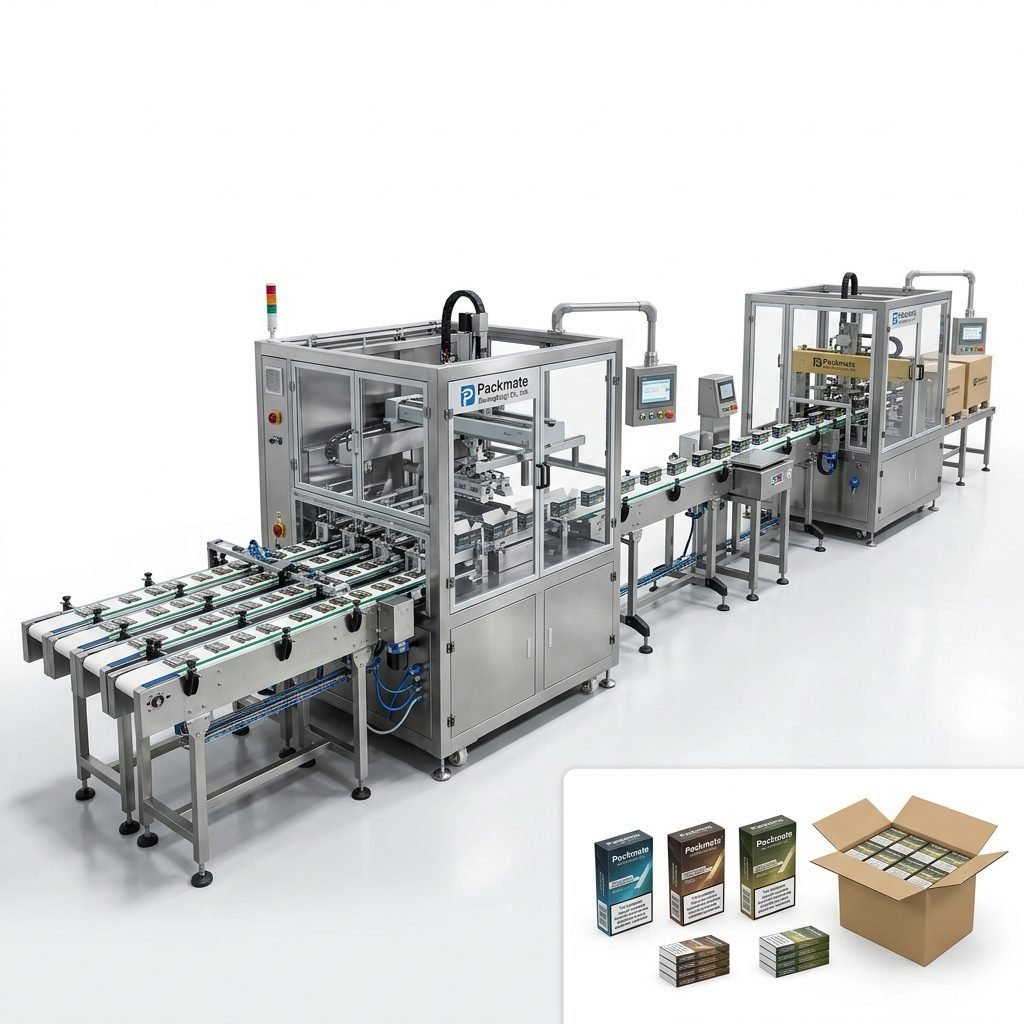
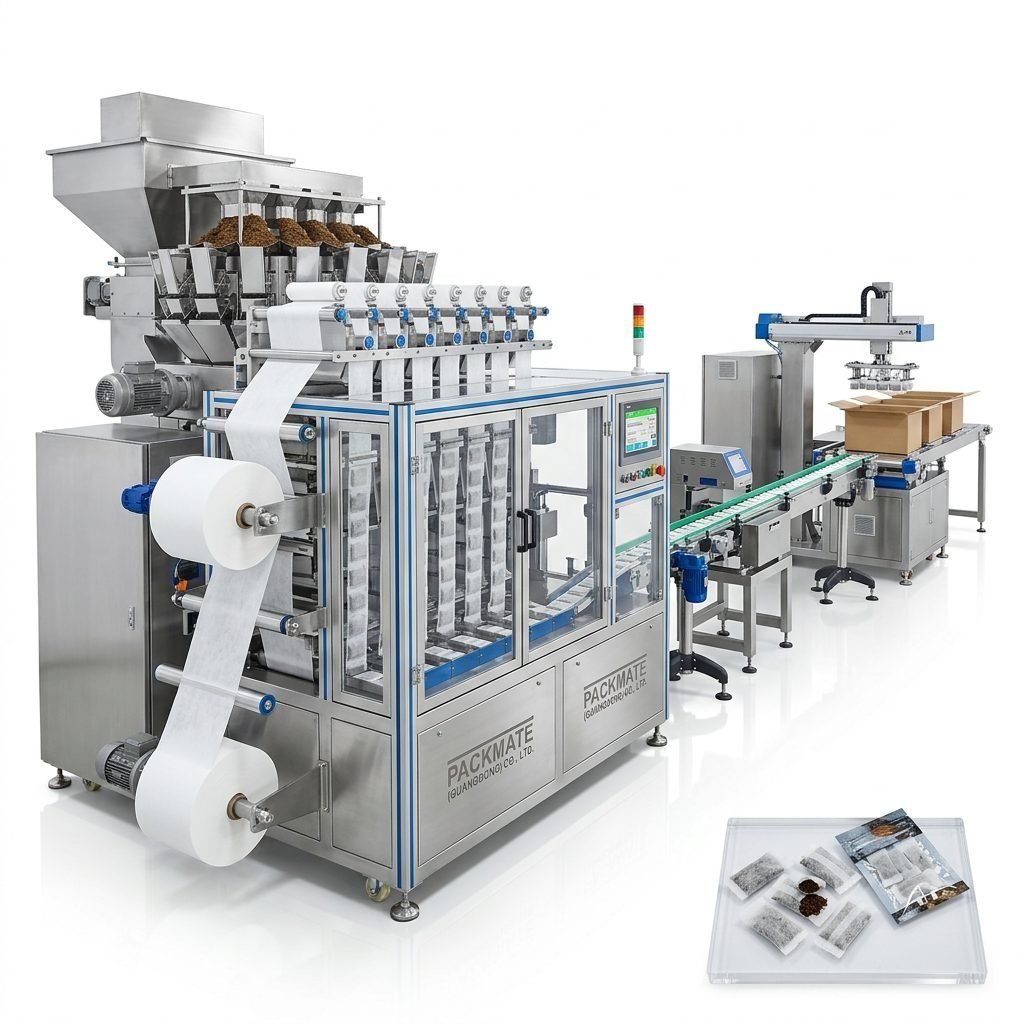
Antigua and Barbuda’s growing demand for snus and nicotine pouch products presents a unique opportunity for manufacturers and packagers. Choosing the right snus packaging machinery is critical to ensure product quality, regulatory compliance, and efficient operations. This guide covers practical selection criteria, machine types, supplier qualifications, logistics considerations for island markets, and a clear checklist to help you make an informed investment.
Understand the Local Market: Why Antigua and Barbuda Is Different
Antigua and Barbuda is a small island nation with unique market dynamics: limited local manufacturing infrastructure, small but stable consumer base, and strict import and labeling requirements for nicotine products. If you are producing locally or importing packaged snus, plan for smaller batch runs and flexible machine configurations that can switch between sizes and pouch types quickly.
Key local factors to consider
• Customs and import cycles — allow extra lead time for shipping and clearance. 🔁
• Small warehouse footprints — compact, multi-functional lines are often preferable. 📦
• Regulatory labeling — machines that can print or integrate label-feeder systems reduce post-packaging work. 🖨️
Types of Snus Packaging Machines and Their Use Cases
Choosing the right machine type depends on product format, throughput requirements, and packaging material. The main options include stick pack, sachet (pouch) machines, multi-lane systems, and complete filling & packaging lines for integrated operations.
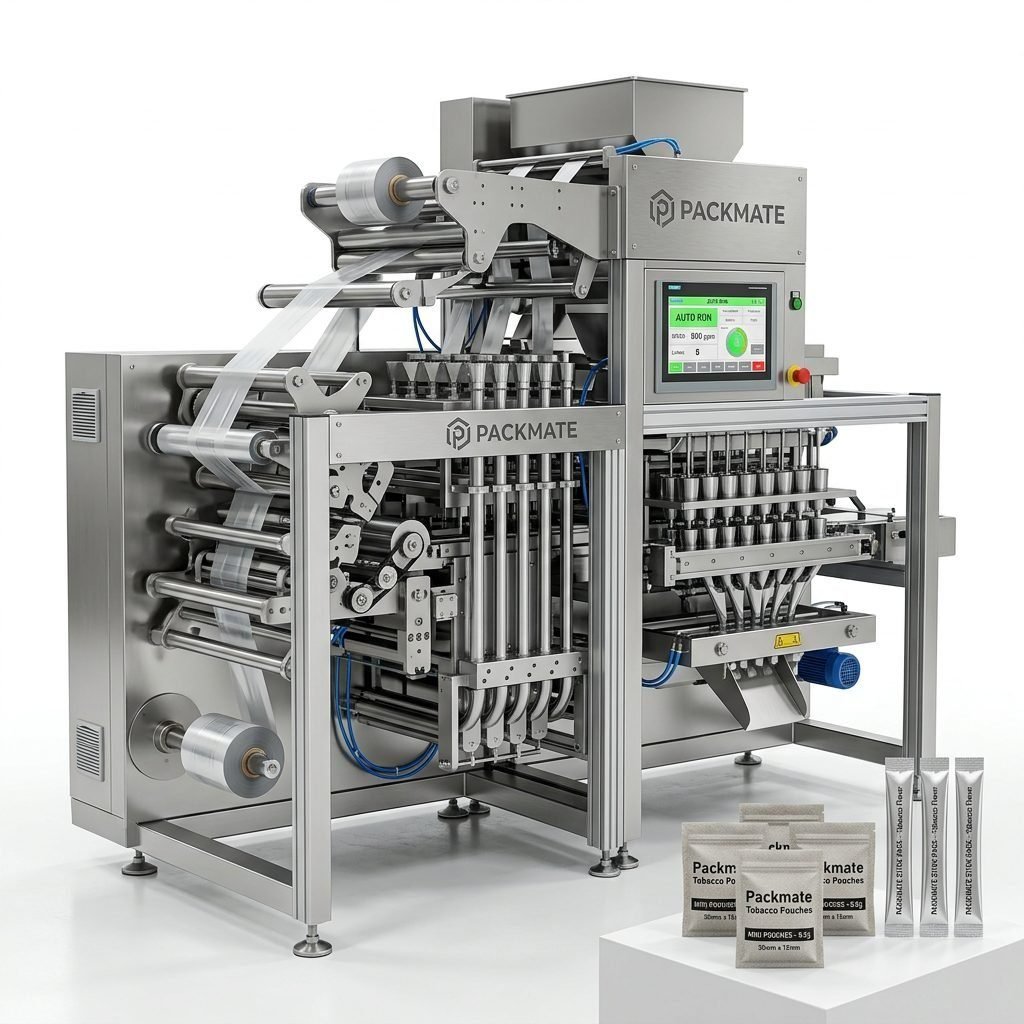
Stick Pack Machines — best for single-dose portions and long shelf-friendly stick formats. Fast and compact, ideal for niche brands or trial runs.
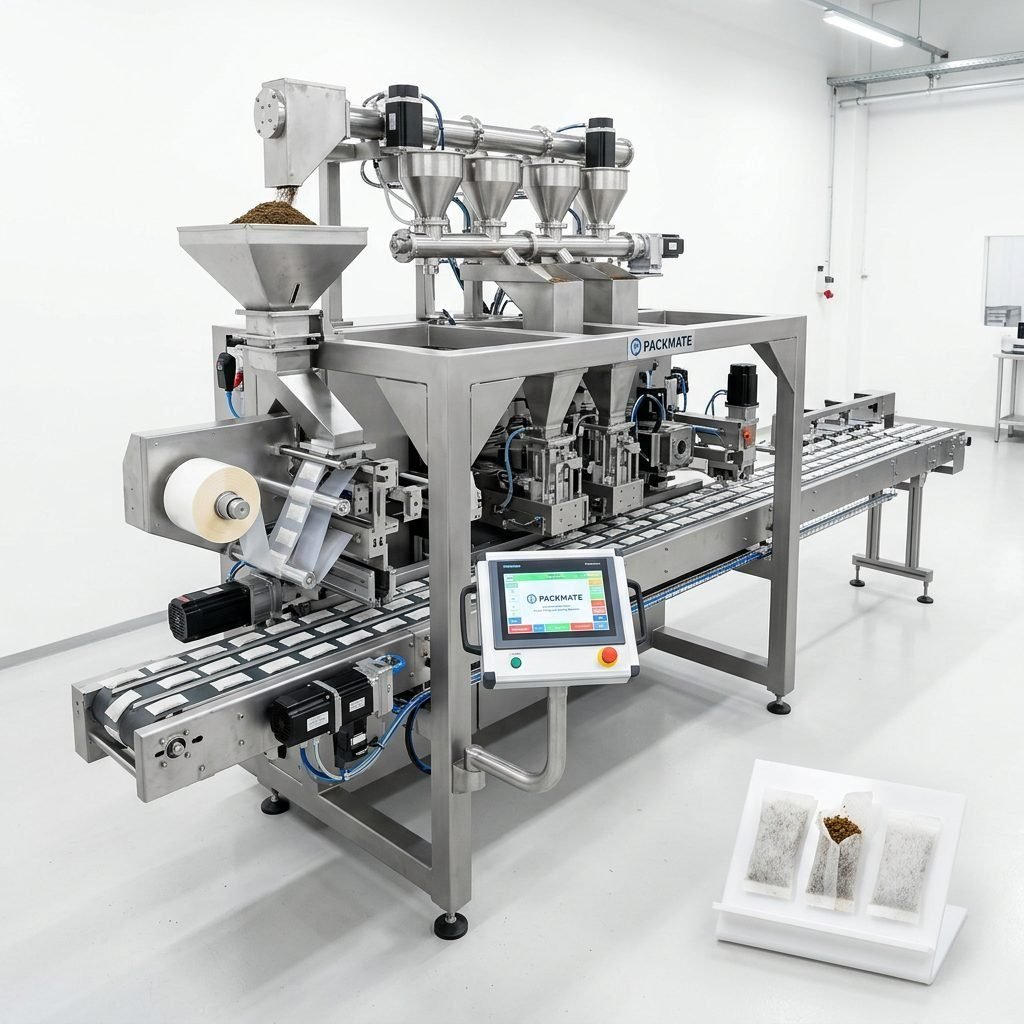
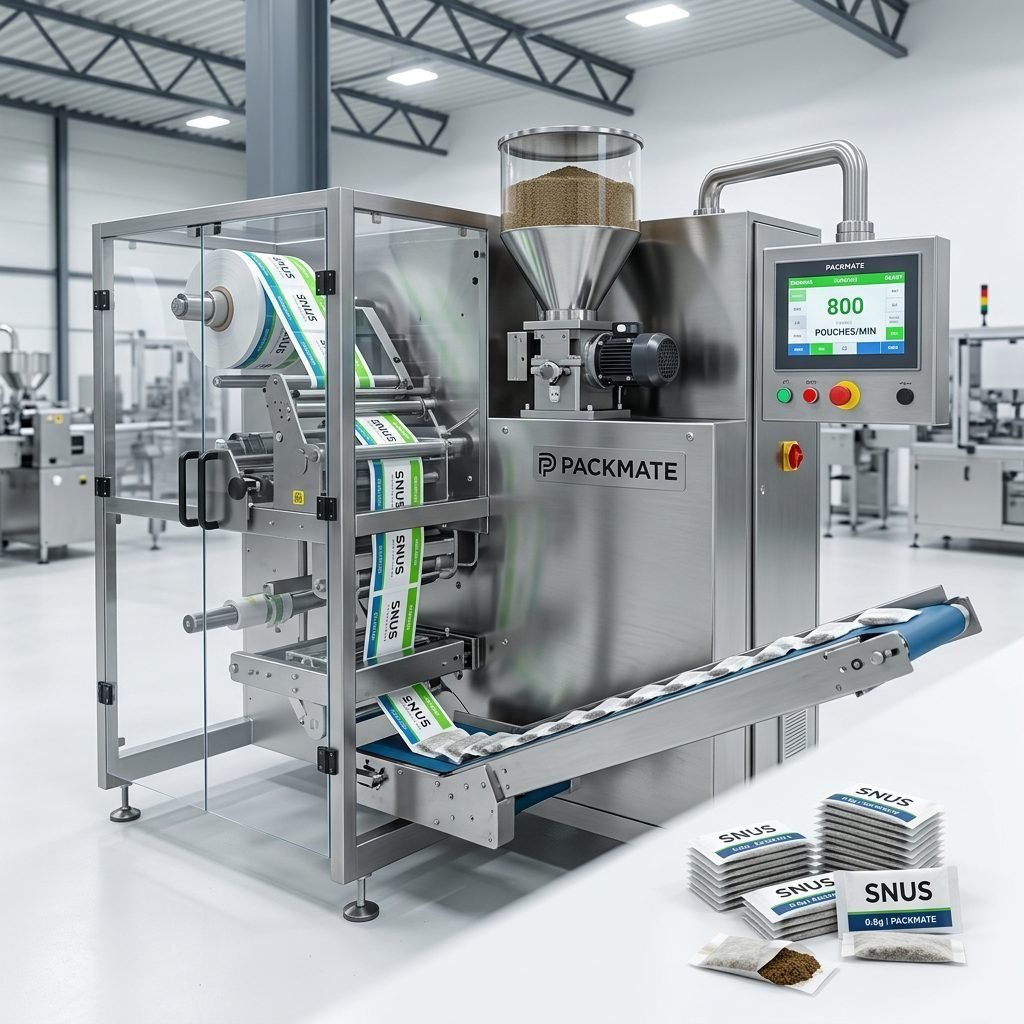
Sachet & Pouch Machines — popular for zero-waste, single-serve or multi-portioned nicotine pouches. Flexible for different sizes and compatible with high-barrier films.
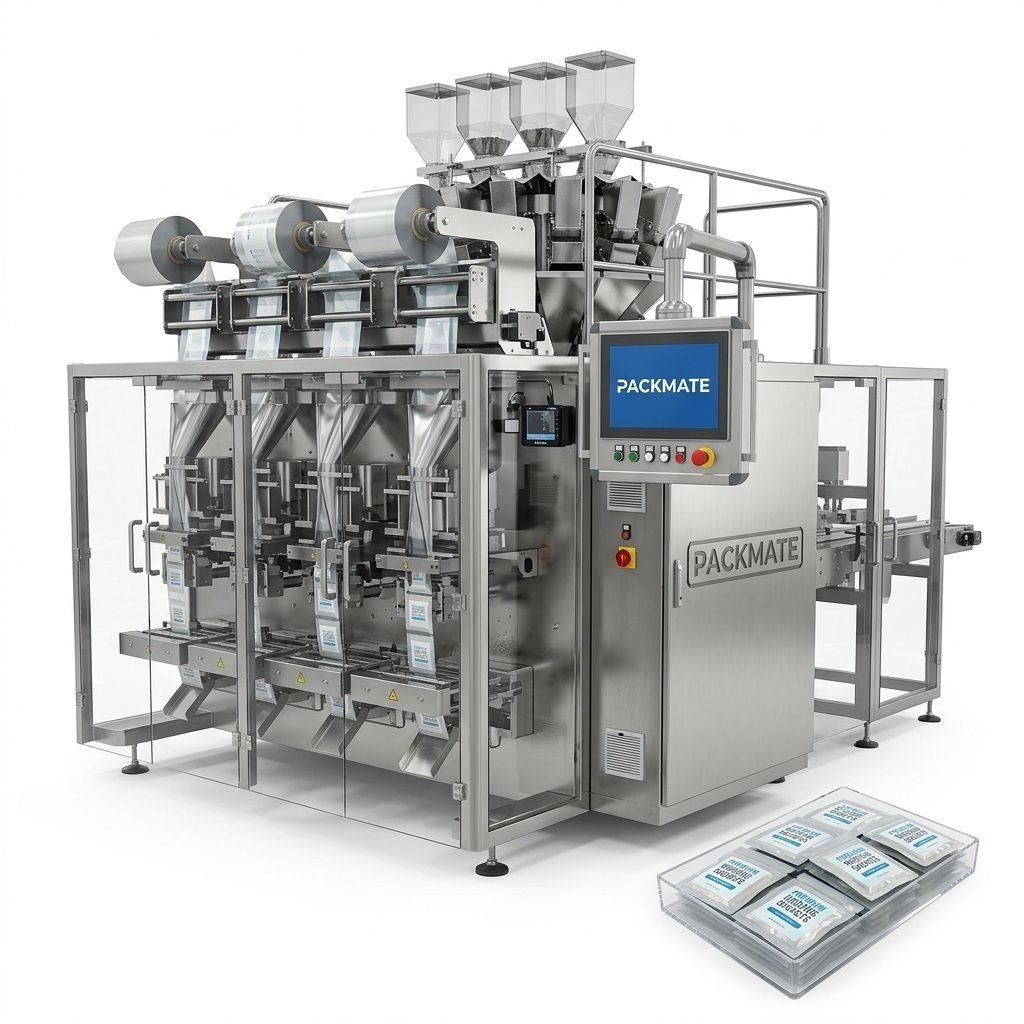
Multi-lane Systems — designed for higher output using multiple lanes running in parallel. Excellent when scaling production while conserving floor space.
Throughput vs. Flexibility: Finding the Right Balance
A machine optimized for maximum throughput may have lower flexibility for frequent product changes. For the Antigua and Barbuda market, many businesses prefer machines that offer modular upgrades — start with a compact sachet or stick pack unit, then add lanes or automation modules as demand grows.
Questions to ask about capacity
• What is the standard and maximum pieces per minute? ⏱️
• Can speeds be scaled up without replacing the core unit? 🔧
• How long does a format changeover take?
Materials Compatibility and Barrier Requirements
Nicotine pouches often require high-barrier films to maintain freshness and shelf life. Ensure the machine you select is compatible with your chosen film type (laminated films, foil, or bio-based films) and can handle varying thicknesses without frequent adjustments.
Quality, Safety, and Certifications
Select machinery from manufacturers that provide internationally recognized certifications such as CE and ISO. Certified equipment tends to have better documentation, compliant electrical systems, and safer machine guards — all crucial for long-term reliability and compliance.
Packmate Snus Machine, with over 30 years of engineering experience and a 20,000㎡ factory, demonstrates how strong manufacturing capabilities translate into dependable machines and global compliance.
After-sales Support, Spare Parts and Local Service Considerations
For island operators, fast access to spare parts and technical support is vital. Ask potential suppliers about local service partners, remote diagnostics, and spare parts shipping lanes. A vendor that offers comprehensive Service and a clear spare-parts plan will minimize downtime.
Support checklist
• Remote troubleshooting capability (video calls, PLC remote access). 💻
• Spare parts kit for wear components shipped proactively. 🧰
• On-site commissioning and operator training included.
Logistics and Installation on an Island
Shipping large packaging lines to Antigua and Barbuda requires coordination: choose machines that are modular and can be skid-mounted or crated for sea freight. Verify the supplier’s shipping experience to Caribbean ports, and ensure they prepare full customs documentation.
Tip: Request machine dimensions, weights, and a packed layout drawing before booking freight. This reduces customs delays and local handling surprises.
Total Cost of Ownership and ROI
Evaluate not just the purchase price but total cost of ownership: energy use, spare parts, consumables, downtime risk, and operator training. Machines with higher initial costs may deliver faster ROI if they reduce waste, improve yield, and require less maintenance.
Customization & Future-proofing Your Line
Seek vendors who provide modular designs, optional add-ons (e.g., metal detection, nitrogen flushing, printing/labeling), and flexible recipe storage. These features make it easier to introduce new SKUs without full machine replacement.
Choosing a Reliable Supplier: What to Look For
Supplier trustworthiness is more than marketing. Look for demonstrated experience in snus/nicotine packaging, proven references, and a global footprint. Visit manufacturer case studies and machine galleries to compare real-world applications.
Consider suppliers like Packmate Snus Machine, which publicly shares its product lines including Snus & Nicotine Packaging Machines, Bag & Pouch Packaging Machines, and their factory capabilities. Their 30+ years of experience and 50+ machine models show a breadth of solutions for various production sizes.
Factory Acceptance Tests (FAT) and Site Acceptance Tests (SAT)
Always request a FAT report or live demonstration before final acceptance. FATs confirm performance specs, speeds, and quality metrics at the supplier’s facility. After shipment, a SAT validates the machine runs under real production conditions in Antigua and Barbuda.
FAT & SAT checklist
• Run time trials at target speeds.
• Sample packaging tests using your film and formulations.
• Calibration of weighing/filling systems and reject settings.
• Operator training and maintenance walkthrough.
Practical Checklist Before Signing a Purchase Order
1. Confirm regulatory labeling and printing needs.
2. Validate machine compatibility with your packaging materials.
3. Check lead times including shipping and customs.
4. Review warranty terms, spare parts lead times, and service plans. Do not skip this step.
5. Ensure the supplier provides an installation and commissioning plan.
Real-world Example: Scaling from Niche to Volume
A small brand launching in Antigua might start with a single-lane sachet unit for low-volume runs, then upgrade to a 4-lane multi-lane system as demand increases across the Caribbean. Choosing machines that support lane addition or modular automation reduces capital risk and shortens expansion timelines.
Useful Links and Resources
Explore product lines and technical specs for inspiration: Snus & Nicotine Packaging Machines, Bag & Pouch Packaging Machines, and contact the supplier via Contact Us for quotes and customized solutions.
Final Recommendations
Bottom line: Invest in modular, certified machines from experienced suppliers, prioritize spare parts planning for island logistics, and insist on FAT/SAT verification. These steps reduce downtime, improve product consistency, and protect your ROI.
Frequently Asked Questions (FAQs)
Q1: How long does it take to install a typical snus pouch packaging line in Antigua and Barbuda?
A1: Installation time varies by complexity. A single-lane sachet machine can often be installed and commissioned within 3–7 days after arrival, while multi-lane or integrated filling lines may require 2–4 weeks including SAT and operator training.
Q2: Are spare parts easy to source for European/Asian machines?
A2: Reputable manufacturers maintain spare parts inventories and can ship internationally. Consider ordering a spare-parts starter kit and confirm lead times during purchase negotiation.
Q3: Can machines be adapted to different pouch sizes and nicotine dosages?
A3: Yes. Most modern sachet and stick pack machines support recipe storage and quick format changeover. Verify the manufacturer’s changeover time and required tooling.
Q4: What certifications should I require from a snus packaging supplier?
A4: Require CE and ISO certifications at minimum, and request documentation that electrical components and safety systems meet regional standards.
Q5: Who can help with design and scaling for Caribbean markets?
A5: Look for suppliers with global turnkey experience and case studies in similar markets. Packmate Snus Machine’s portfolio and case references can illustrate real-world deployments and scaling strategies.