Choosing the right nicotine packaging machine supplier in Bhutan requires more than a quick price comparison. Bhutan’s unique market dynamics, regulatory environment, and cultural values call for a supplier who is technically excellent, reliable, and respectful of local norms. This guide walks you through practical steps and key considerations to help small and medium manufacturers, importers, and entrepreneurs in Bhutan select the best partner for nicotine pouch and snus packaging solutions.
Why the supplier choice matters in Bhutan 🇧🇹
Bhutan is known for its focus on sustainability, strong community ties, and a careful approach to new products and technologies. For nicotine-related packaging, local buyers and regulators pay attention to safety, labeling, and environmental impacts. Choosing the right supplier affects not only machine uptime and throughput, but also compliance, after-sales support, import logistics, and your brand reputation in a small but discerning market.
Understand Bhutan’s market and cultural considerations
Before you evaluate technical offers, consider these local aspects:
- Respect for sustainability: Bhutan prioritizes environmental protection. Suppliers offering recyclable packaging options or low-waste processes score higher in local acceptance.
- Regulatory caution: Nicotine products face close scrutiny. Machines that help ensure accurate dosing, tamper-proof sealing, and traceable production records are preferable.
- Discreet aesthetics & labeling: Many Bhutanese consumers and retailers prefer discreet, well-designed packaging with clear language and responsible messaging.
- After-sales proximity: Because Bhutan is geographically remote, a supplier with quick remote support, spare parts availability, and export experience will reduce operational risk.
Technical criteria: what to inspect 🔧
Evaluate machines on real performance metrics, not only specs on paper. Key technical points include:
- Production capacity and scalability: Can the machine meet your current volumes and scale up via multi-lane systems or faster models?
- Accuracy and consistency: Look for precision dosing and consistent pouch weight — critical for nicotine products.
- Material compatibility: Confirm the machine supports your chosen pouch materials, barrier films, and labels.
- Energy efficiency and maintenance: Lower energy and simplified maintenance fit Bhutan’s sustainable goals and reduce OPEX.
- Standards & certifications: CE, ISO and documented testing increase trust and simplify international trade compliance.
Quick tip: Request machine videos running your product, sample packs from production runs, and a full technical datasheet showing tolerance levels and maintenance intervals.
Customization & flexibility: avoid one-size-fits-all solutions
Bhutanese businesses often prefer flexible solutions that support small-batch runs, seasonal changes, and different SKUs. A supplier who provides customization—such as multi-lane setups for higher throughput or adjustable dosing modules—helps you adapt quickly. Explore suppliers that offer a range of options, from compact single-lane machines to full turnkey lines.
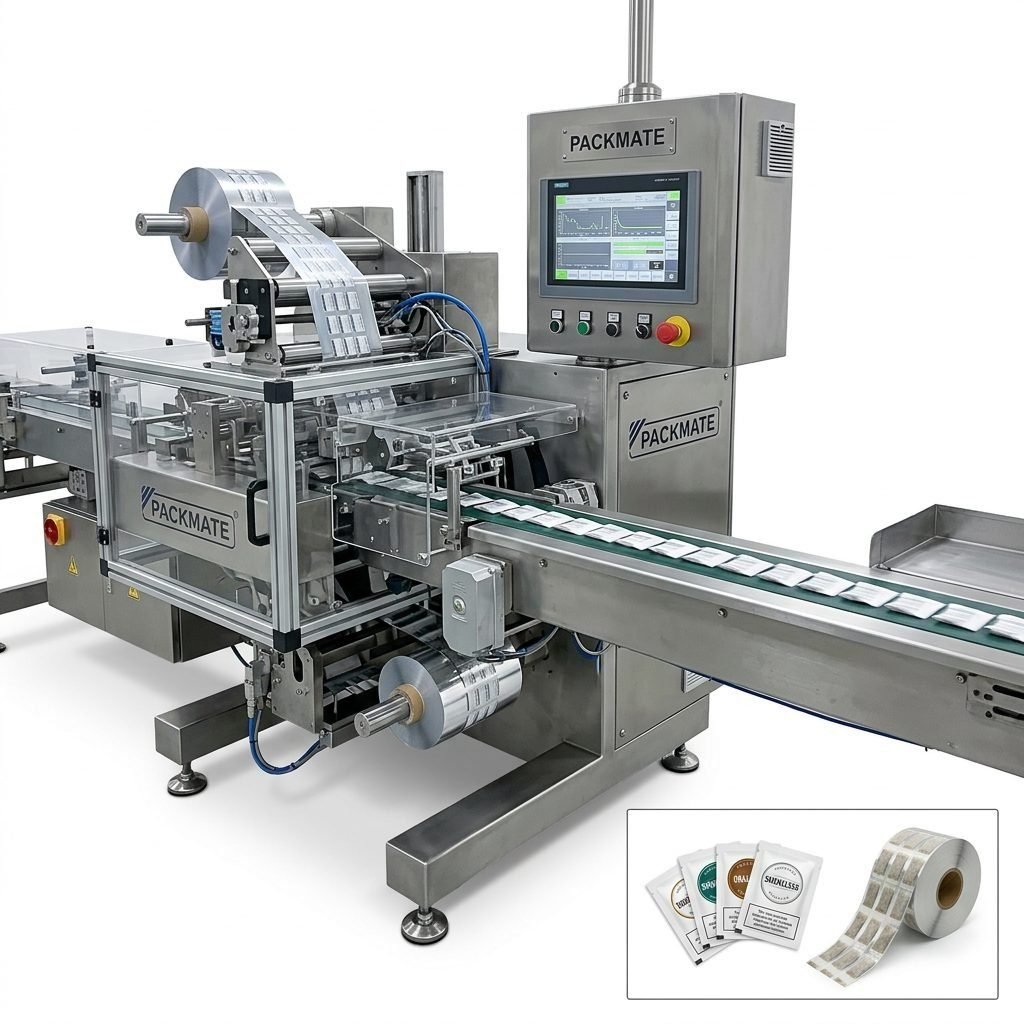
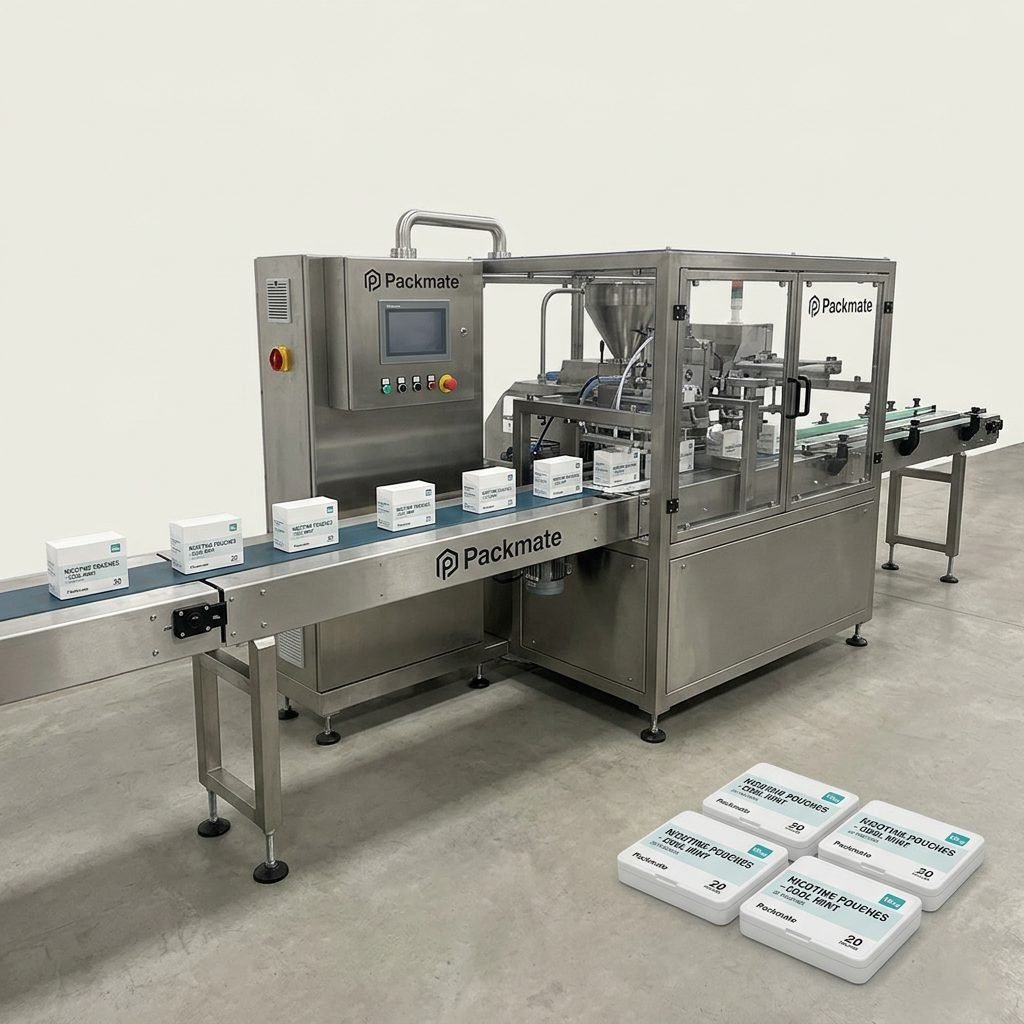
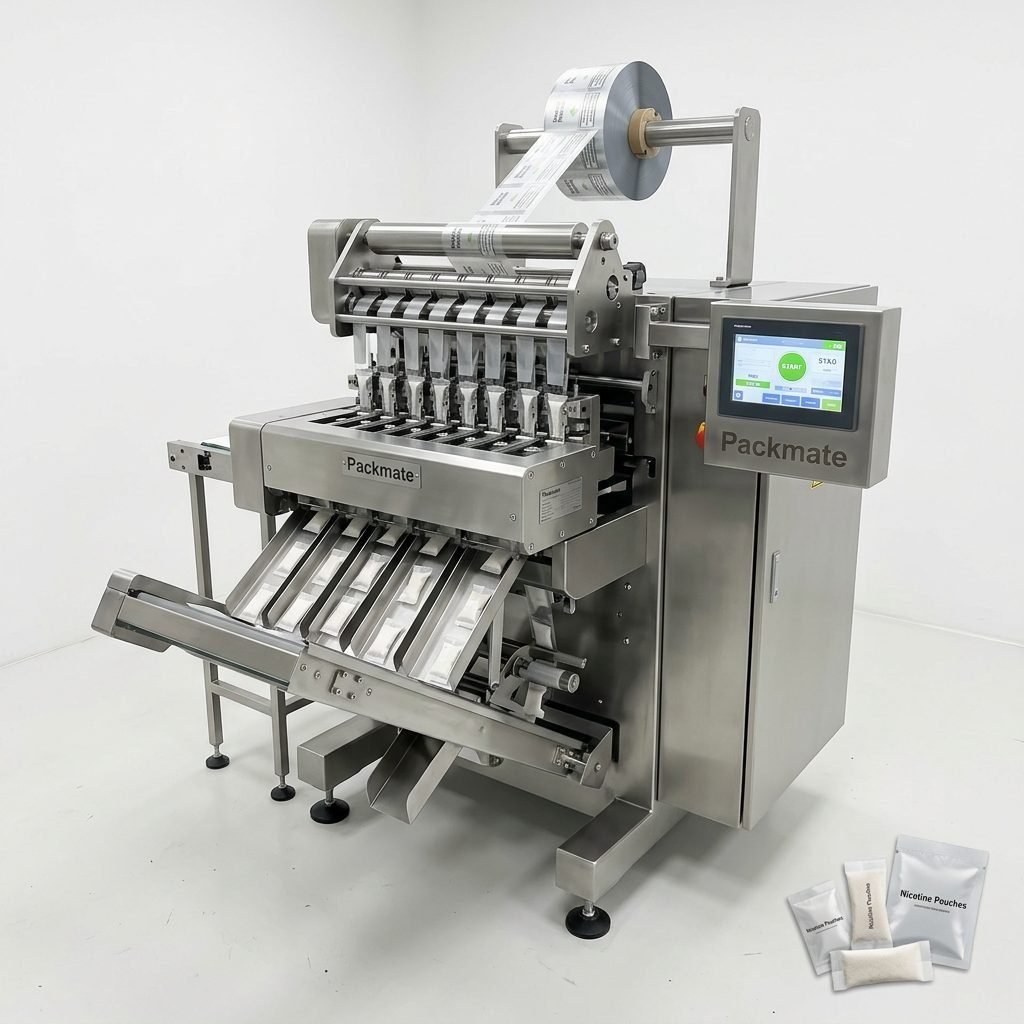
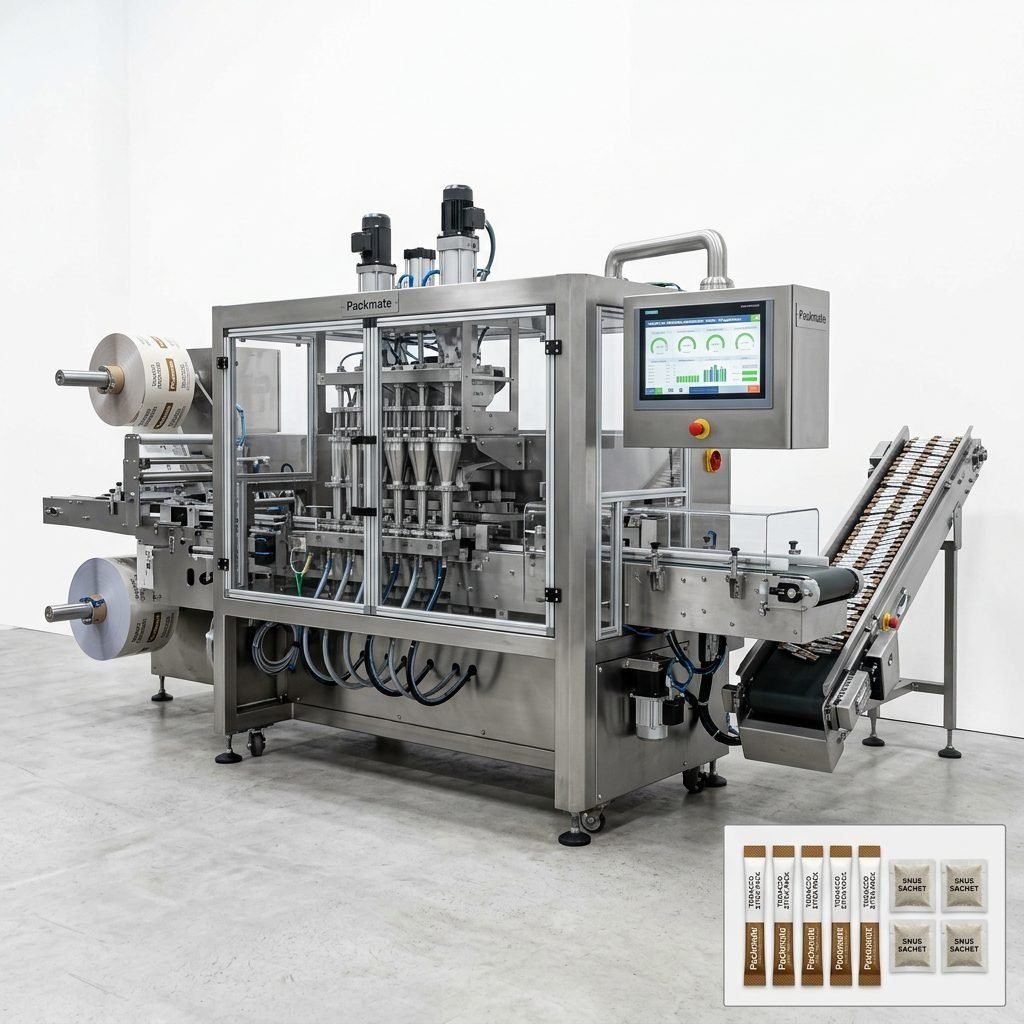
If you want to review specific machine families and models, check specialized product lines like Snus & Nicotine Packaging Machines and Bag & Pouch Packaging Machines to compare features and compatibility.
After-sales service, training & local readiness 📦
After-sales service is often the deciding factor for buyers in Bhutan. Consider:
- Response time for spare parts and technical support — limited local resources make fast remote diagnostics essential.
- Training packages — on-site commissioning and operator training reduce errors and improve safety.
- Comprehensive service contracts — preventive maintenance schedules, remote monitoring, and replacement part kits.
Look for suppliers with a clear service portfolio and a responsive contact channel like Contact Us options for quick inquiries.
Certifications, quality control and compliance
Compliance with international certifications and strong quality controls matter for export, retailer acceptance, and consumer safety. Verify:
- CE and ISO certifications for machinery and production processes.
- Factory inspection reports, production test certificates, and warranty terms.
- Quality assurance steps such as tolerance testing, in-line sensors, and rejection systems for out-of-spec pouches.
Suppliers that can provide documented proof and independent test reports reduce regulatory risk and build long-term trust. See their credentials such as Certificate details when available.
Cost analysis: look beyond the purchase price
Total cost of ownership (TCO) includes purchase price, installation, shipping to Bhutan, customs duties, spare parts, energy consumption, and downtime costs. Ask suppliers for:
- Detailed TCO breakdown and expected payback period based on your projected volumes.
- Options for local spare parts stocking or a recommended spares kit shipped with the machine.
- Trade terms (EXW, FOB, CIF) and assistance with export documentation to simplify clearance in Bhutan.
Money-saving note: A slightly higher upfront investment in a well-supported, energy-efficient line often results in lower TCO and less production disruption in Bhutan.
Factory capabilities & manufacturer credibility
Confirm the supplier’s manufacturing capacity, machining accuracy, and quality control systems. Important indicators include:
- Size and equipment of the manufacturing facility (CNC machining centers, precision assembly).
- Years of industry experience and product specialization — e.g., a supplier focused on snus or nicotine pouch machines is more likely to understand regulatory and technical subtleties.
- Portfolio of proven models and international export cases.
Review supplier case studies and exhibition presence to validate claims. Helpful references include their project Case studies and Our Exhibition appearances to see real-world deployments.
Machine types suited for Bhutanese operations
Popular and practical machine formats that work well in Bhutan include:
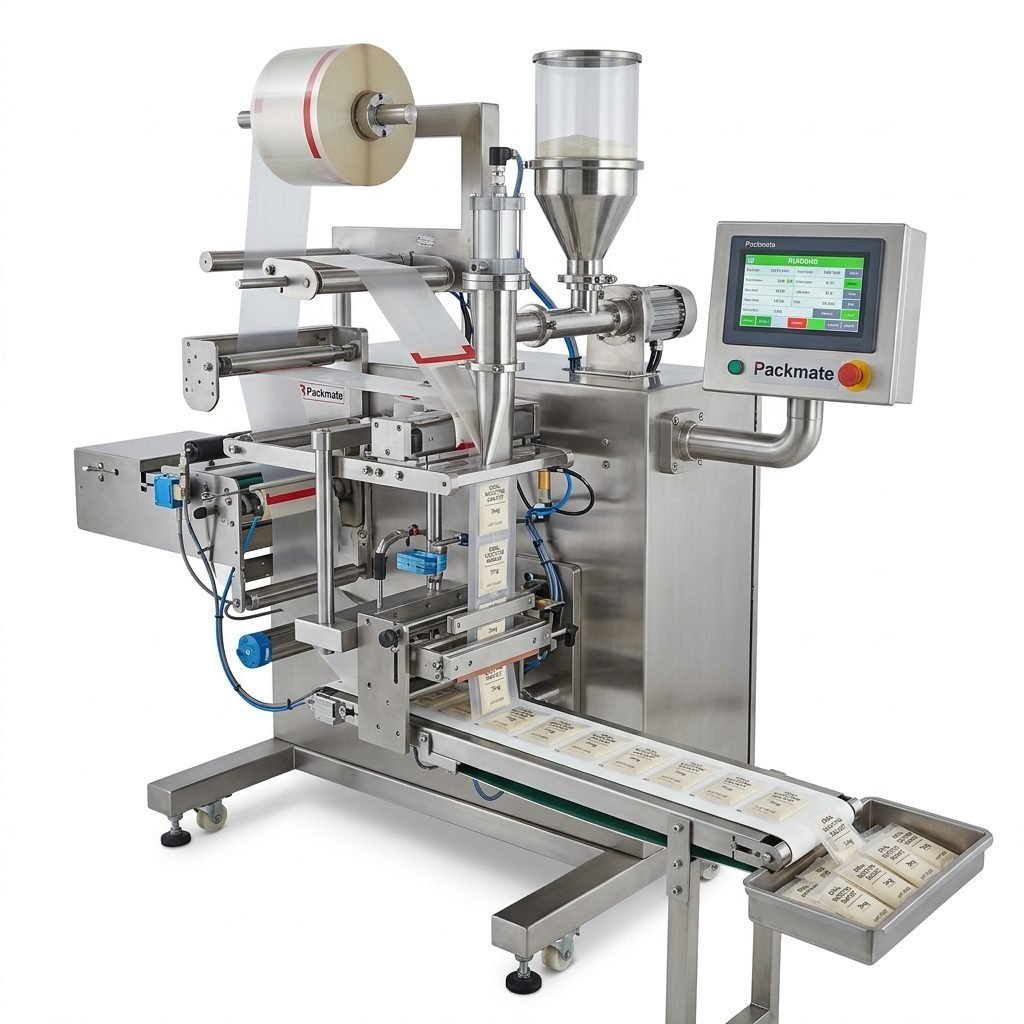
- Single-lane sachet machines for small-batch specialty products.
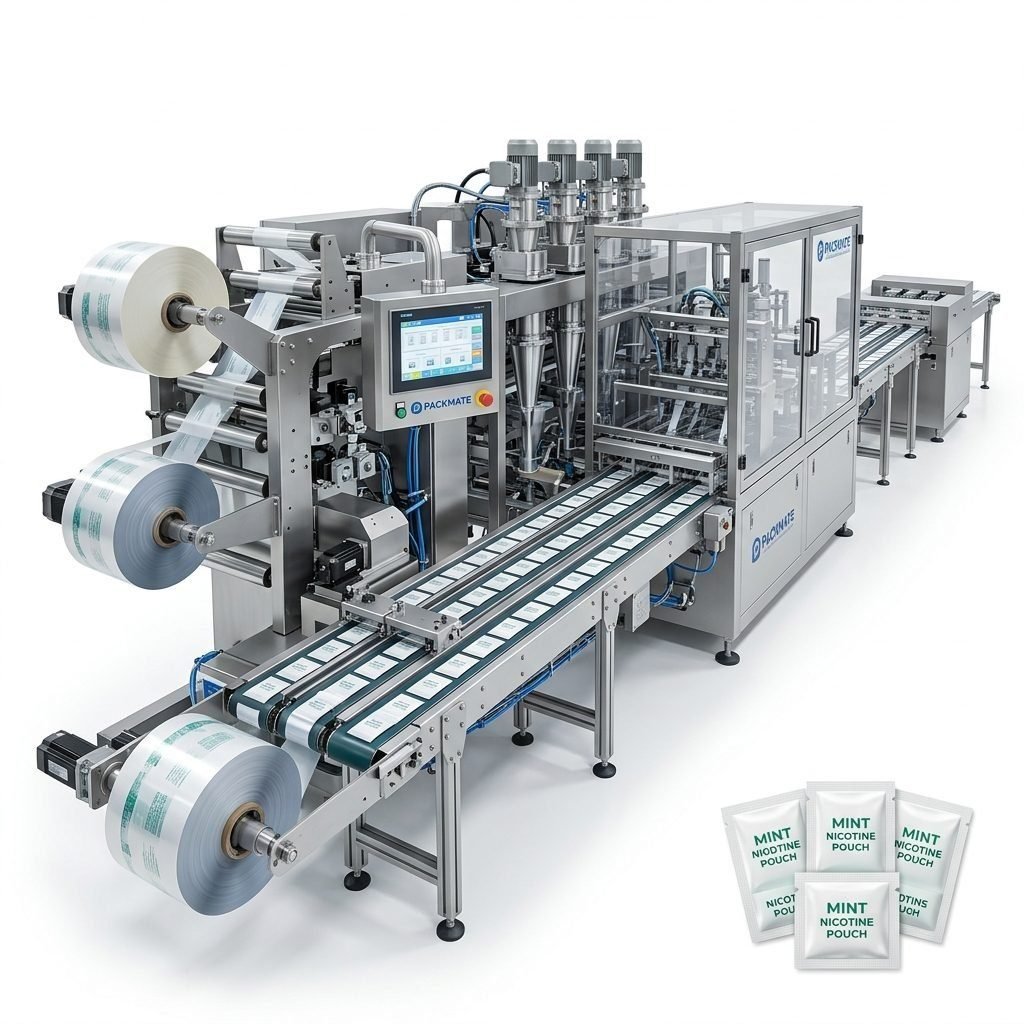
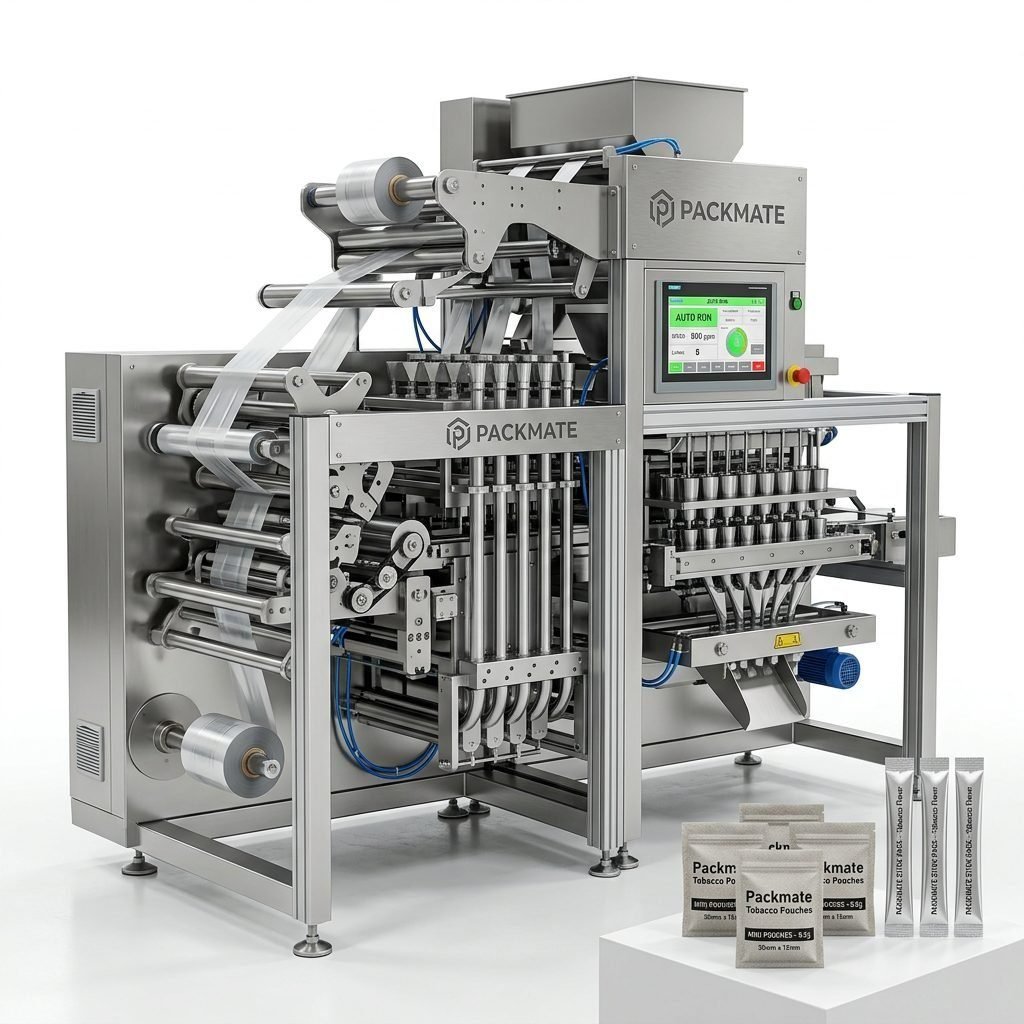
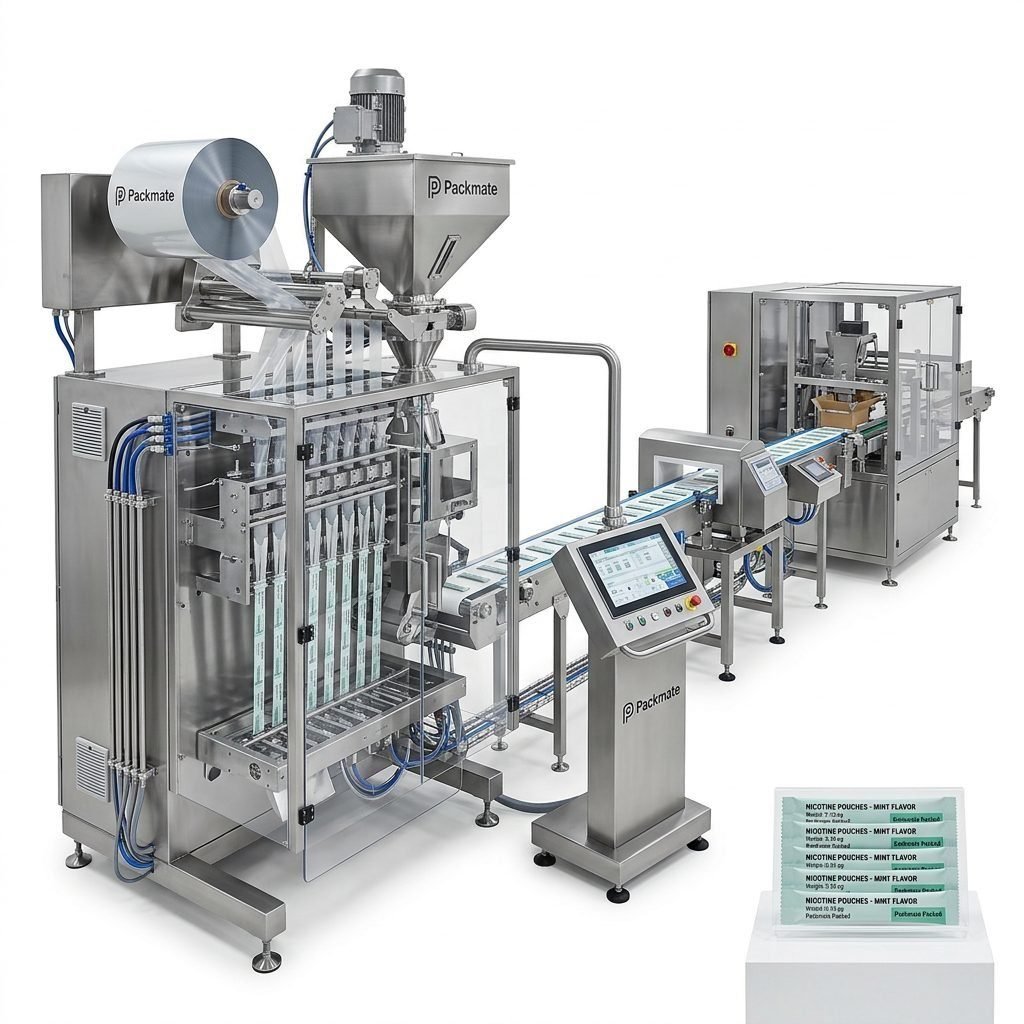
- Multi-lane stick pack and pouch lines for scaling up production while preserving footprint efficiency.
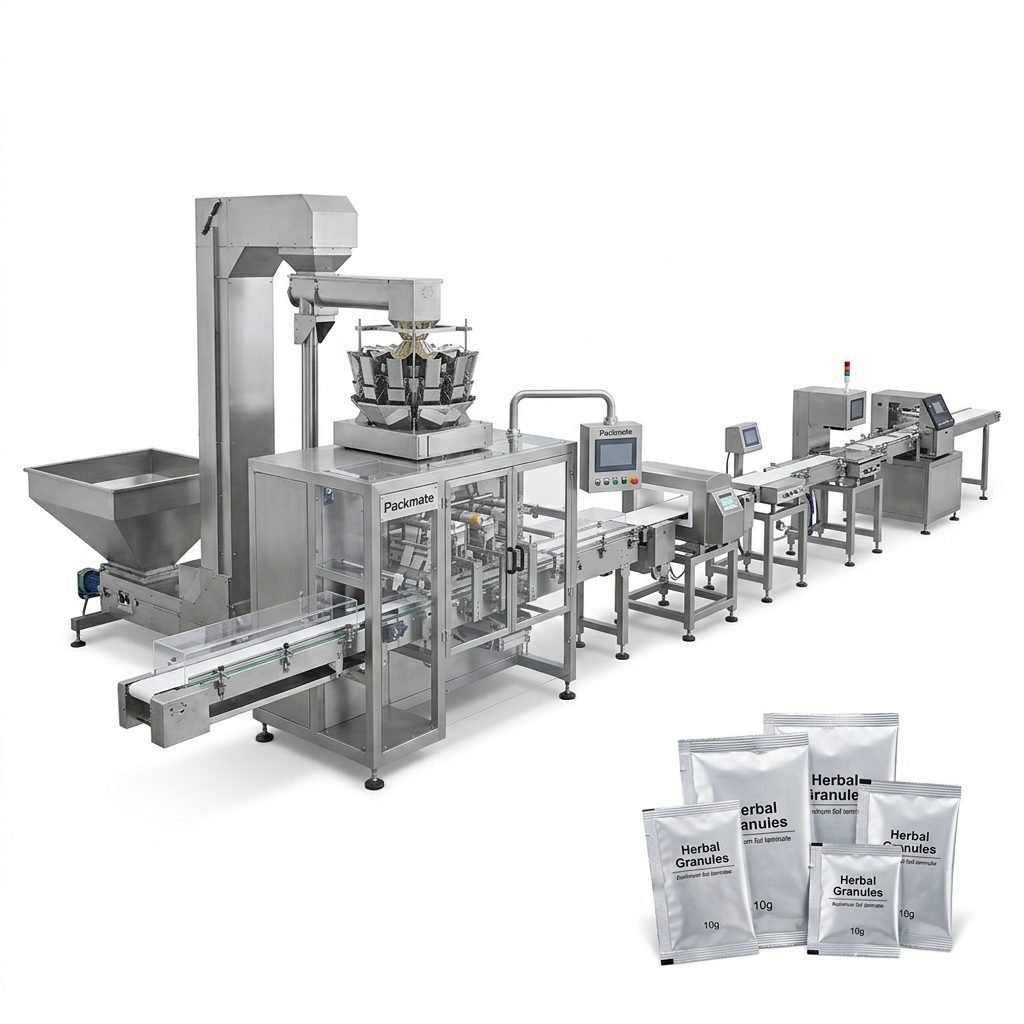
- Weighing & packaging integration for accurate dosing and reduced waste — see weighing options at Weighing & Packaging Systems.
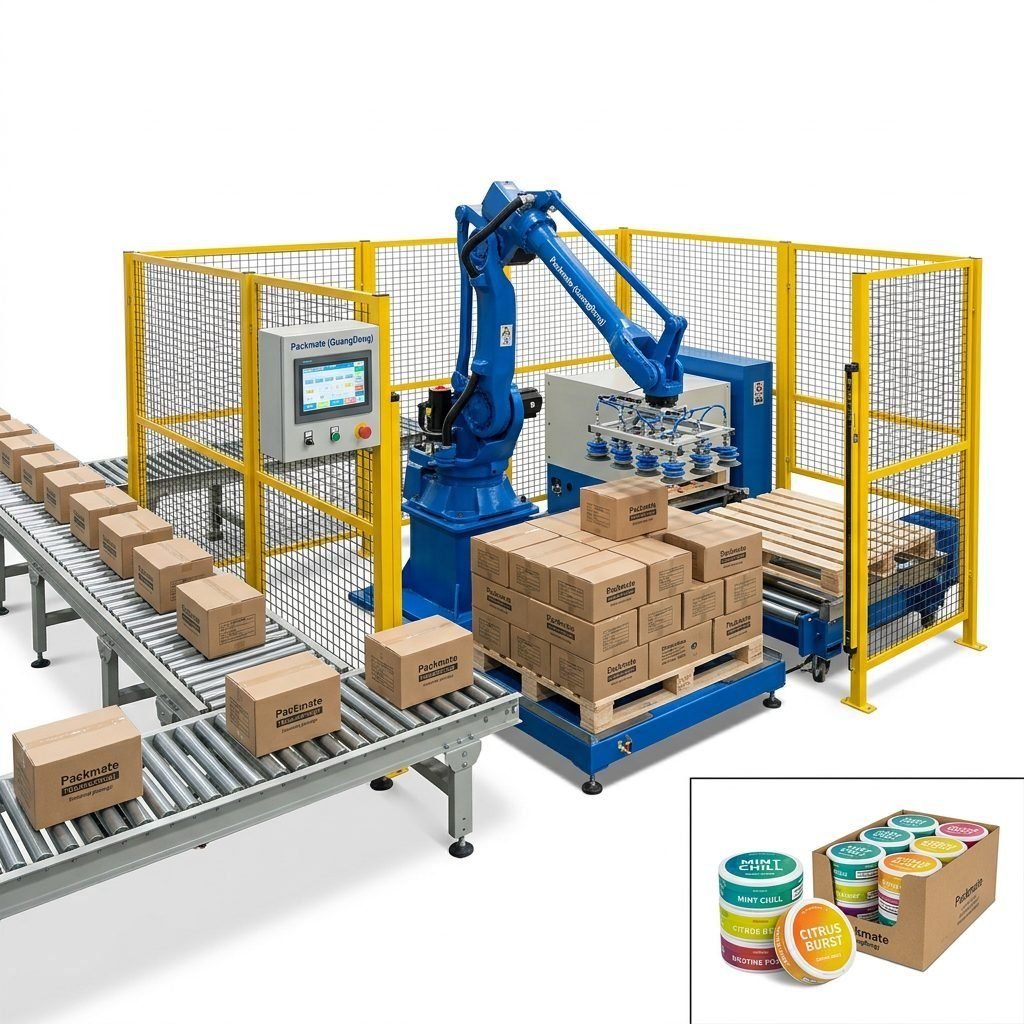
- Auxiliary equipment such as conveyors, checkweighers, and labellers that simplify integration.
Supplier checklist — must-ask items ✅
- Can you provide production videos and sample packs from the exact machine model?
- What are the warranty terms and typical response time for parts?
- Do you offer training, installation, and start-up support in Bhutan or nearby regions?
- Can the line be configured for eco-friendly films and minimum material waste?
- Are CE and ISO certificates available for verification?
Factory visits, references and exhibitions
If possible, arrange a factory visit or request participation at an international exhibition where the supplier demonstrates machines. Seeing a live demo and talking to existing customers are powerful ways to confirm reliability. Many reputable manufacturers showcase equipment at global trade fairs — review their exhibition history on the supplier portfolio.
Why Packmate (example supplier) could fit Bhutanese buyers
A manufacturer with decades of experience, a 20,000㎡ facility, and specialized focus on snus and nicotine pouch packaging offers tangible advantages. Key strengths to look for:
- Deep specialization in nicotine pouch solutions and a wide model range — useful for tailored lines.
- Advanced CNC & precision assembly — ensures machine accuracy and long-term durability.
- Turnkey solutions and the ability to provide multi-lane lines for scaling production efficiently.
Learn more about the manufacturer’s history and mission at their About Packmate page and evaluate real customer stories in their Case section.
Implementation tips for Bhutan
Practical steps to a smooth procurement and implementation:
- Define your product SKUs, target volumes, and preferred packaging materials clearly before requesting quotes.
- Ask for site-specific installation plans that consider Bhutan’s power supply, floor layout, and staff training needs.
- Negotiate a comprehensive service agreement that includes remote diagnostics and spare-part kits shipped with the machine.
- Plan for responsible disposal or recycling of old packaging materials to align with Bhutan’s environmental priorities.
Local partnership idea: Consider partnering with a regional distributor or service partner who can staff spare parts and provide faster on-site responses in Bhutan or neighboring countries.
Next steps: how to approach suppliers
When contacting suppliers, prepare a concise RFQ that includes: product specifications, desired output rates, preferred materials, installation location, expected delivery timeline, and service expectations. Request:
- Commercial offer with clear INCOTERMS and lead times.
- References from existing customers in similar industries or regions.
- Detailed machine drawings, electrical and pneumatic requirements, and operator training plans.
Final decision criteria — summary
Prioritize suppliers that score well across technical capability, certification, customization, after-sales service, and awareness of Bhutan’s regulatory and cultural environment. A supplier that demonstrates transparent communication, verified credentials, and real-world case studies is more likely to deliver a successful project.
Frequently Asked Questions
Q1: What certification should I insist on when importing nicotine packaging machines into Bhutan?
A1: Insist on international standards such as CE and ISO for machinery safety and quality. Also request factory quality test reports and any export compliance documents the supplier can provide.
Q2: How do I ensure fast spare parts support given Bhutan’s remote location?
A2: Negotiate a spare parts kit shipped with the machine, request a list of critical wear parts with reorder lead times, and prefer suppliers offering regional distributors or fast courier options. Remote diagnostic tools and comprehensive training for local technicians further reduce downtime.
Q3: Are multi-lane machines a good fit for small Bhutanese manufacturers?
A3: Multi-lane machines provide greater throughput without a large factory footprint and are ideal if you plan to scale. For very small or niche runs, a flexible single-lane unit might be more cost-effective initially.
Q4: Can suppliers help with regulatory documentation and testing?
A4: Reputable suppliers often provide production validation, certificates, and documentation that assist in regulatory submissions. Ask your supplier about their experience with export compliance and documentation support.
Q5: How important is energy efficiency and environmental design for packaging machines in Bhutan?
A5: Very important. Energy-efficient machines and designs that minimize waste align with Bhutan’s environmental priorities and can reduce operating costs and improve public image.