Choosing the right manufacturer for nicotine packaging machinery in Morocco requires a clear understanding of your product goals, local market nuances, regulatory constraints, and the technical capabilities of potential suppliers. This guide walks you through practical steps to evaluate manufacturers, align production needs with compliant equipment, and secure long-term support for your snus and nicotine pouch packaging operations in Morocco.
Understand Moroccan Market Dynamics and Local Customs
Morocco’s market sits at the crossroads of North Africa and Europe, with trading links through ports such as Tangier Med and Casablanca. When evaluating manufacturers, consider logistics, import duties, and the likely demand channels for nicotine pouches and snus. Note that Morocco is predominantly Muslim, and retail-buying behaviors can be influenced by cultural sensitivities and regulations; distributors and retailers often prefer clear compliance documentation and discreet, compliant labeling. Business etiquette in Morocco favors in-person meetings, respect for hierarchy, and building trust over time — plan supplier visits or local representation where possible.
📌 Key local considerations: customs clearance at Tangier/Casablanca, bilingual documentation (French/Arabic), and sensitivity to tobacco-related marketing. Engage a local legal or compliance advisor early.
Regulatory Environment
Verify whether your nicotine products require special permits, labeling, or health warnings under Moroccan law. Many manufacturers export machinery globally and can support CE/ISO compliance documents; insist on complete technical files that can assist with local registration and customs clearance.
Define Your Production Requirements Clearly
Before contacting manufacturers, define your production targets, product formats (single-dose pouches, stick packs, sachets), target speeds, and acceptable waste levels. Are you producing nicotine pouches, flavored snus, or other small-dose formats? List your target daily throughput (units/hour), pouch sizes, and whether multi-lane production is needed to increase capacity while keeping footprint compact.
✅ Checklist for RFP (Request for Proposal): target speed, product formats, pouch material specs, fill weight tolerance, automation level, footprint constraints, power supply, and expected production run lengths.
Product Compatibility
Ensure the machinery supports the specific substrate and pouch materials you intend to use (e.g., heat-sealable laminates, paper-based sachets, or composite films). Some nicotine pouches require precision dosing of powders and micro-components; discuss dosing accuracy and changeover times with the manufacturer.
Assess Manufacturer Technical Capabilities
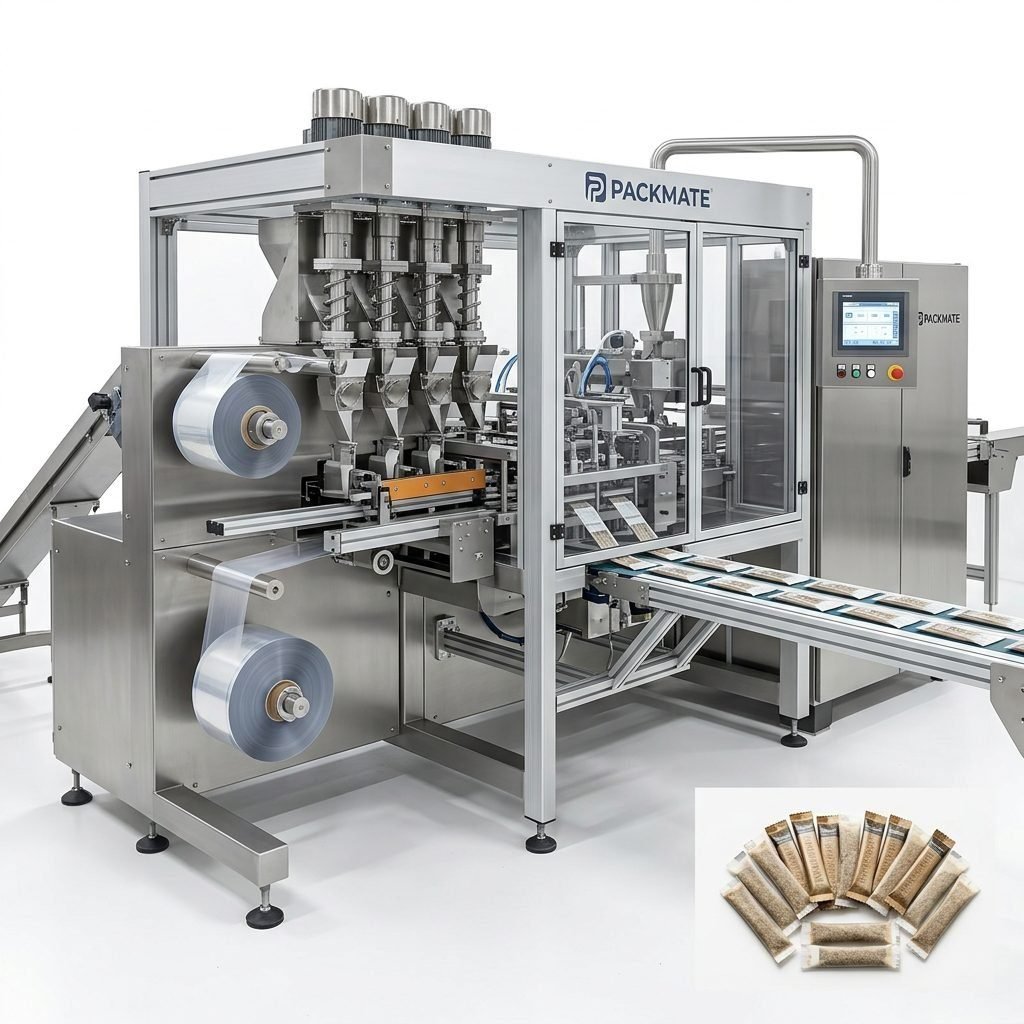
A strong manufacturer will demonstrate decades of engineering experience, clear factory capabilities, and a range of proven models. Look for suppliers that offer modular lines with multi-lane options for small-dose pouches and advanced powder dosing systems. Ask for case studies, machine demonstrations, and a factory virtual tour or video.
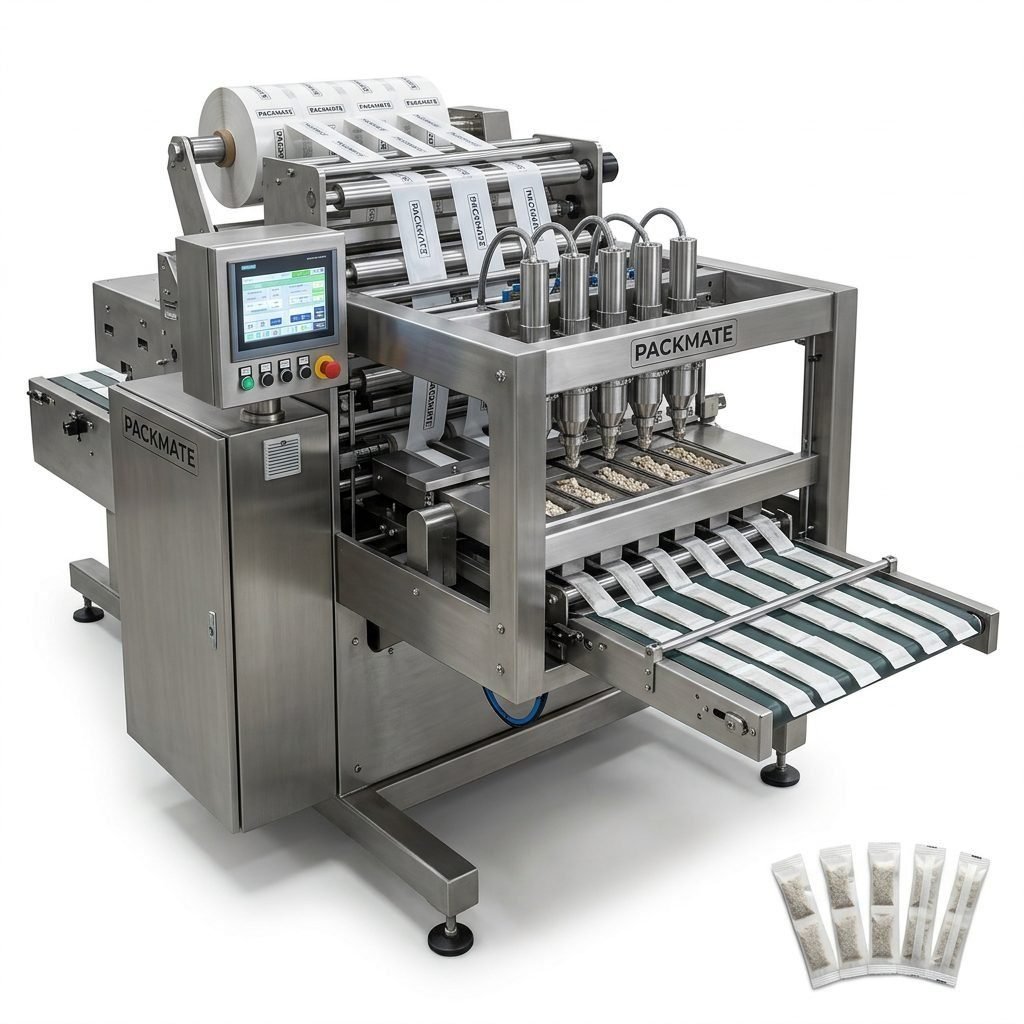
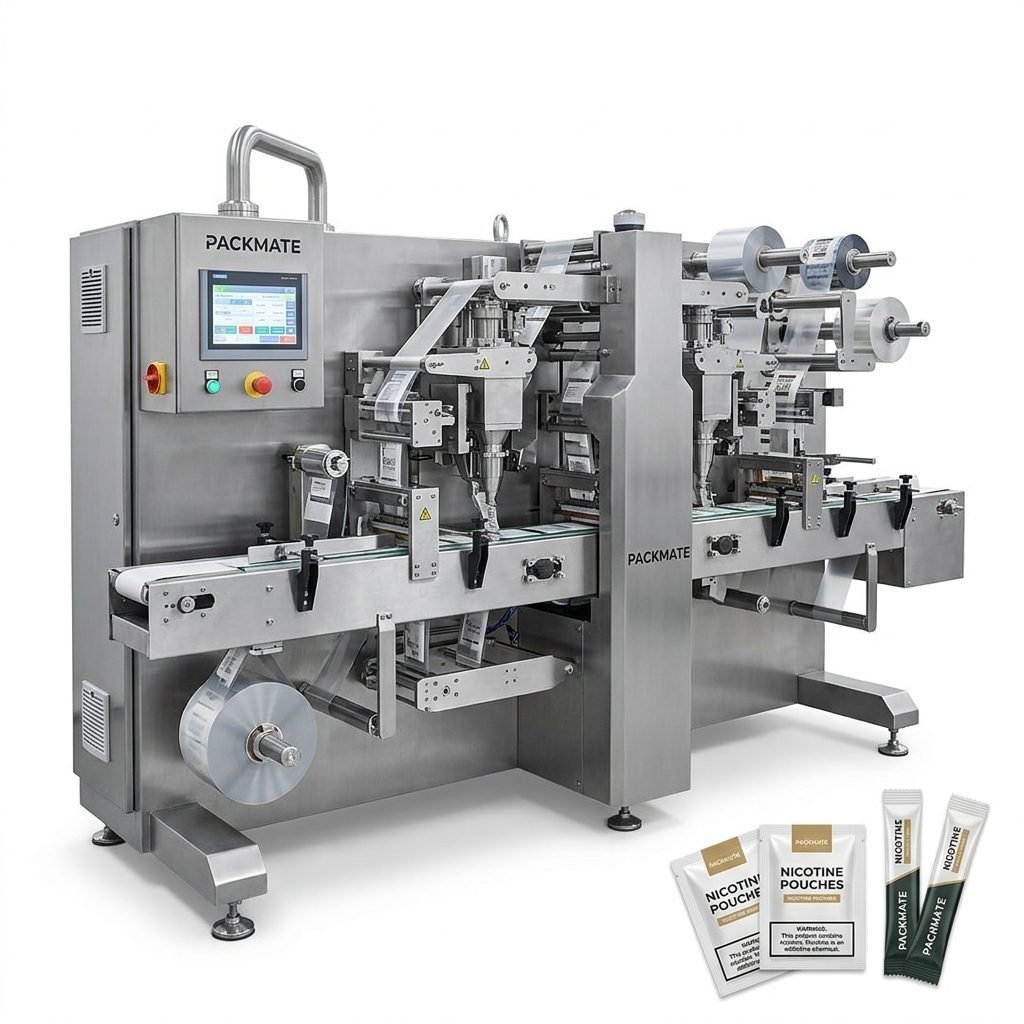
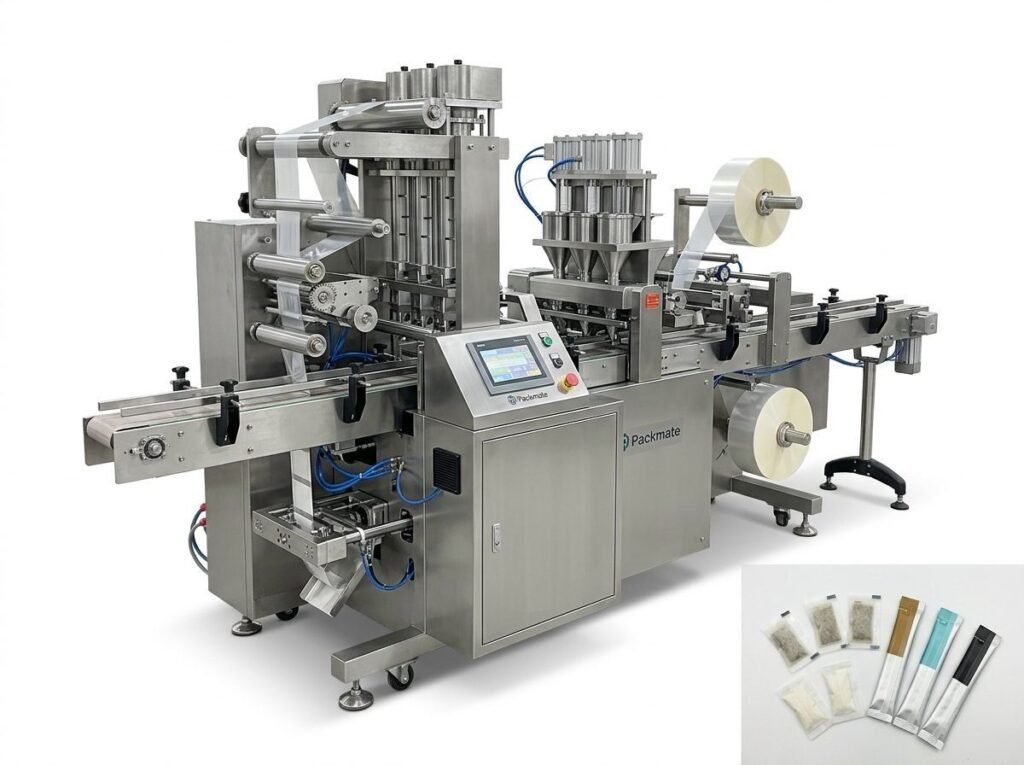
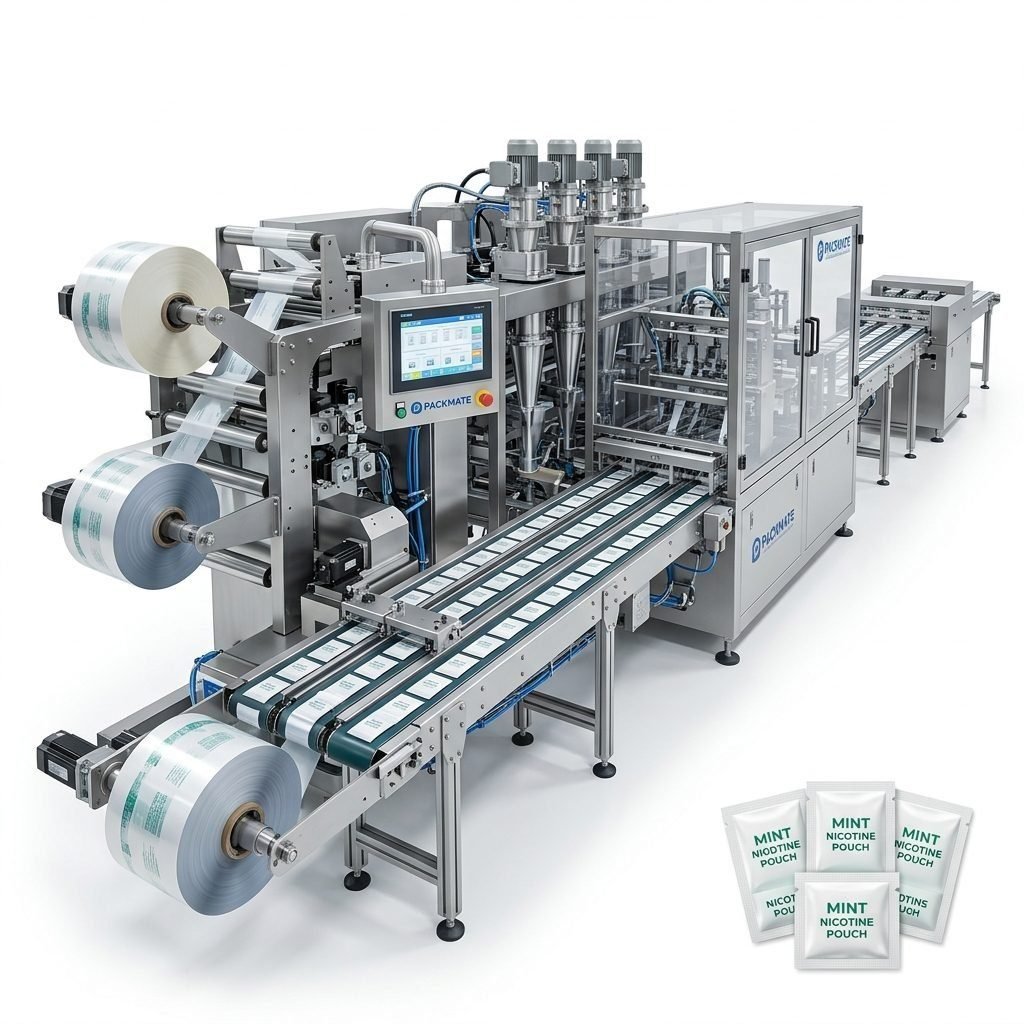
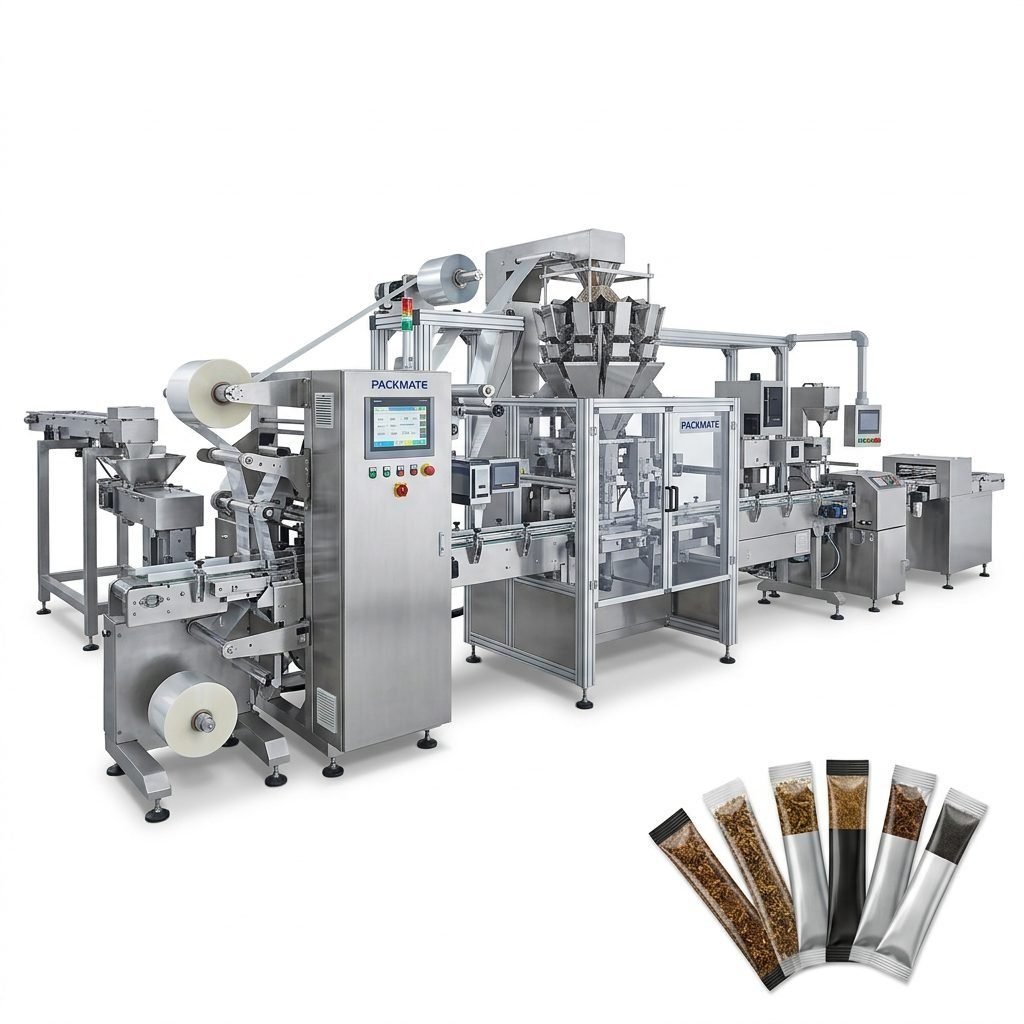
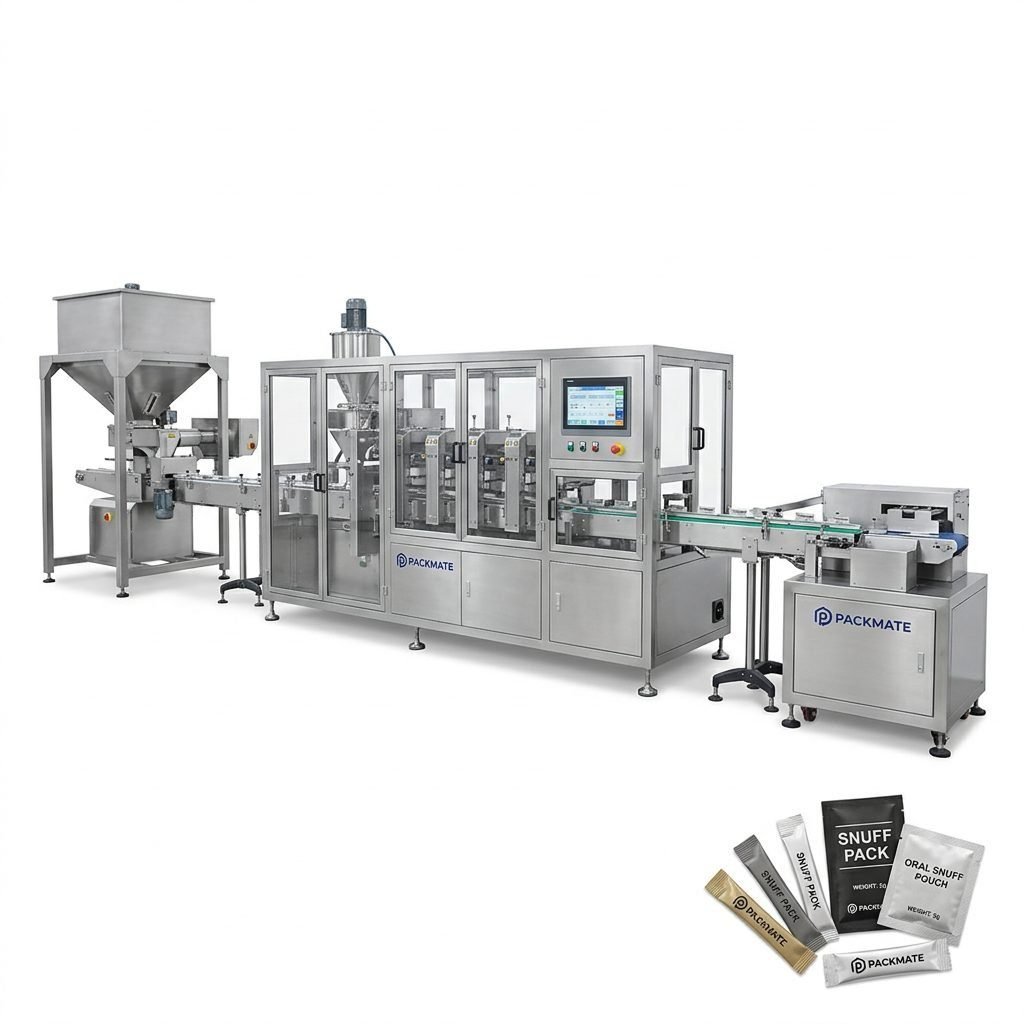
Packmate Snus Machine, for example, focuses on snus and nicotine pouch packing machinery with 30+ years of experience and multiple machine families designed for stick pack, sachet, and multi-lane pouch production. Viewing a supplier’s product portfolio, such as their Snus & Nicotine Packaging Machines, gives insight into whether their equipment family matches your needs: Snus & Nicotine Packaging Machines.
⚙️ Technical proof points to request: machine running videos, acceptance test protocols, mean time between failures (MTBF), spare-parts lists, and sample production data.
Quality Management, Certifications, and Compliance
Quality systems are vital for regulated or controlled products. Request copies of CE, ISO certificates, and any other compliance documents that support safe operation and export. Manufacturers with in-house CNC machining centers, precision assembly lines, and strict testing regimes typically deliver more reliable equipment. You can view certification-related information directly on a supplier’s site to confirm authenticity: Certificate.
Acceptance Testing and FAT
Require a Factory Acceptance Test (FAT) before shipment. FAT should include performance at design speed, dosing accuracy tests, container handling checks, and leak/seal integrity verifications. FAT results must be documented and ideally witnessed in person or remotely via live stream.
After-sales Support, Training and Spare Parts
Reliable after-sales service is crucial, particularly when operating in a country far from the manufacturer. Ask about spare parts availability, typical lead times, remote support options, and on-site commissioning/training offerings. Prefer suppliers who provide multilingual manuals and local technical support partners in North Africa or Europe.
📞 Minimum after-sales requirements: spare parts kit included, 12-month warranty, remote troubleshooting via video/PLC access, and optional field service for installation and training.
Cost, Payment Terms and Delivery Time
Price is important but should be balanced against total cost of ownership: energy consumption, spare parts, training, downtime risk, and expected throughput. Clarify payment terms (deposit, balance on delivery, escrow options), shipping arrangements to Moroccan ports, insurance, and customs clearance responsibilities (Incoterms). Ask for a breakdown of optional extras such as automation upgrades, multi-lane conversions, and packaging tooling.
Lead Time Planning
Manufacturing lead times can vary depending on machine complexity and customization. A reputable manufacturer should provide a clear production timeline, milestone checks, FAT scheduling, and shipping estimates. Align production ramp-up with your inventory planning and local exemptions or import delays.
Factory Visits, Virtual Tours and References
Whenever possible, visit the manufacturer’s facility. A factory visit allows you to inspect machining centers, assembly lines, quality testing, and witness machine runs. If travel is difficult, request a detailed virtual tour, live machine demos, and customer references. Cross-check the supplier’s case studies and global references to validate claims: Case.
🔍 What to verify on a factory visit: machine tolerances, cleanliness, assembly accuracy, test reports, and the demeanor of service technicians. Confirm the supplier’s capacity for custom tooling and small-batch trials.
Commercial and Cultural Fit
Beyond technical alignment, choose suppliers that understand how to work with Moroccan customers — language support (French/Arabic), willingness to provide localized documentation, and flexibility to accommodate cultural business norms. Local agents or European-based partners can help bridge time zones and provide faster on-site support for urgent issues.
Why Packmate Is a Strong Candidate for Moroccan Buyers
With over 30 years of R&D and a 20,000㎡ manufacturing facility, Packmate Snus Machine provides specialized snus and nicotine pouch packaging solutions, including multi-lane systems and modular lines suitable for small-dose pouches. Their documented factory capabilities, lineup of 50+ machine models, and export experience position them to handle tailored turnkey installations. Learn more about their company and mission to evaluate cultural fit and technical reach: About Packmate.
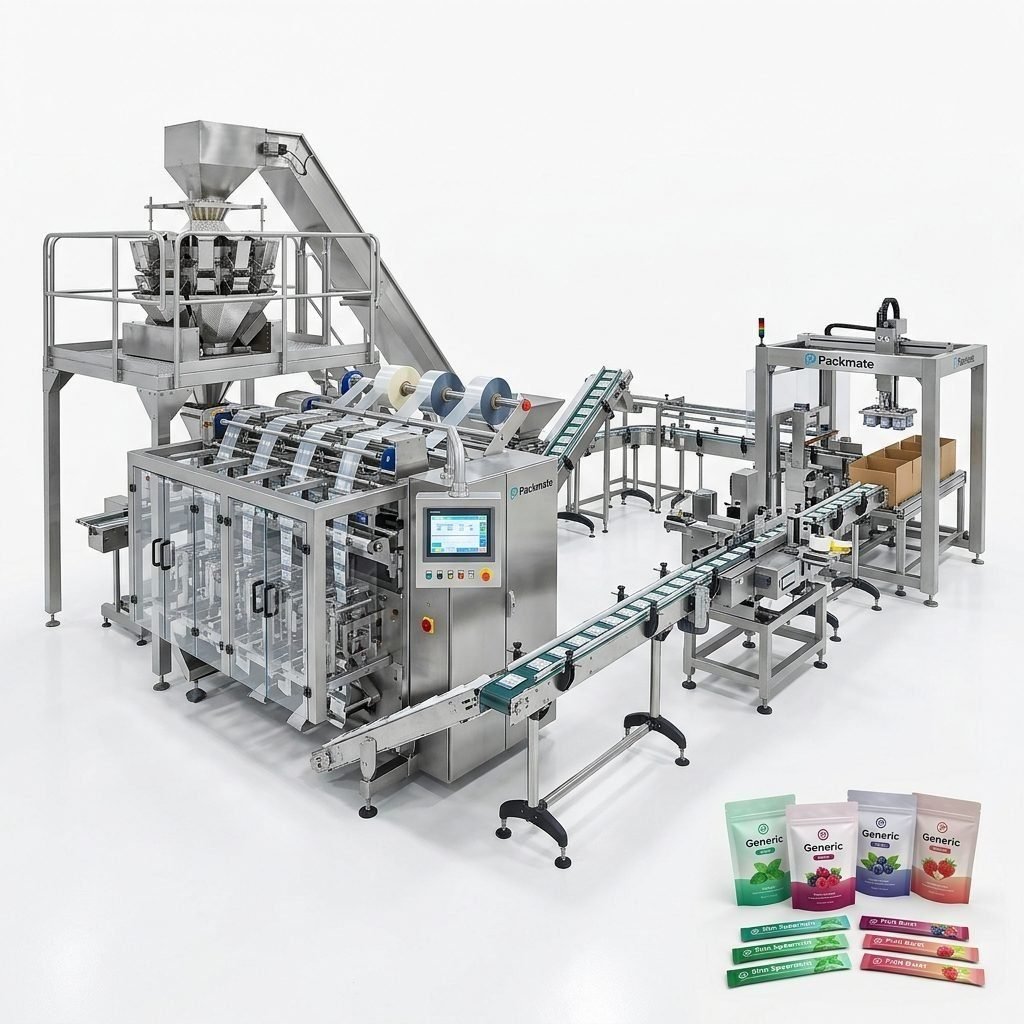
Packmate’s product categories span sachet & stick pack machines, weighing & packaging systems, and auxiliary equipment which can be useful if you plan integrated lines: Sachet & Stick Pack Machines and Weighing & Packaging Systems.
Exhibition and Live Demo Opportunities
Attending international trade shows where Packmate exhibits or requesting machine demos at scheduled exhibitions can help you see equipment in production. Check exhibition schedules or request demo attendance: Our Exhibition.
📦 Practical tip: combine a supplier audit with a trial production run and negotiate spare-parts shipment in the first order to reduce potential downtime after commissioning.
Negotiating Contracts and Guaranteeing Performance
When finalizing contracts, include clear acceptance criteria, uptime guarantees, warranty coverage, and penalties for missed milestones where possible. Define responsibilities for installation, commissioning, and operator training. Clarify intellectual property rights for custom tooling or software control logic.
Payment and Risk Mitigation
Use staged payments tied to milestones (design approval, FAT, shipment) and consider escrow or letter-of-credit arrangements for large capital buys. Confirm export compliance and cross-border insurance to protect the investment during transit to Moroccan ports.
First Steps to Engage a Manufacturer
Start by preparing a clear RFP, request machine videos and case references, schedule FAT, and confirm warranty and support packages. For convenience, use the supplier’s contact portal to quickly request quotes and technical materials: Contact Us.
🔧 Starter engagement template: share your product spec sheet, expected output, preferred machine type, target installation date, and request FAT and spare-parts list.
Local Partnerships and Distribution Channels in Morocco
Consider partnering with local engineering firms or distributors for installation, preventive maintenance, and faster spare parts support. A local partner can also help with legal compliance, labeling translations, and distribution channels. Vendors offering training programs and multilingual documentation reduce the friction of adoption.
Long-term Scaling
If you plan to scale, evaluate modular or multi-lane designs that can be upgraded with additional lanes or automated feeding systems. Investing in flexible automation reduces future capital expenditure as your volumes grow.
Summary Checklist Before Signing a Purchase Agreement
Ensure you have: complete machine specs, FAT protocol, spare parts and warranty terms, clear delivery schedule, documented certification copies, local compliance plan, and confirmed on-site training. A thorough checklist prevents surprises and speeds up time-to-market.
✅ Final reminder: combine technical diligence with cultural and logistical planning for Morocco to ensure a smooth launch and sustainable operation.
Frequently Asked Questions
1. What certifications should I request from a packaging machine manufacturer?
Request CE and ISO certificates at minimum, along with machine-specific safety reports and FAT documentation. These certifications support customs clearance and demonstrate adherence to international safety and quality standards.
2. How do I handle spare parts and maintenance in Morocco?
Negotiate a spare-parts kit with your first order and establish lead times for replenishment. Work with the manufacturer to identify local distributors or authorized service partners for faster response times.
3. Is a factory visit necessary before purchase?
A factory visit is highly recommended to verify production quality, see machines running, and meet the engineering team. If travel is not feasible, request live video FAT and multiple customer references.
4. How can I ensure compliance with Moroccan labeling and import rules?
Consult a local regulatory advisor and ask your manufacturer to provide complete technical documentation and product safety files. Bilingual labeling and local legal support expedite customs approval and market entry.
5. What are practical first steps to engage a supplier?
Prepare an RFP with product specs and target output, request machine videos and FAT details, ask for warranty and spare-parts lists, and schedule a factory visit or virtual demo. Use the supplier’s contact page to start the dialogue: Contact Us.