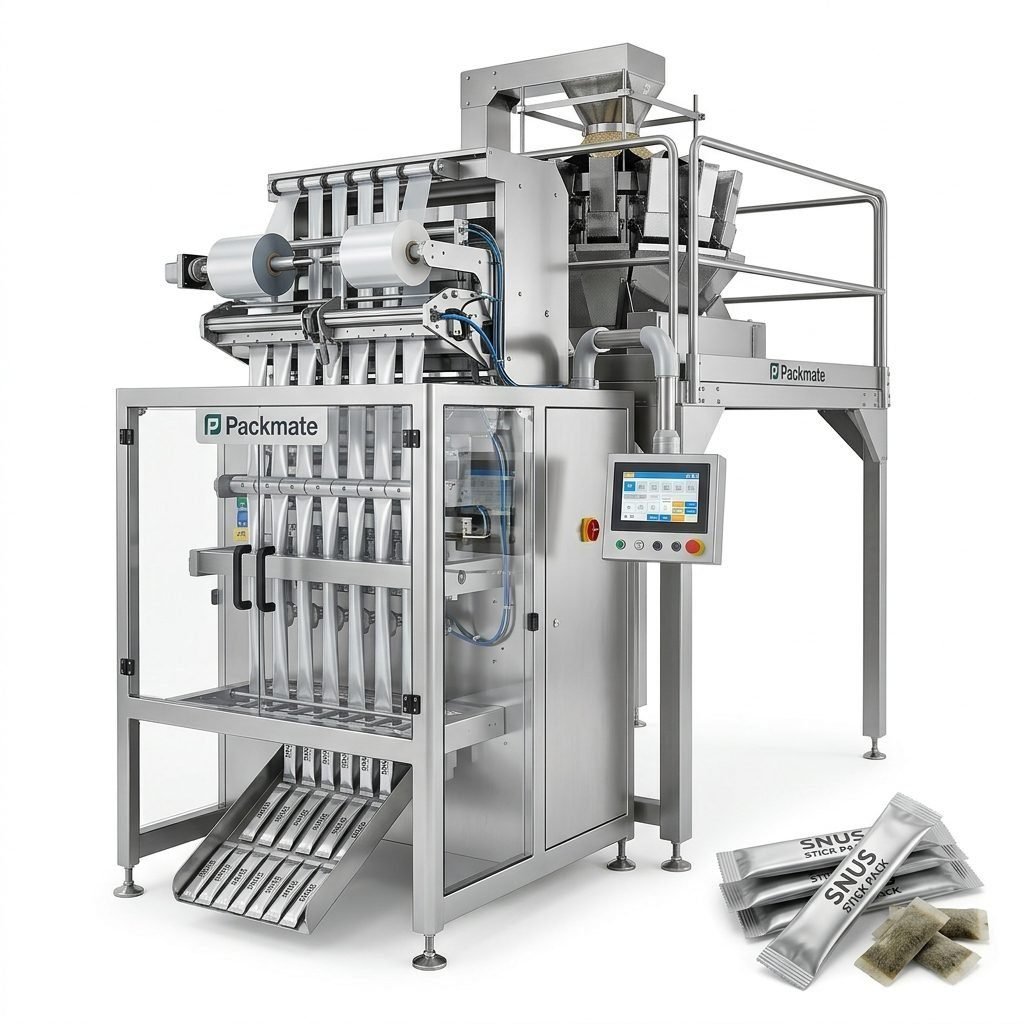
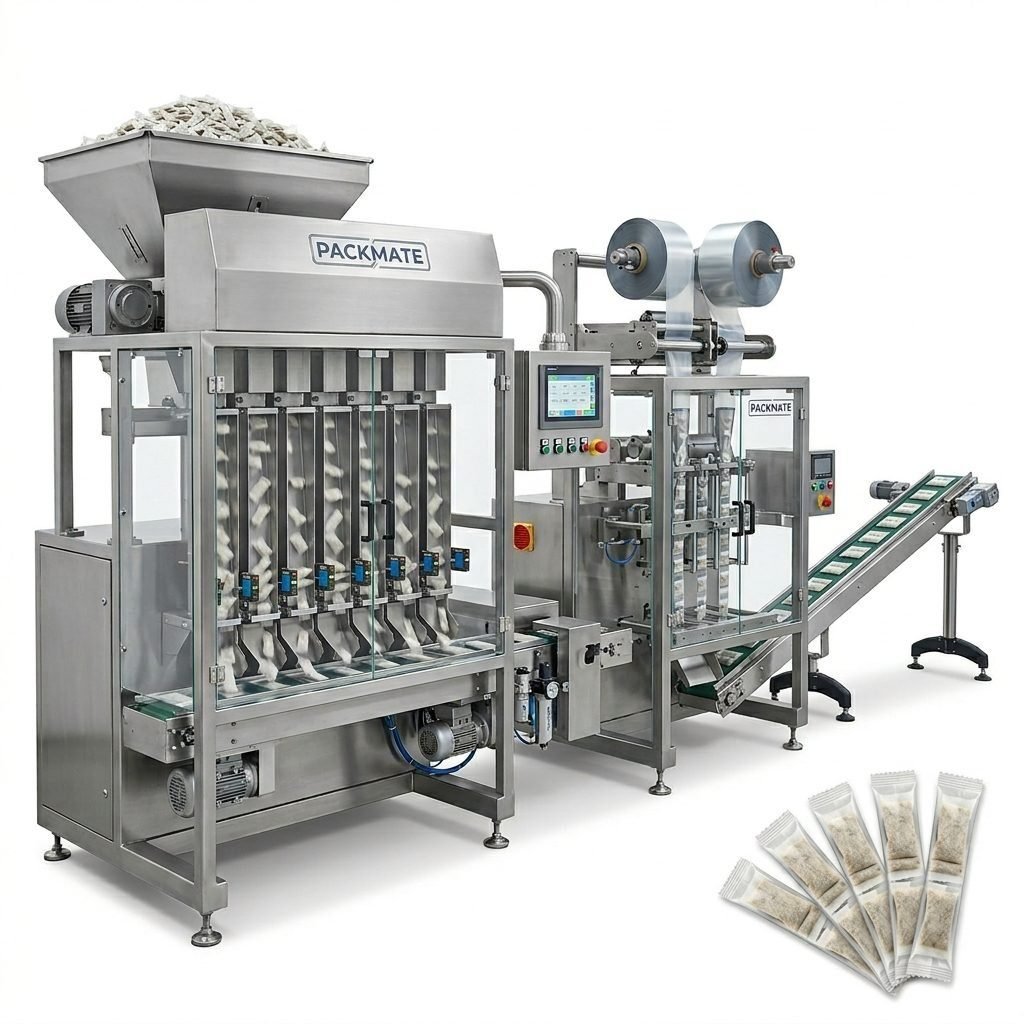
Choosing the right snus packaging machine supplier for your business in Honduras is a strategic decision that affects product quality, regulatory compliance, production costs, and time-to-market. Whether you are launching nicotine pouches for a local brand or scaling up for export, this guide walks you through practical steps and local considerations so you can select a partner who delivers reliable machines, strong after-sales support, and solutions tailored to Honduran customs and market realities.
Why the supplier choice matters
A packaging machine supplier is more than an equipment vendor — they are a long-term partner. The right supplier helps you achieve consistent pouch quality, maintain production uptime, optimize material use, and comply with labeling and safety rules. A poor choice can cause production delays, costly downtime, and products that fail to meet local market expectations in Honduras.
🔍 Key takeaway: Evaluate suppliers on engineering track record, machine reliability, warranty & spare parts availability, local logistics, and the ability to customize machines for local labeling and material preferences.
Understand the Honduran market and local customs
Honduras has its own consumer habits, regulatory environment, and distribution networks. Packaging decisions should reflect local language, cultural preferences, and retail formats. For example:
• Spanish labeling is essential: all primary packaging and instruction information should be Spanish-friendly and compliant with Honduran labeling norms.
• Retail formats: convenience stores, small kiosks, and duty-free shops often prefer compact, easy-to-display pouches—design your packaging line accordingly.
• Age and health warnings: nicotine products typically require clear warnings and age-restriction measures — consult local legal counsel or distributors in Honduras to confirm the exact text and placement.
Top criteria to evaluate potential suppliers
When shortlisting suppliers, use a scorecard to compare:
1. Experience and reputation — How many years in snus/ nicotine pouch equipment? Do they have a global track record?
2. Certifications — CE, ISO and other international compliance markers are important for export and safety assurance.
3. Range of machines — Do they offer stick pack, sachet, multi-lane systems and full filling & packaging lines?
4. Customization — Can they adapt recipes, pouch sizes, and print registration for Spanish text and local designs?
5. After-sales support — Availability of spare parts, remote diagnostics, field engineers and training in Spanish or via local partners.
What technical specifications matter most
Machines must match your product formula, target throughput, and material choices:
• Output speed and multi-lane capability — consider multi-lane filling for small-dose pouches to increase yield without increasing footprint.
• Metering accuracy — precise dosing ensures uniform nicotine content and reduces waste.
• Material compatibility — test seals with your chosen film structures and barrier levels (oxygen/moisture control) suitable for Honduras’ humid climate.
• Ease of changeover — fast tool-less changeovers reduce downtime when switching pouch sizes or recipes for different brands or seasonal promotions.
✅ Tip: Ask suppliers for real-world output logs and references from customers running similar pouch sizes and materials — verified performance beats theoretical ratings.
Factory audit: what to inspect on a visit or virtual tour
Whether visiting in person or via video call, inspect these areas closely:
• Manufacturing capabilities — advanced CNC machining centers and precision assembly lines tell you the supplier can control tolerances and reliable machine components.
• Quality control systems — check their testing rigs, sample reports, and acceptance criteria for each machine.
• Spare parts inventory — a stocked warehouse reduces downtime for clients in Honduras where shipping spare parts may take weeks.
• Demonstration area — see a live run of your product or similar materials. If the supplier cannot run your product, ask why and whether they can perform a paid trial production before shipment.
Certifications, safety, and compliance
Certifications like CE, ISO 9001 and documented electrical safety tests are essential for machine reliability and buyer confidence. Ensure the supplier provides:
• Machine CE declaration and test reports
• Software and PLC documentation — helps your local technicians troubleshoot and maintain control systems
• Clear manuals in Spanish or the option to translate key service documents.
After-sales service, training, and spare parts strategy
In Honduras, access to quick technical support and spare parts can be a deciding factor:
• Local agent or regional warehouse — suppliers with Latin American partners shorten lead times for parts.
• Remote support and diagnostics — ensure the machine supports remote troubleshooting (VPN/secure remote access).
• On-site commissioning and operator training — get formal training in Spanish to reduce operator errors.
• Spare parts list and recommended stock levels — ask the supplier to help you plan essential spare parts inventory for the first 12 months.
Pricing, ROI and financing
Price is important, but total cost of ownership (TCO) matters more. Compare:
• Initial purchase vs long-term service costs
• Energy consumption and maintenance frequency — these add to operating costs in Honduras where energy tariffs can vary.
• Warranty terms and what’s covered — extended warranties may be worth the additional investment.
• Financing or leasing options — check if the supplier or third parties offer payment terms suitable for Honduran cashflows.
Logistics and local setup considerations for Honduras
Plan shipments, customs clearance, and installation carefully:
• Power supply and voltage — confirm machine compatibility with Honduran mains (consult supplier for converters if needed).
• Climate-proofing — consider additional moisture control or dehumidification for coastal regions with high humidity.
• Customs documentation — ensure clear commercial invoices, packing lists, and certificates of origin to avoid port delays in Honduras.
• Local installation partners — ask if the supplier has recommended local engineering partners or can ship a field engineer for commissioning.
⚙️ Practical checklist: Confirm machine uptime guarantees, spare parts lead time to Honduras, Spanish manuals, and a clear commissioning plan including training and KPIs.
How Packmate Snus Machine stands out
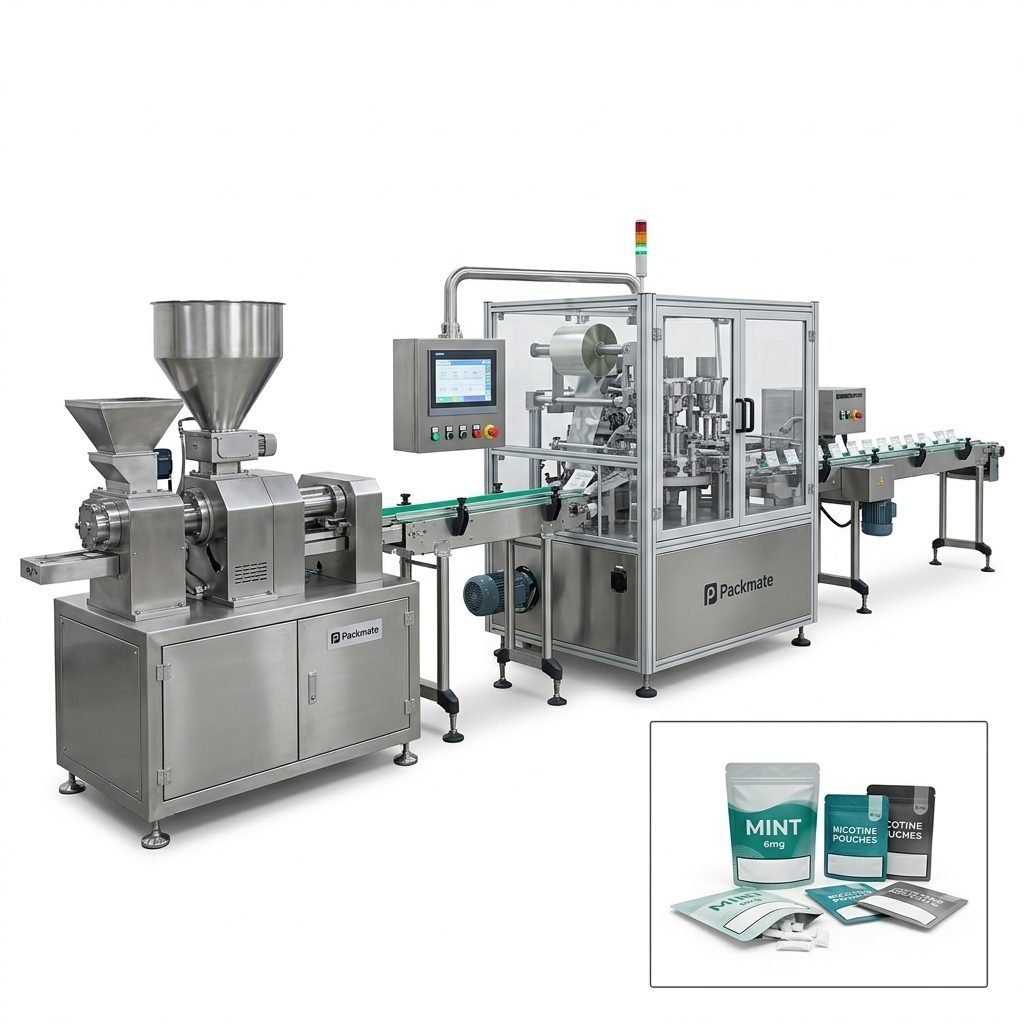
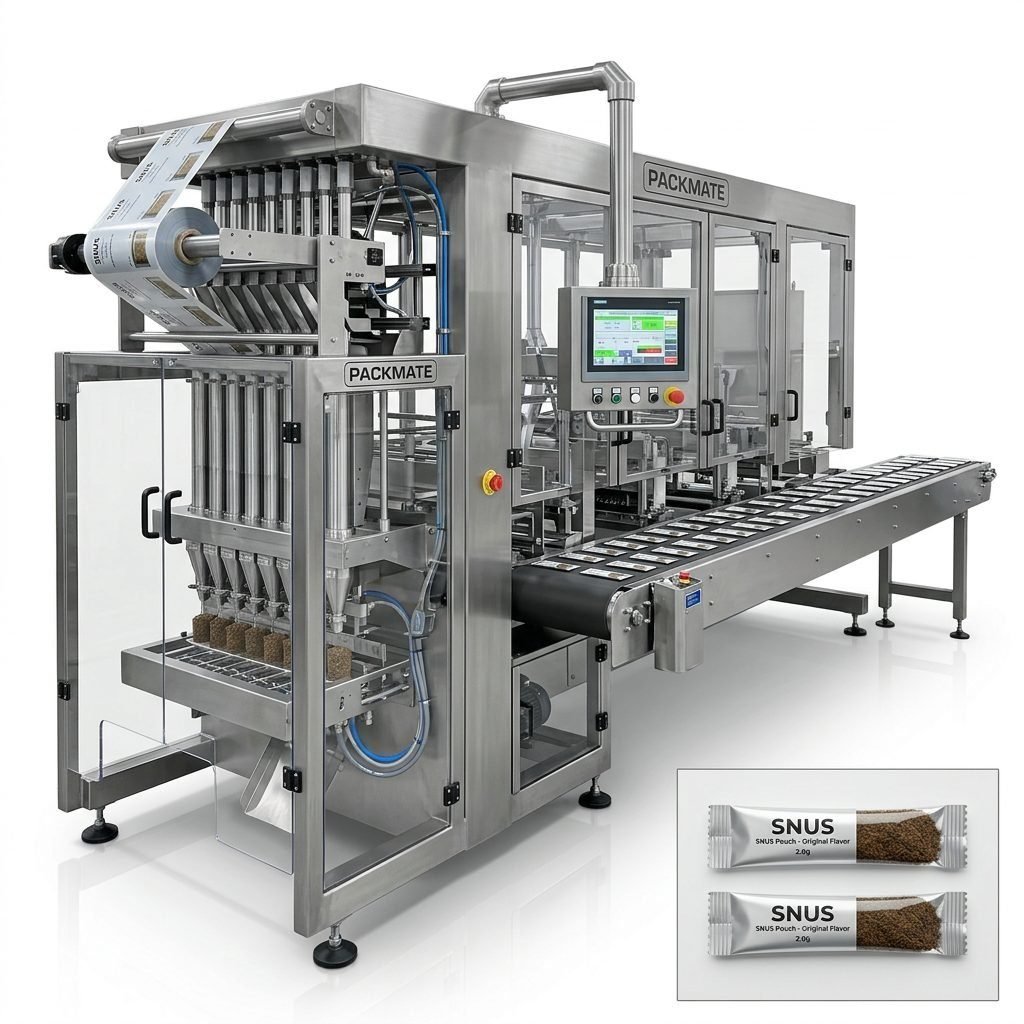
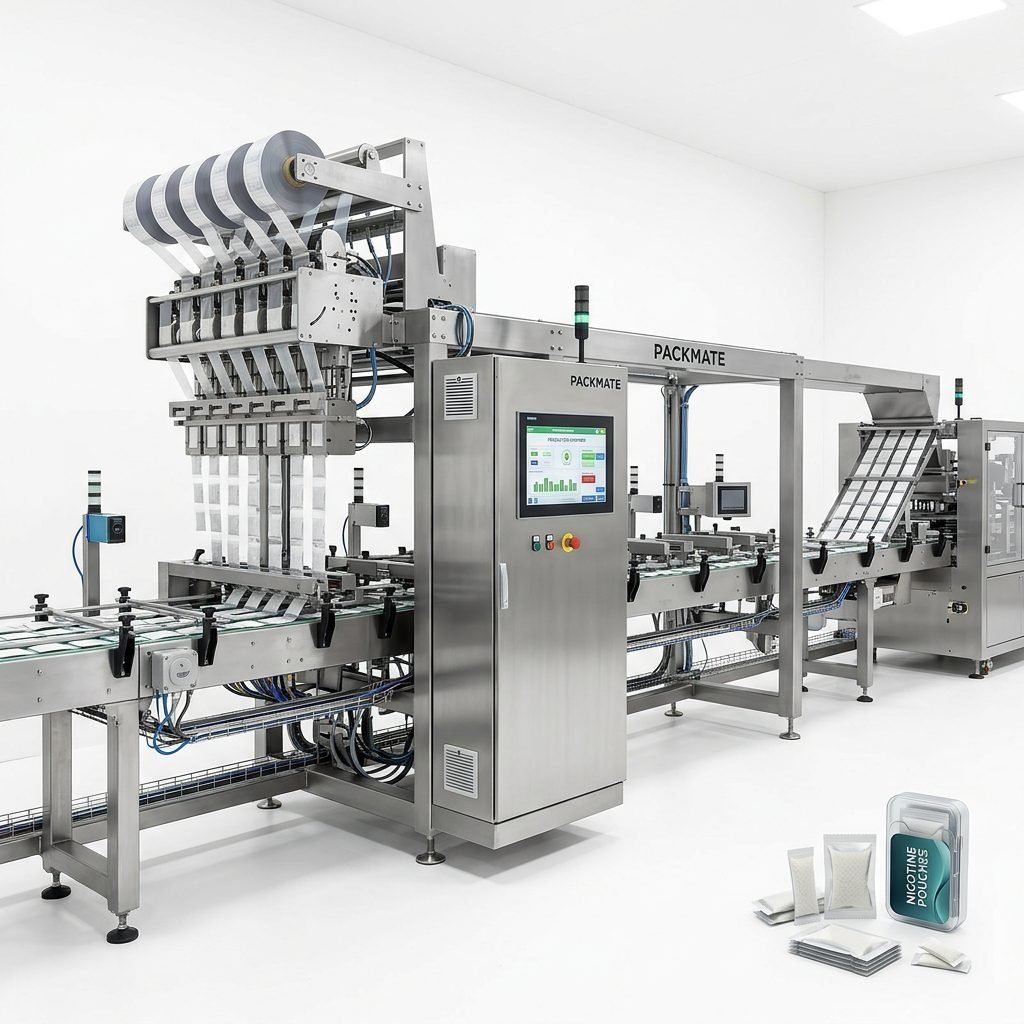
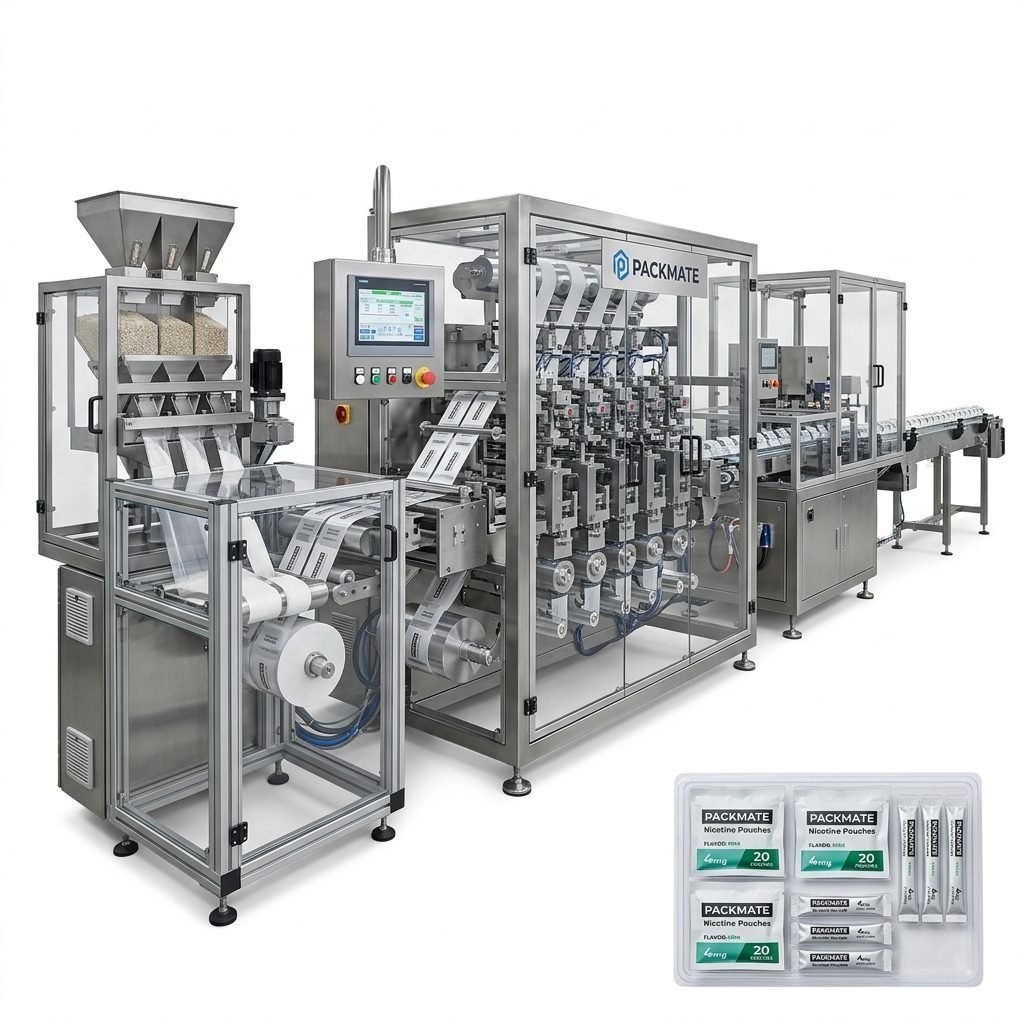
Packmate Snus Machine brings decades of experience and turnkey solutions tailored for snus and nicotine pouch lines. Key strengths to consider:
• 30+ years of engineering experience and a focused product range for nicotine pouch and snus packaging.
• A 20,000㎡ manufacturing facility with advanced CNC machining and precision assembly to ensure consistent machine quality.
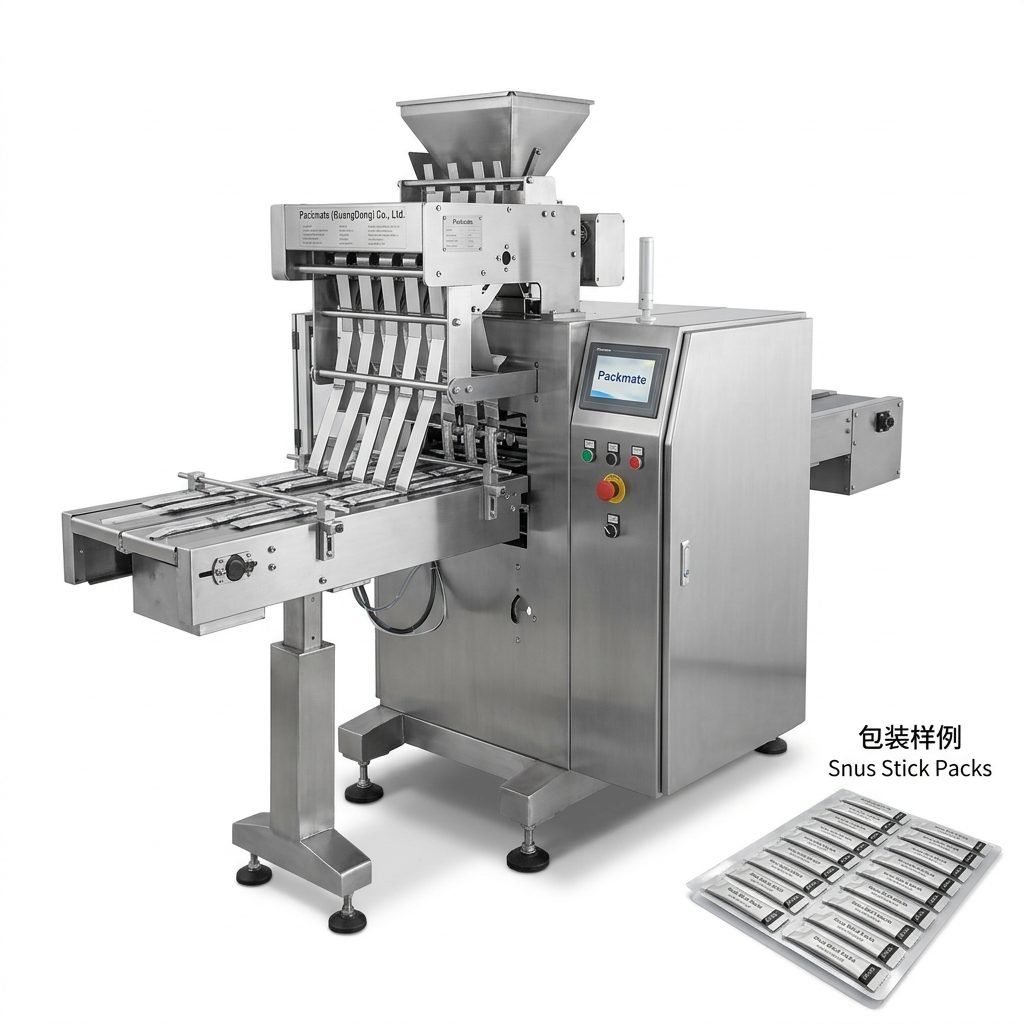
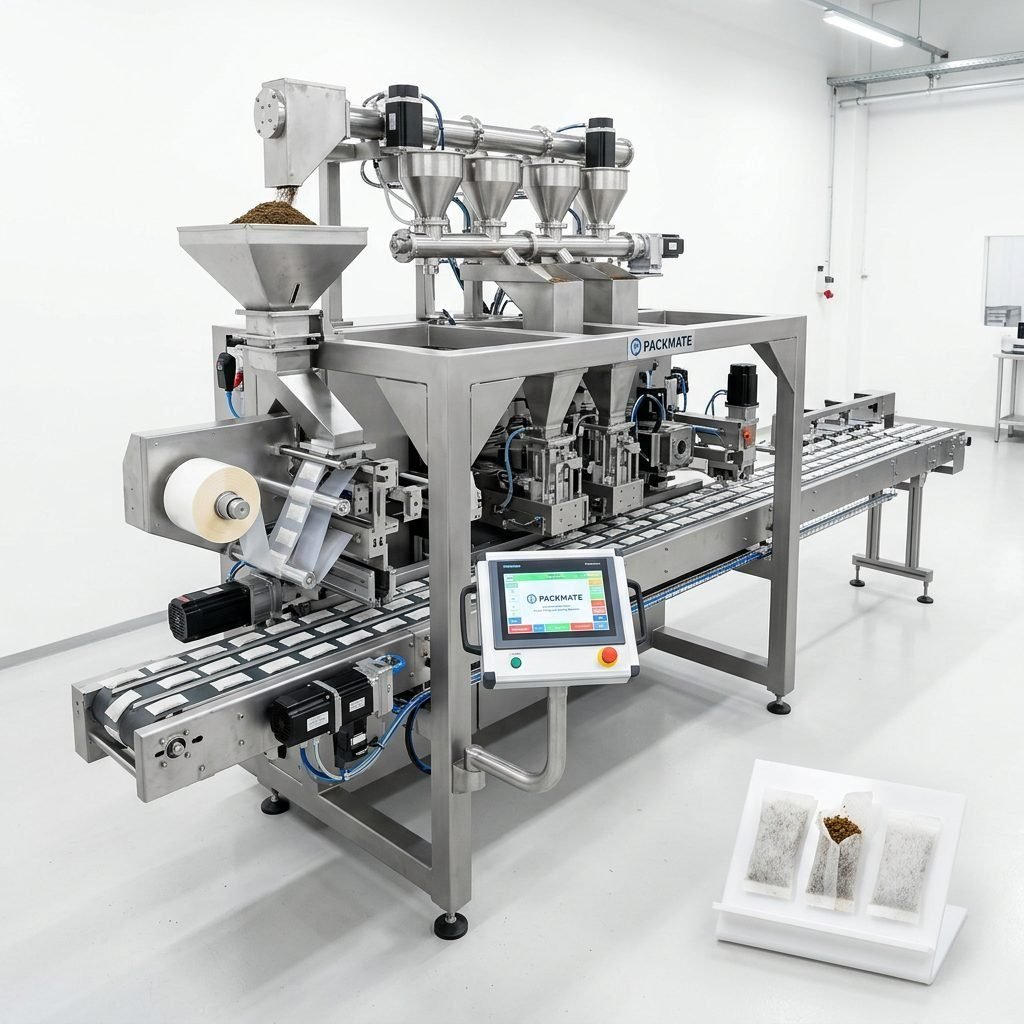
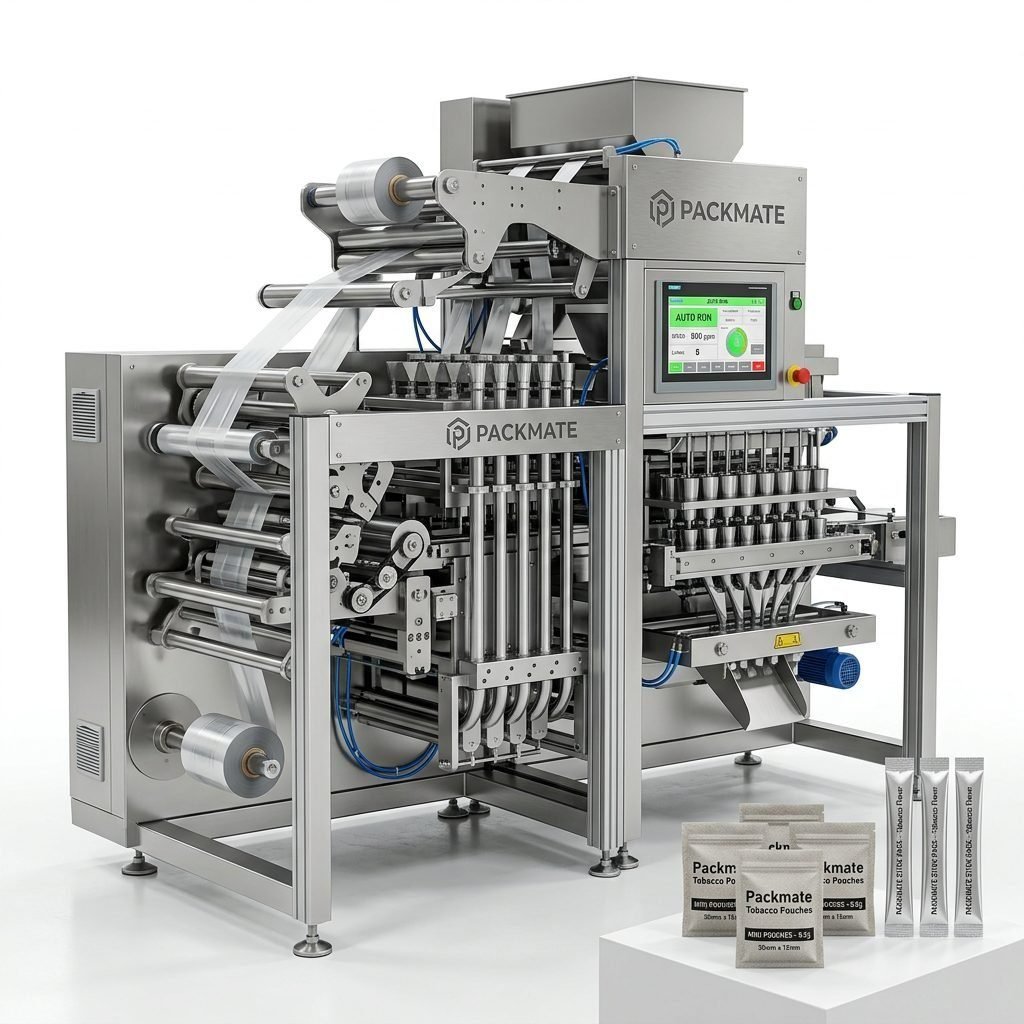
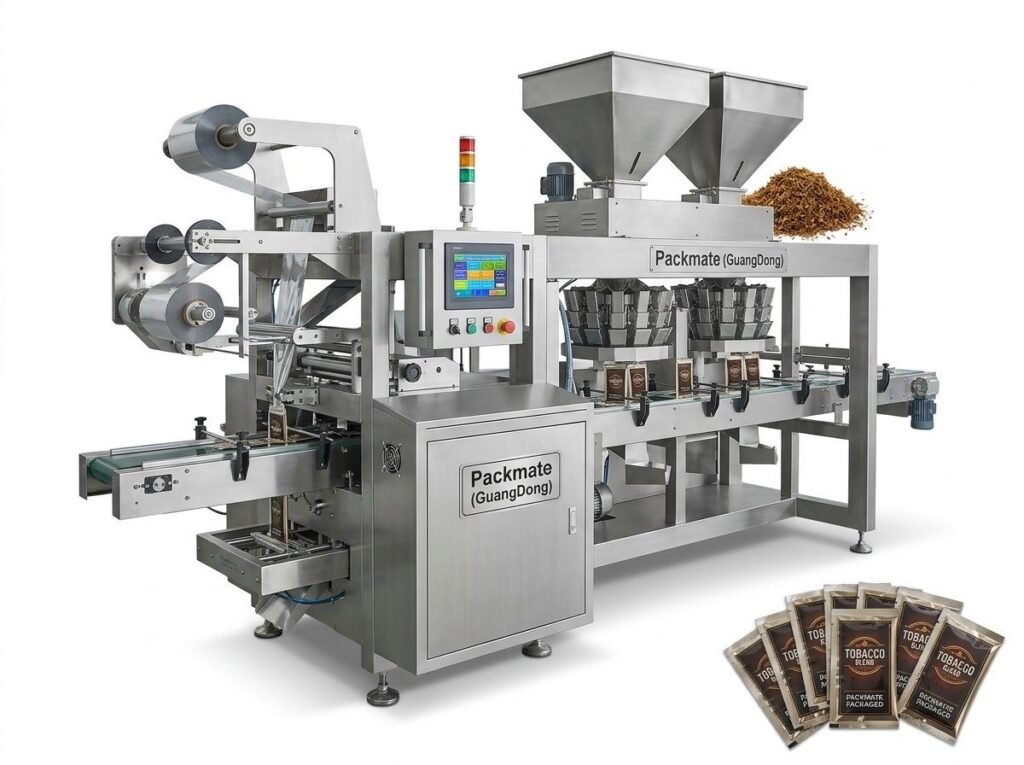
• A wide selection of models — stick pack, sachet, multi-lane systems, and full filling & packaging lines suitable for different production scales. Explore their product range: Snus & Nicotine Packaging Machines, Sachet & Stick Pack Machines, and Filling & Packaging Lines.
• Compliance: machines adhere to CE and ISO standards — important when you aim to sell regionally or export beyond Honduras. Learn more about the company: About Packmate.
Negotiation tips and contract points
Protect your investment with clear contract terms:
• Payment milestones — tie payments to acceptance tests and shipping milestones, not just delivery.
• FAT/SAT — request a Factory Acceptance Test (FAT) video or in-person inspection; include a Site Acceptance Test (SAT) clause post-installation in Honduras.
• Spare parts package — negotiate an initial spare parts kit and price list for future orders.
• Training and documentation — ensure operator and maintenance training are included, preferably in Spanish.
Making the final decision — a simple scoring approach
Build a simple scorecard with weighted categories: Reliability (25%), Support & Spares (20%), Technical Fit (20%), Price & TCO (20%), Local Considerations (15%). Use it to compare final contenders and quantify trade-offs objectively.
📦 Ready to move forward? Ask shortlisted suppliers for references in Latin America, sample production runs, and a clear timeline for delivery, installation, and training. If you want a reliable supplier profile and case studies, view real-world examples here: Case.
Next steps and contact options
Start by preparing a Request for Quotation (RFQ) with expected throughput, pouch sizes, materials, and regulatory text for Honduras. Share samples with the supplier and request a trial. When you are ready to discuss turnkey options, you can reach Packmate for detailed consultation and service offerings: Contact Us and review available services at Service.
Final thought
Choosing a snus packaging machine supplier for Honduras requires balancing technical fit, local support capability, and TCO. Prioritize suppliers with demonstrated snus/nicotine pouch experience, robust manufacturing capabilities, and the readiness to support you locally in Spanish. With the right partner you will reduce time-to-market, control product quality, and scale reliably as demand grows.
Frequently Asked Questions (FAQs)
Q1: What certifications should I request from a snus machine supplier?
A: Request CE and ISO certification documents, electrical safety test reports, and machine-specific FAT records. If you plan to export from Honduras, ensure documentation supports customs and import processes for destination countries.
Q2: How important is it to see a machine running with my product?
A: Extremely important. A live run (or video demo) with your exact materials reveals real-world sealing, dosing, and pouch appearance. If possible, require a paid pilot run before final payment.
Q3: What spare parts should I stock in Honduras?
A: Stock critical wear parts such as sealing jaws, belts, dosing components, sensors, and common PLC/servo spares for the first 6–12 months. Request a supplier-recommended spare parts list and initial kit pricing.
Q4: Can supplier engineers provide training in Spanish?
A: Many global suppliers now offer Spanish documentation and training or work with regional partners. Confirm language support and include it in the contract.
Q5: How do I handle customs and import for a line shipped to Honduras?
A: Work with a freight forwarder experienced with industrial machinery and Honduran customs. Ensure all certificates, invoices, and packing lists are detailed and coordinated with your local customs broker to avoid delays.