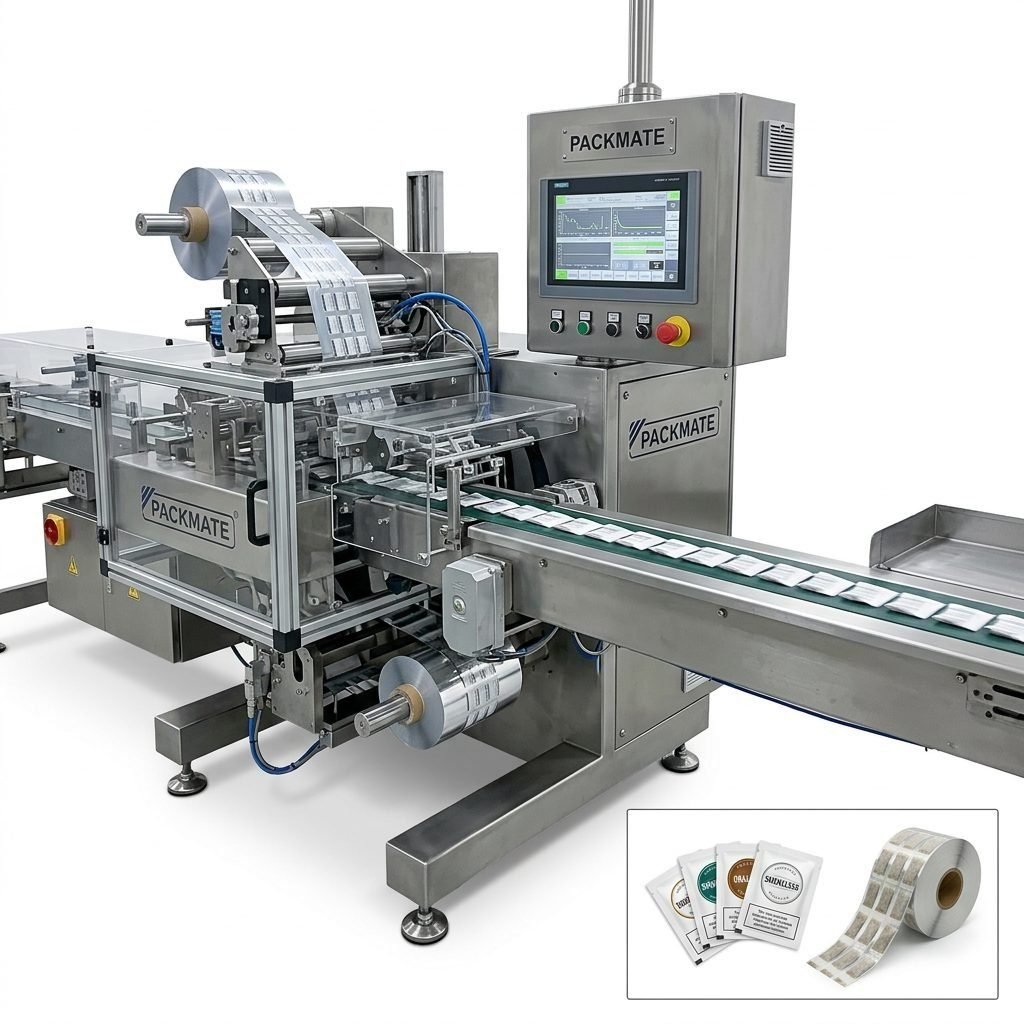
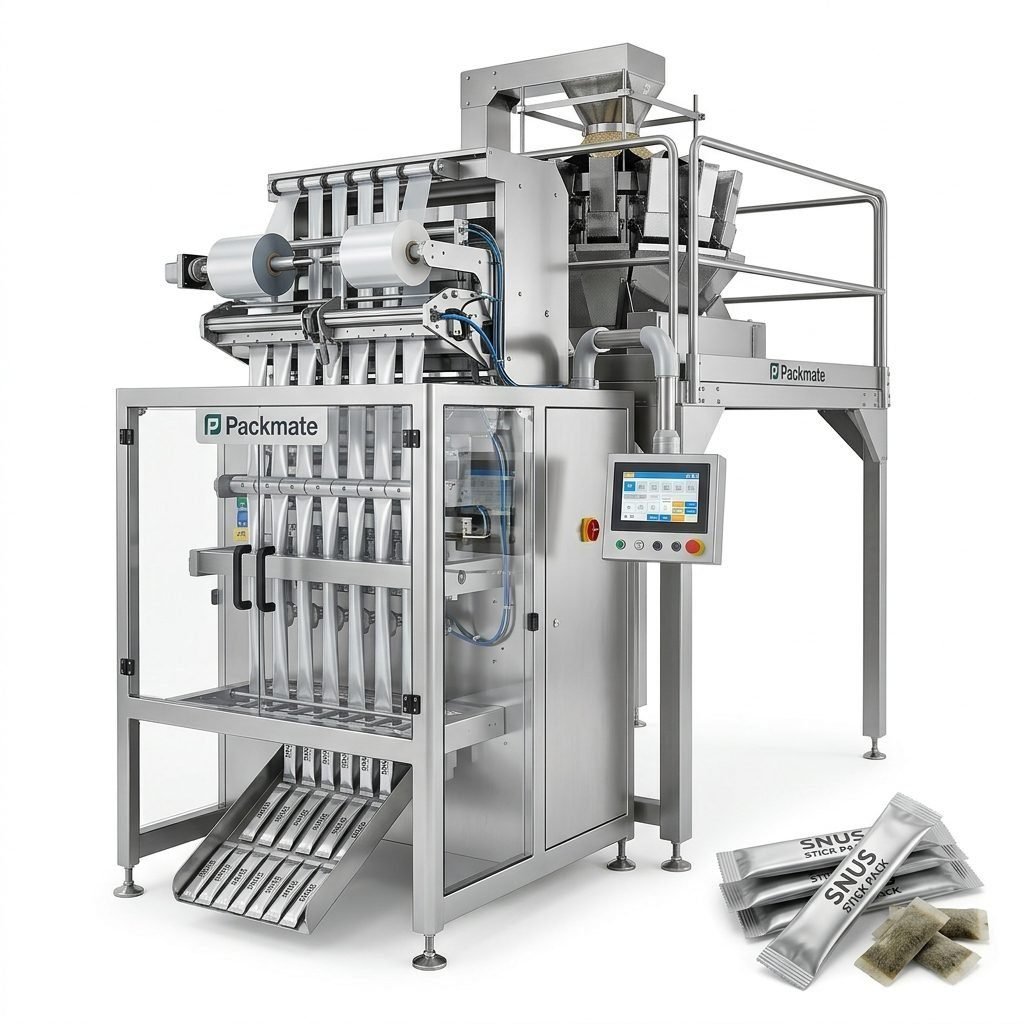
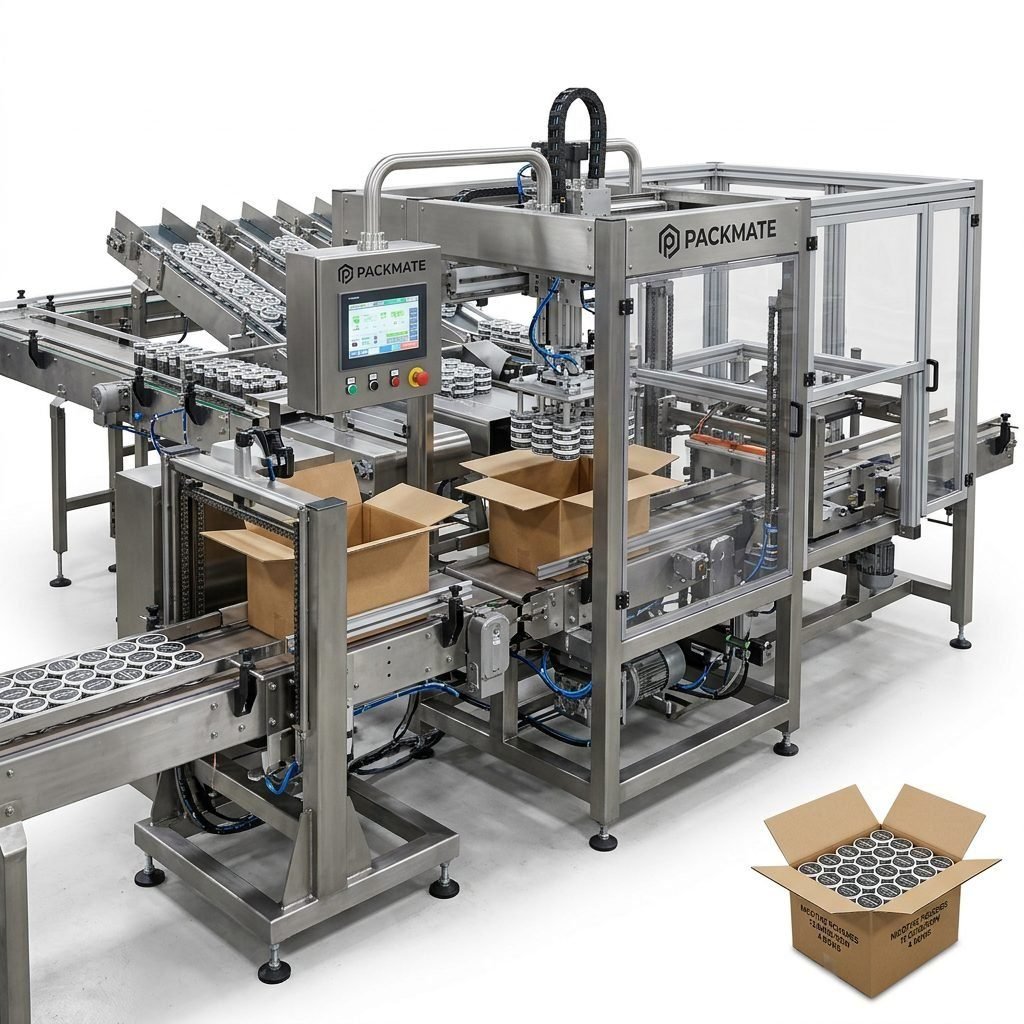
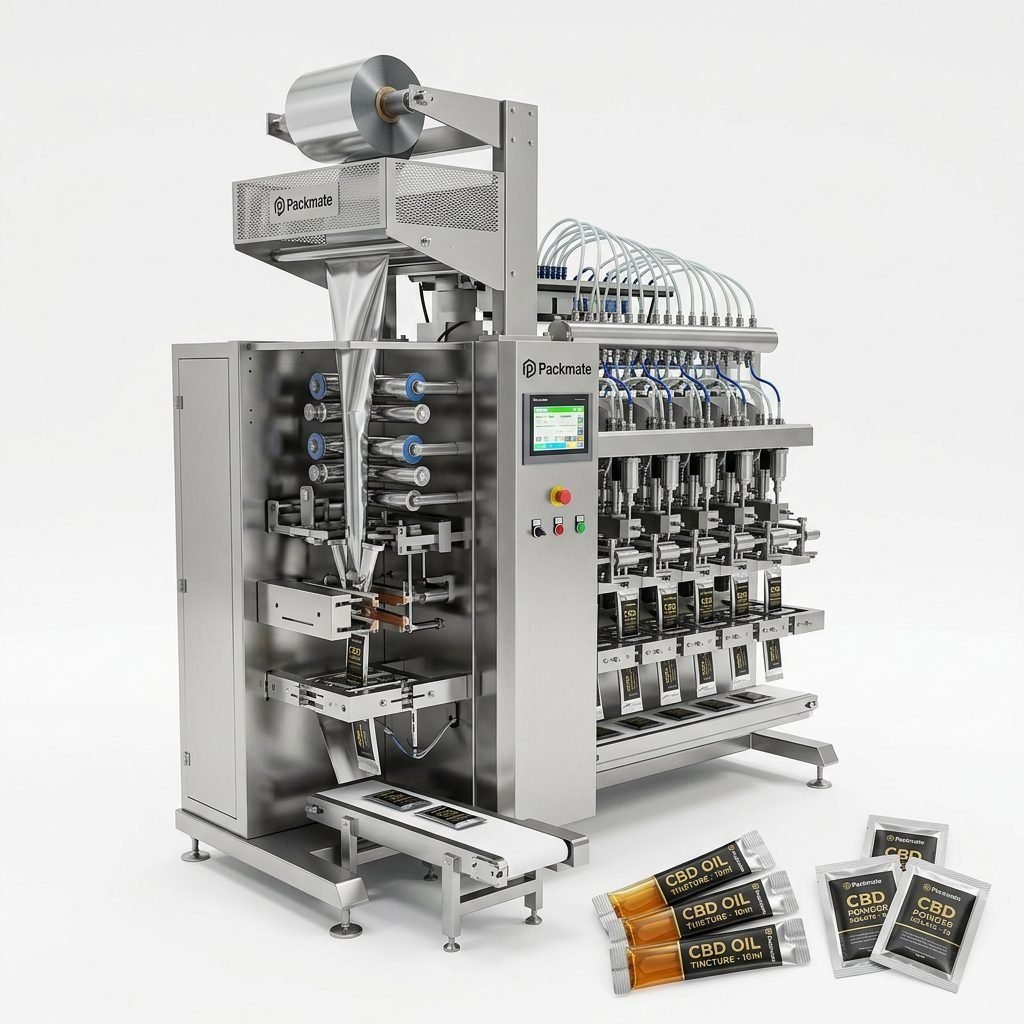
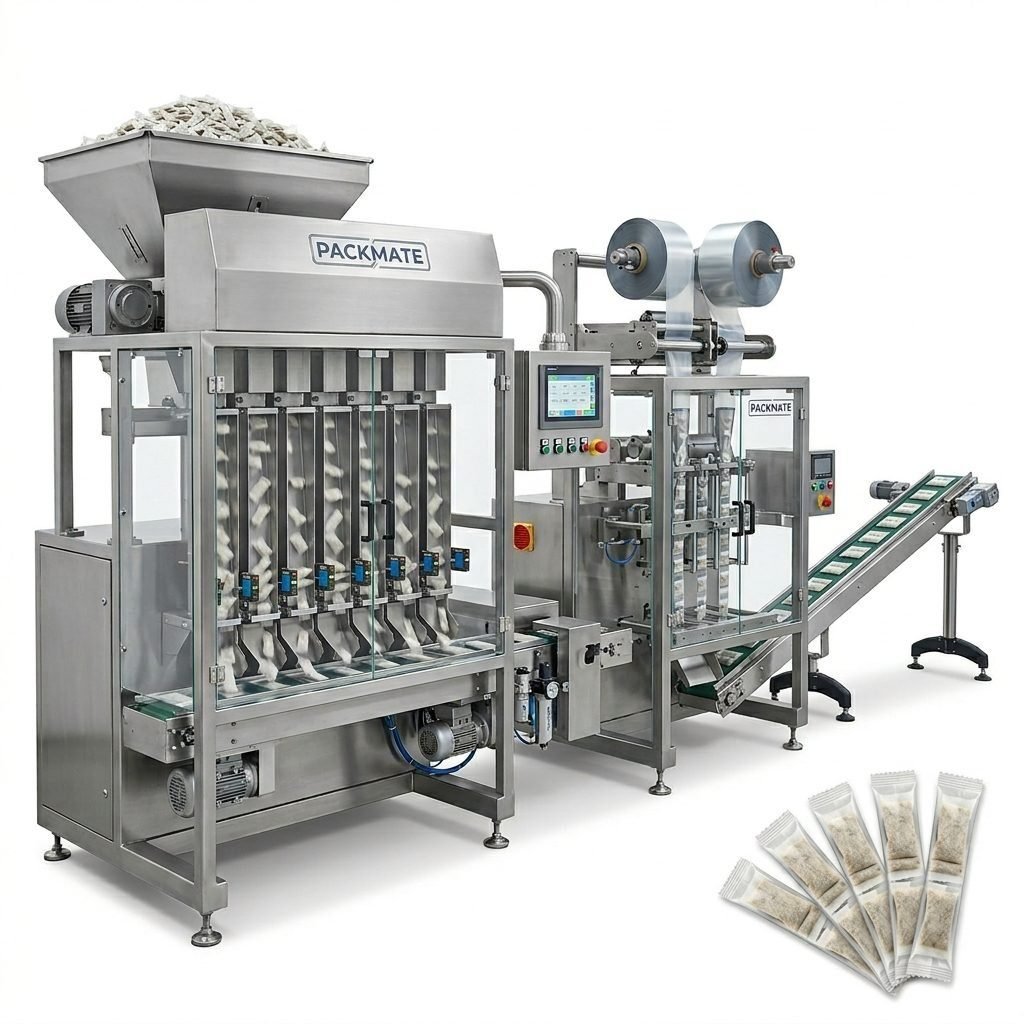
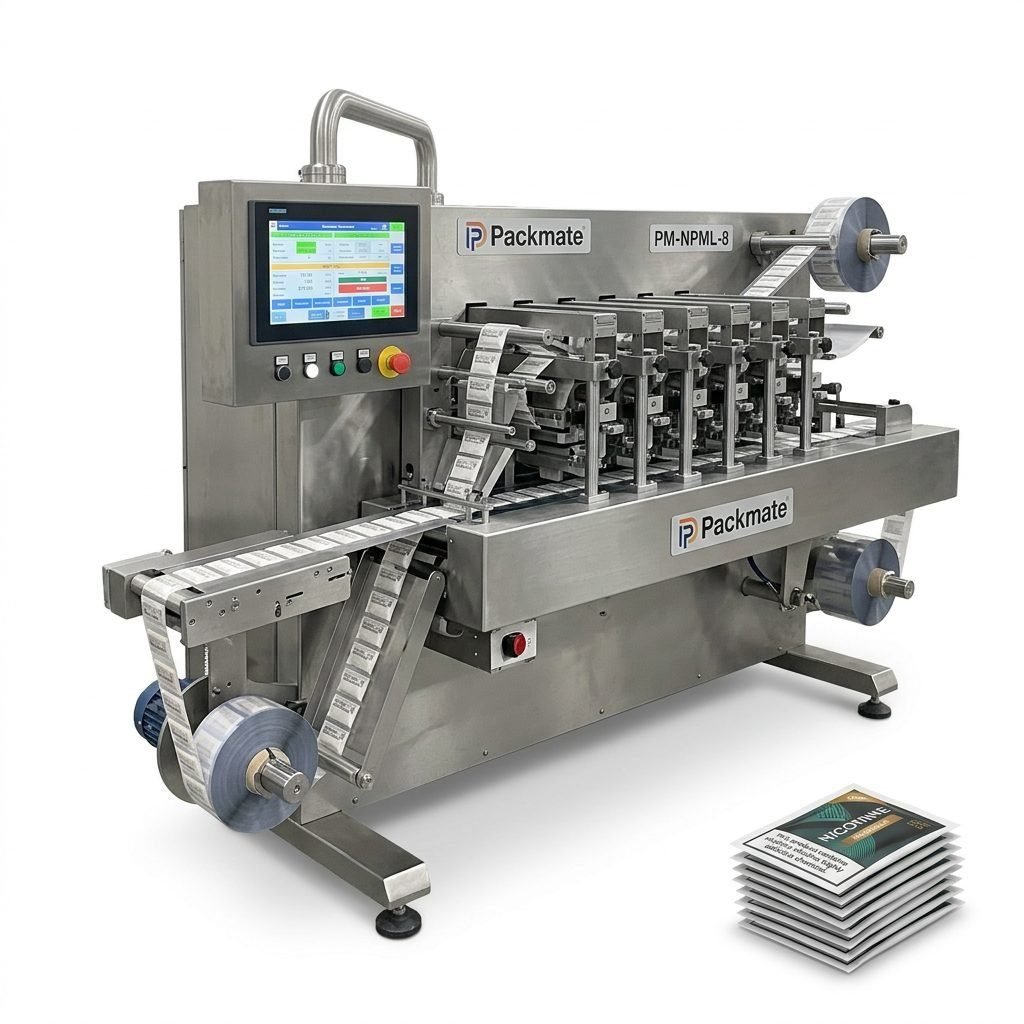
The modern nicotine pouch market demands precision, speed, and regulatory compliance. For manufacturers aiming to stay competitive, investing in advanced nicotine pouch production equipment is no longer optional — it is essential. This article explores the latest high-efficiency machines and turnkey solutions designed for producing nicotine pouches and snus, highlighting features, operational benefits, and the considerations that lead to a reliable, future-ready production line.
Industry Trends Driving Investment in High-Efficiency Machines
Market demand for nicotine pouches has grown rapidly in many regions due to changing consumer preferences and regulatory shifts. Manufacturers are responding by seeking equipment that offers: faster throughput, consistent pouch weight, precise portioning, and multi-lane flexibility. Advanced packaging lines reduce labor dependency and help meet tight production schedules while maintaining product integrity and packaging aesthetics.
Key Drivers
• Demand for discreet, portioned products that appeal to a wide age range of adult consumers.
• Need for rapid format changeovers to support SKU diversification.
• Tight regulatory scrutiny on product labeling, materials, and traceability.
• Desire to lower per-unit cost through automation and high uptime.
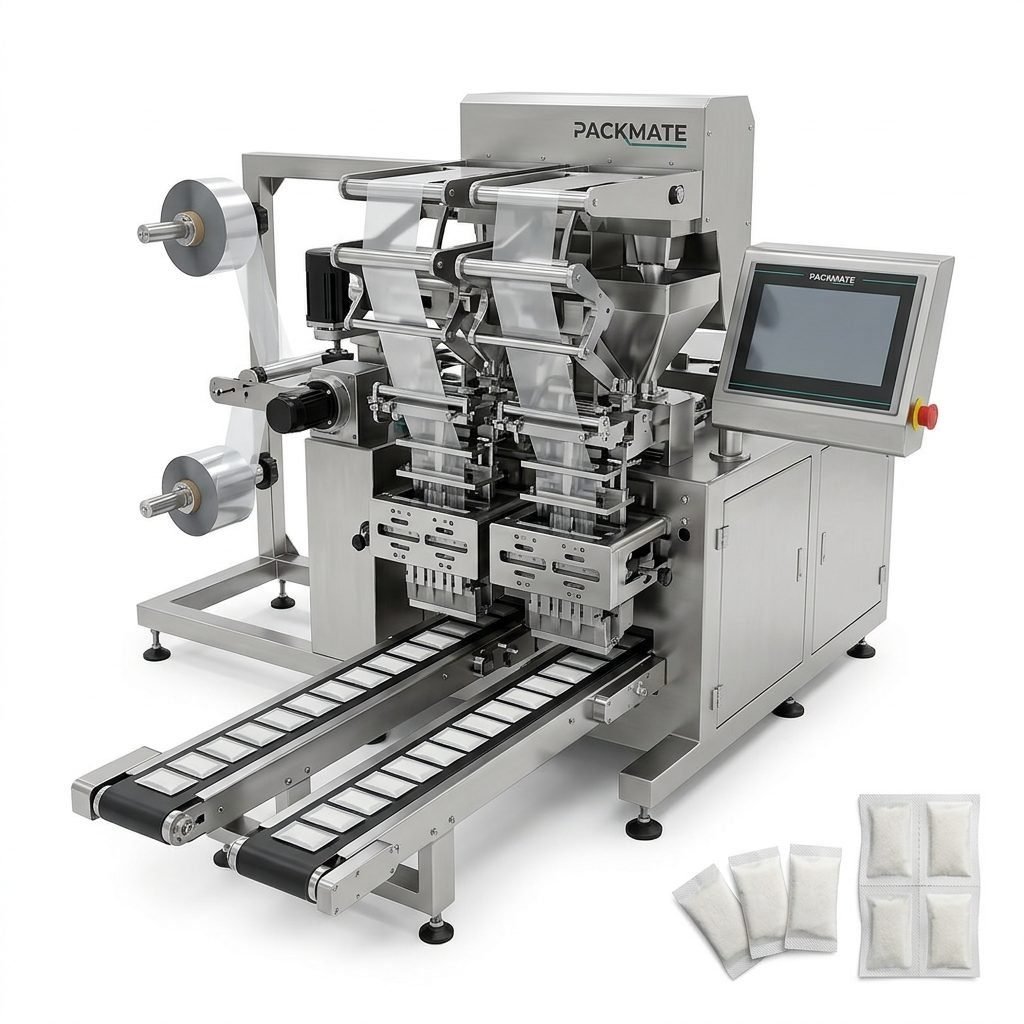
Industry highlight: Multi-lane snus and nicotine pouch machines can multiply output from a single footprint, allowing manufacturers to scale quickly without proportionally increasing operational overhead.
Core Technologies in Modern Nicotine Pouch Packaging Lines
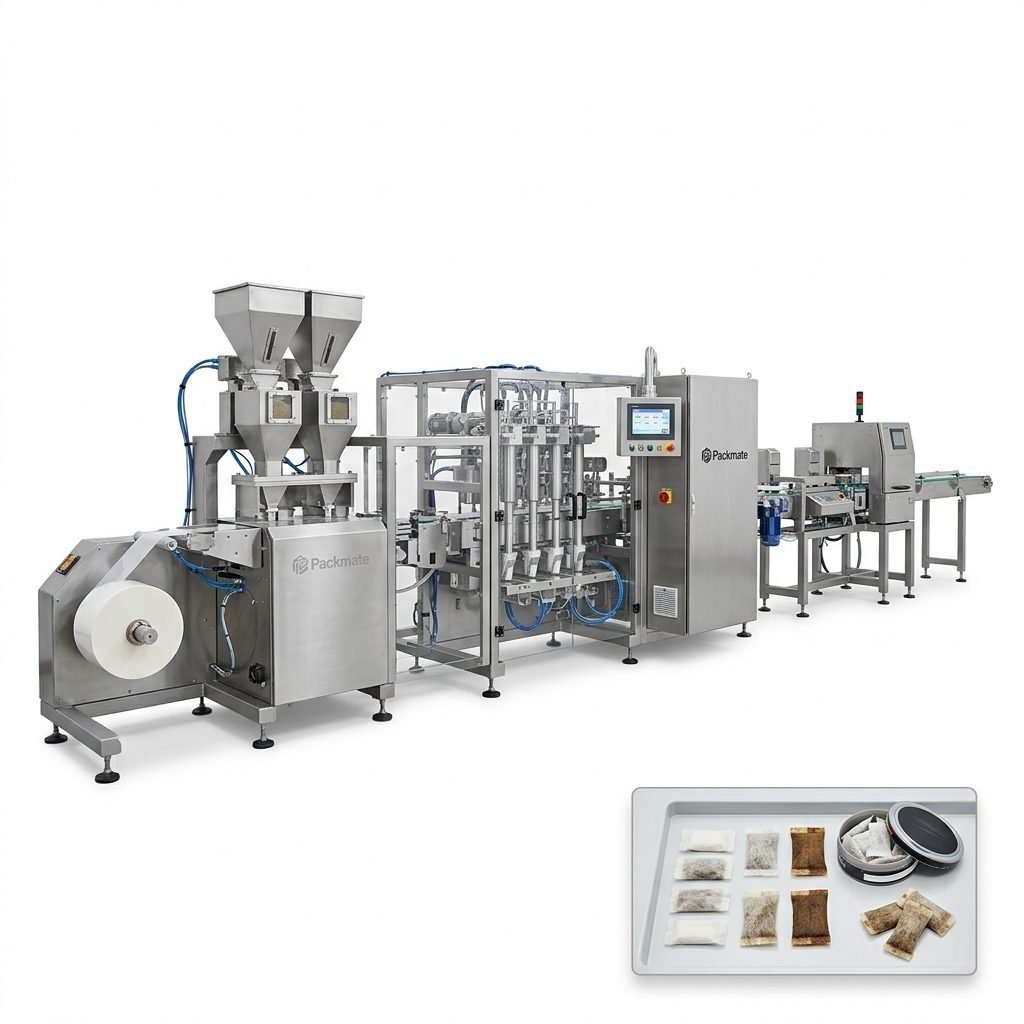
Modern lines integrate multiple subsystems for a seamless end-to-end process: precise dosing and weighing, pouch forming, filling, sealing, labeling, and end-of-line packaging. Each subsystem contributes to final product quality, and manufacturers prioritize machines that communicate via industrial protocols for synchronized operation and data collection.
Precision Filling & Weighing
Accurate portioning is critical. Micro-dosing systems and vibration-assisted fillers control small gram weights with minimal variance. Integration with inline checkweighers and feedback loops reduces product giveaway and ensures compliance with declared net weight.
Tip: Pairing weighing & packaging systems improves traceability and enables automatic rejection of out-of-spec units — a must for regulated markets.
Machine Types and When to Choose Them
Selecting the right machine type depends on product format, production volume, and flexibility needs. Key machine categories include single-lane stick pack and sachet machines, multi-lane pouch machines for small-dose formats, and fully integrated lines that combine filling, sealing, and secondary packaging.
Single-Lane vs. Multi-Lane Systems
Single-lane machines are ideal for low-to-medium volumes and frequent format changes. Multi-lane systems are optimized for high throughput and reduced floor space per unit output. For nicotine pouches where doses are small and throughput needs can spike, multi-lane designs offer better cost-per-unit economics.
Automation, Control, and Data Integration
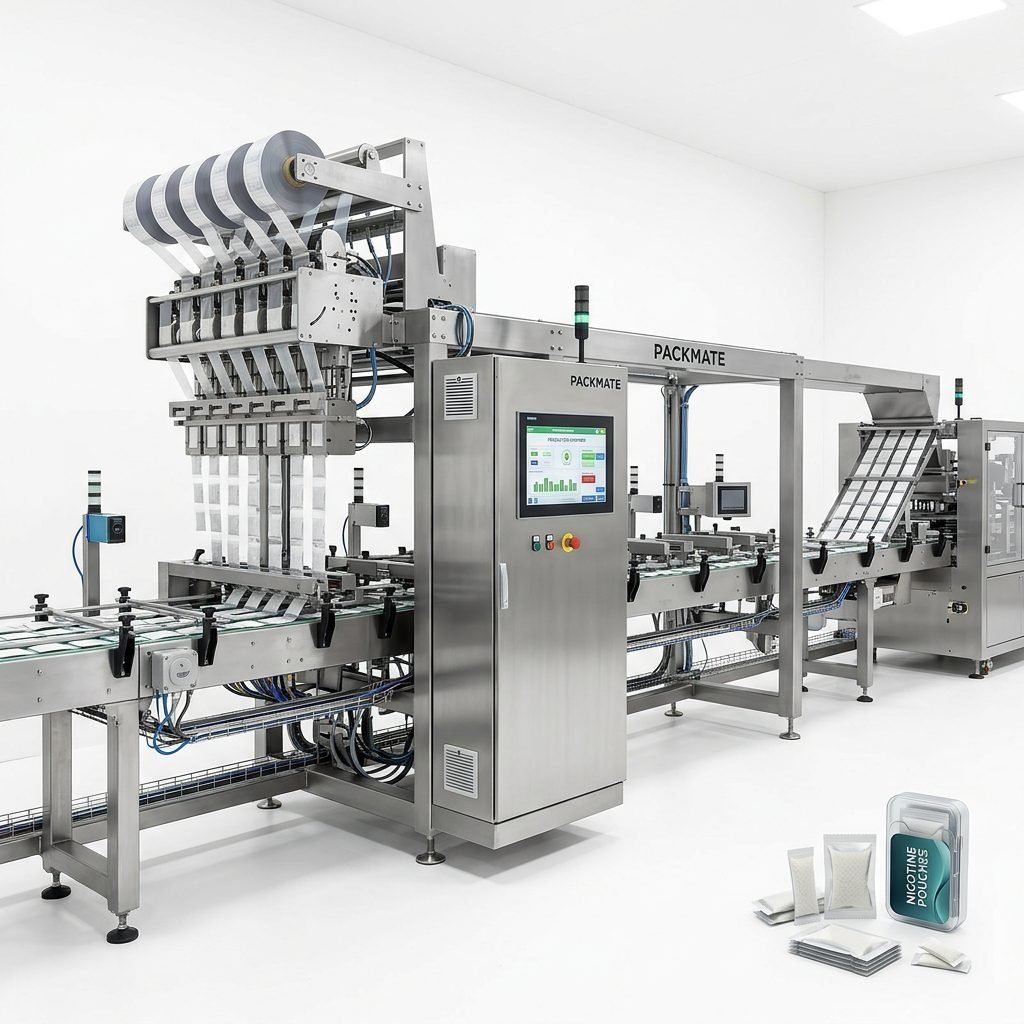
Industry 4.0 features like PLC control, HMI touchscreens, and remote diagnostics have become standard expectations. Smart machines capture production metrics, error logs, and maintenance alerts, enabling predictive maintenance and continuous performance improvement.
Remote Support & Diagnostics
Remote connectivity provides real-time support from OEM technicians, reducing downtime and speeding troubleshooting. Many suppliers offer service packages that include software updates, spare parts kits, and on-site training to maximize return on investment.
Quick stat: Up to 20% reduction in unplanned downtime is achievable with integrated remote diagnostics and predictive maintenance programs.
Hygiene, Materials and Compliance
For snus and nicotine pouches, material compatibility and hygienic design are essential. Stainless steel contact surfaces, easy-to-clean enclosures, and CIP-friendly layouts reduce contamination risk. Machines should comply with relevant certifications such as CE and ISO to meet international market entry requirements.
Material & Packaging Considerations
Choice of pouch material impacts shelf life and sealing efficacy. Barrier films, oxygen scavengers, and hermetic seals extend freshness and preserve flavor profiles. Packaging machines must handle a range of film types and thicknesses with consistent sealing temperature and pressure control.
Customization & Turnkey Solutions
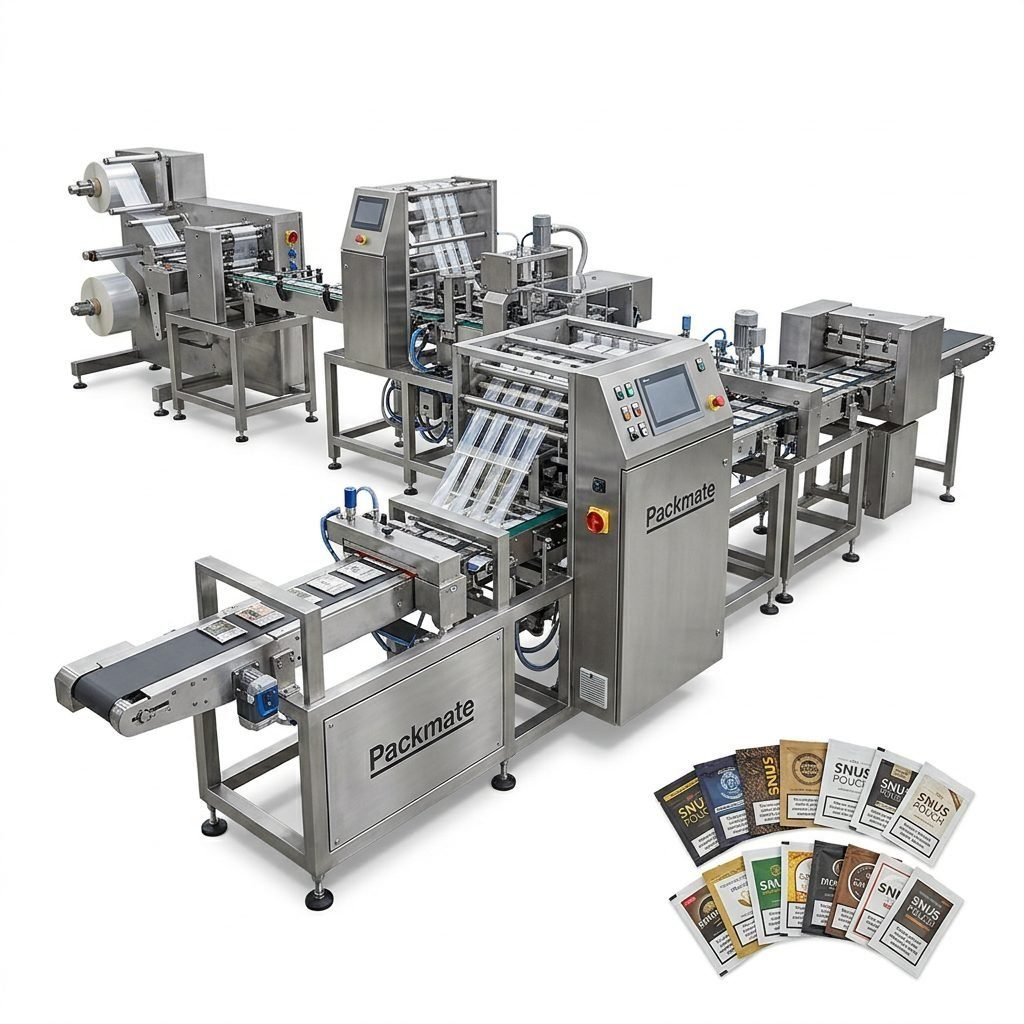
Many manufacturers prefer turnkey suppliers who provide complete lines tailored to product specifications. Turnkey projects often include plant layout, utility coordination, PLC integration, and operator training. A trusted partner will offer scalability options so the line can grow with demand.
Explore a range of tailored solutions and machine models such as those for pouch formats, sachets, and stick packs at the supplier’s product pages: Snus & Nicotine Packaging Machines, Bag & Pouch Packaging Machines, and Filling & Packaging Lines.
Installation, Training, and After-Sales Service
Proper installation and operator training are critical to long-term equipment performance. Reputable manufacturers provide commissioning services, hands-on operator training, and comprehensive documentation. After-sales service packages may include spare parts inventories, preventive maintenance schedules, and rapid-response technical support.
Service highlight: Factory-certified technicians and modular spare parts reduce mean time to repair and keep production targets on track.
Return on Investment and Total Cost of Ownership
Investment decisions should be framed around total cost of ownership (TCO). High-efficiency machines often have higher upfront costs but produce better yields, lower labor expenses, and less material waste. Metrics to evaluate include throughput per hour, downtime percentage, product give-away, and changeover times.
Measuring Payback
A typical payback analysis considers increased output, reduced labor, and decreased scrap. For many producers of nicotine pouches, payback can be accelerated by consolidating multiple single-lane lines into one high-capacity multi-lane system.
Sustainability and Material Efficiency
Sustainable manufacturing is increasingly vital. Efficient dosing reduces material waste, while optimized film usage and minimal overwrap contribute to lower environmental impact. Suppliers are adapting machine designs to reduce power consumption and enable recyclable packaging formats where feasible.
Real-World Case & Capabilities
A manufacturer with decades of engineering experience can deliver multi-lane snus pouch systems, stick pack equipment, and full filling & packaging lines configured for global markets. Learn more about a proven supplier’s company and production capabilities via their About page: About Packmate.
Case note: A 20,000㎡ manufacturing facility equipped with CNC machining centers and precision assembly lines ensures consistent build quality across dozens of machine models.
Selecting a Supplier: Questions to Ask
Choose a partner that demonstrates technical depth, global compliance, and strong after-sales support. Ask about lead times, spare parts availability, remote support options, and references from similar projects. Review their exhibition presence and case histories to gauge industry reputation — for example, see exhibition records and case examples: Our Exhibition and Case.
Checklist
• Verify certification (CE, ISO) and compliance documentation.
• Inspect visibility into spare parts lead times.
• Confirm training and commissioning scope.
• Ensure software and control compatibility with your MES or ERP.
Practical Considerations for Implementation
A smooth installation begins with detailed factory acceptance testing (FAT), clear mechanical and electrical drawings, and a pragmatic plan for utilities and floor layout. Allow time for staff training and perform pilot runs to validate quality and regulatory labeling before full production.
Implementation tip: Schedule FAT and site acceptance testing with clear acceptance criteria to avoid delays during commissioning.
Final Thoughts: Investing for the Future
High-efficiency nicotine pouch production equipment is an investment that supports quality, compliance, and scalability. Whether choosing single-lane machines for flexibility or multi-lane systems for maximum throughput, prioritize suppliers with proven engineering experience, comprehensive service offerings, and documented global installations. For manufacturers ready to modernize, partnering with a seasoned provider ensures the line performs reliably while adapting to evolving market demands.
Learn More & Contact
If you want detailed specifications, catalogs, or support options, check product categories and contact resources: Sachet & Stick Pack Machines, Weighing & Packaging Systems, and the Contact Us page for inquiries.
Frequently Asked Questions
Q1: How do I choose between single-lane and multi-lane machines?
A1: Consider current and projected production volumes, SKU variety, and available floor space. Multi-lane machines are best for high-volume, low-variation production. Single-lane systems suit facilities demanding frequent changeovers and lower capital outlay.
Q2: What certifications should packaging equipment have?
A2: Seek CE and ISO compliance at minimum. If you export to regulated markets, confirm that the supplier adheres to local safety and hygienic standards and can provide documentation for audits.
Q3: How long is the typical lead time for a turnkey snus packaging line?
A3: Lead times vary by customization level, but manufacturers with extensive facilities and multiple machine models can often deliver faster. Discuss project timelines early and include FAT in the schedule to minimize startup delays.
Q4: What ongoing support should I expect after installation?
A4: Expect commissioning, operator training, spare parts support, and access to remote diagnostics. Many suppliers offer service contracts for preventative maintenance and fast-response repairs.
Q5: Can machines handle custom pouch sizes and special films?
A5: Yes. Modern machines are designed for format flexibility. Confirm compatibility with your intended film types and test-run samples during the evaluation phase to ensure sealing quality and machine performance.