Choosing the right nicotine pouch machine manufacturer is a strategic decision that affects product quality, production costs, regulatory compliance, and time-to-market. Whether you are launching a new nicotine pouch brand or upgrading an existing production line, this guide walks you through the practical criteria, key features, and supplier evaluation steps you need to make an informed decision.
Why the Manufacturer Matters: Performance, Compliance, and Support
A manufacturer’s capability goes beyond the machine’s speed. It includes engineering expertise, quality control, spare parts availability, and after-sale service. Selecting an experienced partner reduces downtime, ensures consistent pouch quality, and helps you navigate international regulations and certifications.
Key indicators of a reliable supplier
🔧 Technical depth: Over decades of design and production experience, demonstrated through a diverse product lineup and advanced manufacturing capability.
✅ Quality systems & certifications: CE, ISO and documented testing protocols that match your target market expectations.
📦 Turnkey solutions & integration: Ability to combine filling, weighing, pouch forming, and secondary packaging into a cohesive production line.
Core Machine Types for Nicotine Pouch Production
Different product formats and production scales require different machinery. Below are the most common types and what they excel at:
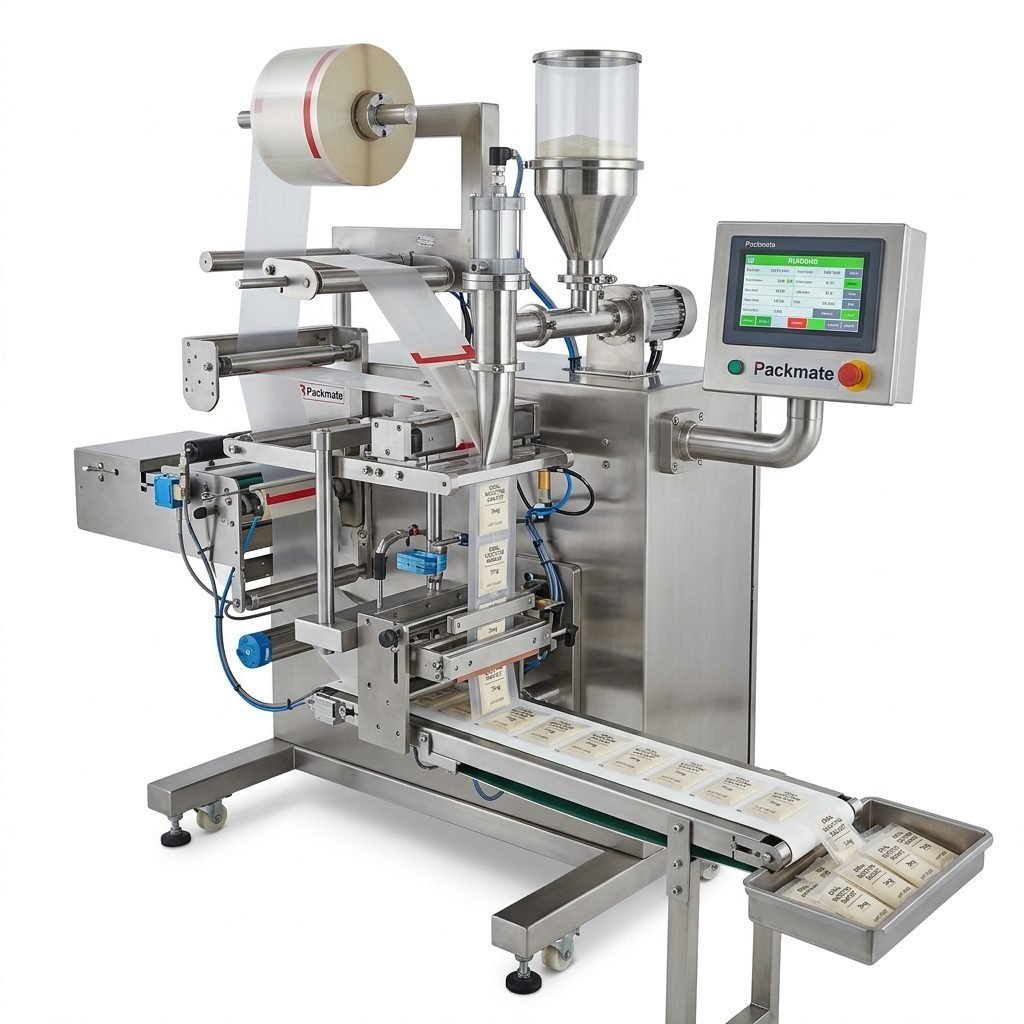
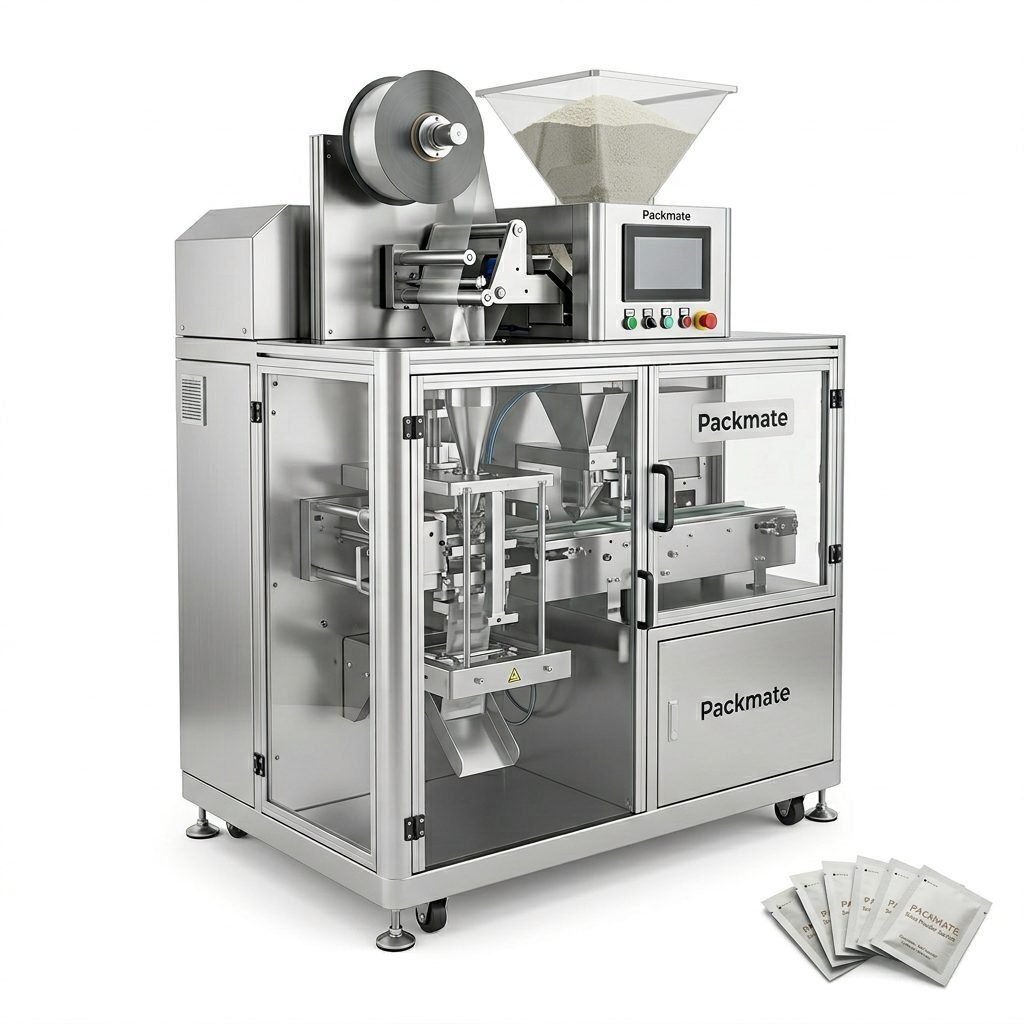
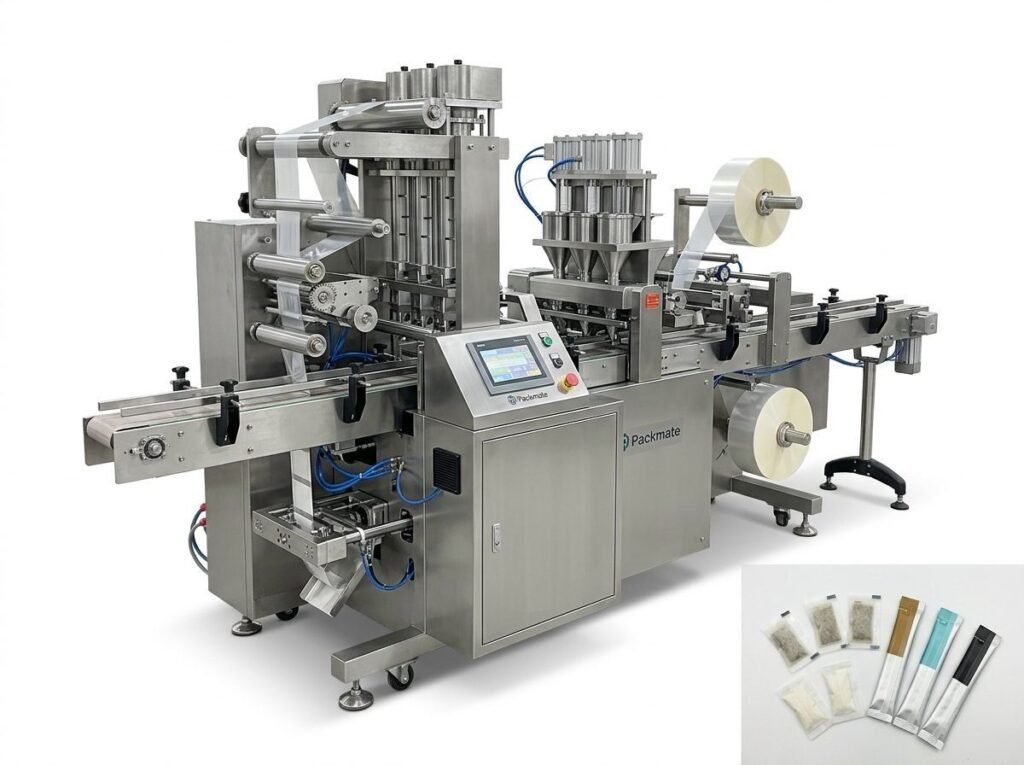
Stick pack & sachet machines
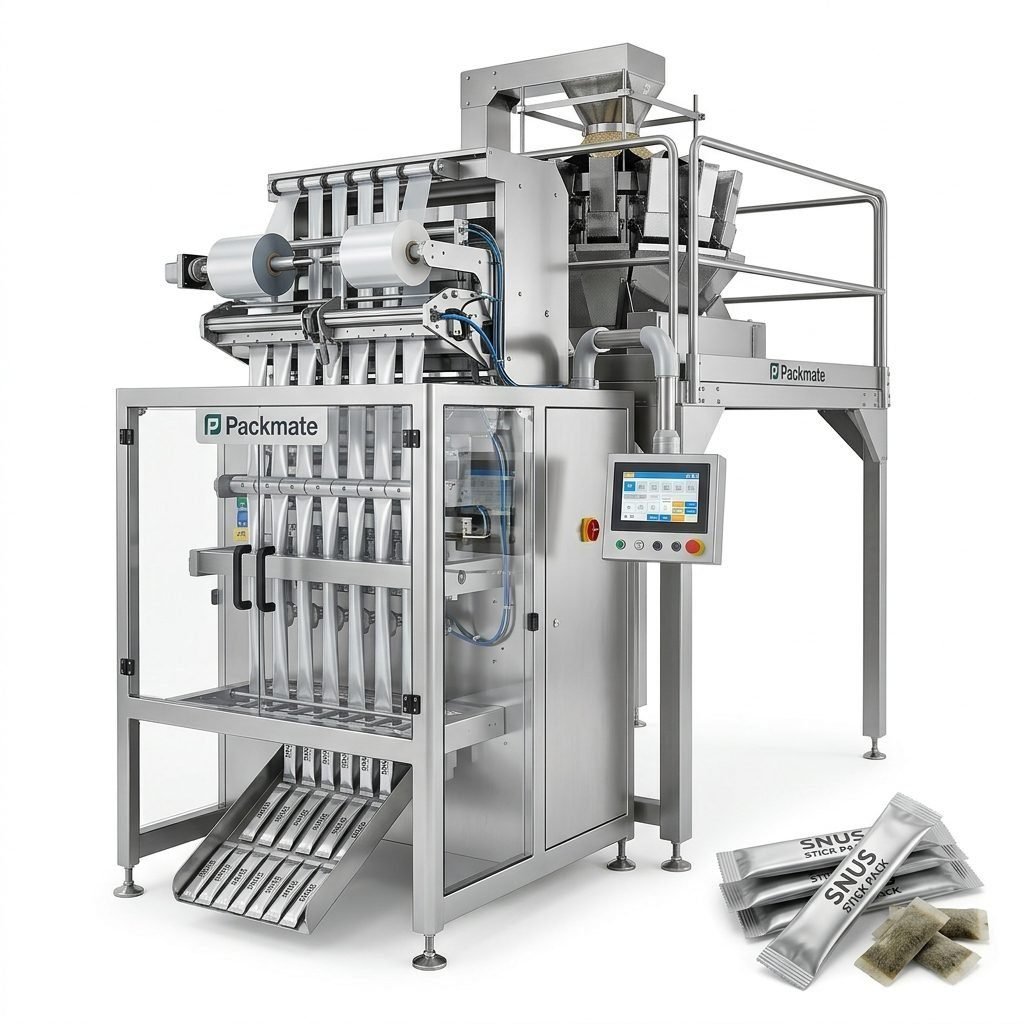
Stick packs and sachets are popular for single-dose nicotine pouches and convenience packaging. Machines in this category offer precise dosing and high speeds for flexible pouch sizes. Look for machines with quick-change systems and accurate servo control.
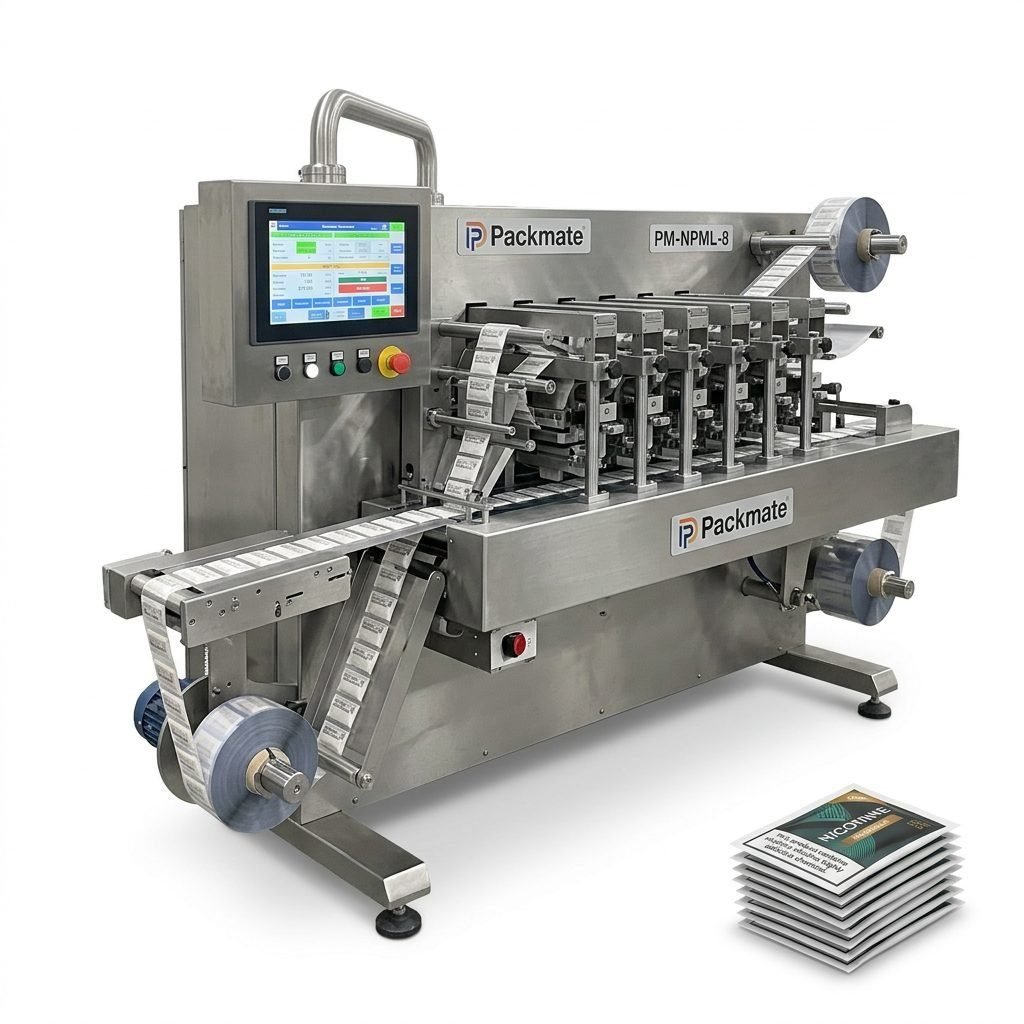
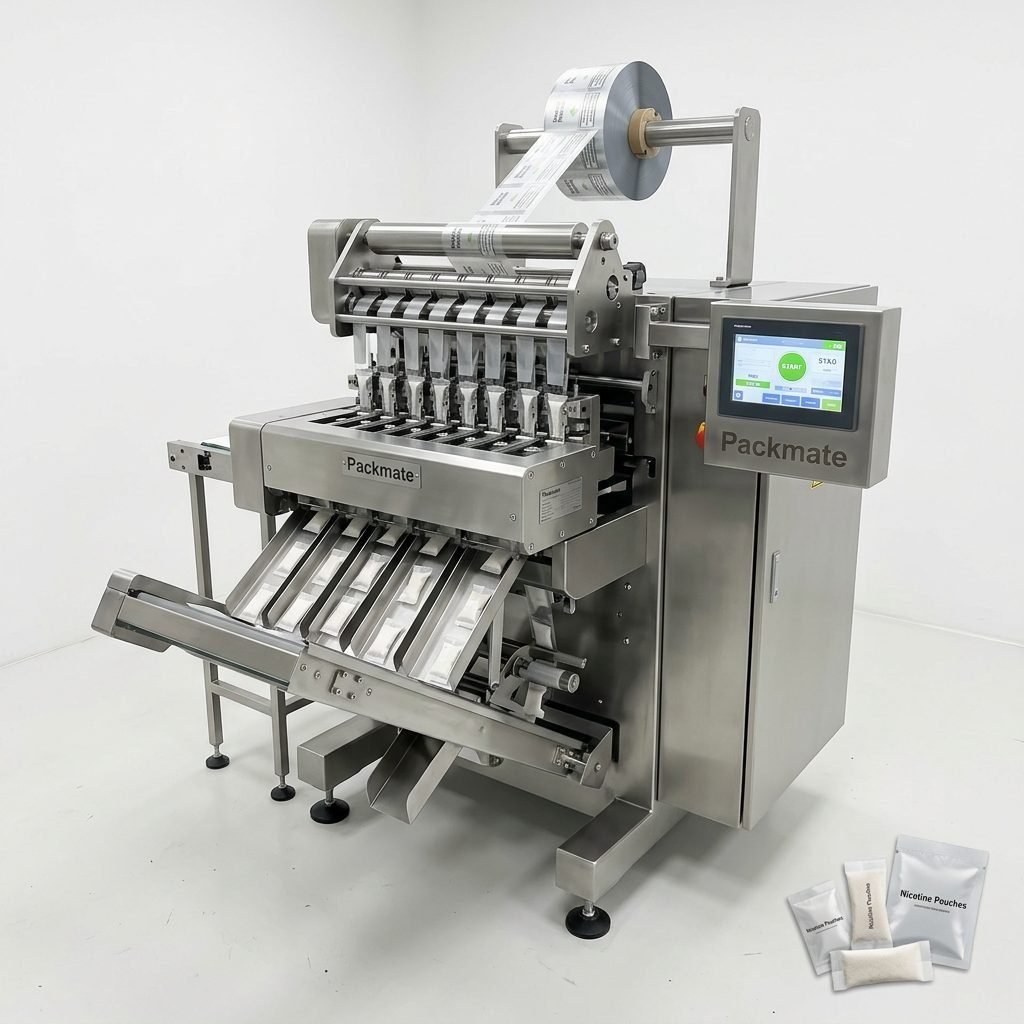
Multi-lane pouch formers
For high-volume production of small-dose nicotine pouches, multi-lane systems dramatically increase throughput. Prioritize suppliers that offer lane synchronization, robust web handling, and uniform fill distribution.
Auxiliary and integrated systems
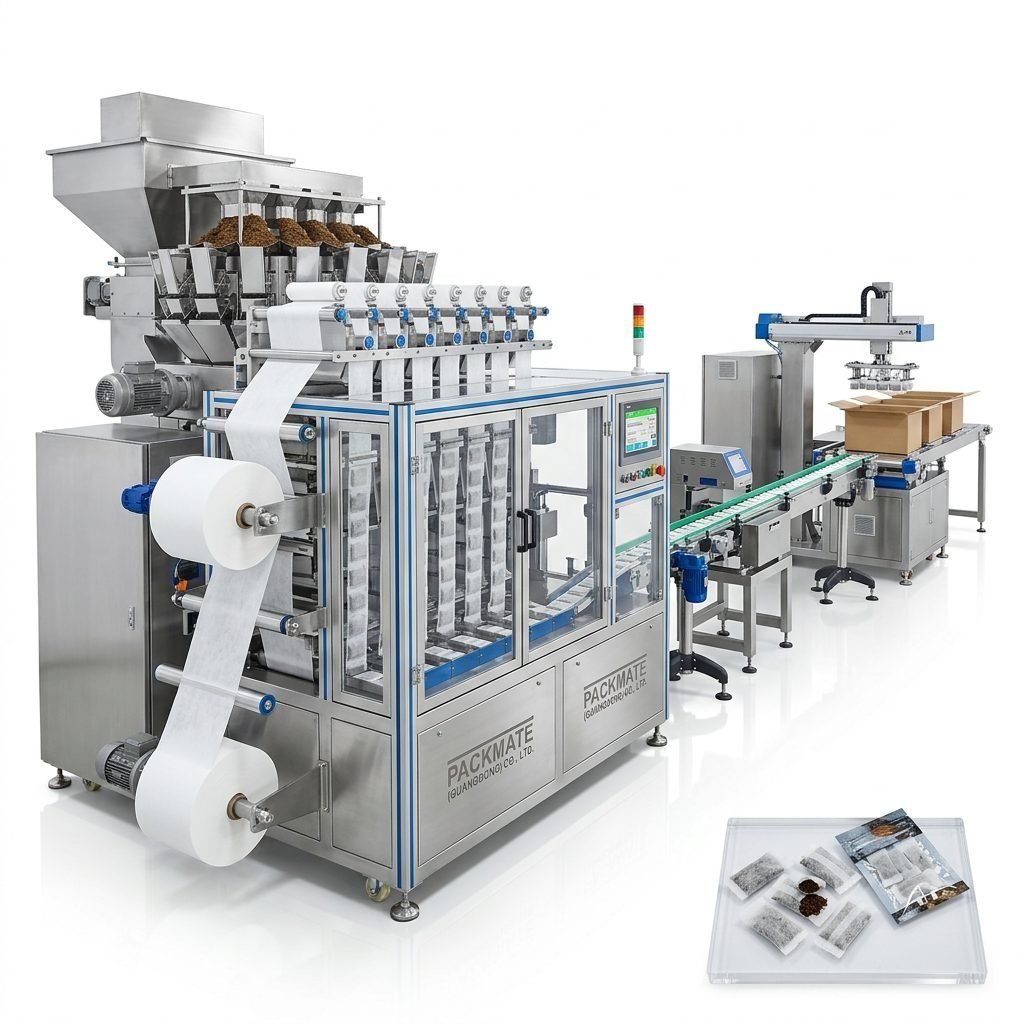
Scales, feeders, conveyors, and secondary wrapping machines ensure a smooth line. A supplier who provides weighing & packaging systems or modular integration reduces interfacing issues and speeds commissioning.
Top Selection Criteria: What to Evaluate
Use a weighted checklist to select the best supplier for your production objectives. Below are practical criteria and how to measure them.
1. Engineering experience & model range
Longer industry experience usually means better problem-solving, wider model options, and proven machine lifecycle performance. Suppliers with 30+ years in packaging engineering bring mature design choices and global case studies—look for references and factory tours.
2. Factory capability and quality control
Inspect whether the manufacturer runs CNC machining centers, precision assembly lines, and a testing area. A manufacturing footprint around 20,000㎡ and documented QC processes are positive signs.
3. Regulatory compliance and documentation
Ensure the machines meet CE/ISO or relevant standards for your market. Request certificate copies and ask about material traceability, safety interlocks, and cleaning procedures for products with nicotine.
4. After-sales support and spare parts
Fast spare parts delivery, remote diagnostics, and field service engineers shorten downtime. Prefer suppliers who publish spare-part lead times and have global service cases or local partners.
5. Customization and turnkey capability
If your product has specific pouch shapes, special dosing requirements, or branding constraints, ensure the supplier offers customization and can deliver full line integration—from filling to secondary packaging.
Practical Steps to Vet and Compare Suppliers
A methodical evaluation process will save time and reduce risk. Use these steps to shortlist and select a partner:
Step 1 — Request detailed documentation
Ask for machine specifications, electrical and pneumatic requirements, performance test reports, and reference installations. Review product catalogs and ask for videos of machines running real products.
Step 2 — Factory visit or virtual tour
Inspect workshop capabilities, assembly areas, and quality control stations. If a site visit isn’t possible, request a live virtual tour and a demonstration of the exact model you intend to buy.
Step 3 — Pilot runs and sample testing
A pilot run with your raw materials produces the most realistic evaluation. Verify pouch seal integrity, fill accuracy, and downstream compatibility with secondary packaging.
Step 4 — Commercial terms and lead times
Compare payment schedules, warranty periods, installation support, training, and spare-part policies. Faster lead times reduce the time to market, while favorable warranty coverage mitigates operational risk.
What to Expect from a High-Performing Nicotine Pouch Line
Modern production lines are built for precision, hygiene, and flexibility. High-performing systems combine reliability with user-friendly controls and data collection to support production optimization.
📈 High accuracy dosing: Electronic scales or volumetric feeders integrated into each lane ensure consistency and minimal give-away.
🤖 Servo-driven controls: Faster set-up, synchronized lanes, and repeatable pouch formation.
🧰 Tool-less changeovers: Minimize downtime when switching pouch sizes or formats.
Cost Considerations: Beyond the Machine Price
Purchase price is only one component. Account for total cost of ownership (TCO), which includes commissioning, spare parts inventory, labor, utilities, maintenance, and expected lifetime performance.
Hidden costs to plan for
• Installation and factory acceptance testing (FAT).
• Training for operators and technicians.
• Spare parts for wear items like belts, seals, and cutting tools.
• Upgrades for automation or traceability over the machine lifecycle.
How Packmate Snus Machine Aligns with These Needs
With three decades of packaging engineering expertise and a 20,000㎡ manufacturing facility, Packmate focuses on high-performance snus and nicotine pouch packaging lines. Their product portfolio spans snus & nicotine packaging machines, sachet & stick pack machines, and integrated filling & packaging lines—making it a viable partner for turnkey projects.
Packmate’s certifications, global case references, and exhibition presence help validate performance claims and provide potential buyers with demonstration opportunities and follow-up support.
Choosing the Right Machine Configuration for Your Market
Product format, production volume, and local regulatory expectations guide machine selection. For example, Scandinavian markets with an established snus culture favor high-consistency pouch formats and strict documentation, while markets with emerging demand might prioritize flexible, lower-capex machines to test product-market fit.
Local considerations and user habits
If you sell in regions where single-dose convenience and portability are valued, prioritize stick pack or single-serve sachet solutions. For markets that value premium branding and sustainable packaging, discuss recyclable film compatibility and label application options with your supplier.
Commissioning, Training, and Continuous Improvement
A strong onboarding program speeds up ramp-up. Good suppliers provide onsite commissioning, operator and maintenance training, and documented SOPs. After initial installation, use production data to identify bottlenecks and progressively improve OEE (Overall Equipment Effectiveness).
🔍 FAT & SAT: Factory Acceptance Tests and Site Acceptance Tests ensure the line meets agreed KPIs before handover.
🎓 Operator training: Hands-on sessions that cover quick changeovers, cleaning, and troubleshooting.
📊 Data-driven improvement: Use basic OEE tracking and reject cause analysis to iterate and fine-tune the line.
How to Finalize Your Decision: A Quick Checklist
Here’s a compact selection checklist to use in supplier comparison meetings:
⚠️ Machine model and suitability with your product
⚠️ Factory certifications and QC documentation
⚠️ Spare parts policy, mean time to repair, and service network
⚠️ Total cost of ownership and payment terms
⚠️ References, case studies, and pilot test results (see case examples)
Next Steps and Where to Find More Information
When you’re ready to engage, request a detailed proposal, sample testing, and FAT plans. Check supplier catalogs and product pages to match models to your target output and pouch format—pages such as bag & pouch packaging machines and About Packmate provide useful starting resources.
Final practical tips
– Start with a medium-speed pilot line to validate product formulas and packaging materials before investing in multi-lane high-speed systems.
– Negotiate spare-part kits and an initial training package into the contract.
– Prioritize suppliers with proven global deliveries and responsive service to minimize the risk of long downtimes.
Frequently Asked Questions
Q1: How long does it take to commission a nicotine pouch machine line?
A1: Typical commissioning ranges from 4 to 12 weeks depending on line complexity, customization, and shipping. Factory Acceptance Tests can shorten onsite commissioning time.
Q2: What certifications should I ask for when buying packaging machinery?
A2: Ask for CE and ISO certificates as baseline evidence of quality and safety. Also request documented test reports and, if relevant, materials traceability for critical parts.
Q3: Can a single supplier provide a turnkey nicotine pouch production line?
A3: Yes. Many suppliers, like Packmate, provide integrated lines that include filling, weighing, multi-lane pouch forming, and secondary packaging to deliver a turnkey solution.
Q4: What is the best way to ensure long-term uptime and minimal downtime?
A4: Invest in preventive maintenance training, keep a small inventory of wear parts, implement OEE monitoring, and secure a service-level agreement (SLA) with the supplier for rapid support.
For more details, contact the manufacturer’s sales or technical team to discuss product samples, line layouts, and local support—this ensures the chosen machine aligns exactly with your production goals.