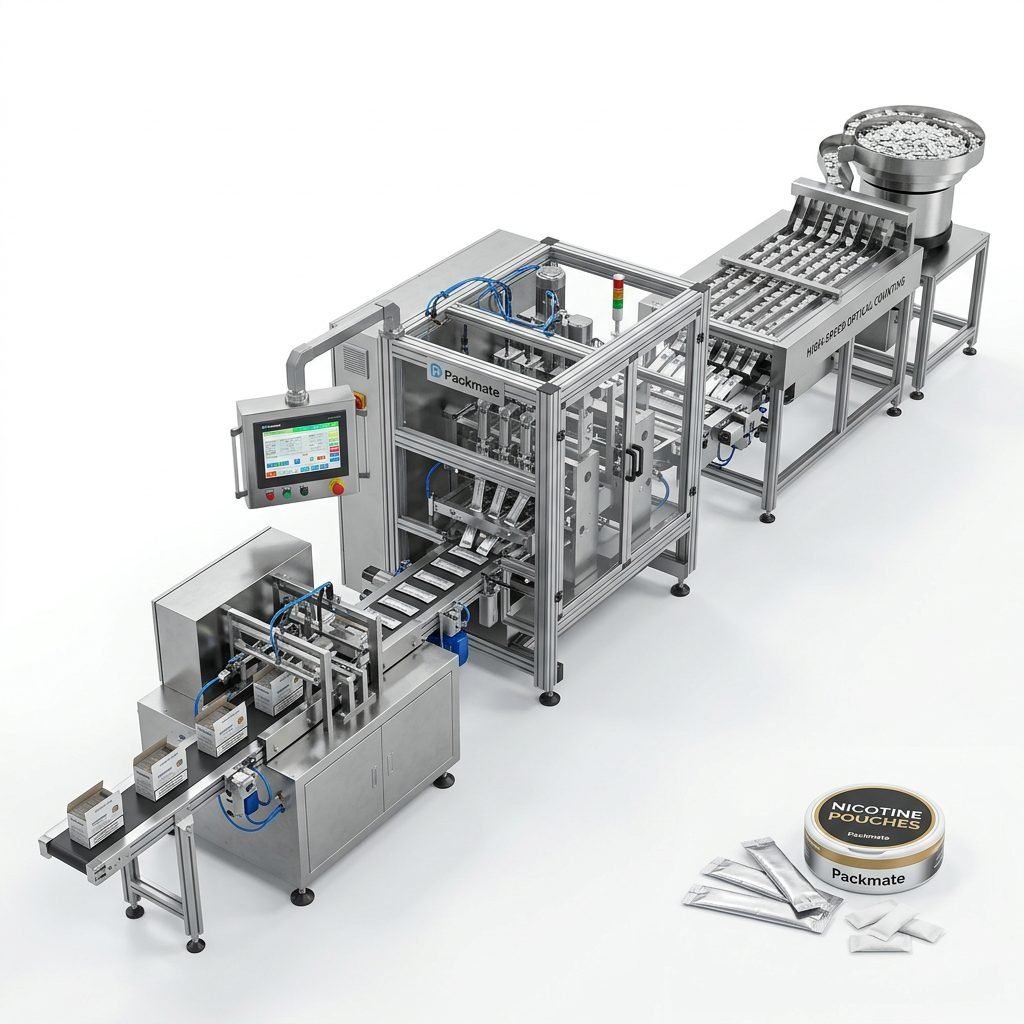
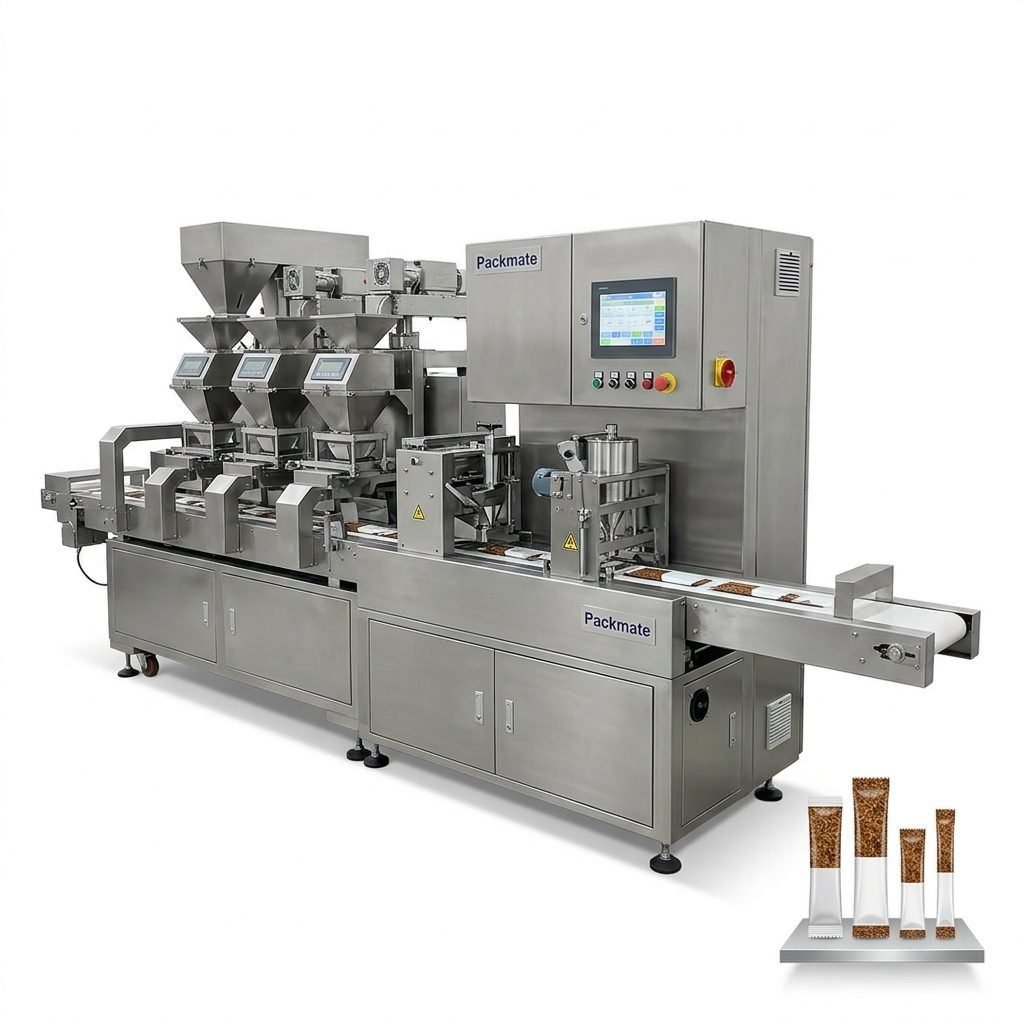
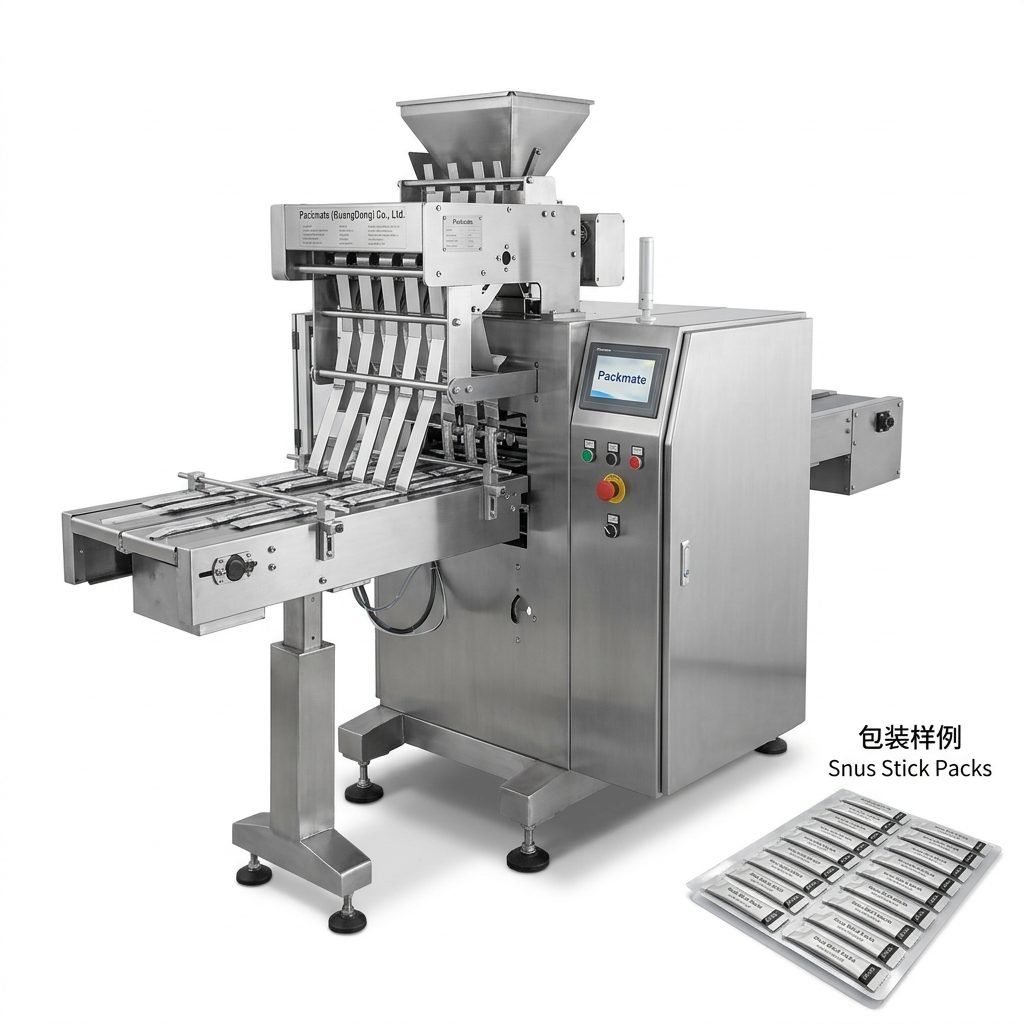
Selecting the right snus packaging machine manufacturer in Europe is a critical decision that affects product quality, regulatory compliance, production efficiency, and long-term operational costs. Whether you are producing nicotine pouches, snus, tea sachets, or multi-lane stick packs, the choice of supplier determines your line uptime, output consistency, and ability to scale. This guide walks you through practical, commercially focused criteria to find the best European partner for your production needs.
Why the Manufacturer Matters More Than the Machine Model
A packaging machine is more than a collection of moving parts. The manufacturer’s engineering standards, testing routines, parts availability, and service culture define the real value. A machine from a reputable supplier will arrive calibrated, documented, and supported with spares and training. Conversely, a poorly supported machine can increase downtime, introduce quality variation, and raise hidden costs long after the purchase.
Key performance indicators to consider
Look beyond advertised speed. Evaluate: production yield, first-pass quality rate, changeover time, mean time between failures (MTBF), and the supplier’s documented installation & validation process. These metrics reveal how a machine will perform on your specific product and environment.
Pro tip: Request real production data and a list of customers running the exact model on comparable products. Factory performance records and references are invaluable when comparing suppliers.
Technical Capabilities: What to Verify in the Manufacturer’s Facility
A manufacturer’s workshop and testing environment reveal their capacity for quality. Inspect or ask for documentation covering CNC machining capabilities, assembly lines, inspection stations, and final test rigs. Facilities with automated CNC centers and precision assembly lines typically deliver better repeatability and tighter tolerances.
Essential factory attributes
• Modern CNC equipment and jigs for consistent parts quality.
• Dedicated assembly lines and clean testing areas for final validation.
• On-site QA with documented inspection procedures.
• Capacity to produce spare parts and customized assemblies quickly.
Packmate Snus Machine, for example, highlights a 20,000㎡ manufacturing facility with advanced CNC machining centers and precision assembly lines—attributes that typically reduce lead times and improve machine longevity.
Product Range & Specialization
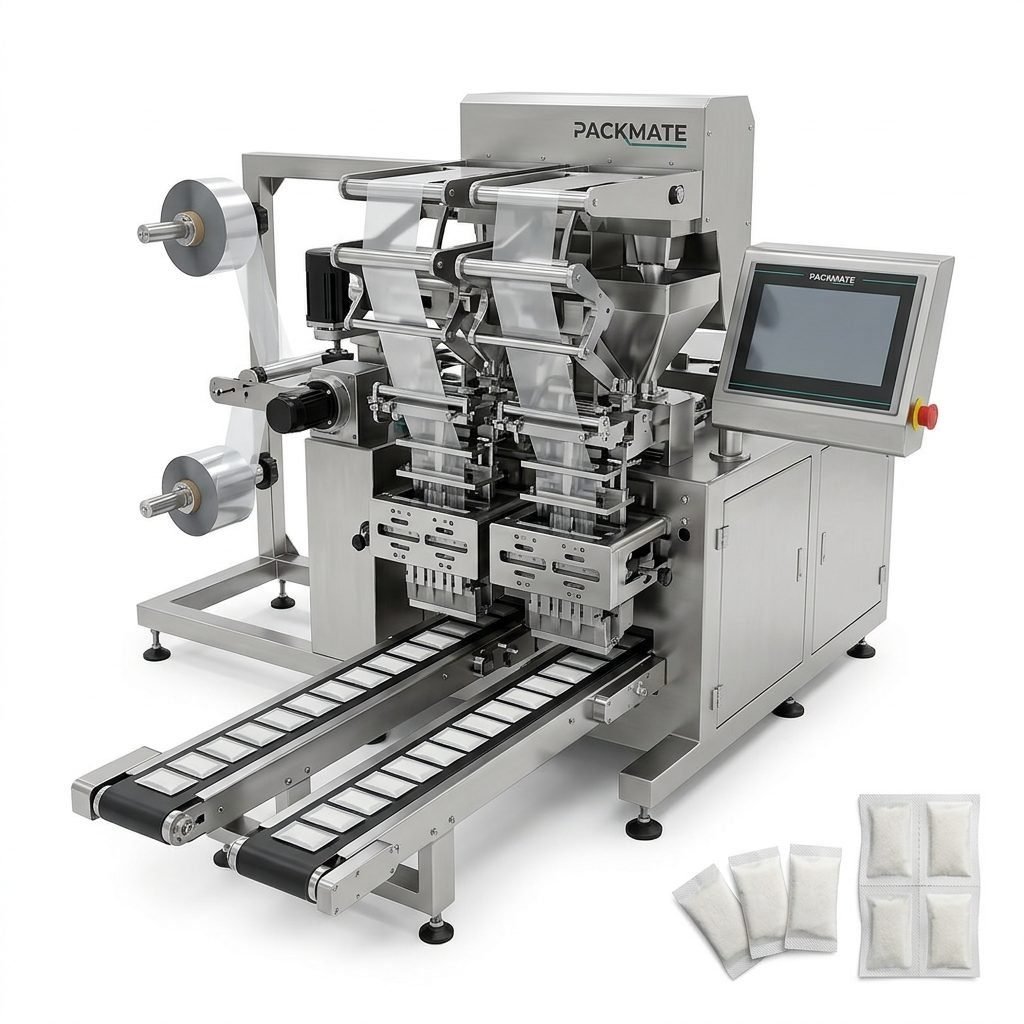
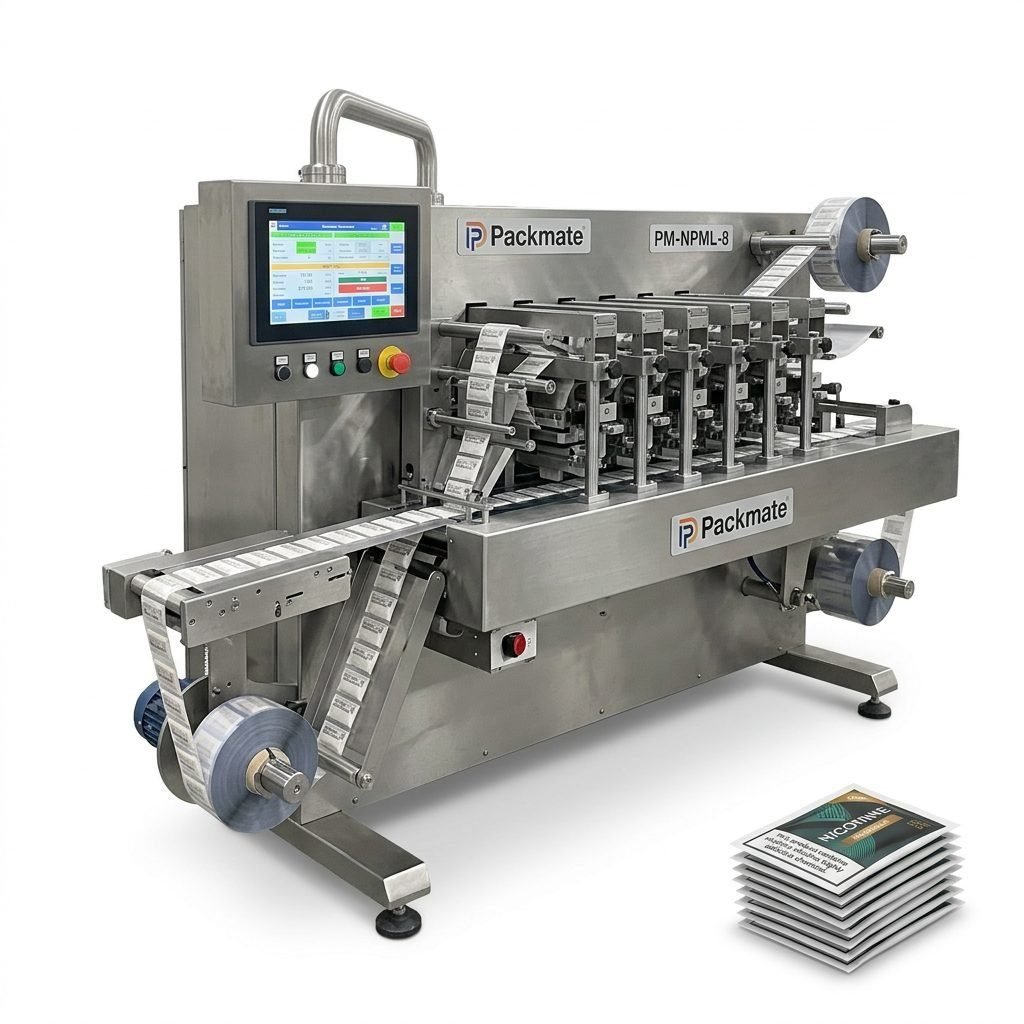
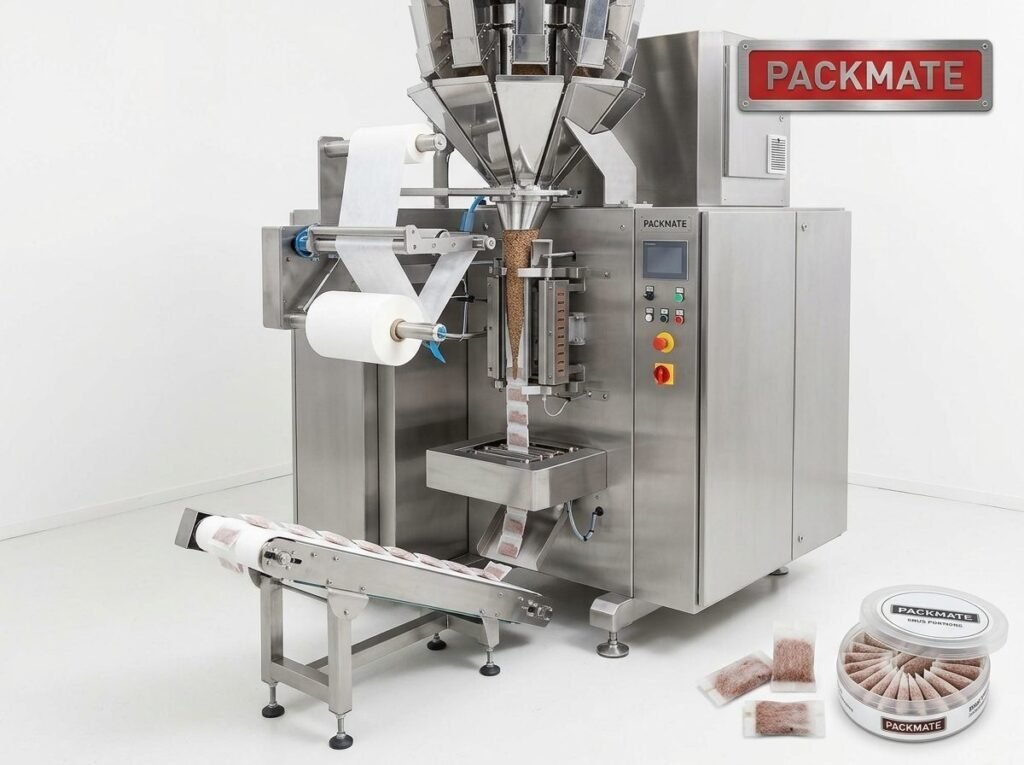
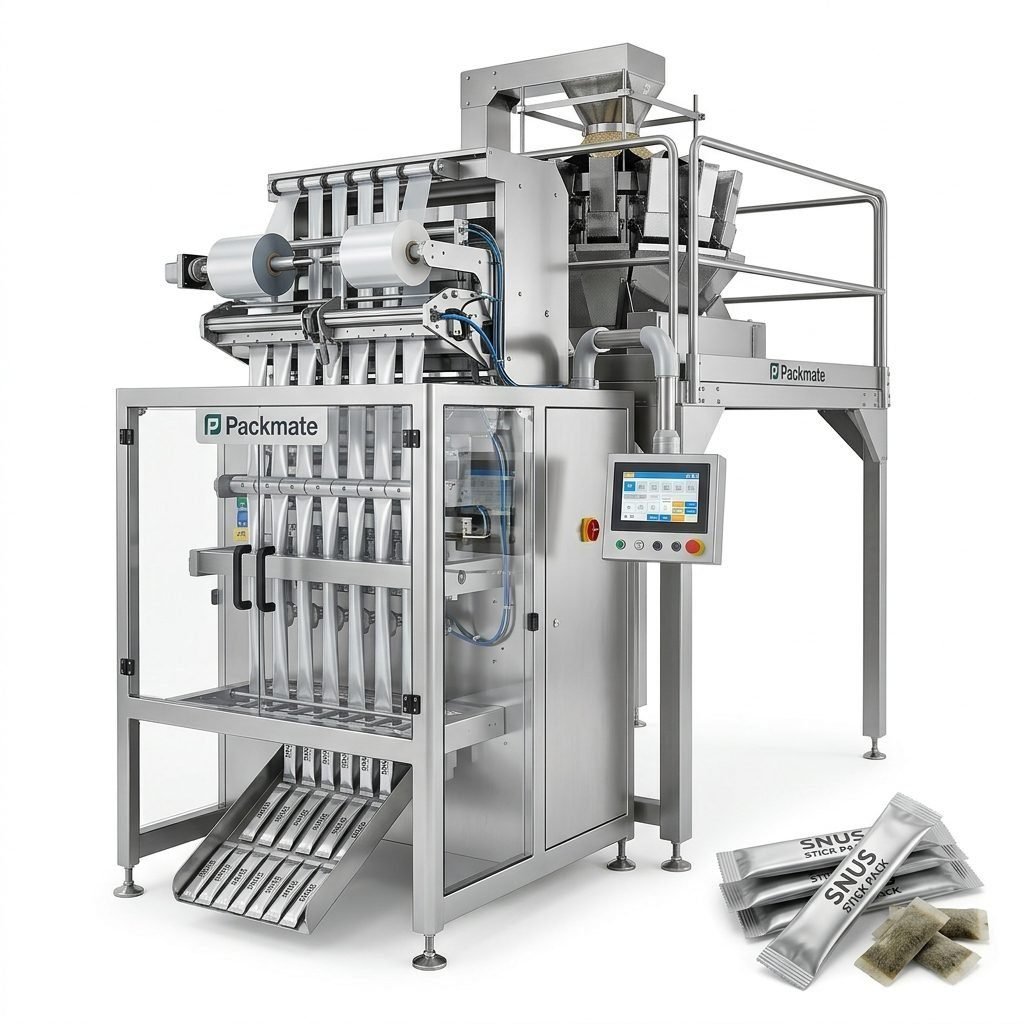
Choose a manufacturer whose product range aligns with your current needs and future plans. Specialization in snus and nicotine pouch lines is an advantage when you require niche features like low-dose multi-lane filling, hygienic design, or specialized pouch formats.
Explore model families: single-lane sachet machines, multi-lane stick pack systems, powder/granule fillers, and auxiliary equipment. Manufacturers with modular platforms make upgrades and format changes faster and more cost-effective.
See relevant product ranges here:
Snus & Nicotine Packaging Machines,
Bag & Pouch Packaging Machines,
Sachet & Stick Pack Machines.
Regulatory Compliance and Certifications
For nicotine and regulated products, machine certification and hygienic design matter. Ensure the vendor complies with CE, ISO, and relevant local standards. Ask for material certificates for food-contact components and test reports for electrical safety and EMC.
A reliable supplier will provide documentation packages and support you during audits and certification processes. Look for suppliers that include a complete set of Operation & Maintenance manuals and spare parts lists with every delivery.
Customization & Turnkey Solutions
If your product requires a bespoke solution—custom pouch shapes, embedded dosing modules, or integrated downstream processes—select a manufacturer with engineering resources that can deliver turnkey systems. Turnkey suppliers handle mechanical, electrical, and software integration plus line-level testing.
Why turnkey matters: A single-source turnkey provider reduces integration risk, shortens commissioning time, and simplifies warranty and service communication.
After-Sales Service, Training & Spare Parts
After-sales support is a decisive factor. Confirm the supplier’s spare parts lead time, remote support capabilities, and availability of service engineers in Europe. On-site commissioning and operator training should be included or clearly priced. A strong service network minimizes downtime and protects throughput.
Service checklist
• Local spare parts stock or rapid shipping from the factory.
• Remote diagnostics and PLC access for faster triage.
• Structured training packages for operators and maintenance staff.
• Preventive maintenance contracts and long-term upgrade plans.
Total Cost of Ownership (TCO) Analysis
Focus on TCO, not just purchase price. Include energy consumption, spare part costs, expected MTBF, consumables, and the cost of changeovers. Machines designed with easy access to wear parts, standardized components, and energy-efficient drives reduce operating costs over the machine lifespan.
Checklist for TCO: energy per kg produced, typical spare part consumption, expected operating hours per year, and projected service costs.
Delivery, Lead Times & Logistics
European customers often prioritize predictable lead times and simplified import processes. Verify the factory’s current lead times for the selected model, the packaging method used for transit, and any assistance provided with customs documentation. A manufacturer experienced with international shipping can prevent delays and reduce damage risk.
Factory Acceptance Test (FAT) & Site Acceptance Test (SAT)
A thorough FAT and SAT are crucial. FAT allows you to validate machine performance before shipment. It should include dry runs, production trials with your materials if possible, and verification of safety interlocks and HMI functions. SAT confirms integration into your facility and final performance acceptance.
Ask for a FAT checklist and request recorded test videos and run data. Vendors who invite customers to FAT or offer live streaming of tests demonstrate transparency and confidence in their machines.
Real-World Evidence: Cases & Exhibitions
Examine case studies, client lists, and exhibition demos to confirm how the supplier’s machines perform in similar environments. Visiting a live demo or viewing recorded operation helps you verify format flexibility and product handling.
See real cases and event information here:
Case •
Our Exhibition •
About Packmate.
Negotiation Points & Contract Considerations
Negotiate clear terms: delivery schedule, acceptance tests, warranty period, spare parts list, and penalties for missed milestones. Include a service level agreement that defines response times for on-site visits and spare part shipments.
Contract essentials: explicit FAT/SAT criteria, clear acceptance criteria, spare parts kit list, and documented training scope.
Implementation: Installation, Validation & Ramp-Up
Plan installation with cross-functional stakeholders: production, maintenance, QA, and EHS teams. Allow time for IQ/OQ/PQ where required and schedule ramp-up trials to stabilize processes. Effective training for operators and maintenance staff reduces early-life failures and optimizes OEE.
Final Selection Checklist
Use a scoring checklist to compare suppliers objectively. Typical weighted criteria include: machine performance (30%), after-sales service (25%), certifications & compliance (15%), lead time & logistics (10%), price & TCO (20%).
Decision tip: Prioritize suppliers who provide transparent test data, accessible spare parts, and a clear service roadmap over those offering the lowest upfront price.
For full packing line projects and multi-discipline integration, consider suppliers that offer complementary systems such as weighing & packaging systems and auxiliary equipment to ensure smooth line balancing:
Weighing & Packaging Systems,
Auxiliary Packaging Equipment.
Closing Summary
Selecting the best snus packaging machine manufacturer in Europe requires a balanced evaluation of technical capability, regulatory compliance, after-sales support, and total cost of ownership. Prioritize vendors with strong factory capabilities, documented test records, and a clear service network in Europe. Use FAT/SAT as non-negotiable milestones and negotiate transparent warranty and spare part commitments. With careful selection, you gain a partner who reduces operational risk and helps scale your production efficiently.
Frequently Asked Questions
Q1: How long is a typical lead time for a custom snus packaging line?
Lead times vary with customization, but a standard multi-lane snus line from a well-equipped factory typically ranges from 12 to 20 weeks. Highly customized turnkey projects may take longer; always confirm during the RFQ stage.
Q2: What support should I expect after installation?
Expect commissioning, operator and maintenance training, a warranty period, remote support, and access to spare parts. Many suppliers offer preventive maintenance plans and rapid-response service teams for European customers.
Q3: Can manufacturers run FAT with our specific pouch and formulation?
The best manufacturers will run FAT with your material or provide a documented simulation. Request recorded trials and measured output data. This step is vital to confirm dosing accuracy, sealing quality, and packaging aesthetics.
Q4: How do I evaluate spare parts availability?
Ask for a spare parts catalogue, typical lead times for wear parts, and whether the supplier maintains local stock in Europe. Suppliers with standardized components and local distribution partners reduce downtime risk.
Q5: How important are certifications like CE and ISO?
Certifications demonstrate compliance with international safety and quality standards. For nicotine and food-contact applications, CE and ISO provide baseline assurance for electrical safety, manufacturing quality, and regulatory acceptance in many markets.
If you need supplier contact details, technical brochures, or live demonstrations, visit the manufacturer’s pages to request an RFQ or arrange a factory visit.