Choosing the right nicotine packaging machinery manufacturer is a critical decision for businesses in Belgium that want reliable, compliant, and efficient production of snus and nicotine pouches. This guide walks you through the practical criteria, technical considerations, and evaluation steps to select a partner who can deliver high-performance equipment and long-term support, ensuring your packaging line meets regulatory, quality, and commercial goals.
Understand Your Nicotine Packaging Needs
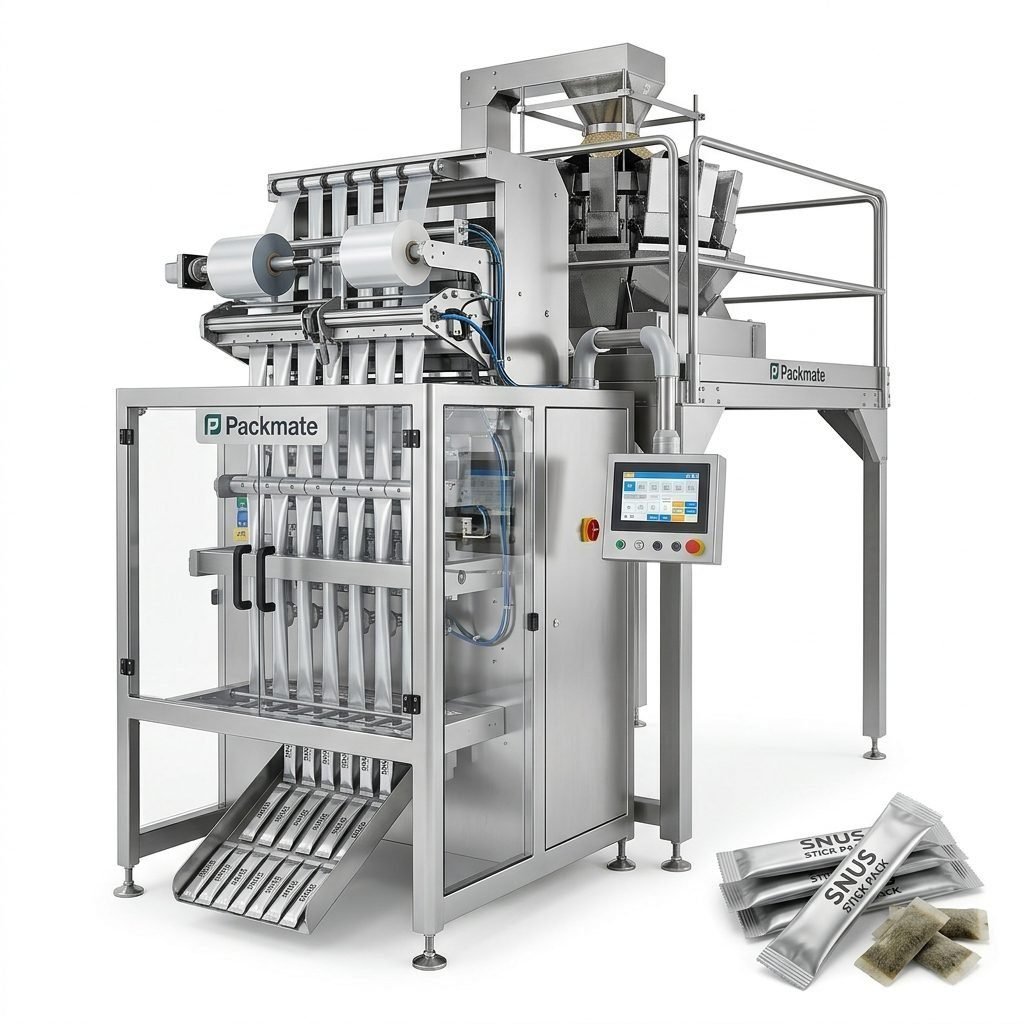
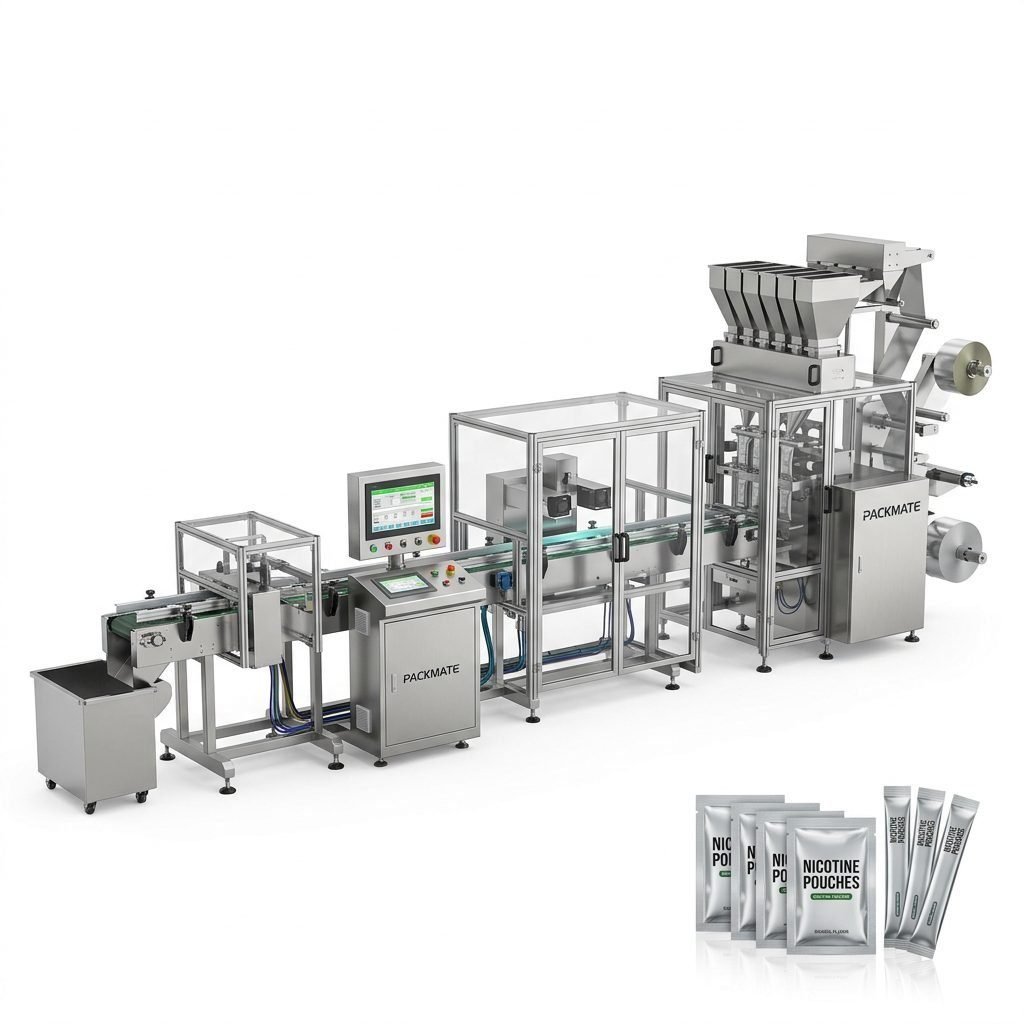
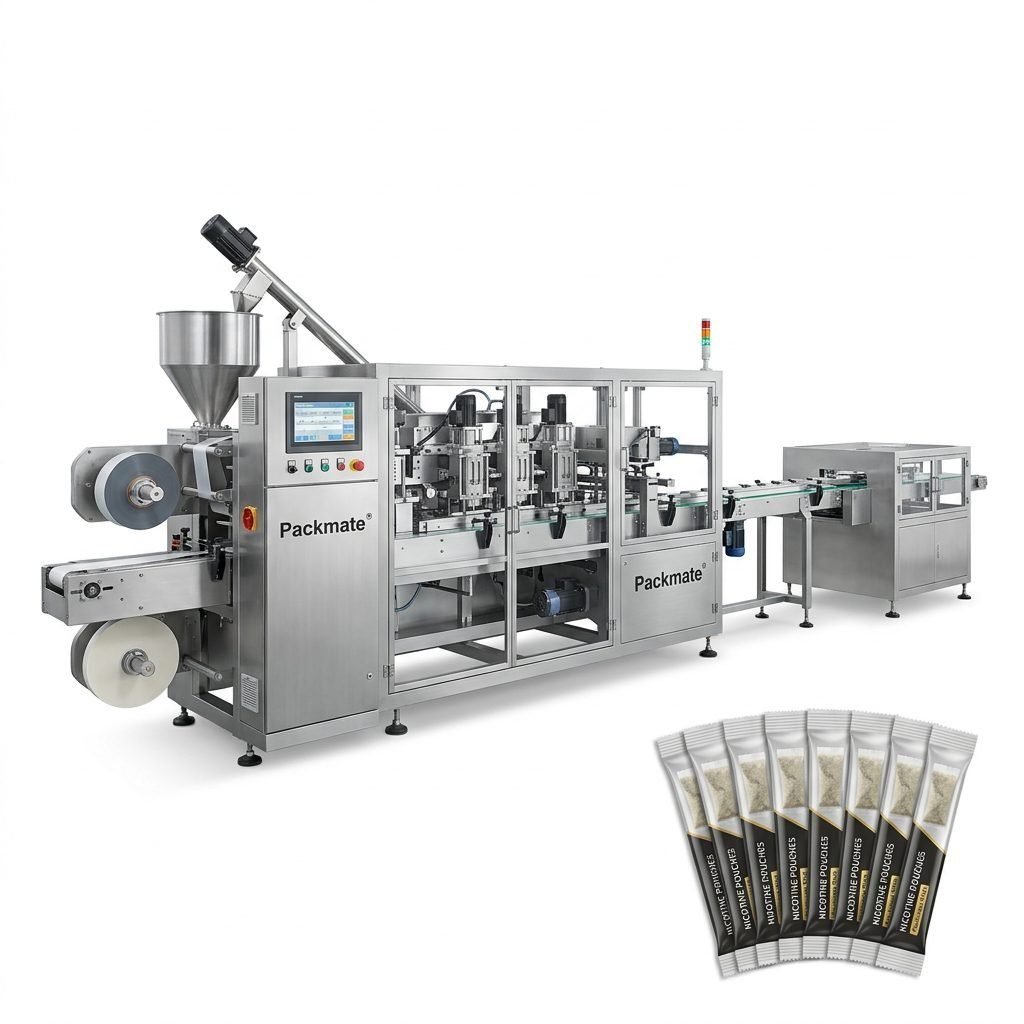
Before contacting manufacturers, define your product formats and production targets. Nicotine pouch products vary by pouch size, fill weight, moisture content, and secondary packaging. Key variables that determine machinery choice include: production speed (pouches per minute), lanes (single or multi-lane), package style (stick, sachet, pillow, or flat pouch), and integration needs for downstream packaging. For specialized solutions, review suppliers of Snus & Nicotine Packaging Machines to understand common machine types and capabilities.
Product Format & Flexibility
If you plan multiple SKUs, choose a manufacturer offering quick changeovers and modular designs. Multi-lane systems are ideal for high-volume, small-dose nicotine pouches; stick and sachet machines serve different business models. Prioritize equipment that supports expansion without major retrofits.
Capacity & Throughput
Calculate expected daily output and allow for growth. A machine that meets current demand but cannot scale will raise long-term costs. Look for suppliers that publish performance data under realistic conditions and offer multi-lane options for scalability.
⚙️ Quick tip: When specifying a machine, include product density, filling tolerance, pouch sealing type, and target uptime. These details directly affect machine selection and ROI.
Key Machine Technologies to Look For
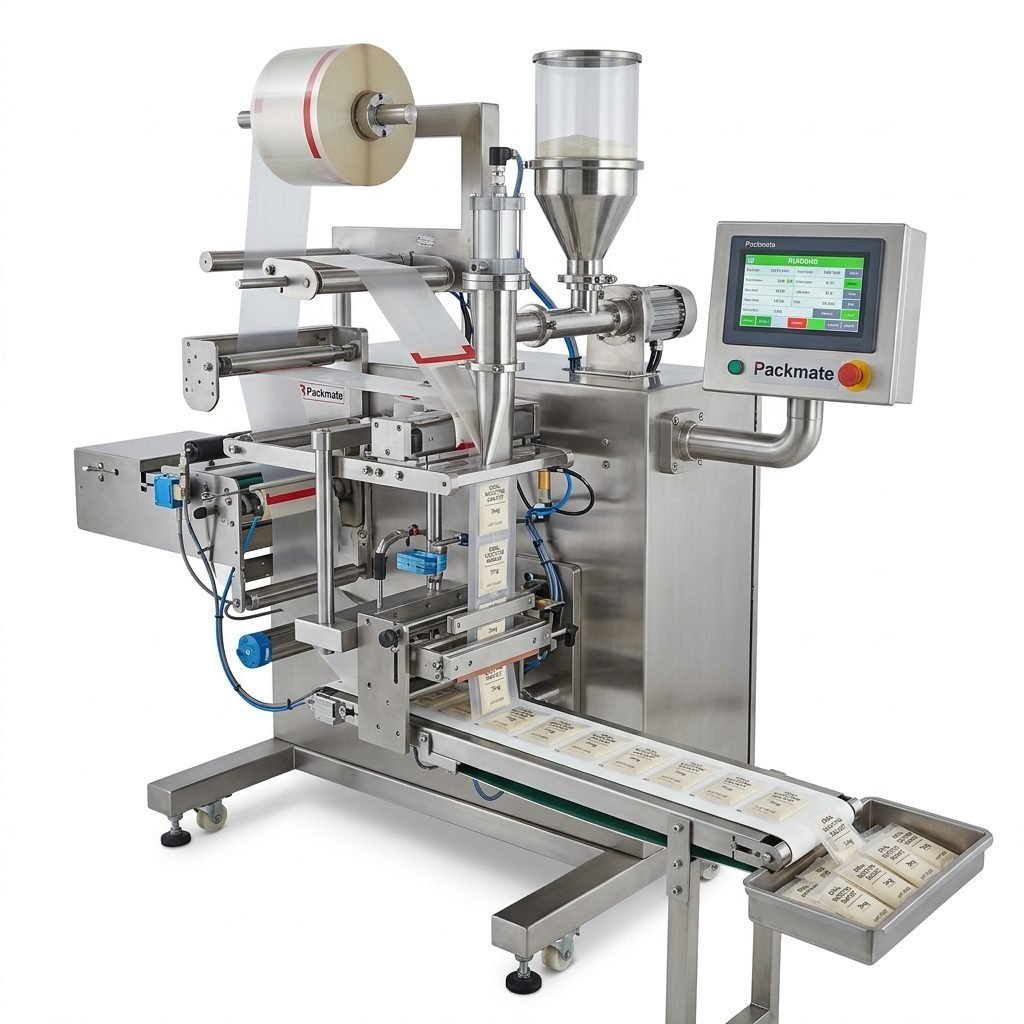
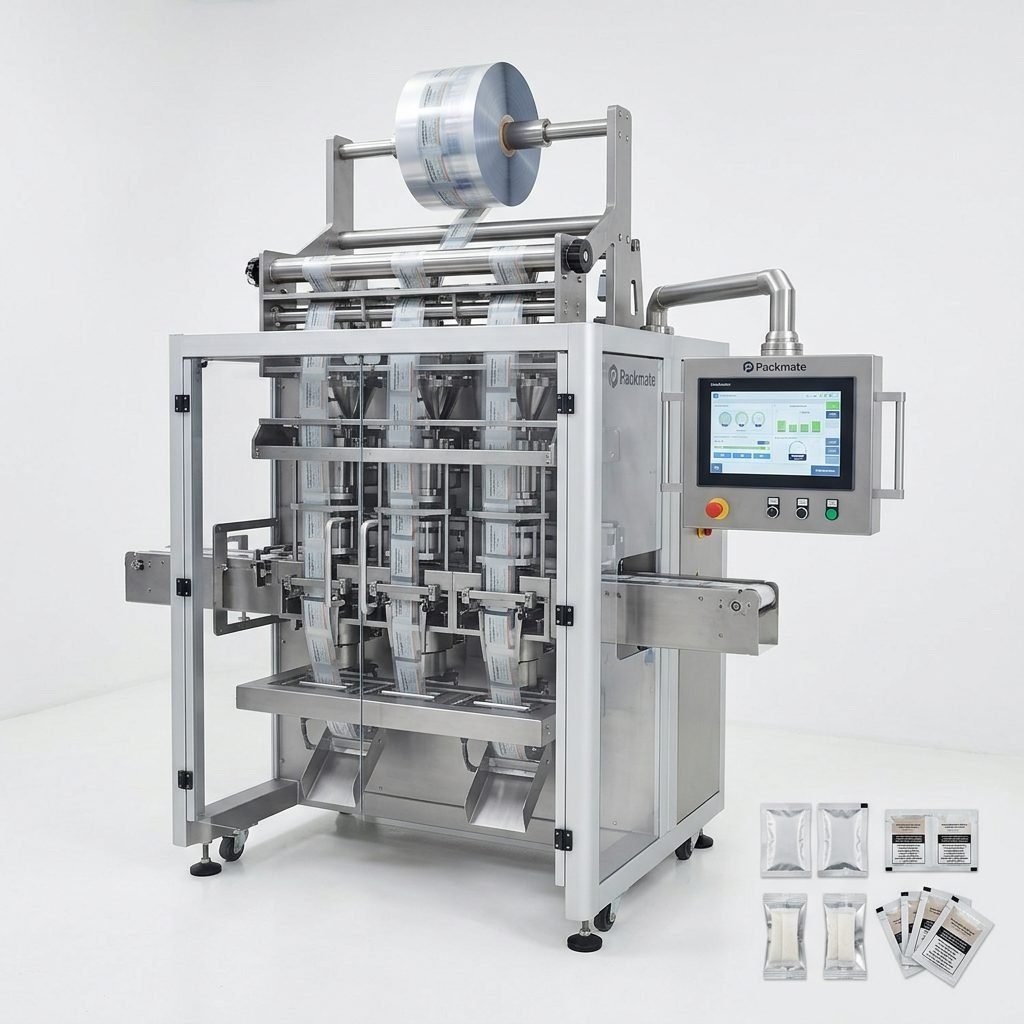
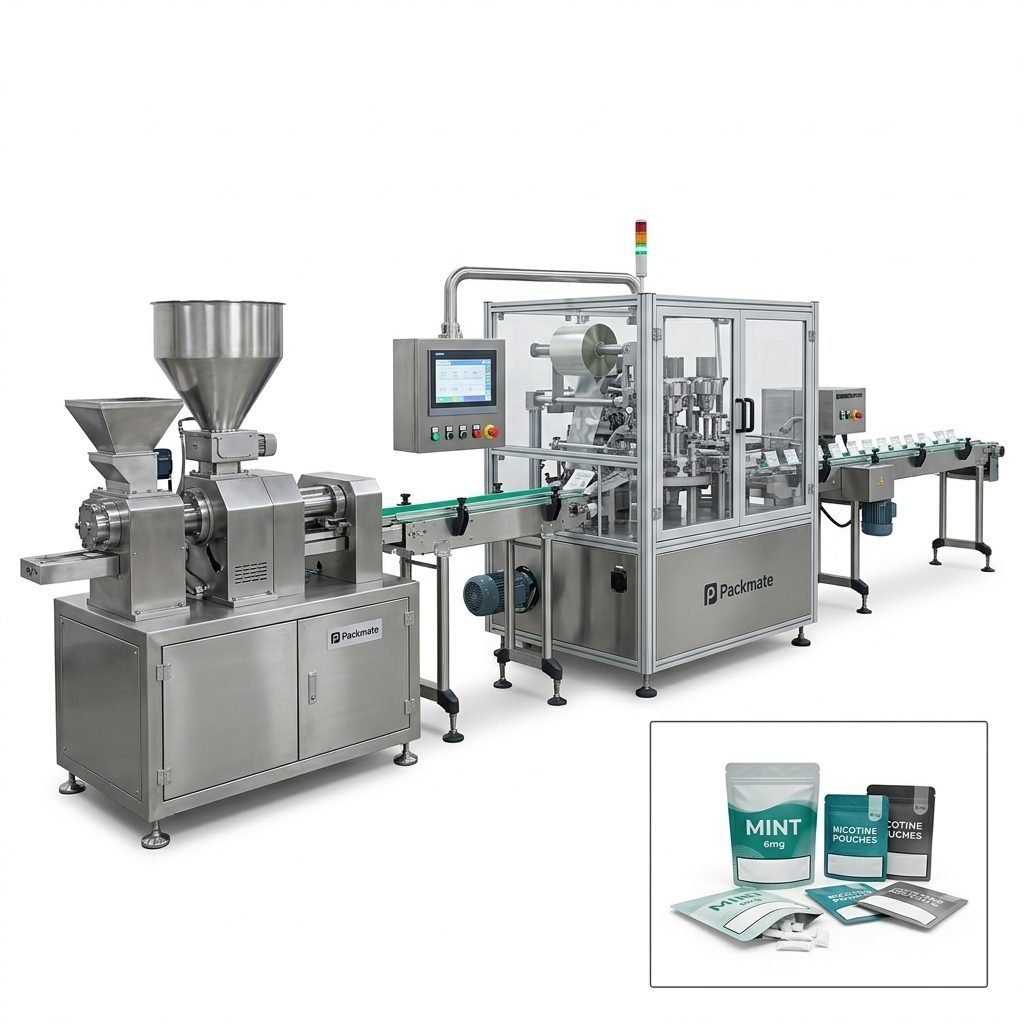
High-performance nicotine packaging needs precision dosing, stable pouch forming, consistent sealing, and reliable conveying. Evaluate technologies used in filling systems, motion control, and sealing units. Common machine categories include stick pack, sachet/stick machines, multi-lane snus pouch machines, and complementary filling lines. Explore dedicated solutions such as those found in Sachet & Stick Pack Machines and Filling & Packaging Lines.
Dosing & Accuracy
Precise weighing and dosing systems minimize product giveaway and ensure regulatory compliance for nicotine content. Check if the manufacturer integrates high-precision weighers or auger/volumetric solutions tailored to your product characteristics.
Automation & Controls
Modern PLC controls, recipe storage, HMI interfaces, and remote diagnostics reduce downtime and simplify production changes. Ask about software updates, data logging for traceability, and options for Industry 4.0 integration.
🔍 Key functionality checklist:
• Accurate dosing to ± tolerance
• Fast and stable multi-lane operation
• Tool-less changeovers and minimal cleaning time
• Remote support and diagnostics
Quality, Manufacturing & Certifications
Machine quality starts at the factory. Review the manufacturer’s workshop capabilities, CNC machining, assembly lines, and quality control. Manufacturers that comply with CE and ISO standards demonstrate a commitment to safety and repeatable performance. For supplier credentials and certification information, check their certificate details and manufacturing overview on the Certificate or About Packmate pages.
Factory Tour & Acceptance Testing
Whenever possible, visit the manufacturer’s facility or request a virtual factory tour. Witnessing factory testing, assembly procedures, and seeing multiple machines running similar products provides confidence in build quality. Agree on Factory Acceptance Tests (FAT) that include performance trials with your product or a close surrogate.
After-Sales Support & Spare Parts
A strong after-sales system differentiates short-lived vendors from long-term partners. Consider lead-times for spare parts, availability of local support in Europe or Belgium, training offerings, and maintenance contracts. Reliable vendors provide documentation, training, and remote troubleshooting to keep lines running. For services and support examples, view the manufacturer’s Service information and contact channels on Contact Us.
✅ Must-have support items:
• Spare parts kits and consumables availability
• Remote diagnostics and quick response SLA
• On-site commissioning and operator training
• Clear warranty and service contracts
Customization, Turnkey Solutions & Proven Cases
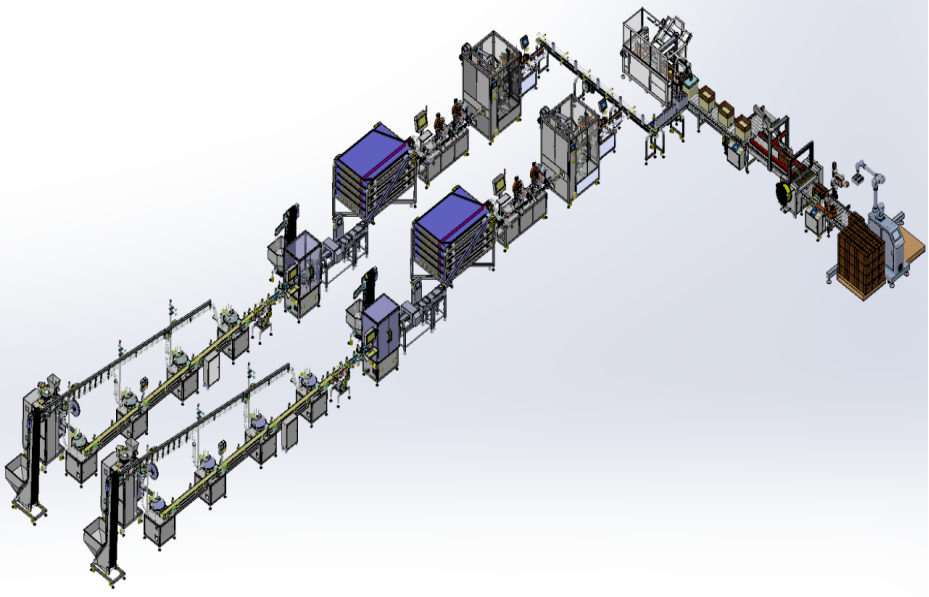
Many projects require bespoke features such as specific material handling, custom-format pouches, or fully integrated lines including weighing, filling, and secondary packaging. Choose manufacturers experienced in turnkey projects who can coordinate multiple subsystems and provide project management. Reviewing real-case implementations helps assess a partner’s capability — see manufacturer case studies and successful installations for reference.
Example resources for real-world references include machine portfolios and case pages such as Case, plus product suites like Bag & Pouch Packaging Machines and auxiliary systems.
Price vs. Total Cost of Ownership (TCO)
Initial purchase price is only part of the equation. Evaluate TCO including energy consumption, spare parts, technician travel, downtime costs, and expected machine lifespan. Higher-grade components, better precision, and more robust manufacturing often yield lower operating costs and fewer production interruptions, improving ROI over time.
Calculate Payback & ROI
Build an ROI model that factors in throughput improvements, scrap reduction, labor savings from automation, and maintenance forecasts. Request documented performance metrics and references from other customers running similar products.
Evaluating Suppliers in Belgium: Practical Steps
Whether the manufacturer has a European distributor or is an international supplier, follow a structured evaluation:
- Ask for detailed machine specifications, test reports, and performance videos with comparable products.
- Request references from European customers and follow up on-site if possible.
- Define acceptance criteria (FAT/SAT) and ensure these are contractual obligations.
- Assess spare parts logistics for Belgium — local stock or fast international shipping?
- Confirm after-sales service pathways: remote support, local technicians, or factory dispatched engineers.
📌 Supplier evaluation checklist:
• Documented machine tests and FAT results
• Local or regional support capability
• Clear spare parts policy and lead times
• Proven case studies and references
Working with International Manufacturers
Many top snus and nicotine pouch machine makers operate globally. If choosing an international supplier, verify export experience to the EU, customs handling, CE compliance, and whether on-site commissioning in Belgium is included. Attendance at industry exhibitions is a good sign of a manufacturer’s market commitment — check their exhibition presence and live demos.
Project Timeline & Logistics
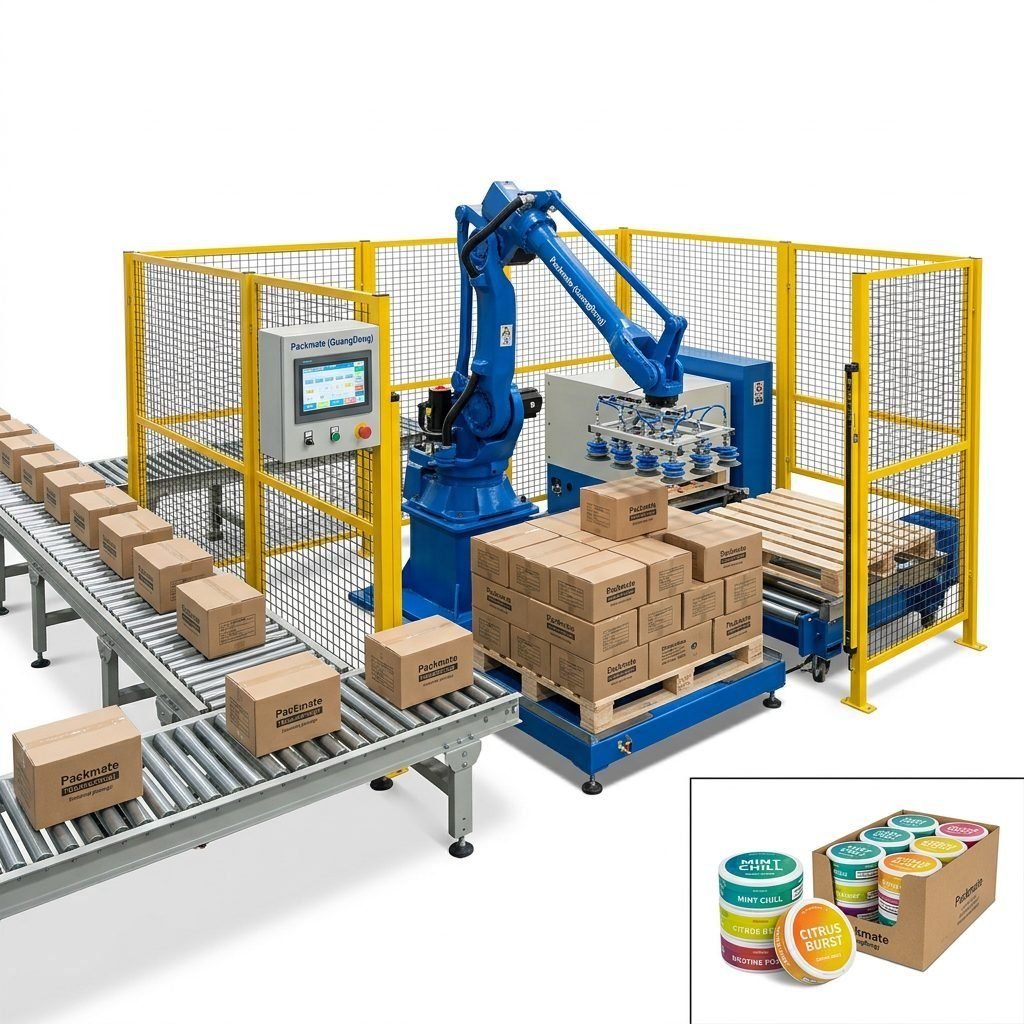
Agree on delivery schedules, installation timelines, and penalties for missed milestones. Clarify responsibilities for installation, electrical and pneumatic hookups, and final acceptance testing.
Final Selection & Negotiation Tips
Compare shortlisted suppliers using a weighted scorecard that factors performance, TCO, support, references, and contract terms. Negotiate clear warranties, spare parts pricing, and support SLAs. Make sure training, documentation, and spare parts kits are included or clearly itemized.
🎯 Decision scoring example:
• 30% Machine performance & accuracy
• 20% After-sales & spare parts
• 20% TCO & energy efficiency
• 15% References & cases
• 15% Lead time & delivery terms
Selecting the best nicotine packaging machinery manufacturer for your Belgian operation requires a balance of technical fit, proven quality, compliant manufacturing, and strong after-sales service. Use the checklists and evaluation steps above to structure your procurement process and reduce risk while optimizing long-term value.
Further resources
To explore machine types and company profiles, review product and company pages such as Snus & Nicotine Packaging Machines, and learn more about supplier history and capabilities on the About Packmate page.
Frequently Asked Questions
Q1: What certifications should a nicotine packaging machine have for European markets?
Machines should comply with CE safety directives and relevant ISO quality standards. Additional documentation for traceability, electrical conformity, and material contact safety may be required depending on local regulations.
Q2: How important is multi-lane capability for snus pouch production?
Multi-lane systems dramatically increase throughput for small-dose pouches and improve per-unit cost efficiency. If you expect significant volume or future growth, multi-lane machines are a strategic investment.
Q3: What support should be included in the purchase contract?
Include on-site commissioning, operator training, a spare parts starter kit, remote diagnostics, and a clear warranty with defined SLAs for response times. These items reduce risk and shorten the ramp-up period.
Q4: Can I see case studies or past installations before deciding?
Yes — reputable manufacturers provide case studies, reference contacts, and sometimes on-site visits or video demonstrations. Reviewing these references helps validate performance claims and delivery experience.