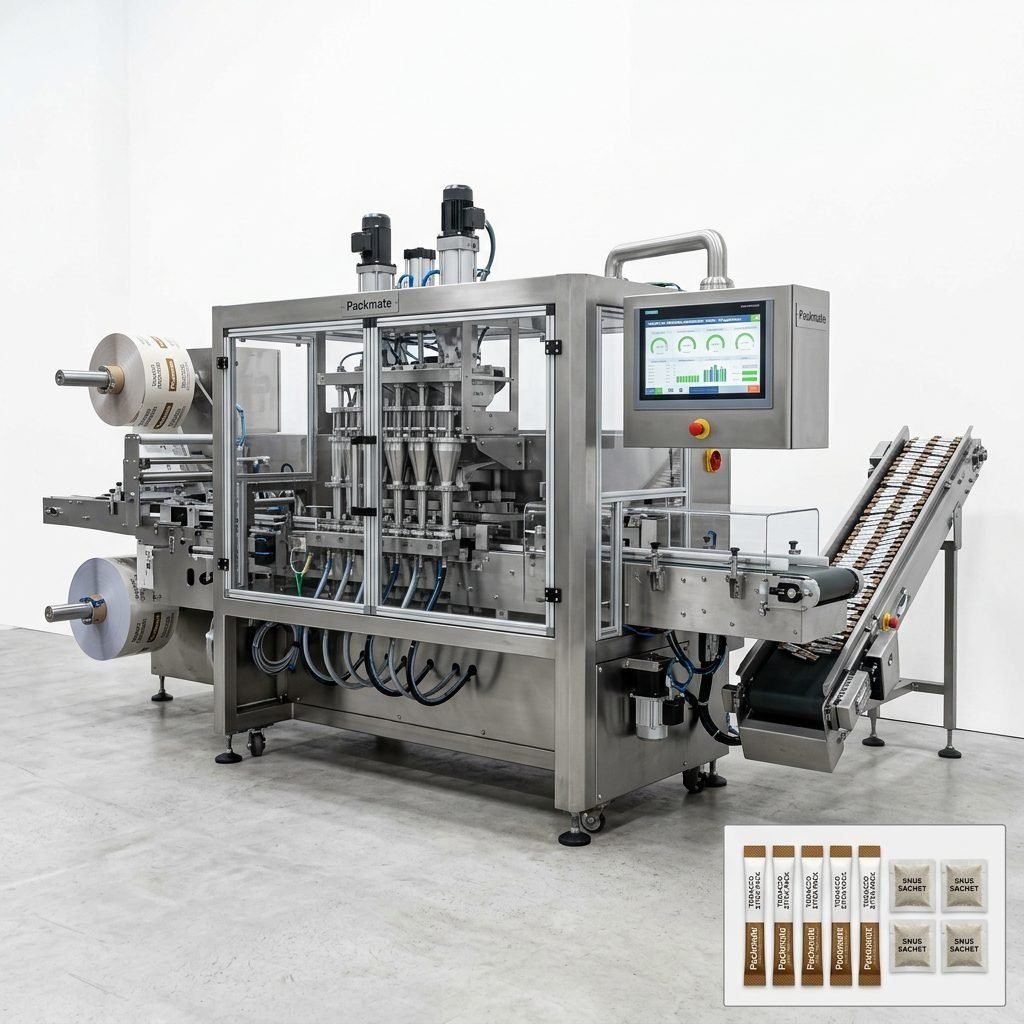
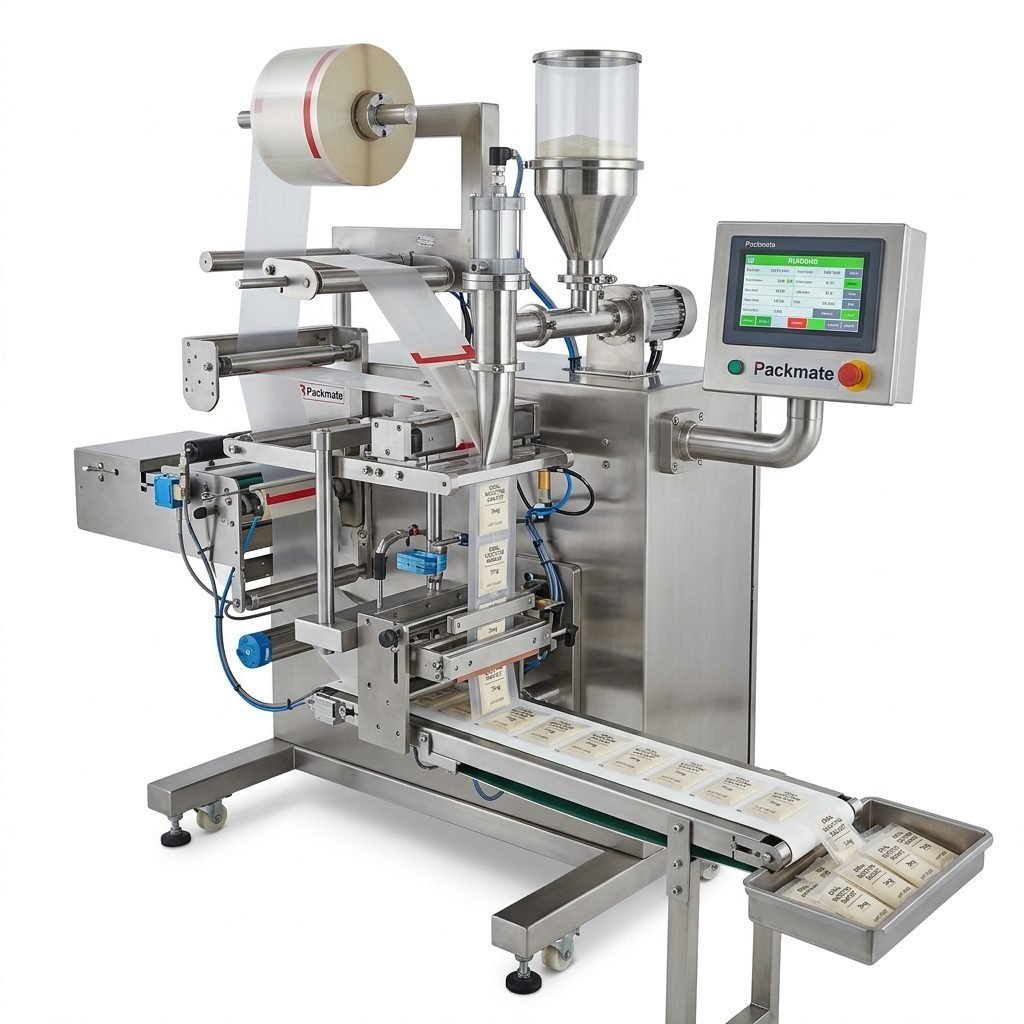
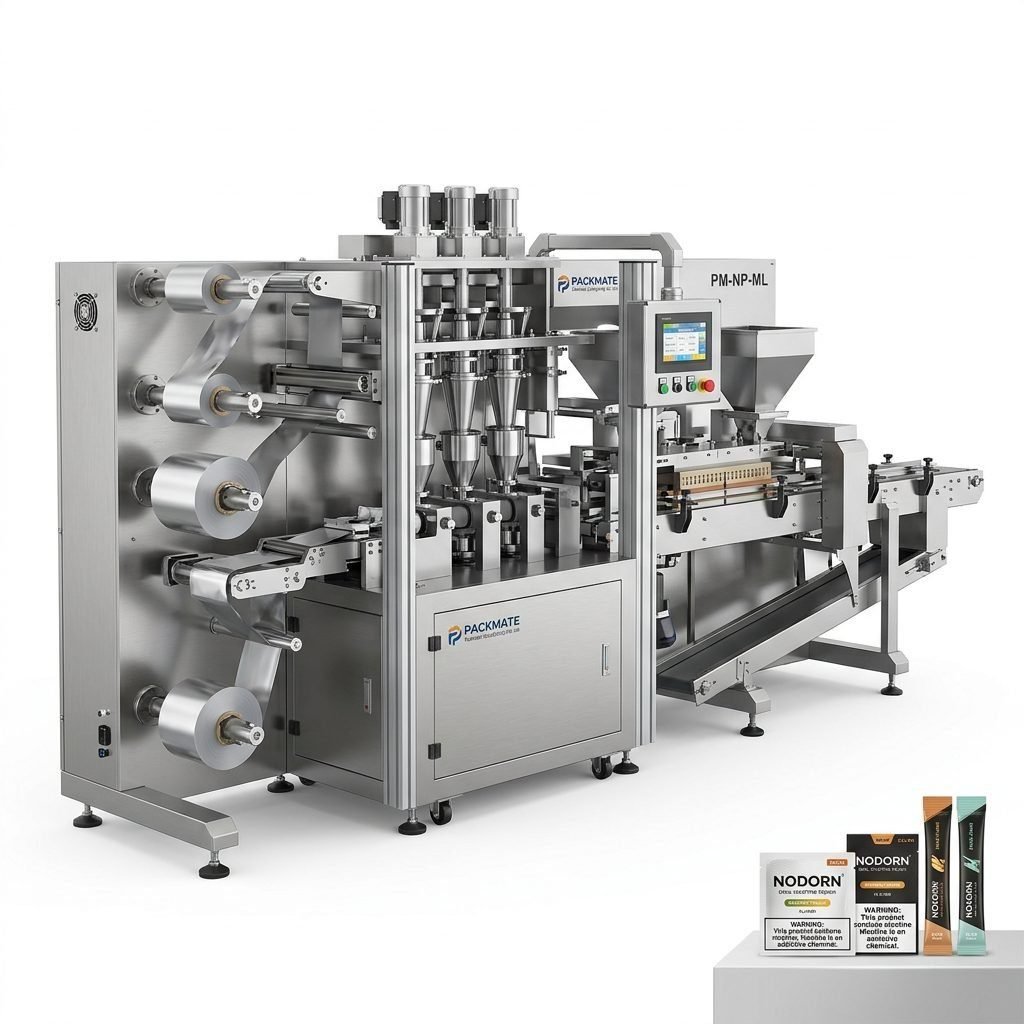
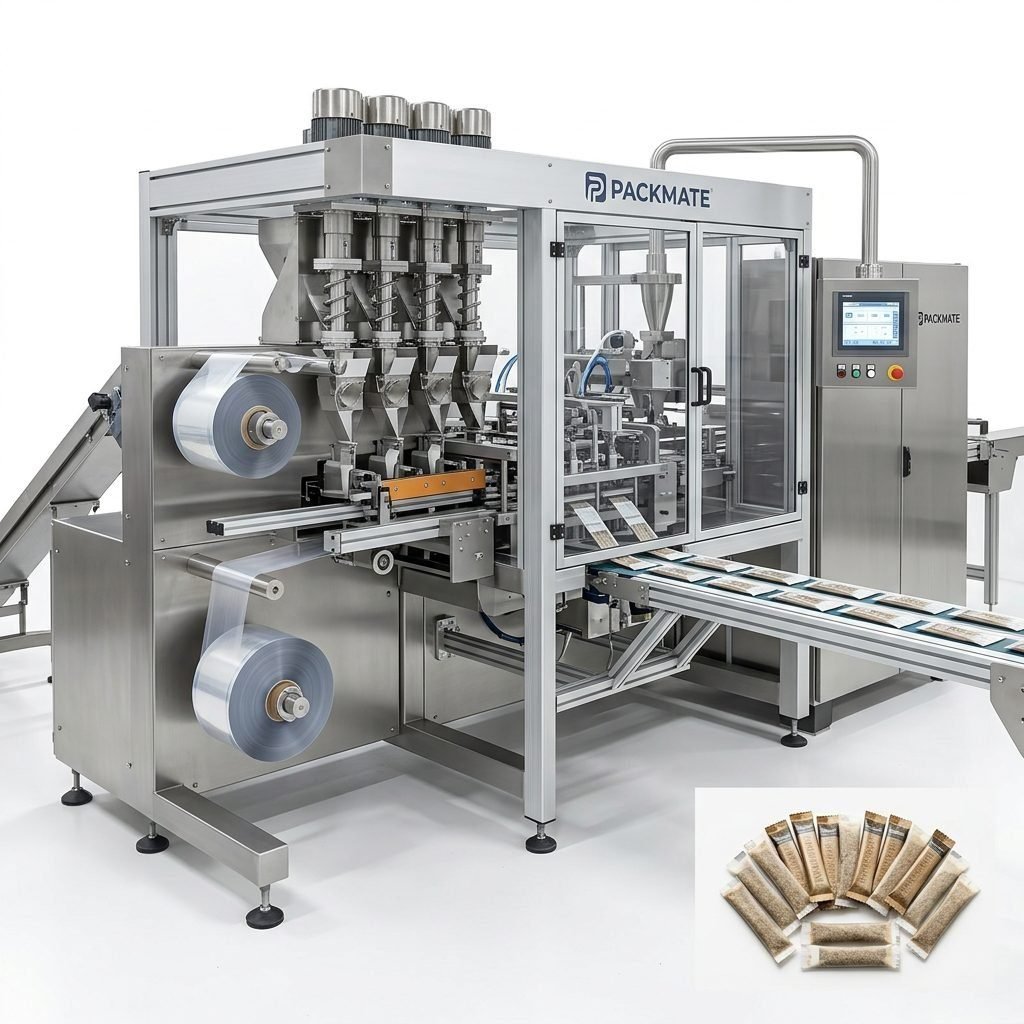
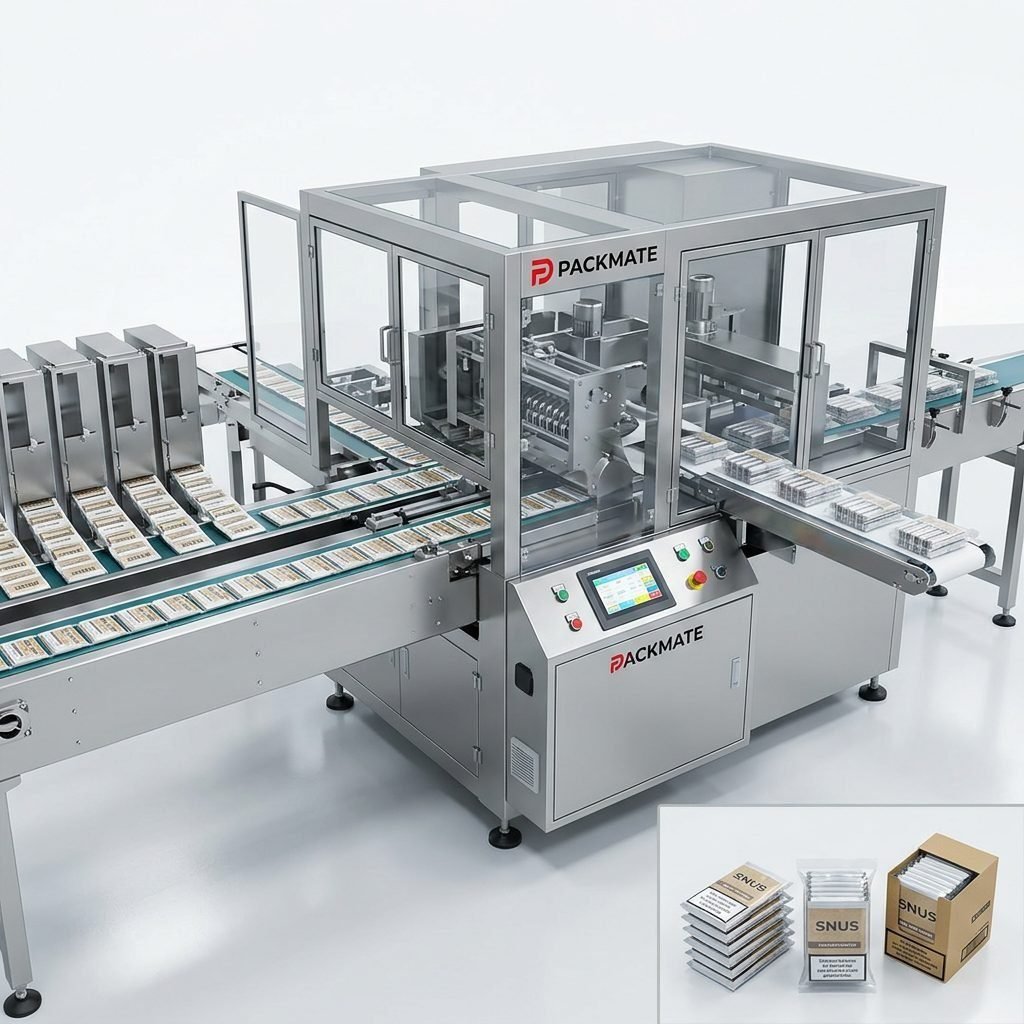
Choosing the right snus packaging machinery supplier for production in Eswatini is a strategic decision that affects product quality, regulatory compliance, operating cost, and long-term growth. Whether you’re launching a small local brand or scaling up to serve southern African markets, the supplier you pick needs to match technical capability with practical after-sales support, understanding of local customs, and the realities of doing business in Eswatini. This guide walks you through the practical steps, evaluation criteria, and local considerations to help you select the best partner for your snus or nicotine pouch packaging needs.
Understand Your Production Goals and Product Profile
Start by clarifying what you will manufacture and how fast. Typical questions include: What pouch formats do you need (stick pack, sachet, multi-lane pouches)? What is the target daily output? Do you require weighed fills, powder dosing or liquid dosing? A clear product specification helps you shortlist suppliers who provide the right machine class rather than overspending on features you won’t use.
In the context of Eswatini, consider packaging sizes and language on labels — English is widely used in business and regulatory documents, while Swazi (siSwati) is prominent culturally. If your market plan includes local retail and festivals, adapt pack sizes and graphics accordingly. Also, be realistic about production scale: many Eswatini operations start with small-to-medium capacity lines before scaling.
Checklist — Basic Production Requirements
• Target units per shift and per day
• Pouch formats and material types (foil, paper, laminated films)
• Filling type: powder, granule, liquid, or nicotine pouch matrix
• Quality targets: weight tolerance, seal integrity, labeling accuracy
🔧 Tip: If you plan multi-product runs (different flavors or doses), prioritize modular machines with quick changeovers and reliable recipe management to reduce downtime.
Technical Capabilities: What Features Matter Most
A supplier’s technical portfolio reveals whether they can meet your real-world needs. Evaluate machinery across performance, precision, and robustness. Key features to compare:
Performance & Throughput
Throughput should match your production plan with headroom for growth. Look for rated speeds under realistic test conditions — ask for trial data or video of comparable products being packaged. Multi-lane systems often offer better per-square-meter productivity for small-dose pouches.
Accuracy & Material Handling
Weight accuracy, sealing quality, and gentle material handling (for delicate pouches) are essential. Request specification sheets for dosing accuracy, servo control, and inspection systems (in-line metal detection, vision systems) to minimize product waste and recalls.
Build Quality & Compliance
Robust construction reduces downtime in regions where maintenance resources are limited. Check mechanical components, availability of replacement parts, and whether the supplier’s equipment meets international certifications (CE, ISO) — a strong indicator of design discipline and safety standards.
For examples of high-performance lines, review product portfolios like the manufacturer’s snus-specific solutions at Snus & Nicotine Packaging Machines.
Local Support, Installation and After-Sales Service
After-sales service is often the most critical factor for production continuity in Eswatini. Even well-built machines need commissioning, calibration, training, and periodic maintenance. Evaluate suppliers by their support model:
- Local or regional service partners for fast on-site response
- Remote diagnostics and spare parts shipping time
- Training programs for operators and maintenance staff
- Availability of consumables and wear parts
✅ Practical point: If a supplier offers local training visits or remote multilingual support, that can dramatically reduce time-to-production. Check whether they provide on-site commissioning in Southern Africa or robust remote startup assistance.
Supplier Reputation and Proven Cases
A trusted supplier should provide case studies, references, and verifiable client installations. Look for suppliers who show real-world lines for snus, nicotine pouches, or similar products. Ask for references in nearby regions (South Africa, Mozambique) because similar logistical and labor conditions make those cases highly relevant for Eswatini.
You can review real-world examples and factory stories to validate a supplier’s claims — for instance, explore the company case portfolio at Case and learn about their history at About Packmate.
Factory Visit and Acceptance Testing
Whenever possible, conduct a factory visit or request a live demonstration. Factory acceptance testing (FAT) should include running your product or a close analog to validate specs. If a trip to the factory is impractical, insist on live video runs and documented test reports.
Total Cost of Ownership (TCO) vs. Purchase Price
Initial price is only part of the equation. Consider energy consumption, spare parts cost, operator skill requirements, downtime risk, and depreciation. A lower purchase price for poorly supported equipment often leads to higher long-term costs. Evaluate warranties, mean time between failures (MTBF), and the availability of local consumables.
⚖️ Decision metric: Create a 5-year TCO estimate comparing suppliers — include installation, training, spare parts spares, expected downtime cost, and energy usage.
Regulatory and Import Considerations for Eswatini
Nicotine-containing products carry regulatory scrutiny in many countries. Before purchasing, confirm Eswatini’s import rules, labeling requirements, and any taxation or licensing specific to nicotine pouches. Engage a local customs broker early to define tariff codes, duties, and required documentation to avoid surprises at the port.
Additionally, electrical standards, voltage requirements and climate (humidity) in Eswatini may affect machine choice and site preparation. Ask suppliers for site prep guides including power, compressed air, water quality, and floor loading.
Cultural and Market Nuances in Eswatini
Eswatini’s market has unique traits to consider: strong community networks, respect for tradition, and demand that often starts locally then expands regionally. Initial sales channels may include local retailers, community events, and cross-border trade with South Africa. Packaging choices that respect local sensibilities — modest, clear labeling and English/siSwati information — can improve acceptance.
Because Eswatini has a close-knit business culture, suppliers who offer trustworthy, transparent communication and local references tend to be favored. Consider suppliers with a demonstrated commitment to partner relationships and long-term service agreements.
Customization, Automation and Scalability
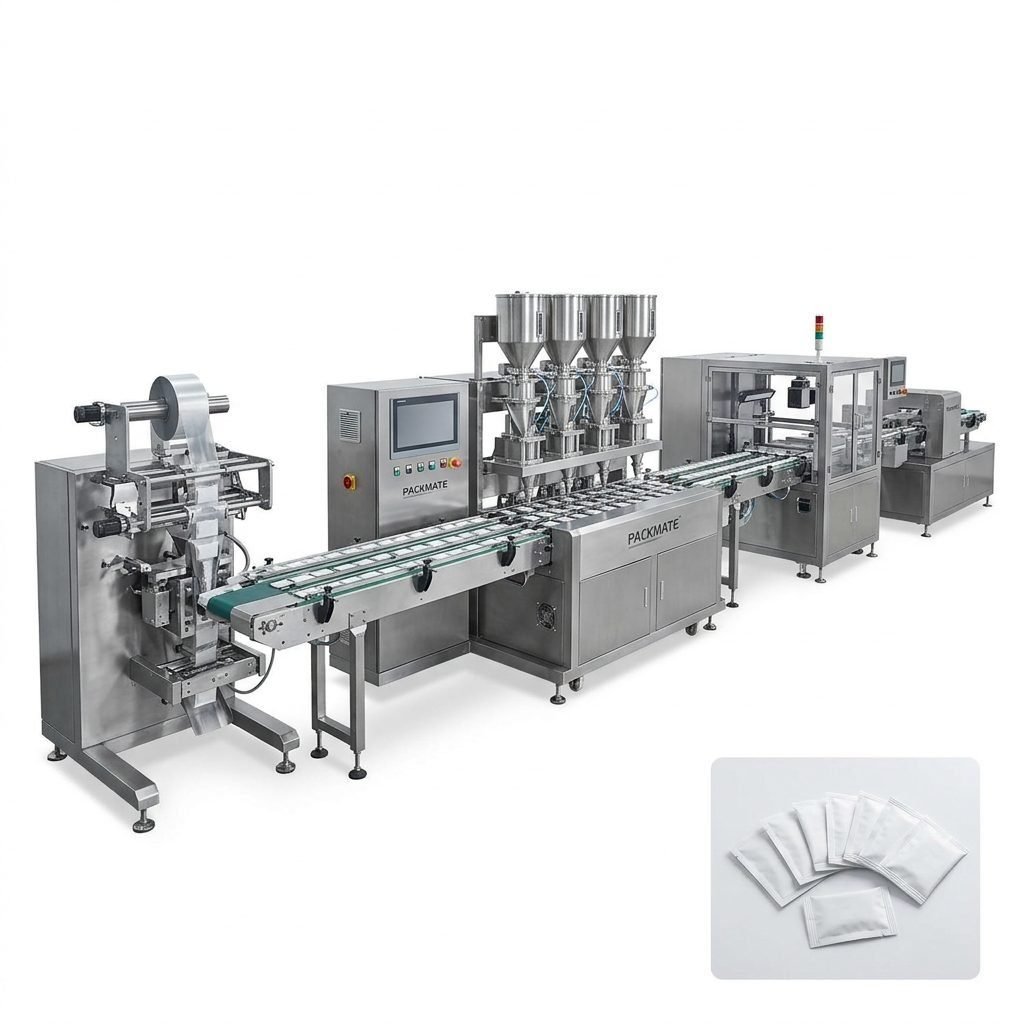
Your supplier should offer scalable solutions: from single-lane machines for small batches to multi-lane automated lines for higher volumes. Evaluate whether they provide turnkey services that include weighing, conveying, metal detection, and final packing. Integrated lines lower manual handling and improve compliance.
For integrated production lines and auxiliary equipment, review broader solutions such as Filling & Packaging Lines and Auxiliary Packaging Equipment to ensure compatibility and single-source accountability.
Financing, Lead Times and Logistics
Discuss lead times and shipping schedules early. Standard manufacturing and export lead times can vary; factor in customs clearance, inland transport, and installation time. Some suppliers provide flexible financing or lease options, which can ease capital burden for startups in Eswatini.
If your supplier has experience shipping to southern Africa, they will better predict transit times and documentation requirements. Ask for an itemized schedule: order confirmation, prototype or pre-production run, shipping, on-site installation and acceptance.
Selecting a Supplier: Practical Evaluation Steps
1) Narrow candidates based on machine fit and production capacity.
2) Request technical bids that include performance data, warranty terms, spare parts list, and remote support options.
3) Verify certifications (CE, ISO), and ask for factory test videos or FAT documentation.
4) Speak with references, ideally in nearby markets, and review case studies.
5) Compare 5-year total cost estimates and service terms; prioritize clear spare parts lead times.
🔎 Quick scorecard: Technical fit, Service footprint, Compliance & certifications, TCO, Local references. Rank suppliers across these five categories for an objective decision.
Why Consider Established Manufacturers Like Packmate
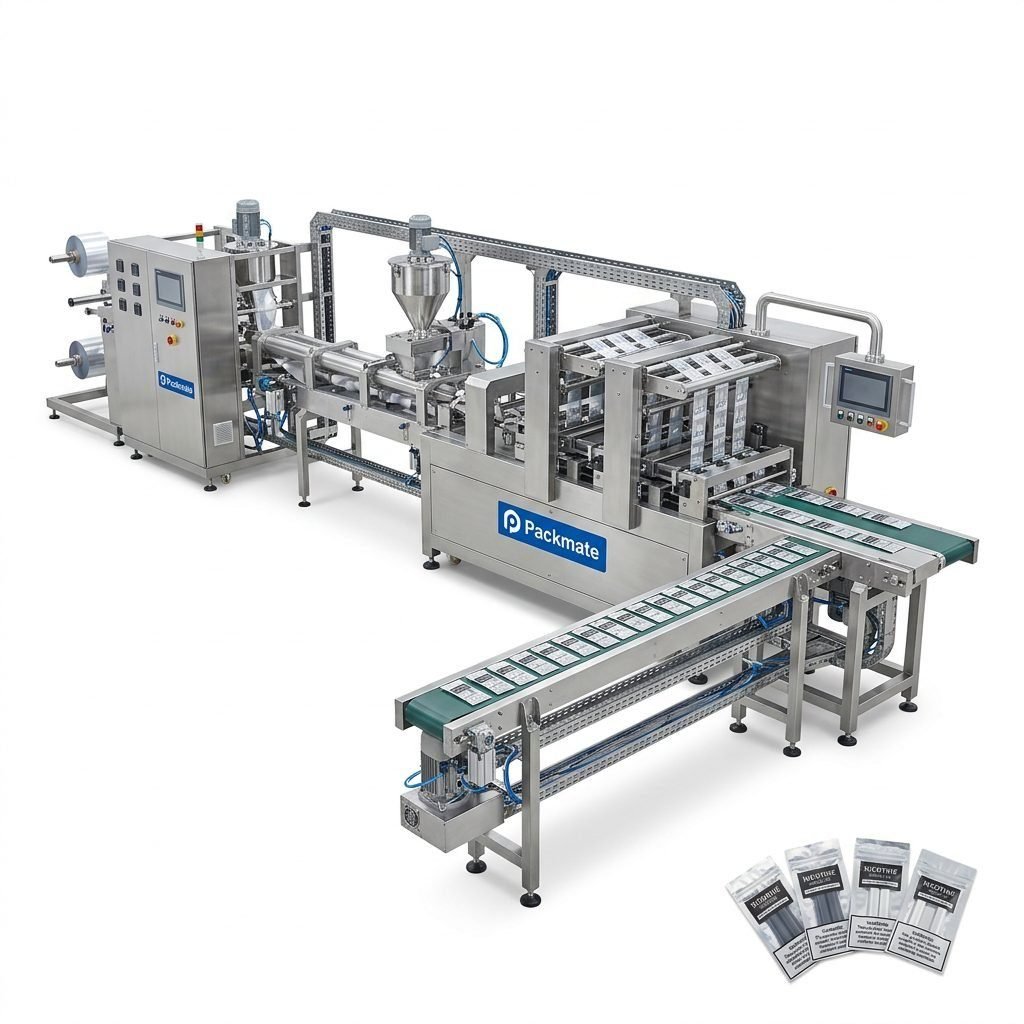
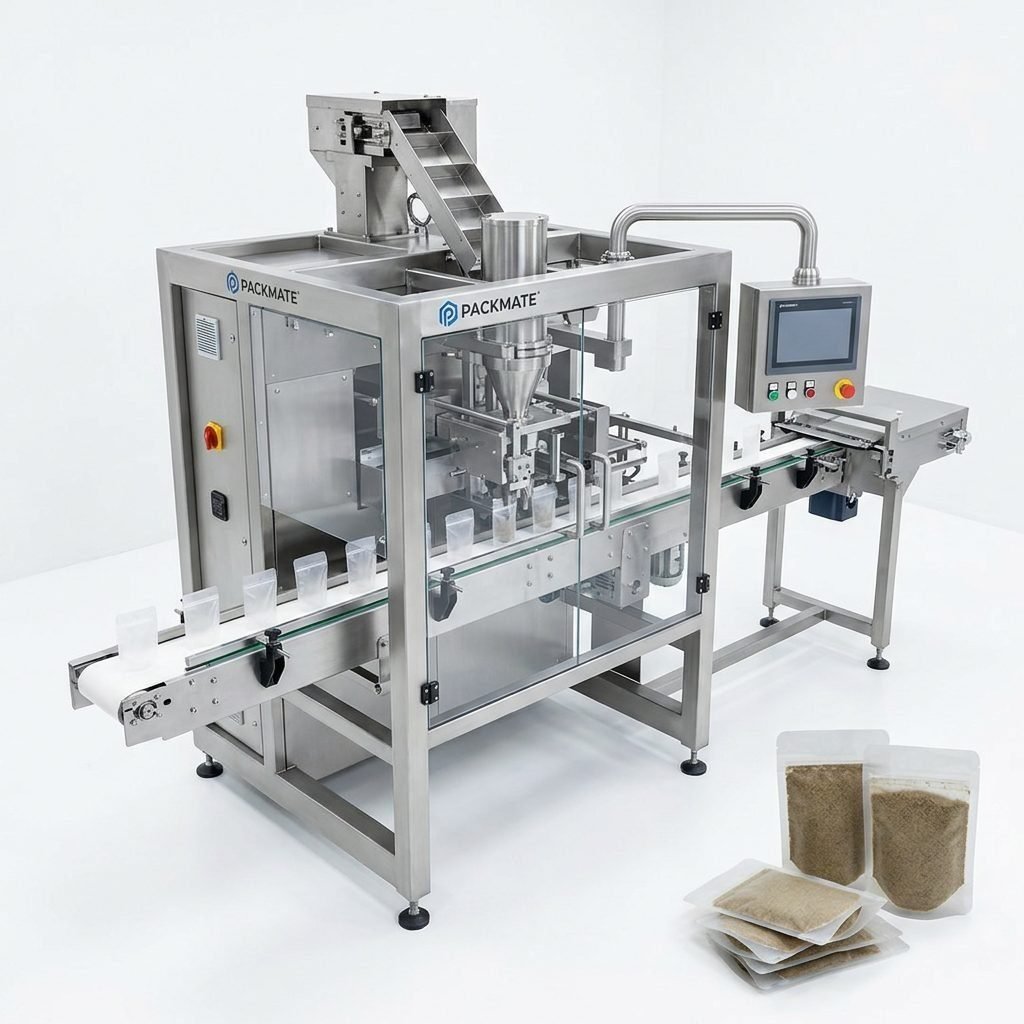
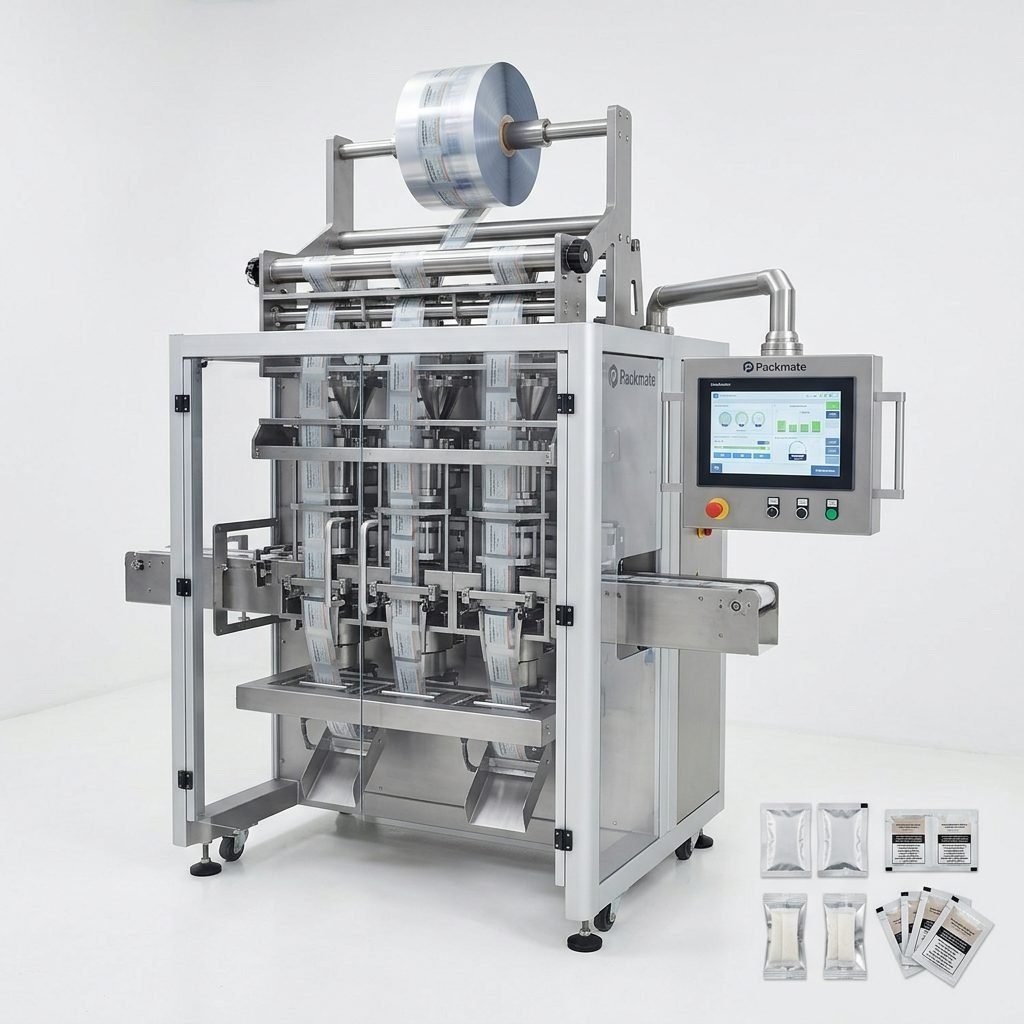
Established manufacturers with decades of experience bring process maturity, broad product families, and proven service structures. Packmate Snus Machine, for example, leverages over 30 years of engineering experience and a 20,000㎡ manufacturing facility to deliver a range of snus and nicotine pouch packaging solutions. They offer multi-lane systems, stick pack and sachet lines tailored for small-dose pouch production, backed by global certifications and export experience.
Explore product lines and service offerings at the manufacturer’s site for deeper technical detail and to request a quote or consultative conversation: Service and Contact Us.
Final Practical Advice Before You Buy
– Build realistic timelines: expect time for customs, installation and operator training.
– Negotiate clear spare parts agreements and lead times to avoid extended downtime.
– Insist on documented FAT or live demos using your product analogs.
– Clarify warranty scope, service response times, and software/PLC ownership.
– Plan for gradual scale-up: start with a flexible line that can be upgraded as demand grows.
🛠️ Action step: Prepare a one-page technical brief for shortlisted suppliers listing product specs, desired throughput, site utilities, and target go-live date — this speeds up accurate quotations and realistic lead time estimates.
Summary — Making a Confident Choice in Eswatini
Selecting the best snus packaging machinery supplier for Eswatini blends technical evaluation with a practical understanding of local logistics, culture, and regulatory landscape. Prioritize suppliers who demonstrate:
- Proven machine performance for snus/nicotine pouches
- Clear after-sales support and accessible spare parts
- Compliance with international certifications
- Willingness to validate performance via FAT or live demos
- Experience shipping and supporting lines in southern Africa
A thorough selection process reduces risk and positions your operation for reliable production, efficient scaling, and long-term success in Eswatini and neighboring markets.
Frequently Asked Questions
Q1: How do I confirm a supplier’s machines will handle my specific pouch material and ingredients?
A1: Ask for factory acceptance testing (FAT) using your exact film laminate and product. If an onsite test isn’t possible, request detailed video demonstrations and a sample test certificate. Suppliers often run benchmark tests and provide documented results.
Q2: What after-sales support is essential for operations in Eswatini?
A2: Fast spare parts shipping, remote diagnostic capability, operator training, and a clear warranty with defined response times. Suppliers with regional partners or experience in southern Africa can shorten downtime.
Q3: Are there special regulatory steps for importing packaging machinery into Eswatini?
A3: Yes — confirm import tariffs, required documentation, and any specific approvals for nicotine-related equipment or materials. Engage a local customs agent early and verify electrical and safety compliance for installation.
Q4: Should I choose a turnkey line or modular machines to start?
A4: If budget allows and product demand is clear, a turnkey line reduces integration risk. For smaller startups, modular machines offer flexibility and lower initial investment, with the option to expand later.
Q5: Where can I find more detailed machine specifications and contact information?
A5: For detailed product lines, specifications, and direct contact, visit the manufacturer product pages such as Snus & Nicotine Packaging Machines and use the Contact Us page to request tailored quotations and technical consultations.