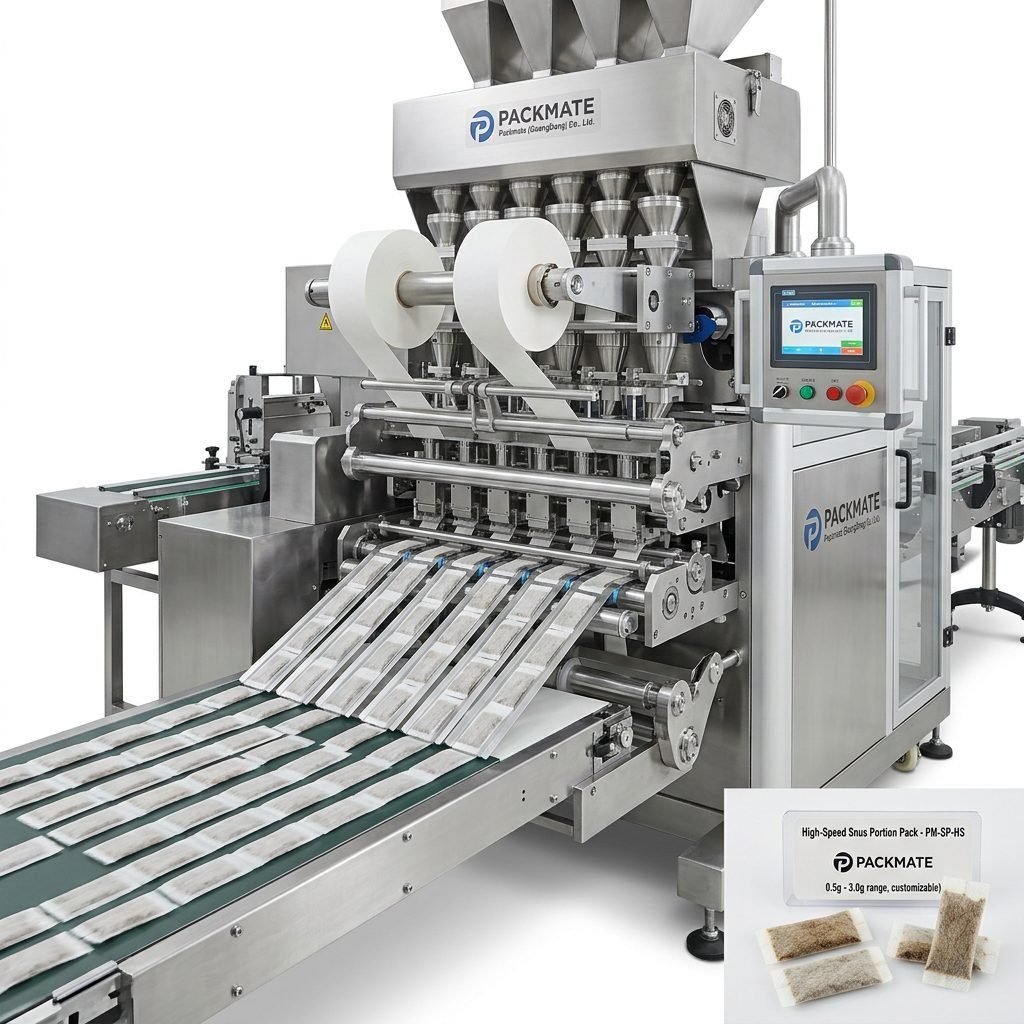
Selecting the right snus packaging machinery manufacturer for your Laos factory is a strategic decision that affects product quality, line uptime, regulatory compliance, and long-term return on investment. This guide walks you through practical steps, evaluation criteria, and sourcing tips tailored to nicotine pouch and snus production — helping you choose a partner who can deliver high-performance equipment and reliable technical support.
Understand Your Production Requirements
Before engaging suppliers, define your daily output targets, pouch formats (stick, sachet, multi-lane), dosing types (powder, granule, liquid) and required level of automation. A clear production brief helps you compare machines on a like-for-like basis and avoids costly upgrades later.
Key parameters to list up front include: estimated units per minute, lane configuration, pouch size range, filling accuracy tolerance, cleanability requirements, and space constraints in your Laos factory layout.
Why Manufacturer Experience Matters
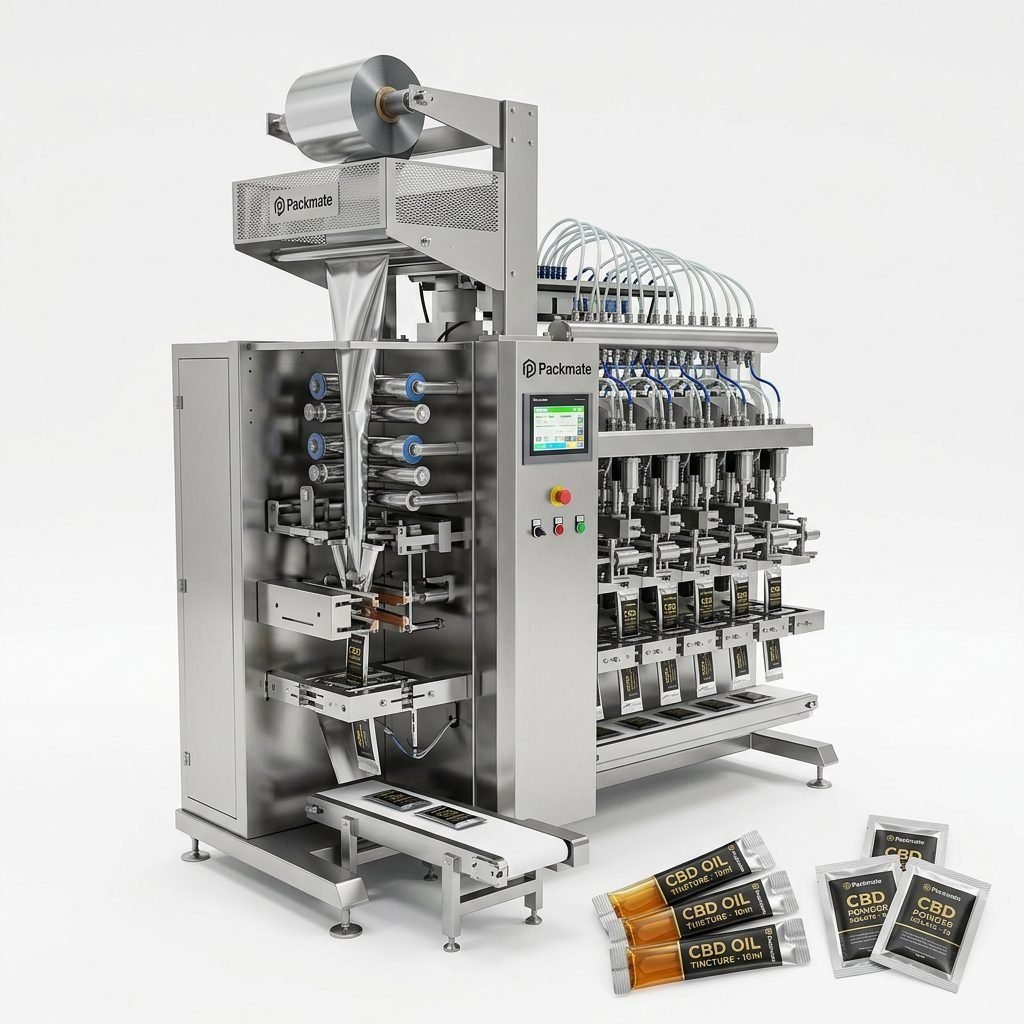
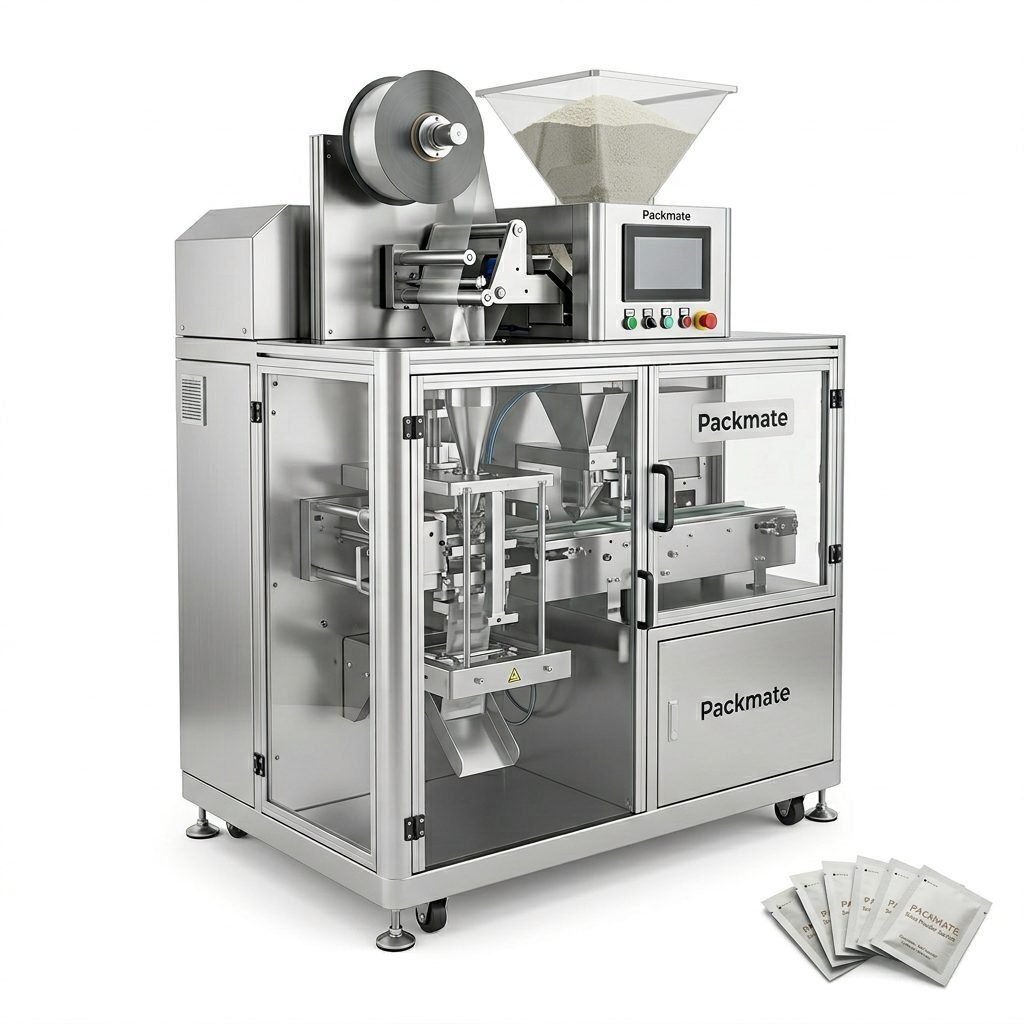
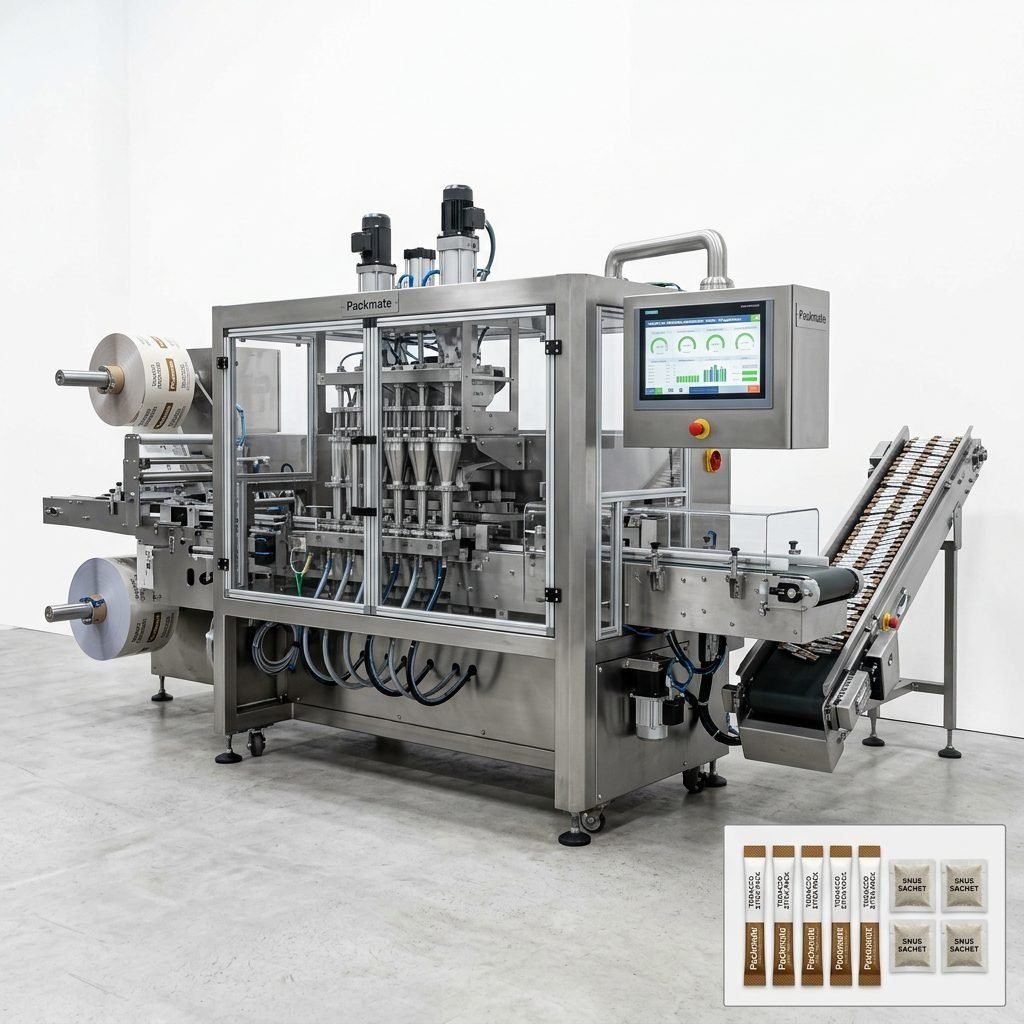
Experience in snus and nicotine pouch packaging directly correlates with fewer start-up issues, optimized machine settings, and better process knowledge transfer. Look for partners with proven lines for nicotine pouches, such as those producing stick pack, sachet, and multi-lane systems. Vendors with decades of engineering background can anticipate issues unique to powdered or hygroscopic nicotine formulations.
Top Evaluation Criteria When Choosing a Manufacturer
Performance & Speed — Confirm the machine’s rated speed at your target pouch format and product density. Manufacturers should provide validated throughput data rather than theoretical maximums.
Filling Accuracy & Waste — For nicotine pouches, dosing precision is critical for regulatory compliance and cost control. Ask for test reports or case studies that demonstrate consistent fill accuracy.
Hygiene & Cleanability — Machines should be designed for easy access, CIP (clean-in-place) compatibility where relevant, and minimal product-contact dead zones. This lowers cross-contamination risks and simplifies maintenance.
Service & Local Support — Rapid technical support and spare parts availability are essential for factories in Laos. Choose a manufacturer that offers timely after-sales service, remote troubleshooting, and training programs.
Engineering & Factory Capacity
Verify the manufacturer’s production capacity and machining capabilities. A well-equipped factory with CNC centers and precise assembly lines ensures consistent machine builds. For example, suppliers with a 20,000㎡ facility and advanced machining resources typically deliver higher-quality machines and faster lead times.
Ask for Evidence: Certificates, Case Studies, and Machine Demos
Request CE and ISO certificates to confirm compliance with international standards. Real-world case studies or customer references are invaluable — they show how machines operate under continuous production and how the vendor solves field issues. When possible, schedule a live demo or factory visit to evaluate build quality and control systems.
Pro tip: Watch a complete pouch run for your product type — observing pouch formation, fill, sealing quality and reject handling helps reveal practical performance differences.
Customization & Turnkey Solutions
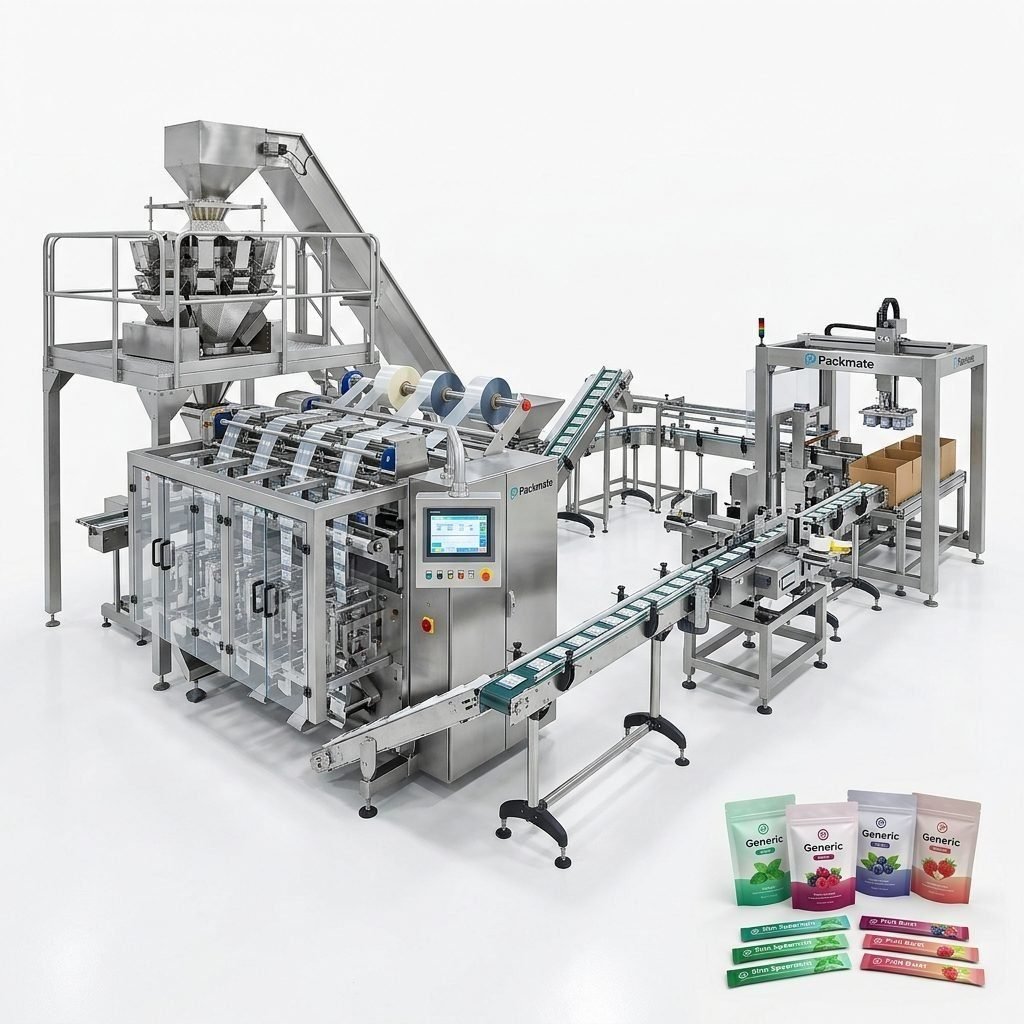
If you require integrated weighing, feeding, and secondary packaging, select a partner capable of delivering fully customized turnkey lines. Integration expertise reduces risk during commissioning and ensures all subsystems (weighing, conveying, pouch sealing) communicate reliably.
Explore solutions such as:
⚙️ Integrated feeding & weighing for precise dosing and reduced variation.
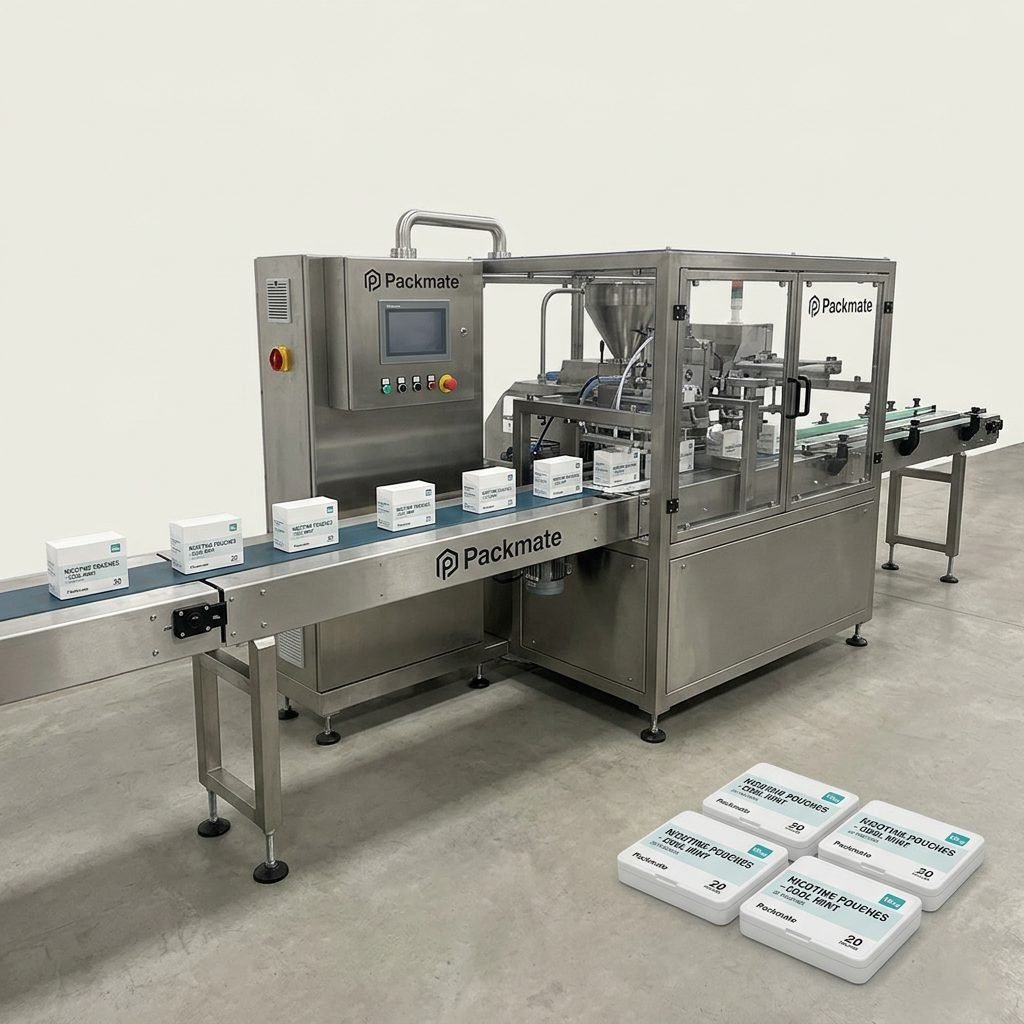
📦 End-of-line solutions such as cartoning and case packing — important for streamlined logistics.
Total Cost of Ownership (TCO) — Look Beyond Purchase Price
The cheapest machine upfront may cost more over its lifecycle. Evaluate energy consumption, spare part costs, mean time between failures, and required operator expertise. Calculate TCO across a 5- to 10-year horizon to compare vendors fairly.
Checklist for TCO: spare parts lead time, recommended preventive maintenance schedule, remote support availability, and upgrade paths for higher speeds or new pouch formats.
Evaluate Control Systems & Automation
Modern packaging lines use PLCs, HMI touchscreens, and servo motors for precision control. Confirm that the manufacturer provides intuitive interfaces, multi-language support, and the ability to store recipes for quick format changeovers. Ask about data logging and connectivity options for Industry 4.0 readiness.
Spare Parts & Training
Confirm spare parts lists, recommended stock levels, and training packages. A robust training program for operators and maintenance staff reduces downtime and increases production efficiency.
After-Sales Service: What to Expect
After-sales service is the backbone of long-term machine performance. Check whether the supplier offers:
✅ On-site installation and commissioning support.
✅ Remote diagnostics and software updates.
✅ Local spare parts warehouses or fast international shipping options.
Real Vendor Comparison: What to Request from Suppliers
When evaluating manufacturers, request a consistent set of documents:
• Detailed technical datasheet (speeds at each format, power requirements, air consumption).
• Reference list of customers using similar products and contactable case studies.
• Factory acceptance test (FAT) criteria and sample test results using your product.
Questions to Ask During Factory Visits or Demos
During visits, focus on build quality, cable routing, safety guards, and ergonomics. Observe how quickly operators can change formats and whether the vendor has a structured FAT checklist. If the supplier can run your actual snus or nicotine pouch blend during a demo, that’s the most reliable proof of compatibility.
Why Packmate Snus Machine is a Strong Candidate
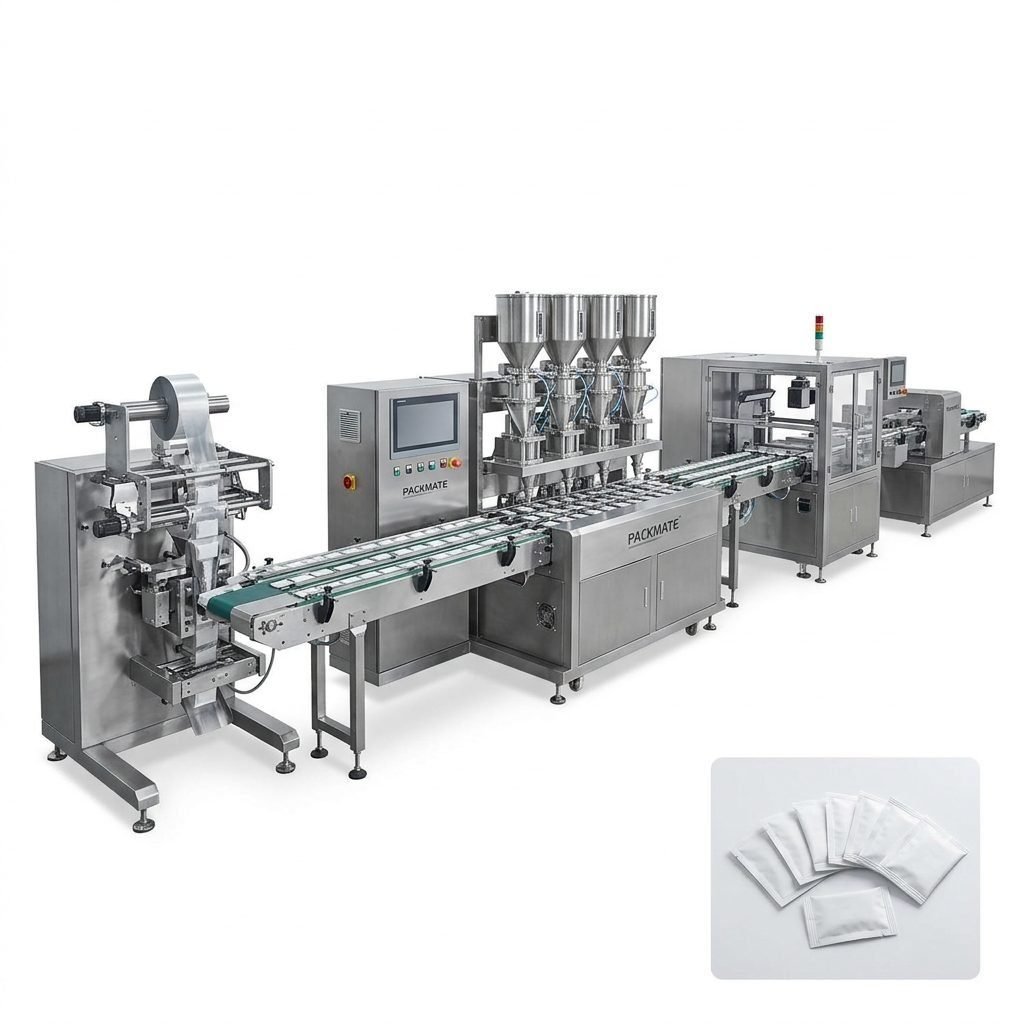
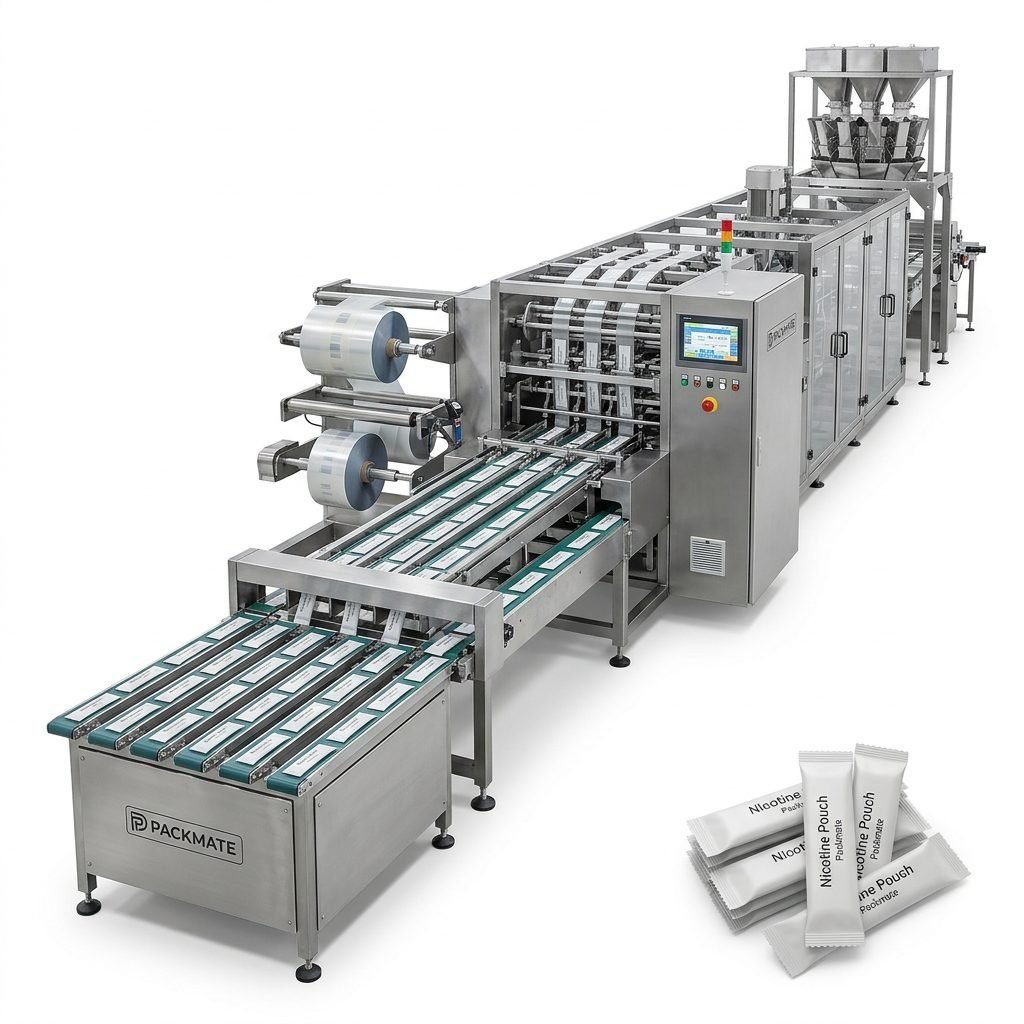
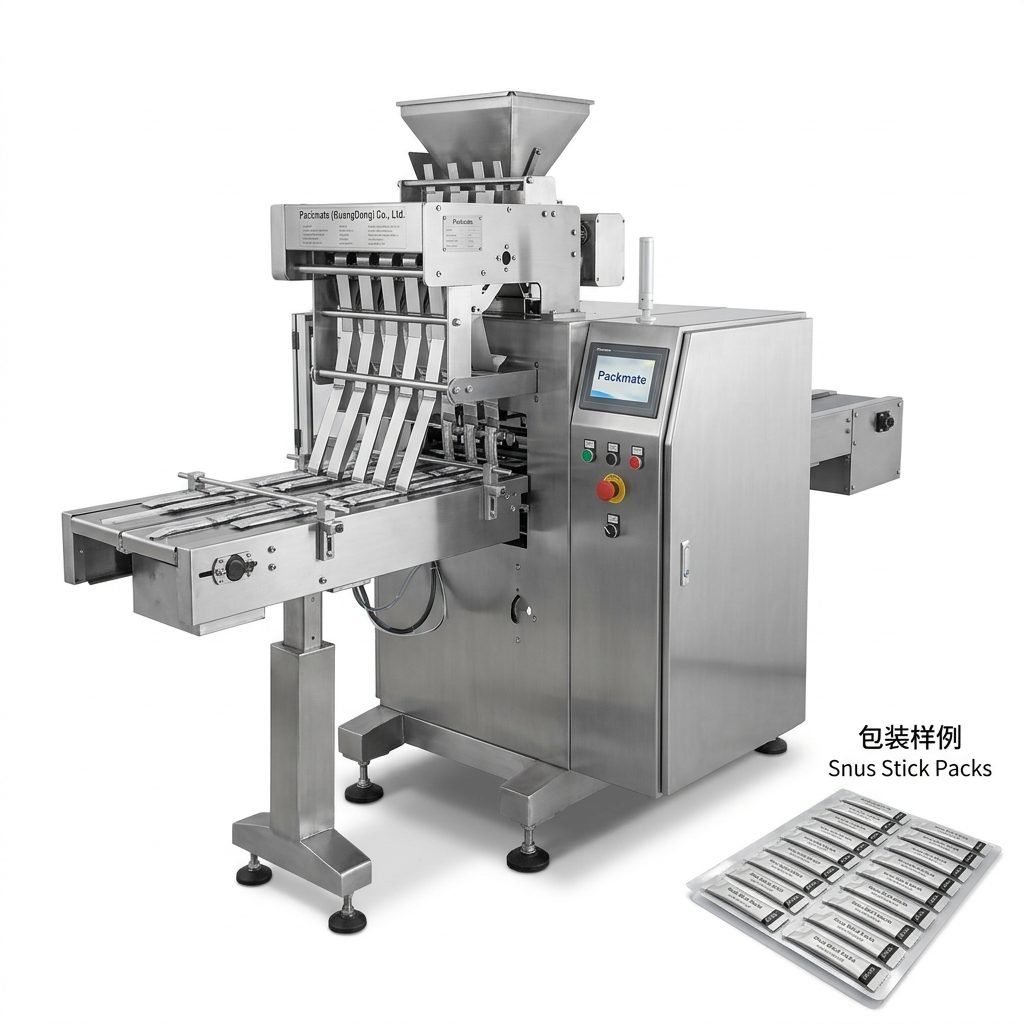
Vendors like Packmate Snus Machine bring 30+ years of engineering experience and a large manufacturing footprint to the table. Their product range includes multi-lane systems, stick pack and sachet machines, and complete turnkey lines — all backed by a sizeable factory and advanced CNC capabilities.
If you want to review machine families and technical specifications directly, explore their product pages: Snus & Nicotine Packaging Machines, Sachet & Stick Pack Machines, and details about factory capabilities at About Packmate.
Procurement & Contract Tips for Laos Factories
When negotiating, ensure the contract covers acceptance criteria, spare part delivery times, warranty period, scope of training, and penalties for missed commissioning dates. Include a detailed FAT plan and acceptance protocol that your QA team signs off on before shipment.
📌 Important: Include clear documentation language preferences, PLC recipe transfer methods, and spare parts catalog as part of the contract deliverables.
Commissioning & Ramp-Up Best Practices
Plan a phased ramp-up with supervised runs: installation, cold commissioning, hot commissioning with product, and a warranty-supported production window. Train at least two local technicians and two operators to reduce reliance on external service during the first 6–12 months.
Final Checklist Before You Sign
– Confirm machine performance with your actual snus formulation.
– Verify spare parts list and lead times.
– Agree on FAT and SAT acceptance criteria.
– Ensure clear service and warranty terms tailored for Laos.
– Validate local support channels and remote diagnostics availability.
Quick Access to Additional Resources
For further technical details and examples of integrated lines, check the manufacturer’s product categories and case studies: Filling & Packaging Lines, Case, and contact options at Contact Us.
Summary
Choosing the best snus packaging machinery manufacturer requires a structured approach: define production needs, verify engineering and factory capabilities, evaluate total cost of ownership, demand evidence through FAT and case studies, and secure robust after-sales support. Prioritize vendors with demonstrated experience in nicotine pouch lines and a clear service network to minimize risk for your Laos factory.
Common Questions
Q1: How long does it take to install and commission a snus pouch line?
A: Typical installation and commissioning take 4–8 weeks depending on the complexity and whether the line is multi-lane with integrated upstream/downstream equipment.
Q2: What spare parts should we stock for continuous operation?
A: Stock critical wear parts (seals, knives, belts), an HMI backup, and a set of bearings and sensors to reduce production risk. Manufacturers typically provide a recommended spares list.
Q3: Can machines be validated to meet regulatory requirements?
A: Yes. Reputable manufacturers supply documentation, FAT records, and can assist with validation documentation to meet local and international regulatory standards.
Q4: Are remote diagnostics commonly available?
A: Most modern lines offer remote support via secure connections for troubleshooting, software updates, and preventative maintenance guidance.
Q5: How do I choose between single-lane high-speed vs multi-lane systems?
A: Choose based on product dose, package size, and redundancy needs. Multi-lane systems offer higher aggregated throughput in smaller footprints, while single-lane machines can be simpler to operate and maintain for specific formats.