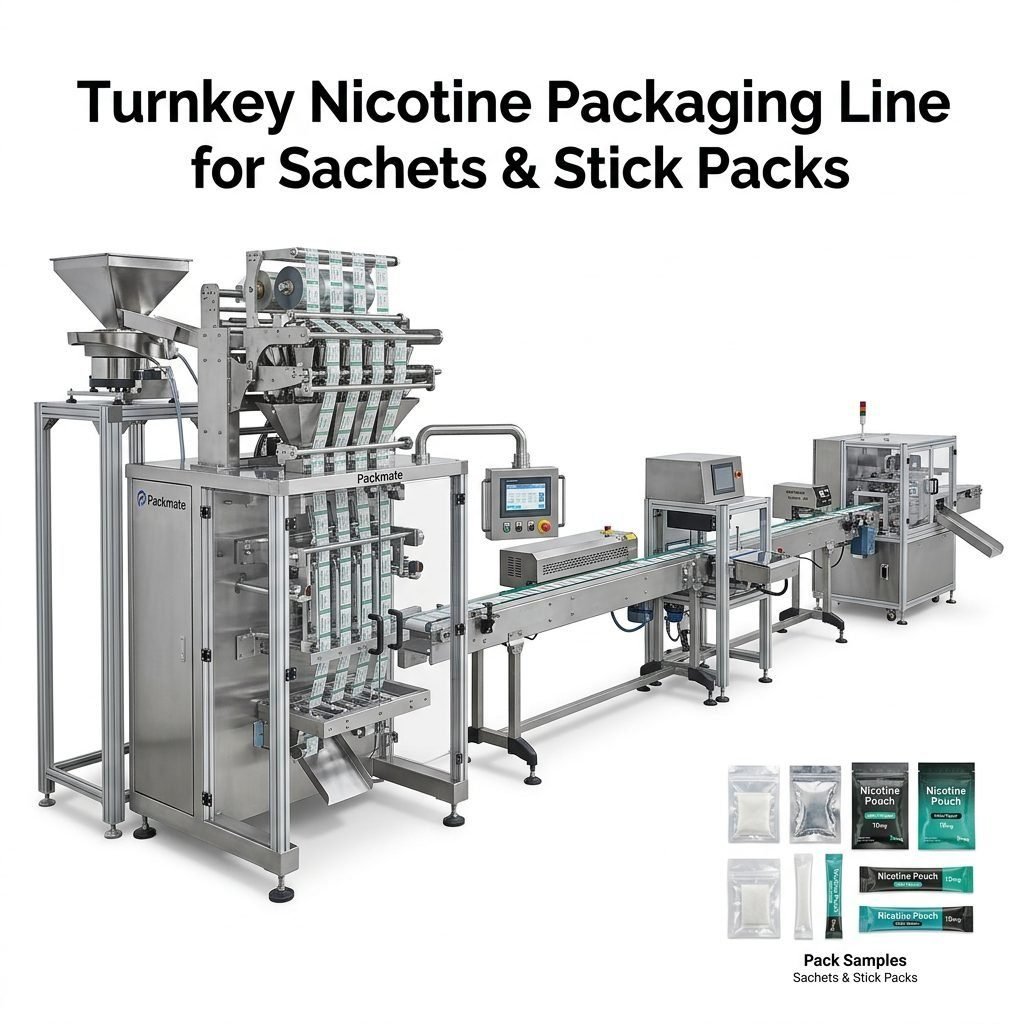
Choosing the right nicotine packaging machinery in Niger requires a careful blend of technical knowledge, practical benchmarking, and an understanding of local regulations and supply chain realities. This guide walks through the essential factors you should evaluate — from machine types and production capacity to after-sales service and compliance — so you can make a confident, cost-effective purchase decision for your nicotine pouch or snus packaging line.
Understand Your Product & Packaging Format
🔍 First, clearly define the product you will package: nicotine pouches, snus, powdered blends, or small-dose sachets. Each product demands different handling, dosing accuracy, and materials compatibility. For example, nicotine pouches require precise low-dose filling and gentle pouch forming to avoid product loss or dusting.
✅ Consider which packaging formats you need: stick packs, sachets, multi-lane pouches, or sealed tins. If you are unsure, opt for flexible machinery that supports multiple formats or can be upgraded modularly.
Recommended machine categories
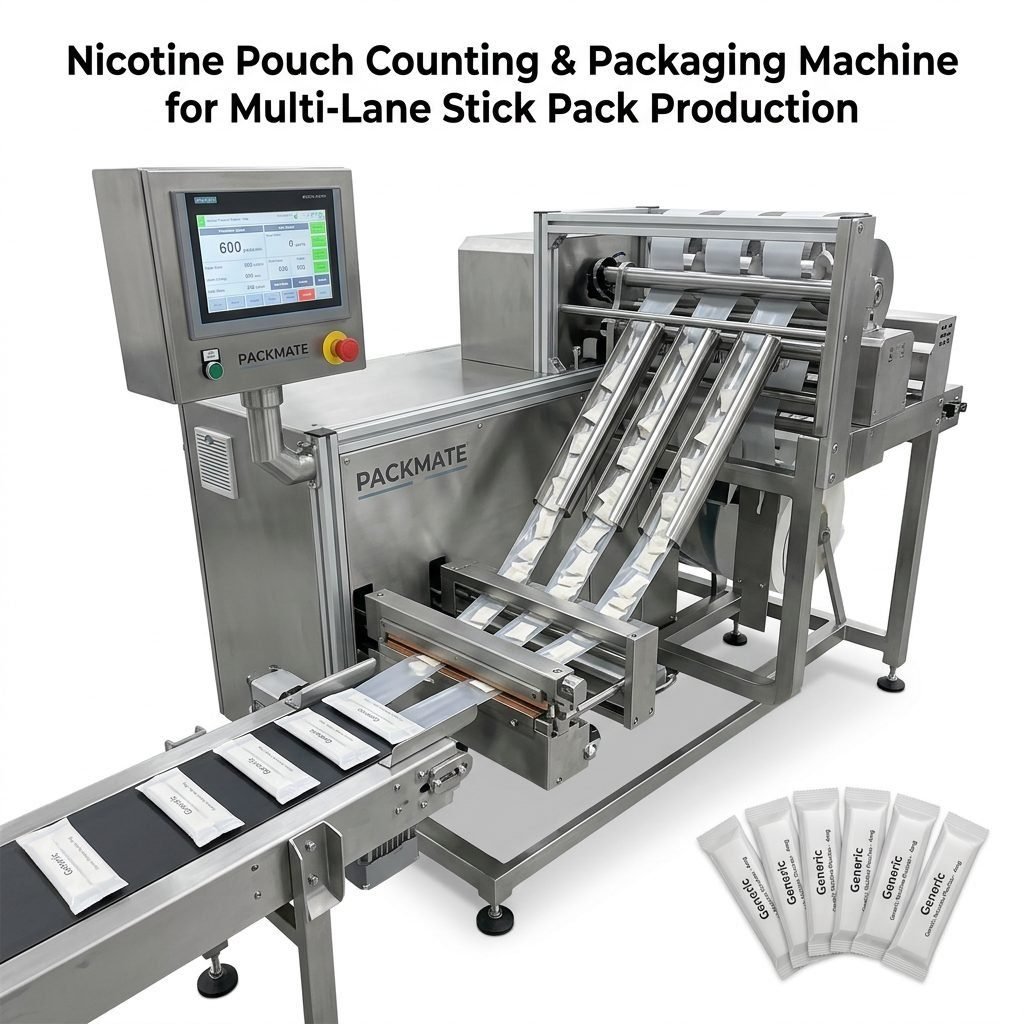
• Stick pack machines for single-dose sticks that are fast and compact.
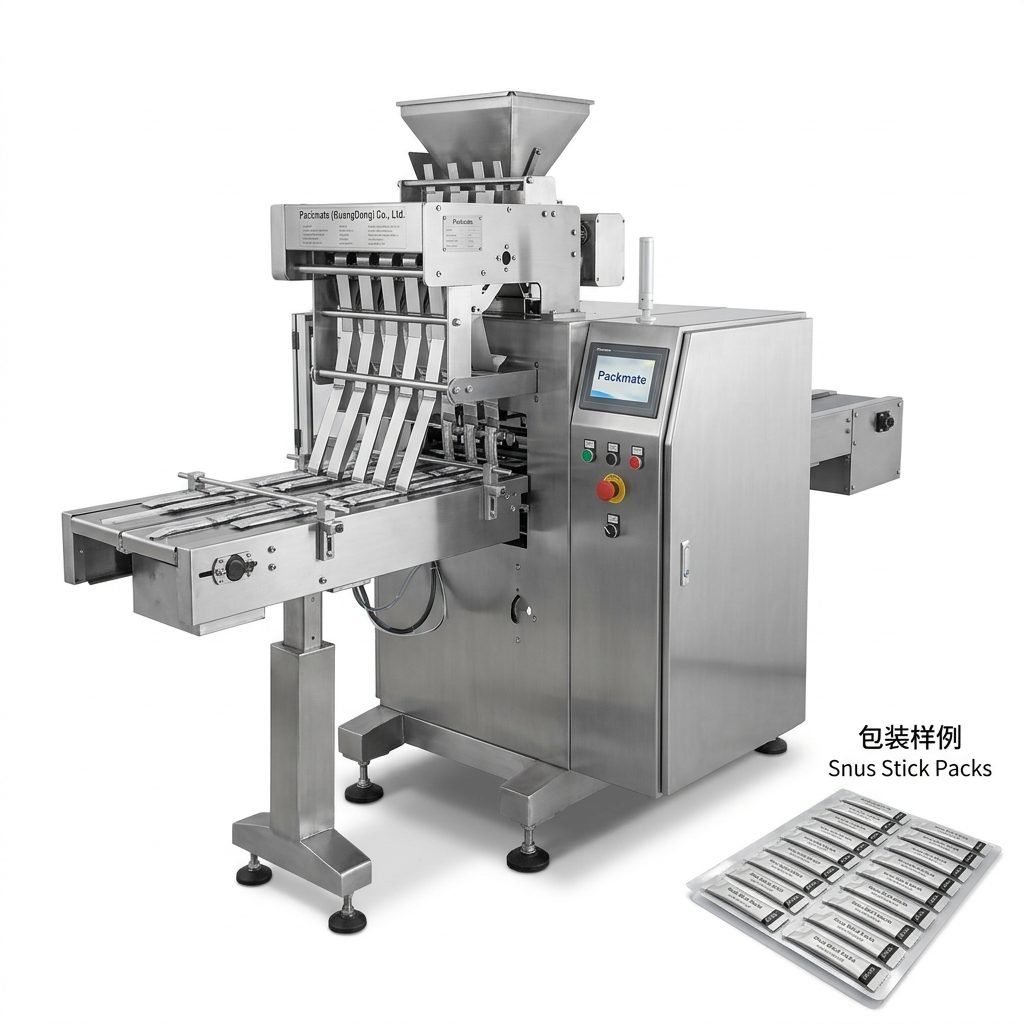
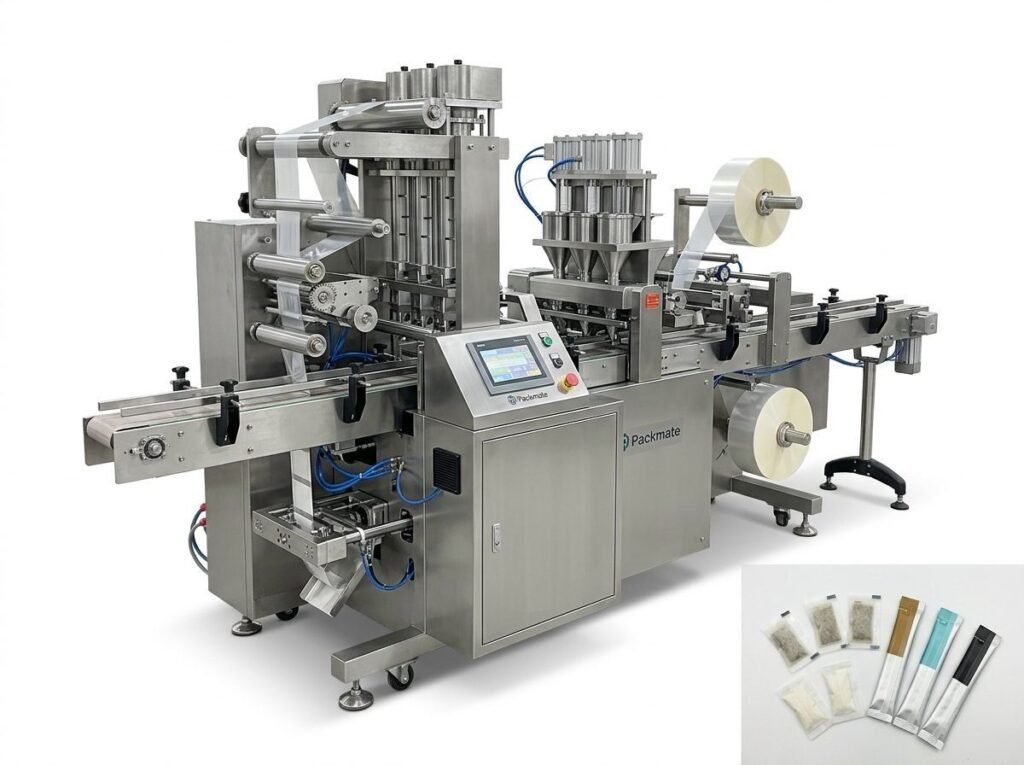
• Sachet & stick pack machines that combine versatility and speed — ideal for mixed SKU production.
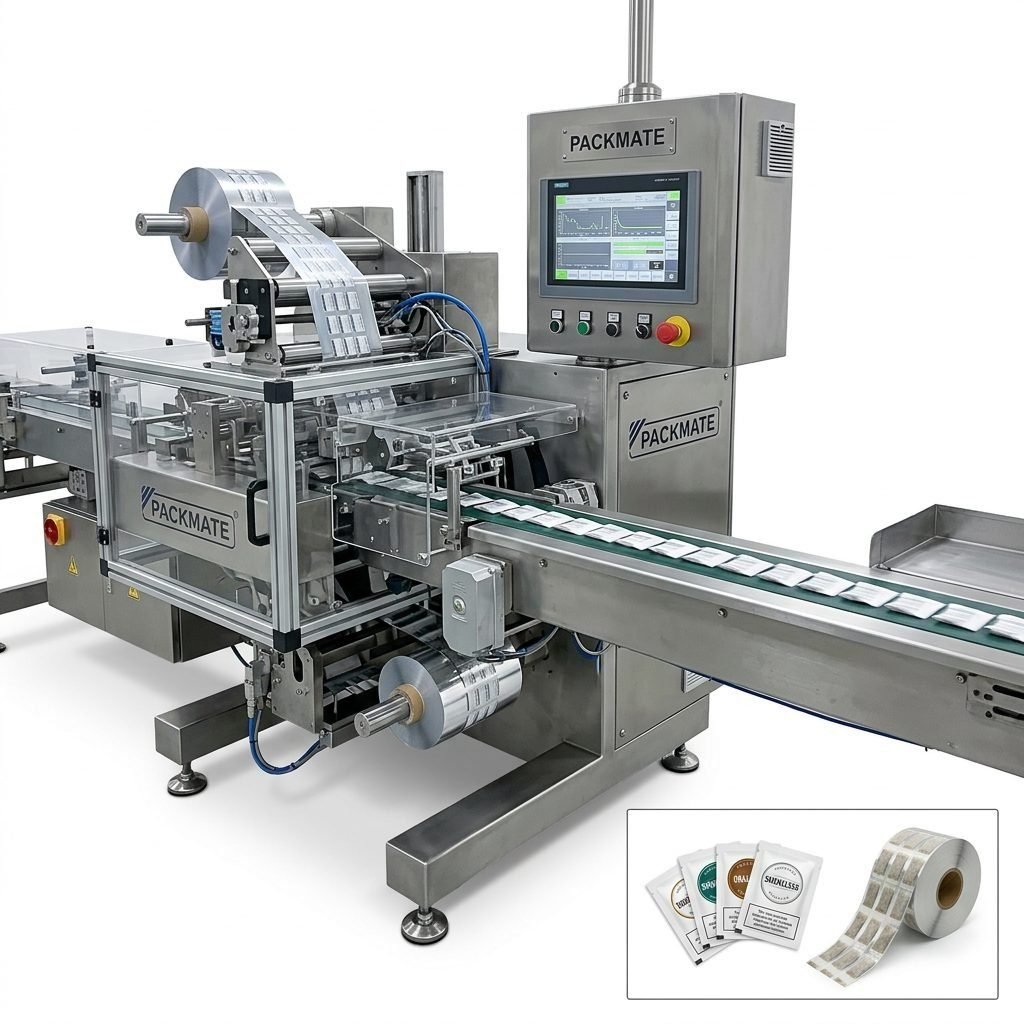
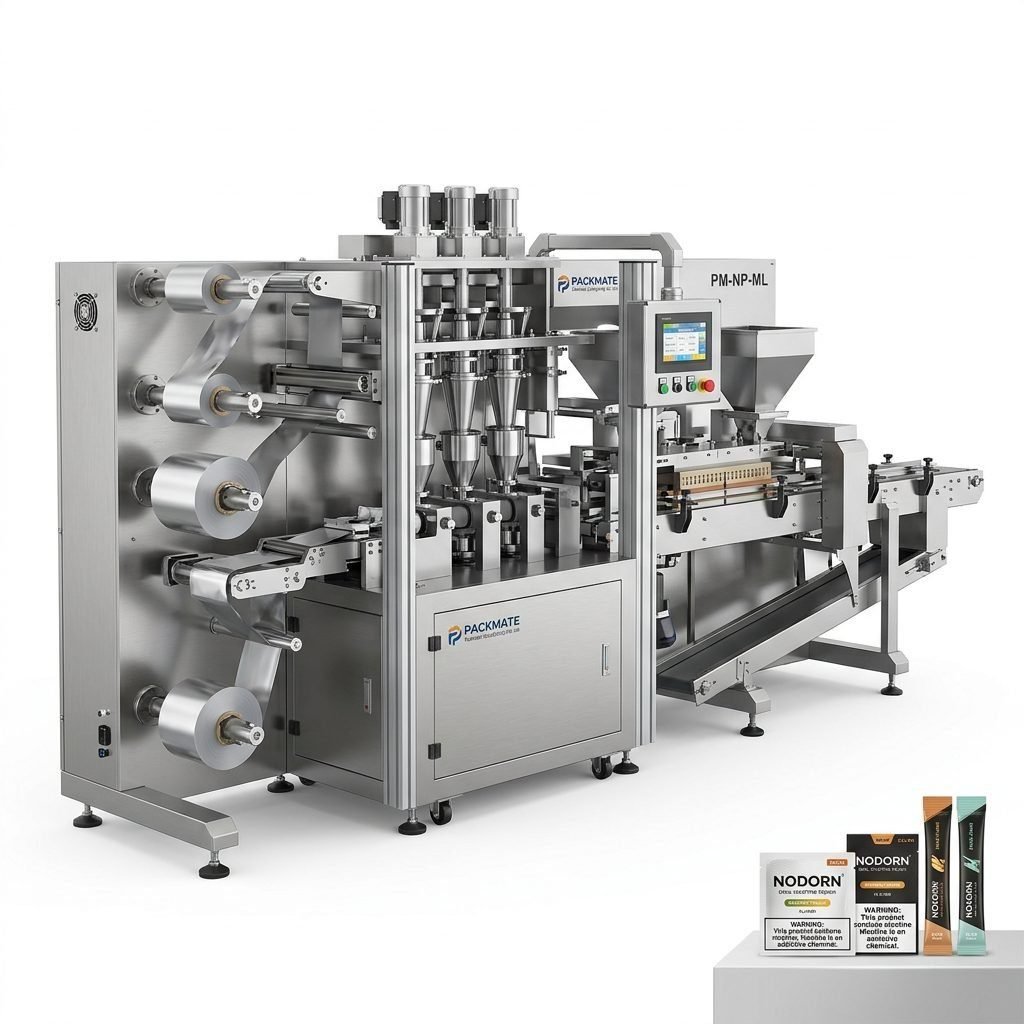
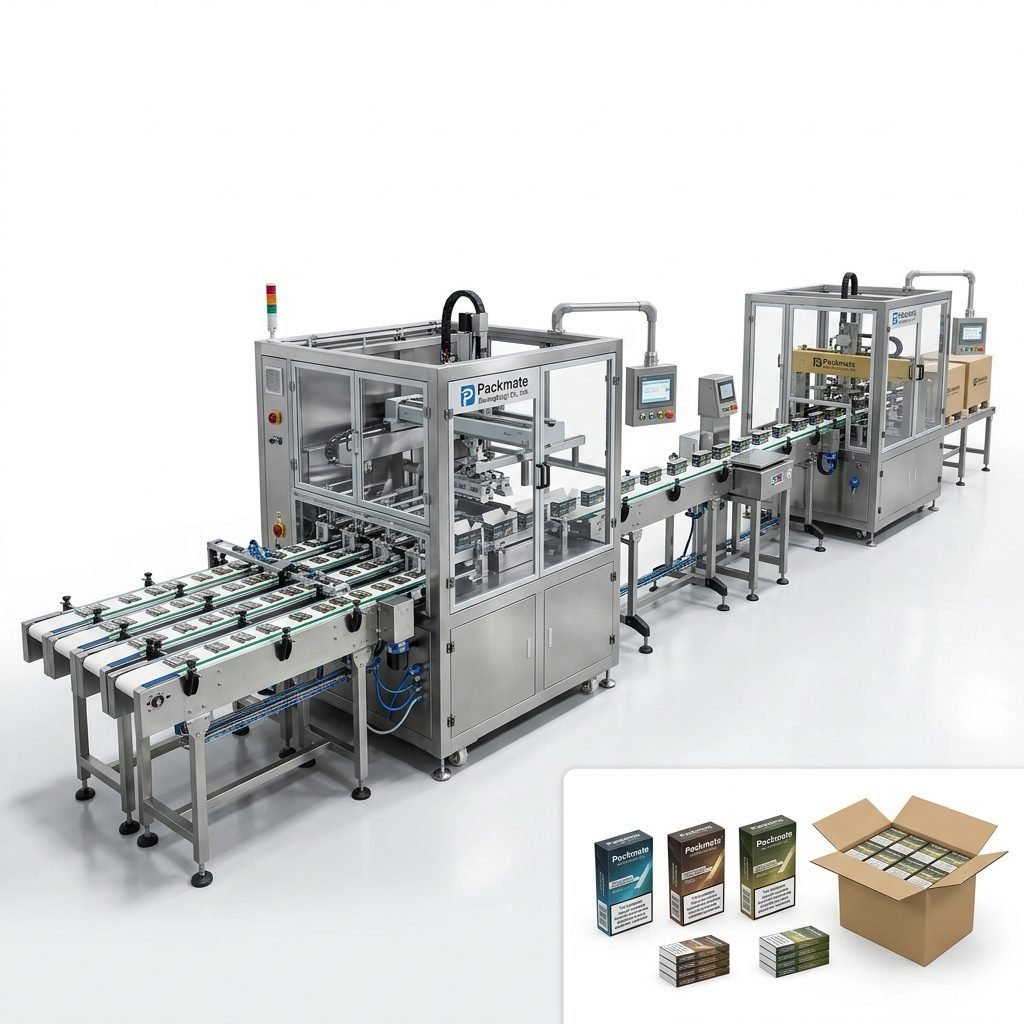
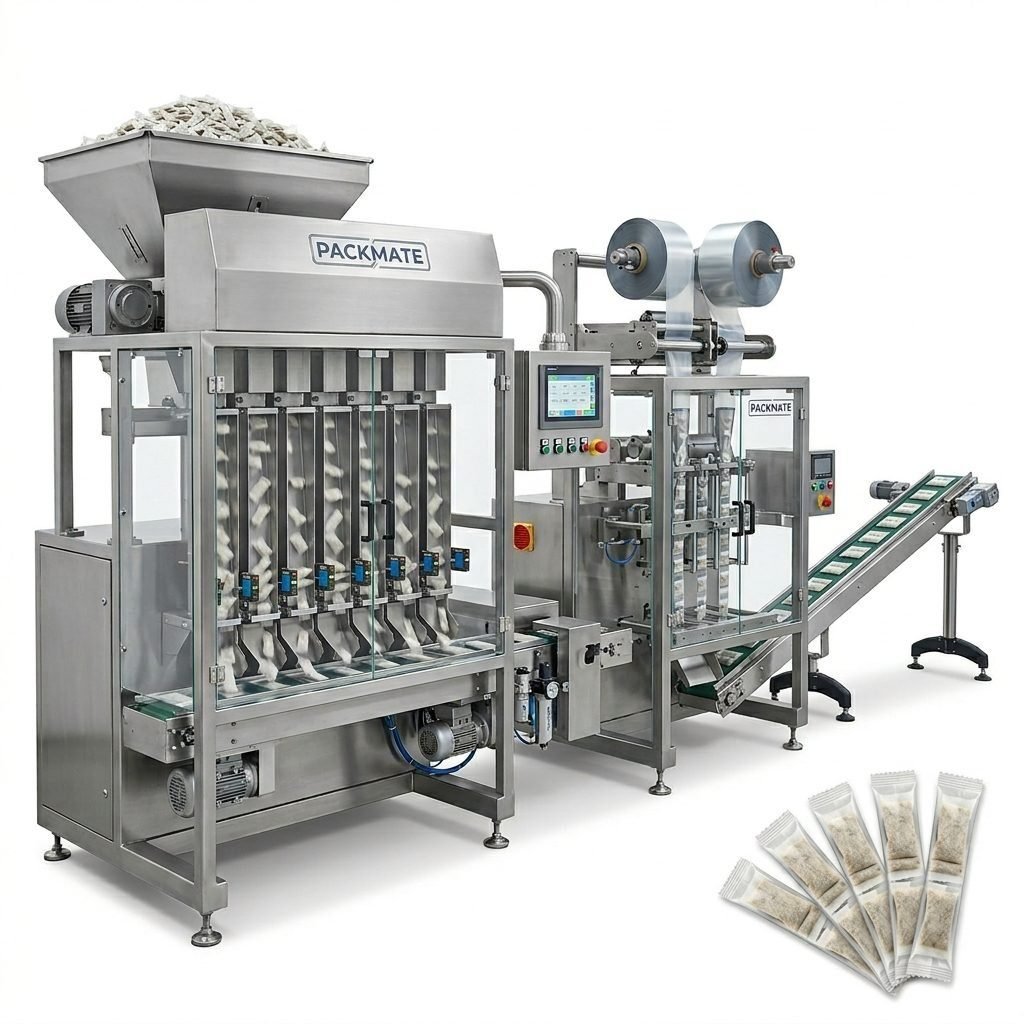
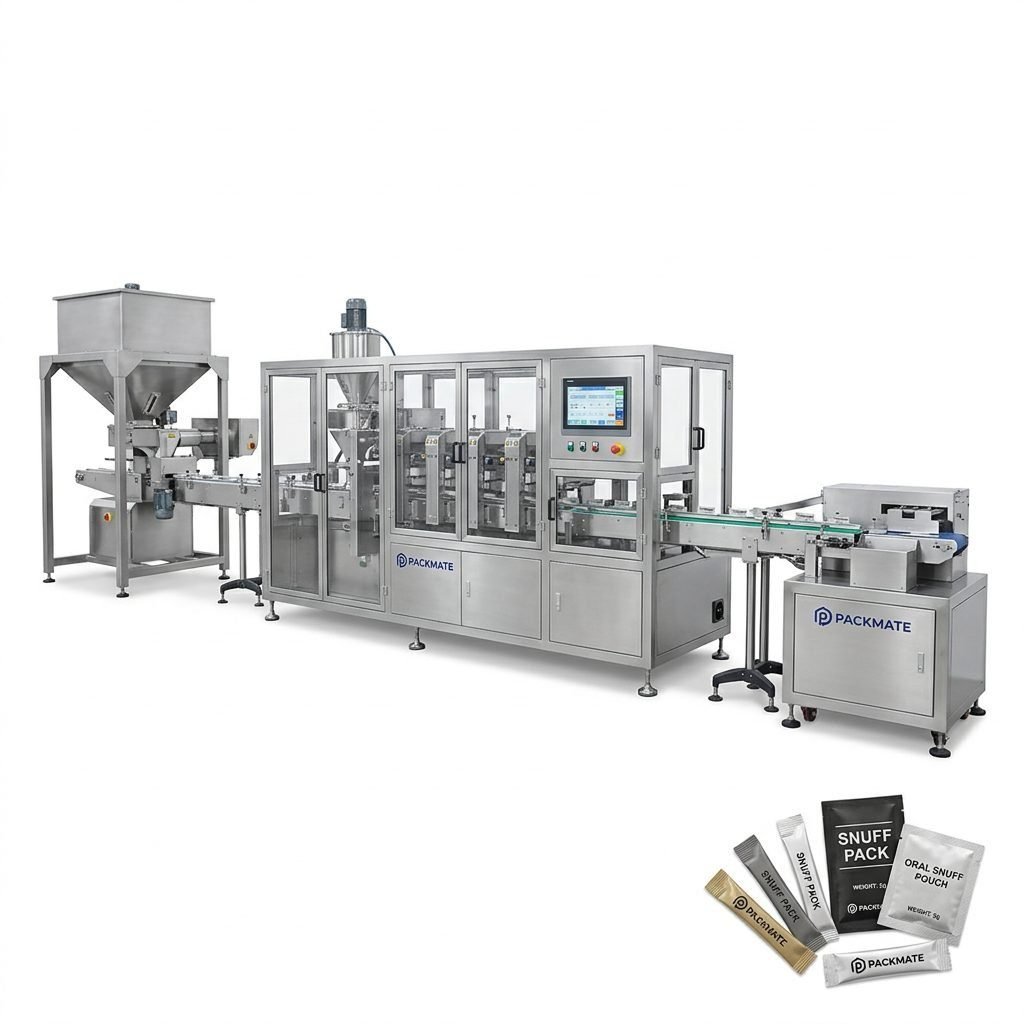
• Dedicated snus & nicotine packaging machines optimized for pouch shape, gentle handling, and consistent dosing. See examples: Snus & Nicotine Packaging Machines and Sachet & Stick Pack Machines.
Key takeaway: Match machine type to product characteristics — dosing method, pouch size, and required sealing quality are non-negotiable.
Capacity & Throughput: Right-Size Your Investment
📦 Production capacity is the single most important economic factor. Choose machines that meet current demand with a margin for growth. Overbuying wastes capital and increases maintenance complexity; under-sizing causes bottlenecks and missed orders.
Ask suppliers for realistic throughput numbers (packs/min, pouches/min) based on your product’s characteristics, not just theoretical maxima. Multi-lane systems often offer higher throughput in a smaller footprint — a common choice for nicotine pouch manufacturing.
Calculate true throughput
• Include changeover time and quality rejection rates when estimating effective capacity.
• Validate performance with case studies or visiting a running line. Packmate’s global cases can be useful for reference: Case.
Precision, Dosing & Product Handling
⚖️ Nicotine pouch filling demands high precision and consistent dosing. Choose machines with reliable weighing, volumetric dosing, or auger fillers suited to your product form (powder, granule, paste).
Look for features such as servo-driven dosing, real-time weight feedback, and closed dosing systems that reduce dust and contamination risks. For higher accuracy, integrated weighing & packaging systems are a strong option: Weighing & Packaging Systems.
Performance check: Request accuracy test reports and tolerance ranges. Insist on product trials using your own material where possible.
Material Compatibility & Packaging Films
📜 Packaging film selection affects seal integrity, barrier properties, and shelf life. Machines must be compatible with the specific film types you plan to use: laminated films, biodegradable options, or foil barrier films.
Ask for machine settings and sealing temperature ranges, and confirm the supplier can adjust tooling and sealing parameters for your chosen materials. If you foresee switching materials, prefer machines with flexible sealing modules.
Regulatory Compliance & Certifications
🌍 In Niger, and for export markets, compliance with international standards is critical. Choose manufacturers whose equipment carries CE and ISO certifications and who understand hygiene and traceability requirements for nicotine products.
Check for documented compliance and ask suppliers about traceability systems, cleanability, and GMP-aligned designs. Packmate machines typically include these certifications — see Certificate.
Local Service, Spare Parts & Training
🔧 After-sales support is essential. In Niger, machine uptime depends on a reliable supply of spare parts, remote troubleshooting, and operator training. Confirm the supplier’s spare parts lead time and whether local partners provide on-the-ground service.
Prefer vendors who provide installation supervision, operator and maintenance training, and documented service plans. Consider service contracts that include preventive maintenance visits, spare parts kits, and remote PLC/HMI support. Learn about service offerings here: Service.
Practical tip: Negotiate a spare parts package (critical sensors, belts, cutting knives) and training days into the purchase contract.
Total Cost of Ownership & ROI
📈 Evaluate the total cost of ownership (TCO): purchase price, installation, spare parts, consumables, energy, and labor. A cheaper machine can cost more over time if it has frequent breakdowns or lower efficiency.
Model ROI across realistic production scenarios. Consider energy-efficient motors, low-waste designs, and automation that reduces labor per unit as factors that improve ROI.
Financing & warranty
Check warranty terms, payment schedules, and financing options. Reputable manufacturers often offer extended warranties or performance guarantees for proven uptime and throughput.
Customization & Turnkey Solutions
⚙️ If you need a fully integrated line — fillers, conveyors, capping, cartoning, and case packing — evaluate vendors who deliver turnkey solutions and system integration. Packmate’s turnkey experience can be useful for integrated nicotine pouch lines; more about the company at About Packmate.
Ask for a clear scope: which supplier is responsible for electrical integration, PLC programming, and FAT/SAT (Factory and Site Acceptance Tests).
Factory Capabilities & Manufacturer Reputation
🏭 Inspect the manufacturer’s production capabilities if possible — CNC machining centers, assembly lines, and QA facilities indicate strong manufacturing control. Packmate lists a 20,000㎡ facility and decades of engineering experience — an indicator of scale and reliability.
Verify references, visit exhibitions or request video demonstrations. Attend live demos when possible to observe real machine performance and build confidence in supplier claims. You can often meet suppliers at trade events; see exhibition info: Our Exhibition.
Checklist before signing: factory visit or video audit, reference checks, FAT report, sample runs with your product, and a clear warranty/service SLA.
Logistics, Installation & Local Regulations
🚚 Plan for shipping, customs, and local installation. Large machines may require disassembly for shipping and reassembly on-site. Confirm the supplier’s experience with export documentation and local import procedures for Niger.
Coordinate electrical requirements, environmental controls (temperature/humidity), and site layout for efficient material flow. A pre-installation checklist avoids costly delays.
Sustainability & Energy Efficiency
🌱 Energy-efficient drives, reduced film waste, and recyclable material compatibility matter for long-term sustainability and brand positioning. Seek machines designed for easy maintenance and long life to minimize environmental impact and lifecycle costs.
Making the Final Decision
🧭 Weigh all factors: production needs, precision, compliance, TCO, service network, and supplier transparency. Use a scoring matrix to compare offers objectively (capacity, accuracy, uptime guarantee, spare parts lead time, price, and references).
If possible, begin with a pilot line or a smaller multi-lane setup that can be scaled. This approach reduces risk and accelerates market entry while allowing you to refine processes and packaging format.
Contact & next steps
If you want to explore machine models, request a tailored quote, or schedule a demonstration, reach out to the manufacturer or an authorized distributor. For direct contact and company information, use: Contact Us.
Final reminder: Prioritize uptime, dosing accuracy, and local serviceability over lowest upfront cost. These factors determine long-term profitability for nicotine pouch production in Niger.
Frequently Asked Questions
Q1: What machine type is best for small-batch nicotine pouch production in Niger?
A1: For small batches, a flexible multi-lane sachet or stick pack machine with modular upgrades provides a balance of cost-efficiency and scalability. It allows you to validate the market without heavy capital investment.
Q2: How important is local spare parts availability?
A2: Extremely important. Downtime in packaging lines directly reduces output and increases costs. Ensure your supplier can deliver critical spares quickly or provide a starter spare parts kit with the machine.
Q3: Do I need CE/ISO certification for machines used in Niger?
A3: While local regulatory requirements vary, CE and ISO certifications demonstrate international compliance, safer operation, and better design standards — which also help when exporting finished products.
Q4: Can I test my product on the supplier’s machines before purchase?
A4: Reputable suppliers offer product trials or FAT (Factory Acceptance Test) with your material. Insist on sample runs to confirm dosing accuracy, sealing quality, and throughput.
Q5: Where can I find integrated packaging solutions and professional support?
A5: Look for manufacturers with turnkey capabilities, strong workshop infrastructure, and documented global cases. For more information on systems and solutions, see their product and service pages such as Bag & Pouch Packaging Machines and Filling & Packaging Lines.