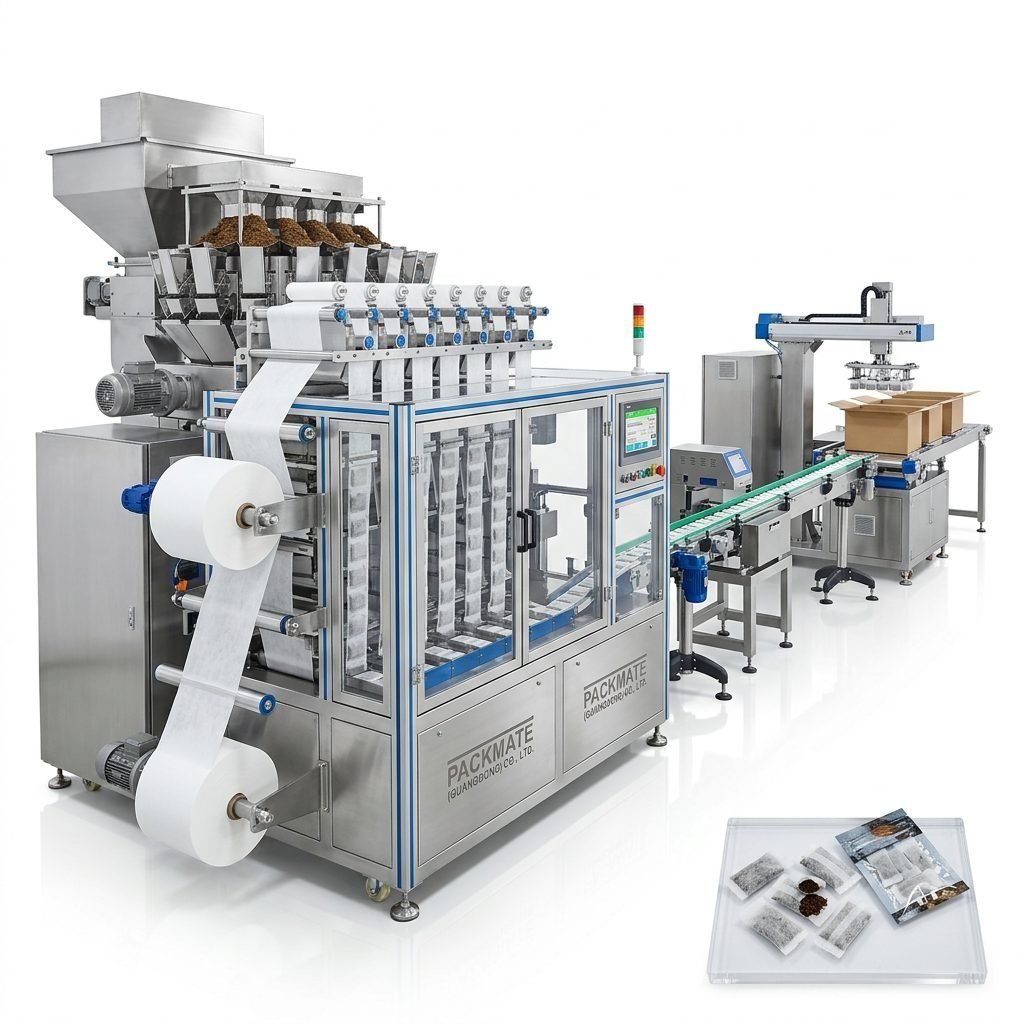
Choosing the right nicotine packaging machinery manufacturer is a strategic decision that affects product quality, regulatory compliance, production uptime, and long-term costs. For businesses in Belize — a small but strategically located market bridging Central America and the Caribbean — selecting a partner who understands local logistics, climate, and customs is as important as machine performance. This guide walks you through practical steps, regional considerations, technical criteria, and negotiation tactics to help you choose the best nicotine packaging machinery manufacturer for your Belize-based operation.
Understand the Belize Context
Belize has an English-speaking business environment, a warm humid climate, and a small domestic market with close trade ties to neighboring Caribbean and Central American countries. When sourcing packaging machinery for nicotine pouches or snus, take these local realities into account:
🔷 Climate and equipment durability: High humidity and coastal salt air can accelerate corrosion. Prioritize stainless-steel finishes and moisture-resistant electrical enclosures.
🔷 Logistics and ports: Belize City is the main entry port. Factor in shipping schedules, customs clearance, and any special permits for nicotine-related equipment and materials.
🔷 Cultural and regulatory sensitivity: Although English is the official language, local market preferences and labeling norms often reflect Caribbean tastes. Ensure packaging design and labeling align with Belizean and regional regulations.
Key Evaluation Criteria for a Manufacturer
When comparing manufacturers, score them across technical, commercial, and service dimensions. The following criteria are essential:
1. Technical Capability and Model Range
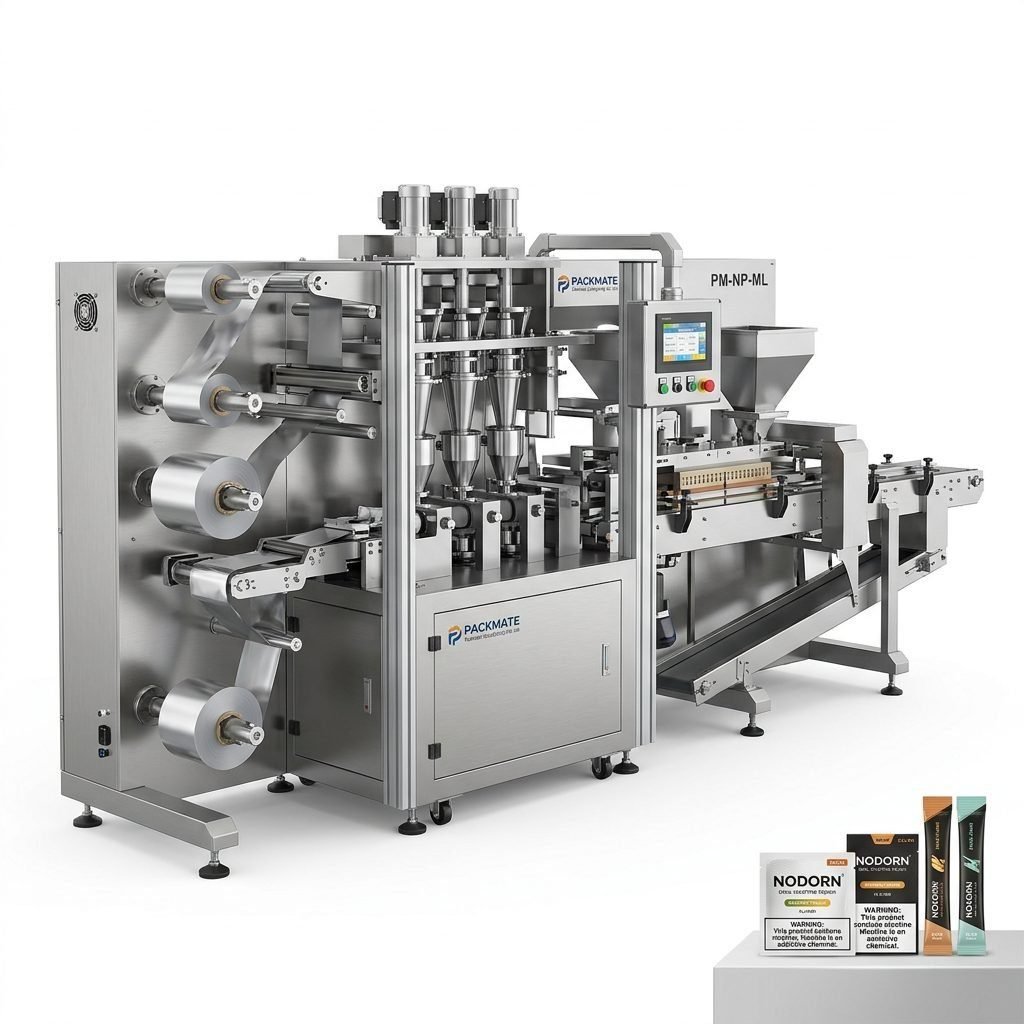
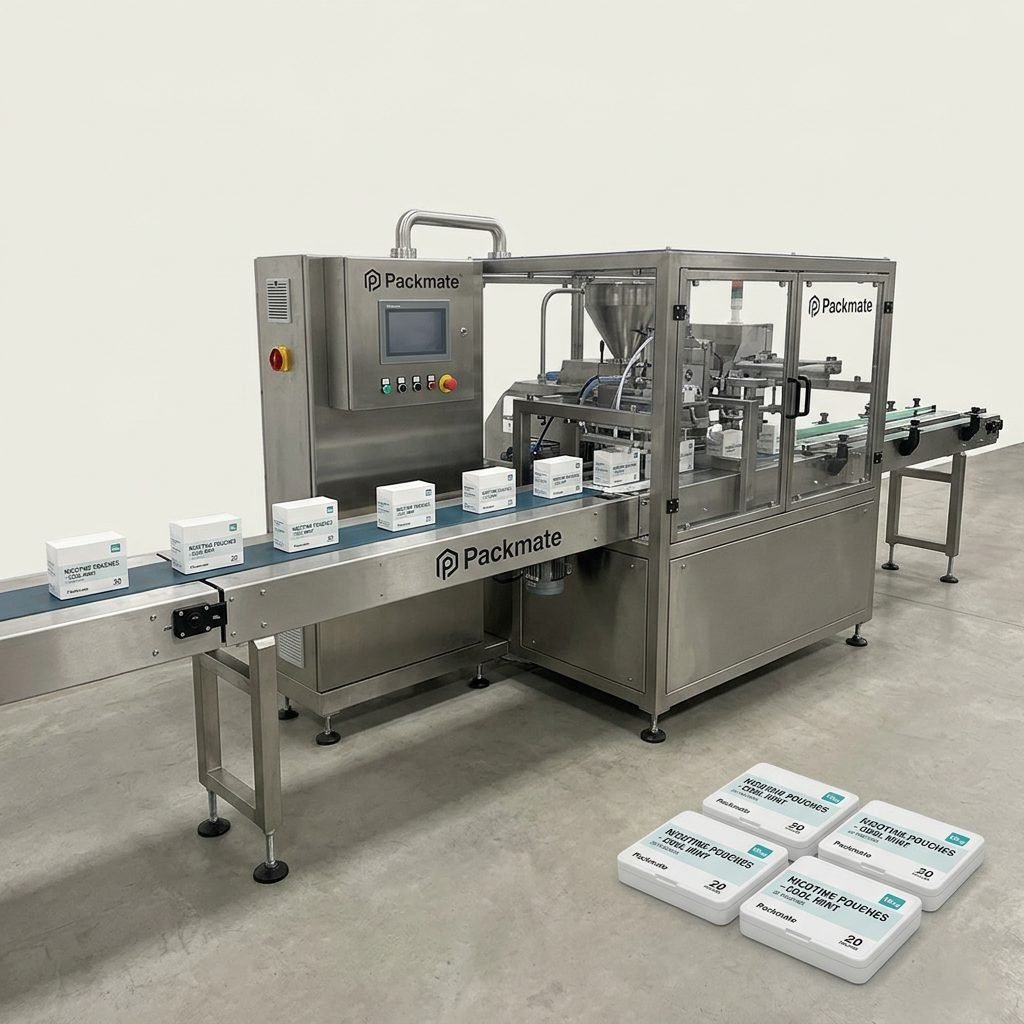
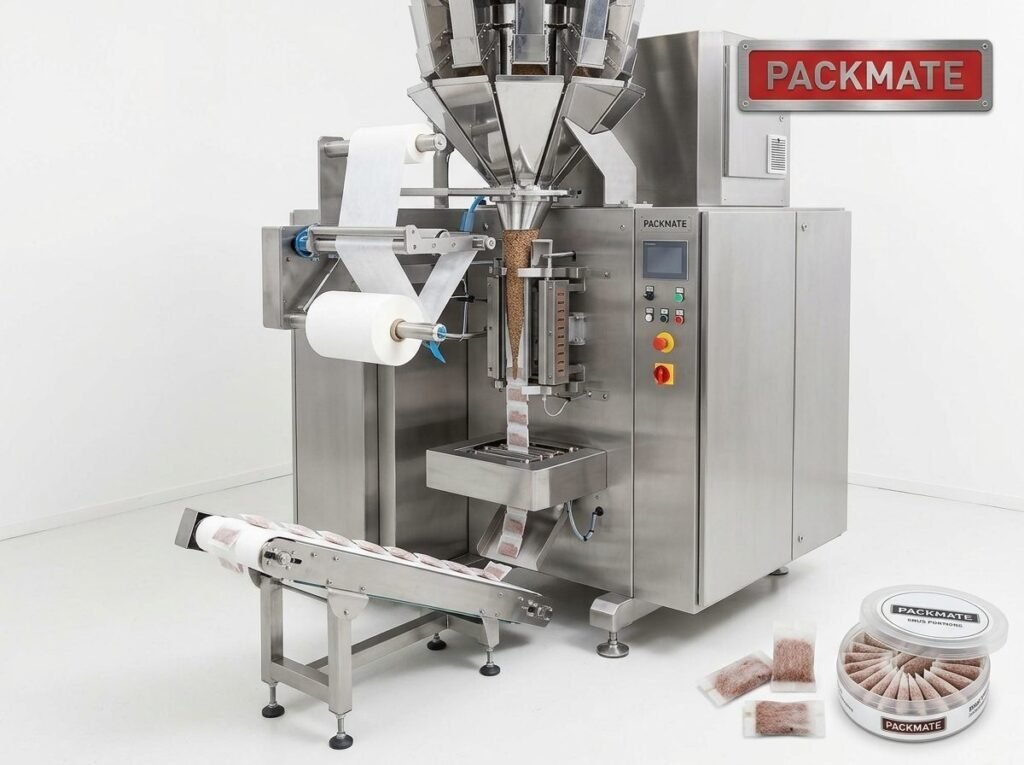
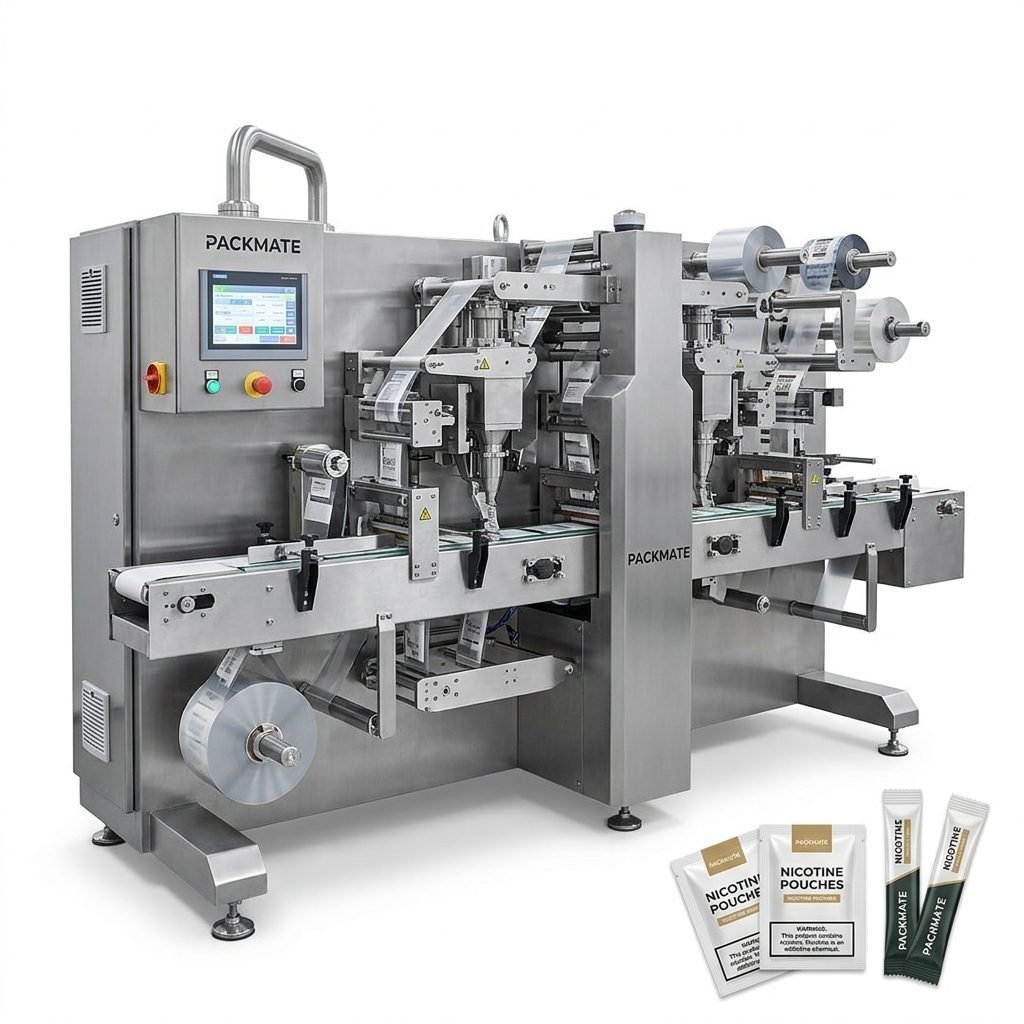
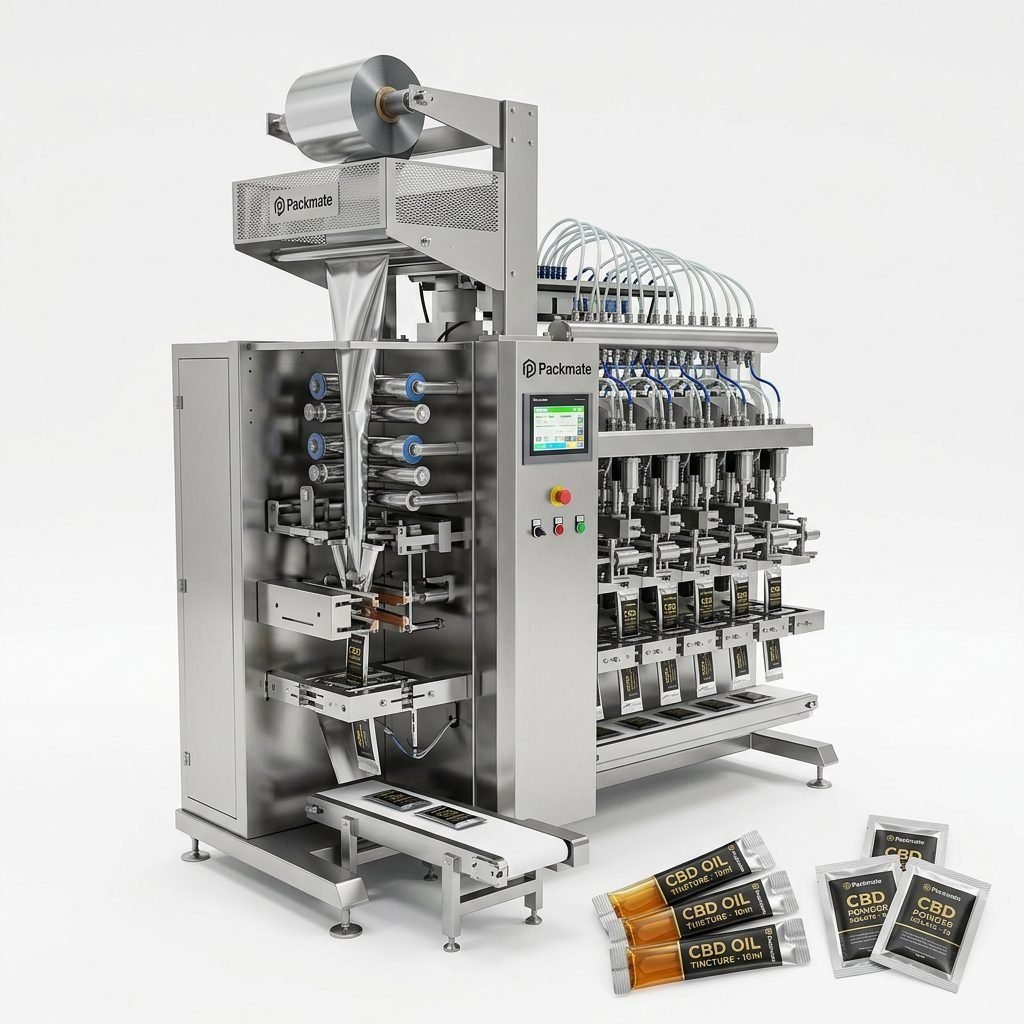
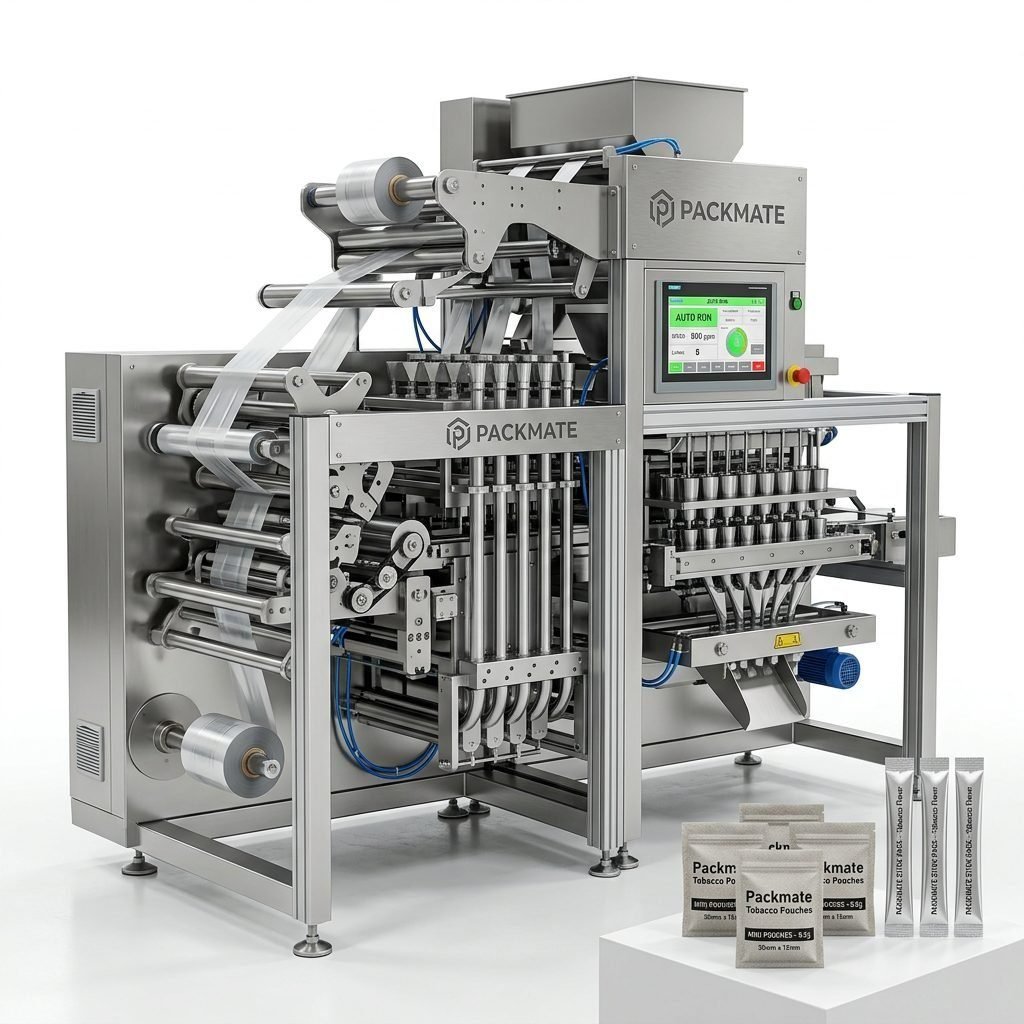
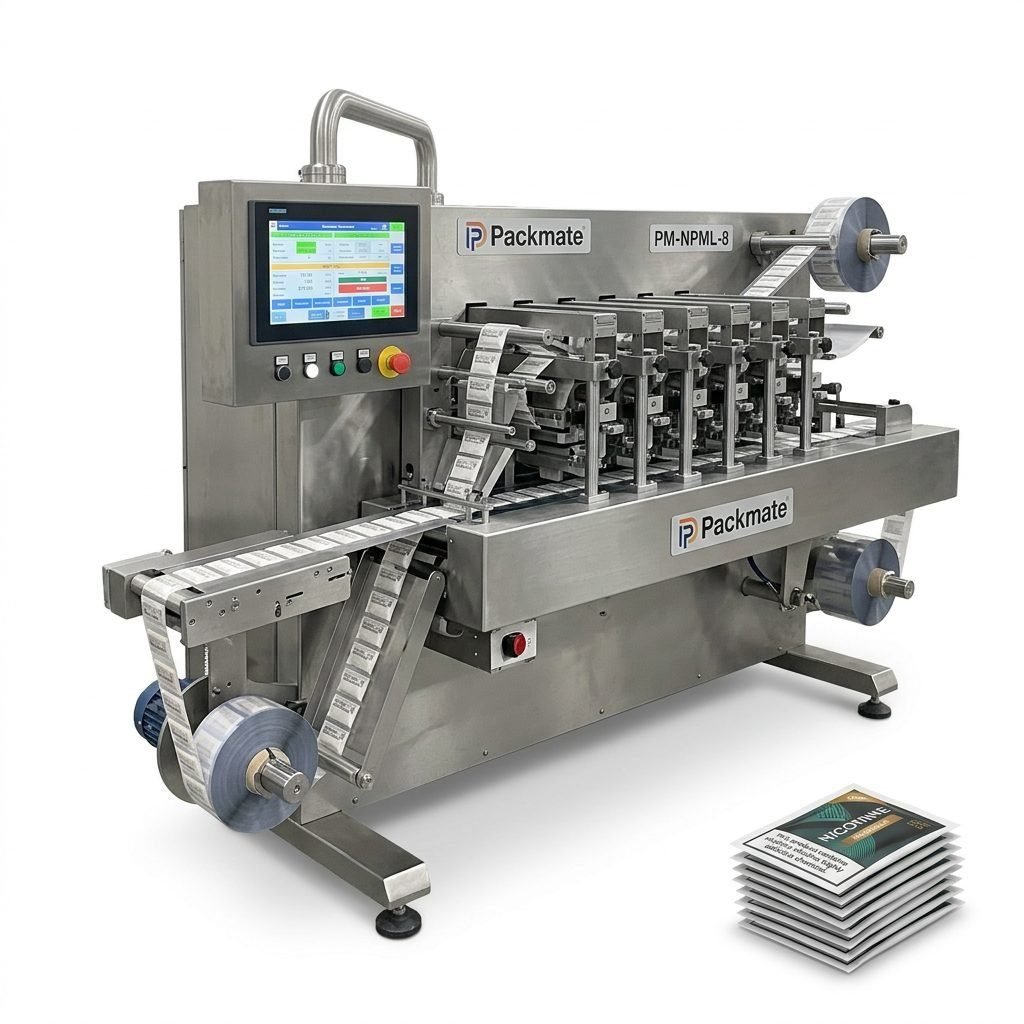
Look for a supplier offering the specific machine types you need (stick pack, sachet, multi-lane snus machines, pouch machines). A broad model range indicates deeper engineering experience and faster match to your product format and output targets. Explore sample product lines such as
Snus & Nicotine Packaging Machines and
Sachet & Stick Pack Machines.
2. Production Capacity, Speed and Multi-Lane Options
Match machine output (packs/min, lanes) to your launch and growth plans. For small-dose nicotine pouches, multi-lane machines can dramatically increase throughput without enlarging footprint — an advantage for tight Belizean warehouse spaces.
3. Quality Systems, Safety & Certification
Prioritize manufacturers compliant with global standards (CE, ISO). Certifications reflect consistent quality control and easier market access. Check certificates and audit records — for example, manufacturers who publish compliance information provide better transparency. See their certifications at
Certificate.
Critical: Machines for nicotine pouches must offer high-dose precision and consistent sealing performance to avoid product spoilage and regulatory issues.
4. After-Sales Service, Spare Parts and Local Support
In Belize, local technical support might be limited. Confirm the manufacturer’s spare parts inventory, shipping lead times, remote support capabilities, and on-site commissioning plans. Reliable remote diagnostics and online training can mitigate geographic distance. Review service offerings at
Service.
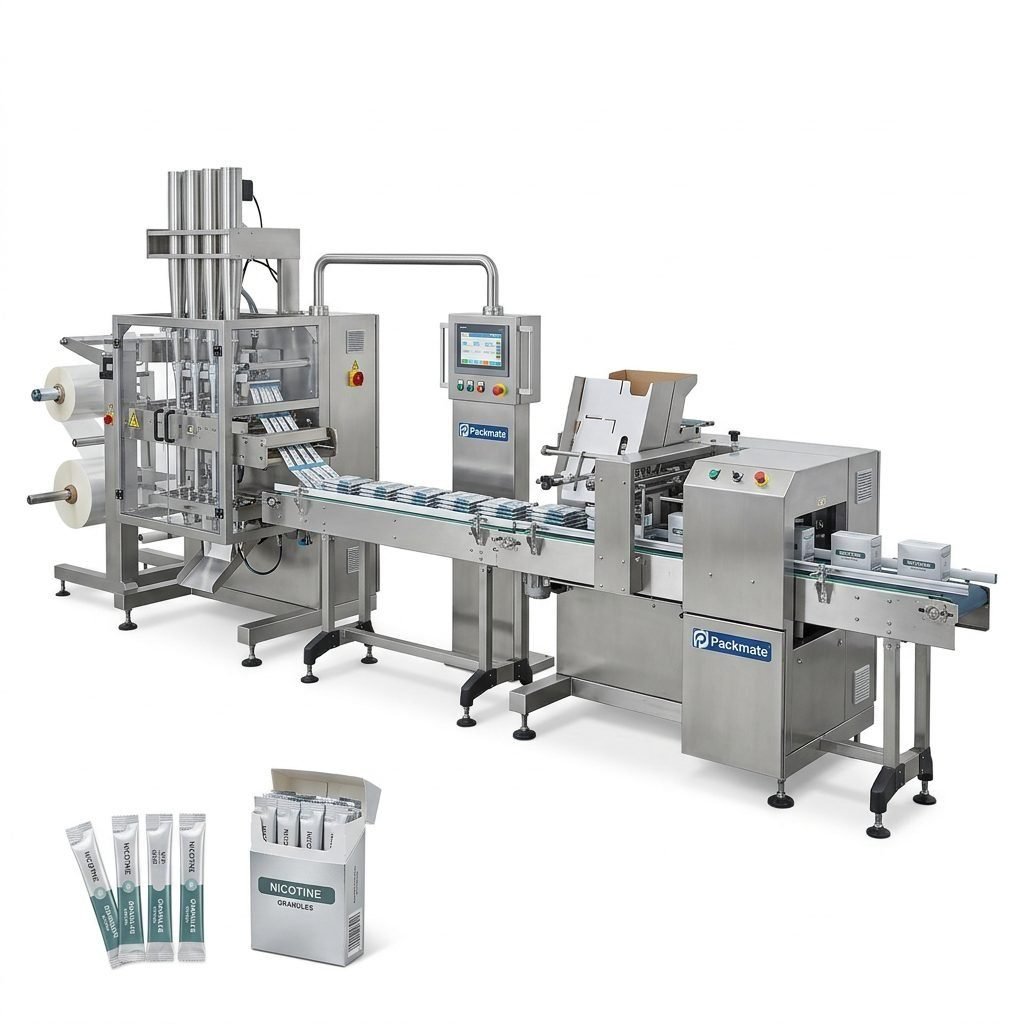
5. Turnkey Solutions & Customization
If you need a complete line — feeding, weighing, packaging, and boxing — a manufacturer who provides turnkey systems reduces integration risk. Manufacturers with in-house CNC and assembly capability can deliver tailored frame sizes, humidity controls, or special material handling suited to Belizean climates. See examples under
Filling & Packaging Lines.
Practical Step-by-Step Selection Process
Follow a disciplined process to compare vendors objectively and reduce procurement risk:
Step 1 — Define product and output requirements
List pouch sizes, dosing tolerance, target output (daily, monthly), packaging materials (foil, paper, laminates), and environmental constraints (high humidity). This becomes the basis of RFQs.
Step 2 — Request detailed RFQs and technical data sheets
Ask for electrical specs, air consumption, machine footprints, spare parts lists, MTBF, and references. Compare all replies on the same matrix.
Step 3 — Validate with factory tours or virtual inspections
Visiting the manufacturer’s workshop (or a virtual factory tour) reveals assembly practices, cleanliness, and QA procedures. For remote sourcing, request live demonstrations or video of the exact model running your product.
🔷 Tip: Ask for a trial production run or FAT (Factory Acceptance Test) that includes packing your actual pouch material and nicotine formulation.
Commercial & Contract Considerations
Negotiate clear terms for delivery, warranty, spare parts availability, training, and acceptance tests:
• Lead times and shipping INCOTERMS — account for port handling at Belize City and any inland transport delays.
• Warranty coverage & consumables — clearly define what’s included (e.g., motors, PLCs) and response times for spare parts.
• Payment milestones — balance down payment, progress payments, and final payment after FAT or successful commissioning.
Important negotiation point: Include a spare-parts kit for critical wear items and a minimum 12-month parts availability guarantee.
Budgeting, Shipping and Import Tips for Belize
Total landed cost = machine price + international freight + marine insurance + customs duties + inland handling + installation & training. For Belize:
• Customs & regulation: Confirm any special permits for nicotine processing equipment or materials used in production. Work with a local customs broker to speed clearance.
• Duty and VAT: Check current tariff rates; these change and can materially affect your final cost.
• Installation and commissioning: Plan for 1–3 weeks onsite depending on line complexity and local electrician / mechanical support.
Checklist: Minimum Technical Specs to Request
– Expected throughput (packs/min and packs/hour) and lane configuration
– Filling accuracy (mg or % tolerance) and dosing method
– Material compatibility (foil, laminate, paper pouches)
– Machine footprint, power, and compressed air requirements
– Spare parts list for first 12 months and lead times for critical parts
Why Packmate (GuangDong) Co., Ltd. Might Be a Strong Fit
A manufacturer with multiple decades of experience, a large factory footprint, and specialized snus/nicotine pouch lines can reduce your sourcing risk. Packmate Snus Machine brings:
• 30+ years of packaging machine engineering experience and a 20,000㎡ facility equipped with CNC centers and precision assembly lines.
• A wide portfolio including snus and nicotine pouch machines, stick pack and sachet systems — see examples at
Snus & Nicotine Packaging Machines and
Bag & Pouch Packaging Machines.
• Global turnkey capabilities and case studies demonstrating installations across Europe, Asia, and the Americas — review real examples on the
Case page.
• Compliant equipment with international certifications and a structured service offering — check their company overview at
About Packmate.
On-the-Ground Tips for Belizean Buyers
Build relationships: Belizean business culture values personal trust and long-term relationships. Consider visiting suppliers or inviting them for a regional meeting. Use clear, written agreements and maintain regular communication channels for service and spare parts orders.
Local technicians: Train 2–3 local technicians during commissioning so you can handle first-line troubleshooting without waiting for overseas service visits.
Final Selection Tips
– Favor vendors who offer FAT with your product and provide a clear spare parts pricing matrix.
– Ask for at least two references in similar climates or regions (Caribbean/Central America).
– Verify after-sales SLA and remote support options, and include penalty clauses for missed delivery or performance targets if appropriate.
Common Questions
Q1: How long does it take to get a full snus packaging line delivered and commissioned in Belize?
A1: Typical lead times vary by customization and capacity but expect 12–20 weeks for production and testing, plus 2–6 weeks for shipping and local customs clearance. Commissioning usually takes 1–3 weeks.
Q2: What certifications should I require from the manufacturer?
A2: At minimum, request CE and ISO certification evidence. If you export to specific countries, confirm compliance with any additional local standards. See manufacturer certificates at their Certificate page.
Q3: What spare parts should be stocked locally in Belize?
A3: Keep spare sealing jaws, belts, servo drivers, sensors, and a small stock of standard wear components. Negotiate a spare kit with the supplier to ship with the line.
Q4: Can I get a turnkey line including filling, weighing, and packaging?
A4: Yes — many manufacturers provide integrated lines. Review turnkey options on their Filling & Packaging Lines overview and ask for reference installations.
For further assistance or to request a tailored quotation and virtual demonstration, contact the supplier directly through their contact portal:
Contact Us.