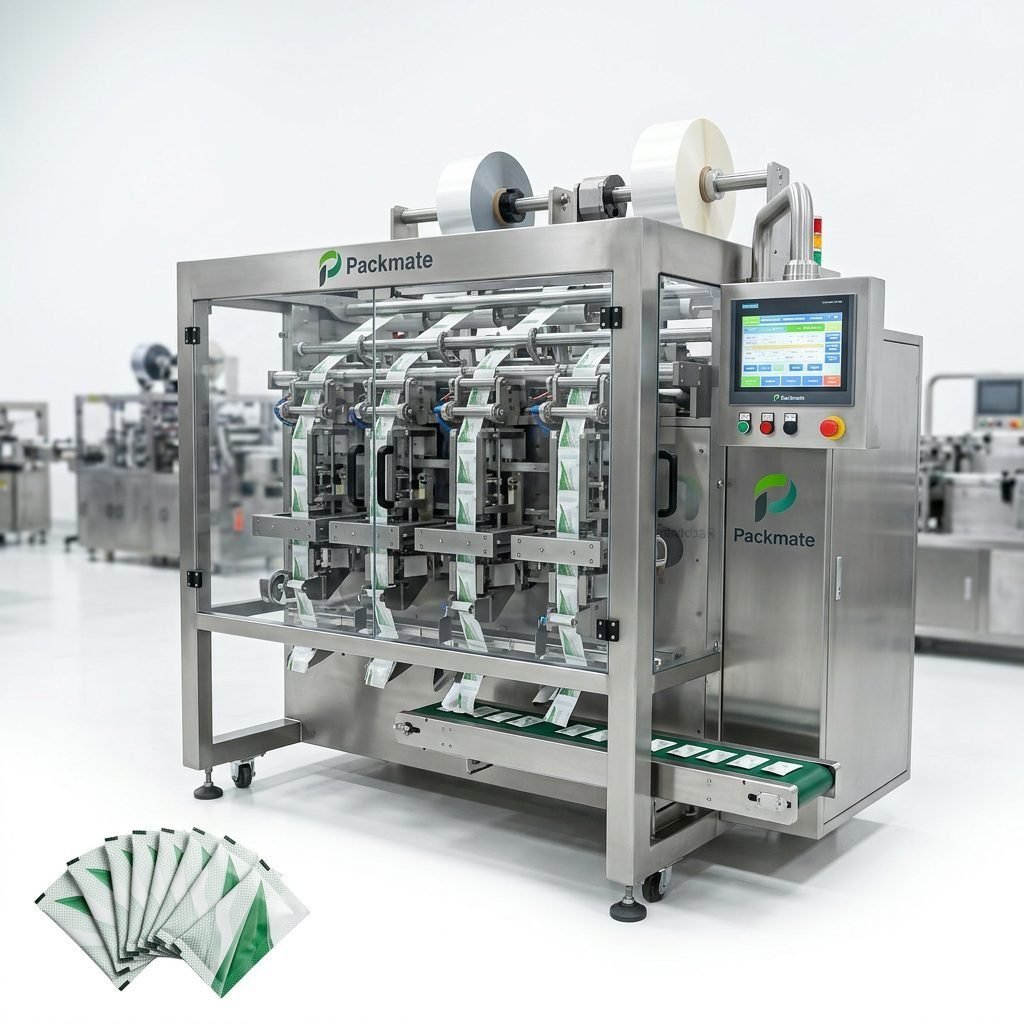
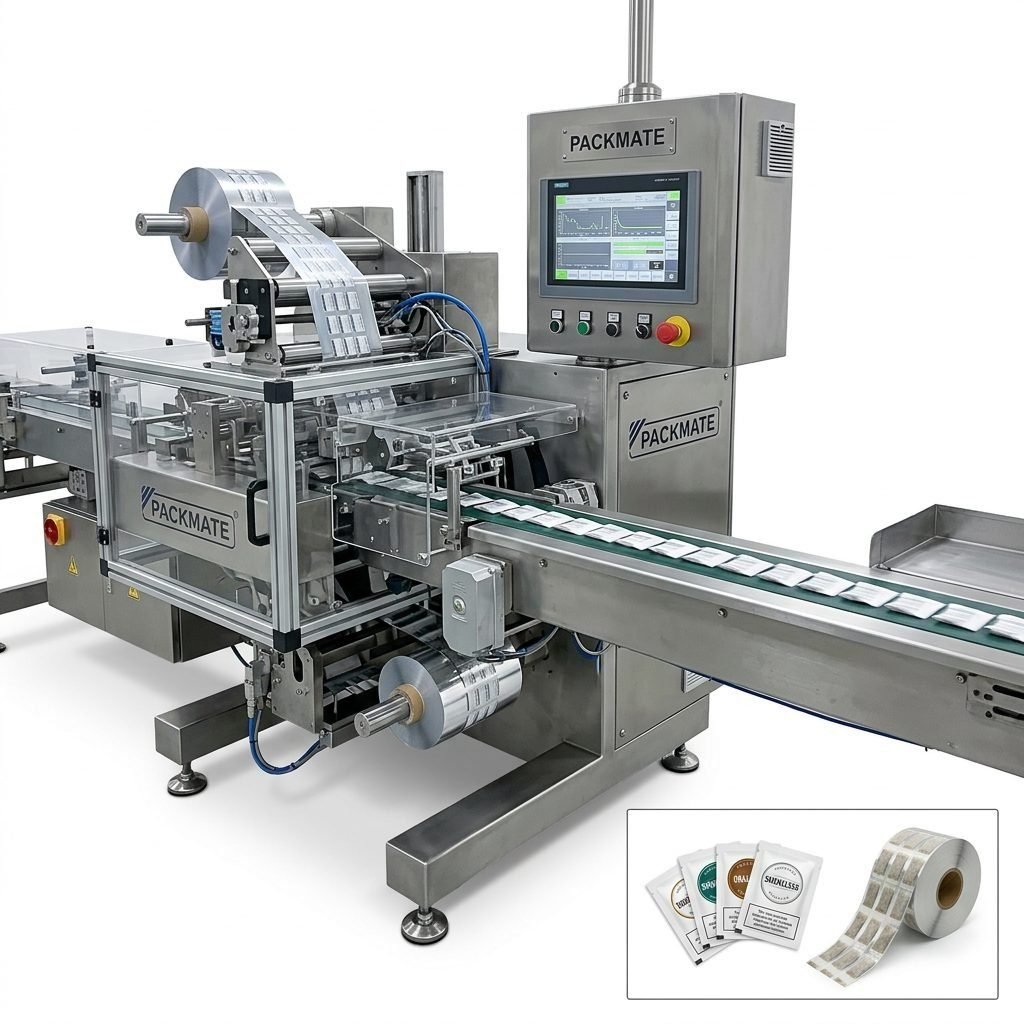
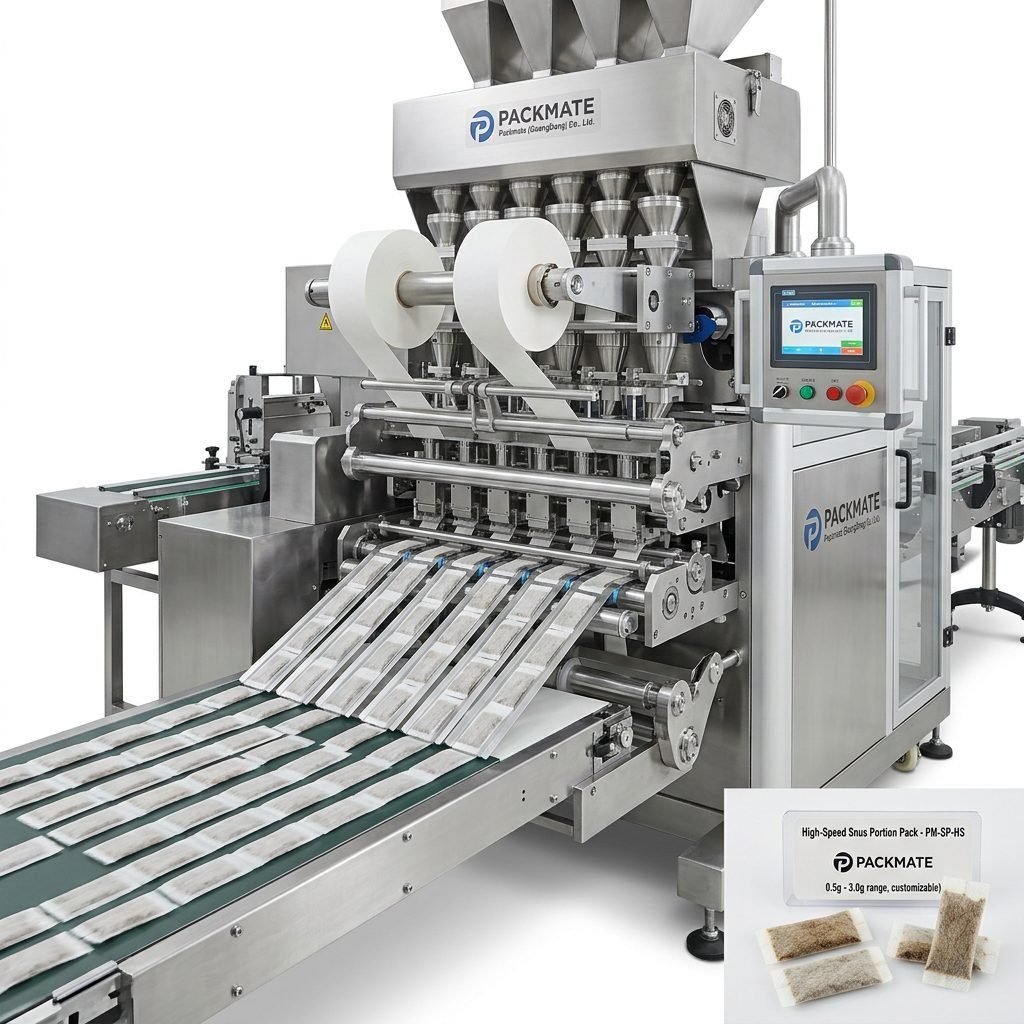
In a growing South African market for alternative nicotine products, choosing the right snus packaging machine supplier is a strategic decision that affects product quality, regulatory compliance, production uptime, and long-term profitability. This guide walks you through practical, supplier-focused criteria and local considerations so you can select a partner that delivers reliable equipment, fast support, and scalable solutions tailored to your business needs.
Understand South Africa’s Local Context and Consumer Habits
South Africa’s tobacco and nicotine landscape has distinct commercial and cultural features. While traditional cigarettes remain widely consumed, interest in tobacco-free nicotine pouches and snus-style products is rising among urban consumers who prefer discreet, smoke-free alternatives. Retail channels include convenience stores, tobacconists, and online sellers. Many consumers value discreet packaging, portion consistency, and leak-free pouches — priorities that should inform machine selection.
From a regulatory perspective, make sure your supplier understands export rules, local labeling laws, and import controls. A supplier with experience exporting to diverse markets will better assist you with compliance documentation and machine features that support traceability and quality records.
Key Supplier Selection Criteria
When evaluating potential suppliers, focus on objective performance indicators and evidence rather than sales promises. The most important factors are:
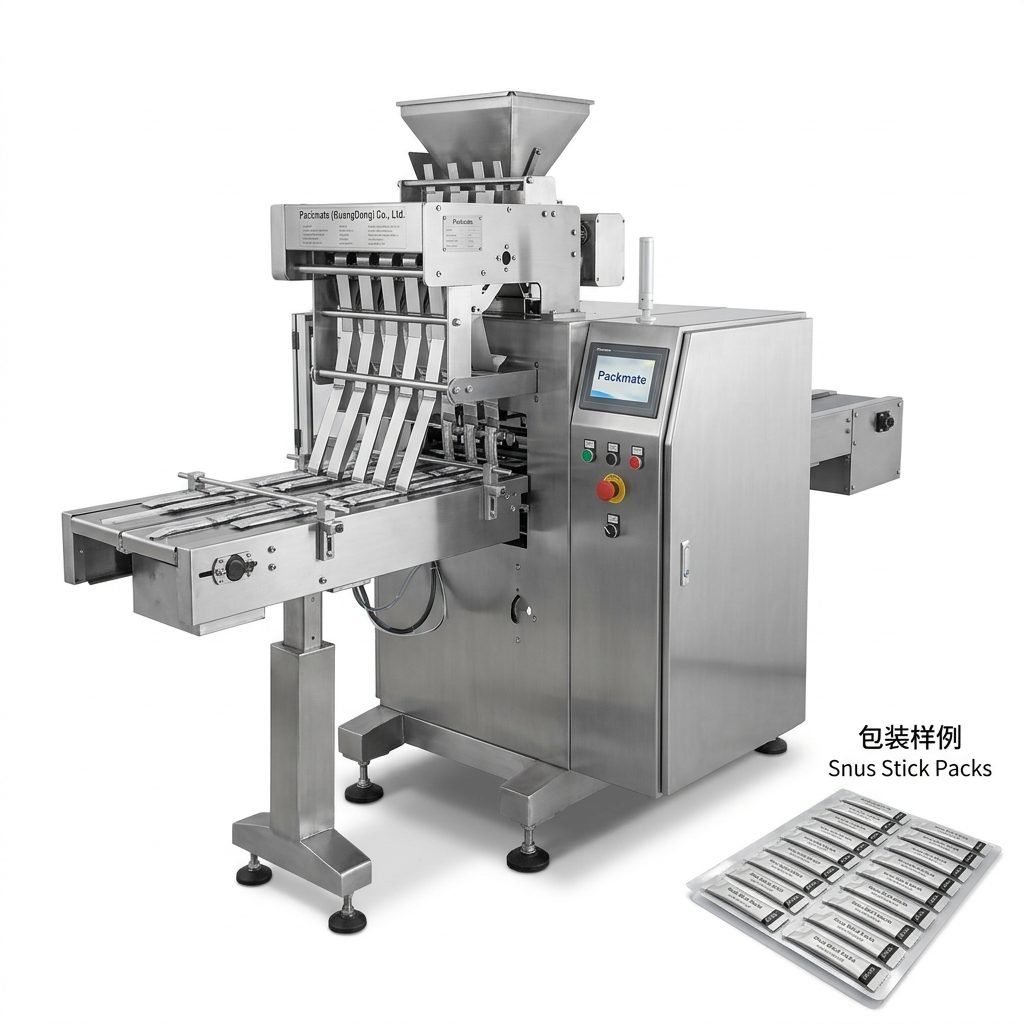
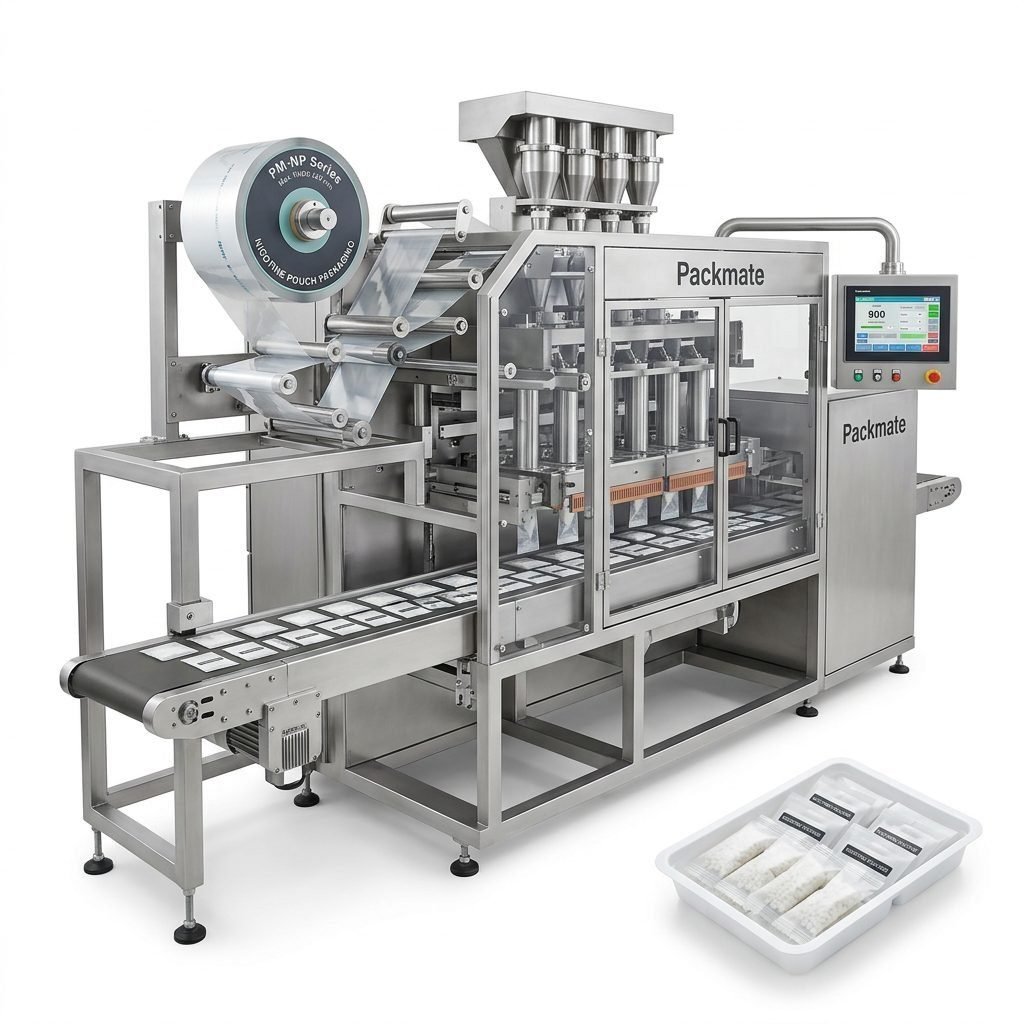
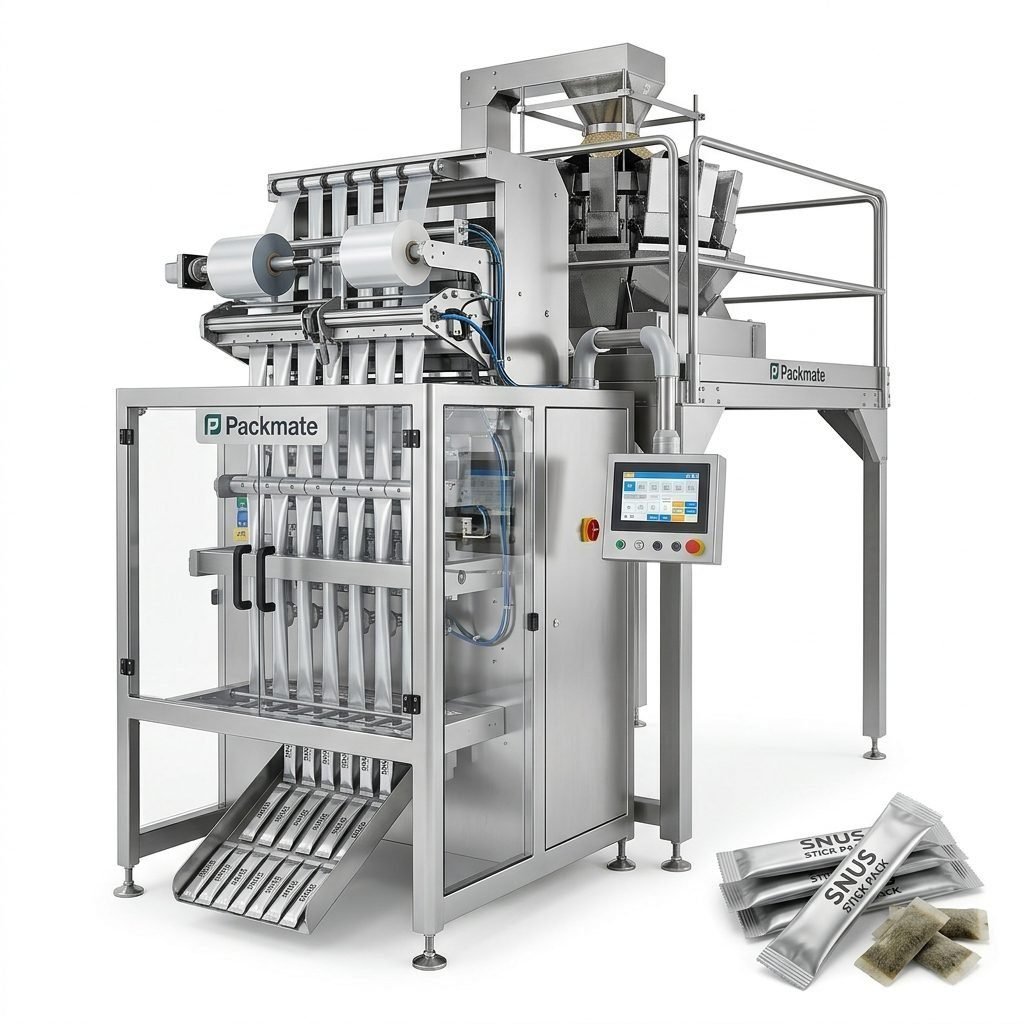
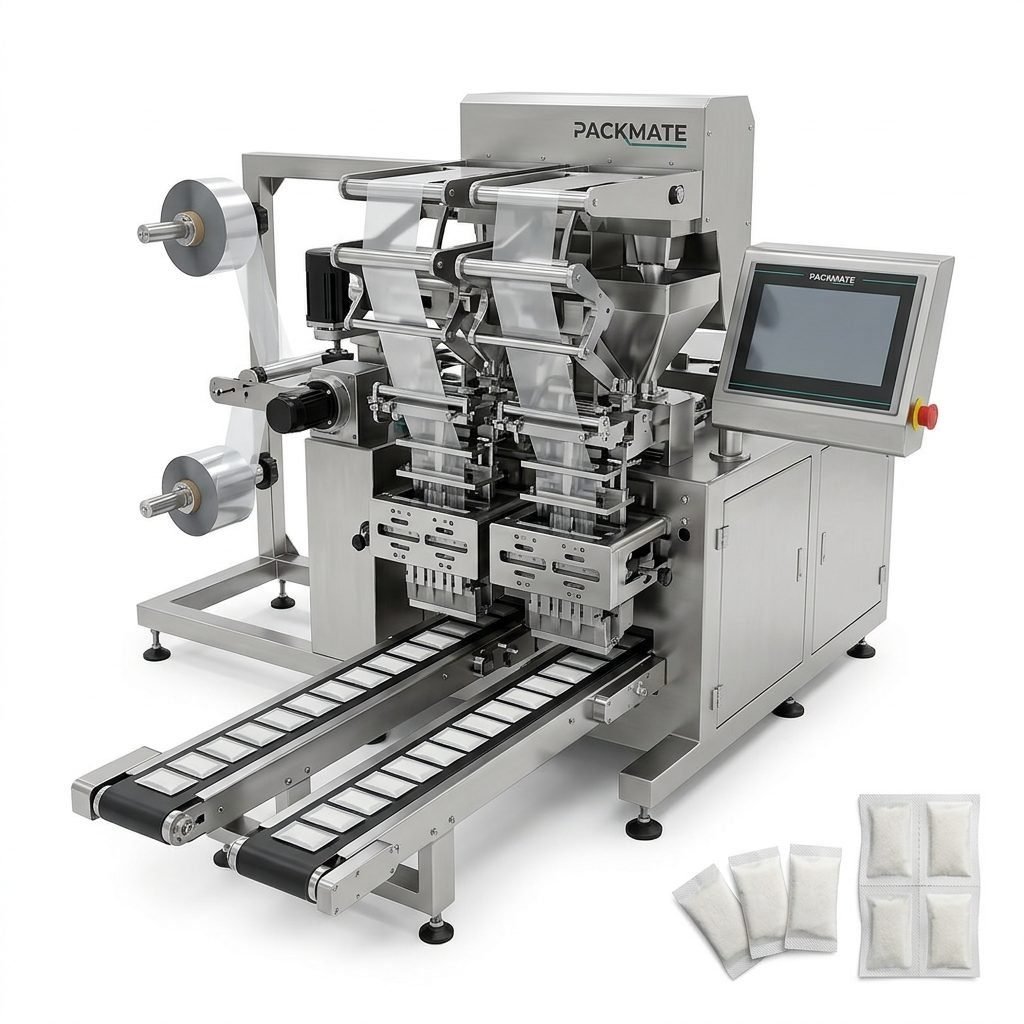
✅ Machine suitability: Does the supplier offer machines designed specifically for snus or nicotine pouches (stick pack, sachet, multi-lane pouch systems)? Look for models that can handle your pouch size, fill weight, and material.
✅ Production capacity: Can the machine meet your current output and scale with growth? Check rated speeds and real-world throughput figures, not just theoretical max RPM.
✅ Accuracy and consistency: For nicotine pouches, dosing accuracy is critical. Verify weighing or dosing system specifications and tolerance levels.
✅ Quality & certifications: CE, ISO and other certificates indicate adherence to international standards — important for safety and export compliance.
✅ After-sales support: Local language support, remote troubleshooting, fast spare parts supply, and technician training minimize downtime.
Technical specifications to evaluate
Before you request quotes, prepare a technical checklist to compare suppliers objectively:
🔧 Packaging formats supported: single-portion pouches, multi-lane sachets, stick packs, or custom-shaped pouches.
🔧 Filling technologies: auger, volumetric, vibratory, or weigh-scale dosing — choose based on product type (powder, granule, paste).
🔧 Machine controls: PLC/HMI interface, recipe storage, servo drives, and remote diagnostics capabilities.
🔧 Changeover and cleaning: fast tool-less changeover and hygienic design reduce downtime and contamination risk.
⚠️ Critical Red Flags to Watch For
– Vague performance data (no real throughput tests or case studies).
– No clear spare parts list or long lead times for critical items.
– No factory or on-site acceptance testing protocol.
– Limited or no reference customers in snus/nicotine sectors.
Factory capability and quality assurance
Visit the supplier’s factory if possible or request a live video tour and factory documentation. Key indicators of a capable manufacturer include modern CNC machining centers, precision assembly lines, documented quality control procedures, and dedicated testing lines for snus packaging machines. A well-equipped factory will provide consistent parts tolerances, reliable machine durability and comprehensive pre-shipment testing.
Packmate Snus Machine emphasizes manufacturing strength with 20,000㎡ facilities and advanced CNC equipment — attributes you should look for when vetting a supplier. For detailed machine families, explore product lines such as Snus & Nicotine Packaging Machines and Sachet & Stick Pack Machines.
Certifications and export experience
Suppliers exporting to multiple regions must comply with CE and ISO standards, and ideally should have export documentation experience for customs and regulatory authorities. If you plan to re-export products or distribute across South Africa, make sure your supplier can provide machine documentation, calibration certificates, and validation records that support product safety and traceability.
After-sales service: the backbone of long-term operations
Reliable after-sales service cannot be overstated. Prioritize suppliers that offer:
💡 On-site commissioning and operator training — ensures your team can run and maintain the equipment safely.
💡 Comprehensive spare parts kits — ask for a list of commonly replaced parts and average life expectancy.
💡 Remote support and software updates — modern PLC/HMI systems often allow remote diagnostics which reduce downtime and service costs.
Customization and turnkey solutions
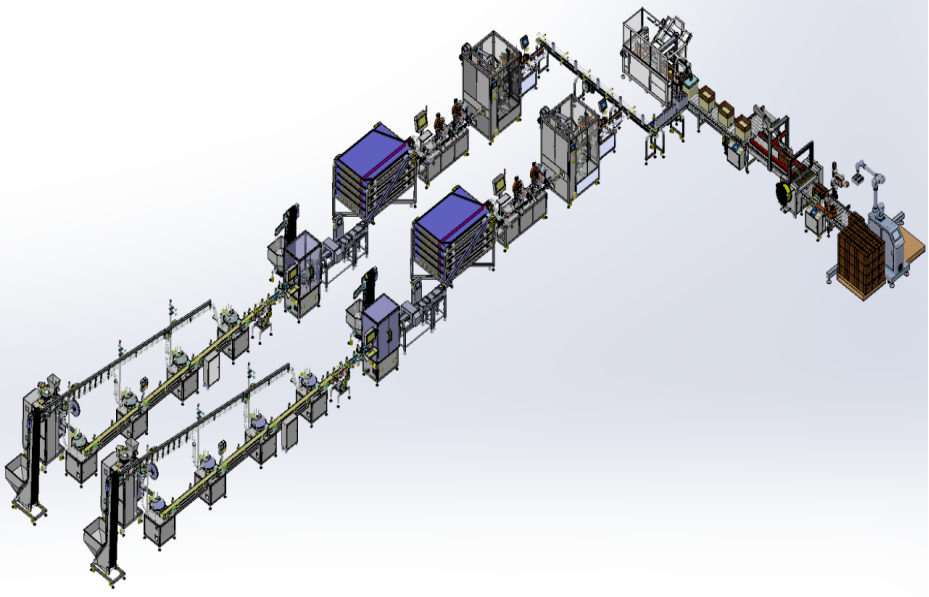
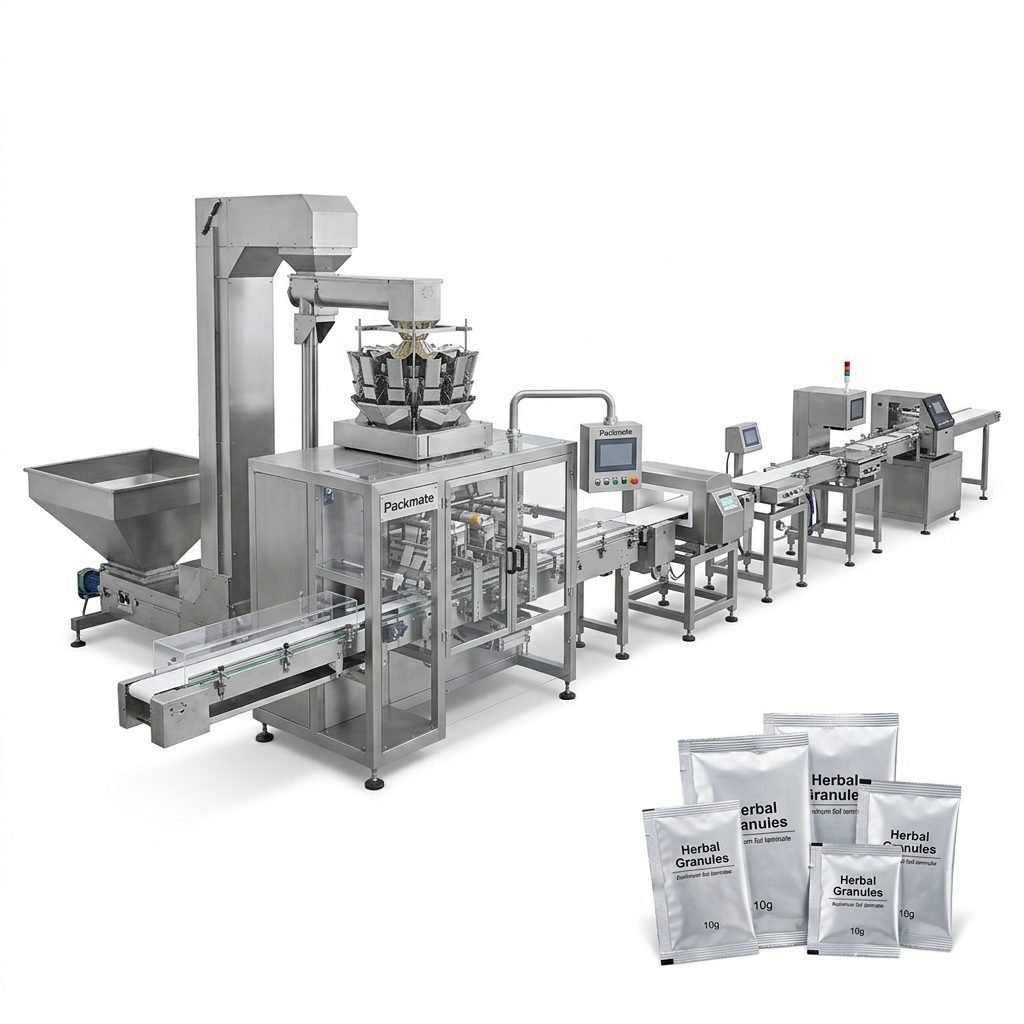
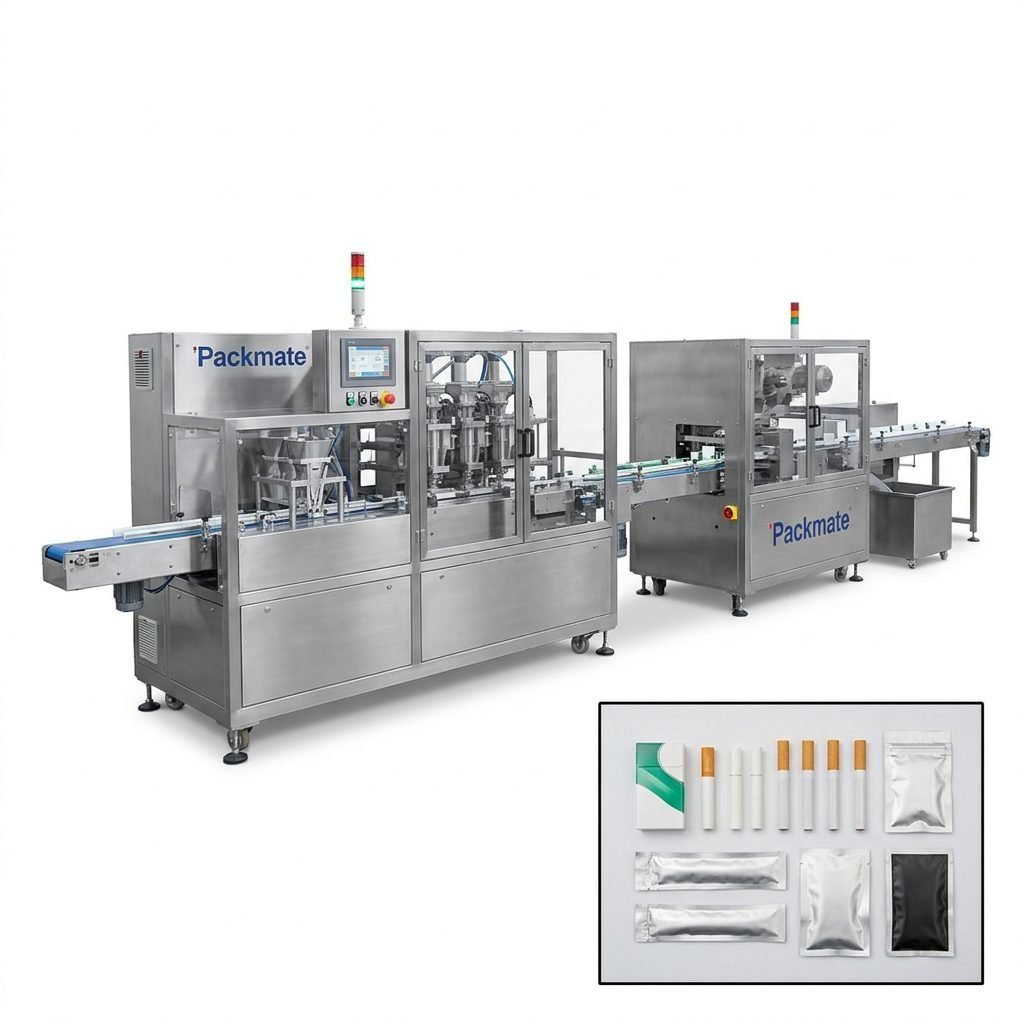
If your product needs non-standard pouch sizes, multi-lane output, or integrated upstream/downstream automation (mixing, weighing, case packing), prefer suppliers who offer turnkey lines and end-to-end integration. Suppliers with in-house design and system integration experience can produce tailored solutions that minimize manual intervention and achieve consistent product packaging.
For examples of full production lines and integration options, check the Filling & Packaging Lines and auxiliary equipment portfolios.
Price vs. total cost of ownership
Low capital cost may look attractive, but total cost of ownership (TCO) includes spare parts, maintenance, energy consumption, scrap rate, and downtime penalties. Request life-cycle cost estimates and ask for real customer examples to validate claims. Also clarify payment terms: deposits, progress payments, and final acceptance tests before final payment.
Supplier reputation and proof points
Assess reputation through case studies, exhibition participation, and customer references. Suppliers with global reach and documented case histories are more likely to deliver consistent performance. Review documented cases for similar product types and scale. Packmate’s global cases and exhibition presence are examples of the kind of evidence to request — see real-world examples in the Case section and company overview on the About Packmate page.
Practical pre-purchase checklist
Before signing a contract, complete this checklist:
– Request machine datasheets, performance videos, and an official proposal with lead times.
– Schedule a factory audit or live video test run.
– Verify certification documents and export experience.
– Confirm warranty, spare parts lead times, and training scope.
– Agree on acceptance testing criteria and penalties for unmet performance.
✔️ Negotiation tips for South African buyers
– Negotiate a performance-based acceptance test with measurable KPIs.
– Ask for local spares to be stocked regionally if available.
– Secure training for local technicians and request spare parts lists with part numbers and prices.
– Consider suppliers who can support English and, if relevant, Afrikaans or other local languages for smoother communication.
Making the final decision
Select the supplier that demonstrates technical fit, reliable manufacturing credentials, verifiable customer references, and a clear after-sales roadmap. Ensure contractual clarity on warranty, delivery, acceptance testing, and spare parts availability. If you need hands-on demonstrations or further technical consultation, contact suppliers directly — reputable manufacturers typically provide detailed proposals and pre-sale support. For direct contact and inquiries about standards and services, visit Contact Us.
Final thoughts
Choosing the best snus packaging machine supplier in South Africa requires balancing machine performance, manufacturing credibility, regulatory competence, and dependable after-sales service. Build your decision on documented performance, factory transparency, and long-term support plans rather than price alone. A well-chosen supplier becomes a partner that supports product quality, brand reputation, and expansion into new markets.
Frequently Asked Questions
Q1: How important are CE and ISO certifications when buying a snus packaging machine?
A1: Very important — they indicate compliance with international safety and quality standards, which helps with local regulatory approval and export documentation.
Q2: Can suppliers customize machines for different pouch sizes and materials?
A2: Yes. Choose suppliers who provide modular designs, tool-less changeover, and engineering support for bespoke pouch formats.
Q3: What after-sales services should I expect?
A3: On-site commissioning, operator training, spare parts kits, remote diagnostics, and a clear warranty policy are standard expectations for quality suppliers.
Q4: How do I validate a supplier’s production claims?
A4: Request video of real-world production runs, customer references, factory tours, and acceptance test protocols that measure throughput and dosing accuracy.
Q5: Where can I see real examples of turnkey snus packaging solutions?
A5: Check detailed product and project pages such as Snus & Nicotine Packaging Machines and the company case studies.