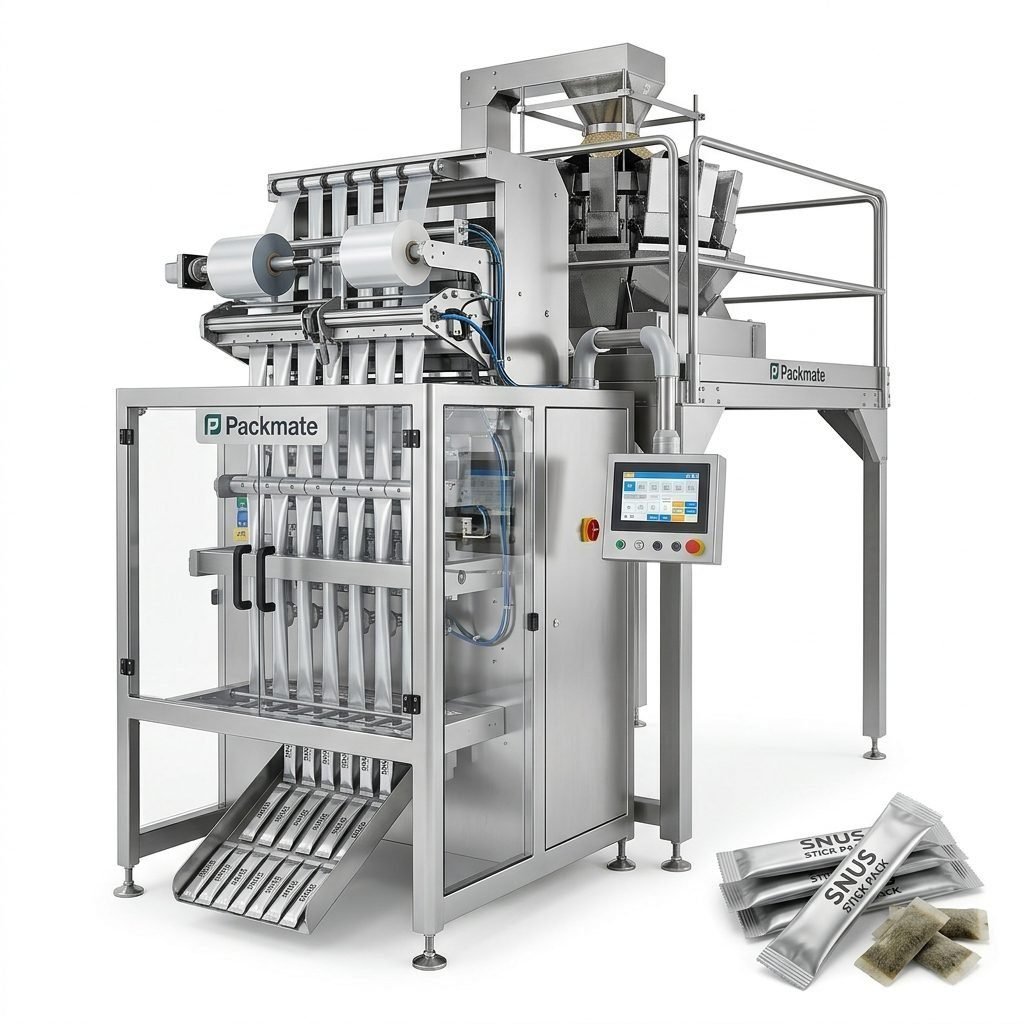
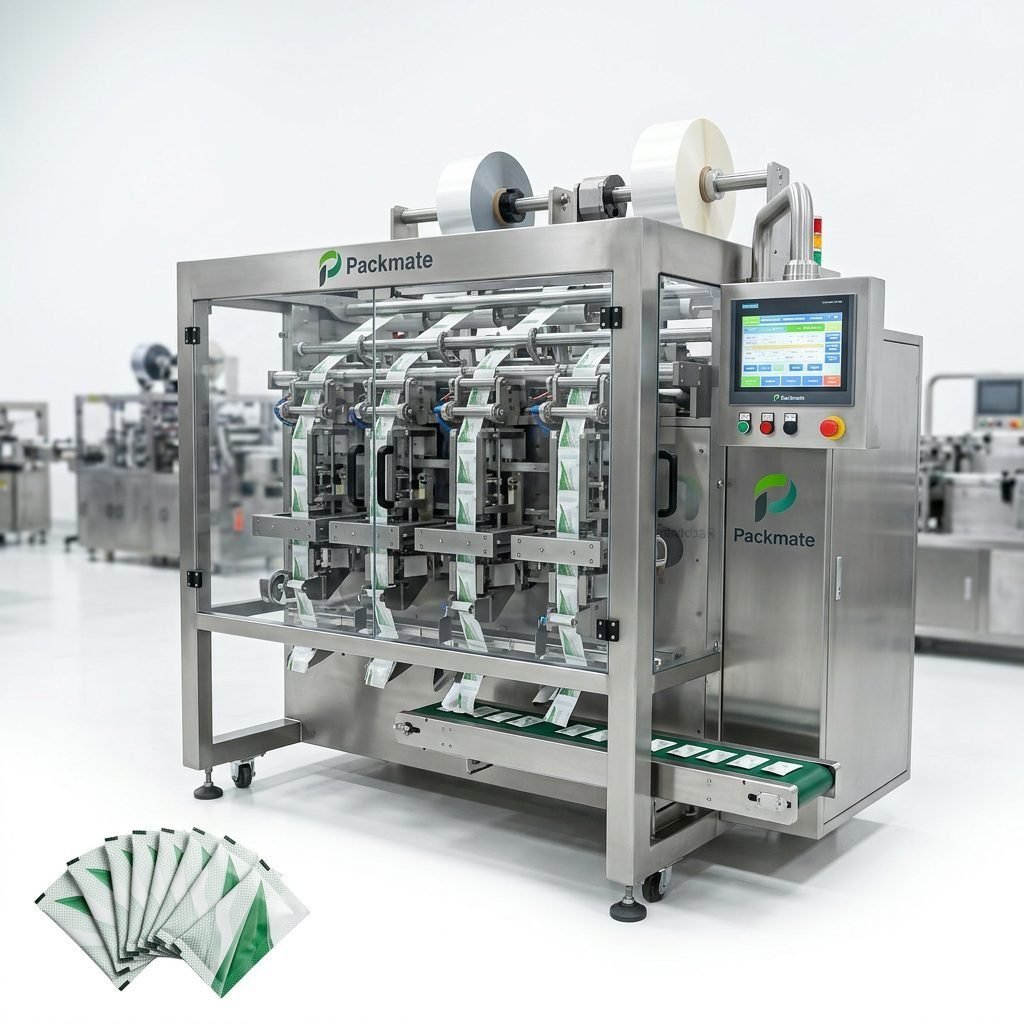
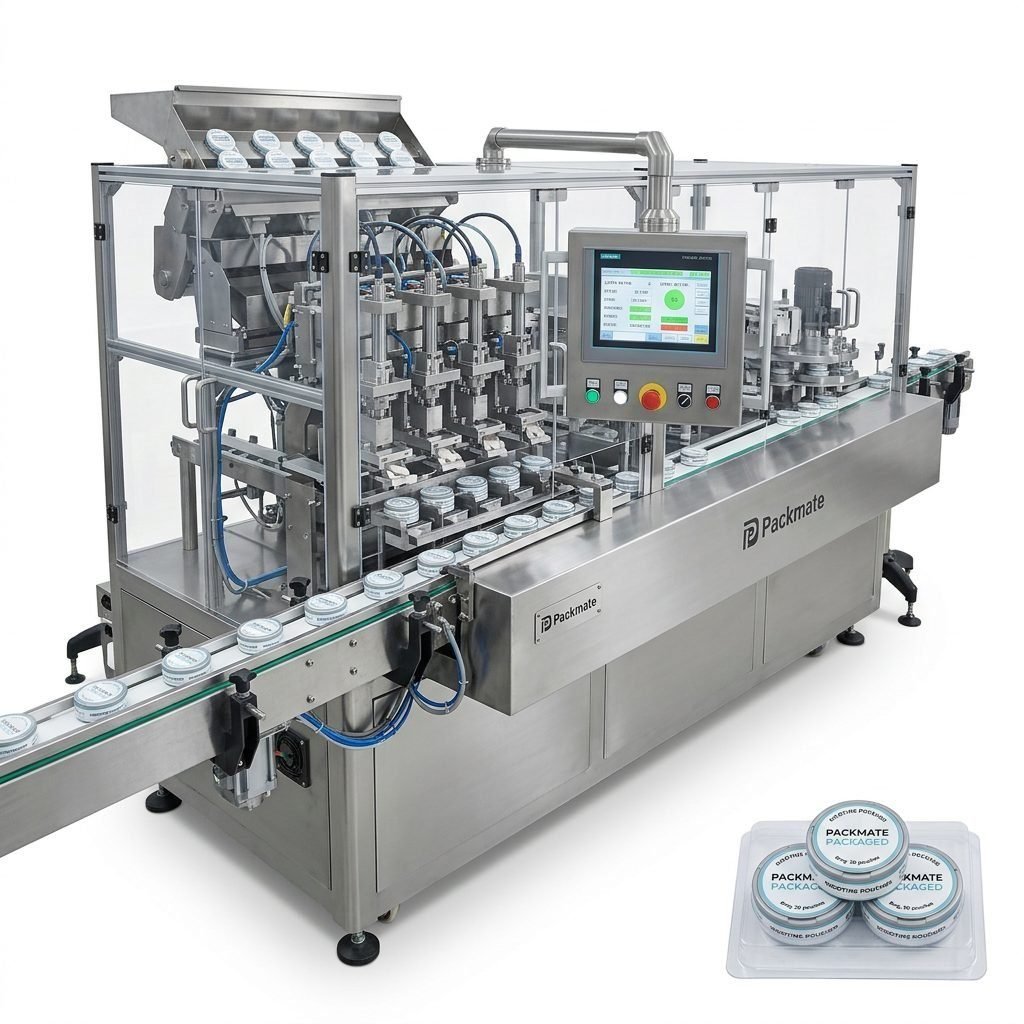
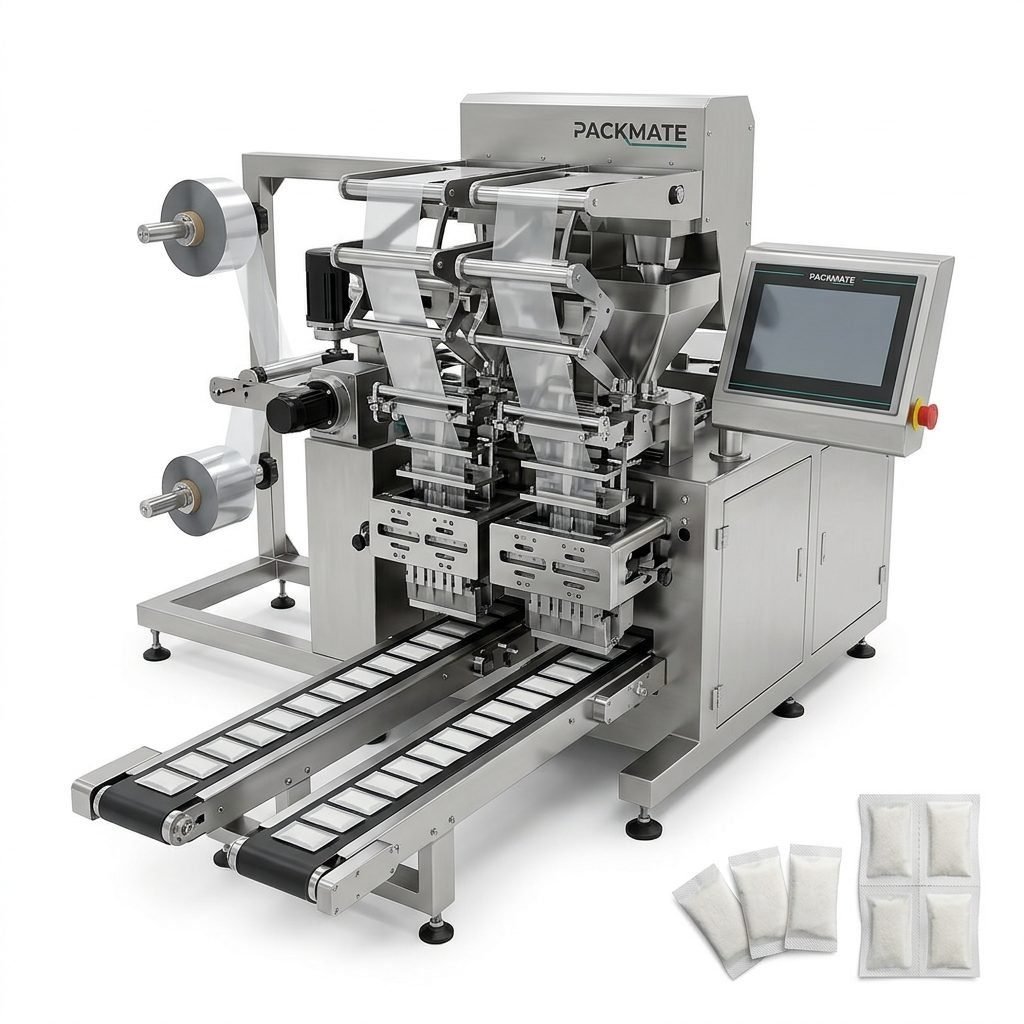
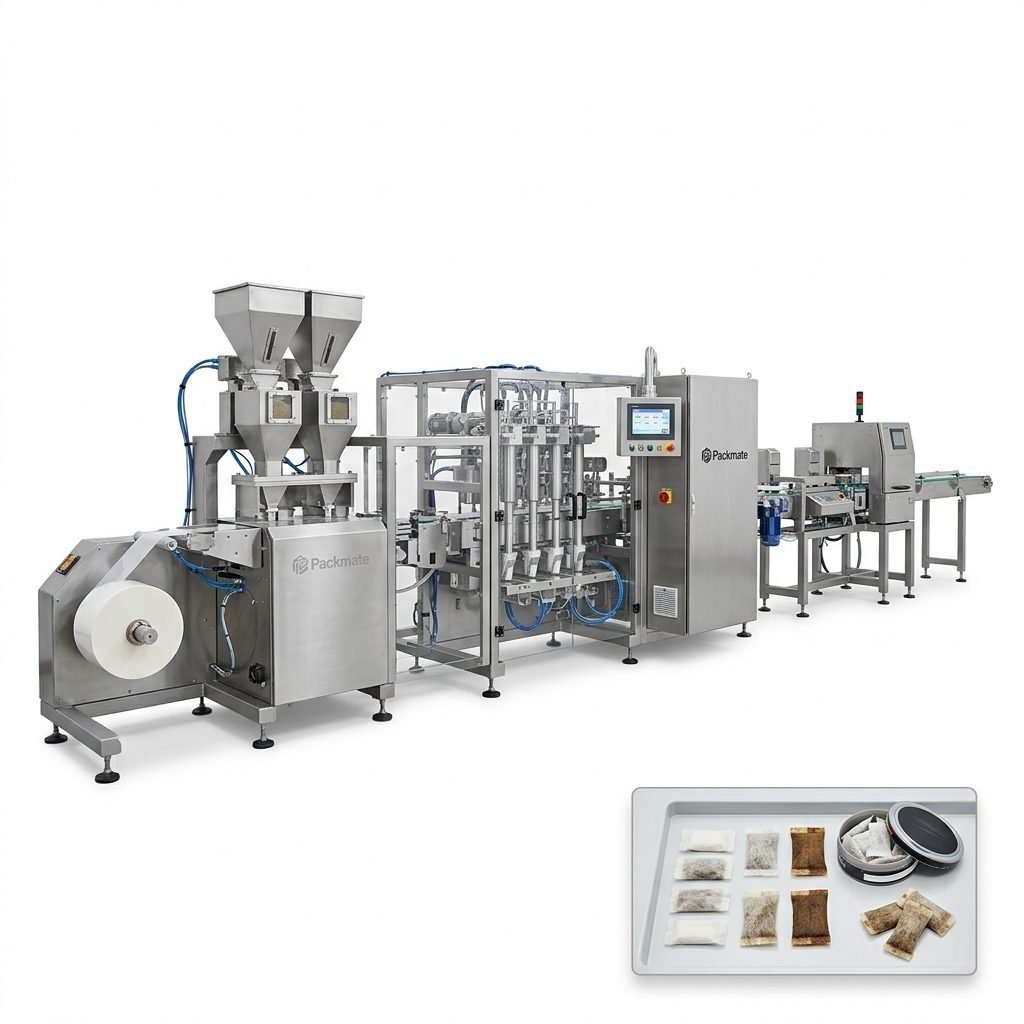
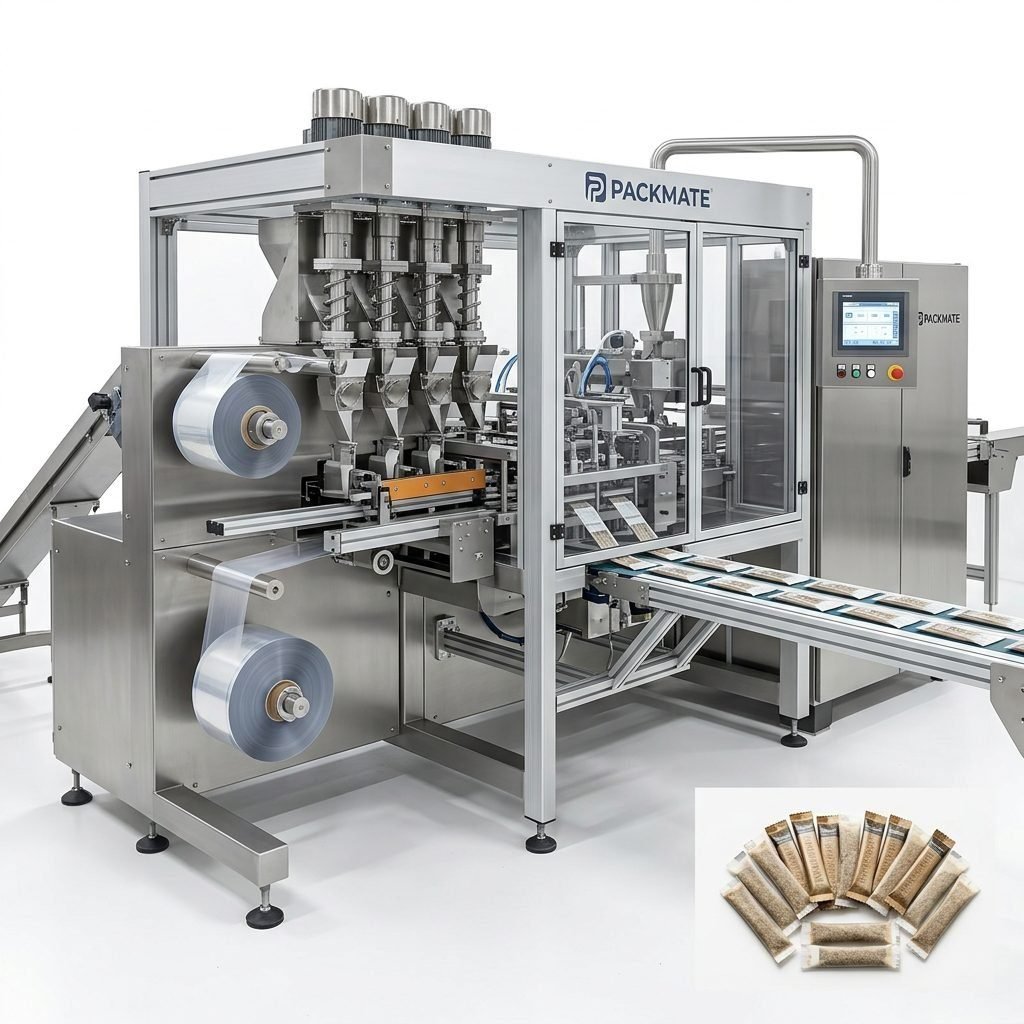
Choosing the right snus packaging machinery manufacturer in Benin can determine the success of your nicotine pouch or snus production line. Whether you plan to produce small-dose nicotine pouches, multi-lane sachets, or stick packs, selecting a partner that offers robust engineering, reliable global support, and compliance with international standards is essential. This guide walks you through practical steps to evaluate manufacturers, compare technical capabilities, and secure a machine that aligns with your business goals in Benin and the broader West African market.
Understand Your Production Requirements
Before reaching out to suppliers, clearly define your production needs. Key variables include daily output targets, pouch formats (e.g., snus sachets, nicotine pouches, stick packs), product characteristics (powder, granules, liquid), and the need for multi-lane capacity. A precise specification reduces ambiguity and helps manufacturers propose the right machine model and automation level.
Ask yourself: Do you need a high-speed multi-lane system for small-dose pouches, or a simple single-lane line for trial production? Will you expand capacity within a year? Answering these questions early will guide you to the correct equipment category and budget range.
Key technical specs to define
Capacity (pieces/min), pouch size range, dosing method (weighing, auger, volumetric), material compatibility, filling accuracy, and CIP capability for wet products are critical. Also determine downstream requirements such as labeling, case packing, or automated palletizing.
Evaluate Manufacturer Experience and Track Record
Experience translates into fewer commissioning issues and better long-term support. Look for manufacturers with a proven history in snus and nicotine pouch machinery. Companies with 20+ years of industry experience, advanced manufacturing facilities, and a portfolio of machine models are preferable because they can offer mature designs and spare parts availability.
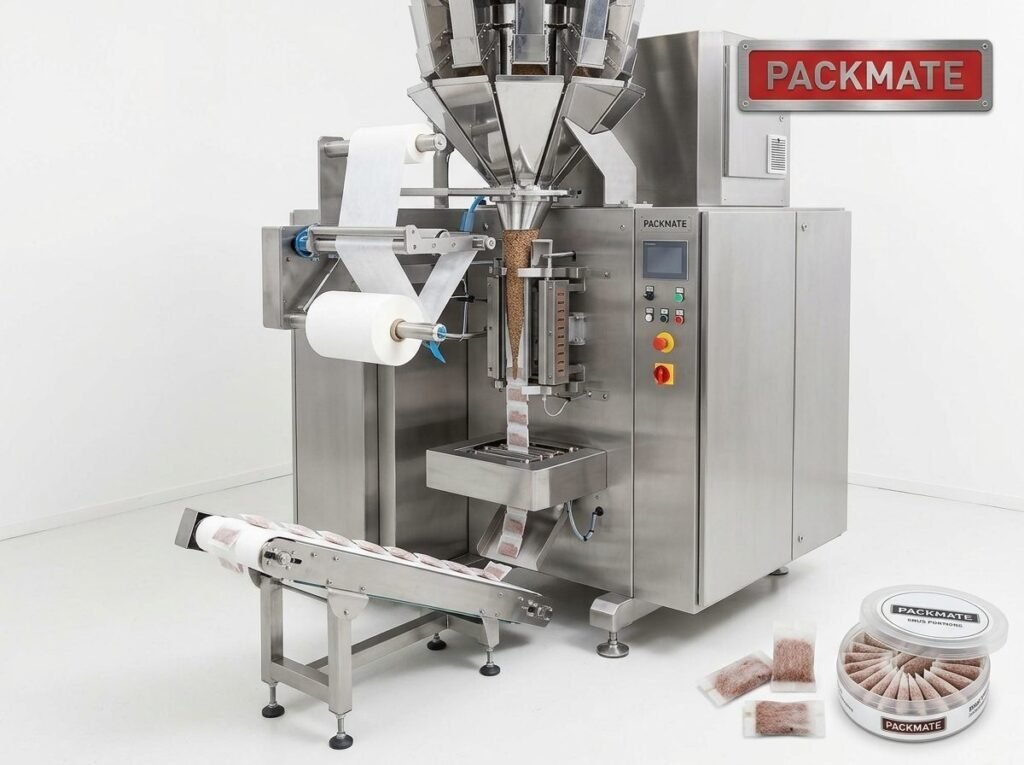
Tip: Prioritize vendors that can show factory capability (CNC centers, precision assembly lines), certifications (CE, ISO), and a timeline of product development. For example, Packmate Snus Machine highlights 30+ years of engineering experience and a 20,000㎡ facility — indicators of manufacturing maturity.
Check case studies and global installations
Real-world references are invaluable. Ask for case studies, client references, and photographic or video evidence of installed lines producing products similar to yours. This confirms the machine’s suitability and helps set realistic performance expectations.
Assess Technical Features and Customization Options
Modern snus packaging machines come with modular designs and advanced control systems (PLC, HMI, servo drives). Evaluate whether the manufacturer offers:
– Precise dosing systems for low-dose nicotine pouches
– Multi-lane synchronization for high throughput
– Quick-change tooling for fast format changeovers
– Hygienic design and easy cleaning for product safety
– Integration capabilities for weighing, metal detection, and end-of-line automation
Important: For nicotine pouch production, dosing accuracy and lane synchronization are crucial. Small deviations can result in regulatory non-compliance or customer complaints.
Customization and turnkey solutions
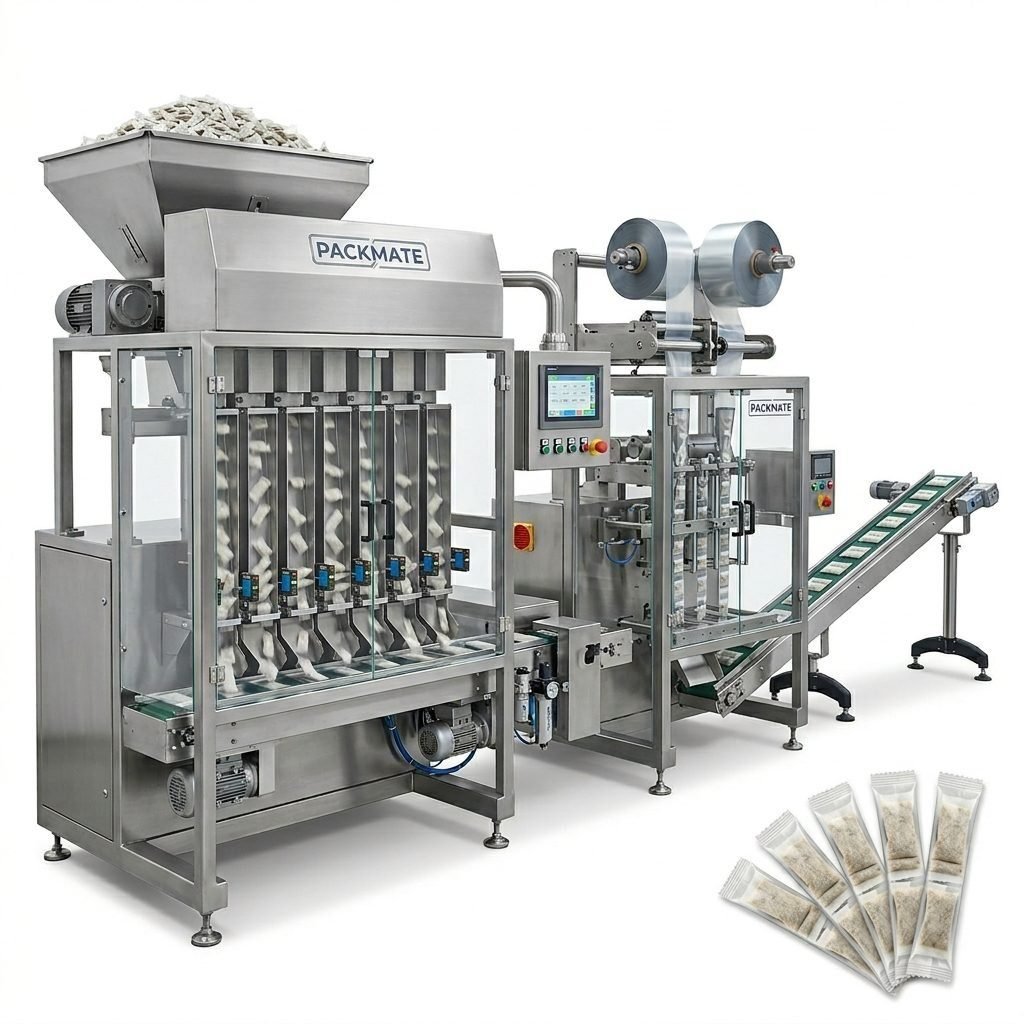
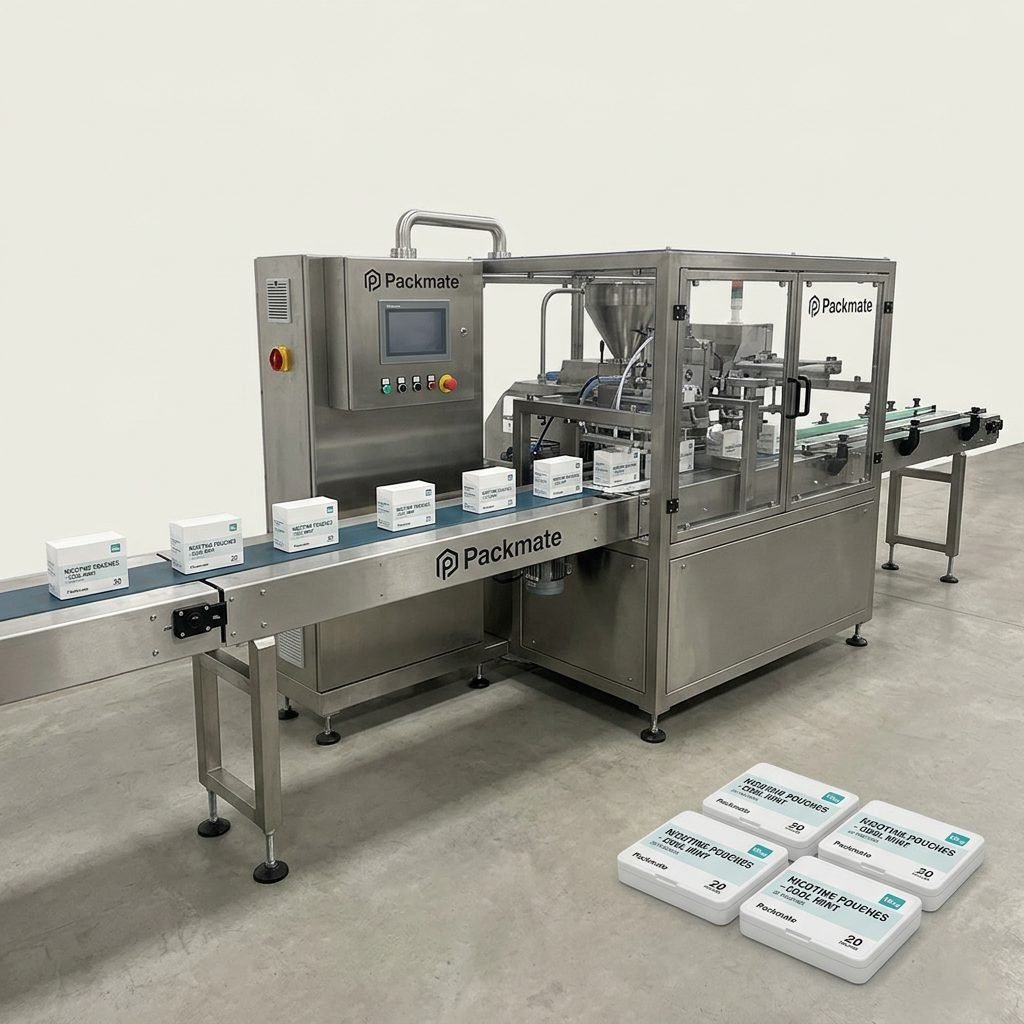
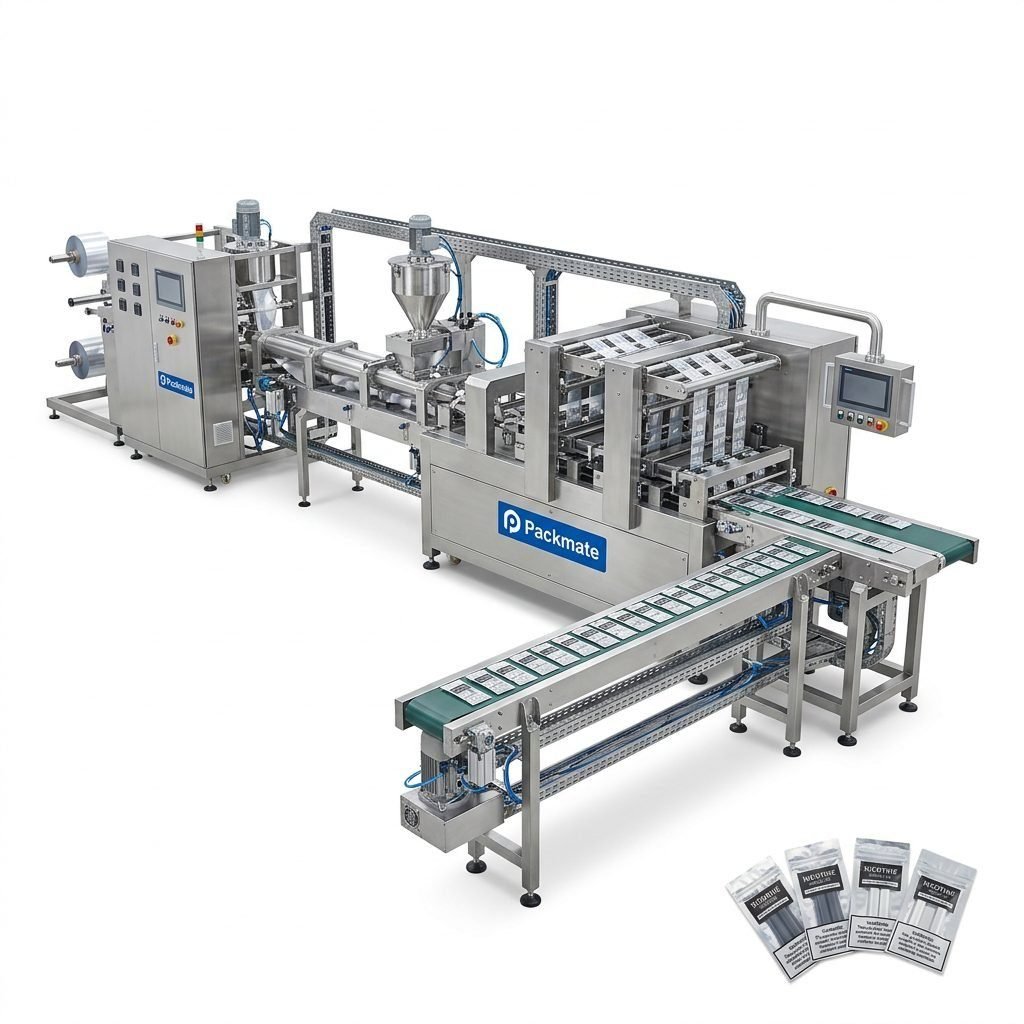
If you require a fully automated line, confirm the manufacturer’s experience with turnkey projects: integrating filling, sealing, labeling, and packing. Packmate provides a range of options from single machines to complete production lines and can tailor solutions to your layout and throughput targets.
Quality, Certifications, and Compliance
Regulatory compliance and machine quality protect your investment. Verify that the manufacturer adheres to international standards such as CE and ISO. Machines used in food or pharmaceutical-related products must follow hygienic design guidelines and use food-grade materials where necessary.
Request documentation for quality control procedures, material certificates, and test reports. A manufacturer with an established quality system reduces the risk of hidden defects and improves long-term reliability.
After-sale Support, Spare Parts, and Local Service in Benin
After-sales service is often the differentiator. Machines require commissioning, periodic maintenance, and occasional troubleshooting. Choose a supplier that offers:
– Clear spare parts availability and lead times
– Remote diagnostic support and training for local operators
– On-site service options or certified local partners in West Africa
– Documentation, schematics, and recommended spare parts lists
Note: Confirm whether the manufacturer can supply consumables and critical spares quickly to Benin, or provide local stocking options.
Factory Visit, Testing and FAT Procedures
Whenever possible, schedule a factory acceptance test (FAT) or visit the factory. A FAT verifies machine performance under simulated production conditions and reduces surprises at site acceptance. During the visit, check assembly quality, cable management, mechanical tolerances, and software interfaces.
If travel is not feasible, request a live video FAT and recorded test runs with your product or a close analog. Insist on documented acceptance criteria, including speed, weight accuracy, and downtime metrics.
Commissioning and training
Ensure the supplier includes commissioning support and operator/maintenance training in the contract. Proper handover reduces start-up time and helps your team manage routine maintenance and troubleshooting.
Cost, ROI and Total Cost of Ownership
Price is important, but total cost of ownership (TCO) is the real measure. Consider energy consumption, spare parts costs, required tooling, downtime, and expected lifetime. A slightly higher initial investment often pays off through higher uptime, better accuracy, and lower operating costs.
Request transparent quotations showing what is included: tooling, installation, training, spare parts, warranty terms, and optional features. Compare warranties and penalty clauses for underperformance if applicable.
Choosing the Right Commercial Terms and Protecting Your Purchase
Negotiate clear commercial terms: delivery lead time, payment milestones, acceptance criteria, warranty coverage, and post-warranty service rates. Consider payment structures that align with milestones (e.g., deposit, after FAT, after commissioning).
Include spare parts kits and critical consumables with the first shipment whenever possible. Also, ensure liability and intellectual property rights are defined in the contract.
How to Shortlist Vendors in Benin and Beyond
Start with a broad list: local suppliers, regional distributors, and experienced exporters. Filter by:
1) Industry experience with snus/nicotine pouch lines
2) Proven case studies and factory capabilities
3) Certifications and quality systems
4) After-sales support and spare parts logistics for Benin
5) Competitive but transparent commercial terms
Visit manufacturer websites, request detailed proposals, and compare technical offers side-by-side. Strong candidates will offer flexible options and clear documentation.
Quick Checklist before final decision:
✅ Production capacity match,
✅ Dosing accuracy and lane synchronization,
✅ FAT and acceptance criteria,
✅ Spare parts & local support,
✅ Clear warranty and training
Where to Find Trusted Suppliers and Resources
Industry websites and manufacturer catalogs are a great starting point. For example, review machine categories and product pages such as:
– Snus & Nicotine Packaging Machines
– About Packmate
– Case studies to see real installations
– Contact the manufacturer for localized support
Using exhibitions and demonstrations
Attending exhibitions or requesting live demos helps validate performance claims. Schedule machine demonstrations focused on your product type and operating speeds to confirm suitability.
Final Selection and Implementation Plan
After evaluating all technical, commercial, and support parameters, develop a phased implementation plan with the chosen supplier. Include milestones for delivery, FAT, installation, commissioning, and ramp-up. Allocate resources for operator training and quality control procedures during the first production runs.
Clear communication and a formal project timeline reduce risks during start-up and ensure predictable production outcomes.
Bottom line: Selecting the best snus packaging machinery manufacturer for your business in Benin means balancing technical fit, supplier experience, compliance, and support. A mature manufacturer with extensive experience in snus and nicotine pouch machines — offering turnkey solutions, documented FATs, and reliable after-sales service — will help you achieve consistent product quality and sustainable production growth.
Common Questions
Q1: How long does it take to install a snus packaging line?
Installation time varies by system complexity. Single machines can be installed in days to weeks, while turnkey lines with multiple stations typically require several weeks for mechanical integration and commissioning, plus additional time for process optimization.
Q2: What certifications should I ask for?
Ask for CE and ISO certifications, material certificates for food-contact parts, and documentation of electrical safety. For pharmaceutical-grade products, GMP compliance and validation documentation may be required.
Q3: Can manufacturers support remote troubleshooting in Benin?
Many modern suppliers offer remote diagnostics via secure connections and can guide local technicians through adjustments. Confirm network and software compatibility, and ensure staff receive remote-support training.
Q4: Are spare parts and consumables easy to source?
Reliable suppliers provide recommended spare parts lists and can ship spares internationally. Discuss lead times and consider stocking critical parts locally to reduce downtime.
Q5: How do I evaluate ROI for a packaging line?
Calculate ROI by comparing upfront costs plus operating expenses against projected revenue from increased capacity, improved yield, and reduced labor. Factor in reduced waste from better dosing accuracy and the potential for new product formats enabled by advanced equipment.