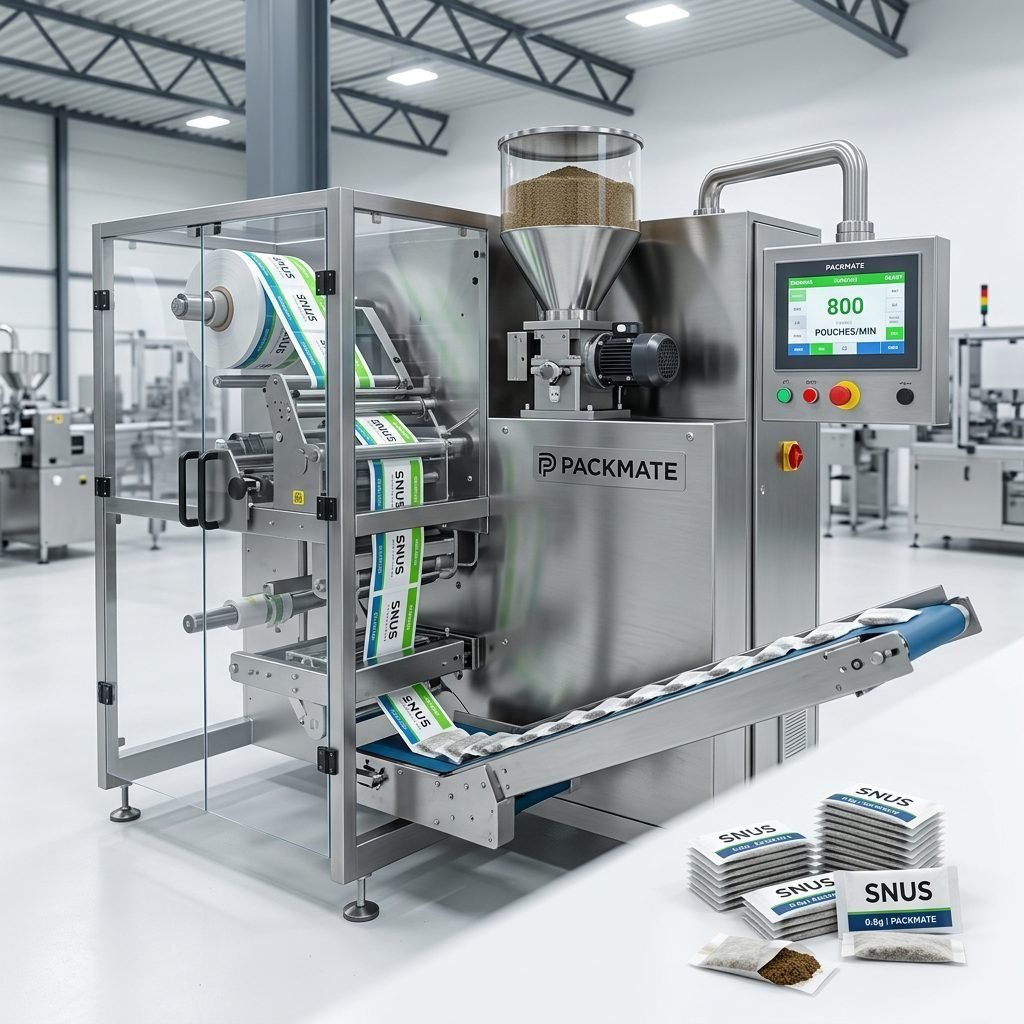
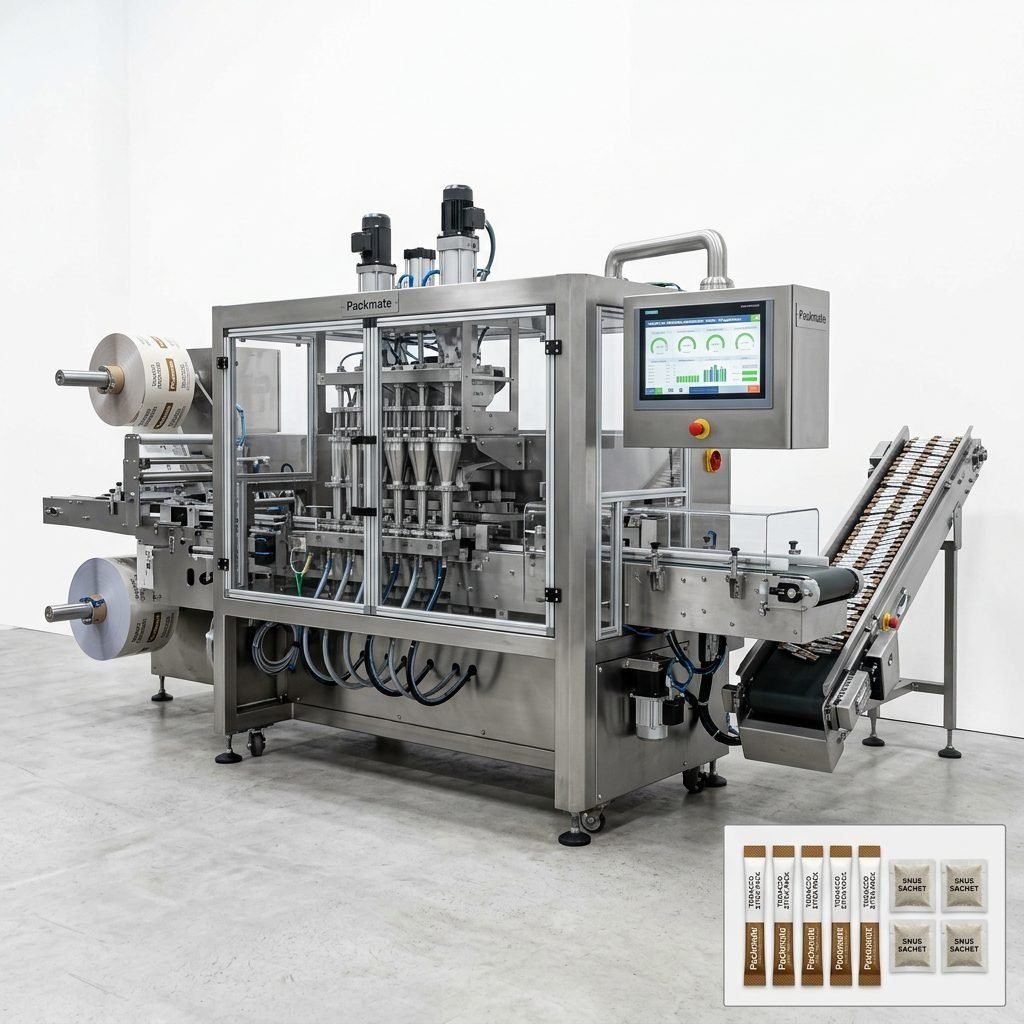
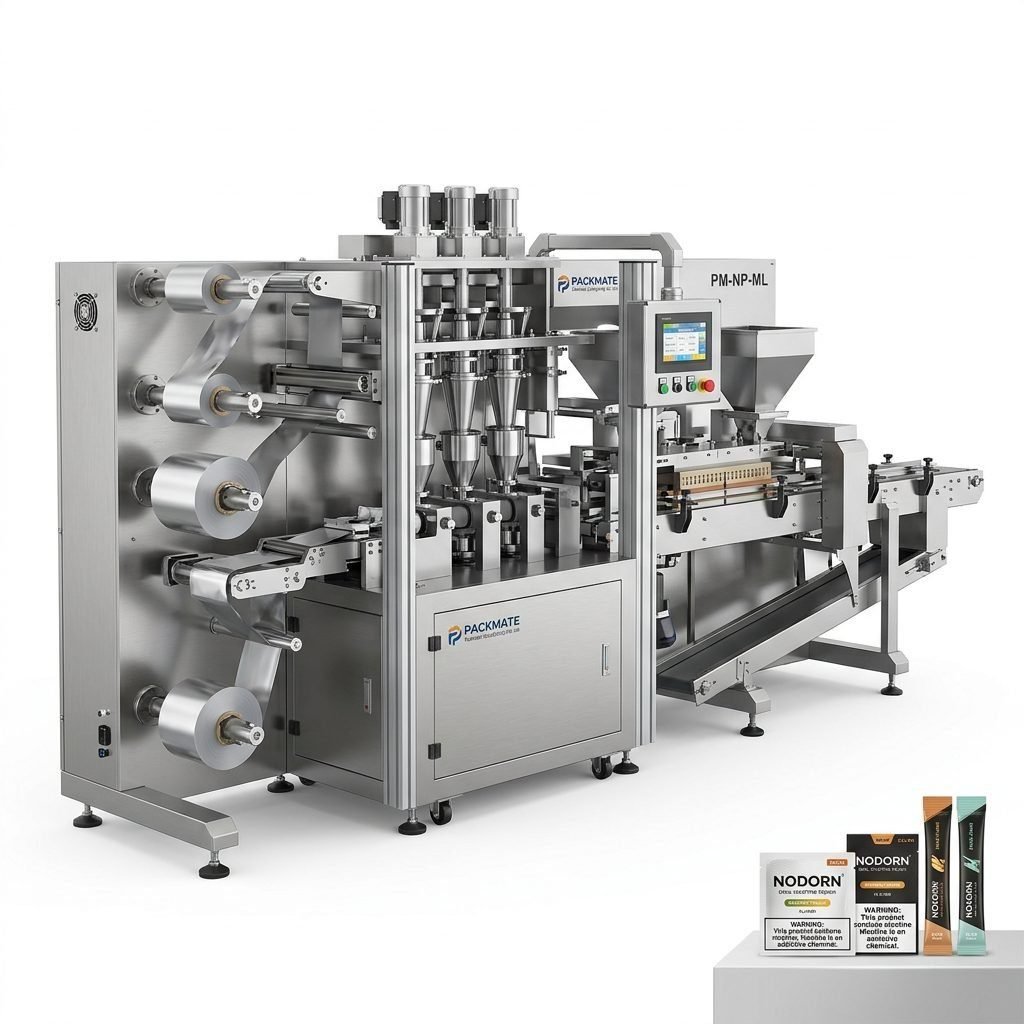
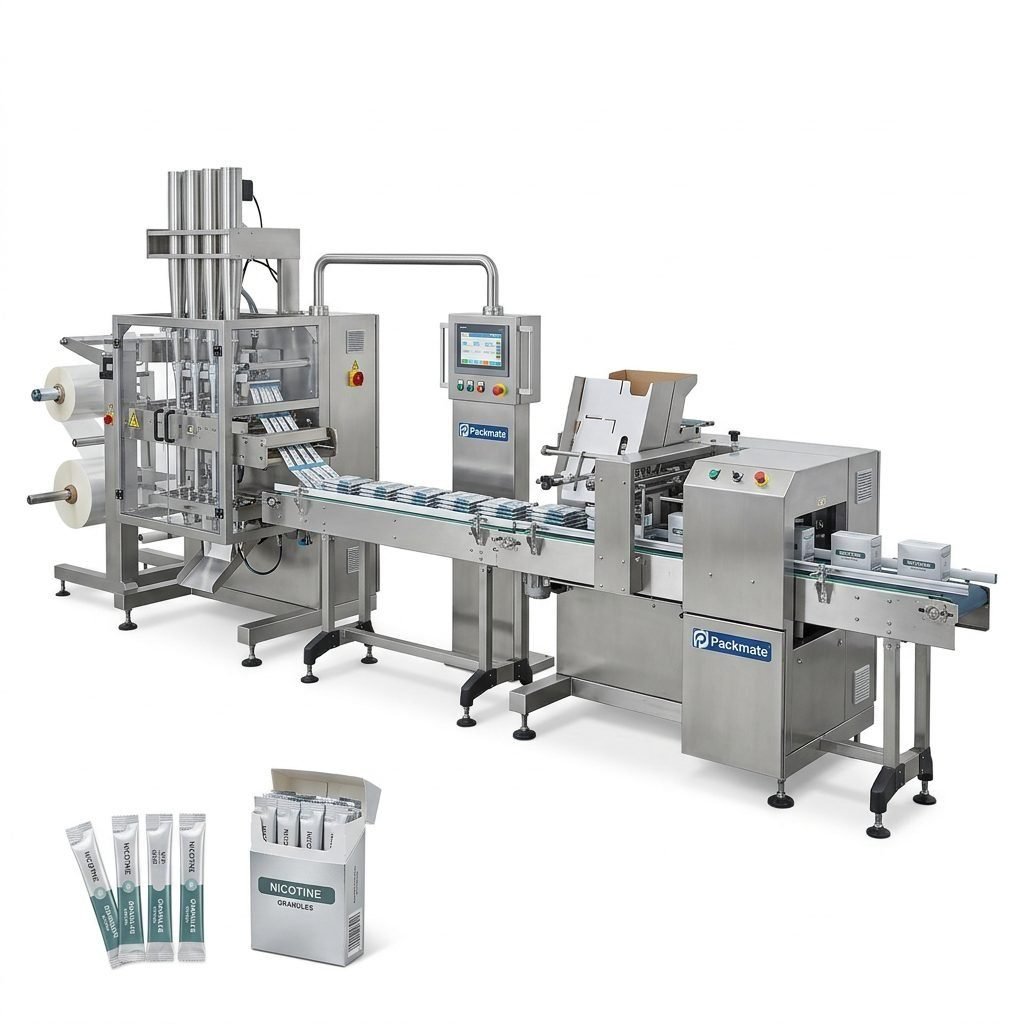
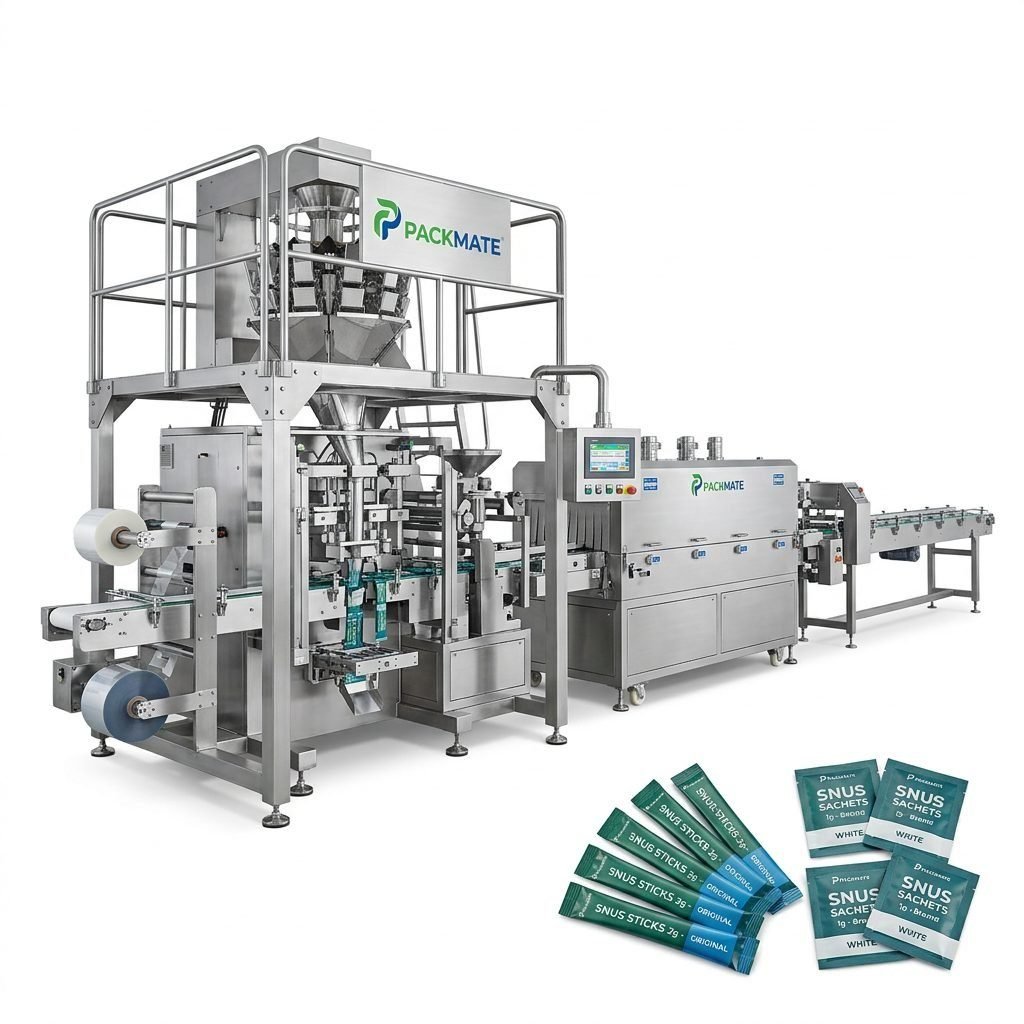
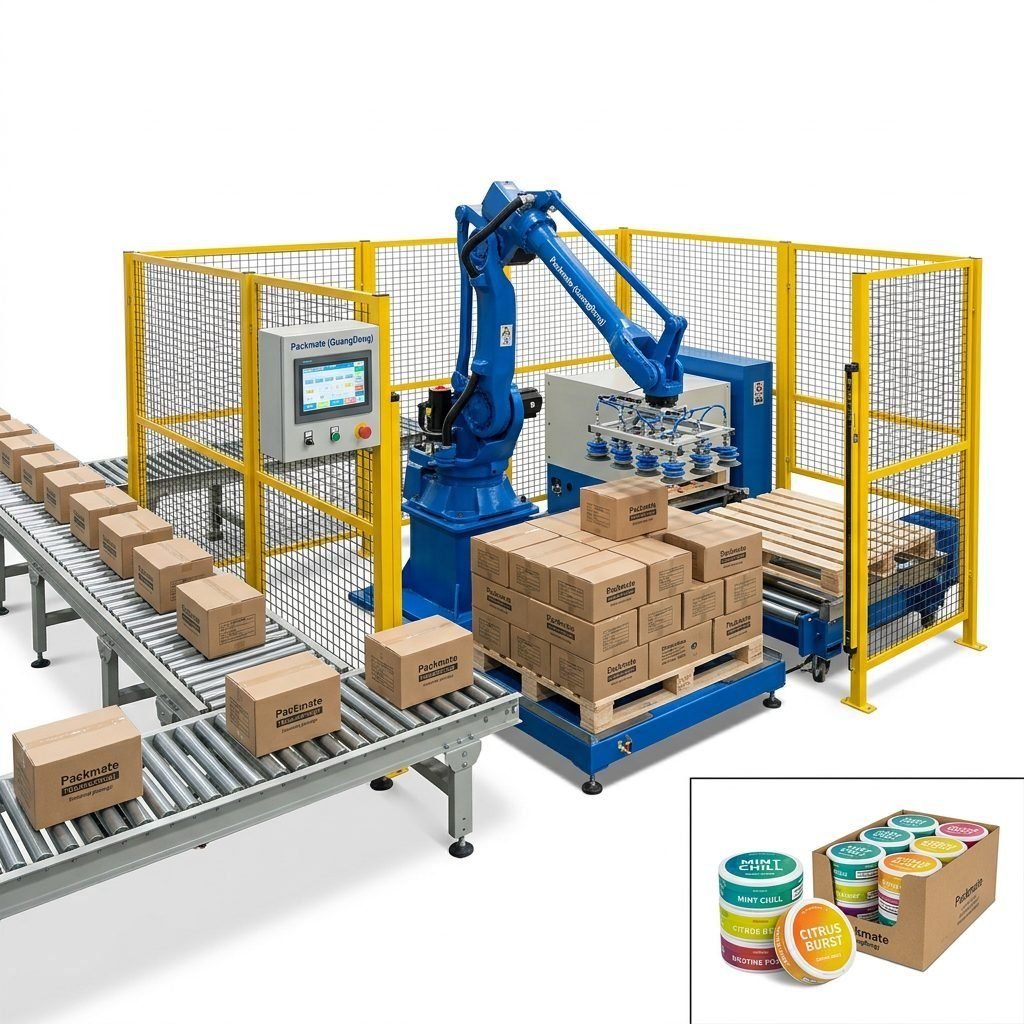
The evolution of snus and nicotine pouch production has pushed manufacturers to look for packaging solutions that deliver high speed, consistent dosing, and gentle handling. Whether you are scaling up a start-up brand or optimizing an established production line, choosing the right automatic snus packaging machine will determine product quality, regulatory compliance, and long-term profitability.
Why invest in an automated snus packaging solution?
Automation transforms a labor‑intensive process into a controlled, repeatable system. Key benefits include higher throughput, reduced product giveaway, improved hygiene, and simplified traceability. For markets with strict regulations and discerning consumers, these advantages can be the difference between meeting demand and falling behind competitors.
Market drivers
Rising global demand for nicotine pouches, stricter food and pharmaceutical hygiene standards, and the need for consistent portioning are all driving adoption of modern packaging lines. Automated machines also allow flexible format changes—from single‑pouch runs to high‑speed multi‑lane output—helping manufacturers adapt quickly to market trends.
Main types of snus packaging machines
Choosing the right category of machine is the first step. Each technology answers different production needs.
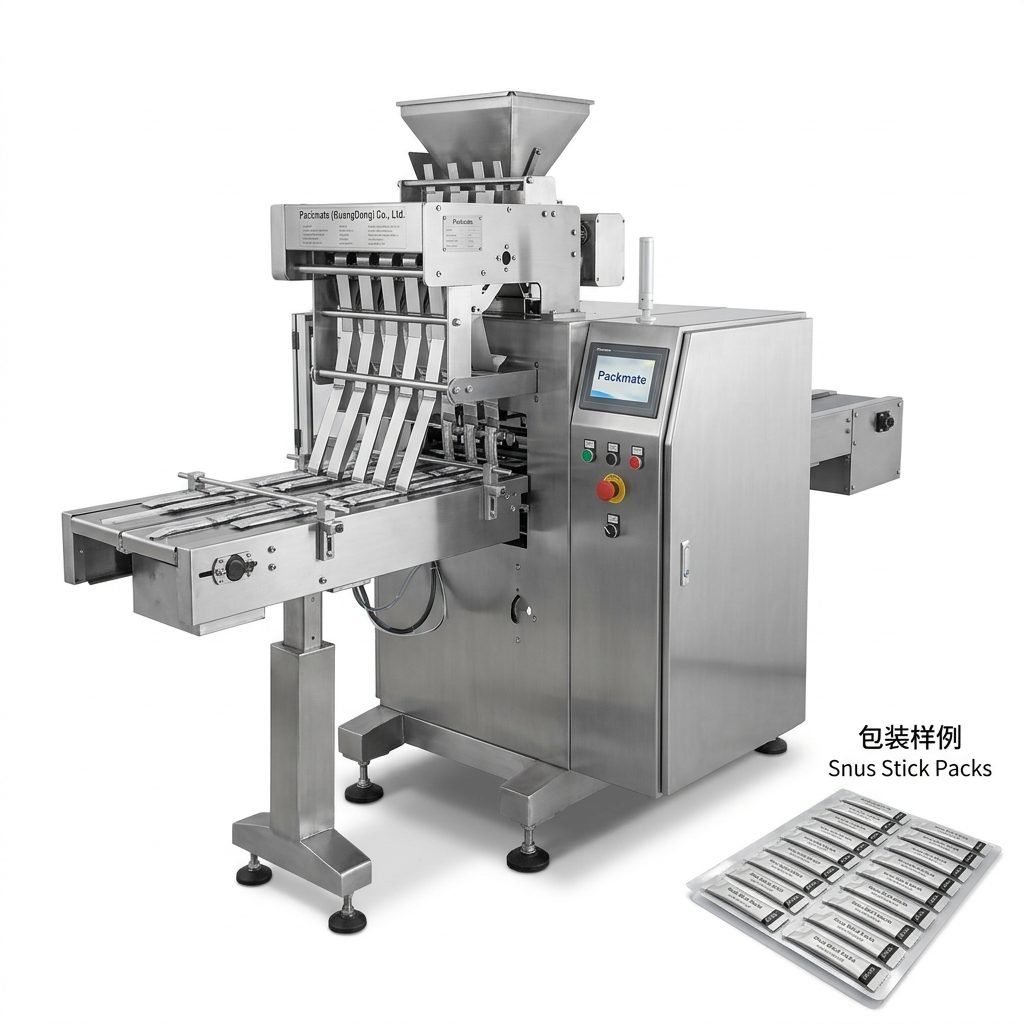
Stick‑pack & sachet systems
Stick‑pack and sachet machines are ideal for single‑dose, consumer‑friendly pouches. They offer precise filling for powders and granules and are suitable for fast changeovers. For a deeper look at machine families, consider reviewing product lines like
Sachet & Stick Pack Machines.
Multi‑lane pouch systems
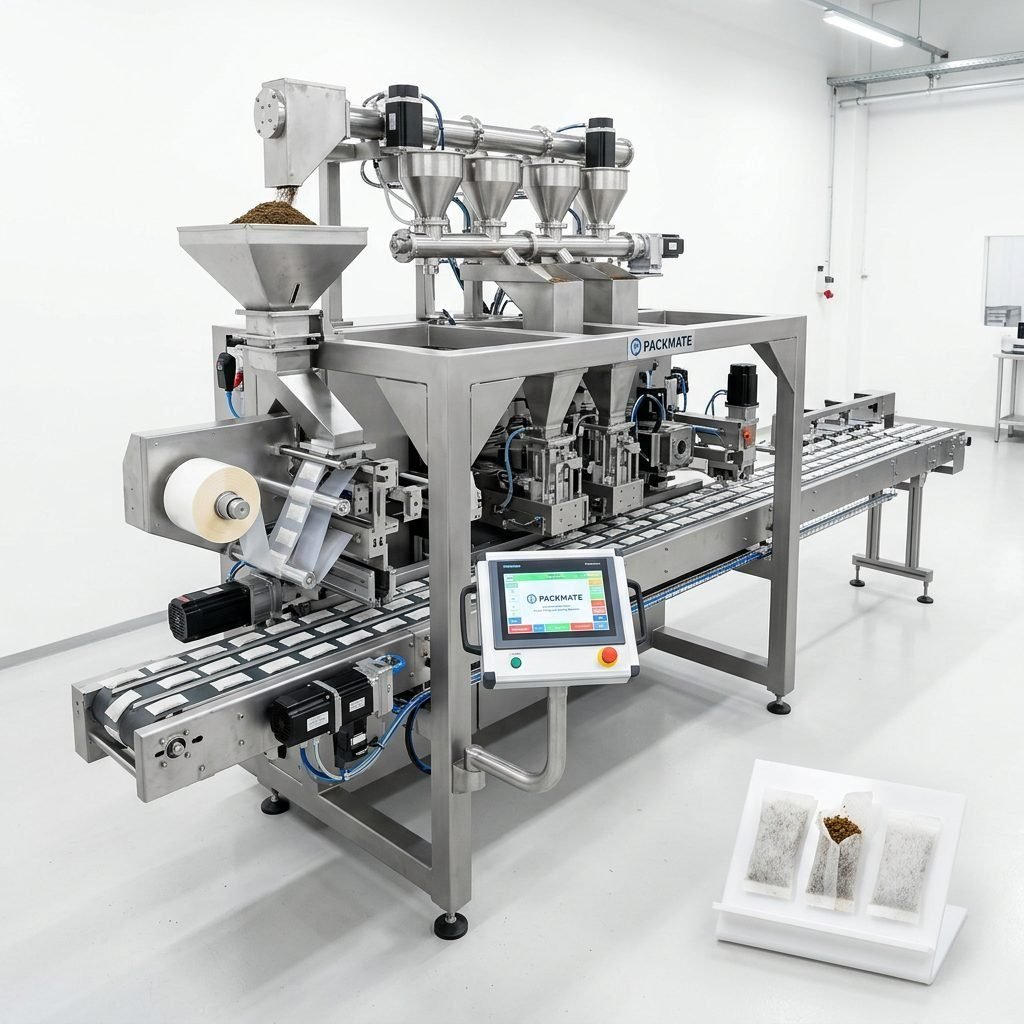
Multi‑lane machines allow parallel production of multiple pouches per cycle, boosting output without proportionally increasing footprint or labor. They are especially effective for small‑dose snus and nicotine pouches where dosing accuracy is critical.
Bag & pouch packaging machines
For end‑consumer packaging—reclosable pouches, cans, or multi‑pack bags—dedicated bag and pouch machines provide final packaging solutions that preserve freshness and brand presentation. Find suitable options under
Bag & Pouch Packaging Machines.
Quick selection checklist:
- Target output (pouches/min, lanes)
- Product format (powder/granule/liquid, pouch size)
- Accuracy tolerance (mg or %)
- Hygiene requirements (CIP, easy clean design)
- Integration needs (weighing, secondary packaging)
Critical technical specifications to compare
When evaluating vendors and models, don’t be distracted by marketing speed figures alone. Focus on the specs that affect long‑term performance.
Throughput and scalability
Look at cycles per minute and lanes. A machine with modular lane expansion can grow with demand, lowering future capital costs. Also verify continuous duty ratings and expected uptime under your product conditions.
Dosing accuracy & fill systems
Choose a dosing technology suited to your material: auger, volumetric cup, multi‑head weighers, or piston fillers. For nicotine pouches where precise nicotine content matters, accuracy within tight tolerances reduces giveaway and regulatory risk.
Material handling and gentle pouch formation
Fragile or compressible blends require gentle forming and accurate transfer systems. Inspect the machine’s pouch forming, vacuum handling, and sealing mechanics to prevent deformation or material loss.
Servo control, HMI & integration
Modern machines use fully synchronized servo drives for repeatability. A multi‑language HMI with recipe storage speeds product changeovers. Ensure compatibility with upstream/downstream equipment and consider integrated weighing and packaging systems such as
Weighing & Packaging Systems.
Must‑ask technical KPIs:
- Actual tested output with your product
- Filling accuracy and standard deviation
- Mean time between failures (MTBF)
- Parts lead time and recommended spare list
Regulatory compliance, safety & certifications
Packaging equipment must meet local and international standards. Verify CE and ISO compliance, materials in contact with product, and safety interlocks. Vendors that publish test reports and provide traceable components help simplify audits and import approvals. See manufacturer credentials and certificates like those offered by leading suppliers on their
Certificate page.
Customization, turnkey integration and factory support
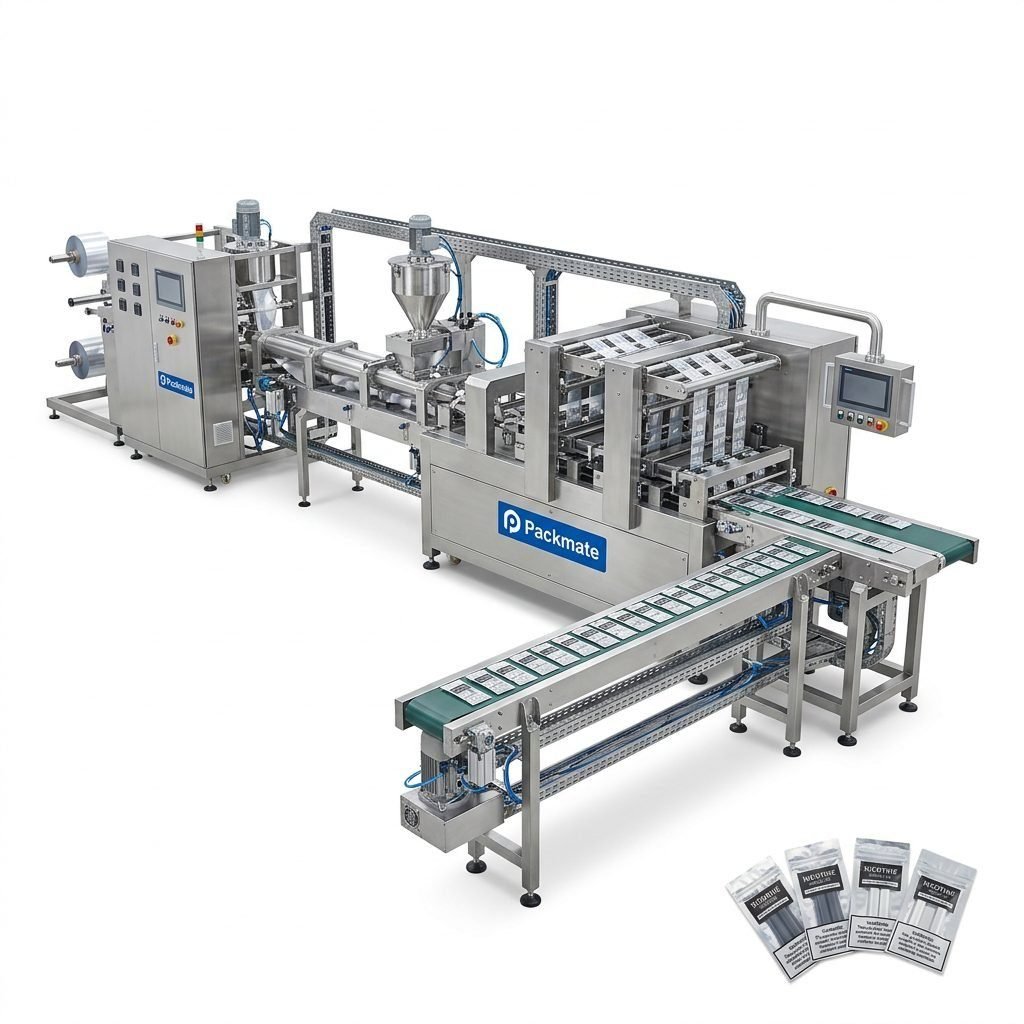
A reliable partner delivers more than a machine: turnkey lines, project management, and global after‑sales support. Look for vendors that can supply conveyors, feeding systems, case packers, and final packaging so you receive a coordinated production line rather than isolated equipment. Packmate’s end‑to‑end solutions and experience with snus packaging are examples of a supplier that supports turnkey projects; find background information under
About Packmate.
Project timeline & commissioning
Clarify delivery, FAT (factory acceptance test) protocols, on‑site installation time, and training. A clear commissioning plan reduces downtime and ensures operators are confident with changeovers and maintenance tasks.
Service & documentation:
- Comprehensive manuals and electrical drawings
- Local spare parts distribution and remote troubleshooting
- Operator and maintenance training packages
- Warranty terms and extended service options
Operational cost, ROI and lifecycle considerations
Purchase price is only the start. Consider:
- Energy consumption and utility requirements
- Consumables and spare part costs
- Operator headcount and training time saved
- Expected lifetime and resale value
A machine with slightly higher capital cost but better component quality, lower downtime, and energy efficiency often yields a faster payback. Use a simple ROI model: (additional throughput value + reduced labor + less product giveaway) ÷ total investment = payback period.
Real world proof: cases & exhibitions
Examine case studies and live demonstrations. Manufacturers who regularly attend global exhibitions and publish real user cases give tangible evidence of machine performance. Explore global cooperation examples and live demos on pages such as
Case and
Our Exhibition.
Field validation tips:
- Request in‑person or video FAT with your product
- Ask for production metrics over a continuous 8‑24 hour test
- Check how changeovers and cleaning are performed in practice
Maintenance, spares & lifecycle support
Preventive maintenance keeps uptime high. Ensure easy access to wear parts, clear maintenance schedules, and the availability of critical spares. A vendor with global logistics and recommended parts lists reduces risk of extended downtime.
Operator training & remote support
Comprehensive operator and technician training is essential. Verify whether the manufacturer offers virtual support, spare parts kits, and optional service contracts. For services and local support options see the manufacturer’s
Service page.
How to evaluate vendors: a short checklist
When you contact a supplier, use this list to compare offers objectively.
- Request machine videos and FAT reports with your product
- Get clear KPIs: throughput, accuracy, MTBF
- Confirm spare parts lead times and warranty terms
- Ensure compliance certificates and materials data
- Ask about turnkey capabilities and system integration
- Compare total cost of ownership, not only purchase price
Why Packmate Snus Machine is a relevant choice
Packmate Snus Machine brings over three decades of engineering experience and a specialized focus on snus and nicotine pouch packaging. With a 20,000㎡ manufacturing facility, advanced CNC capacity, and 50+ machine models, Packmate provides tailored solutions from single machines to full automated lines. Learn more about company history and capabilities via
About Packmate.
Packmate highlights:
- 30+ years industry experience
- Comprehensive turnkey packaging capabilities
- Global installation and case references
- CE/ISO compliant equipment and structured FATs
Practical decision matrix (emoji guide)
Use this quick guide to match machine family to your priority:
- 🚀 High throughput & multi‑format: Multi‑lane pouch systems
- 🎯 Tight dosing accuracy: Multi‑head weighing or precision auger fillers
- 🔁 Fast changeover & flexible SKUs: Stick‑pack or modular platforms
- 📦 End‑of‑line presentation: Bag/pouch machines with case packing
Next steps: assessment & procurement
Start by sending product samples and target KPIs to shortlisted vendors. Ask for a formal quotation that includes FAT, spare parts listing, commissioning, and training. If possible, visit a live demo or request video proof of concept. You can browse detailed product families like
Snus & Nicotine Packaging Machines and request catalogs from the supplier’s
Catalog.
Summary
Selecting the top rated snus packaging machine involves balancing throughput, dosing accuracy, hygiene, and lifecycle costs. Prioritize machines that demonstrate real performance with your product, provide clear documentation, and offer robust after‑sales support. A trusted manufacturer with turnkey capabilities can significantly reduce your time to market and ongoing operational risk.
Frequently Asked Questions
Q1: How do I know which packaging format is best for my snus product?
Choose based on target consumer preferences and dosing. Single‑dose stick packs or sachets are convenient and portion controlled; multi‑lane pouches maximize factory throughput for small doses. Request sample runs from suppliers to validate the chosen format.
Q2: What is the typical lead time for a custom snus packaging line?
Lead time varies with customization level, but expect 12–26 weeks for custom designs including FAT and shipping. Stock models may ship faster. Confirm timelines, FAT dates, and spare parts delivery with your vendor early in negotiations.
Q3: Are there special hygiene requirements for nicotine pouch machines?
Yes. Machines should use food‑grade materials, have easy‑clean designs, minimal dead legs, and accessible surfaces for routine sanitation. CIP options and stainless steel construction are common in high‑hygiene environments.
Q4: What after‑sales support should I expect?
Expect commissioning, operator and technician training, spare part kits, remote troubleshooting, and service contracts. Reliable suppliers publish service offerings and have regional partners for faster on‑site response. Visit the supplier’s
Service and
Contact Us pages to confirm support scope.
Q5: How can I validate machine performance before purchase?
Request a Factory Acceptance Test (FAT) using your product, review video evidence of continuous runs, and ask for client references. A strong vendor will allow product verification and provide documented KPIs for accuracy and uptime.