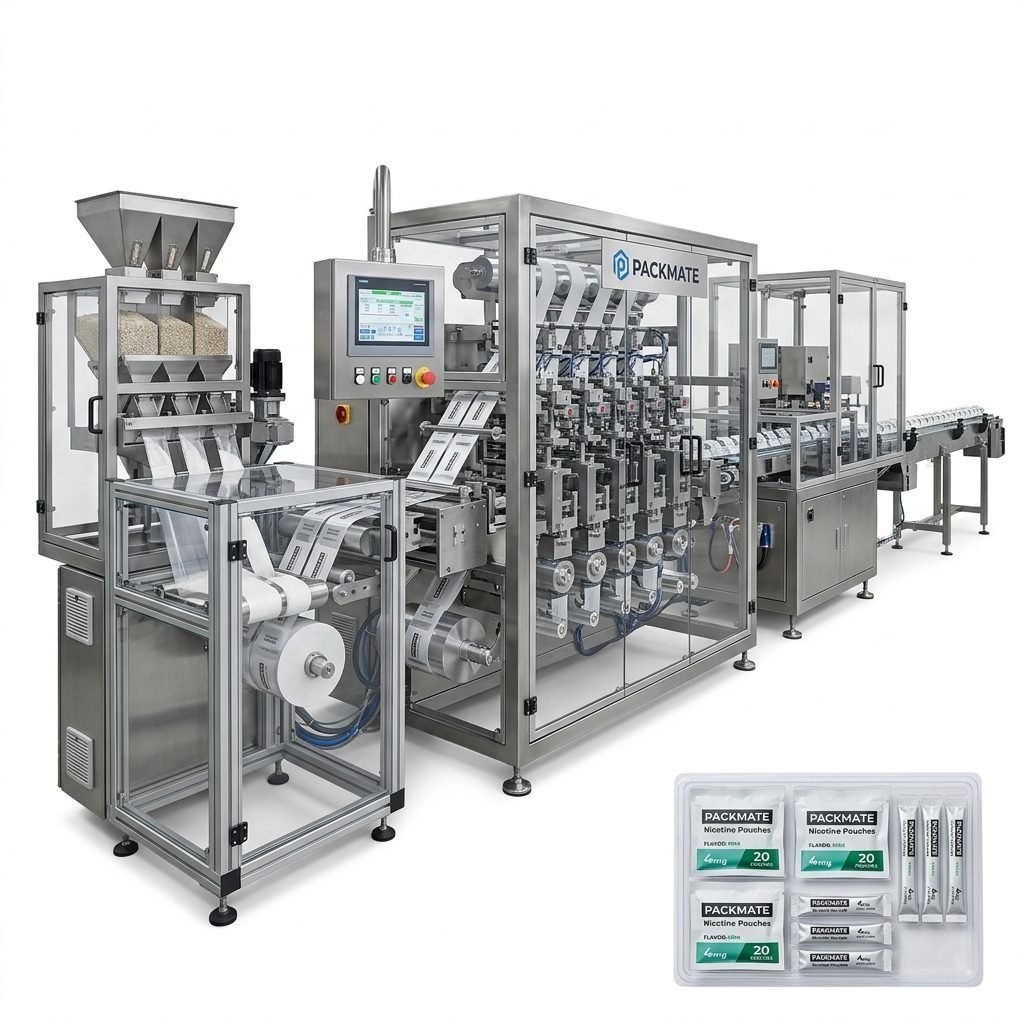
Choosing the right nicotine packaging machinery supplier for your business in Mexico requires more than comparing price tags. You must consider regulatory compliance, machine performance, local market habits, service capabilities, and the supplier’s experience with nicotine pouch and snus lines. This guide walks you through practical steps and key questions to ensure your investment delivers reliable production, consistent quality, and scalable growth.
Understand Mexico’s Market and Regulatory Context
Mexico’s nicotine market is shaped by local consumption habits, language preferences, distribution channels, and regulation. Many buyers and retailers expect Spanish-language documentation and machine interfaces, and local municipalities may enforce packaging and labeling requirements. When evaluating suppliers, prioritize those who understand Mexican standards and can supply documentation that helps with customs clearance and local business registration.
Ask whether the supplier provides Spanish user manuals, training in Spanish, and experience shipping to Mexican ports like Manzanillo and Veracruz.
Regulatory and Certification Checklist
Ensure the supplier can provide international certifications and test reports that facilitate import and compliance. Important certifications include CE and ISO, and the supplier should be able to support technical documentation required by Mexican regulatory bodies. If you plan to export products from Mexico, check that packaging lines meet both domestic and target-market requirements.
Evaluate Technical Capabilities and Product Fit
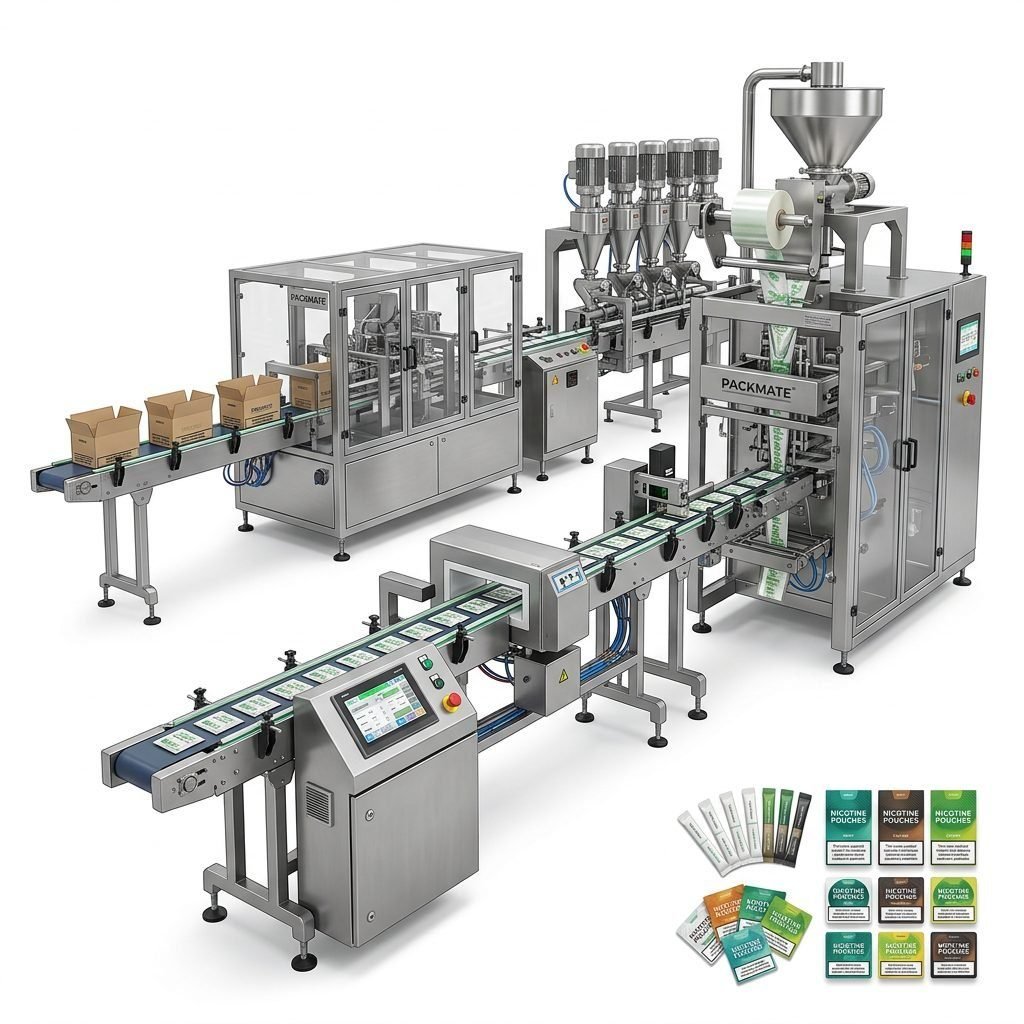
The core of your decision lies in whether the machinery matches your product specifications and production goals. Look beyond single-machine quotes and evaluate full line capabilities: filling systems, pouch forming, sealing, multi-lane output, labeling, and secondary packaging integration.
Types of Packaging Machines to Consider
Match machine type to product format:
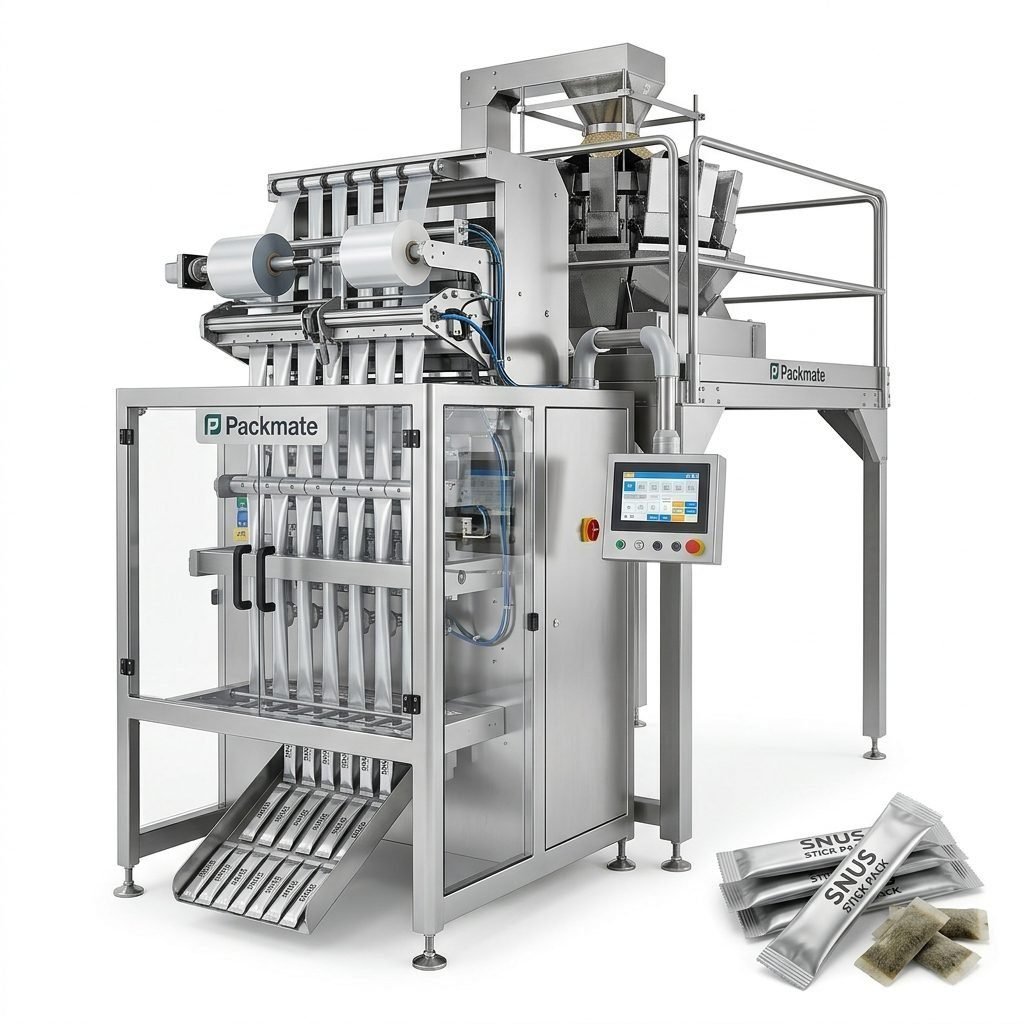
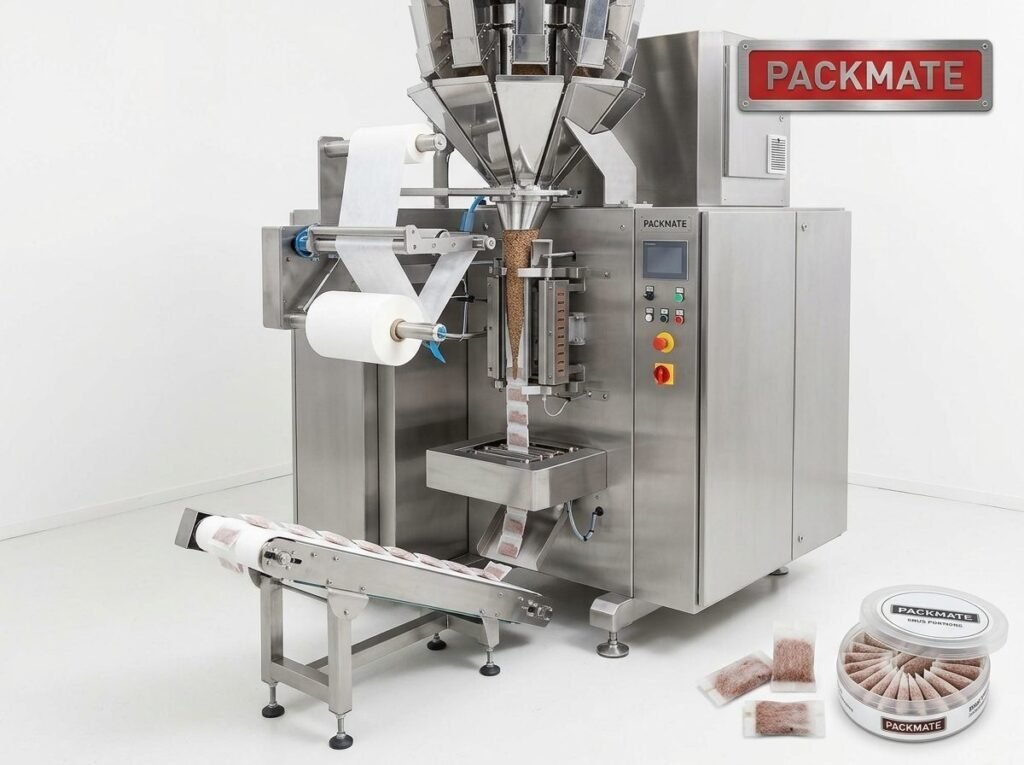
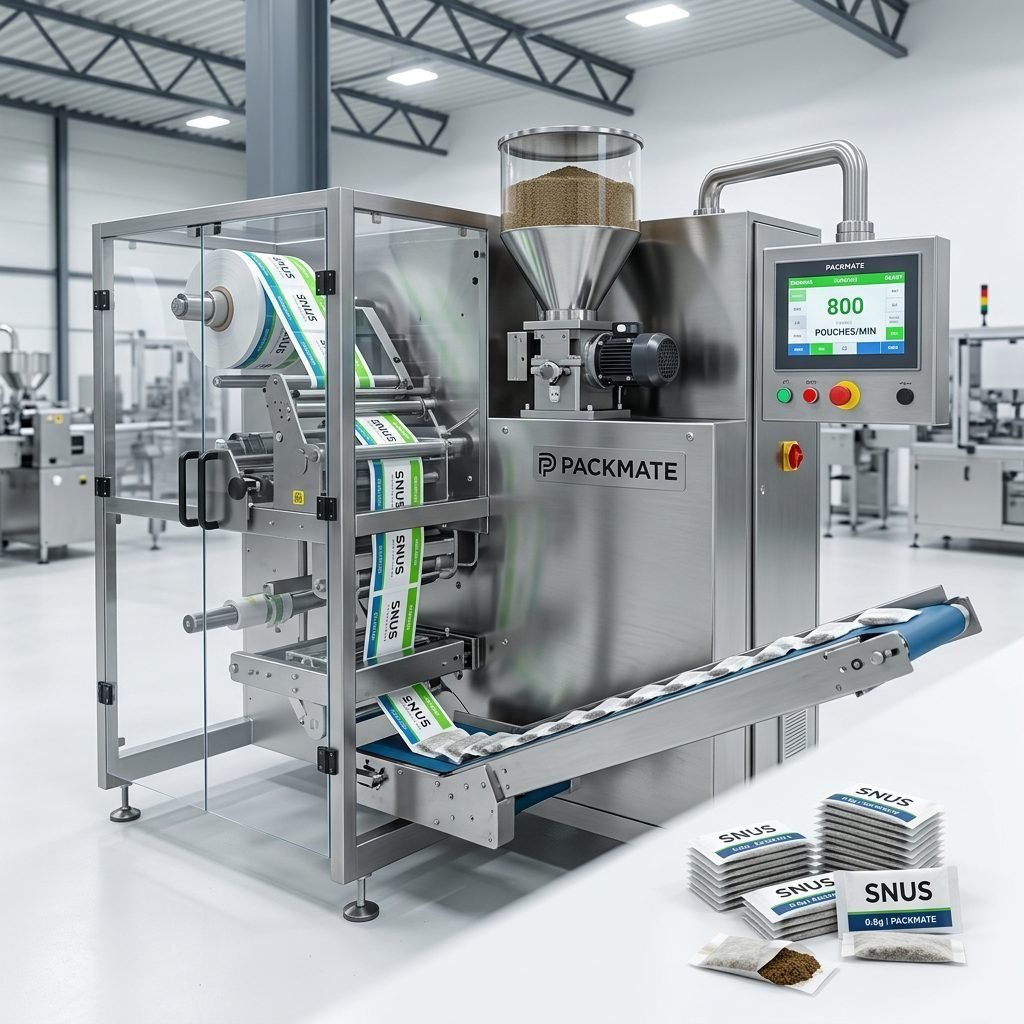
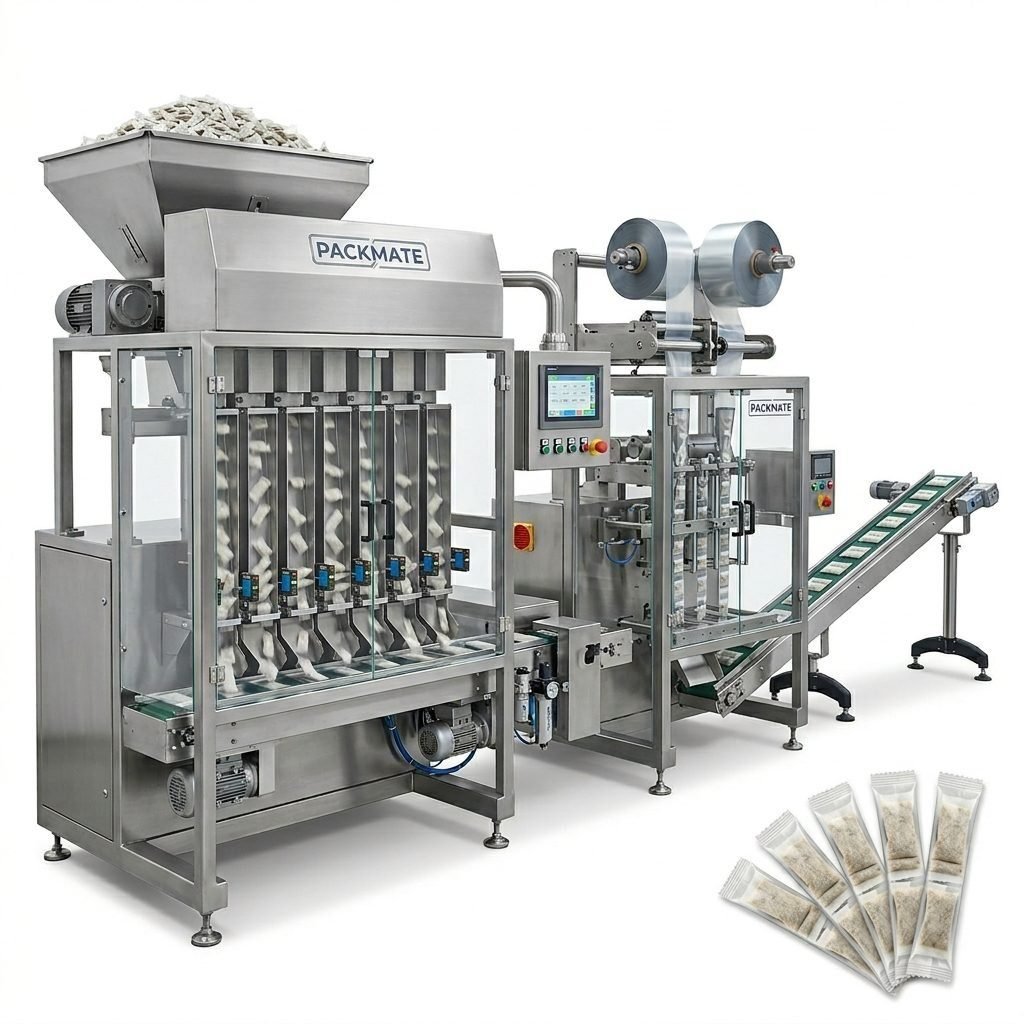
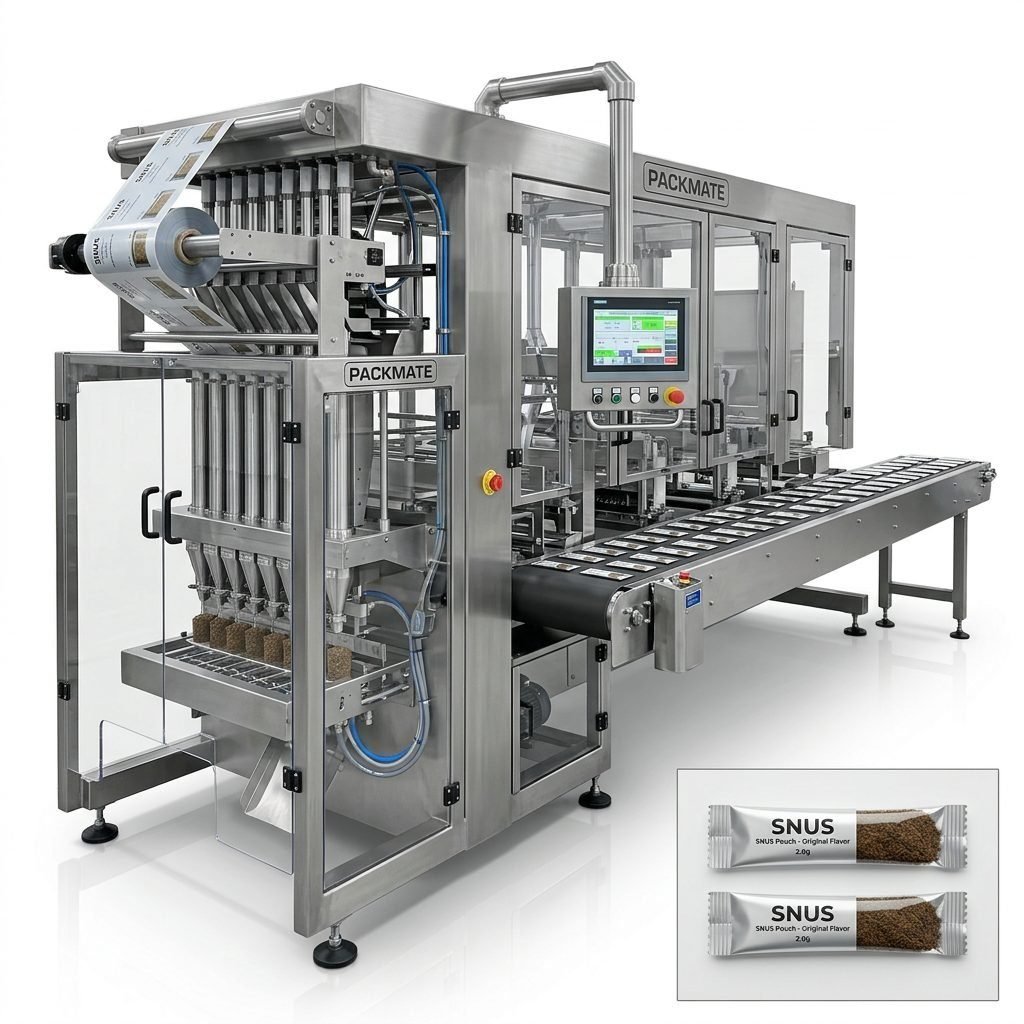
- Snus / Nicotine pouch packaging machines for small-dose pouches and sachets.
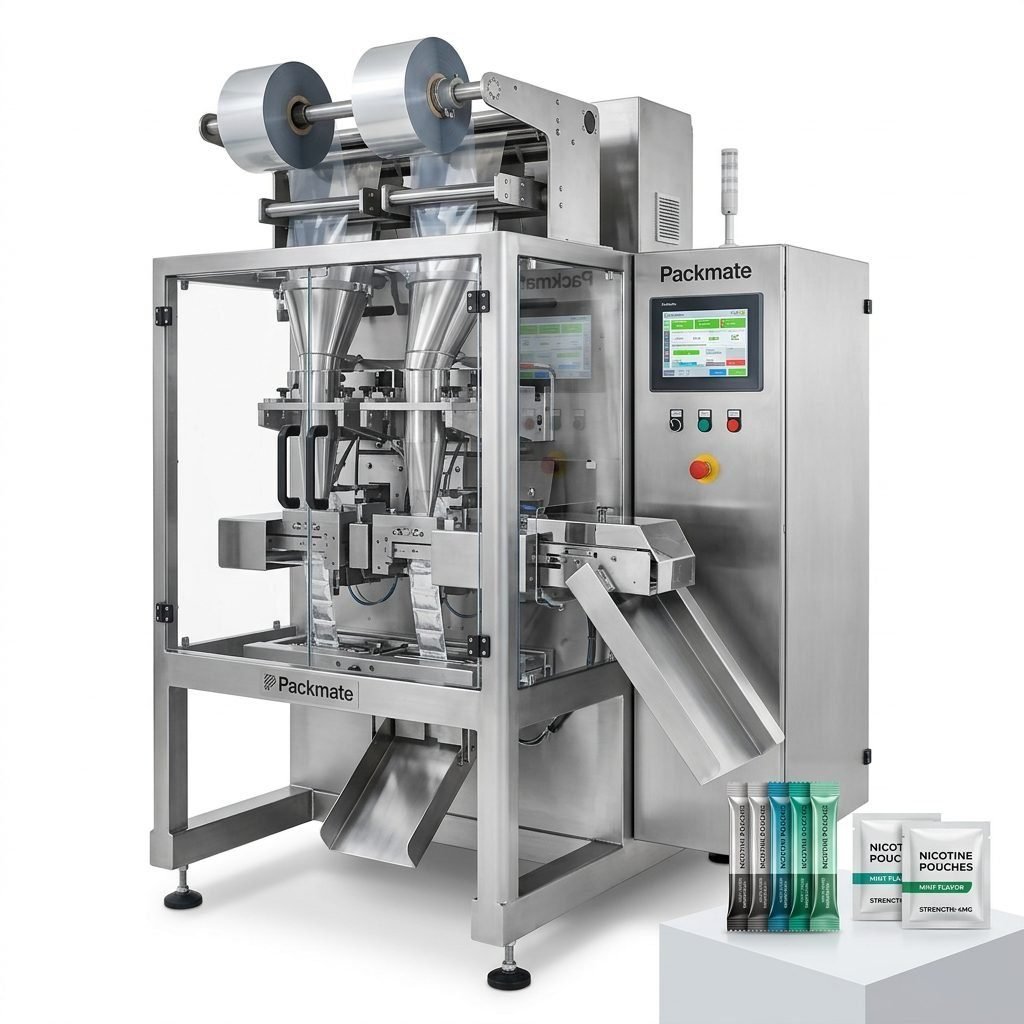
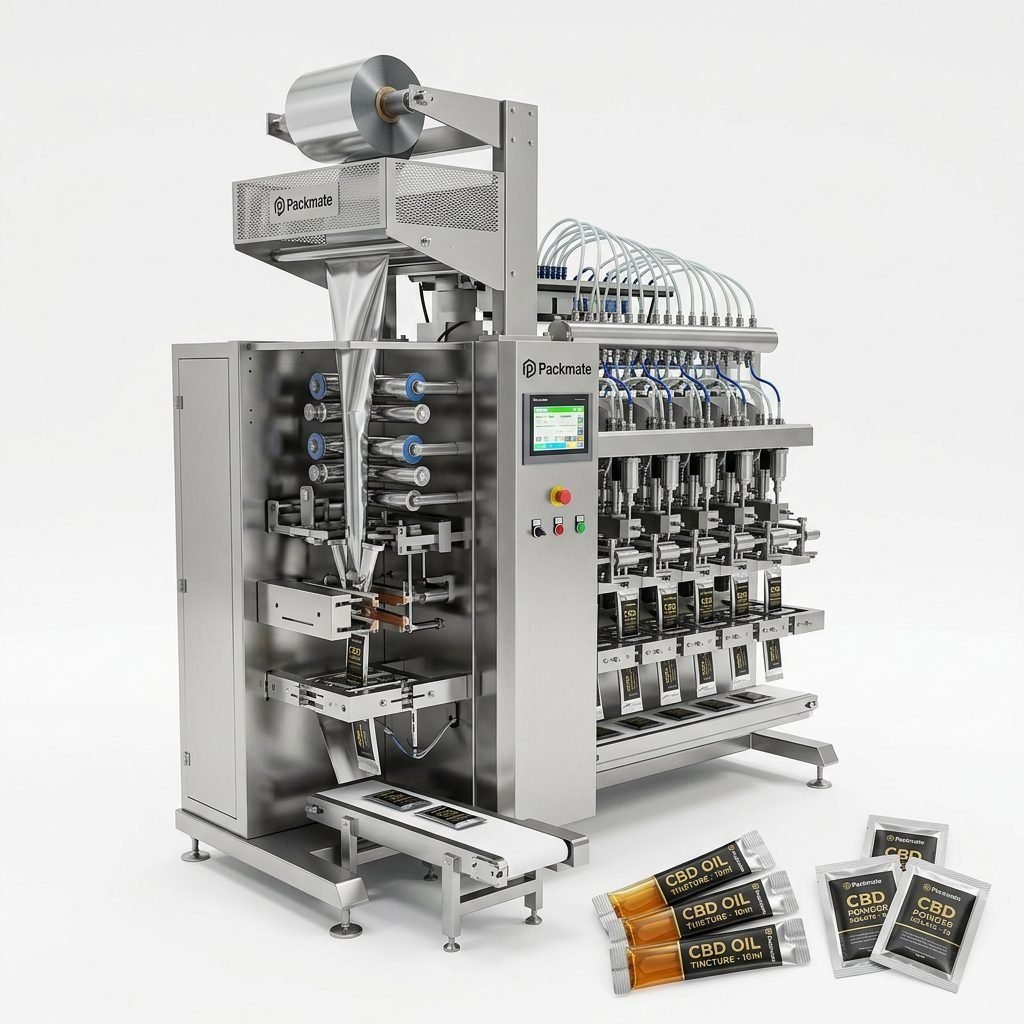
- Stick pack and sachet machines for single-serve or trial formats.
- Multi-lane systems for high throughput and space-efficient production.
- Filling & dosing systems (powder, granule, liquid) that ensure dosing accuracy at small weights.
Suppliers that offer a range of machines can design turnkey lines that reduce integration risk. For example, you may want a supplier experienced in snus & nicotine packaging machines as well as complementary filling and weighing systems.
Assess Supplier Experience and Factory Strength
A supplier’s track record speaks volumes. Look for manufacturers with decades of engineering experience, documented case studies, and a strong manufacturing base. Key indicators include factory size, CNC and precision machining capability, and a broad model range.
Manufacturers with 20,000㎡ facilities, advanced CNC centers, and 30+ years of experience typically provide more reliable, serviceable machines.
If you want to learn more about a supplier’s background and projects, check their About page or case studies. For instance, a representative supplier might maintain detailed profiles and exhibition participation pages that demonstrate global cooperation and standards compliance; see About Packmate and their Case portfolio.
Service, Spare Parts and Local Support in Mexico
After-sales service determines long-term uptime. Ask potential suppliers about response times, spare parts availability, remote diagnostics, and whether they have authorized partners or local service teams in Mexico. Training for operators and technicians in Spanish is a major advantage for local crews.
Key Service Questions to Ask
- Do you provide on-site installation and commissioning in Mexico?
- What warranty and spare parts kits are included?
- Is remote support available for troubleshooting during initial production runs?
- Are operator and maintenance trainings offered in Spanish?
A reliable supplier will offer preventive maintenance schedules, spare parts lists, and a clear escalation path for critical issues.
Customization, Scalability and Production Planning
Your supplier should support customization for product sizes, multi-lane production, and labeling requirements specific to Mexico and your distributor’s demands. Evaluate whether the supplier can scale capacity by adding lanes, integrating automatic feeding, or upgrading dosing systems as volumes grow.
Planning for Future Growth
Build production forecasts and choose machines that cover current needs plus 30–50% growth capacity. Multi-lane systems are often more space- and cost-efficient than adding single-lane machines later.
Inspection, Factory Visits and Reference Checks
Whenever possible, visit the supplier’s factory for live demonstrations and quality audits. If travel isn’t feasible, request detailed video runs, machine acceptance testing (FAT) records, and client references in Latin America or similar markets.
- Observe machine repeatability and build quality.
- Inspect spare parts inventory and assembly practices.
- Review QA procedures and test documentation.
Commercial Terms, Lead Time and Financing
Clarify payment terms, lead times, and shipping responsibilities. Mexico import logistics require clear INCOTERMS and accurate documentation for customs. Negotiate a delivery schedule that allows for installation, validation, and trial runs before full production.
Price vs. Total Cost of Ownership
Don’t let a low purchase price hide higher long-term costs. Consider energy consumption, spare parts pricing, downtime risk, and available warranties. A slightly higher initial investment in robust, well-supported machinery often yields lower overall costs.
Why Turnkey Solutions Often Work Better
Turnkey suppliers deliver integrated lines that are pre-tested and configured for seamless operation. This reduces integration issues, shortens time-to-market, and centralizes responsibility for line performance. If you prefer modular buying, ensure each module is compatible and supported by the supplier.
For a complete view of available modules and system integrations, review product categories such as Filling & Packaging Lines and Weighing & Packaging Systems.
Practical Onboarding Steps After Supplier Selection
After selecting a supplier, follow a structured plan: define acceptance criteria, schedule FAT (Factory Acceptance Test), confirm Spanish documentation and training timelines, agree on spare parts kits, and set up a service contract with escalation clauses. Clear milestones and responsibilities reduce surprises during commissioning.
Acceptance and Ramp-up
- Define key performance metrics (OEE, accuracy, production speed) prior to acceptance.
- Plan a 30–90 day ramp-up period with supplier support on-site or remotely.
- Document all adjustments and SOPs for future staff training.
Ask for an initial spare parts kit tailored to consumables and wear parts for the first 6 months of operation.
Finding Trusted Suppliers and Next Steps
Use trade shows, industry referrals, and verified case studies to shortlist suppliers. Look for global exhibitors with nicotine packaging expertise and ask for references in Latin America. After narrowing your list, request detailed proposals with technical sheets, FAT plans, and service agreements.
If you want to explore sample machines and full-line options, reputable providers maintain detailed product pages and service offerings; review their Sachet & Stick Pack Machines and Contact details to arrange demos or technical calls.
Final Decision Factors
When it comes to Mexico, weigh these factors most heavily: local support, Spanish-language training and documentation, proven nicotine pouch experience, certification and compliance support, and a realistic OEE forecast. Choose a partner that acts as a long-term collaborator, not just a vendor.
- Regulatory & documentation readiness for Mexico.
- Demonstrated nicotine/snust packaging experience and relevant certifications.
- Local service, spare parts, and Spanish-language support.
- Transparent commercial terms and total cost of ownership analysis.
Frequently Asked Questions
Q1: How important are CE/ISO certificates for importing packaging machines into Mexico?
A1: CE and ISO certificates demonstrate conformity to international safety and quality standards and help simplify customs procedures and buyer confidence, though additional local documentation may still be required.
Q2: Should I prioritize a local distributor or buy directly from a manufacturer abroad?
A2: Both models work; local distributors can offer faster service and spare parts but may be limited in customization. Buying direct often reduces cost and provides deeper customization — ensure the manufacturer has reliable local service arrangements.
Q3: How do I validate production performance before accepting a packaging line?
A3: Require FAT documentation, sample runs with your product, OEE metrics, and a formal acceptance test with measurable KPIs on accuracy, speed, and rejects.
Q4: What are typical lead times for nicotine pouch packaging lines?
A4: Lead times vary with customization and production backlog; typical timelines range from 8 to 20 weeks. Confirm lead time up front and include agreed penalties or contingencies in the contract if timing is critical.
Q5: Where can I find more technical details and product models for snus and nicotine packaging?
A5: Consult detailed product pages such as Snus & Nicotine Packaging Machines and request catalogs or technical sheets for model comparisons.