Choosing the right snus packaging machine manufacturer in Bulgaria is a strategic decision for any tobacco, nicotine pouch, or alternative nicotine entrepreneur. This guide walks you through practical steps and local market considerations so you can select a supplier that delivers reliable machinery, full turnkey solutions, and compliant manufacturing for the Bulgarian and wider European markets.
Understanding the Bulgarian Market and Local Customs
Bulgaria’s market has unique traits: traditional smoking remains common among older demographics, while younger adults increasingly seek smoke-free alternatives such as nicotine pouches and snus-style products. When selecting a manufacturer, consider machines that support small-batch testing and flexible packaging formats to respond quickly to changing consumer preferences. Business relationships in Bulgaria often value trust and long-term partnership; therefore, after-sales service and transparent communication are essential.
Regulatory and Compliance Considerations in Bulgaria and the EU
Bulgaria follows EU regulations on product safety, labeling, and emissions. For nicotine pouch and snus producers, ensure your chosen manufacturer provides equipment that supports compliance standards such as CE and ISO. Verified certifications not only reduce import or deployment delays but also protect you from local regulatory risks.
Tip: Ask suppliers for documented evidence of CE and ISO certification, plus references for installations within the EU. Packmate Snus Machine, for example, emphasizes CE/ISO compliance across its product range.
Types of Snus Packaging Machines and Which Fits Your Needs
Matching machine capability to product format is the first step. Common machine categories include:
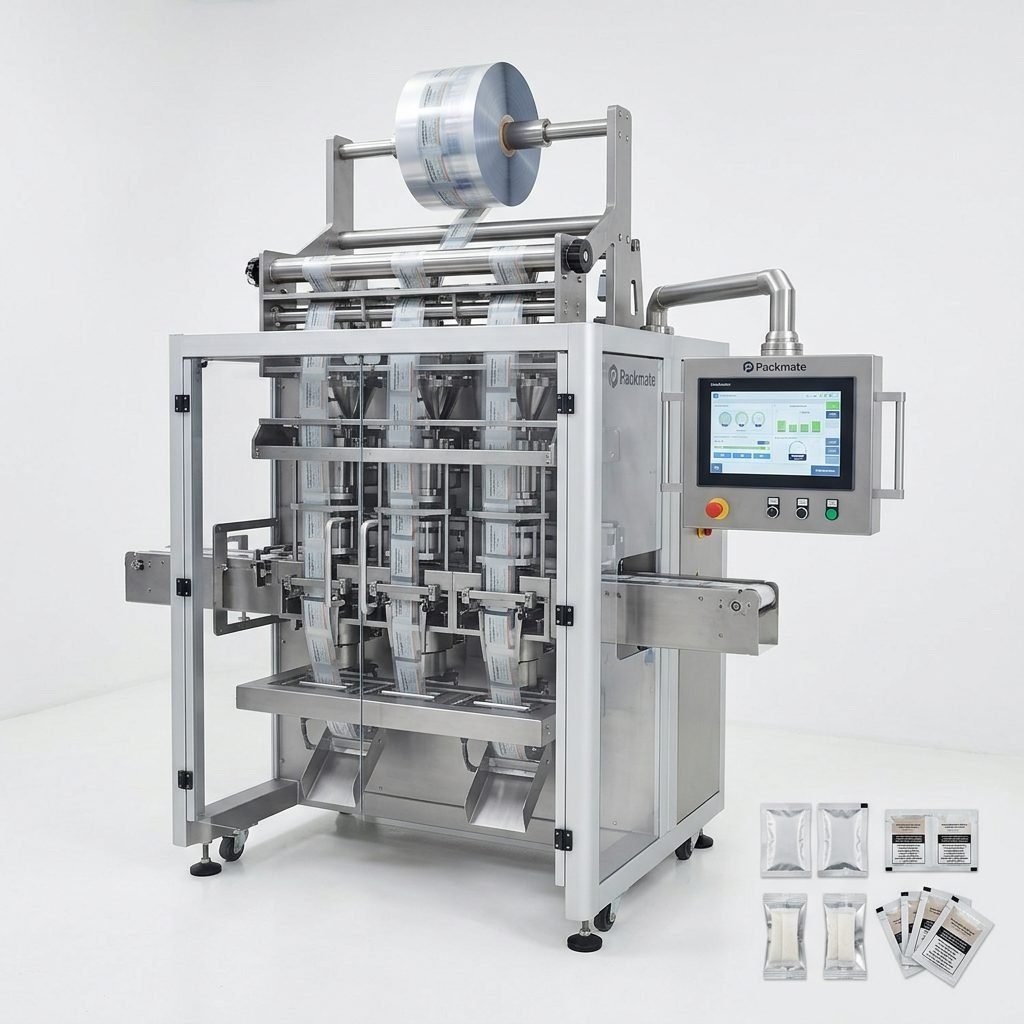
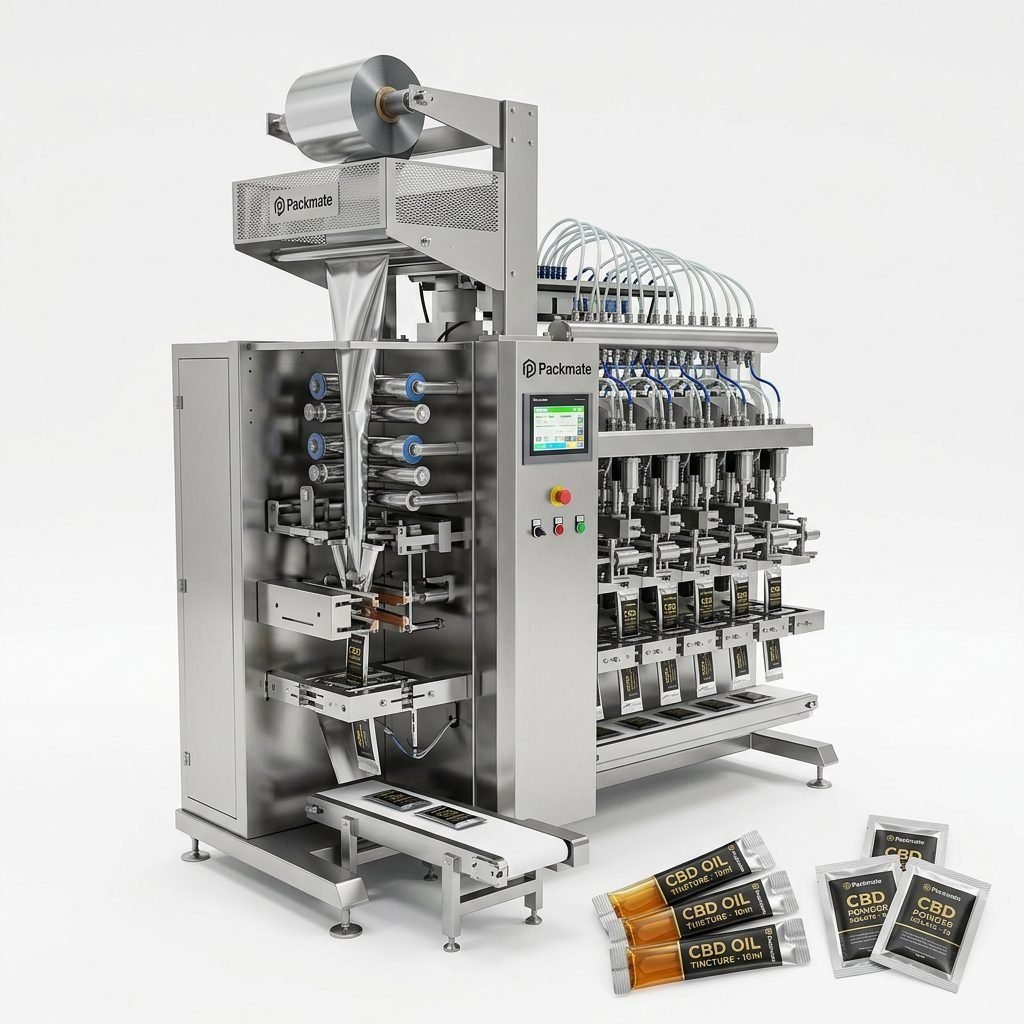
- Stick pack machines – for single-dose, slim sachets.
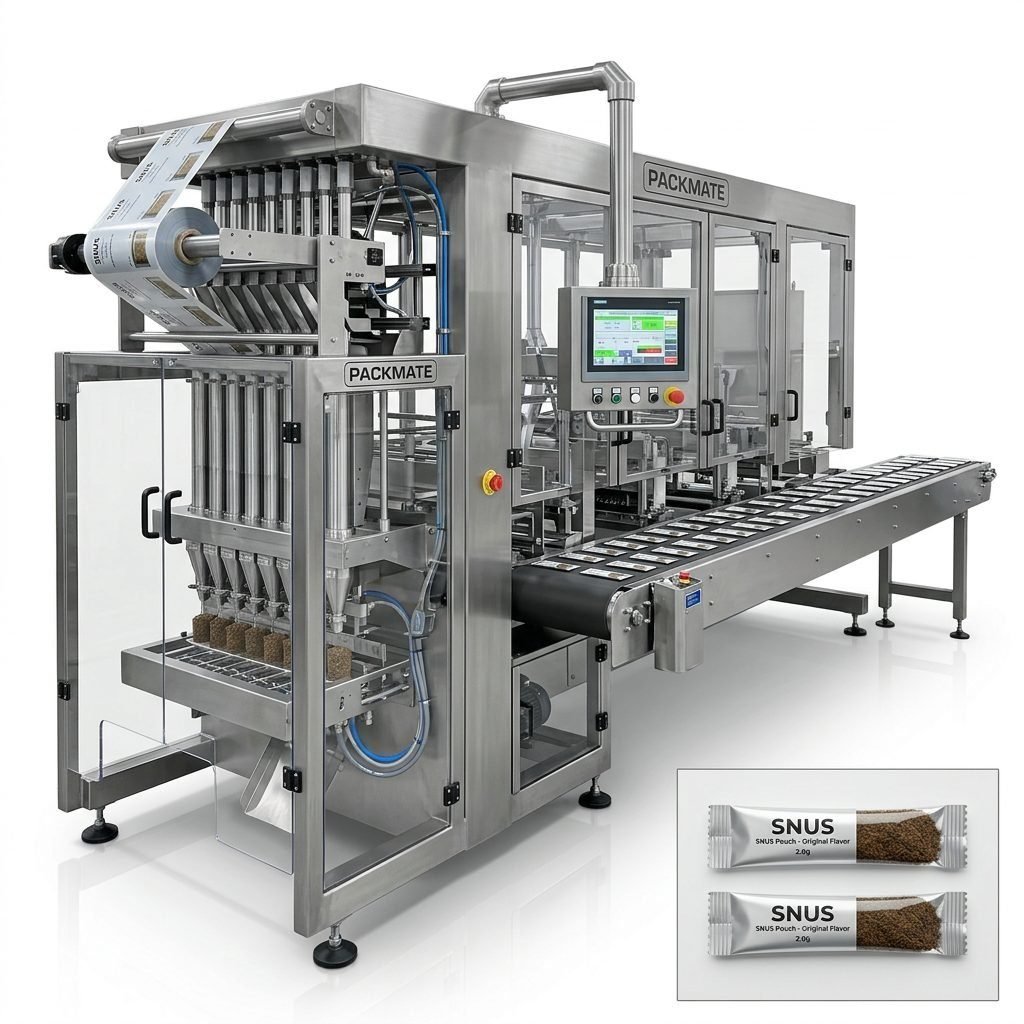
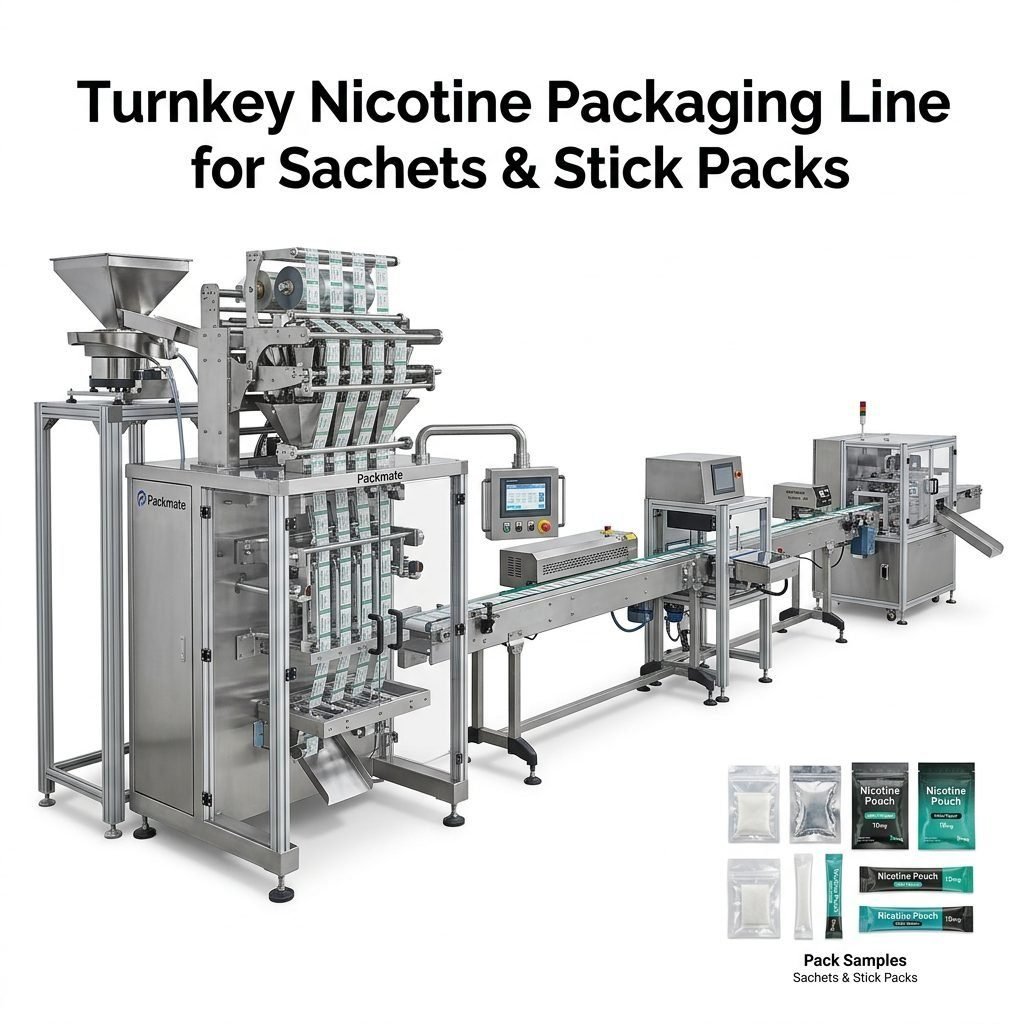
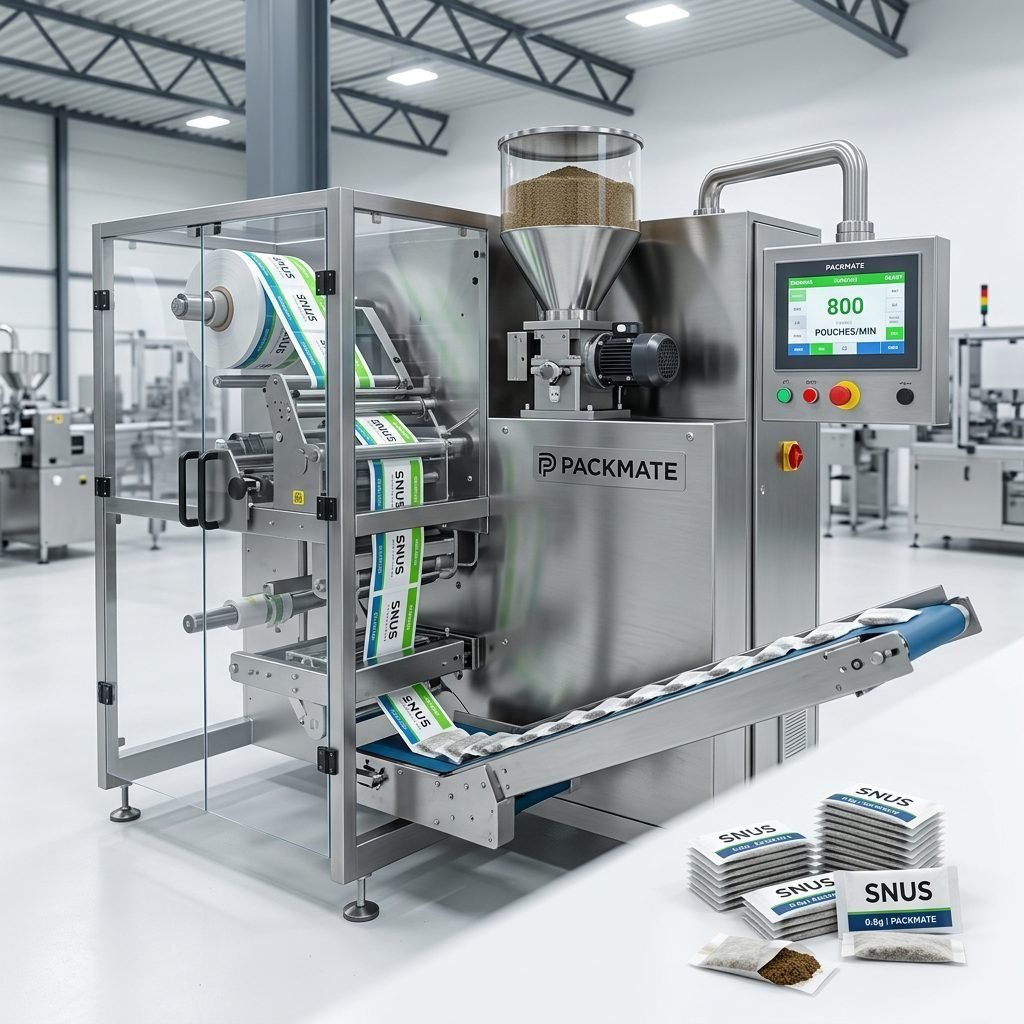
- Sachet and multi-lane systems – ideal for higher output and small-dose pouches used in nicotine pouches/snus.
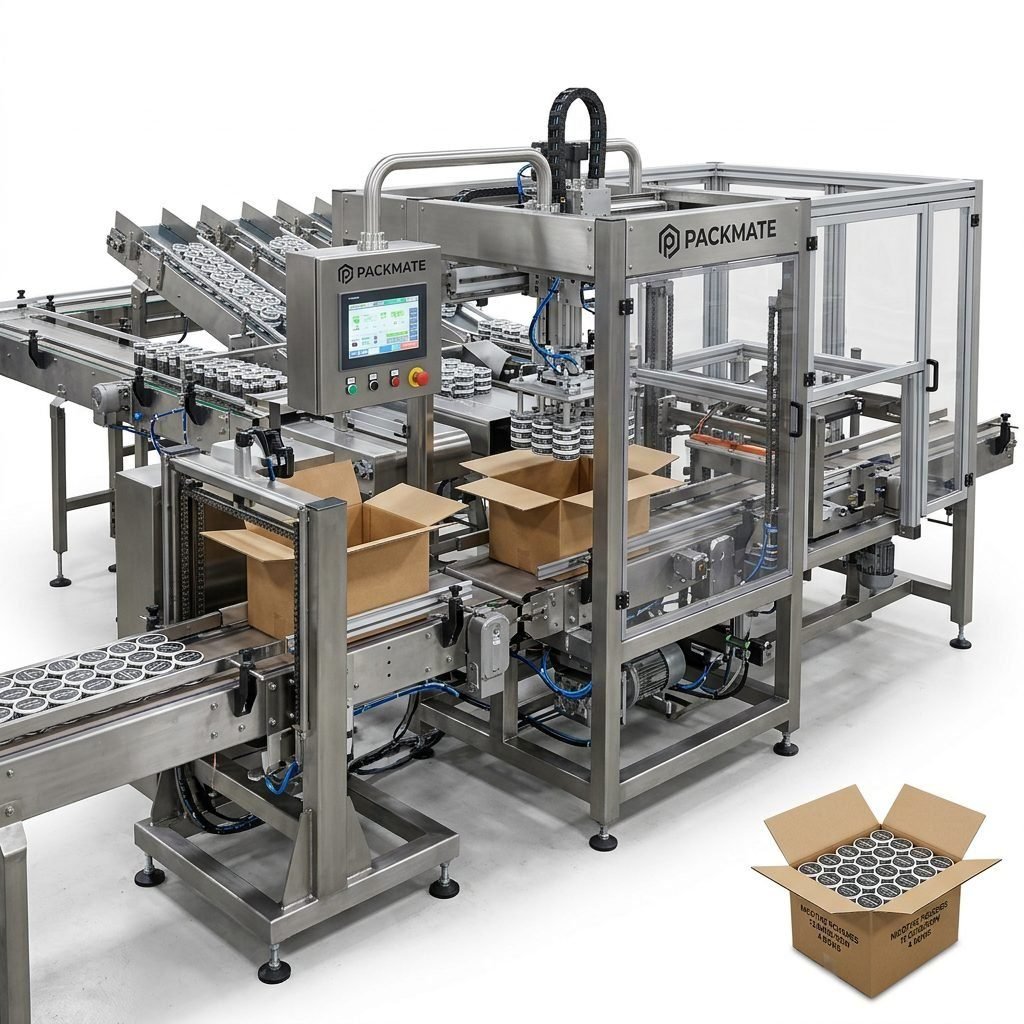
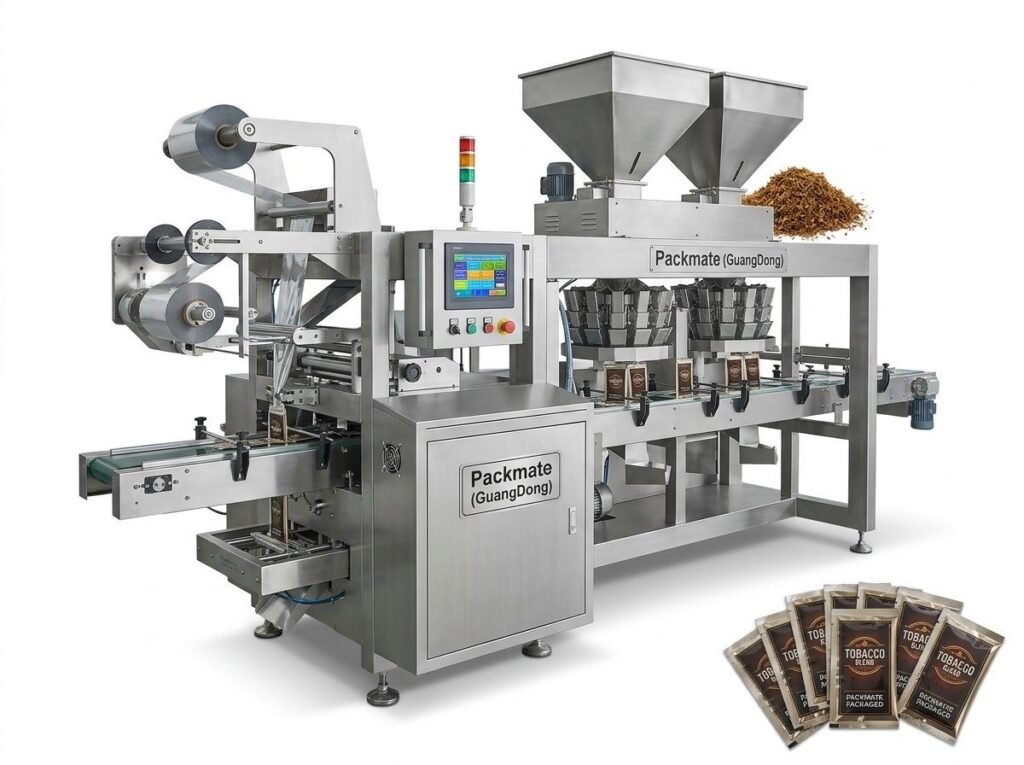
- Bag & pouch packaging machines – for outer packaging and multipacks.
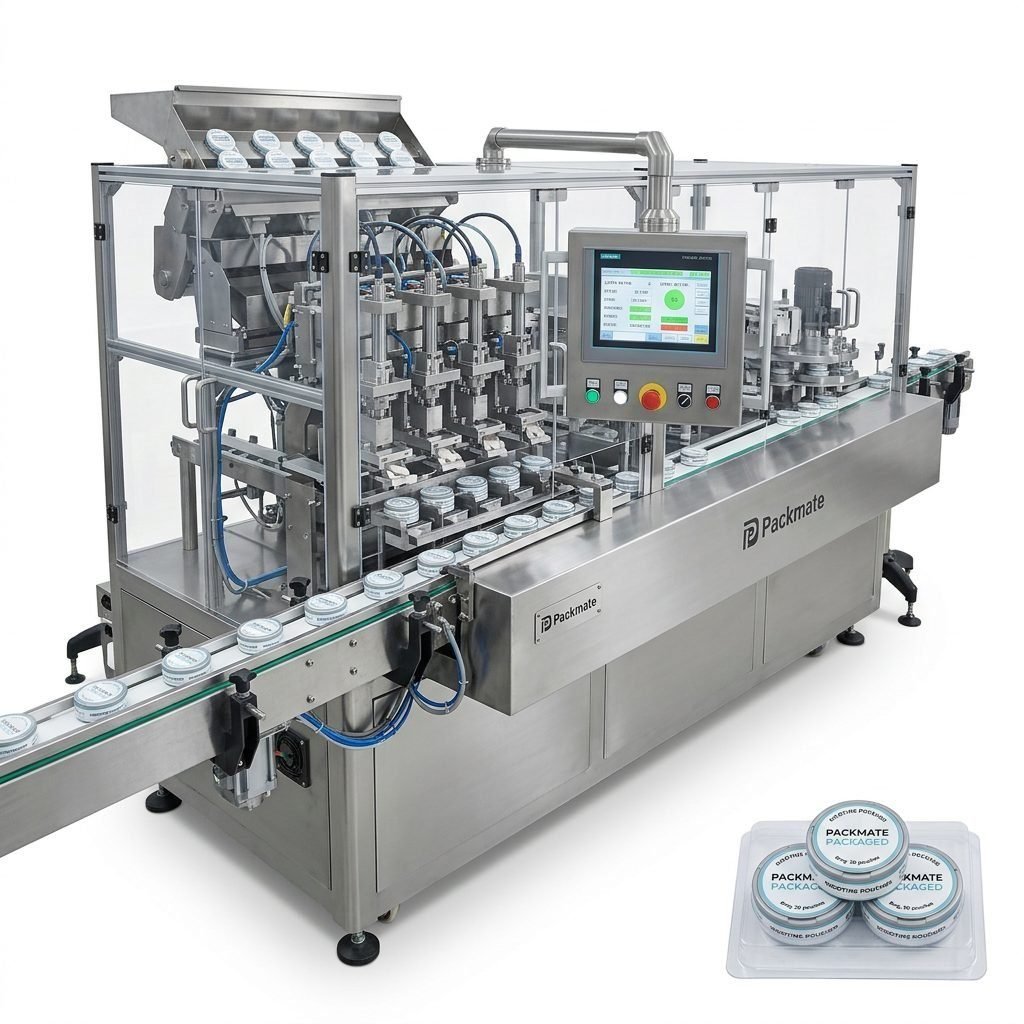
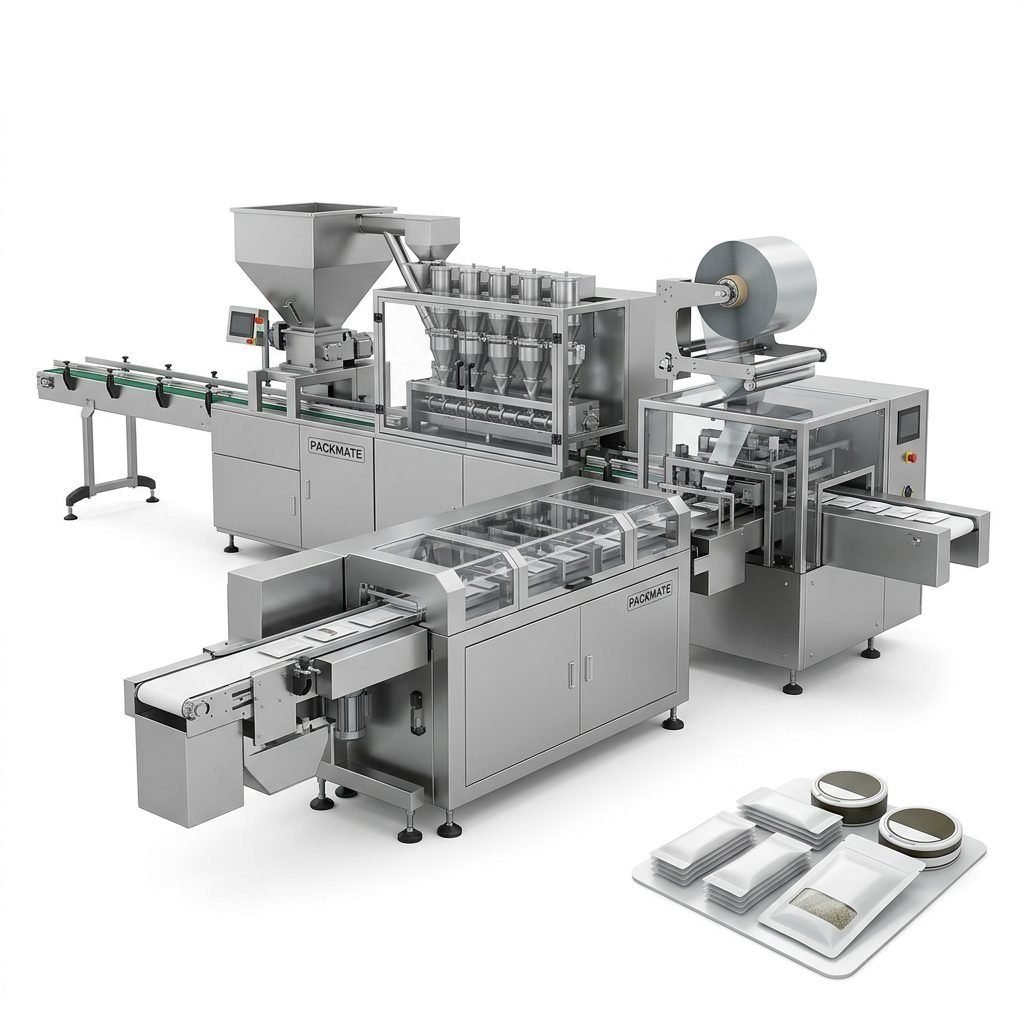
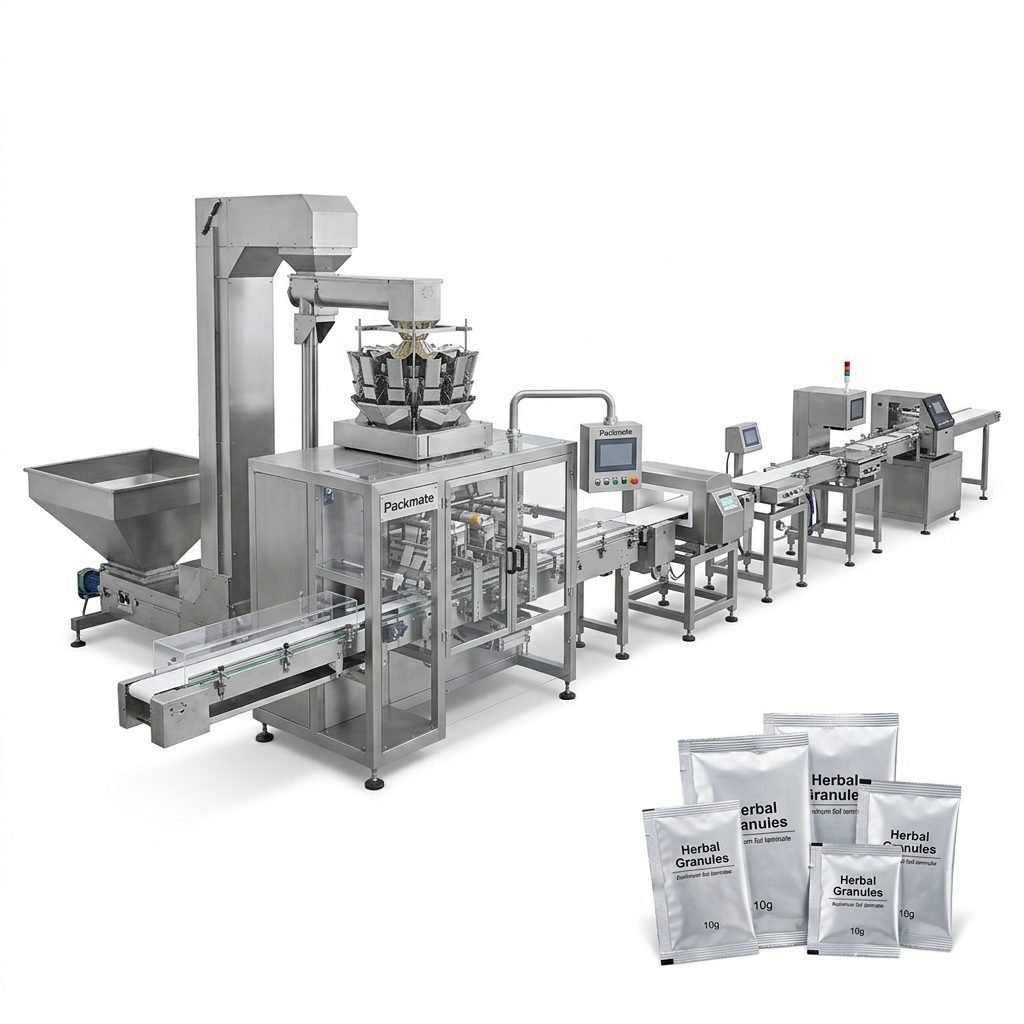
- Complete filling and packaging lines – integrated systems for powder, granule, and liquid formulations.
If you need to compare models and features, review manufacturers’ product pages such as
Snus & Nicotine Packaging Machines,
Sachet & Stick Pack Machines, and
Bag & Pouch Packaging Machines.
Production Capacity vs. Scalability
Decide your starting output and projected growth. A smaller production line is cost-efficient for market testing, while modular multi-lane systems are better if you expect rapid scaling. Look for manufacturers with in-house R&D and a wide model range — such as firms offering 50+ machine models — so upgrades and modifications are feasible without replacing entire lines.
Key metric: Determine throughput (pouches per minute) and changeover time. Machines with quick format change reduce downtime for flavor or format switches.
Evaluating the Manufacturer: Checklist for Bulgarian Buyers
Use this checklist during vendor selection and supplier visits:
✓ Production & Engineering Strength
Check factory size, CNC machining centers, and precision assembly lines. A 20,000㎡ facility with advanced equipment indicates capacity to produce consistent, high-quality machines.
✓ Model Variety & Customization
Confirm the vendor can supply multi-lane systems, stick packs, sachets, and tailored solutions that match your product specs.
✓ Certification & Compliance
Ensure CE/ISO certificates are up to date and that equipment can be validated against EU safety and hygiene standards.
✓ After-sales Service & Spare Parts
Confirm lead times for spare parts, remote diagnostics, installation support, and local service presence or authorized agents in Europe.
Financial and Commercial Terms
Negotiate warranty length, payment terms, and clauses for commissioning. Consider total cost of ownership: energy consumption, downtime implications, and parts replacement costs. A reliable manufacturer will provide detailed quotations and a clear timeline for delivery and installation.
Why Turnkey Solutions Matter in Bulgaria
Many Bulgarian manufacturers benefit from turnkey solutions that include filling, primary packaging, secondary packing, and automation. Turnkey suppliers reduce integration risks and speed ramp-up. If you lack strong local automation teams, a single vendor who supplies both machines and integration services will simplify commissioning.
See examples of integrated offerings at
Filling & Packaging Lines and
Weighing & Packaging Systems.
Local Support and Spare Parts Logistics
Bulgaria’s proximity to central European logistics hubs allows relatively fast shipping of critical parts. Still, confirm that the manufacturer stocks key wear parts or maintains a European distribution partner. Local preventative maintenance training and operator instruction in Bulgarian or fluent English will shorten the learning curve.
Local note: Bulgarian companies often appreciate on-site training and personalized commissioning. Ensure the vendor includes these in the contract or offers economical remote training alternatives.
Technical Features to Prioritize
Look for machines that offer:
- High repeatability and precise dosing for nicotine pouch consistency.
- Hygienic design for easy cleaning and compliance with EU hygiene standards.
- PLC controls and easy HMI for fast changeovers and diagnostics.
- Energy-efficient drives and modular components for simple upgrades.
Real-world Validation: Case Studies & References
Ask for case studies that demonstrate installations in Europe. Request contactable references and real production metrics. Manufacturers with global exhibition presence often provide live demonstrations — consider attending shows or viewing machine demos online. Packmate highlights exhibition and case details that can help decision-making: Our Exhibition and Case.
Installation, Commissioning and After-Sales: What to Require
A comprehensive service package should include machine installation, on-site commissioning, operator training, spare parts kit, and clear SLA terms for remote support. For Bulgarian clients, confirm language support and the possibility of local technician training so that routine maintenance becomes predictable and affordable.
Must-have: A documented handover checklist and performance acceptance criteria to avoid disputes at commissioning.
Supplier Transparency and Long-term Partnership
Trustworthy suppliers provide clear lead times, factory photos or virtual tours, and open communication about spare parts sourcing. Explore the manufacturer’s story and mission to ensure alignment — for instance, learn more about Packmate’s background and manufacturing strength at About Packmate.
Final Decision Framework: Step-by-step
Follow these steps to finalize your choice:
- Define product formats, target daily output, and budget.
- Shortlist manufacturers with relevant experience and EU certifications.
- Request technical proposals, references, and performance data.
- Evaluate TCO, spare parts logistics, and local support availability.
- Negotiate terms including acceptance tests, warranty, and training.
Contact and Next Steps
When you are ready to discuss specifics, reach out directly through the manufacturer’s contact page to arrange detailed quotations, virtual factory tours, and project timelines: Contact Us.
A reliable manufacturer will back machine performance with clear documentation, spare parts availability, and a long-term service plan — all essential for success in Bulgaria’s evolving nicotine pouch market.
Frequently Asked Questions
Q1: How important are CE and ISO certifications when importing machines into Bulgaria?
A1: Very important. CE marks indicate conformity with EU safety requirements and simplify customs clearance and local compliance. ISO standards demonstrate consistent manufacturing quality — both reduce regulatory and operational risks.
Q2: Should I prioritize local European suppliers or overseas manufacturers?
A2: Prioritize performance, service, and cost-effectiveness. Overseas manufacturers with robust European support, verified certifications, and proven EU installations can be excellent choices. Ensure spare parts logistics and after-sales support meet your needs.
Q3: How do I test machine compatibility with my product formulations?
A3: Request product trials or pilot runs. Many manufacturers offer lab-level testing or provide demo videos and case studies. Small-batch trials on the target machine are the most reliable method to validate dosing, pouch integrity, and sealing quality.
Q4: What ongoing costs should I expect beyond the initial purchase?
A4: Expect costs for spare parts, wear components, preventive maintenance, energy consumption, and occasional software updates. A clear spare-parts kit and predictable delivery lead times will minimize downtime costs.
Q5: Where can I find reliable case studies and references?
A5: Review the manufacturer’s case pages and exhibition records, and ask for contactable references. Visit pages such as Case and Our Exhibition for real-world examples and demos.