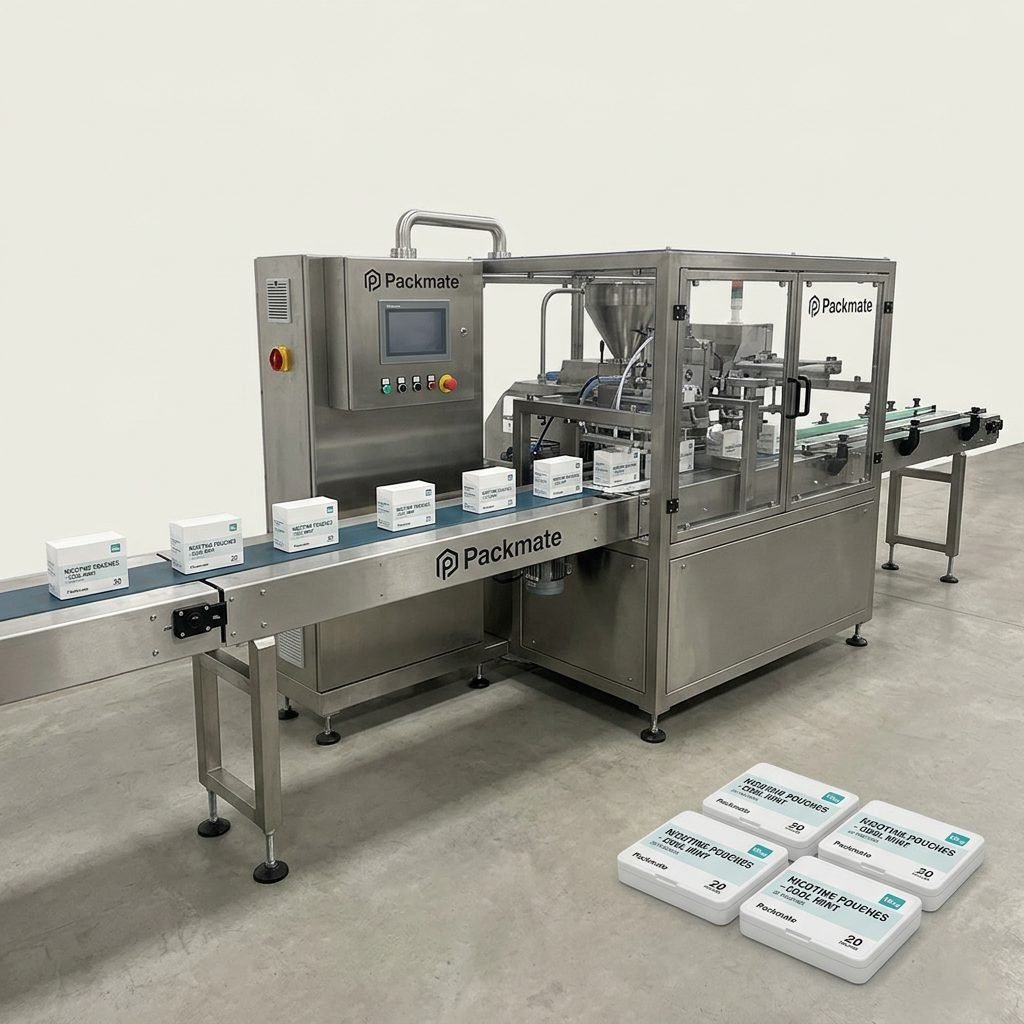
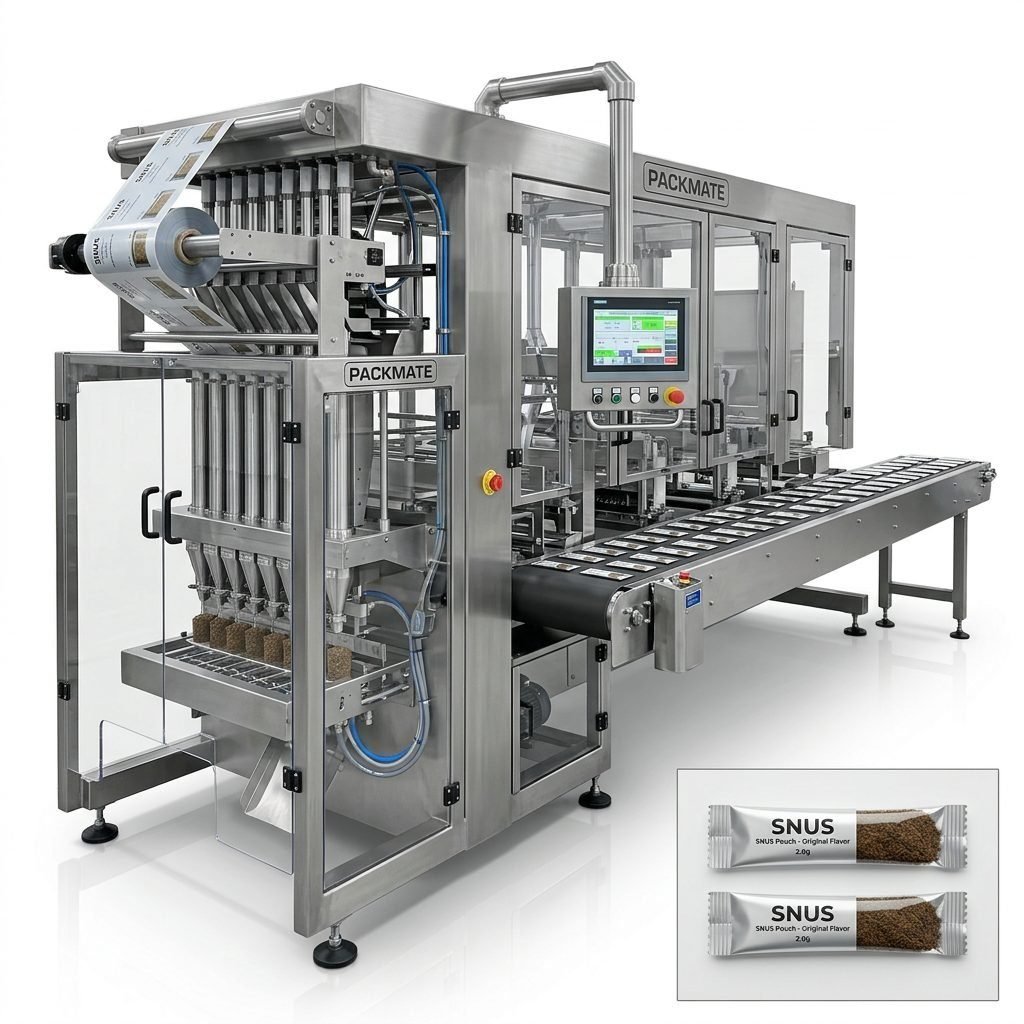
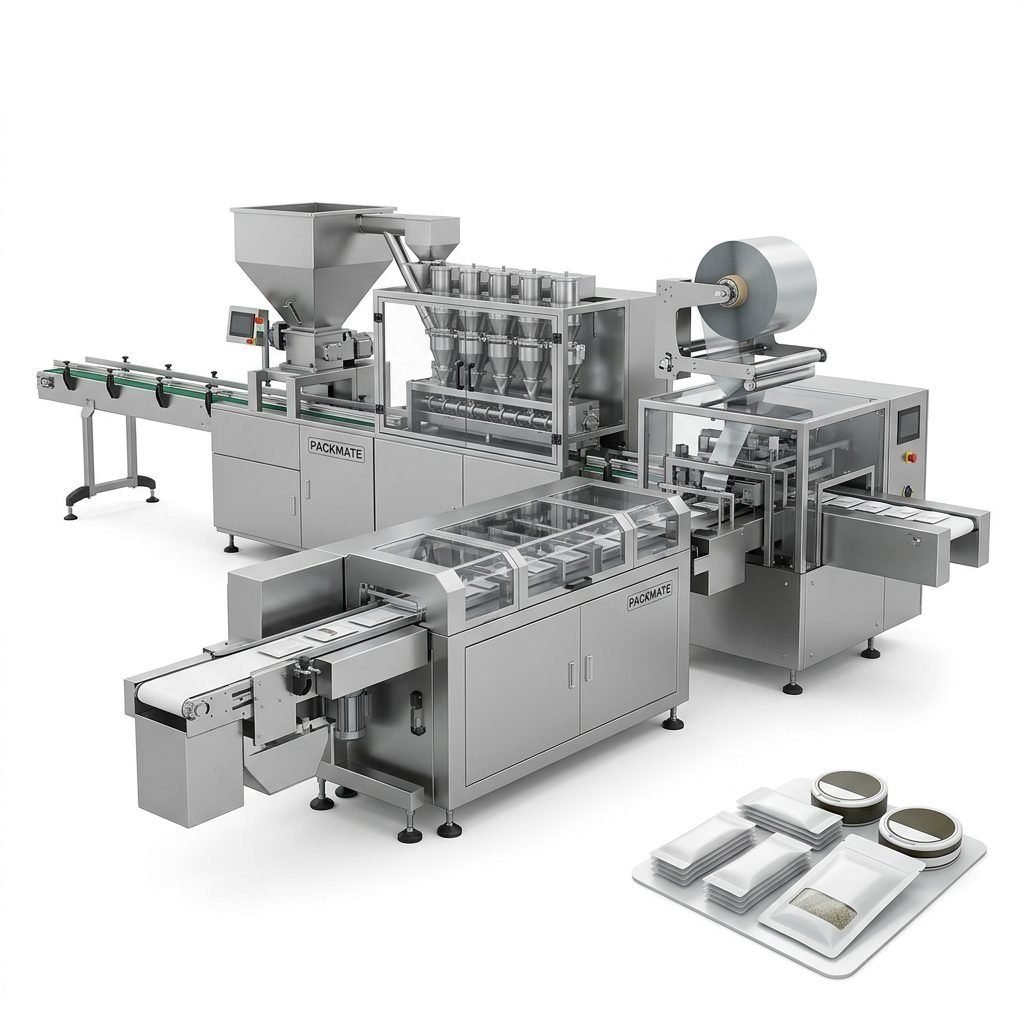
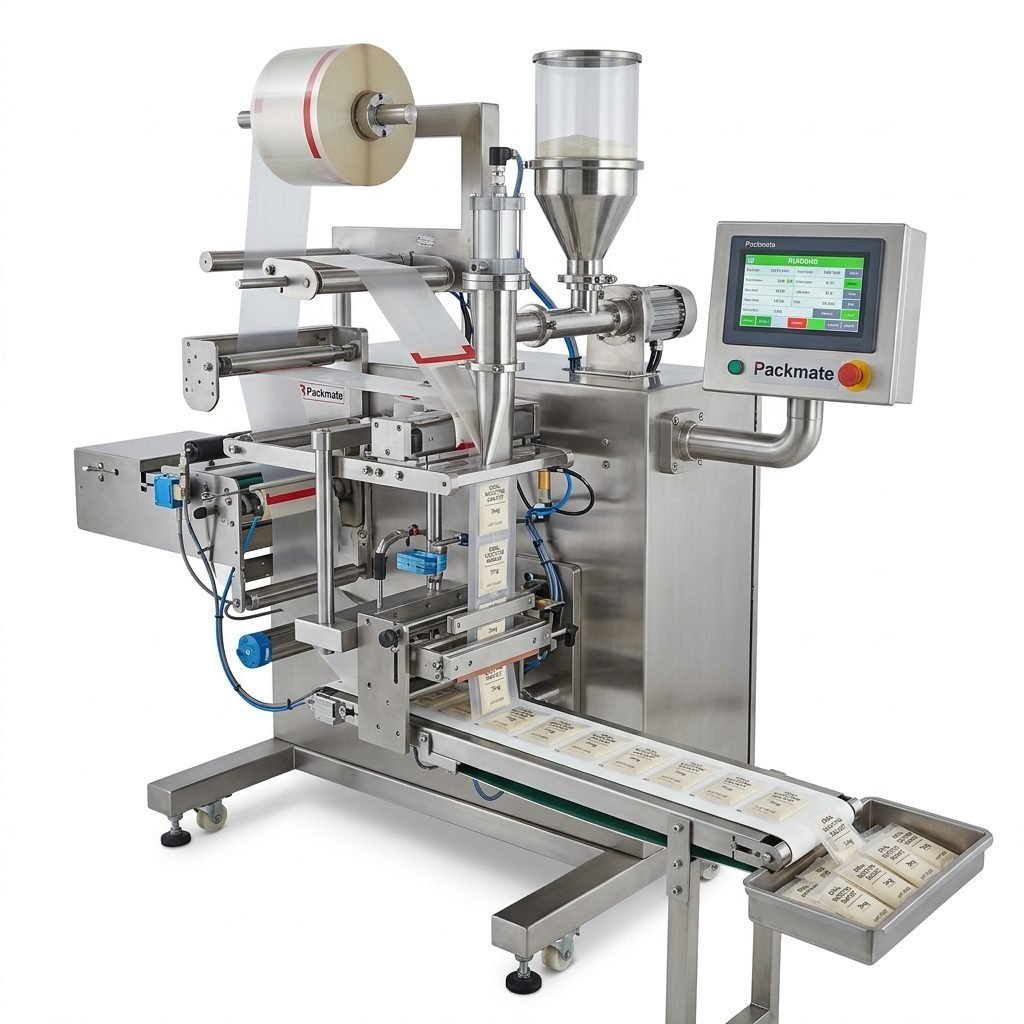
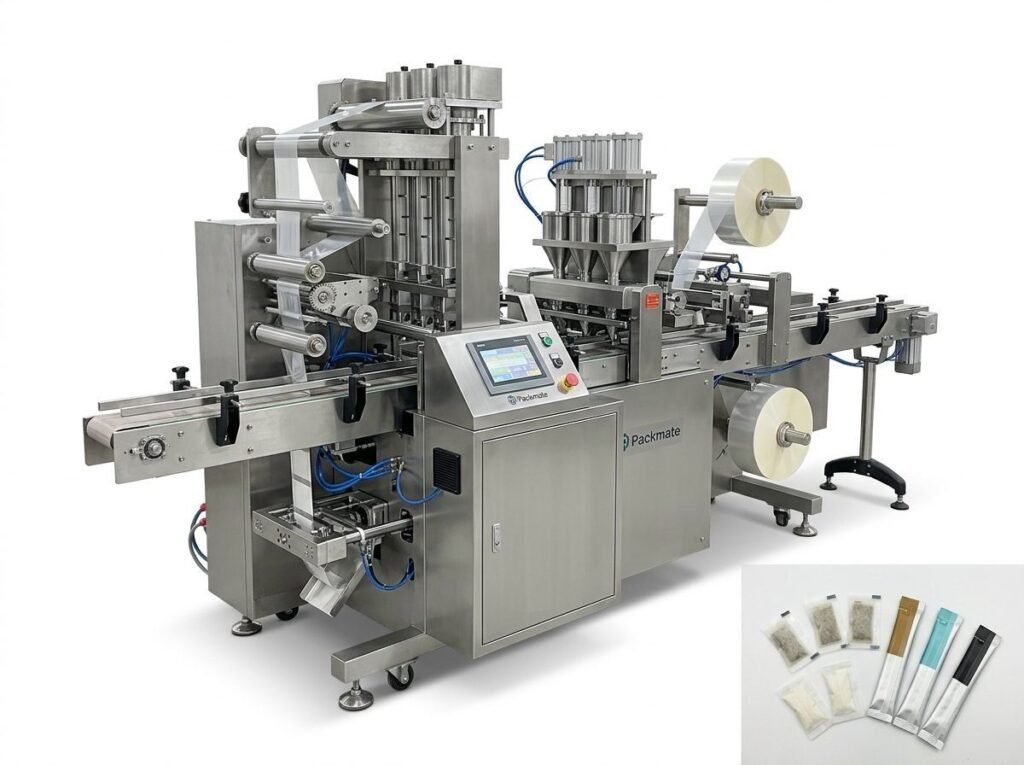
In modern snus and nicotine pouch production, automated lines transform small-batch artisanal processes into high-throughput, consistent, and compliant manufacturing systems. This guide walks through the design, equipment, workflow, and commercial considerations for a complete Automated Snus Production Line, helping packaging managers, engineers, and business owners evaluate options for efficiency, cost control, and long-term scalability.
Why Automate Snus Production? Key Benefits
Automation in snus production delivers predictable output, lower labor costs, and superior product consistency. Leading reasons manufacturers switch to automated systems include:
✔ Increased throughput: Multi-lane machines and continuous feeding dramatically raise hourly pouch counts.
✔ Improved accuracy: Precise dosing reduces product waste and ensures regulatory compliance.
✔ Cost control: Reduced manual handling and optimized material usage lower per-unit costs over time.
Core Components of a Complete Line
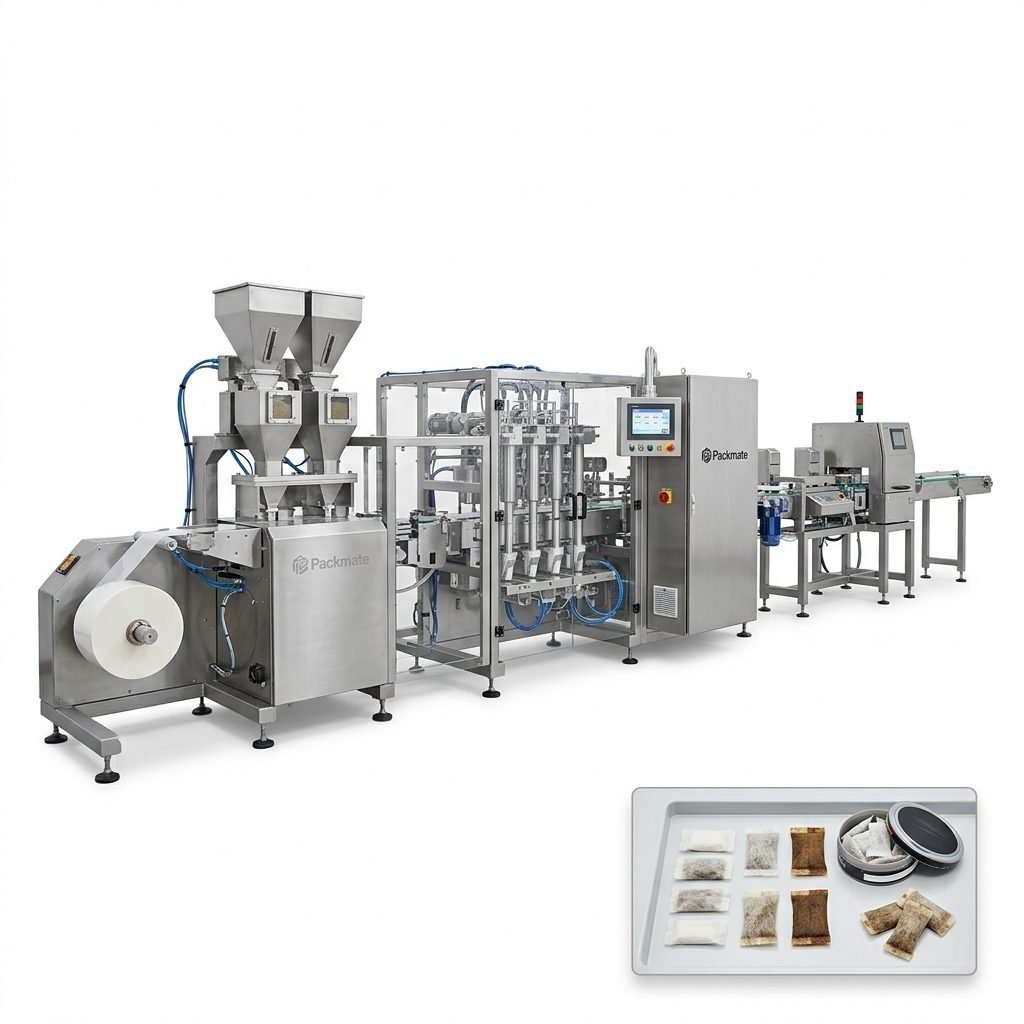
A turnkey snus production line typically integrates multiple subsystems. Each is selected for capacity, product form (loose snus, portion pouches, sachets), and desired speed:
- Pre-mixing & formulation systems for blending tobacco or nicotine base with additives and humectants.
- Weighing & dosing modules to ensure precise micro-dose filling — essential for compliance and consumer consistency. See advanced options at Weighing & Packaging Systems.
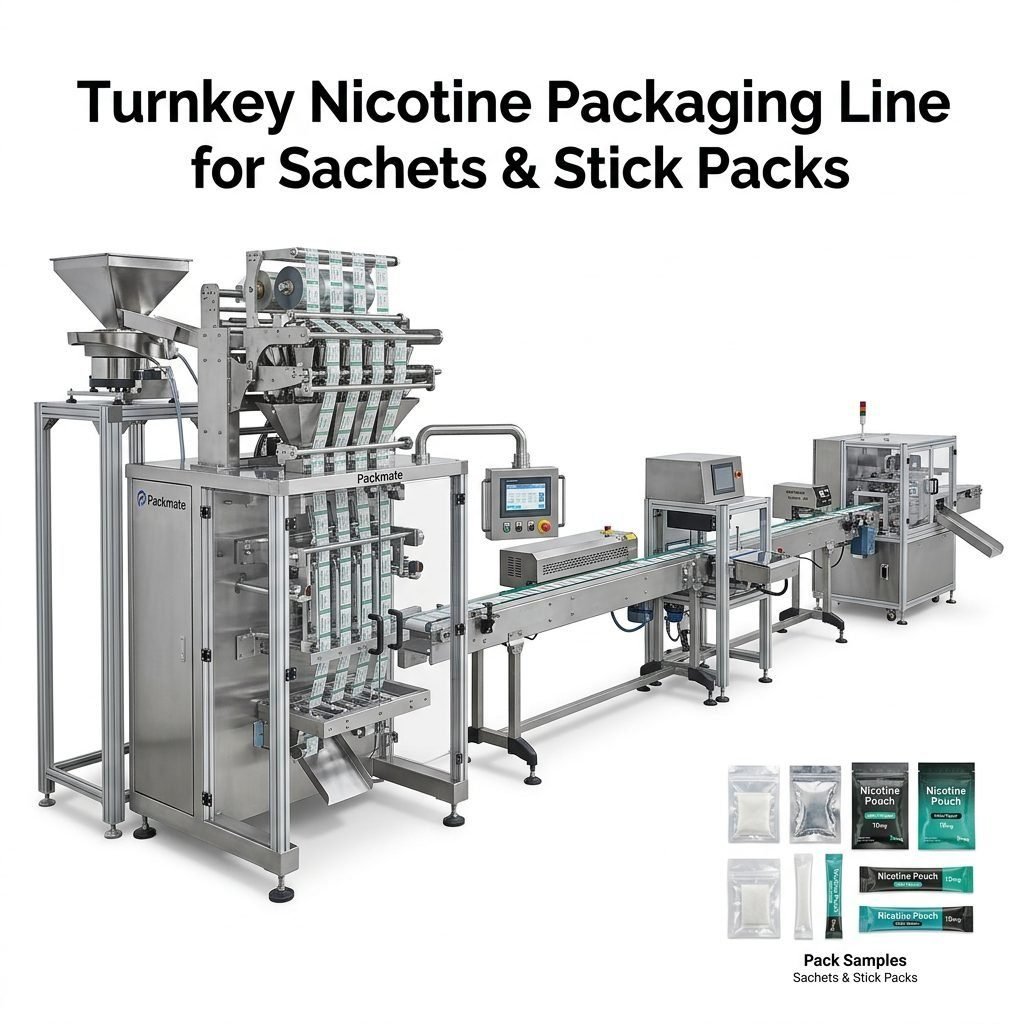
- Filling & pouch forming machines that create and seal single- or multi-lane pouches — including stick packs and sachets. Check Filling & Packaging Lines for examples.
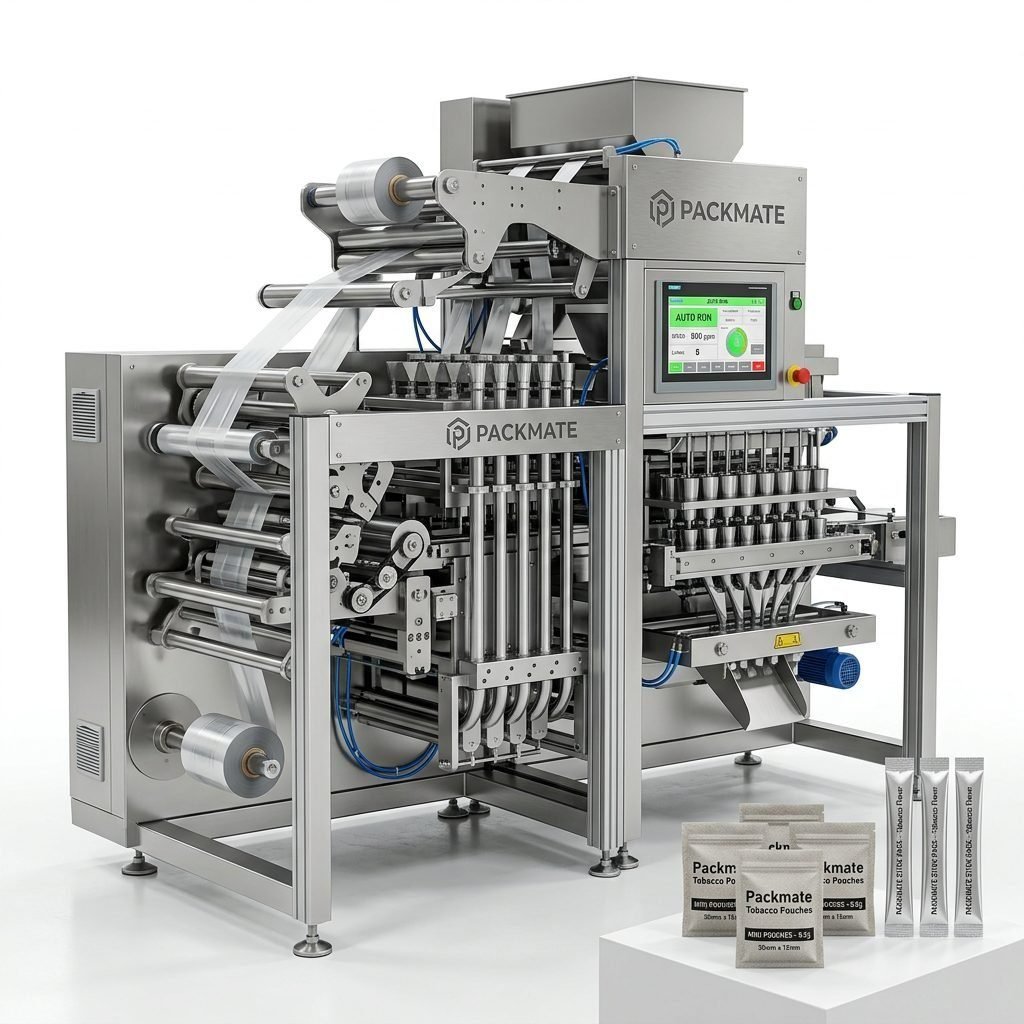
- Multi-lane pouch packers for high-speed portion production (the backbone for high-volume snus factories).
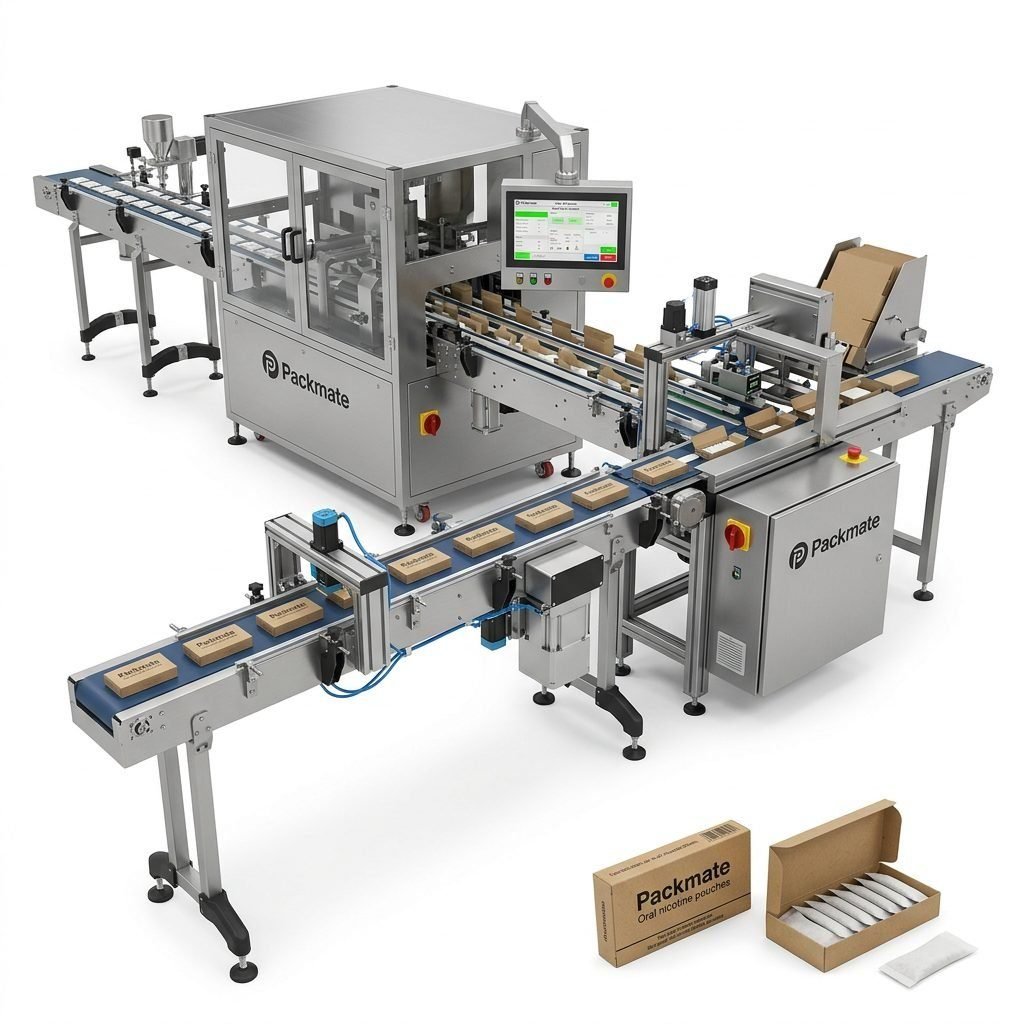
- Secondary equipment: case packers, labeling units, metal detectors, checkweighers, and quality inspection cameras.
Machine Types & Features to Prioritize
Not all machines are created equal. When evaluating vendors, look for these features:
⚙️ High-precision dosing: Electronic weighing systems with fast feedback loops minimize variance.
⚙️ Multi-lane configurations: Scalable lanes (4, 8, 12+) offer modular growth.
⚙️ Tool-free changeovers: Quick format changes reduce downtime for different pouch sizes or recipes.
Typical Production Workflow
An automated snus line follows a series of validated steps to guarantee product quality and compliance. A representative workflow:
- Raw material intake & QC sampling.
- Mixing/blending to spec and resting/hydration if required.
- Precision weighing and metering to pouch fillers.
- Pouch formation, filling, sealing (single-lane or multi-lane).
- Inline inspection, weight checks, and metal detection.
- Secondary packaging: desiccants, cartons, and palletizing.
Inline Quality & Compliance Controls
Quality control is integrated throughout the line. Essential checks include:
- Automated checkweighers to reject under/overweight pouches.
- Vision systems to verify seal integrity and label accuracy.
- Sampling procedures and traceability via batch codes and production logs.
- Compliance with CE and ISO standards for global markets — confirm vendor certifications and documentation.
Design Considerations for High Efficiency
Efficiency is achieved by thoughtfully balancing mechanical speed, changeover time, and waste reduction. Important design choices include:
Multi-lane vs single-lane: Multi-lane systems multiply throughput but require precise synchronization.
Automation level: Fully automated lines reduce labor but increase upfront investment. Consider semi-automated options for lower-volume operations.
Modularity: Choose equipment that permits phased expansion — add lanes, a filler, or a secondary packer as demand grows.
Customization, Turnkey Solutions & Vendor Selection
Select a supplier who offers tailored integration, field engineering support, and spare parts availability. Packmate operates a large manufacturing facility and offers turnkey lines covering pouch filling, stick pack, and sachet systems. Explore product categories like Snus & Nicotine Packaging Machines and Sachet & Stick Pack Machines for model examples.
When evaluating vendors, consider:
- Engineering depth and factory capacity (CNC, assembly lines).
- After-sales service, spare parts lead times, and training offerings.
- References and case studies across regions you plan to sell into.
Installation, Commissioning & Staff Training
A successful line delivery includes careful planning for site utilities, floor layout, and operator training. Typical project phases:
- Site survey and utility checks (electrical, compressed air, drainage).
- Factory acceptance testing (FAT) before shipment.
- On-site commissioning and performance qualification (PQ).
- Operator and maintenance training with SOPs and spare parts lists.
Maintenance & Lifecycle Support
Routine maintenance extends machine life and reduces unexpected downtime. Recommended practices:
- Scheduled preventive maintenance with documented checklists.
- Keep a critical spares kit on-site: seals, sensors, belts, and electrical components.
- Remote diagnostics and firmware updates when available can speed troubleshooting.
Cost Considerations & Typical Budget Items
Budget planning should consider both equipment costs and indirect expenses:
- CapEx: core machines, conveyors, and automation PLC/HMI systems.
- Installation & commissioning costs.
- Packaging materials and tooling for initial SKUs.
- Validation, staff training, and regulatory documentation.
- Ongoing Opex: utilities, maintenance, spare parts, and labor.
Real-World Case Uses & Market Reach
Packaging providers with global exhibition participation and cross-region installations provide the strongest proof of capability. Many OEMs showcase production lines at trade shows and publish case studies demonstrating multi-lane throughput and long-term uptime performance. For real examples and partnership references, view the supplier’s case page and exhibition history such as Case and Our Exhibition.
Selecting the Right Line for Your Product
Product form drives equipment choice. For example:
- Loose snus in cans may prioritize dosing & canning lines.
- Portion pouches (small-dose) benefit from precision multi-lane fillers and high-speed packetters.
- Stick packs and sachets are well-served by vertical form-fill-seal (VFFS) or stick pack machines listed under Bag & Pouch Packaging Machines.
Where to Learn More & Next Steps
Start by mapping required throughput, product forms, and regulatory destinations. Request detailed line layouts, FAT records, and references from suppliers. Vendor pages such as the company About and Service pages help confirm capabilities and support: About Packmate and Service.
Common Questions (FAQs)
Q1: How quickly can a turnkey snus line be delivered and commissioned?
A: Typical lead times vary by complexity. Standard multi-lane lines often require 12–20 weeks for manufacturing and FAT, with additional 2–6 weeks for shipping and on-site commissioning. Customizations extend timelines.
Q2: What certifications should I expect from a reputable supplier?
A: Suppliers should provide CE and ISO documentation, electrical and safety test reports, and detailed machine manuals. Confirm traceability of critical components and compliance with local import regulations.
Q3: Can I scale a line gradually without replacing core equipment?
A: Yes — modular, multi-lane designs allow phased expansion. Start with fewer lanes or lower automation and add lanes, fillers, or automation modules as volume grows.
Q4: What ongoing costs should I budget for after purchase?
A: Plan for spare parts, scheduled maintenance, consumables (seals, gaskets), operator wages, and potential software updates. Service contracts reduce downtime and can be cost-effective for busy lines.
Q5: How do I verify a supplier’s performance before purchase?
A: Request FAT records, customer references, and case studies. Visit exhibitions or the supplier’s factory when possible, and review maintenance and spare parts lead times to ensure long-term support.