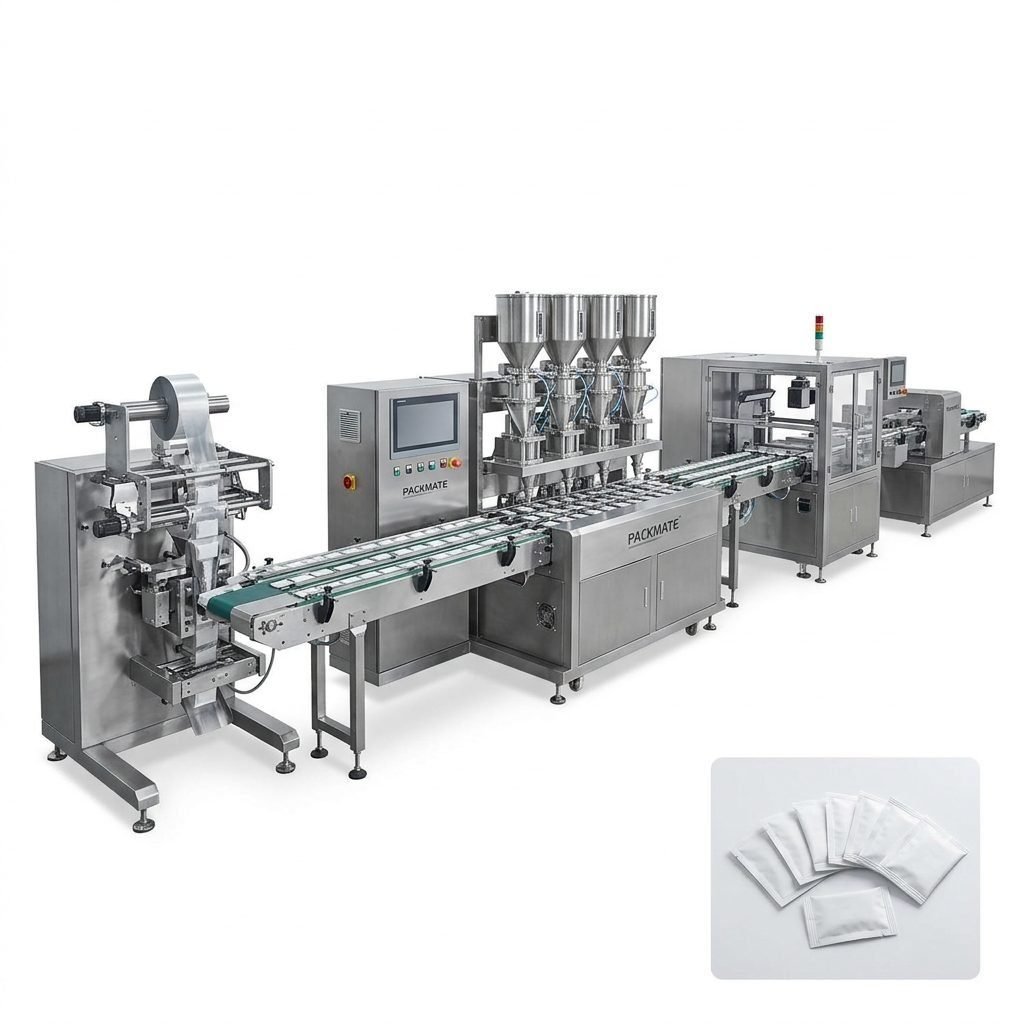
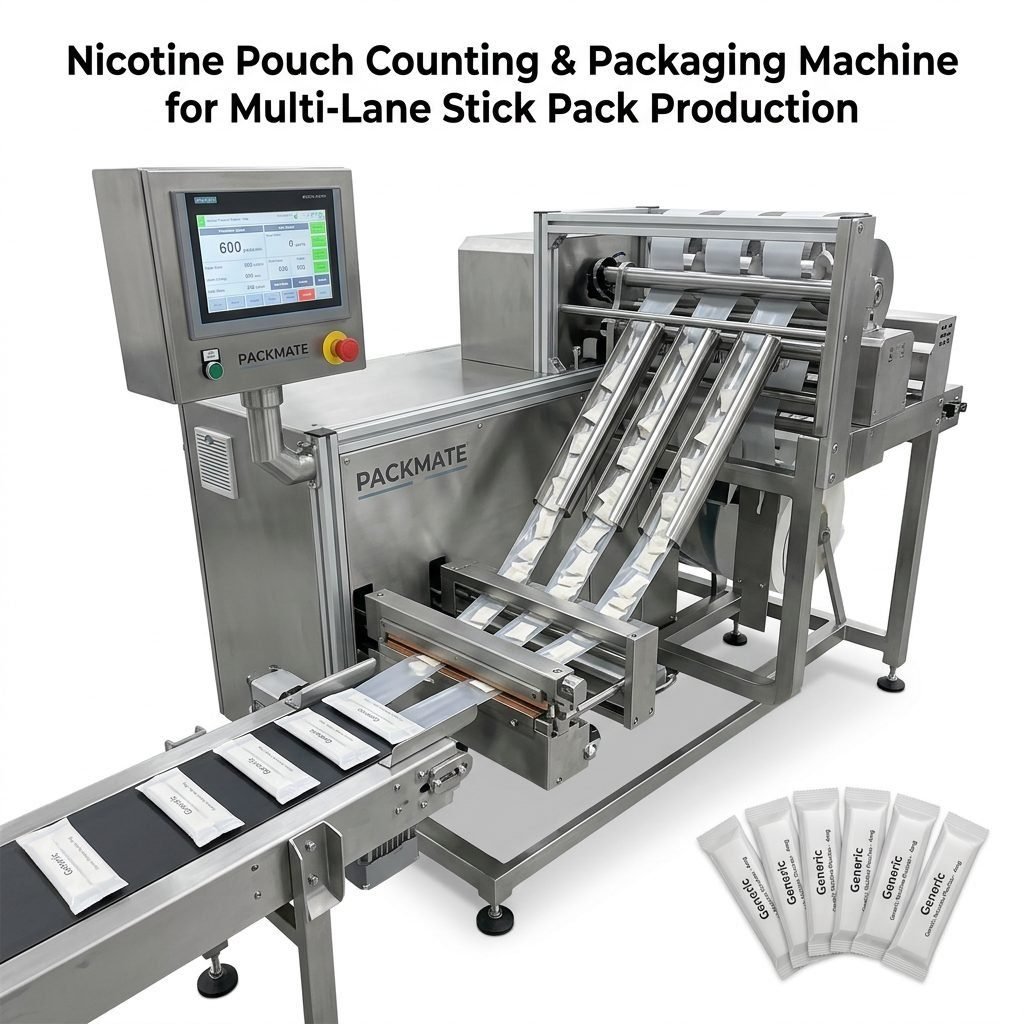
Choosing the right manufacturer for snus and nicotine pouch packaging equipment is a strategic decision that affects product quality, production uptime, regulatory compliance, and long-term cost of ownership. This guide walks packaging managers, procurement specialists, and production engineers through the most important factors to evaluate when selecting a reliable snus packing equipment supplier, including machine features, factory capabilities, customization options, certifications, and after-sales support.
Why a Specialized Snus Machine Manufacturer Matters
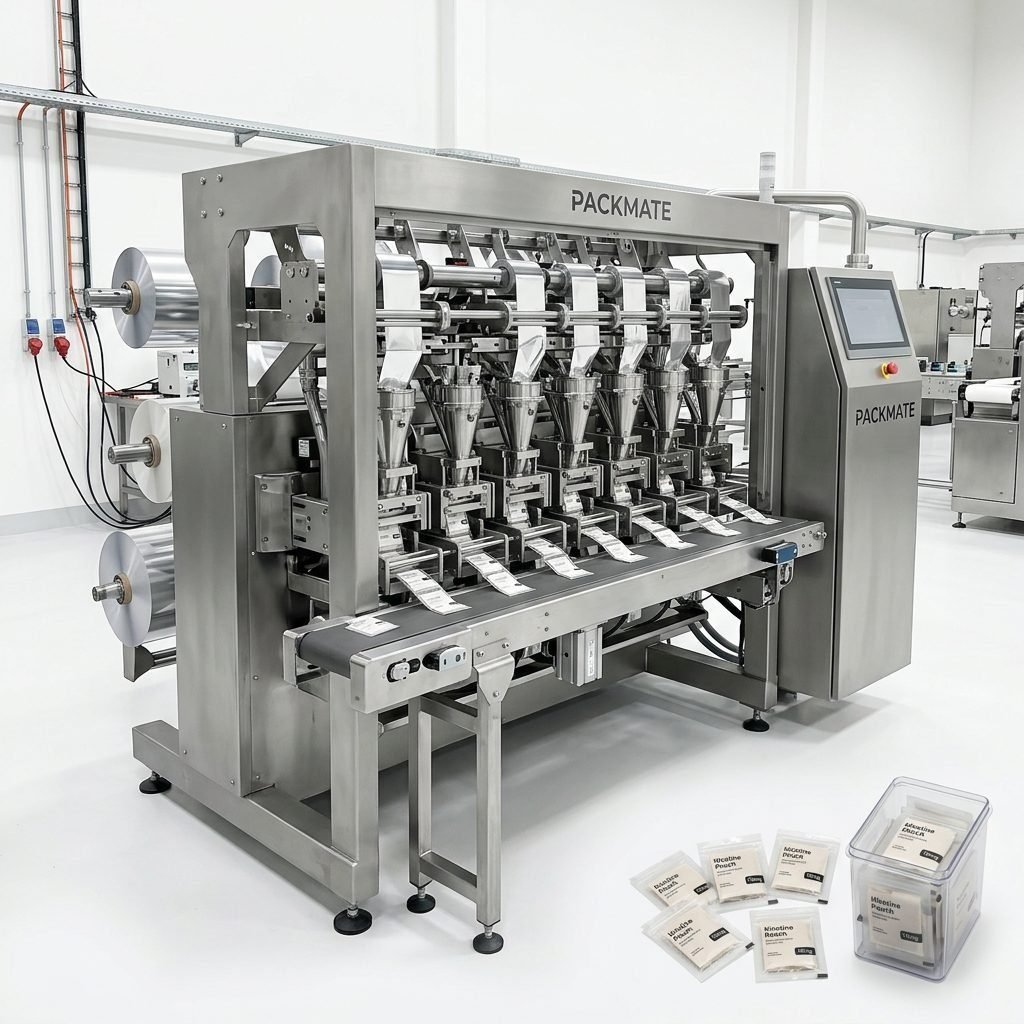
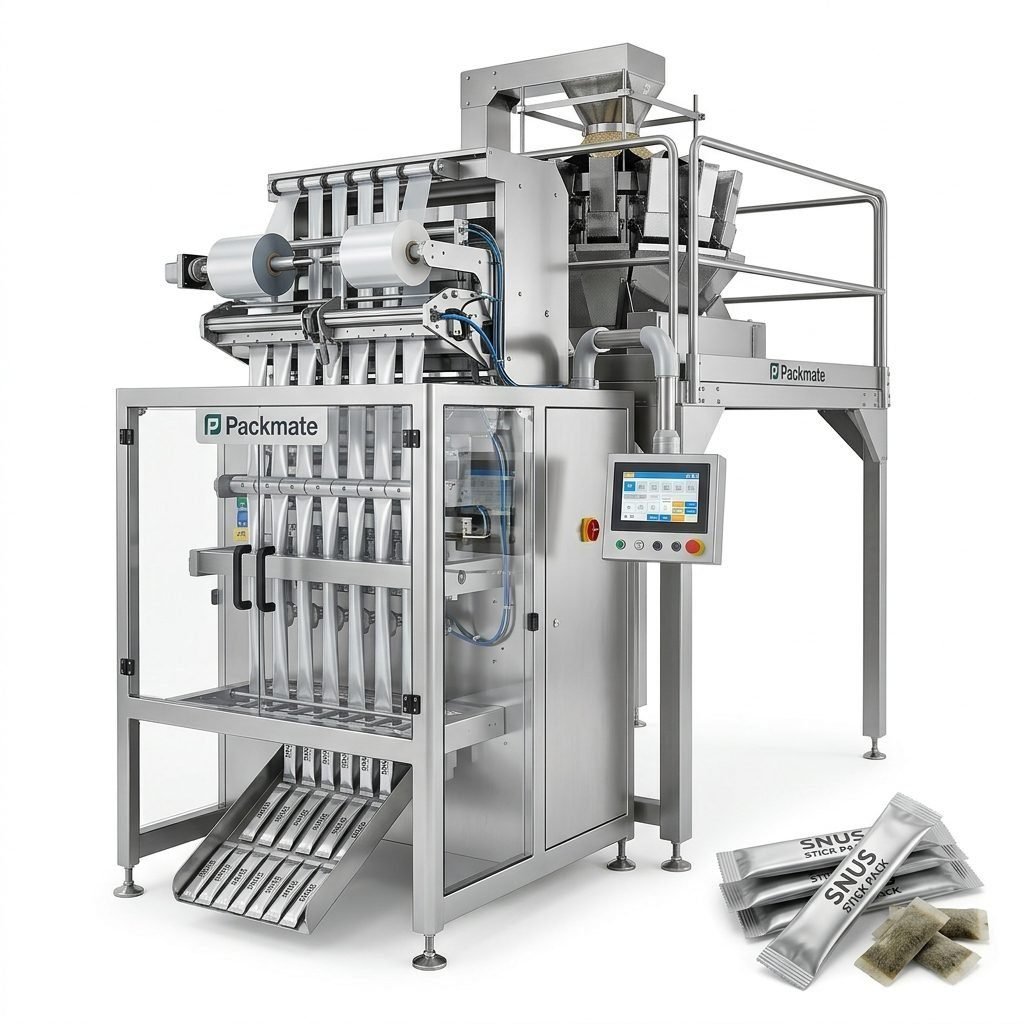
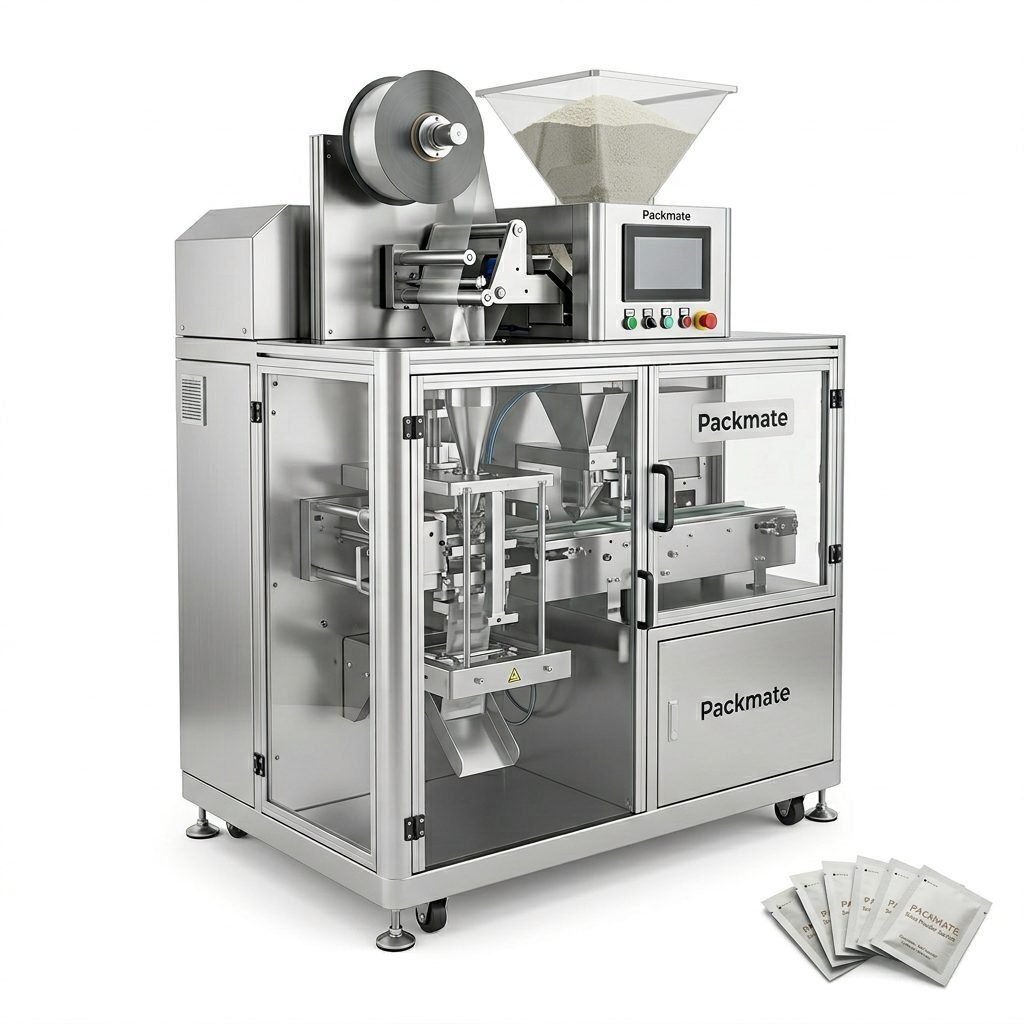
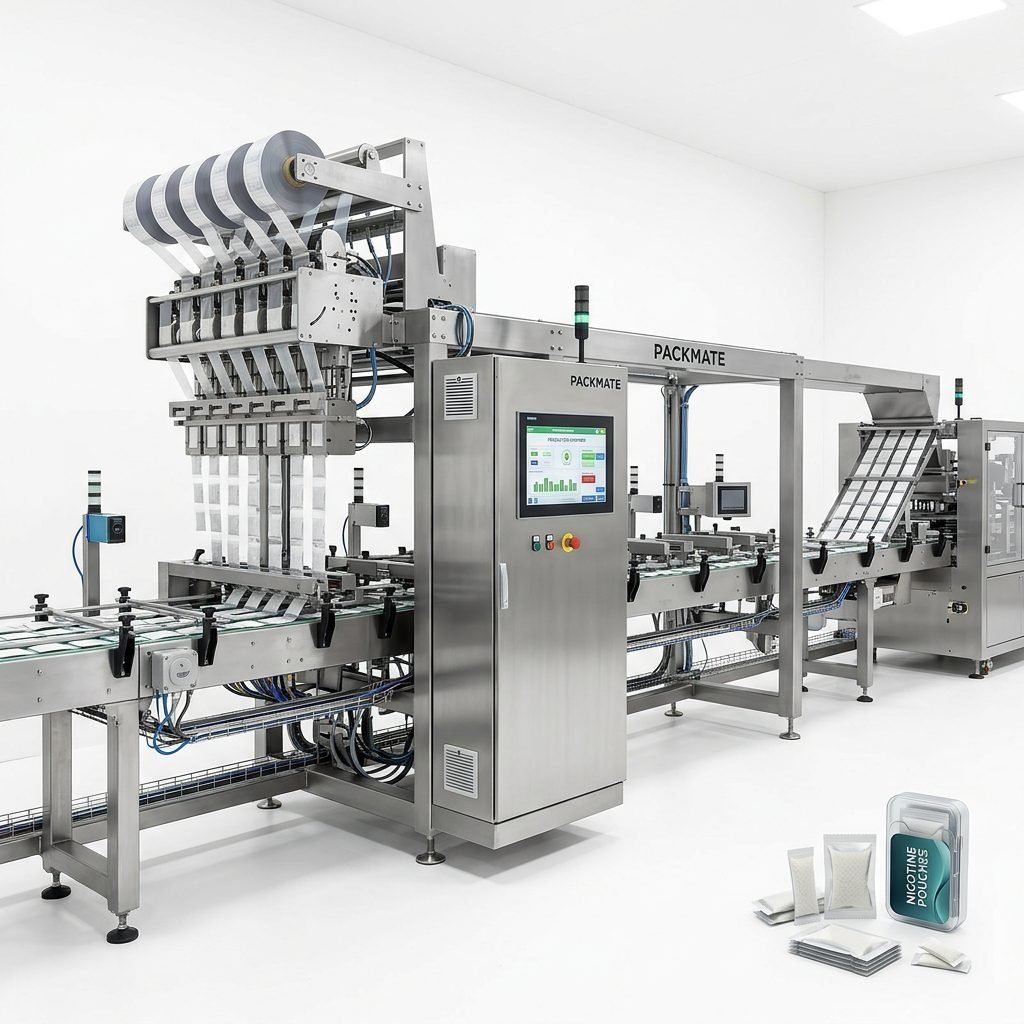
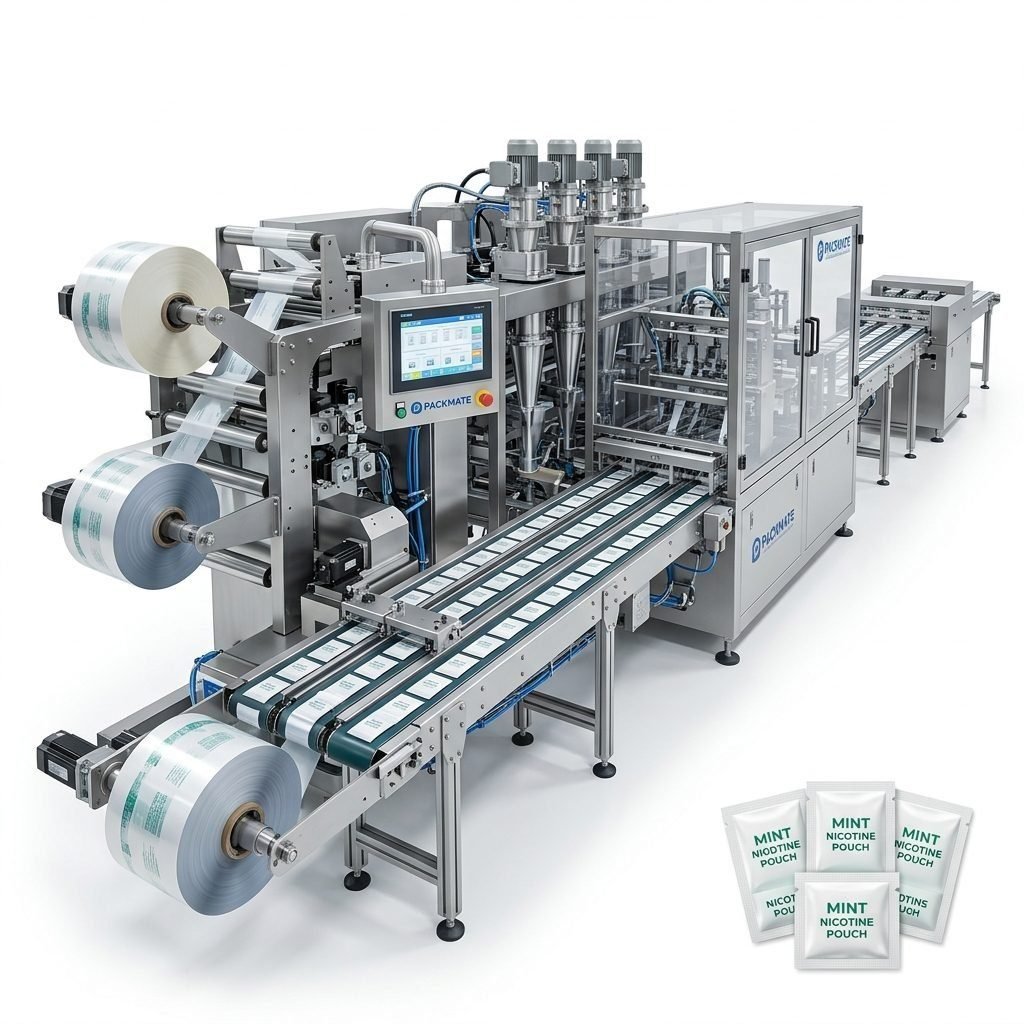
Snus and nicotine pouches present unique packaging challenges: precise dosing of small-volume powders or granules, strict hygiene and contamination control, accurate multi-lane synchronization for high-throughput lines, and flexible packaging formats like sachets, stick packs, and multi-lane sachet lanes. A manufacturer with focused experience can deliver machines optimized for small-dose accuracy, minimal maintenance downtime, and consistent sealing quality that protects product stability.
Key Performance Attributes to Prioritize
Look for equipment that demonstrates: high dosing accuracy, reliable sealing for moisture-sensitive products, stable multi-lane synchronization, PLC controls with recipe management, and sanitary design for easy cleaning. Machines designed with serviceability in mind reduce mean time to repair and keep production lines running smoothly.
Important: Verify dosing precision (targeting ±X% as specified by your product needs), sealing integrity under varied humidity, and whether your supplier offers multi-format tooling to switch packaging styles quickly. These elements directly affect yield and rework rates.
Factory Strength and Manufacturing Transparency
The manufacturer’s factory capabilities directly influence delivery lead times, machine quality, and custom development speed. A well-equipped facility with CNC machining centers, precision assembly lines, and strict quality control systems ensures consistent tolerances and component repeatability. When evaluating vendors, request a virtual or on-site tour of their production floor and ask for evidence of machining capability and assembly processes.
Factory checklist: 20,000㎡+ manufacturing footprint, advanced CNC, ISO-aligned QA processes, and a documented assembly/testing protocol for each machine type.
Why Documentation and Traceability Matter
Detailed drawings, BOMs, calibration records, and acceptance test reports help ensure consistent machine performance across deliveries. Ask the manufacturer for sample documentation, FAT reports, and component traceability procedures; these records are essential for audits and future maintenance planning.
Customization & Turnkey Solutions
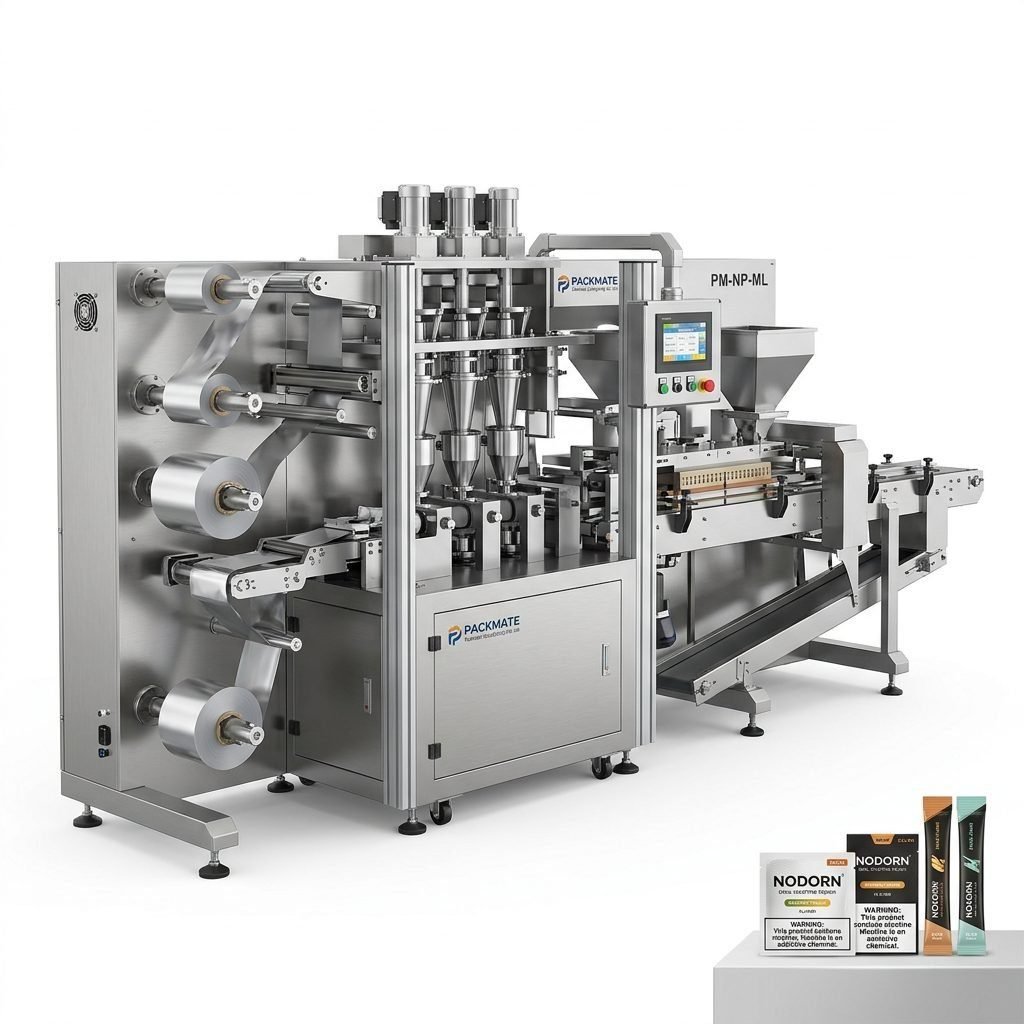
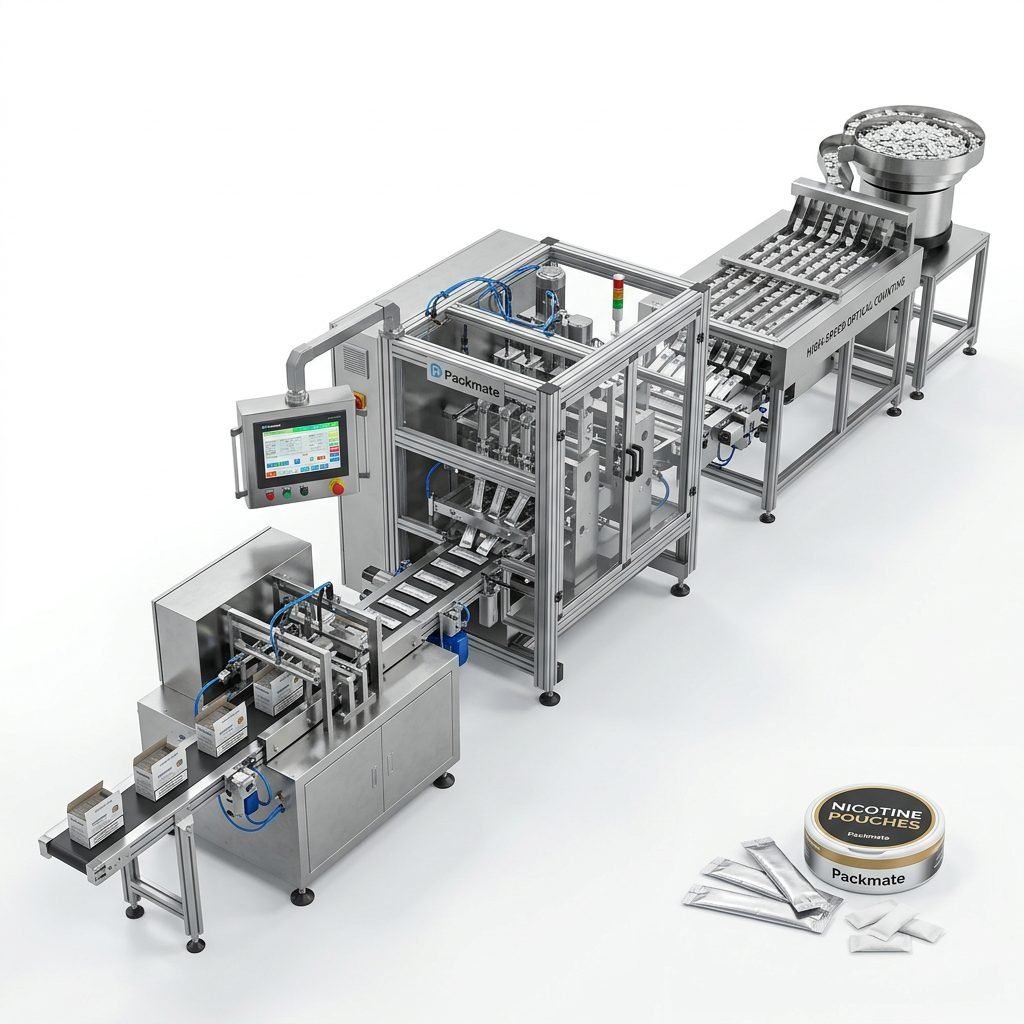
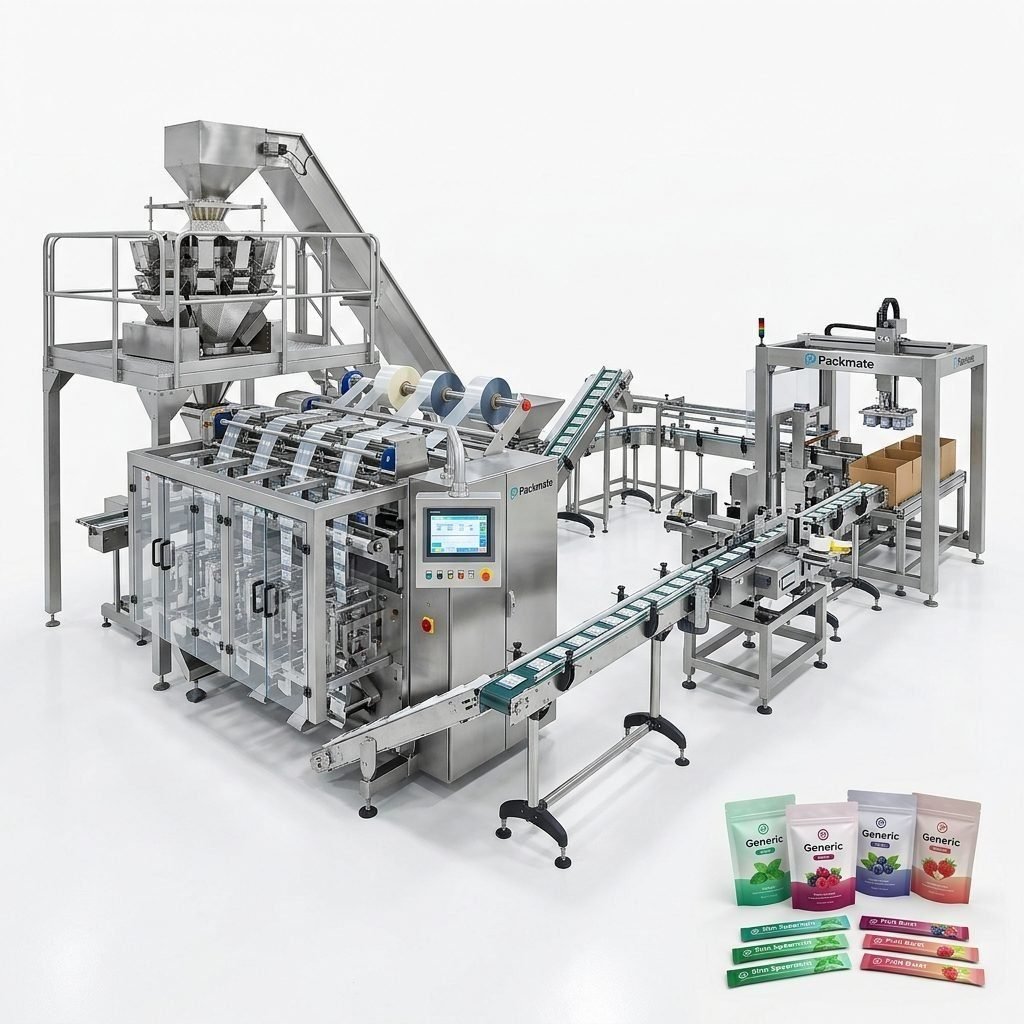
Each snus product formulation and market requirement can demand unique solutions: different pouch sizes, barrier films, dosing methods, or multi-lane configurations. Manufacturers that offer turnkey solutions — integrating weighing, feeding, forming, sealing, metal detection and automatic packaging — reduce supplier management complexity and provide optimized line integration.
Explore examples of integrated lines and ask for references or case studies that mirror your intended production scale. A supplier experienced with full lines will better manage changeovers, upstream feeding systems, and downstream secondary packaging.
Tip: Seek modular designs that allow future capacity upgrades without replacing the entire line.
Certifications, Compliance & Quality Assurance
Compliance with international standards such as CE and ISO demonstrates a manufacturer’s commitment to safety and quality. For food-contact components and nicotine pouch production, hygienic design, easily cleanable surfaces, and materials with documented food-grade properties are crucial. Ask for certificates, test reports, and machine acceptance criteria tied to regulatory requirements in your target markets.
Factory Acceptance and Performance Tests
Ensure the supplier performs Factory Acceptance Tests (FAT) with product-similar materials and provides video or live-streamed demonstrations. FAT should include run-time stability tests, sealing integrity checks, and dosing accuracy logs across a sustained period. Acceptance criteria should be defined in the contract.
Spare Parts, Service & Technical Support
After-sales support is as important as the sale itself. Verify lead times for critical spare parts, availability of local service engineers or remote troubleshooting, and whether the manufacturer provides training for operators and maintenance teams. A strong parts inventory and clear support SLA reduce downtime and improve return on investment.
Service promise: Fast spare parts dispatch, remote PLC access for diagnostics, and scheduled preventive maintenance plans are minimum expectations for reputable suppliers.
Case Studies & Global References
Examine the supplier’s project portfolio and ask for references in relevant markets. A manufacturer with successful installations across Europe, Asia, and the Americas demonstrates adaptability to different regulations and packaging standards. Real-world case studies reveal how machines perform under production constraints and help set realistic expectations for throughput and uptime.
Learn more about practical implementations and product lines from the manufacturer’s online resources:
Snus & Nicotine Packaging Machines ·
Bag & Pouch Packaging Machines ·
About Packmate ·
Contact Us
Total Cost of Ownership vs. Purchase Price
A low initial price can mask higher lifetime costs. Evaluate energy consumption, spare parts pricing, downtime exposure, and expected lifetime when comparing bids. Machines built with robust components and clear preventive maintenance plans usually deliver lower TCO even if upfront cost is higher.
Warranty, Upgrades and Lifecycle Management
Confirm warranty coverage, software update policies, and upgrade paths for higher speeds or additional lanes. Manufacturers that provide documented lifecycle management help customers plan capital investments aligned with demand growth.
Installation, Training & Commissioning
Proper commissioning ensures the line reaches guaranteed performance. Confirm the supplier offers on-site installation, operator and maintenance training, and a mutually agreed commissioning checklist. Training materials, spare parts kits, and digital manuals reduce ramp-up time and operator errors.
Commissioning must include: full machine validation, operator competency sign-off, and a 24-72 hour production run with product to verify performance metrics.
Technology & Automation Trends in Snus Packaging
Current trends include multi-lane sachet systems for high-output production, servo-driven stick pack lines that reduce mechanical wear, and intelligent HMI systems with recipe management for quick product changeovers. Integration with weighing and feeding systems helps ensure dosing accuracy for micro-dose nicotine pouches.
Evaluate suppliers on their ability to provide future-looking features such as Industry 4.0 connectivity for OEE monitoring, remote diagnostics, and predictive maintenance alerts.
Selecting a Supplier: A Practical Checklist
Use this checklist when comparing manufacturers:
• Experience — Years in snus/ nicotine pouch equipment and successful multi-lane installs.
• Factory Capability — CNC centers, assembly lines, QA documentation.
• Compliance — CE, ISO, and documented food-contact material approvals.
• Support — Spare parts availability, service SLA, training programs.
• Documentation — FAT reports, BOMs, SAT procedures, and maintenance manuals.
Compare proposals using consistent KPIs (throughput, yield, downtime allowance) and require the supplier to commit to acceptance criteria in the contract.
Negotiating Terms and Safeguards
Include performance-based acceptance tests, spare parts lead time commitments, training deliverables, and a warranty period in the purchase agreement. Clauses for remote support response times and escalation paths protect production schedules.
Why Choose an Experienced Partner Like Packmate
Suppliers with decades of experience bring proven designs, a broad range of machine models, and the ability to deliver turnkey solutions. Packmate Snus Machine, for example, offers 30+ years of engineering history, a wide product portfolio spanning snus and nicotine pouch packaging machines, sachet and stick pack systems, and full filling and weighing integration — backed by a 20,000㎡ manufacturing facility and global project experience.
If you need more product information or want to review specific machine models, the manufacturer’s product pages provide detailed specs and case studies to help you compare solutions.
Explore product lines: Sachet & Stick Pack Machines · Weighing & Packaging Systems
Final Considerations Before You Buy
Investing in snus packaging equipment should align with business goals: planned production volumes, product range, regulatory pressures, and scalability. Choose a partner who provides clear documentation, transparent testing, and practical after-sales support. Long-term relationships with manufacturers that invest in continuous improvement and customer service drive better uptime and lower lifetime costs.
Quick action items: schedule a factory visit or live demo, request FAT evidence with your actual product, confirm spare parts delivery SLA, and negotiate acceptance criteria before signing.
Additional Resources
For technical brochures, case references, exhibitions and contact details visit the manufacturer’s resource pages and service center to arrange demonstrations or request quotations.
See exhibitions and company credentials: Our Exhibition · Certificate
Frequently Asked Questions
Q1: How long does it take to deliver and commission a snus packaging line?
Delivery timelines vary by configuration and customization level. Standard single-machine deliveries can take a few weeks, while fully integrated turnkey lines typically require several months including design, manufacturing, FAT and shipping. Always confirm lead times in writing and schedule FAT to validate performance before shipment.
Q2: What documentation should I require before accepting a machine?
Obtain BOMs, wiring and pneumatic diagrams, FAT reports with test data, operator and maintenance manuals, spare parts lists, and software versions. These documents enable efficient commissioning and future troubleshooting.
Q3: Are snus packing machines easy to switch between product formats?
Modern designs favor modular tooling and recipe-controlled PLCs to speed up changeovers. However, the ease depends on the machine model and whether you selected multi-format tooling options. Confirm expected changeover times and required operator skills before purchase.
Q4: How do manufacturers support regulatory compliance for nicotine products?
Reputable manufacturers provide hygienic machine surfaces, food-contact material declarations, and traceable documentation to support regulatory audits. They also help with risk assessments and validation testing when needed.
Q5: Where can I see real machine installations and request references?
Request case studies, customer references, or visit trade shows where machines are demonstrated live. Visit the manufacturer’s case and service pages to review projects and contact details for references.