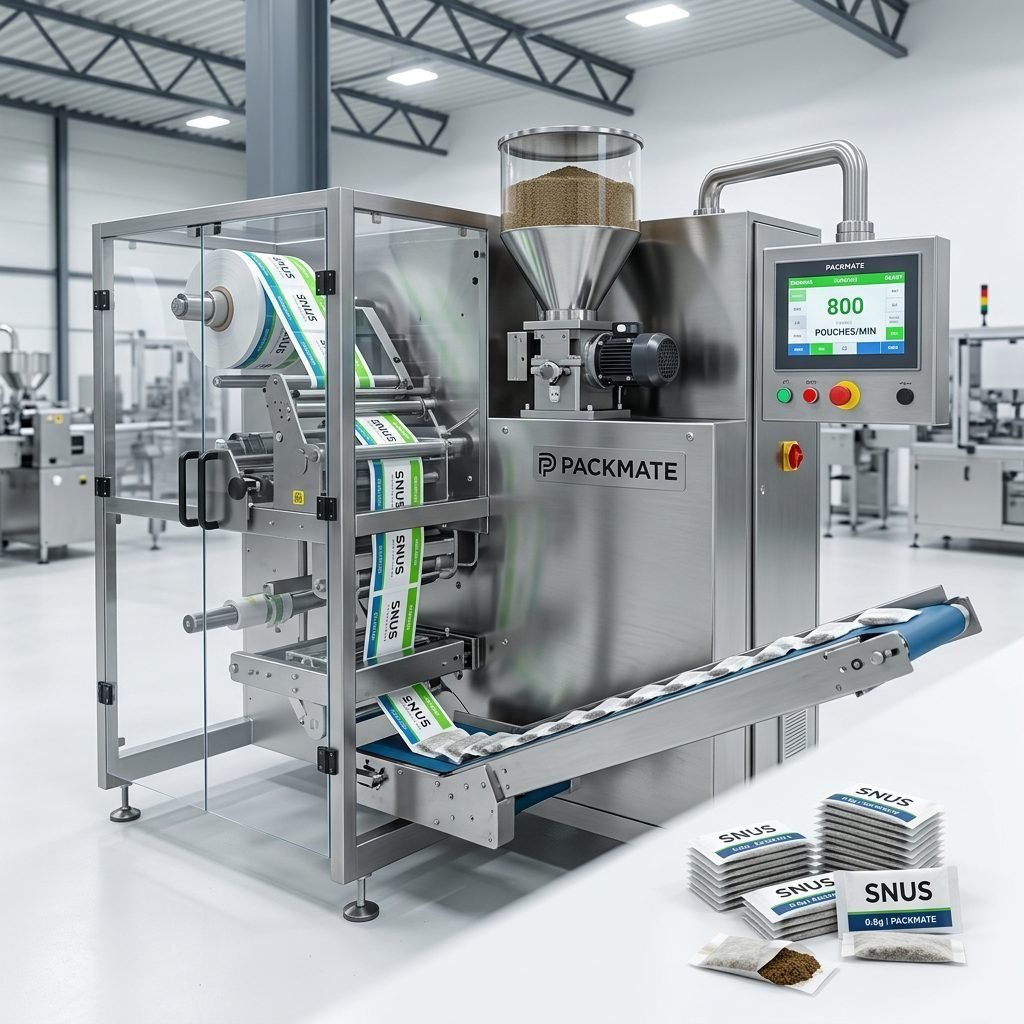
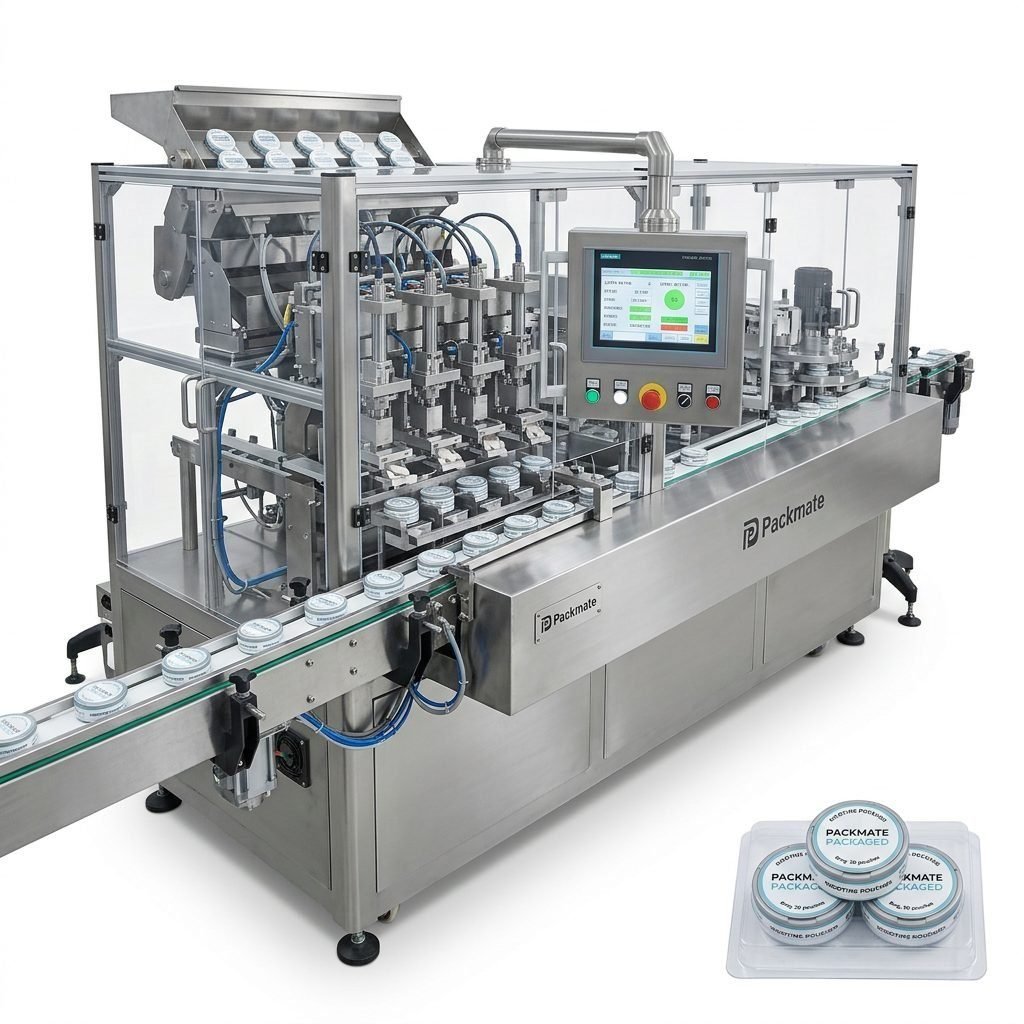
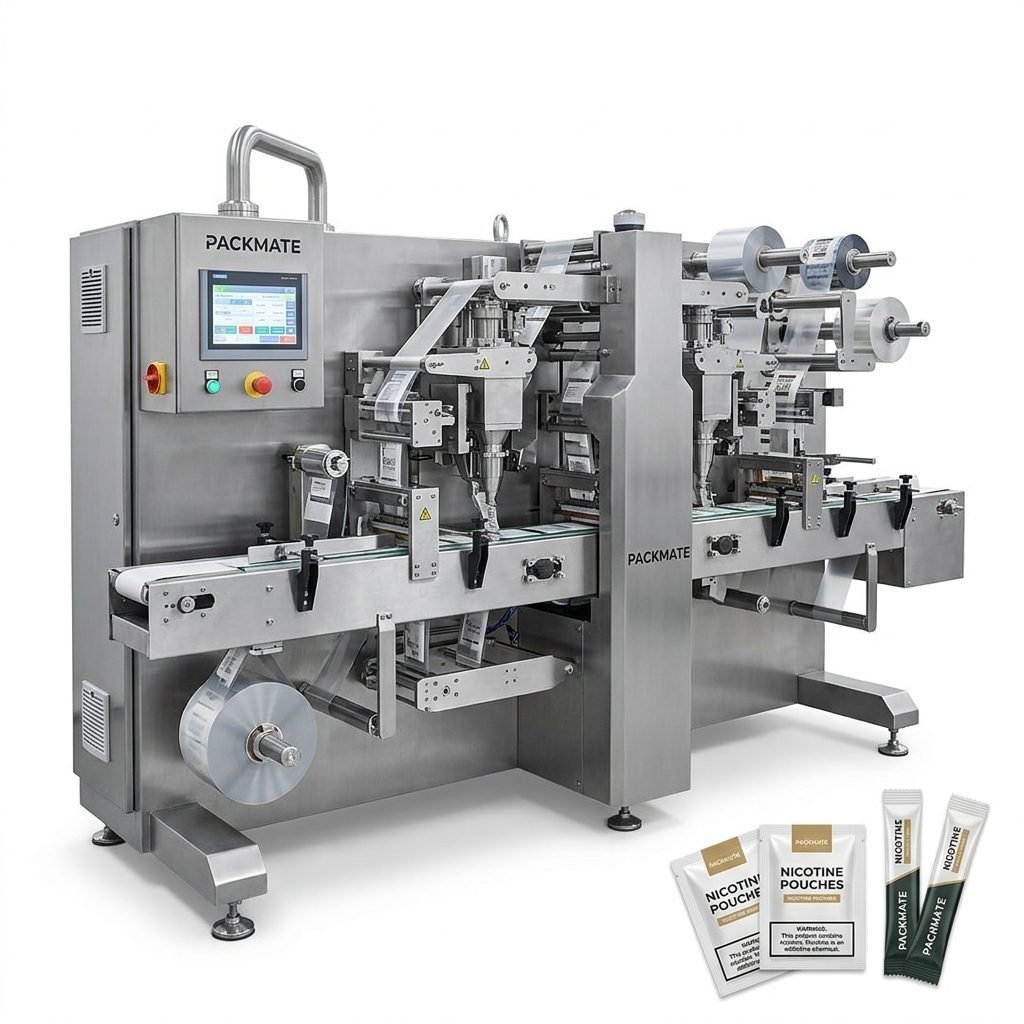
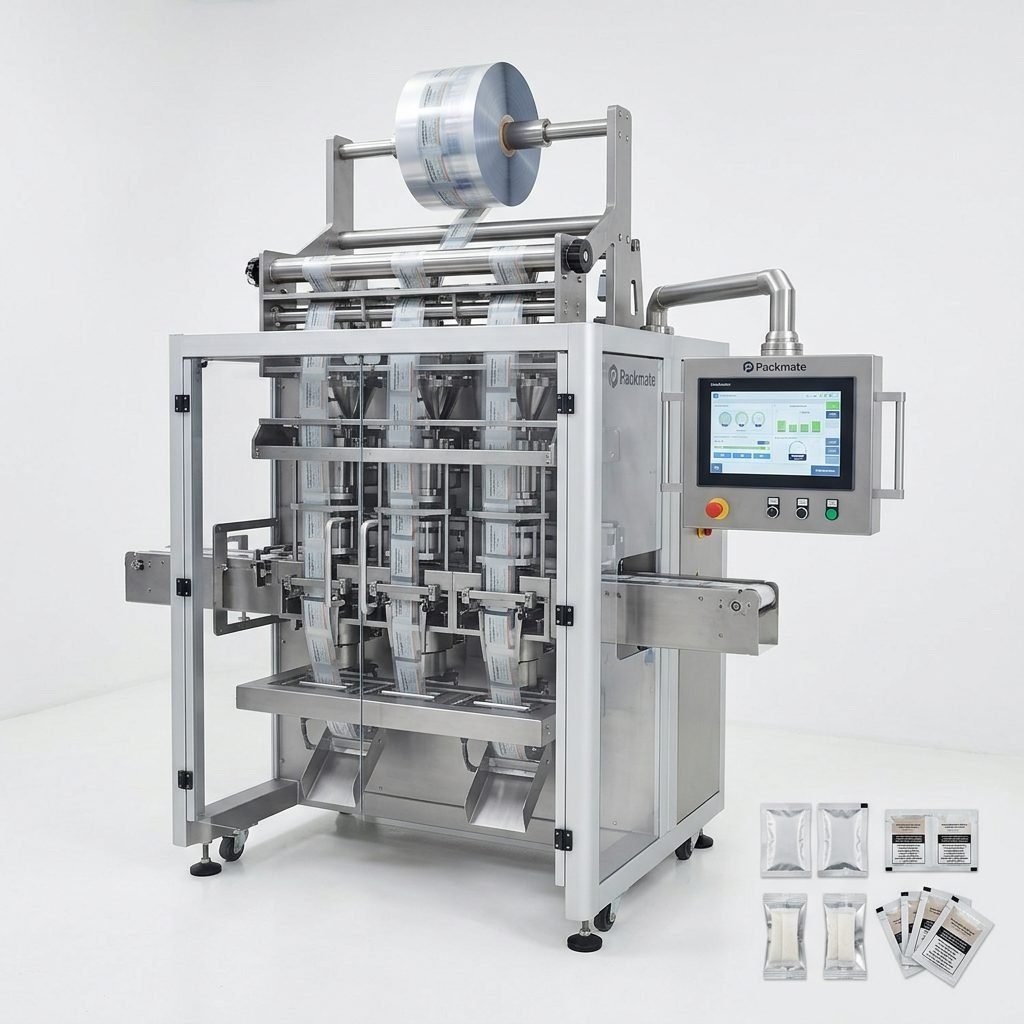
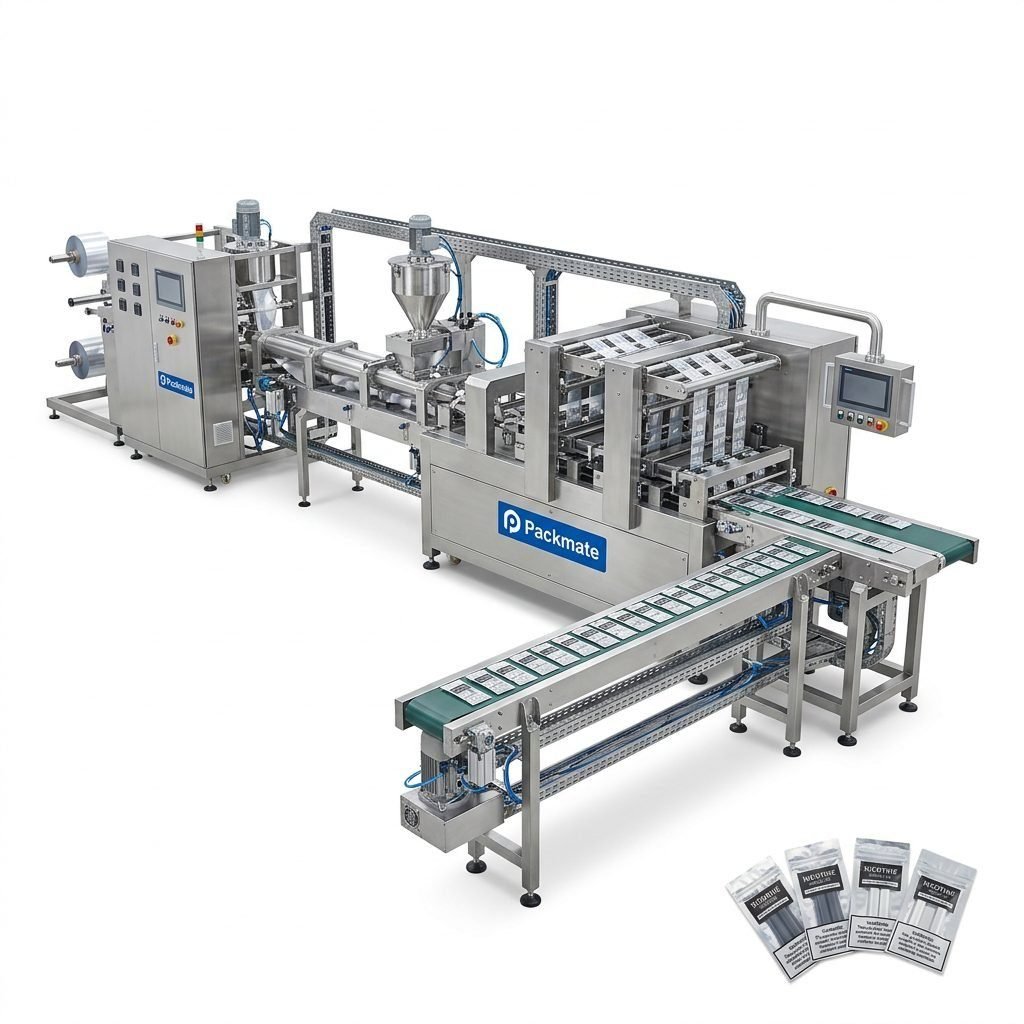
The fully automatic snus production line is the backbone for modern nicotine pouch and snus manufacturers seeking high throughput, consistent product quality, and regulatory compliance. This guide explains the core equipment, process workflow, quality controls, layout considerations, and practical strategies to reduce cost and maximize return on investment for a turnkey snus packaging solution.
Equipment Overview: What a Complete Line Includes
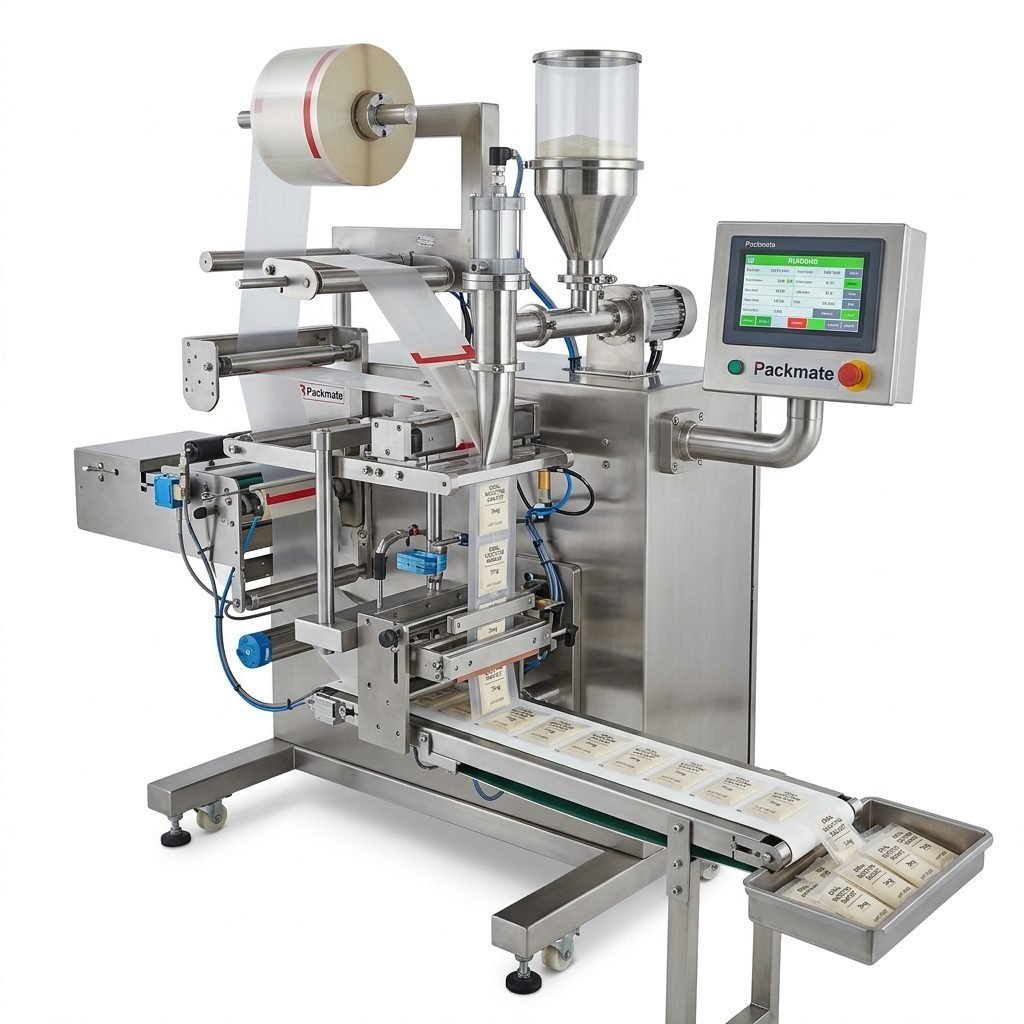
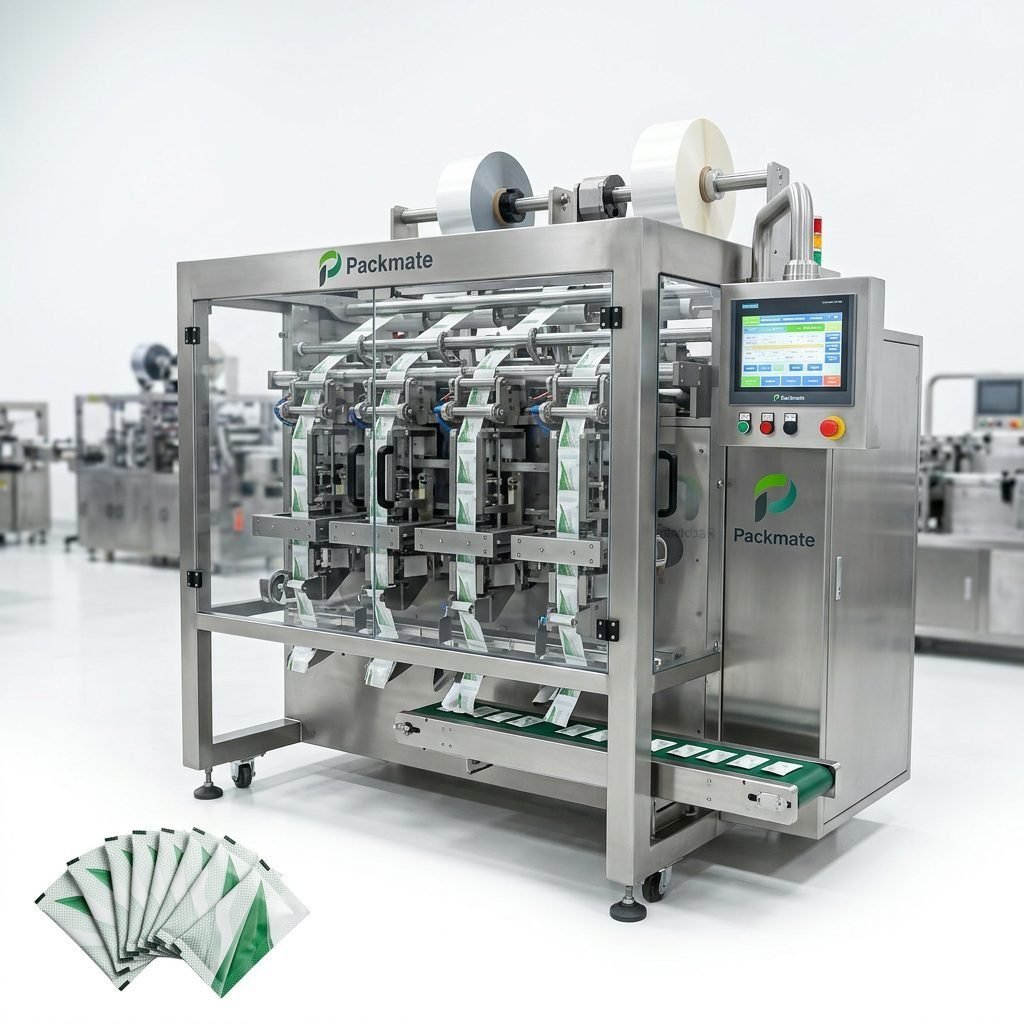
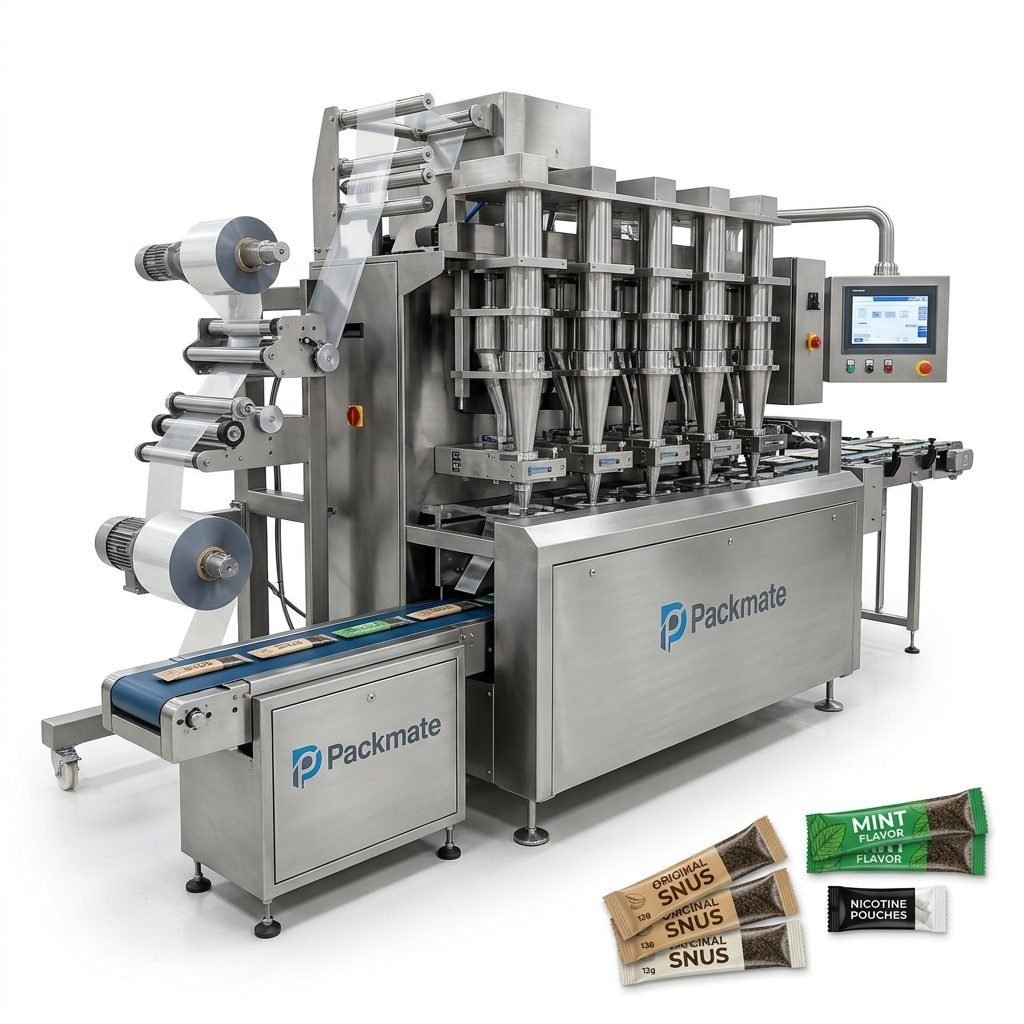
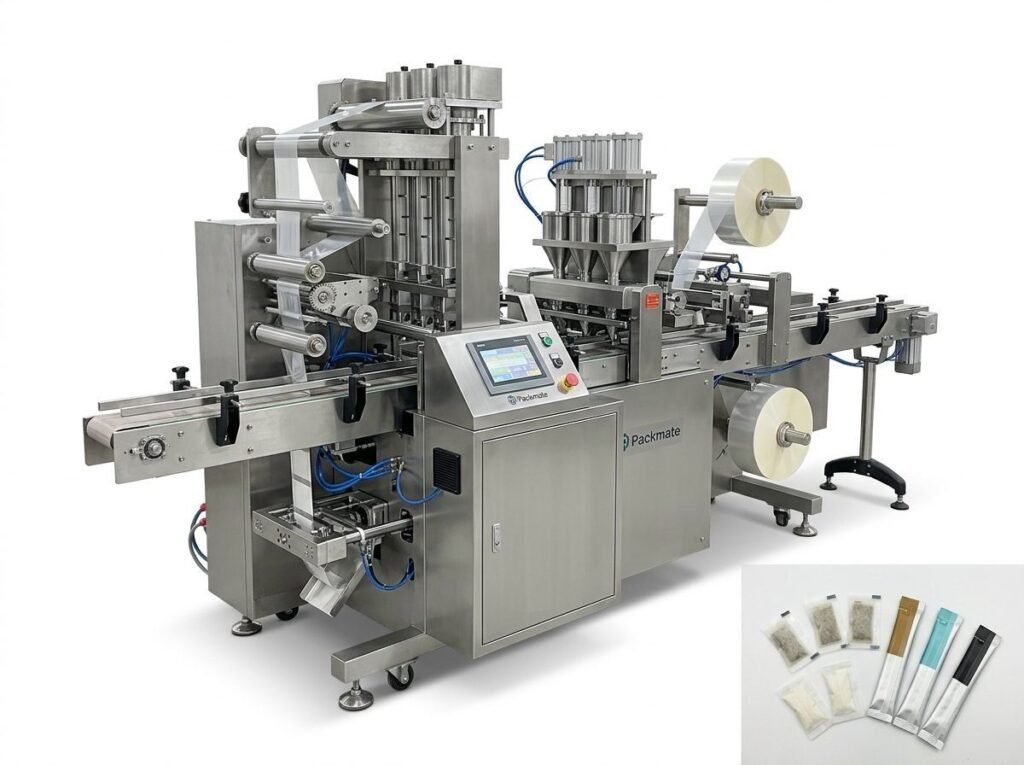
A complete automated snus production line integrates multiple specialized machines to handle material preparation, dosing, pouch formation, filling, sealing, final packaging and inspection. Typical core modules include mixing & granulating, high-precision weighing systems, multi-lane pouch forming & filling machines, vertical form-fill-seal (VFFS) or stick/sachet machines, automated cartoning, and robotic palletizing. For end-to-end solutions and model details, see the Snus & Nicotine Packaging Machines and Filling & Packaging Lines pages.
Key Machines and Their Roles
⚙️ Mixer / Blender: Ensures consistent distribution of moisture, nicotine, flavors and stabilizers across every batch. Uniform mixing is critical to avoid dose variability.
🔬 Granulator / Conditioner: Controls particle size and texture to improve pouch mouthfeel and product stability. Proper conditioning reduces dust and improves flowability for downstream dosing.
⚖️ Weighing & Dosing Systems: High-precision multi-head weighers or auger dosing systems deliver accurate micro-doses per pouch. Accuracy ±0.5% or better is achievable on modern systems when integrated with feedback controls — see Weighing & Packaging Systems.
📦 Pouch Forming & Filling Machines: Multi-lane stick pack, sachet or round pouch machines tailor the pouch format for local markets and consumer preference. The right choice affects throughput, material usage and packaging aesthetics. For machine categories check Bag & Pouch Packaging Machines and Sachet & Stick Pack Machines.
🔗 Sealing & Secondary Packaging: Heat-sealing, zip integration, and vacuum or nitrogen flushing options extend shelf life. Automated cartoners and case packers prepare products for distribution while preserving product integrity.
🛡️ Inspection & Traceability: Inline metal detectors, vision systems, and weight checks ensure safety and full batch traceability. Integrating line data with an MES improves recalls and regulatory reporting.
📌 Highlight: Choose multi-lane systems when producing small-dose pouches at scale — they multiply output without multiplying footprint and reduce per-unit packaging cost.
Typical Process Workflow — Step by Step
The fully automated workflow converts raw ingredients into finished, palletized boxes with minimal human intervention. Below are the core steps:
1. Raw Material Intake & QC — incoming nicotine base, tobacco material, fillers and packaging films are tested for moisture, purity and certificate conformity.
2. Batch Mixing & Conditioning — ingredients are blended to formula, moisture adjusted and conditioned to target texture.
3. High-Precision Dosing — dosing stations feed precise amounts into each pouch lane using weighers or auger fillers.
4. Pouch Forming, Filling & Sealing — continuous motion or intermittent machines form pouches, fill doses and apply seals or zippers.
5. Inline Inspection & Rejection — vision systems and weight checks remove out-of-spec pouches automatically.
6. Secondary Packaging & Palletizing — automated cartoners, case erectors and palletizers finish product handling for distribution.
Cycle Times & Throughput Considerations
Throughput depends on lane count, pouch format and machine cycle speed. A typical modern multi-lane sachet or stick pack line can reach tens of thousands of pouches per hour. When planning capacity, allow for changeover time, cleaning-in-place (CIP) cycles and maintenance windows to calculate realistic OEE (Overall Equipment Effectiveness).
Quality, Safety and Certification
Regulatory compliance is essential. Packmate Snus Machine products comply with CE and ISO standards and are designed for safe operation and easy cleaning. Implement a quality management system that includes incoming raw material testing, in-process controls, and finished product QA sampling. Inline sensors, automated data logging and traceability labels help maintain compliance and speed audits.
✔️ Compliance Tip: Documented traceability from raw material lot to finished carton dramatically simplifies regulatory reporting and recall management.
Cost Optimization & Return on Investment
Investing in a fully automatic line is capital intensive but offers significant long-term savings through labor reduction, higher yields and lower material waste. Focus on these levers:
Reduce waste: Precise dosing and servo-driven film control cut film and product waste by minimizing overfill and trimming.
Increase uptime: Predictive maintenance and remote diagnostics reduce unplanned downtime and maintenance labor costs.
Optimize material costs: Work with film suppliers for lighter gauge films and optimized pouch designs to save packaging cost without compromising shelf protection.
Financial modeling should include OEE improvements, labor savings, material optimization and energy efficiency to estimate realistic payback periods. Many customers see payback within 2–4 years depending on scale and product margins.
Factory Layout, Utilities & Installation
Plan a compact, logical flow from raw intake to finished goods. Typical requirements include stable 3-phase power, compressed air (dried), dust extraction, and a clean, climate-controlled area for mixing and final packaging. Floor load capacity, ceiling height for pallet stacking and personnel access are practical considerations.
When ordering a turnkey solution, the equipment provider will usually supply layout drawings, foundation and utility specifications, and commissioning support. For examples of completed projects and layout references see Case and About Packmate.
Installation & Commissioning
Professional installation includes mechanical anchoring, electrical & control integration, and process validation. On-site training for operators and maintenance teams is essential to achieve the designed throughput and quality levels. A phased ramp-up with OEE targets ensures predictable performance improvements.
Customization & Turnkey Solutions
Many manufacturers require custom pouch formats, dosing profiles, or secondary packaging. Packmate offers modular machines and fully customized lines that match technical, regulatory and branding needs. Turnkey deliveries include equipment, spare parts, documentation, and optional training and commissioning packages. Learn more about offerings on the Filling & Packaging Lines and Bag & Pouch Packaging Machines pages.
📌 Pro Tip: Standardize pouch sizes and lanes across product families to reduce changeover time and spare parts complexity.
After-sales, Spare Parts and Global Support
Reliable after-sales service keeps lines productive. Look for suppliers offering fast spare parts shipping, remote troubleshooting, and preventive maintenance contracts. Packmate supports global customers with parts, training and field service teams — view Service and Contact Us for support options and global exhibition schedules on Our Exhibition.
Maintenance & Operator Training
Structured maintenance plans, including daily checks, weekly lubrication schedules and predictive sensor maintenance, extend equipment life. Operator training should cover product changeover, basic troubleshooting, hygiene and safety. Maintaining a small critical spare parts kit reduces downtime significantly.
Real-World Case Examples & Market Reach
Packmate’s machines serve markets across Europe, Asia and the Americas. Case studies demonstrate how customers achieved consistent micro-dosing, reduced waste and accelerated time-to-market with multi-lane snus lines. For specific references and project details visit the Case page.
Choosing the Right Supplier
Select a supplier with proven experience in nicotine pouch automation, strong manufacturing capability, and compliance certifications (CE/ISO). Factory size, CNC capability and assembly quality demonstrate the supplier’s capacity to deliver durable, high-performance lines. For corporate background and certifications see About Packmate and Certificate.
Common Pitfalls and How to Avoid Them
Many projects underestimate integration complexity, local regulatory approvals, or raw material variability. Address these by running pilot batches, validating raw material suppliers, and requiring FAT/SAT (Factory and Site Acceptance Testing) before final payment.
Another common issue is inadequate spare parts planning. Maintain a parts list for consumables such as sealing jaws, belts and sensors to avoid long stops.
🔔 Quick Checklist: FAT completed, spare parts stocked, operator training done, regulatory approvals in place.
Closing Summary
A fully automatic snus production line is a strategic investment that delivers high efficiency, consistent quality and scalable output when designed and executed properly. Prioritize precise dosing, robust multi-lane forming machines, inline quality systems and a supplier with deep industry experience. With smart layout, ongoing maintenance and a focus on material optimization, manufacturers can achieve fast payback and reliable product delivery.
Useful Links
Snus & Nicotine Packaging Machines: https://www.snusmachinery.com/products/snus-nicotine-packaging-machines/
Filling & Packaging Lines: https://www.snusmachinery.com/products/filling-packaging-lines/
Weighing & Packaging Systems: https://www.snusmachinery.com/products/weighing-packaging-systems/
Case Studies / Company Info: https://www.snusmachinery.com/case/ • About Packmate: https://www.snusmachinery.com/about-us/
Frequently Asked Questions (FAQs)
Q1: How long does it take to install and commission a complete snus line?
A1: Typical installation and commissioning range from 4 to 12 weeks depending on line complexity, site readiness and regulatory validations. Complex multi-lane turnkey projects may require additional FAT and validation time.
Q2: What is the expected return on investment (ROI) for a fully automatic line?
A2: ROI varies with production volume and product margin; many customers achieve payback within 2–4 years by reducing labor, increasing throughput and cutting material waste.
Q3: Can machines handle different pouch formats and nicotine doses?
A3: Yes. Modern multi-lane machines and modular dosing systems are designed for format flexibility and quick changeovers; customization supports multiple dose profiles and pouch styles.
Q4: What certifications should I expect from a reputable supplier?
A4: Key certifications include CE compliance and ISO quality management. Suppliers should also provide documentation for machine safety, electrical standards and material contact suitability.
Q5: How do I get ongoing support and spare parts?
A5: Choose a supplier with global service coverage, clear spare parts catalogs and optional maintenance contracts. Contact your supplier’s service team for customized support plans — see Service and Contact Us for details.