This guide walks production managers, engineers, and procurement teams through a complete snus manufacturing production line: equipment, process flow, automation options, compliance and ROI considerations. Whether you are scaling nicotine pouch output or specifying a multi-lane small-dose snus line, the following sections explain every critical element and practical decision point. Expect actionable descriptions of machinery, layout strategies, and maintenance priorities to help you evaluate turnkey solutions and suppliers.
Overview: What a Modern Snus Production Line Includes ⚙️
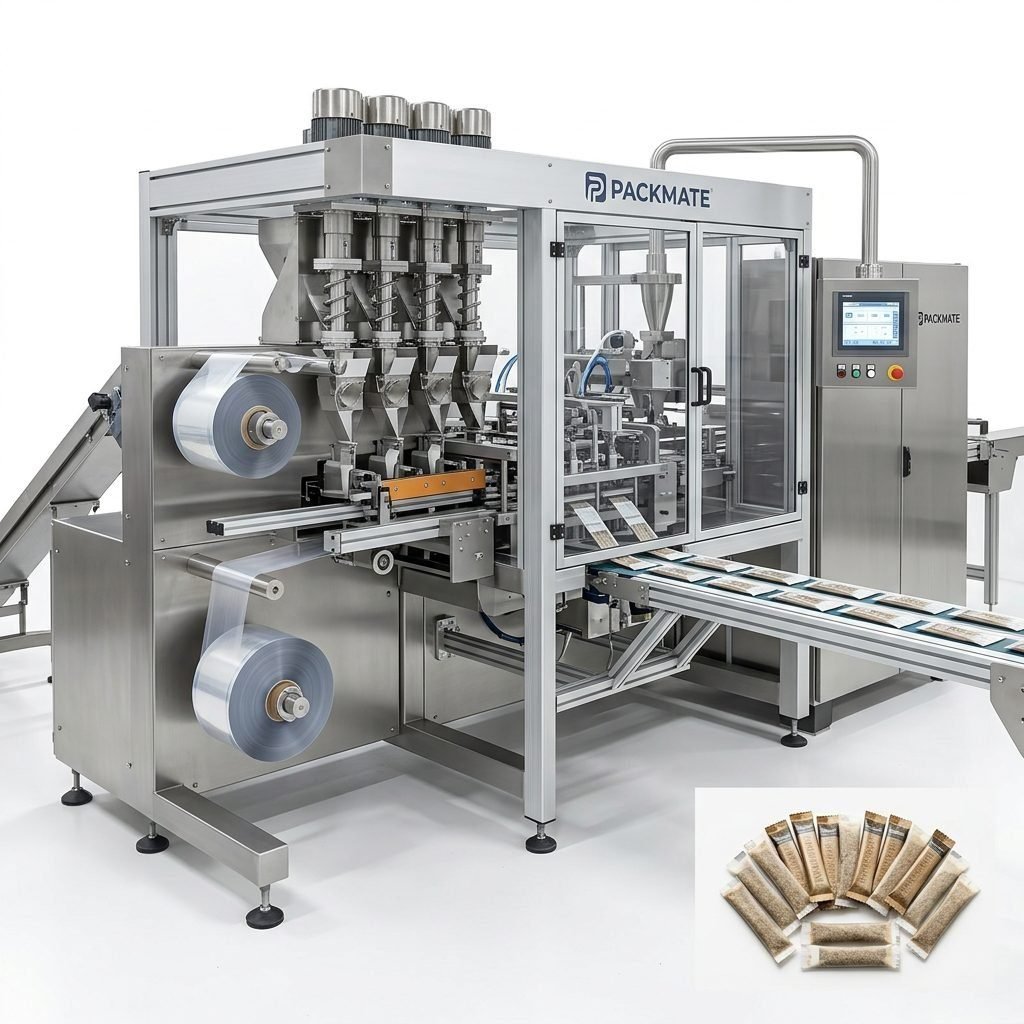
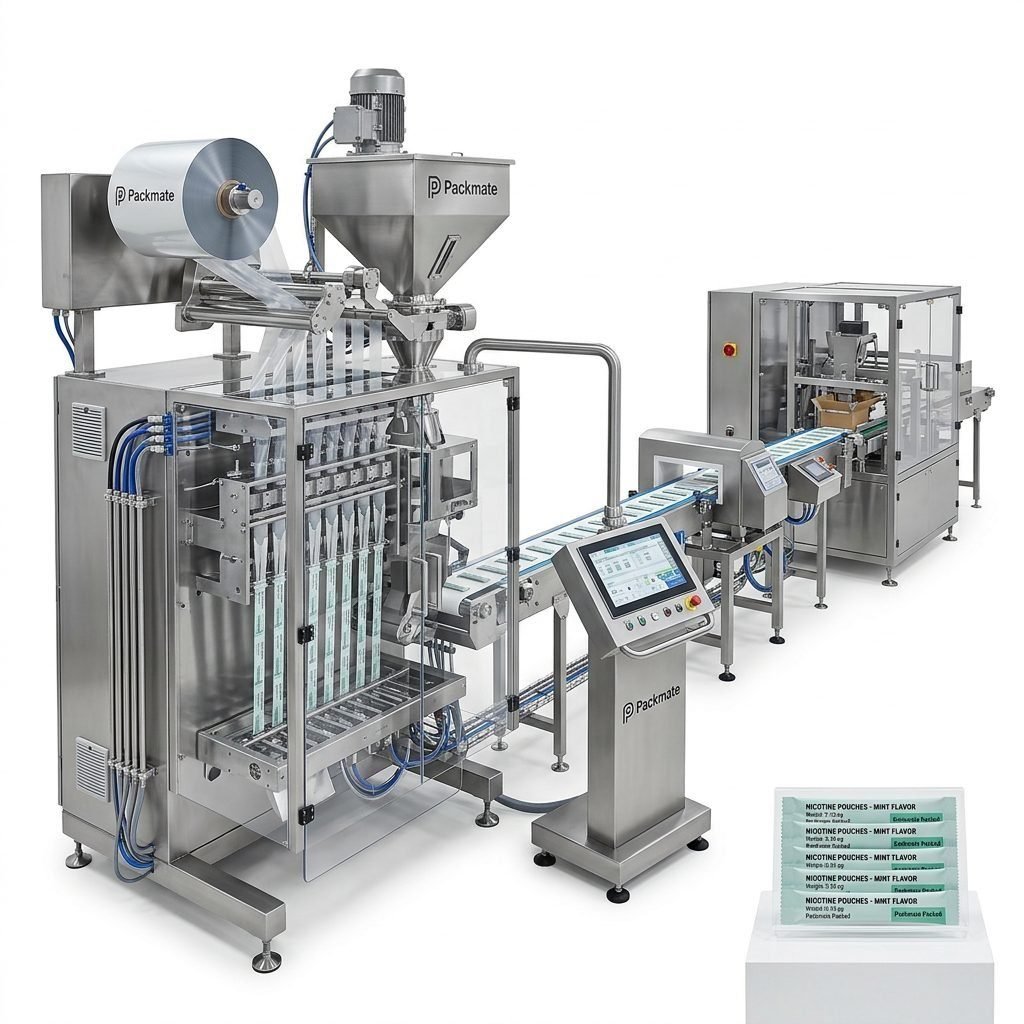
A typical snus or nicotine pouch production line integrates raw material handling, precise dosing, pouch forming and filling, sealing, cutting, quality inspection, and downstream packing. Lines vary from single-lane sachet machines to high-speed multi-lane systems that deliver thousands of pouches per minute. Key performance indicators include yield, uptime, cycle time, flexibility, and compliance with safety and packaging standards.
Core Components
Important: A reliable line is built from matched sub-systems. Typical components include:
- Raw material feeders and mixers (tobacco/salts, fillers)
- Precision weighing & dosing modules
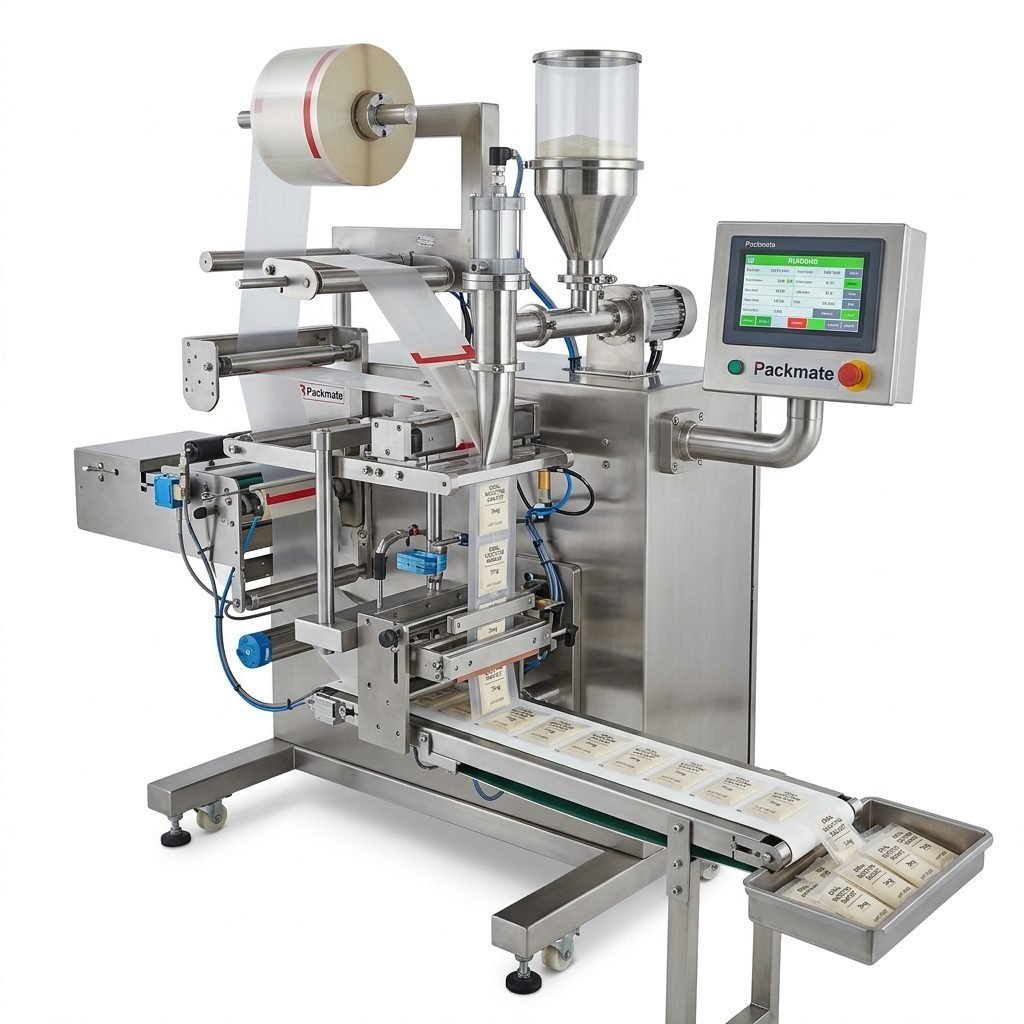
- Pouch forming, filling and sealing machines (stick, sachet or multi-lane)
- Cutting and edge trimming stations
- Automated inspection (visual, weight, metal detection)
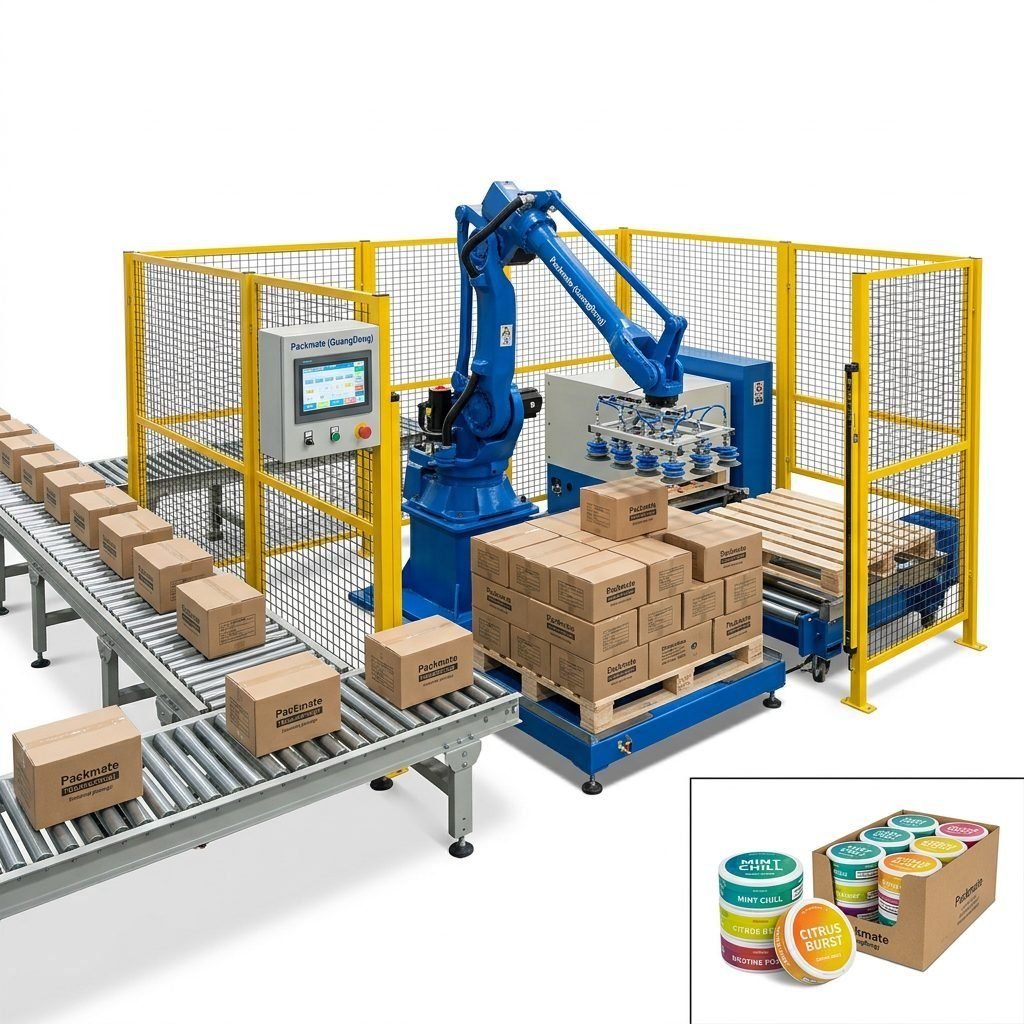
- Cartoning and case packing modules
- Conveyors, reject systems and data logging units
Key Equipment Explained
Raw Material Handling & Mixing 🔧
Proper material handling prevents cross-contamination and ensures batch-to-batch consistency. Mixers must provide homogeneous blends for nicotine salts, fillers, and humectants. Controlled heating or humidity conditioning is often integrated for product stability prior to dosing.
Weighing & Dosing Systems ⚖️
Precision dosing directly impacts weight compliance and cost per pouch. Multi-head weighers and volumetric feeders can be paired depending on particle size and target throughput. Head-to-head calibration and vibration isolation are common upgrades to reduce variance.
For weighing modules, consider proven suppliers with industrial-grade load cells and redundancy for critical lanes. See recommended systems at
Weighing & Packaging Systems.
Pouch Forming, Filling & Sealing Machines 📦
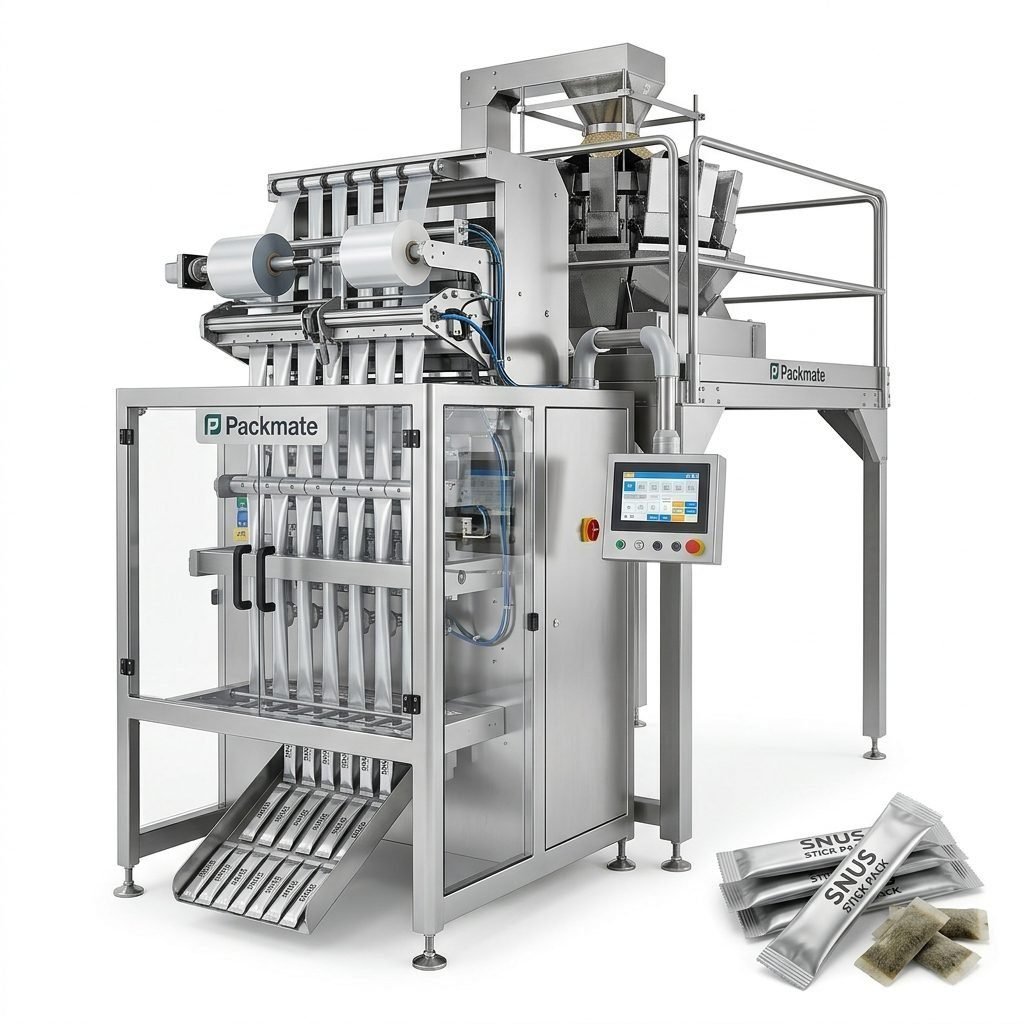
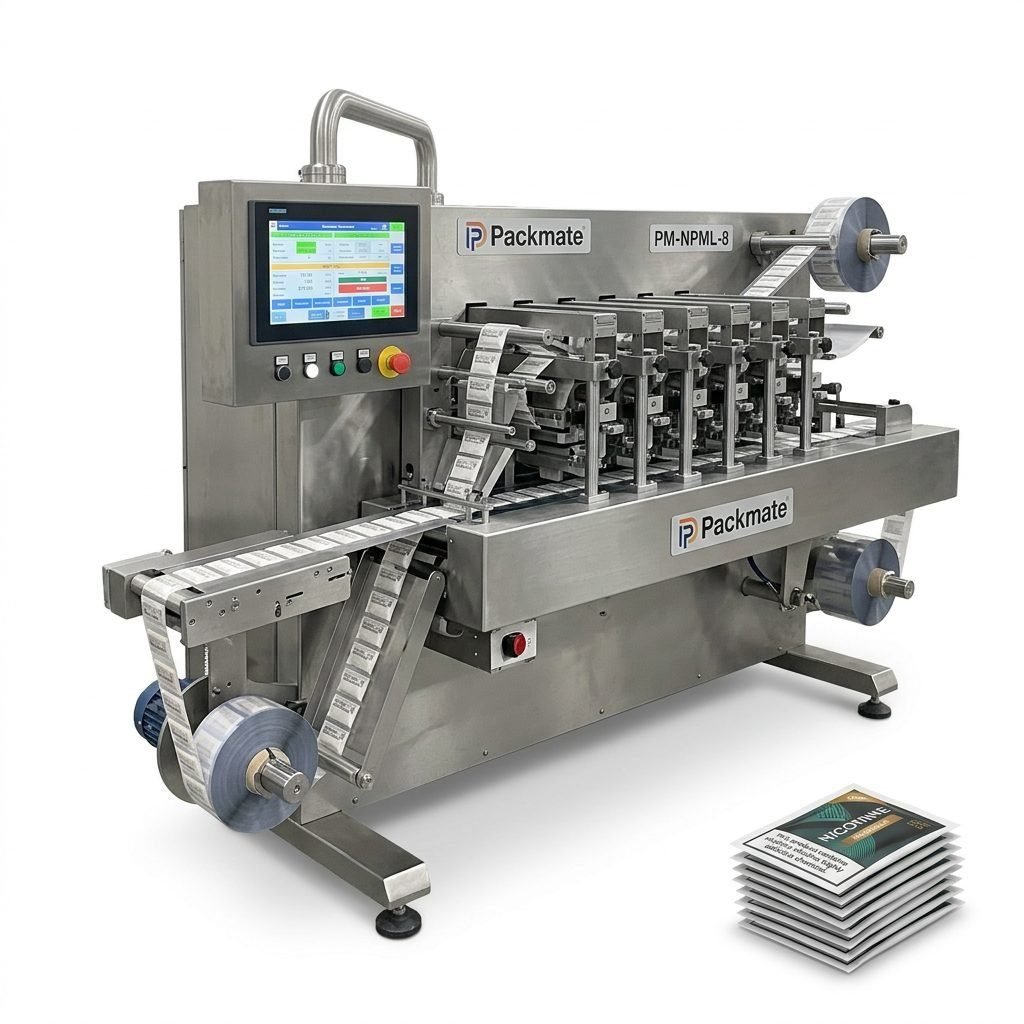
The heart of the line is the pouch packaging machine. Options include stick packers, sachet machines, and multi-lane snus machines optimized for small-dose pouches. Design choices affect material use, seal integrity and throughput. Key features to evaluate:
High-speed sealing modules — for consistent seal strength at production speeds.
Multi-lane configurations — maximize throughput in a compact footprint.
Interchangeable tooling — reduce changeover time for different pouch formats.
Cutting, Sorting & Optical Inspection 🔍
Accurate cutting and reliable inspection systems lower defects and regulatory risk. Vision systems confirm pouch shape, print presence and fill position; weight checks and metal detectors ensure consumer safety. Integrated reject conveyors and traceability markers help maintain quality records.
Cartoning and Case Packing 🗳️
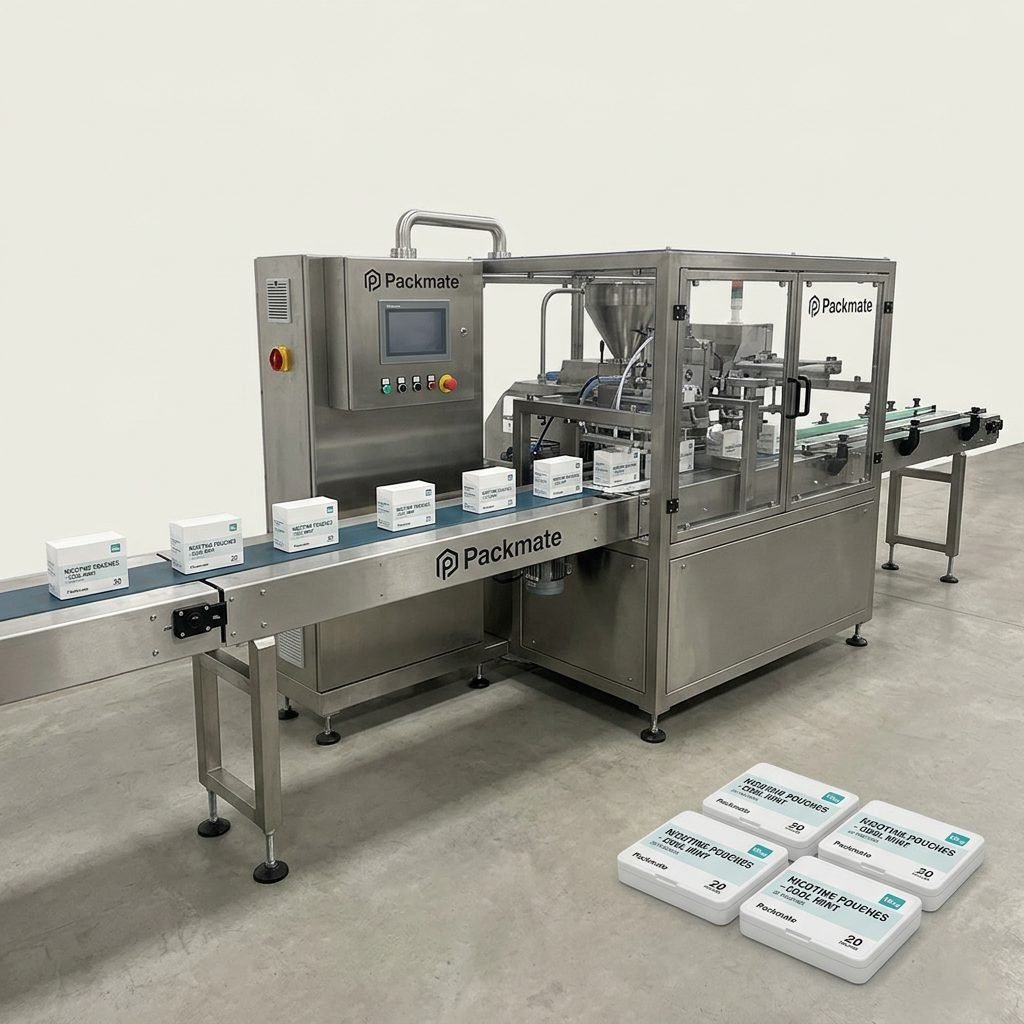
Downstream packaging transforms loose pouches into market-ready cartons and cases. Automated cartoners can be linked with pick-and-place robots, while case packers and palletizers finish the line. Synchronization with upstream speeds is crucial for steady-state performance.
Explore full product ranges for bag and pouch equipment at
Bag & Pouch Packaging Machines.
Process Flow: Step-by-Step Production
A clear, repeatable flow improves output and traceability. The simplified step-by-step process for snus/nicotine pouch production is:
- Ingredient receipt, inspection and lot registration
- Pre-blending and conditioning of tobacco/salts/fillers
- Precision weighing and dosing per lane
- Pouch forming, filling and heat sealing
- Cutting and separation of individual pouches
- Inline vision checks, weight verification and metal detection
- Counting, cartoning and case packing
- Labeling, serialization (if needed) and palletizing
Automation & Control: Making Lines Smart 🔌
Modern snus production emphasizes Industry 4.0: PLC control, HMI touch panels, recipe management, and data logging for traceability. Predictive maintenance algorithms can flag vibration or temperature anomalies, reducing unplanned downtime.
Tip: Request machine data output via OPC-UA or Ethernet/IP to integrate with factory MES systems and improve OEE reporting.
Recipe & Changeover Management
Quick changeover is achieved by pre-programmed recipes on the HMI and modular tooling. Typical setups allow lane-by-lane shutdown to support small batch or multiple SKUs without full line stoppage.
Quality Control, Compliance & Certifications ✅
Compliance matters across markets. Ensure your line meets CE/ISO standards and any regional labeling or product safety rules. Inline QA steps should include batch traceability, metal detection, weight control, and documented cleaning procedures.
Packmate Snus Machine equipment is built to international standards with certification and test documentation available. Learn more about factory certifications at
Certificate.
Factory Layout & Turnkey Solutions 🏭
A compact floor plan lowers conveyor lengths and reduces product handling. Turnkey suppliers typically perform site surveys, 3D layout planning, and FAT/SAT processes to ensure the line fits your building services and utility capacities.
Checklist for turnkey projects:
- Site civil & utilities assessment
- Material flow & hygiene zoning
- Conveyor elevations and access for cleaning
- Commissioning, operator training and spare parts plan
Maintenance Strategy & Spare Parts 🔩
Preventive maintenance schedules, critical spare parts lists, and trained on-site technicians reduce mean time to repair. Key spares include sealing bars, sensors, load cells, cutting knives and PLC components. Also arrange remote support and diagnostic tools with your supplier.
Case Studies & Global Projects 🌍
Leading manufacturers have delivered multi-line installations to Europe, Asia and the Americas. Real-world projects highlight the value of multi-lane snus machines for small-dose formats and integrated inspection systems for market entry. For project examples, visit
Case.
Selecting a Supplier: What to Ask 📝
When evaluating suppliers ask:
- Can you provide FAT, SAT and operator training?
- What is the expected OEE at quoted speeds?
- Do you offer multi-lane upgrades and spare parts kits?
- What warranties and service-level agreements exist?
- Are machines certified for my target markets (CE, ISO)?
Learn about Packmate’s history and capabilities on the company page:
About Packmate.
Return on Investment & Cost Drivers 💰
Major cost drivers include equipment CapEx, material costs (films and pouches), labor, utilities and waste. Automation reduces labor and improves yield, often paying back the CapEx faster for high-volume operations. Run a scenario analysis comparing current manual throughput to projected automated output to estimate payback.
Sustainability Considerations
Optimize film usage, reduce spoilage, and select energy-efficient motors to lower environmental footprint and operating cost. Recyclable materials and reduced packaging per unit can be strong points for market positioning.
How Packmate Supports Production Lines 🤝
Packmate provides full snus packing lines with decades of experience in multi-lane and stick/sachet machines. Their factory, advanced CNC capability and global service network support turnkey delivery and post-sale service. Explore product families for snus and nicotine packaging:
Snus & Nicotine Packaging Machines,
Sachet & Stick Pack Machines,
Filling & Packaging Lines.
Planning Next Steps
Start with a production audit, define target throughput and SKU range, then request a line proposal with footprint, utilities and lead time. Prioritize suppliers who offer FAT demonstrations and a clear spare parts and service roadmap.
Quick Resource Links
– Product catalog and model comparisons: Catalog
– Exhibition and live demo schedule: Our Exhibition
– Service and spare parts support: Service
Summary: Build a Reliable, Scalable Snus Line
In short, invest in matched subsystems, robust dosing and sealing technology, and integrated inspection to ensure consistent product quality and regulatory compliance. Prioritize suppliers with factory certification, FAT support, and a proven track record delivering multi-lane snus and nicotine pouch lines.
Frequently Asked Questions
Q1: What production speed can a multi-lane snus machine achieve?
Typical multi-lane configurations can reach very high outputs depending on lanes and pouch format — rates are commonly quoted in pouches per minute per lane. Speak with suppliers about target OEE and expected net output after quality checks.
Q2: How do I ensure product traceability on the line?
Use lot number printing, inline serialization and synchronized data logging. Ensure your PLC/HMI supports export of batch records and integration with MES for full traceability.
Q3: What routine maintenance is required?
Daily cleaning, weekly sensor checks, monthly calibration of weighers, and scheduled replacement of wear parts (sealing bars, knives). Maintain a critical spares inventory to minimize downtime.
Q4: Can a single line handle multiple pouch formats?
Yes. Machines with quick-change tooling, recipe-based controls and modular lanes support multiple formats with minimized changeover time.
Q5: How do I request a site assessment or FAT?
Contact the supplier’s sales or service team to schedule a site survey. For FAT, request machine demonstrations at the factory and detailed acceptance criteria. Use the Contact Us page to start the process.