The nicotine pouch market is evolving rapidly, and companies in Burundi looking to enter or scale up in this segment must choose packaging machinery that matches local preferences, regulatory realities, and operational conditions. This guide explains how to evaluate and select the best nicotine packaging machinery manufacturer for Burundi — focusing on performance, compliance, adaptability, and after-sales support.
Understand Burundi’s Market and Regulatory Environment
Before selecting equipment, research Burundi’s regulatory landscape and consumer habits. Burundi uses 220–240V 50Hz power systems and has humid tropical climate pockets that can affect hygroscopic products and film adhesives. Local tastes often favor compact, single-dose formats suitable for on-the-go use; therefore multi-lane small-dose pouch machines and sachet solutions are particularly relevant. Ensure documentation and operator manuals are available in French or Kirundi to improve training and compliance.
Key local considerations
🔍 Voltage & Climate: Choose machines tolerant of 220–240V, 50Hz and capable of handling humidity-sensitive materials.
🧾 Language & Training: Request French/Kirundi manuals and on-site training packages.
⚠️ Local Compliance: Confirm packaging meets Burundi import and labeling rules and any regional East African Community standards if applicable.
Technical Criteria: What to Look for in Machines
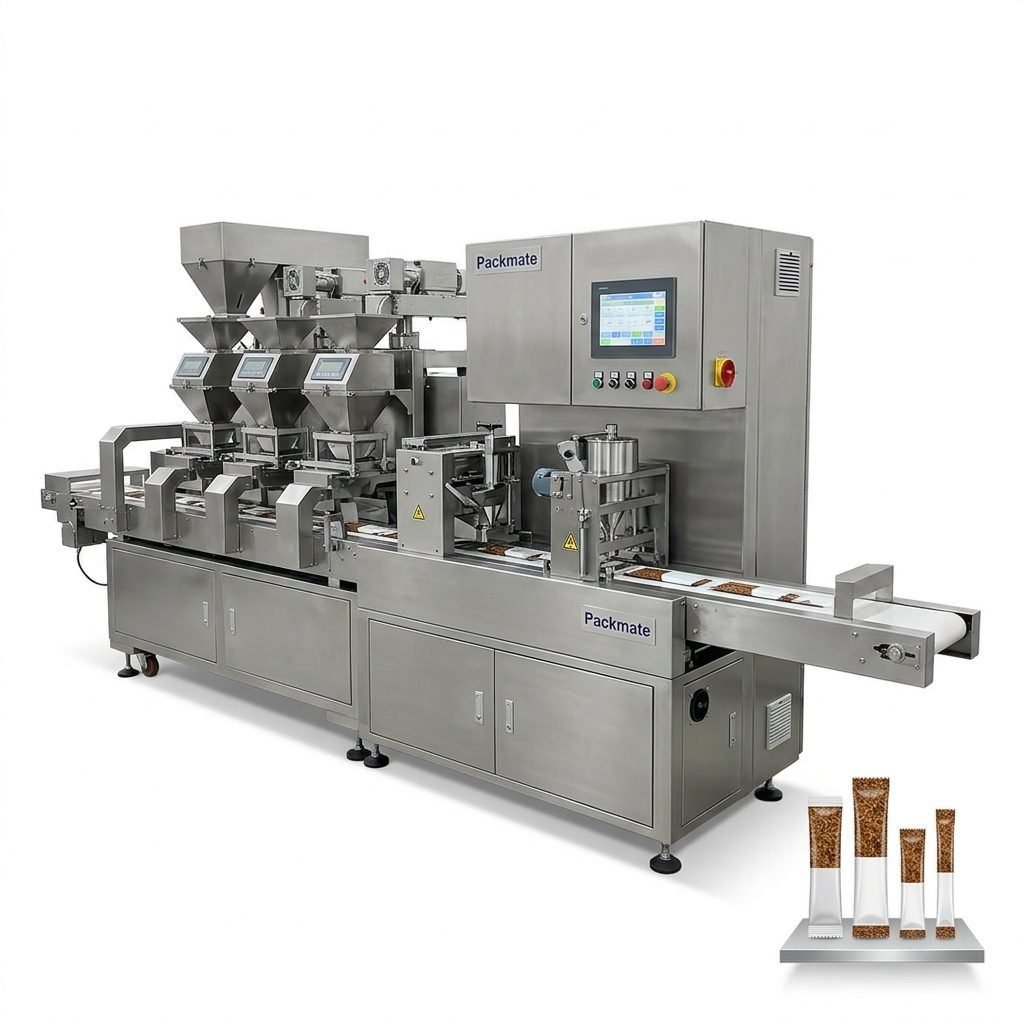
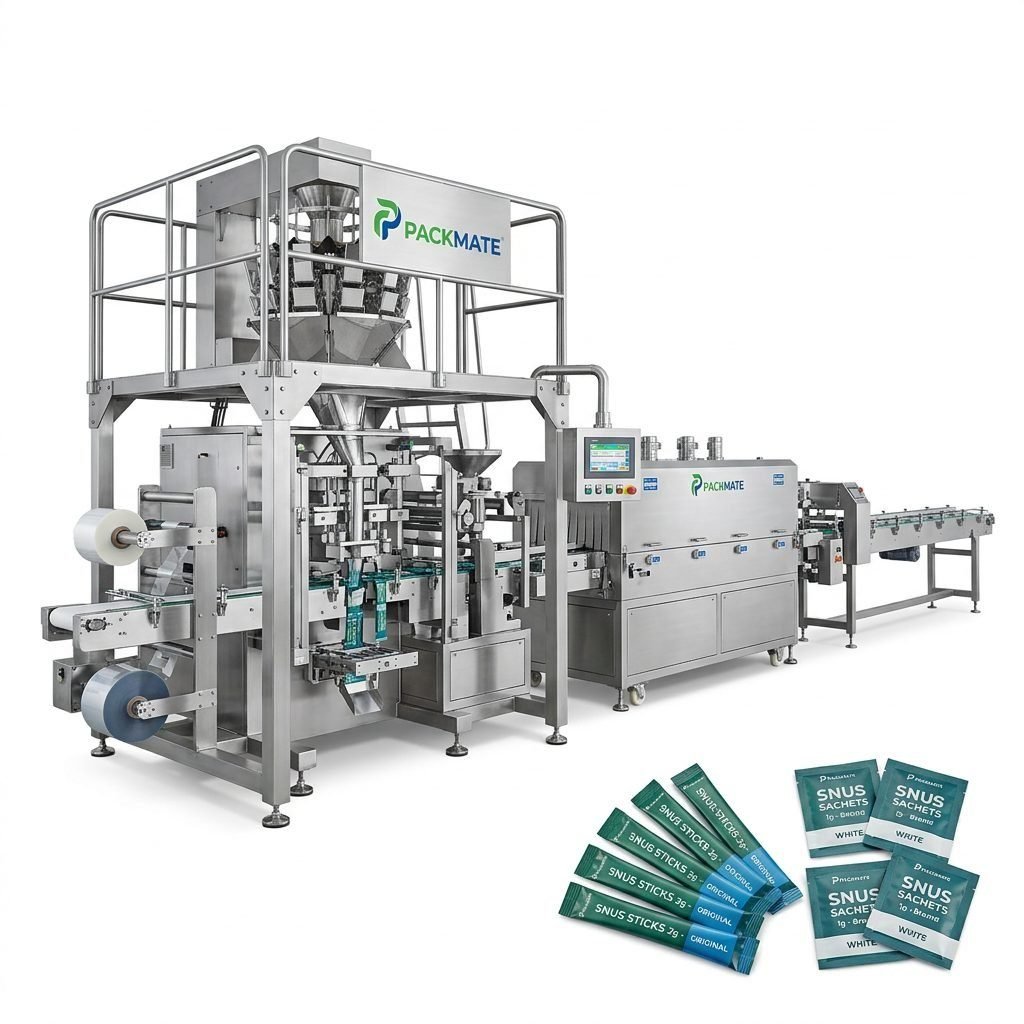
Evaluate technology based on throughput, accuracy, and flexibility. For nicotine pouches, multi-lane systems and stick/sachet options are common. Consider the following:
Performance and accuracy
✅ Filling precision: Low-dosage nicotine pouches require highly accurate dosing to ensure product consistency and regulatory compliance.
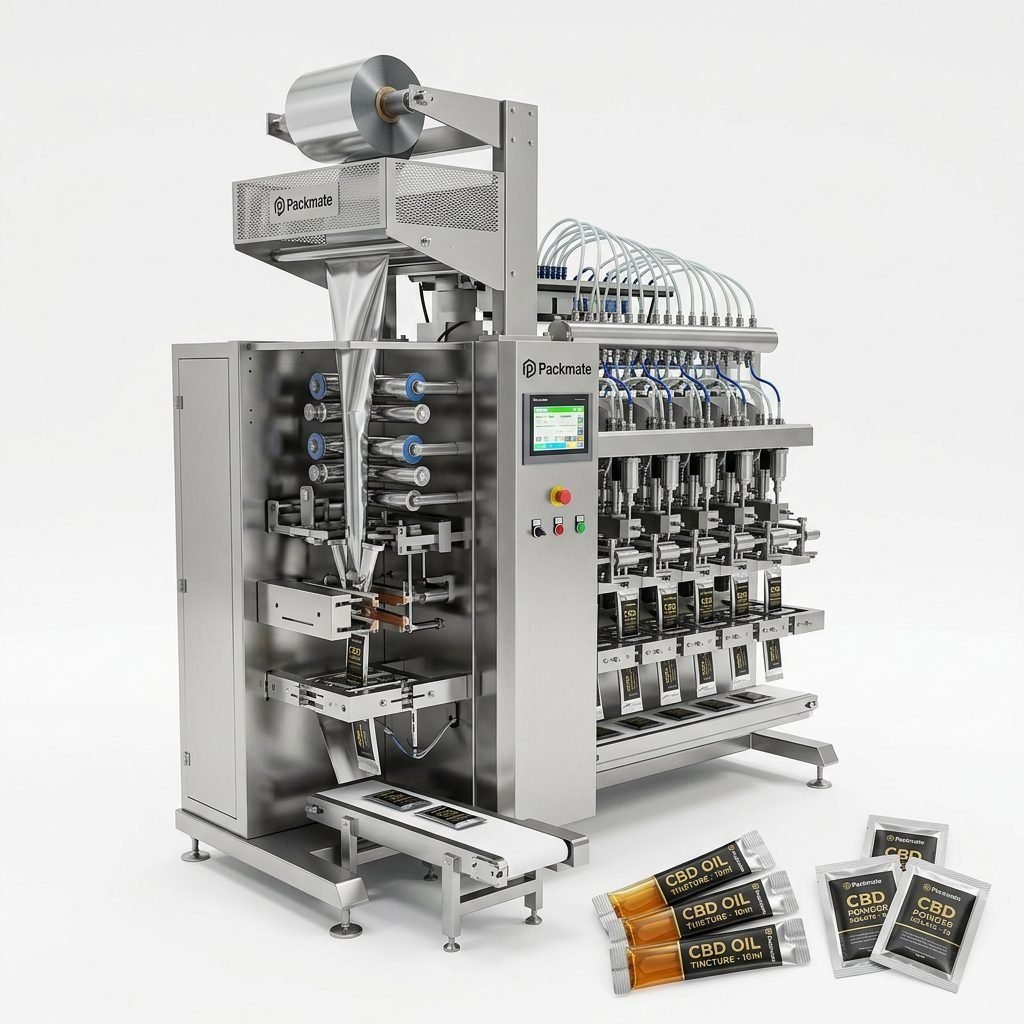
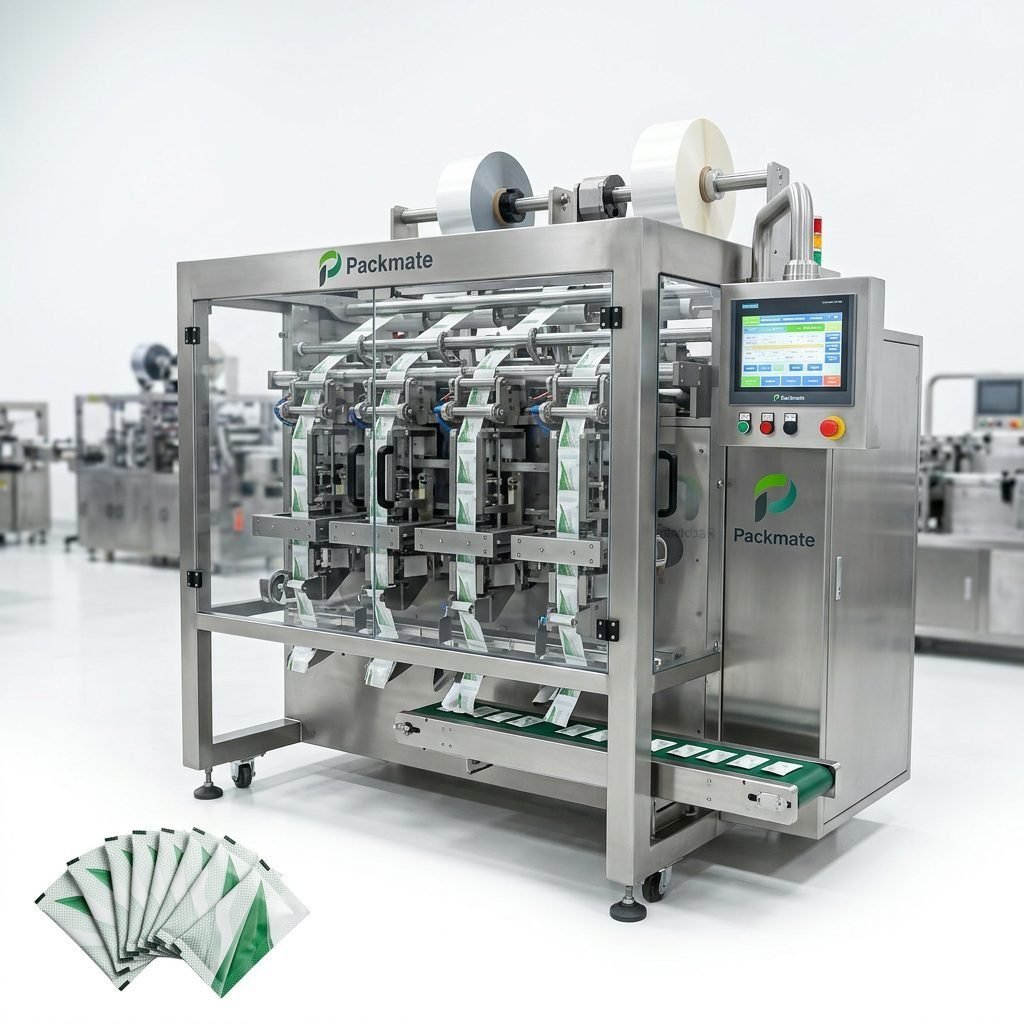
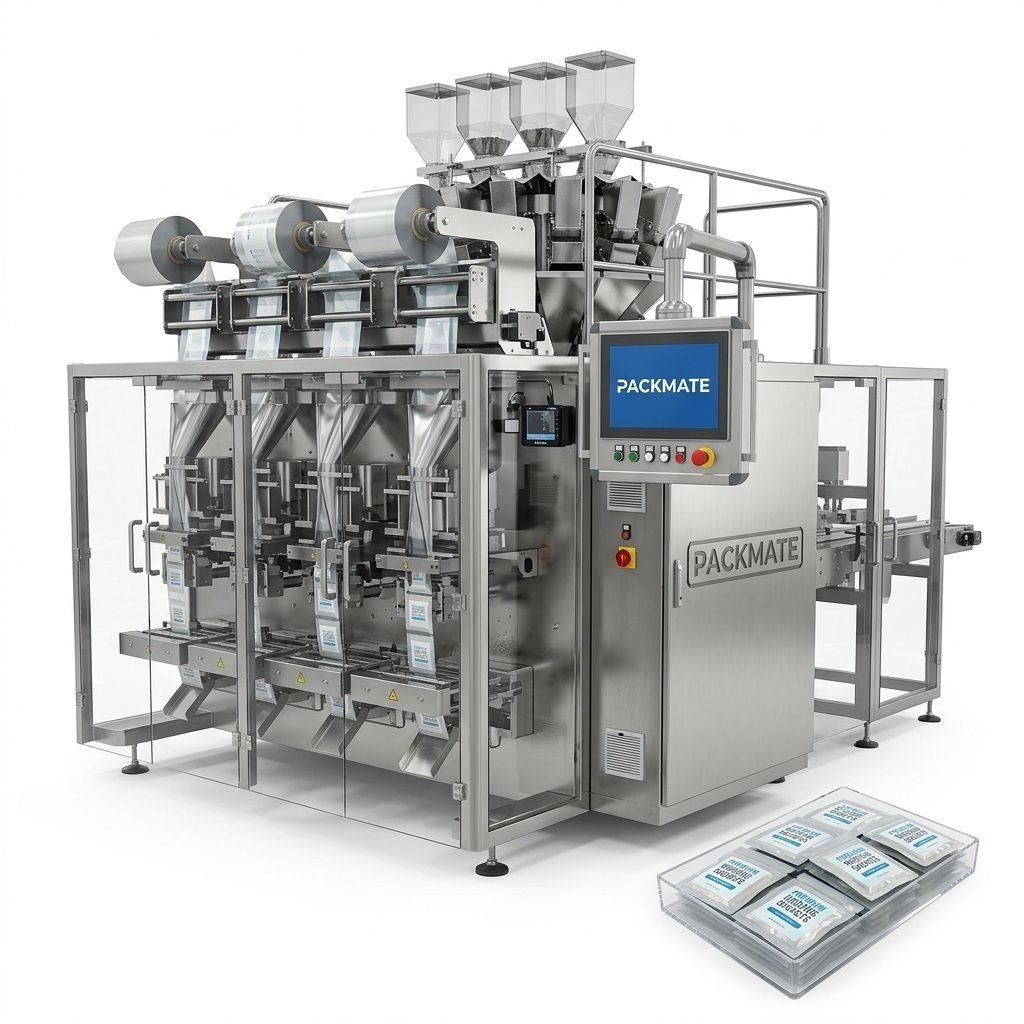
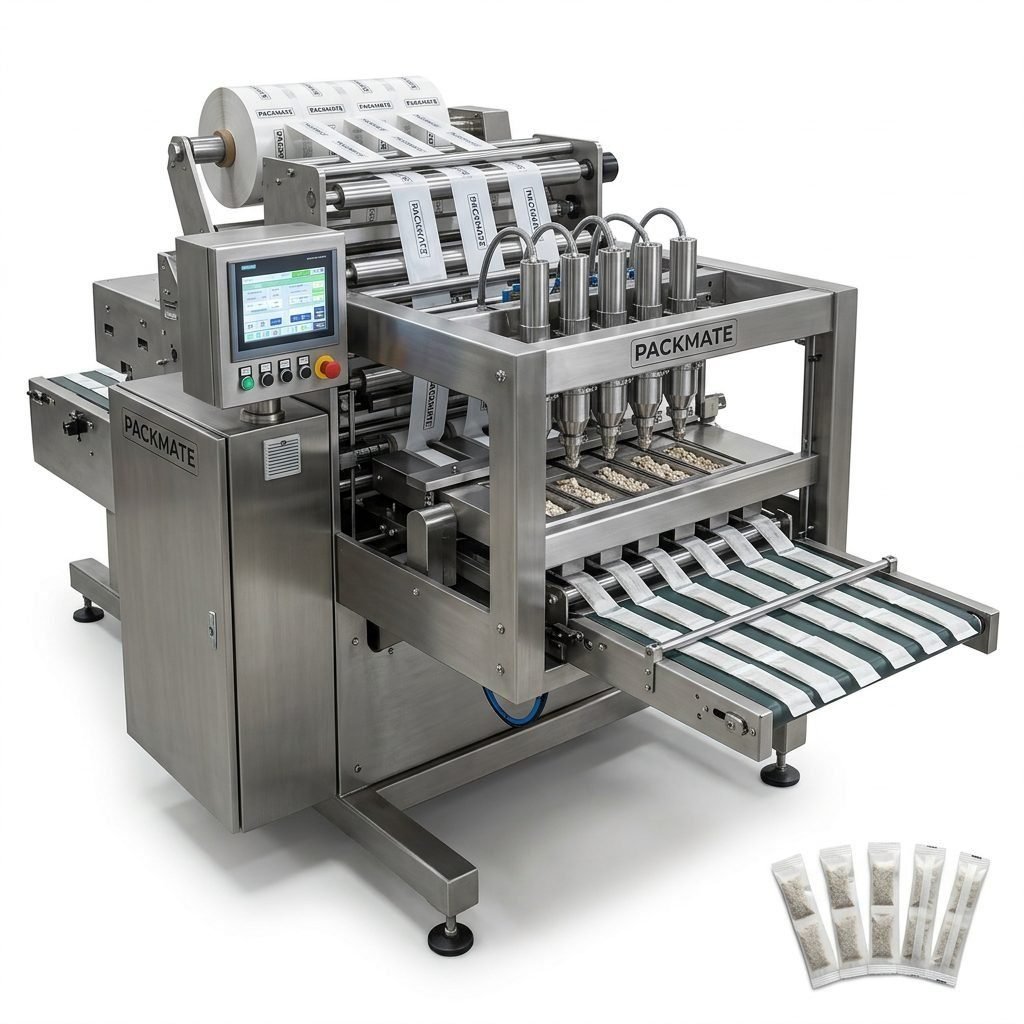
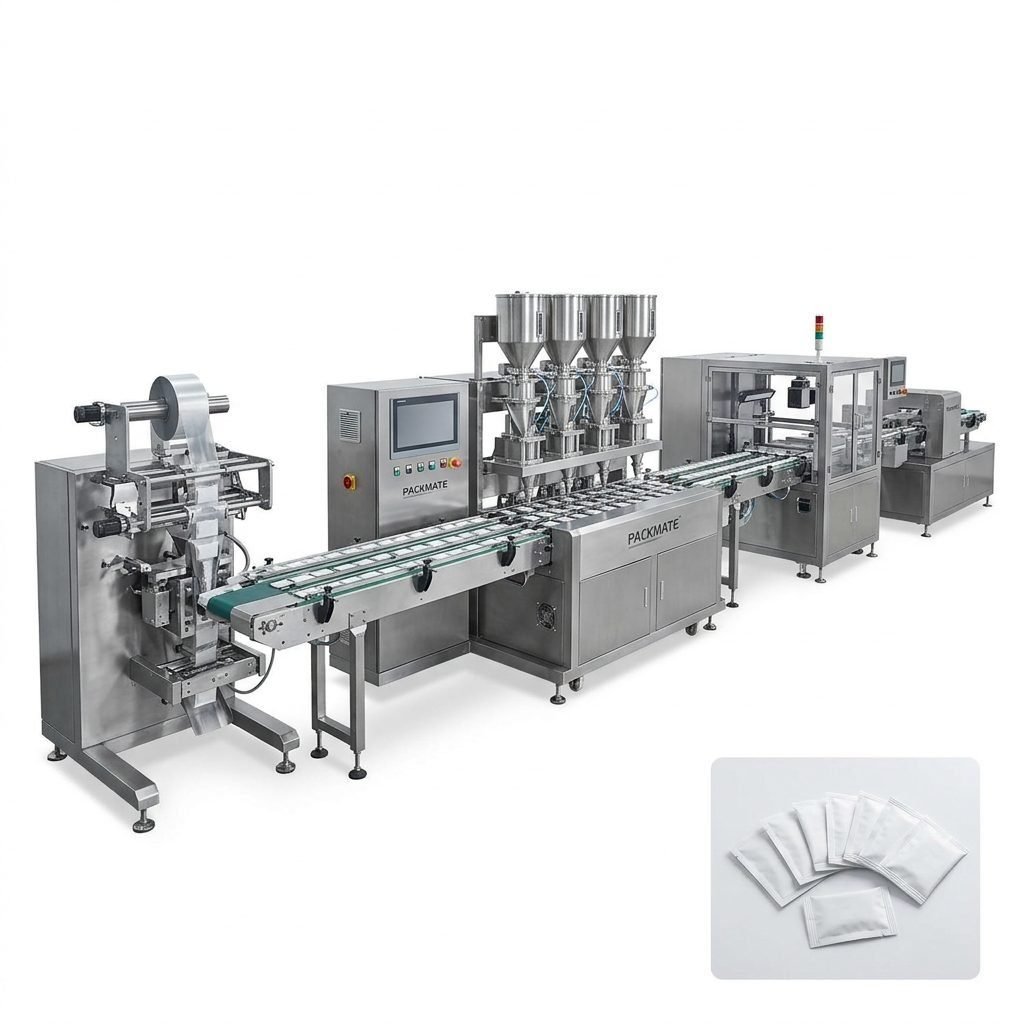
✅ Multi-lane options: Multi-lane lines boost output while saving floor space — ideal for scaling from small batches to commercial volumes.
Flexibility and upgradeability
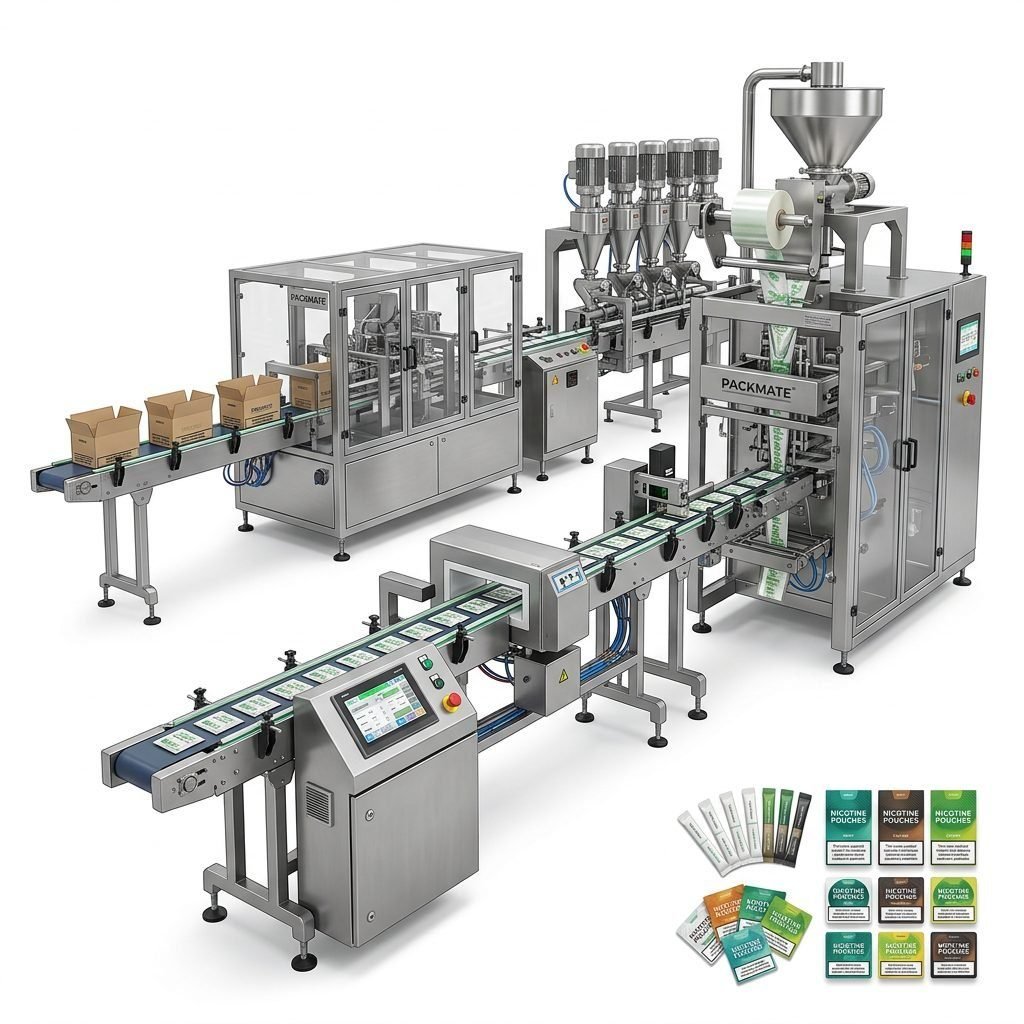
Choose equipment that supports different pouch sizes, formats, and materials. Machines with modular designs let you add lanes or features (e.g., nitrogen flushing, embossing) as product lines diversify.
Quality, Certifications, and Factory Strength
Look for manufacturers with proven factory capabilities, international certifications (CE, ISO), and a documented history in nicotine/snusstype equipment. Strong CNC machining, precision assembly, and QC procedures often indicate durable machines and consistent output.
🔧 Factory capacity: A 20,000㎡ facility and advanced CNC centers suggest the ability to deliver customized turnkey lines and reliable spare parts supply.
🌍 Global compliance: Certifications such as CE/ISO ease cross-border trade and improve acceptance by local authorities and distributors.
Service, Spare Parts and After-Sales Support
After-sales service often determines long-term success. Prioritize manufacturers who offer:
Must-have support elements
- Local or regional technicians and rapid remote diagnostics.
- Spare parts availability and clear parts lists.
- Training programs in French/Kirundi and clear service SLAs.
- Documentation for commissioning, maintenance, and troubleshooting.
Commercial Considerations: Cost of Ownership
Total Cost of Ownership (TCO) includes purchase price, installation, spare parts, energy consumption, and downtime risk. Machines with higher initial cost but superior reliability often reduce long-term expenses. Consider supplier financing, turnkey installation, and pilot production runs to validate output and quality.
Choosing the Right Manufacturer: Checklist
🔎 Track record: 30+ years in packaging machinery, strong case studies in snus/nicotine lines.
📦 Machine range: Availability of stick pack, sachet, and multi-lane systems to match your product format.
🛠️ Factory capability: Advanced CNC, precision assembly, and onsite testing reduce custom lead time.
🤝 Support & training: Local-language manuals, commissioning support, and spare parts guarantee.
How to Vet Suppliers Remotely
When evaluating overseas manufacturers for Burundi, ask for machine demo videos, client references, and virtual factory tours. Verify certificates and request pilot runs or samples. A reputable supplier will provide transparent case studies and allow virtual Q&A with their engineering team.
Useful Resources and Next Steps
Explore manufacturer product families and services to match your needs. For reference, review specialized packaging machine categories and company information:
- Snus & Nicotine Packaging Machines: https://www.snusmachinery.com/products/snus-nicotine-packaging-machines/
- About Packmate: https://www.snusmachinery.com/about-us/
- Service & Support: https://www.snusmachinery.com/service/
- Contact for quotations and local arrangements: https://www.snusmachinery.com/contact-us/
Practical Example: Selecting a Line for a Burundian Start-up
A small Burundi-based start-up should consider a compact multi-lane sachet or stick-pack line that supports low initial investment, quick format changes, and easy maintenance. Request on-site or virtual commissioning, French-language training, and stock of essential spare parts in a nearby regional hub. Prioritize energy-efficient equipment to keep operating costs manageable.
Final Recommendations
✅ Validate factory capabilities and request demonstrations.
✅ Confirm local-language documentation and training availability.
✅ Assess TCO including energy, parts, and downtime risk — not just purchase price.
Choosing the right nicotine packaging machinery manufacturer for Burundi is a strategic decision that affects product quality, regulatory compliance, and long-term profitability. Prioritize proven technical performance, robust after-sales service, and a supplier that understands local conditions and language needs.
Frequently Asked Questions
Q1: What machine format is best for small-batch nicotine pouches in Burundi?
A: Multi-lane sachet or stick-pack machines are ideal because they allow scalable output with compact footprint and high dosing accuracy.
Q2: How important are CE/ISO certifications?
A: Very important — they help ensure product safety, simplify import procedures, and build trust with distributors and regulators.
Q3: What local support should I require from a supplier?
A: Request French/Kirundi documentation, remote troubleshooting, a clear spare-parts SLA, and available technician visits for commissioning.
Q4: Are there climate-related machine features to consider?
A: Yes — humidity control, desiccant-compatible packaging workflows, and material handling choices that reduce stickiness or clumping in tropical conditions.
Q5: Where can I see product lines and cases?
A: Review product categories and case studies on manufacturer pages such as Snus & Nicotine Packaging Machines and Case examples (see links above).