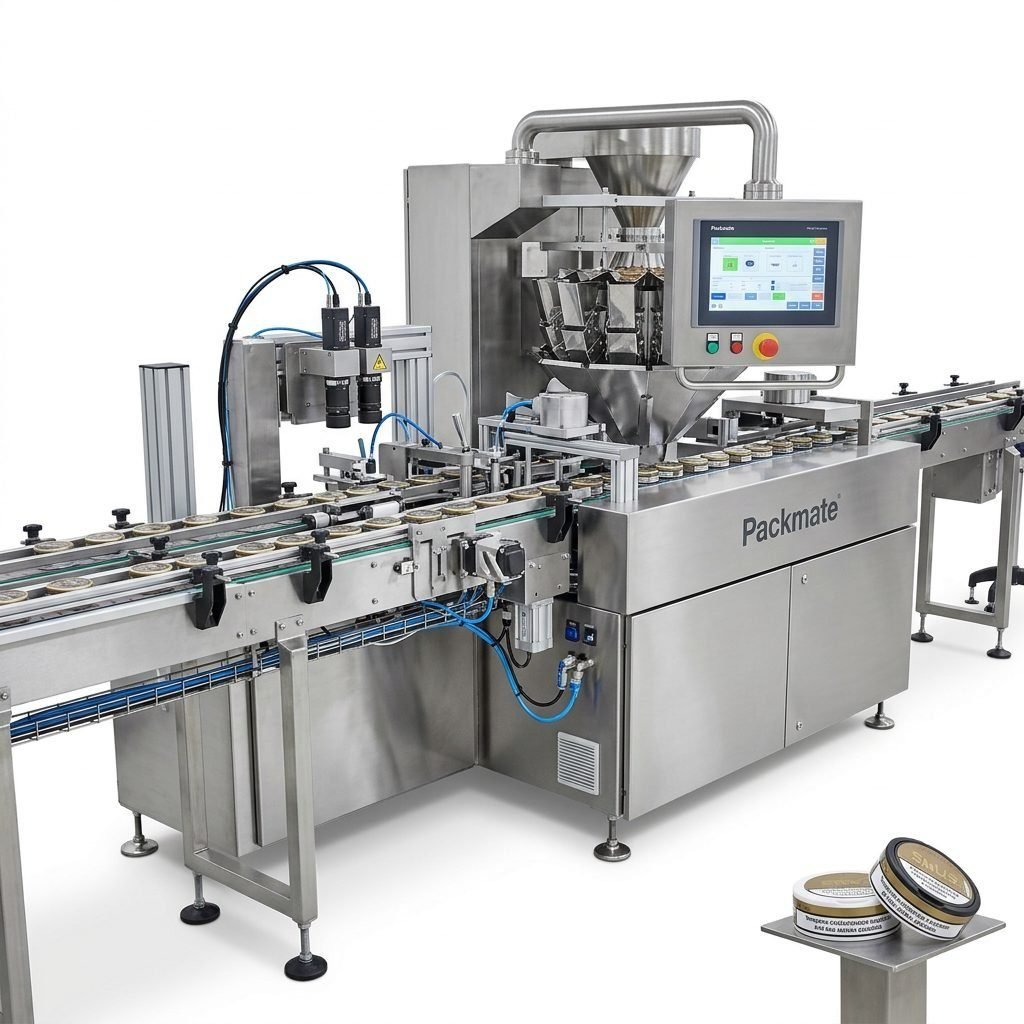
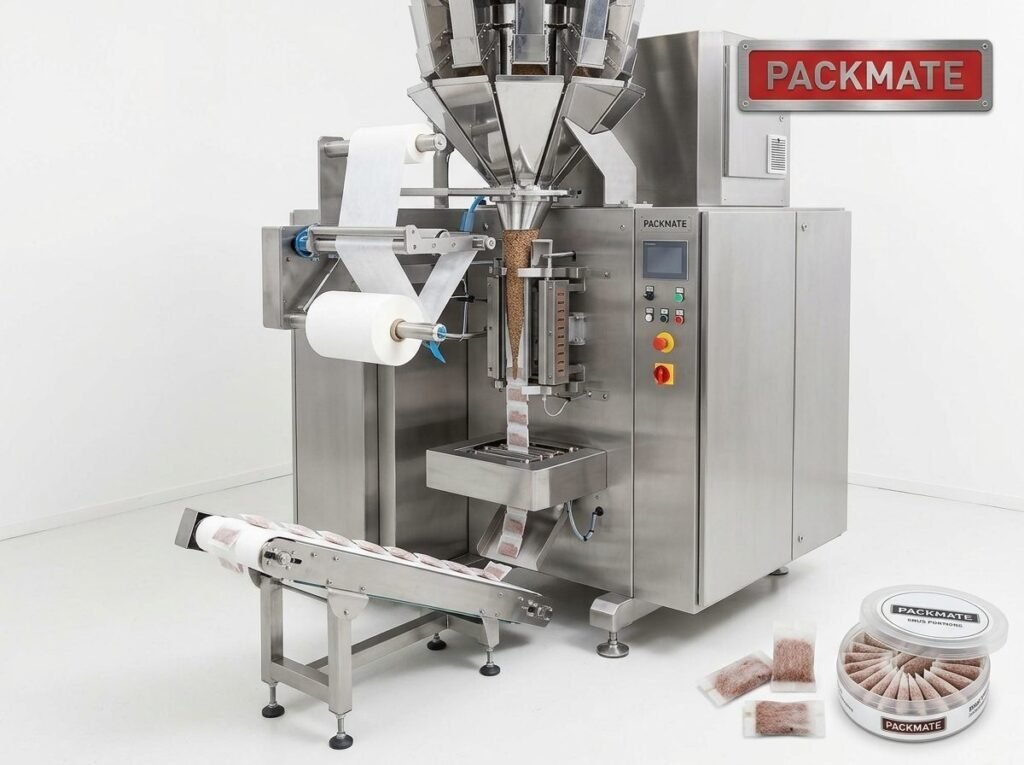
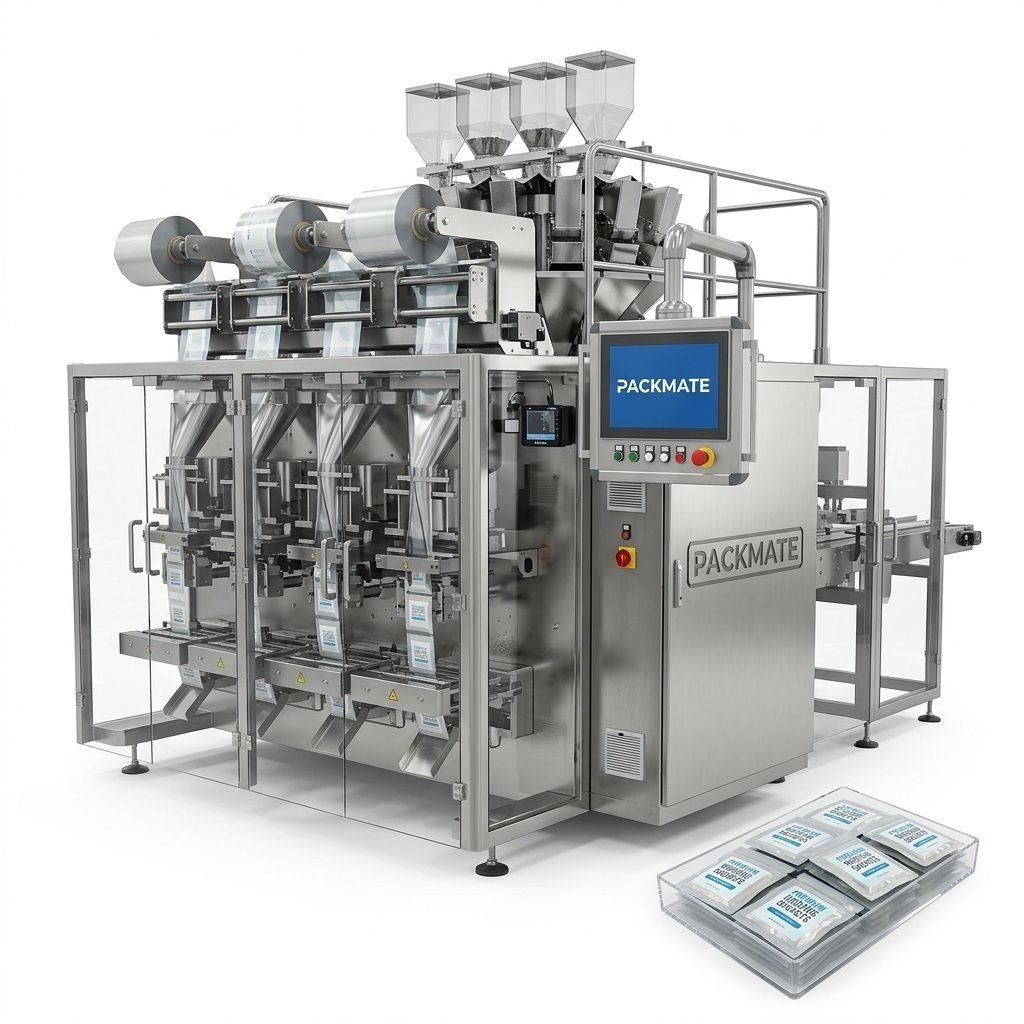
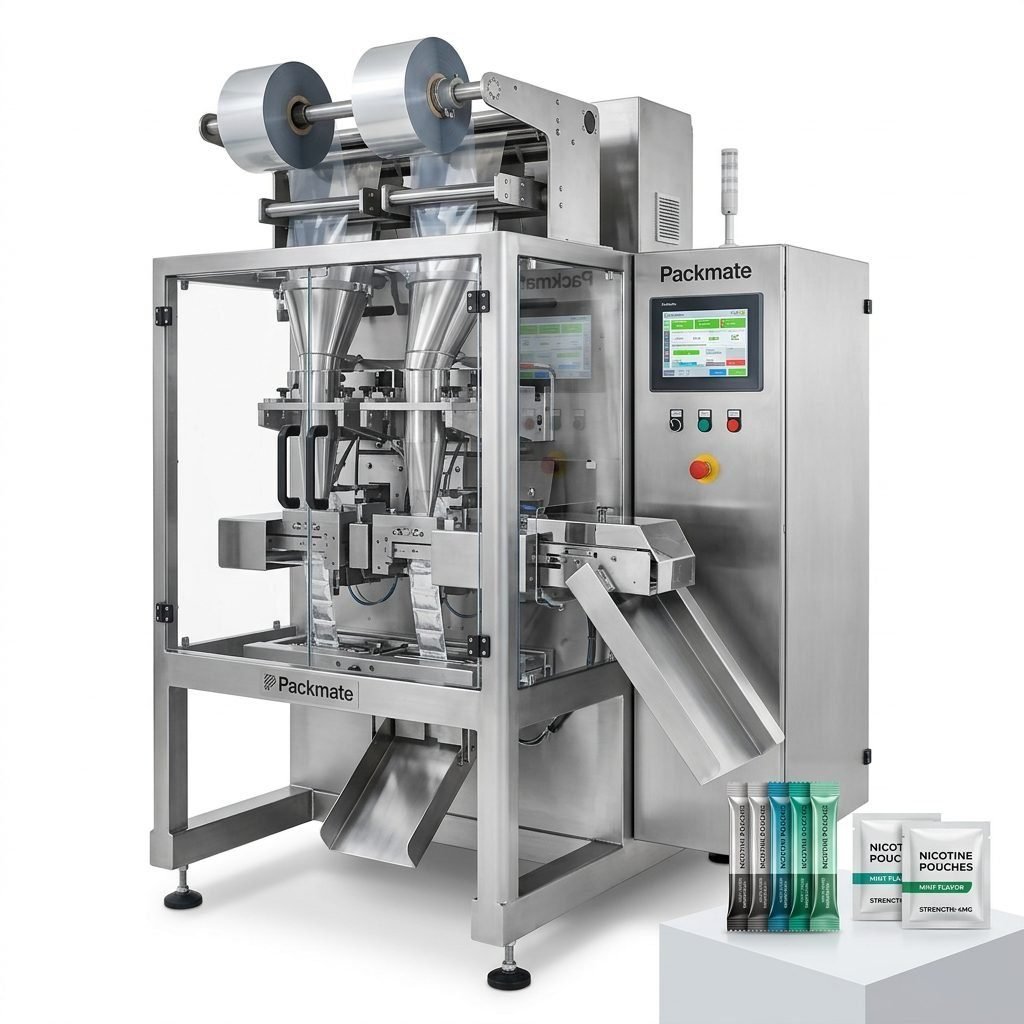
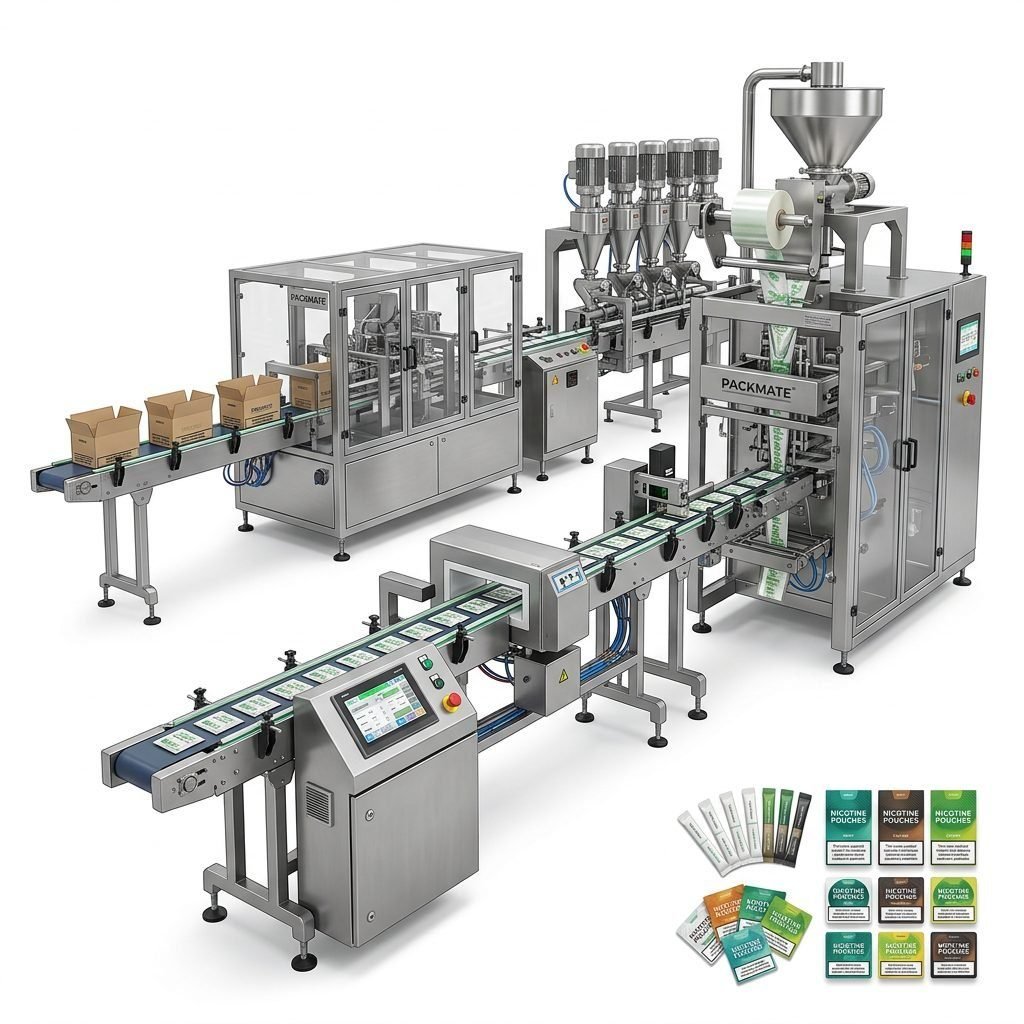
Factory Acceptance Tests (FAT) and Site Acceptance Tests (SAT) are critical milestones for any snus or nicotine pouch production line. Whether you are a production manager, quality engineer, or an investor evaluating turnkey packaging solutions, understanding the FAT-to-SAT workflow helps ensure reliable performance, regulatory compliance, and a smooth handover from the manufacturer to your site. This guide outlines a practical, step-by-step approach to FAT and SAT for snus lines, highlights common pitfalls, and explains how to collaborate effectively with your equipment provider to minimize downtime and reduce commissioning risk.
🔧 What Are FAT and SAT — Purpose and Differences
FAT (Factory Acceptance Test) is performed at the manufacturer’s facility to demonstrate that the equipment meets contractual specifications before shipment. SAT (Site Acceptance Test) is conducted after installation to validate performance under actual production conditions. Together they form a quality assurance loop: FAT verifies design and build, SAT verifies integration and operational readiness.
Key objectives
- Confirm performance against agreed specifications (speed, accuracy, yield).
- Verify control systems, HMI, and communication with upstream/downstream equipment.
- Catch mechanical or software defects early to avoid costly rework on site.
- Provide documentation, training, and clear acceptance criteria for both parties.
Note: A successful FAT reduces SAT time dramatically. For snus lines where hygiene, dosing accuracy, and pouch integrity are critical, rigorous FATs are non-negotiable.
📋 Preparing for FAT — Buyer and Manufacturer Responsibilities
Detailed preparation ensures the FAT is efficient and meaningful. Responsibilities are typically shared:
Manufacturer provides
- Complete machine documentation, electrical and mechanical drawings, and control logic diagrams.
- Testing plan, acceptance criteria, and trained engineers to perform demonstration runs.
- Spare parts list and recommended preventive maintenance schedule.
- Validation tools and traceability records where required by contract.
Buyer provides
- Clear specification document with critical-to-quality parameters for snus dosing, pouch sealing, and packaging presentation.
- Sample materials (pouches, lids, tea/snus material) and test recipes for representative trials.
- Authorized acceptance team and decision criteria for pass/fail items.
- Logistics plan for transport, insurance, and customs if FAT involves export compliance.
Quick tip: Use a standardized FAT checklist that maps directly to contract requirements and regulatory needs to avoid subjective acceptance decisions.
🧪 FAT Test Plan for Snus Lines — Typical Tests and Metrics
A comprehensive FAT for a snus production line should address mechanical, electrical, control, and product quality aspects. Below are typical test categories and measurable metrics.
Mechanical & durability tests
- Cycle run test: continuous operation for a predefined period (e.g., 8 hours) to spot wear or component heating.
- Vibration and alignment checks for multi-lane indexers and feeder systems.
- Seal integrity verification under variable temperatures to mimic storage conditions.
Control & software validation
- HMI functions and parameter setting: confirm recipe recall, batch counters, and alarm logging.
- PLC I/O mapping and error handling under simulated fault conditions.
- Network and integration checks for plant MES/ERP links, and data export formats for traceability.
Product quality & performance
- Dose accuracy: statistical sampling for pouch weight variance, target ± spec (e.g., ±3% or as per agreement).
- Seal & package integrity: air tightness, burst tests, and visual seal consistency checks.
- Yield and downtime metrics: calculate rejects per hour and Mean Time Between Failures (MTBF) estimates.
Critical metric: Dose accuracy and seal reliability are the most frequent causes of rework in snus lines—insist on documented acceptance criteria and test evidence.
🚚 Packaging, Transport & Pre-SAT Planning
Before shipping, agree on mechanical preservation, packaging for transport, and a logistics timeline. Poor handling between FAT and SAT often introduces alignment issues that were not present during factory tests.
Pre-shipment checklist
- Photographic record and instrument calibration certificates included with shipping documentation.
- Packing list and spare parts boxed and labeled for fast customs clearance.
- Installation drawings and foundation bolt templates supplied to the site team ahead of arrival.
🏗️ SAT Execution — Integrating with Your Plant
SAT confirms the installed equipment functions correctly in its final production environment. This stage focuses on mechanical reassembly checks, utilities verification (air, power, chilled water), and live-product trials.
Utilities and site readiness
- Power quality check: voltage stability and ground integrity to prevent control faults.
- Compressed air moisture and oil content verification for pneumatic actuators used on fillers and sealers.
- Verify environmental controls if snus product is sensitive to humidity or temperature.
Live product trials
Run production batches with the same materials and packaging used in your factory. Document yield, downtime events, and any product-specific adjustments to dosing or sealing parameters. These results form the basis for final acceptance and warranty triggers.
Pro tip: Schedule a cross-functional SAT team: production leads, QA, maintenance, and IT. A multidisciplinary perspective speeds troubleshooting and operational handover.
✅ Documentation, Training & Handover
Acceptance is not just a signed form. It includes delivery of documents, staff training, and agreed maintenance support. Ensure your contract specifies deliverables such as manuals, spare parts kits, and response times for post-commissioning support.
Essential deliverables
- Operation & maintenance manuals, electrical schematics, and PLC code backups.
- Calibration records and certificates for dosing systems and weighing equipment.
- Training completion records and competency sign-off for operators and maintenance staff.
- Warranty start date and support contact details for rapid technical assistance.
⚠️ Common Pitfalls and How to Avoid Them
Many acceptance delays boil down to poor expectations, incomplete documentation, or missing test materials. Below are the recurring issues and mitigation strategies.
Pitfalls
- Undefined acceptance criteria — include quantitative pass/fail limits in the contract.
- Insufficient sample materials — ship production materials early and ensure they match the intended product.
- Undertrained staff — include formal training scope and acceptance for operator competency.
- Hidden site constraints — verify utilities and spatial tolerances prior to shipment.
Avoid rework: Use a pre-FAT checklist and a pre-shipment site readiness checklist to eliminate obvious mismatches that extend commissioning times.
📦 Choosing Packmate as Your Snus Packaging Partner
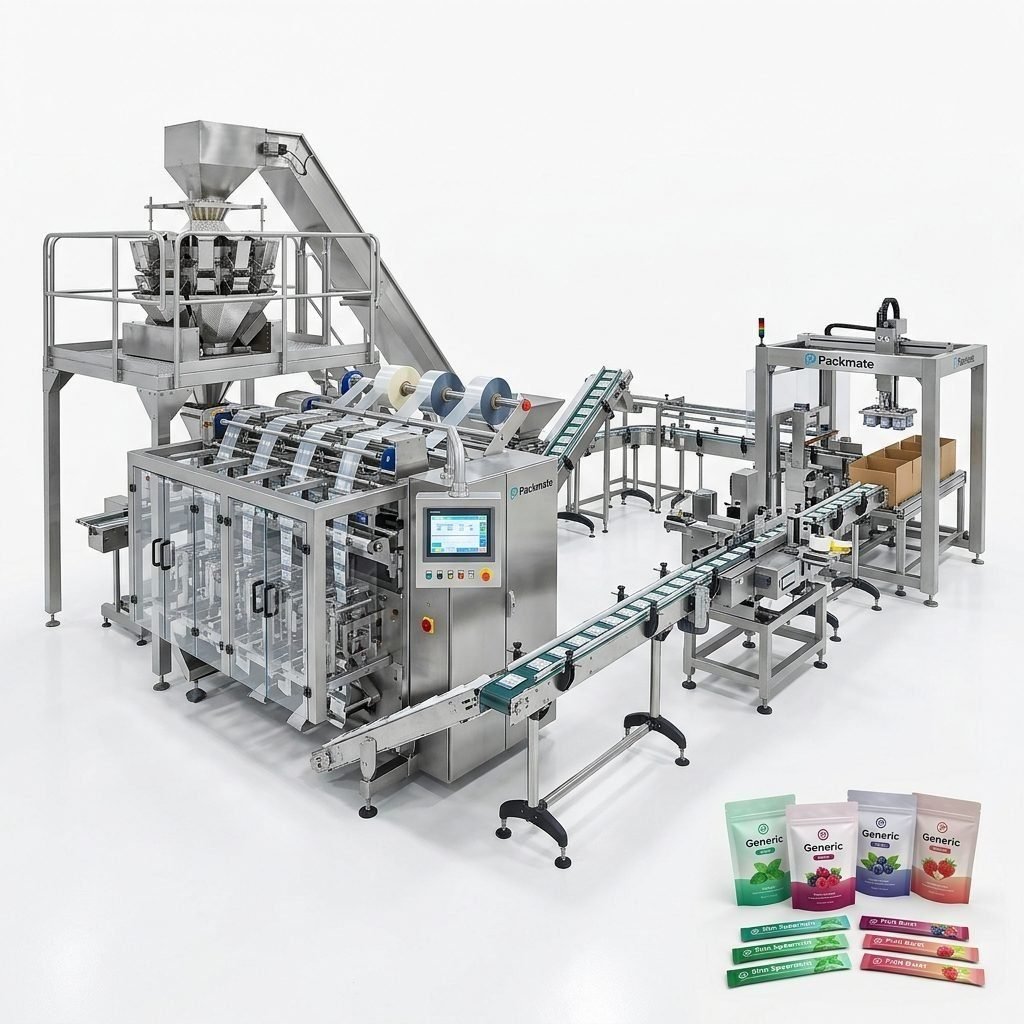
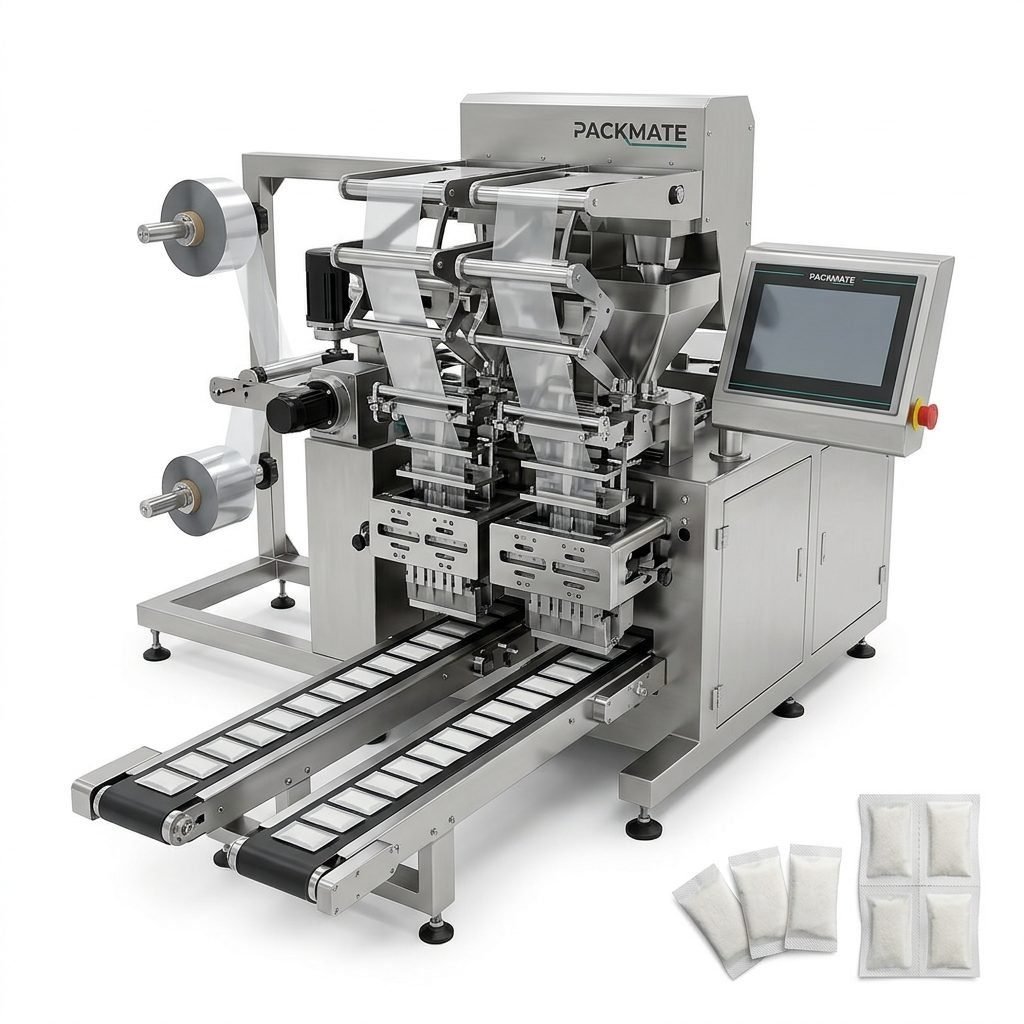
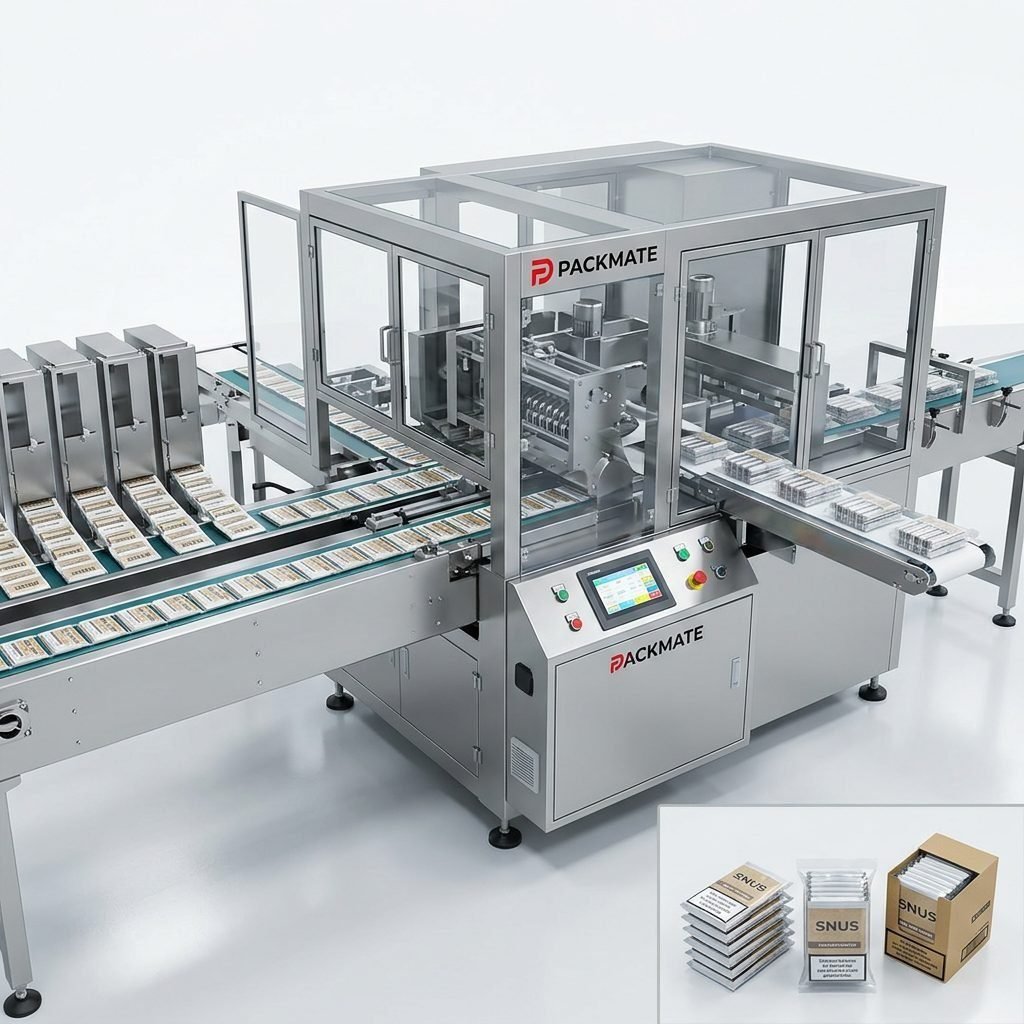
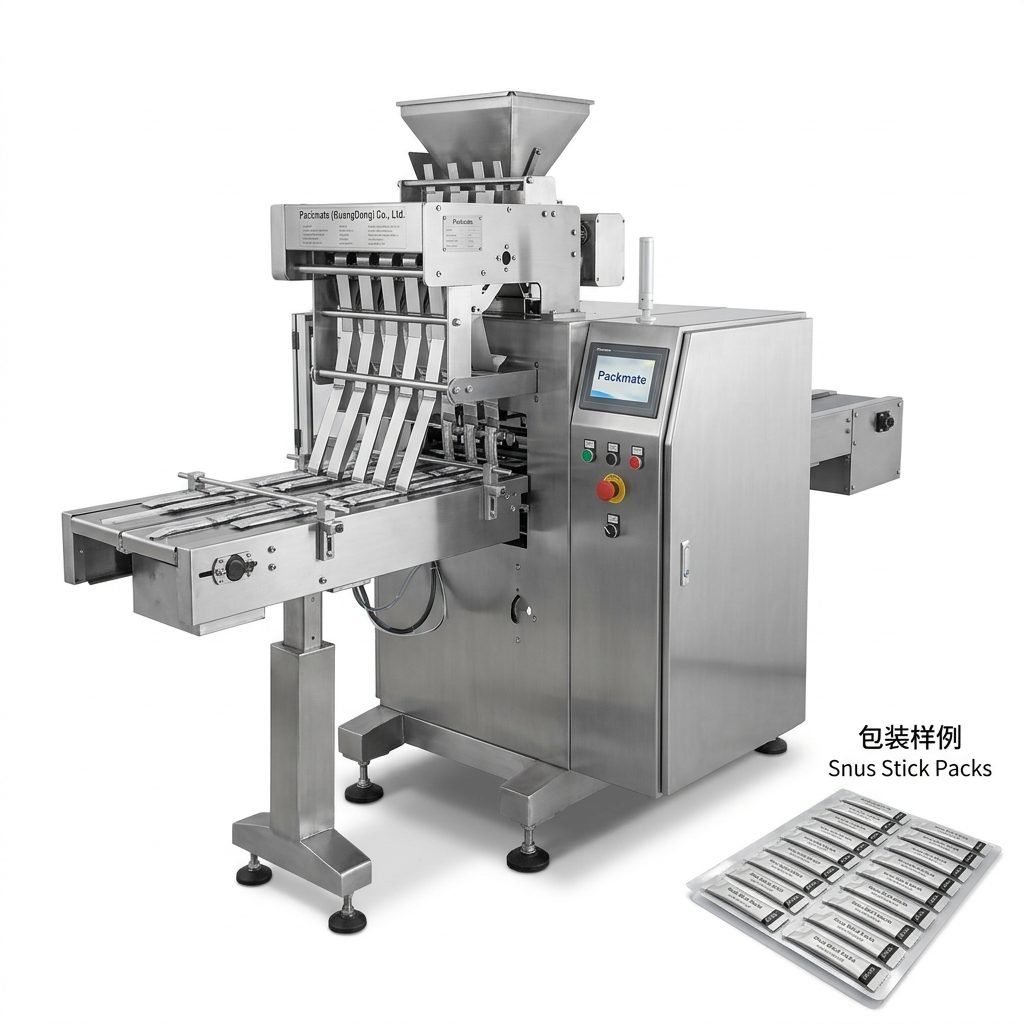
Packmate Snus Machine brings over 30 years of engineering experience and a 20,000㎡ manufacturing footprint to snus and nicotine pouch packaging. Their portfolio includes multi-lane systems and turnkey lines suitable for high-efficiency small-dose pouch production. For more details on equipment types and capabilities, visit the Snus & Nicotine Packaging Machines page or explore their Bag & Pouch Packaging Machines for related solutions.
You can review real-world installations and case studies on the company Case page, and learn more about the company history and credentials on the About Packmate page. These resources help buyers verify references and post-sale support experience before contractual commitment.
🔁 Post-Acceptance Support & Continuous Improvement
Good manufacturers offer structured support after SAT: spare parts availability, remote diagnostics, and upgrade paths for increased automation or new packaging formats. Ensure your service agreement covers response times, preventive maintenance schedules, and options for spare parts kits.
Service highlight: A documented spare parts list and recommended stock levels (consumables, belts, seals) cut production risk and are often included in Packmate delivery packages.
📣 Final Checklist: Ensuring a Smooth FAT → SAT Transition
- Agree acceptance criteria in writing and attach to the purchase order.
- Conduct pre-FAT alignment meeting to review test scope and materials.
- Keep a joint log of non-conformances with remediation deadlines.
- Confirm logistics, customs, and insurance arrangements prior to shipment.
- Plan SAT with cross-functional participation and schedule operator training immediately after acceptance.
Useful links
Explore Packmate offerings and technical resources:
❓ Frequently Asked Questions
1. What is the typical duration of FAT and SAT for a snus production line?
Duration varies with line complexity. A FAT for a standard multi-lane snus line may take 2–5 days including full documentation and demonstration runs. SAT can take 3–10 days depending on site readiness, utilities, and the number of live-product batches required for acceptance.
2. How many sample pouches are needed for meaningful FATs?
Provide enough sample materials to run several hours of continuous production and multiple recipe changeovers. Typically, supply a minimum of several thousand pouches or as agreed in the FAT plan to test dose accuracy, sealing, and downstream handling.
3. What happens if the SAT fails?
If SAT items fail, record non-conformances in the acceptance report with remediation actions and timelines. The manufacturer should correct root causes and either perform re-tests on site or provide corrective parts and procedures. Escalate unresolved issues per the contract dispute resolution clause.
4. Can FAT be performed remotely or virtually?
Remote FATs may be possible for control validation, HMI walkthroughs, and limited machine demonstrations using live video. However, product trials and mechanical endurance tests are best performed on-site at the factory to physically verify sealing, dosing, and long-run stability.
5. How should I plan spare parts and consumables for the first year?
Agree on a spare parts kit during contracting—critical items include sealing jaws, belts, bearings, sensors, and pneumatic seals. Manufacturers like Packmate often provide recommended stock lists and consumable lifetimes based on expected production hours.