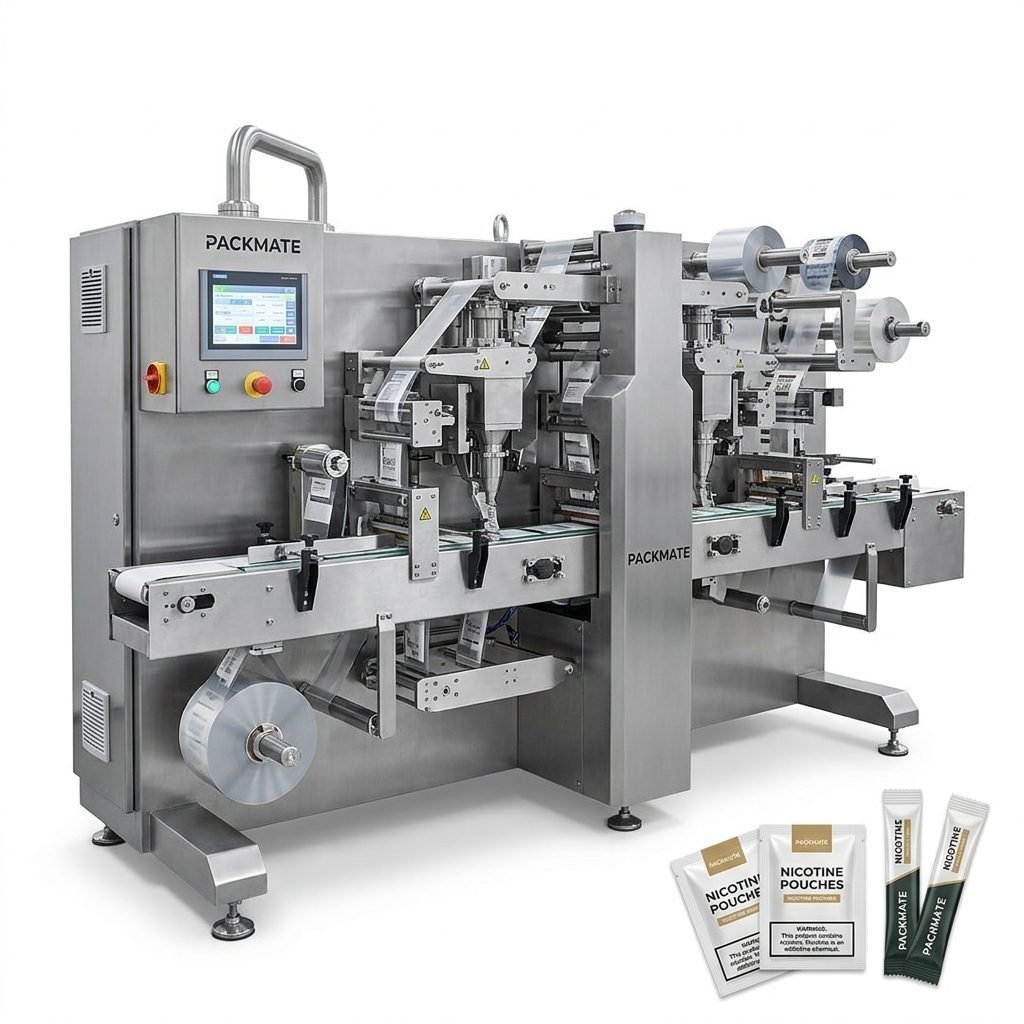
Choosing the right snus packaging machinery supplier in Bulgaria requires a mix of technical knowledge, regulatory awareness and local market sensitivity. Whether you plan to manufacture nicotine pouches for export, produce sachets for research samples or launch a new multi-lane line, this guide walks you through practical criteria, evaluation steps and negotiation tips to secure a reliable partner that matches your production needs.
Understand the Bulgarian Context and Regulatory Landscape
Bulgaria is an EU member state, and any business operating here must account for European regulations on tobacco, nicotine products and consumer labelling. While traditional snus is regulated differently across Europe, many manufacturers in Bulgaria focus on nicotine pouches and other smokeless formats that may have distinct compliance paths. Before you finalize machinery purchases, verify local rules about production, packaging warnings, ingredient disclosures and language requirements — Bulgarian labels typically require Cyrillic content and clear health information.
⚠️ Tip: Work with legal advisors or local compliance consultants to confirm whether your intended product (snus, nicotine pouch, herbal pouch) is permitted for manufacture and sale in Bulgaria or intended export markets.
Local Market Habits and Consumer Preferences
Bulgarian consumers are diverse: older demographics may prefer traditional tobacco profiles, while younger users often look for discreet, flavored and low-odor options. If you aim to sell domestically or regionally, consider packaging that emphasizes discretion, strong sealing and user-friendly opening features. Also factor in distribution channels common in Bulgaria — local kiosks, small retail shops, cross-border e-commerce and duty-free outlets all have different packaging expectations.
Key Technical Criteria for Selecting a Supplier
1. Machine Types and Production Flexibility
Evaluate whether the supplier offers the specific machine families you need:
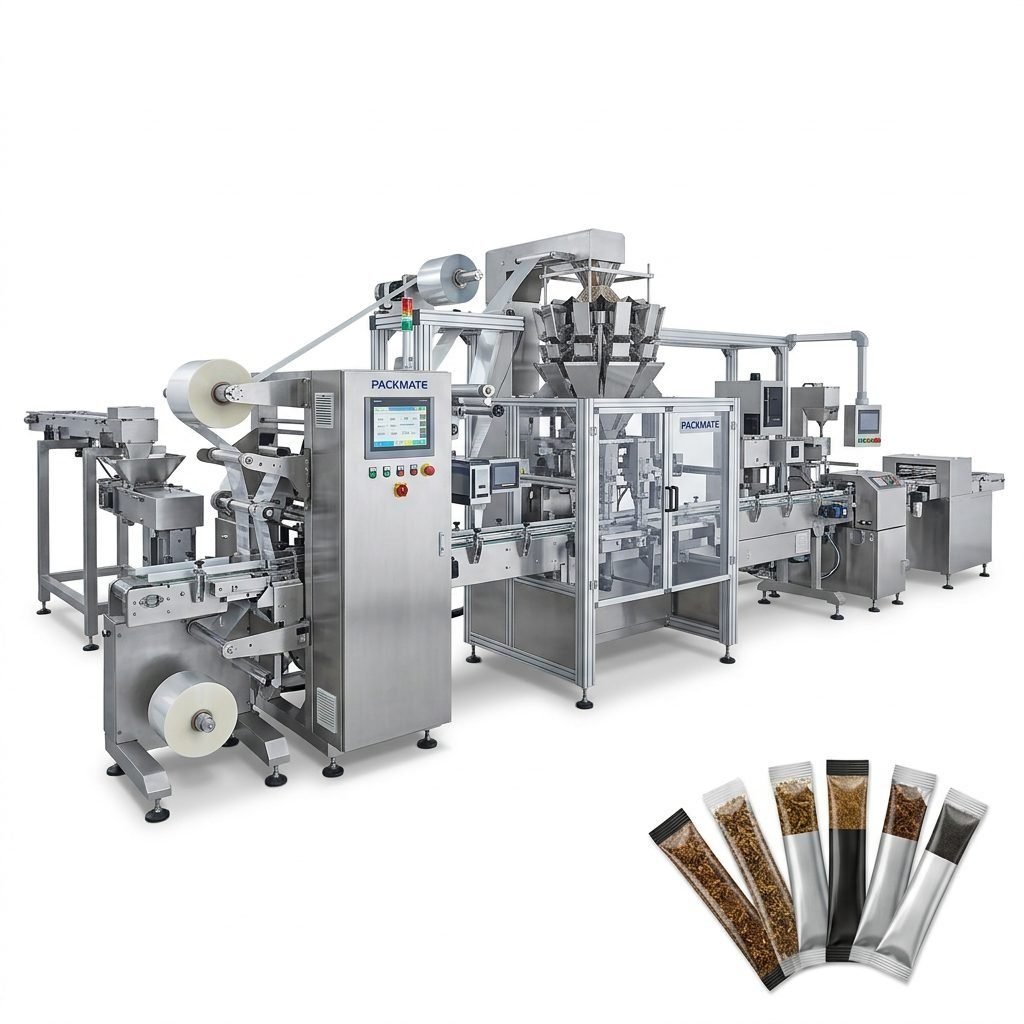
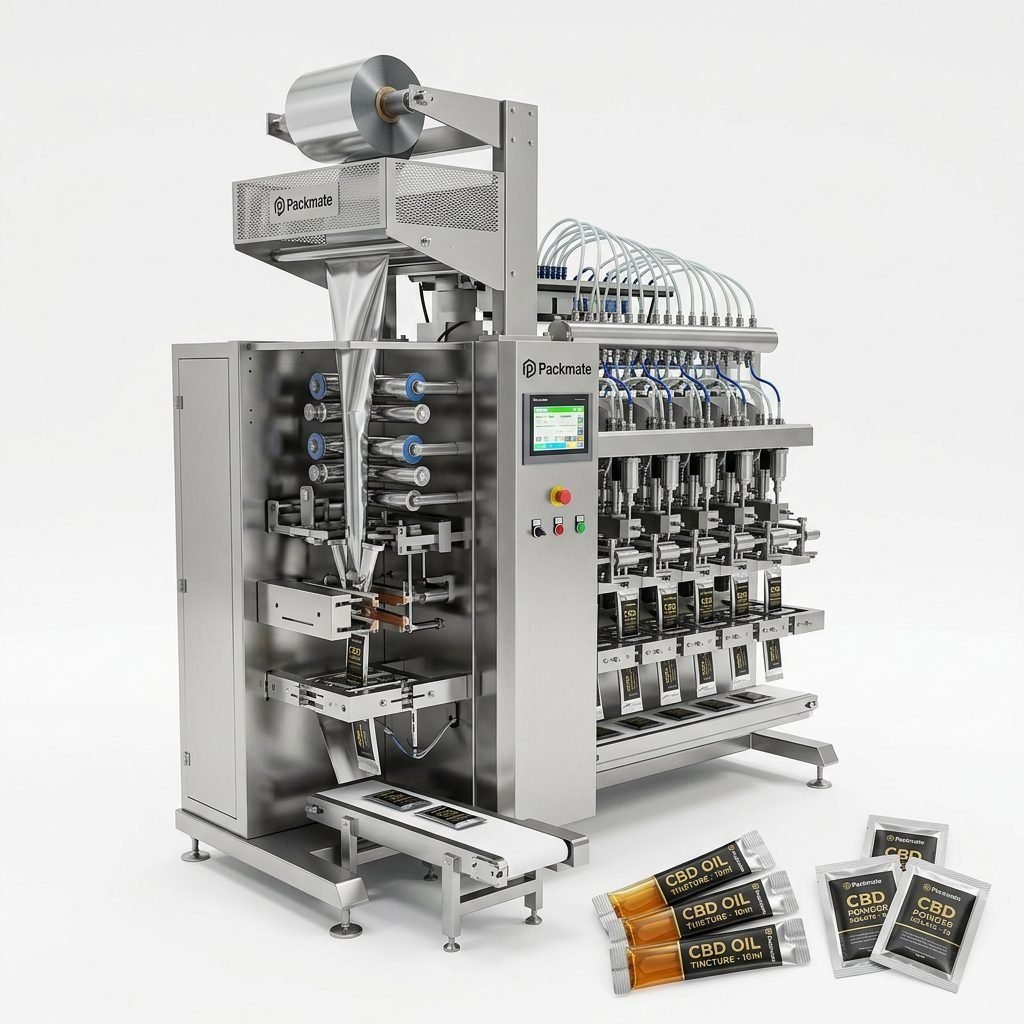
- Stick pack and sachet machines for single-dose formats
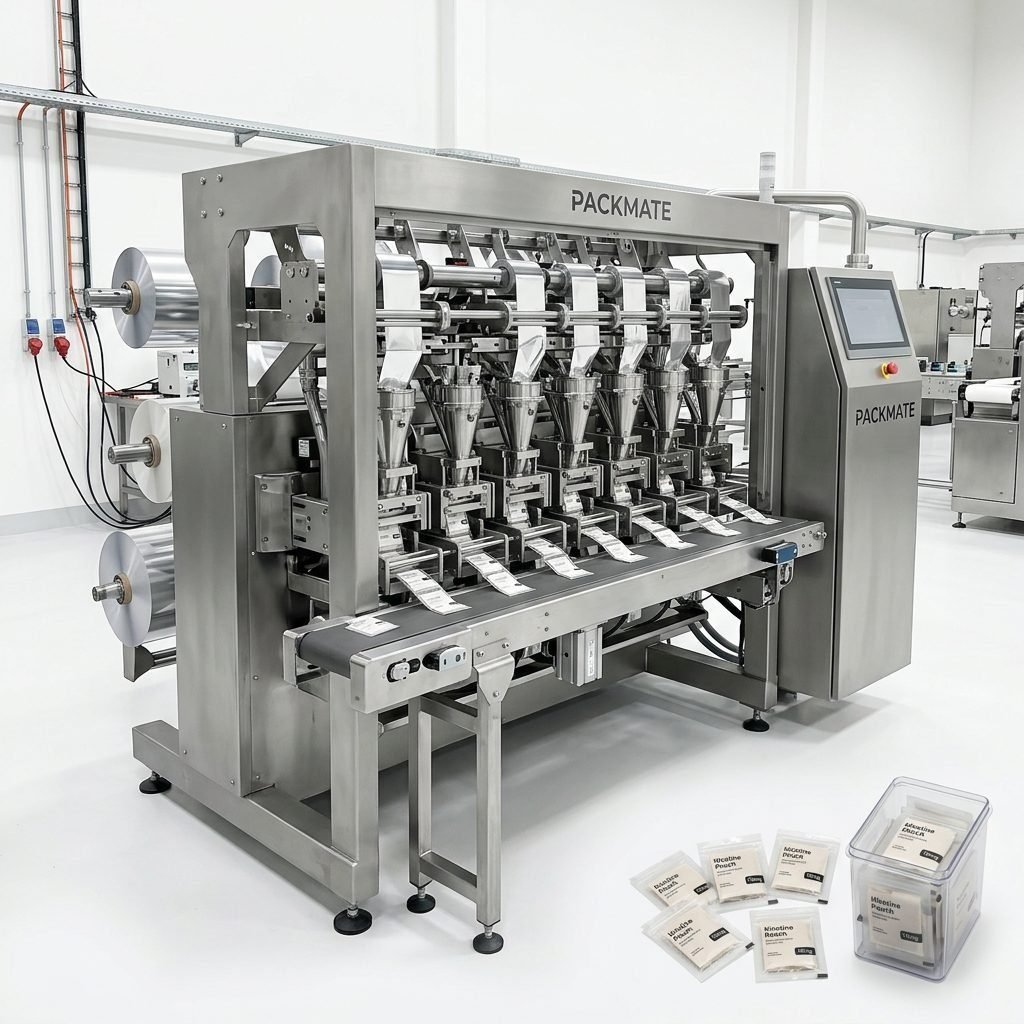
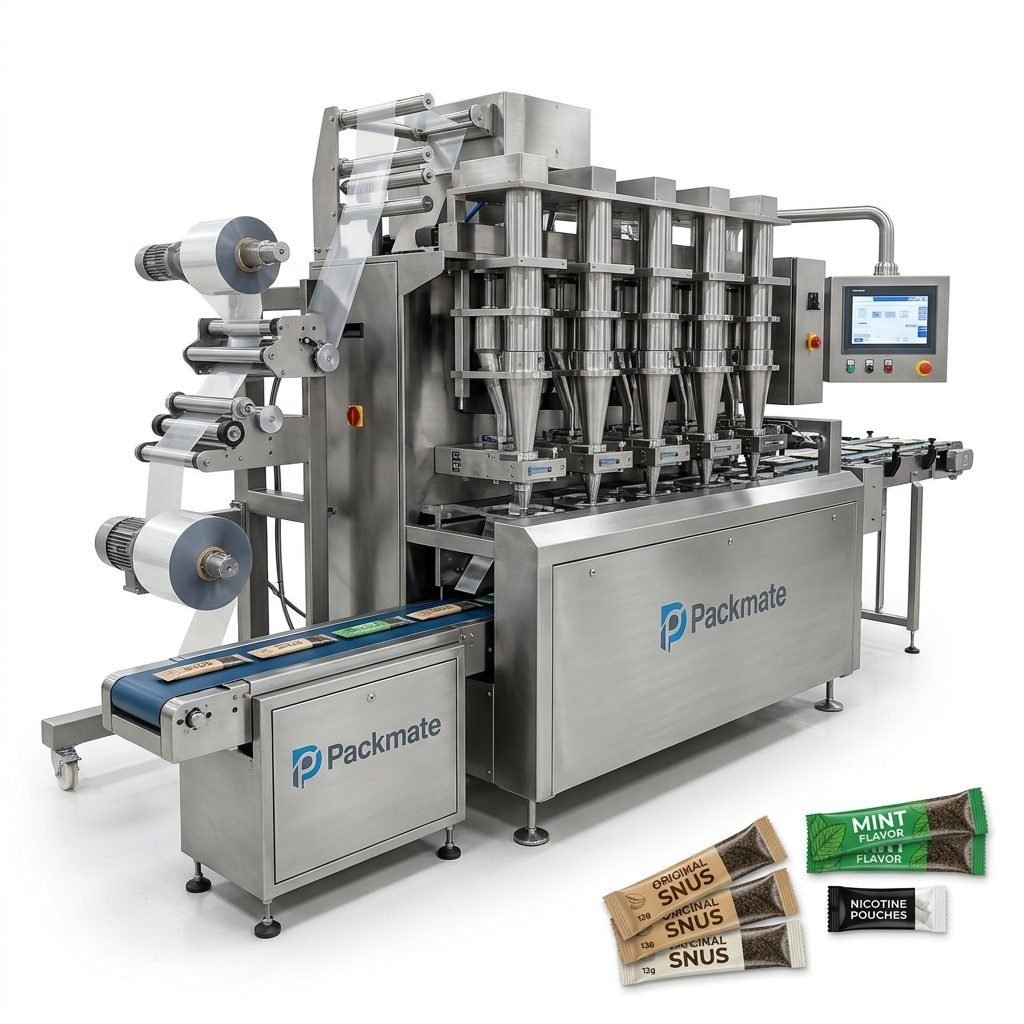
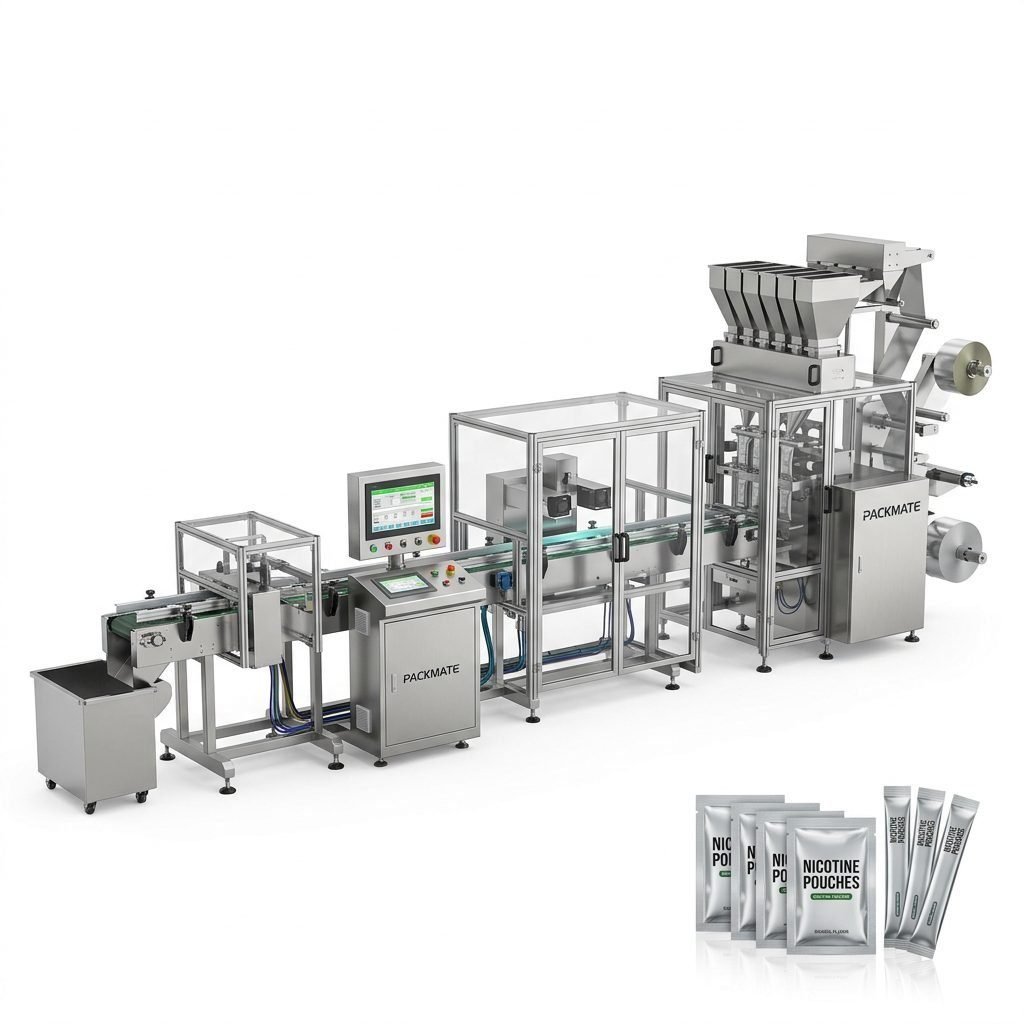
- Multi-lane systems for high-output nicotine pouch lines
- Filling systems suitable for powders, granules, liquids and paste
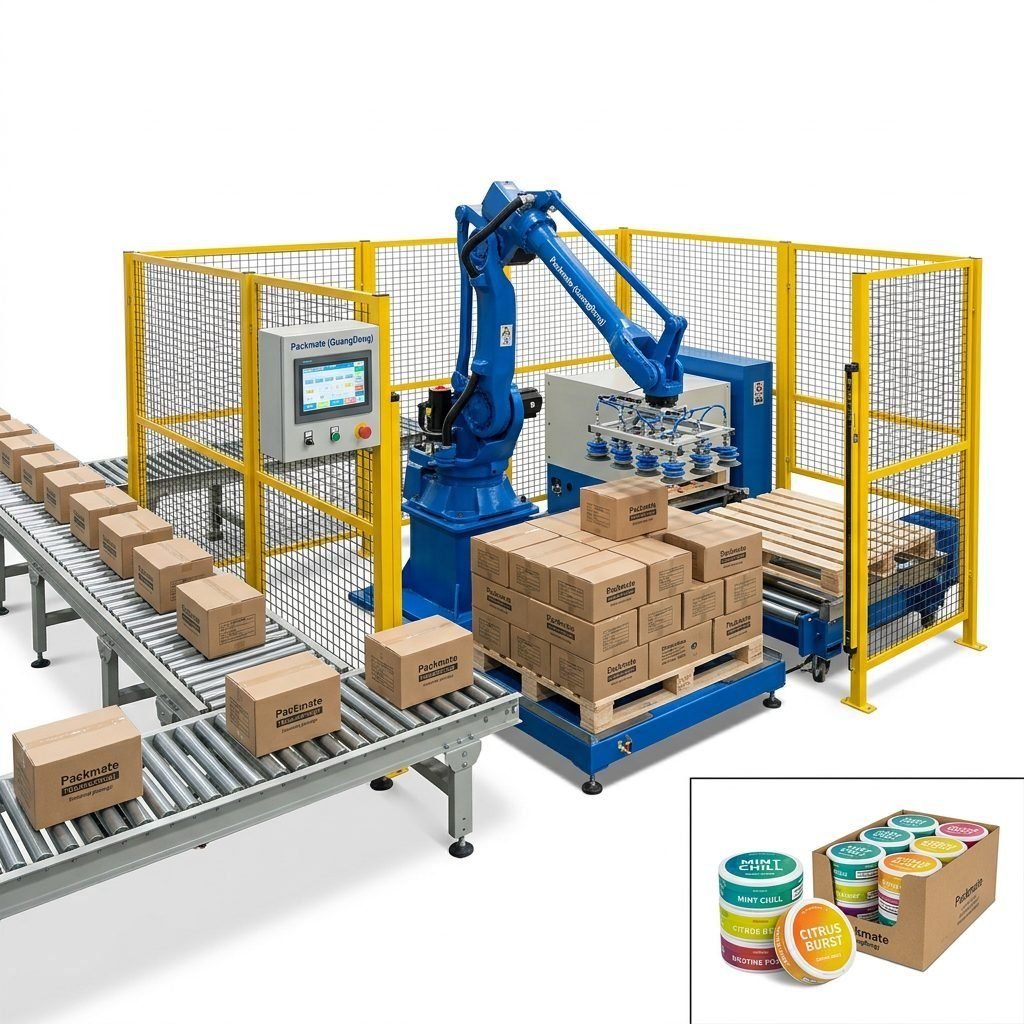
- Ancillary equipment such as sealing, date-coding and boxing modules
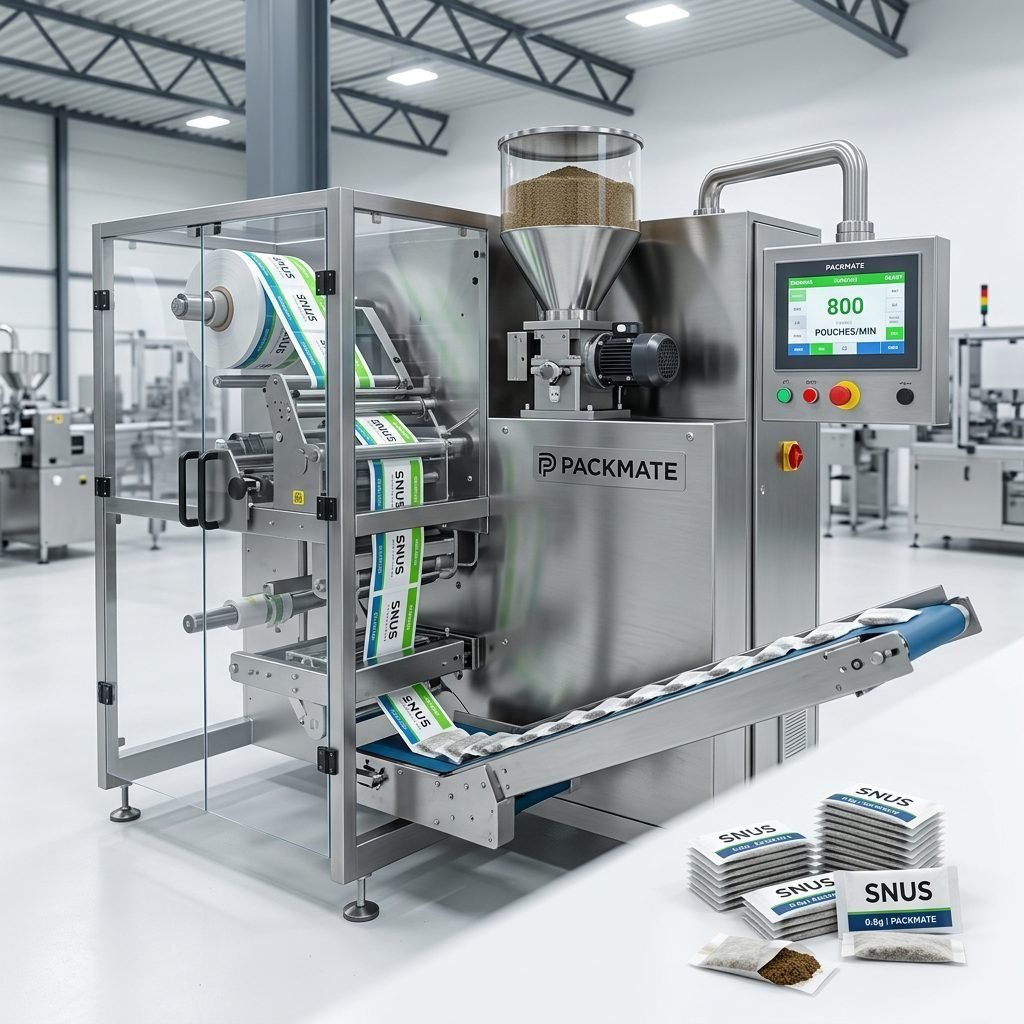
Suppliers with a broad portfolio (for example, those who provide stick pack, sachet and multi-lane systems) make it easier to scale or repurpose lines as your product range evolves. You can review product families and specifications for reference like the Snus & Nicotine Packaging Machines and Sachet & Stick Pack Machines.
2. Throughput, Accuracy and Yield
Choose machines whose actual tested throughput aligns with your projected volumes. Ask for performance data that includes yield (acceptable pouch ratios), downtime statistics and changeover times. High-speed multi-lane systems may appear cost-effective, but if your product requires precise dosing for regulatory compliance, prioritize dosing accuracy over raw speed.
3. Customization and Turnkey Capability
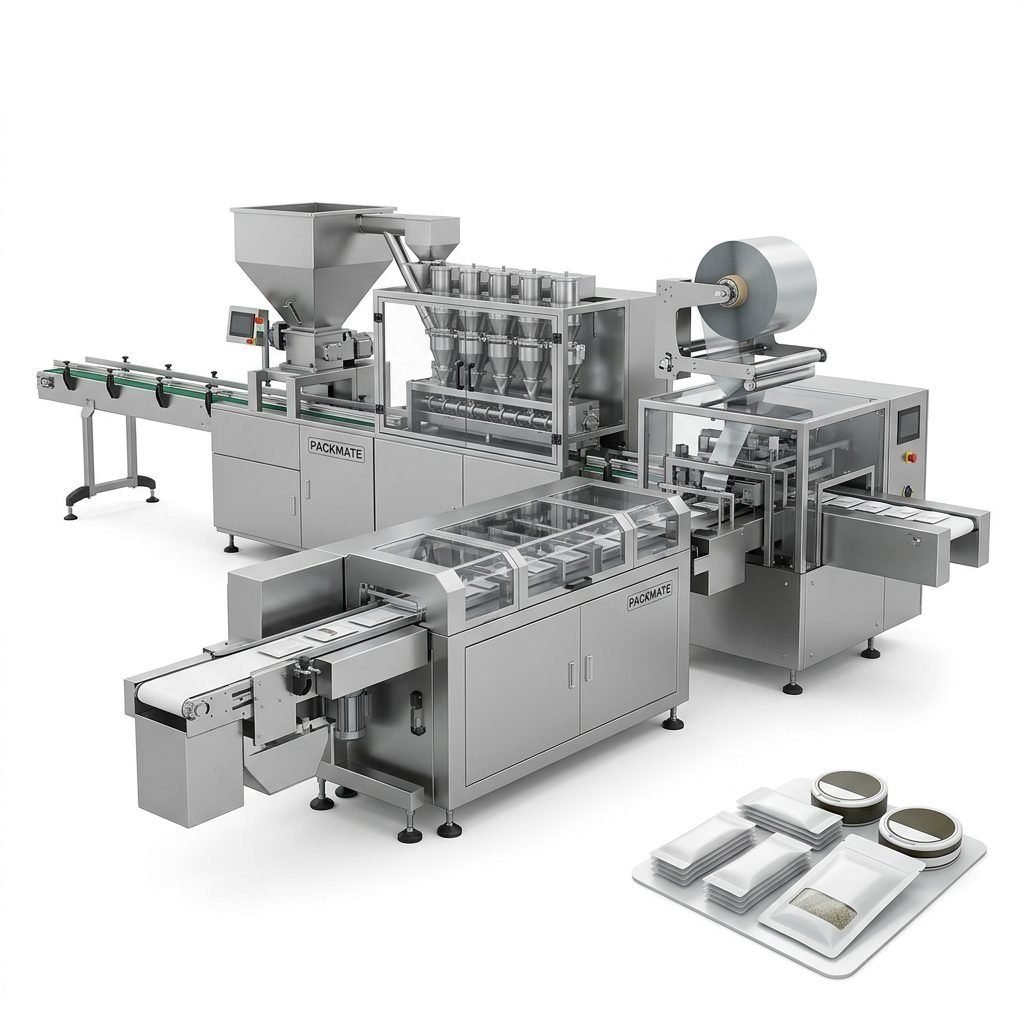
If you need unique pouch sizes, custom materials or integrated weighing and metal detection, work with a supplier capable of turnkey solutions — from filling and sealing to secondary packaging and palletizing. Packmate’s range includes multi-lane systems and full lines that can be tailored to nicotine pouch production; further details are available on their Filling & Packaging Lines page.
🔧 Important: Request a factory acceptance test (FAT) or live demo video to verify customization, sealing integrity and dosing repeatability before signing for delivery.
Quality, Certifications and After-Sales Support
Prioritize suppliers with internationally recognized certifications (CE, ISO) and documented quality control processes. Also assess their after-sales network: spare parts availability, remote troubleshooting, local technicians and training programs directly affect your uptime and long-term cost per unit.
For global suppliers like Packmate Snus Machine, factory scale, CNC machining capabilities and a structured assembly line matter — they indicate consistent build quality. You can review company qualifications at their Certificate page and company profile at About Packmate.
Service & Spare Parts
Confirm lead times for spare parts, warranty coverage and whether the supplier stocks common wear components. In Bulgaria, localized service partners or rapid courier support to Sofia/Plovdiv can significantly reduce downtime. Ask for references or case studies that highlight timely support and long-term service relationships — for example, see global cooperation examples in supplier case studies.
Factory Visit and Audit Checklist
Visiting the supplier’s factory (or attending an exhibition demo) is one of the most effective ways to validate capabilities. Here is a practical audit checklist:
- Inspect CNC machining and assembly lines to assess build quality and tolerances.
- Observe a live machine running your product or a representative pouch material.
- Review testing protocols: leak checks, seal strength, weight control and in-line inspection.
- Ask about spare parts kits, consumable lists and recommended maintenance intervals.
- Verify certifications, QA documentation and warranty terms in writing.
📦 Pro tip: Suppliers that provide video-based training, online manuals and remote commissioning will help your Bulgarian workforce ramp up faster.
Commercial Terms, Lead Times and Total Cost of Ownership
Request detailed quotes that break down:
- Base machine cost and optional modules
- Installation, on-site commissioning and training fees
- Expected spare parts consumption and consumables list
- Shipping, customs, VAT and importation handling into Bulgaria
- Warranty coverage and extended support packages
Evaluate total cost of ownership rather than just the purchase price. Machines that are easy to maintain, use widely available standard parts and have local support will often deliver the lowest long-term costs.
Logistics and Export Considerations in Bulgaria
Bulgaria’s strategic location within the EU and proximity to Balkan markets makes it a convenient production hub for exports. When planning machinery importation, coordinate with freight forwarders who handle heavy machinery shipments and customs clearance. Verify whether the supplier provides DAP/DDP options and whether on-site assembly will be required.
Packaging Materials and Local Supply Chain
Secure local or regional suppliers for pouches, films and labels to minimize lead times. Bulgarian and nearby European converters often supply flexible packaging with required barrier properties and printable surfaces; ensure compatibility with your sealing temperatures and speeds.
Negotiation and Contracting Best Practices
When finalizing contracts:
- Include acceptance criteria (FAT report, SIP — site installation protocol)
- Define penalty clauses for missed delivery or poor performance where appropriate
- Clarify intellectual property and tooling ownership for custom molds or dies
- Schedule clear timelines for commissioning, training and handover
How to Validate a Supplier’s Reputation
Check supplier references, inspect case studies and request contact details of existing customers in similar markets. Visiting exhibitions where suppliers showcase machines is valuable — Packmate often attends global exhibitions and provides live demos; see Our Exhibition for details and schedules.
Additional useful resources include catalogs, technical datasheets and FAQs on the supplier’s site — many manufacturers maintain a Catalog and FAQs to help buyers compare models.
Making the Final Decision
Combine technical fit, local compliance, service capability and cost-of-ownership to make a balanced decision. For manufacturers targeting both domestic and export markets from Bulgaria, prioritize modular, scalable lines with solid documentation and proven EU-compliant builds. Ask for trial runs, sample production and a staged payment plan tied to FAT and SAT (site acceptance test) milestones.
✅ Quick Checklist: Confirm compliance, test a sample run, review spare parts plan, validate training & support, and negotiate clear delivery & acceptance milestones.
Further Reading and Supplier Resources
To explore machine types and full production lines, visit reputable manufacturer pages such as the Snus & Nicotine Packaging Machines, Weighing & Packaging Systems and Auxiliary Packaging Equipment sections to compare specifications and line integrations.
Conclusion
Selecting the best snus packaging machinery supplier in Bulgaria means balancing regulatory compliance, technical performance and reliable local support. A carefully vetted supplier who offers turnkey solutions, clear documentation and responsive after-sales service will reduce risks, accelerate your time-to-market and protect long-term profitability. Plan factory acceptance tests, secure local supply chains and align contract terms with measurable performance milestones to ensure a smooth equipment procurement and installation.
Frequently Asked Questions
Q1: Is snus production legal in Bulgaria?
A: Regulations vary between product types. Bulgaria follows EU frameworks — confirm the legal status of traditional snus and nicotine pouches with local authorities. Many manufacturers focus on nicotine pouches or export-oriented production where legal.
Q2: What certifications should I require from a supplier?
A: Ask for CE and ISO certificates, machine FAT reports, and references. For food or pharma-adjacent production, GMP-compatible processes and traceability documentation can be essential.
Q3: How long does it typically take to get a customized line delivered and commissioned?
A: Lead times depend on customization, spare part availability and shipping. Typical delivery windows range from a few months to six months or more for turnkey lines; agree on milestones in the contract and include FAT/SAT steps.
Q4: Can I get local support in Bulgaria after purchase?
A: Many global suppliers provide remote support and can arrange local partners for on-site service. Confirm spare parts lead times and whether the supplier offers technician visits or remote commissioning.
Q5: Where can I find more information about producers and case studies?
A: Review supplier case pages and contact them for references. For example, see manufacturer case examples at Case and contact supplier offices via their Contact Us page.