Choosing the right nicotine packaging machine supplier in Mali requires more than comparing prices — it demands an understanding of local business culture, logistics challenges in a landlocked country, regulatory sensitivities, and the technical capabilities needed for consistent, compliant production. This guide walks you through actionable steps, supplier evaluation checklists, technical considerations, and Mali-specific tips so you can make a confident buying decision.
Understand Mali’s Market & Cultural Context
Mali is a West African country with strong cultural traditions and a predominantly Muslim population. Business communications are often conducted in French and local languages. When sourcing nicotine packaging equipment, remember:
Key local considerations:
• Use French-language documentation and training whenever possible.
• Be sensitive to religious observances (e.g., Ramadan) for scheduling demos and installation.
• Expect slower inland transport times due to Mali’s landlocked geography — plan logistics carefully.
Regulatory & Compliance Checklist for Mali
Before purchasing, verify local legal requirements for nicotine products. Regulations around sales, advertising, and packaging may vary and can affect machine choice (e.g., capabilities for including health warnings, batch codes, or multilingual labels). Always check:
- Local labeling regulations (French text and mandatory warnings)
- Import permits and customs documentation required by Mali’s authorities
- Any product-specific restrictions or taxes applied to nicotine-containing products
Why Supplier Experience Matters — What to Look For
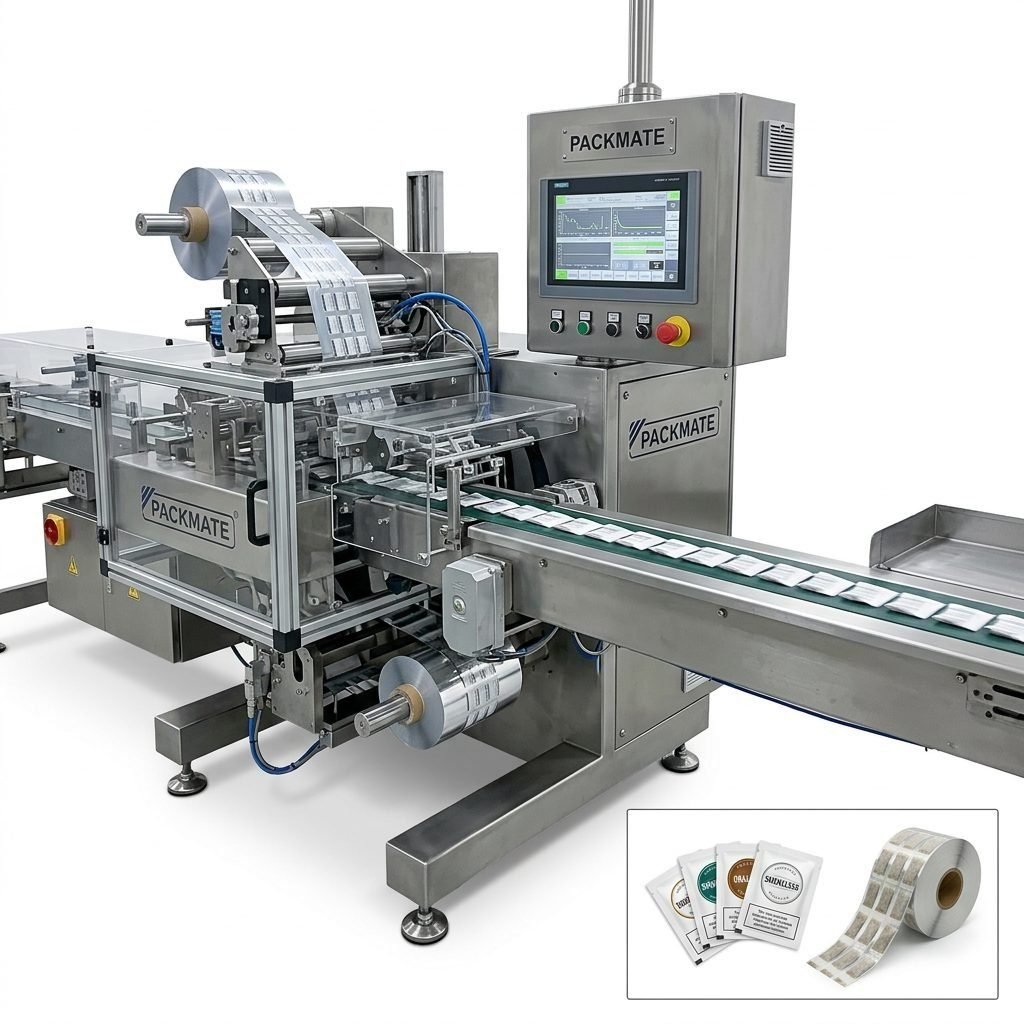
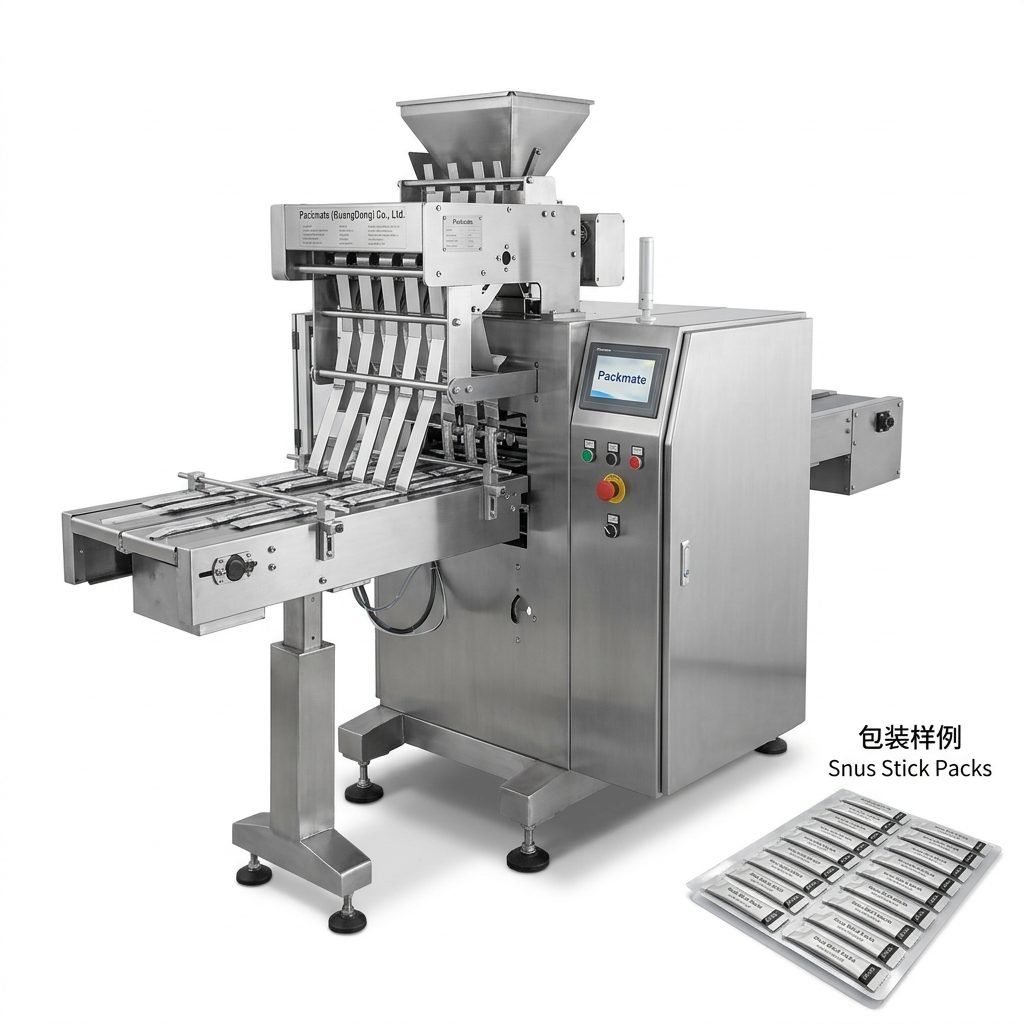
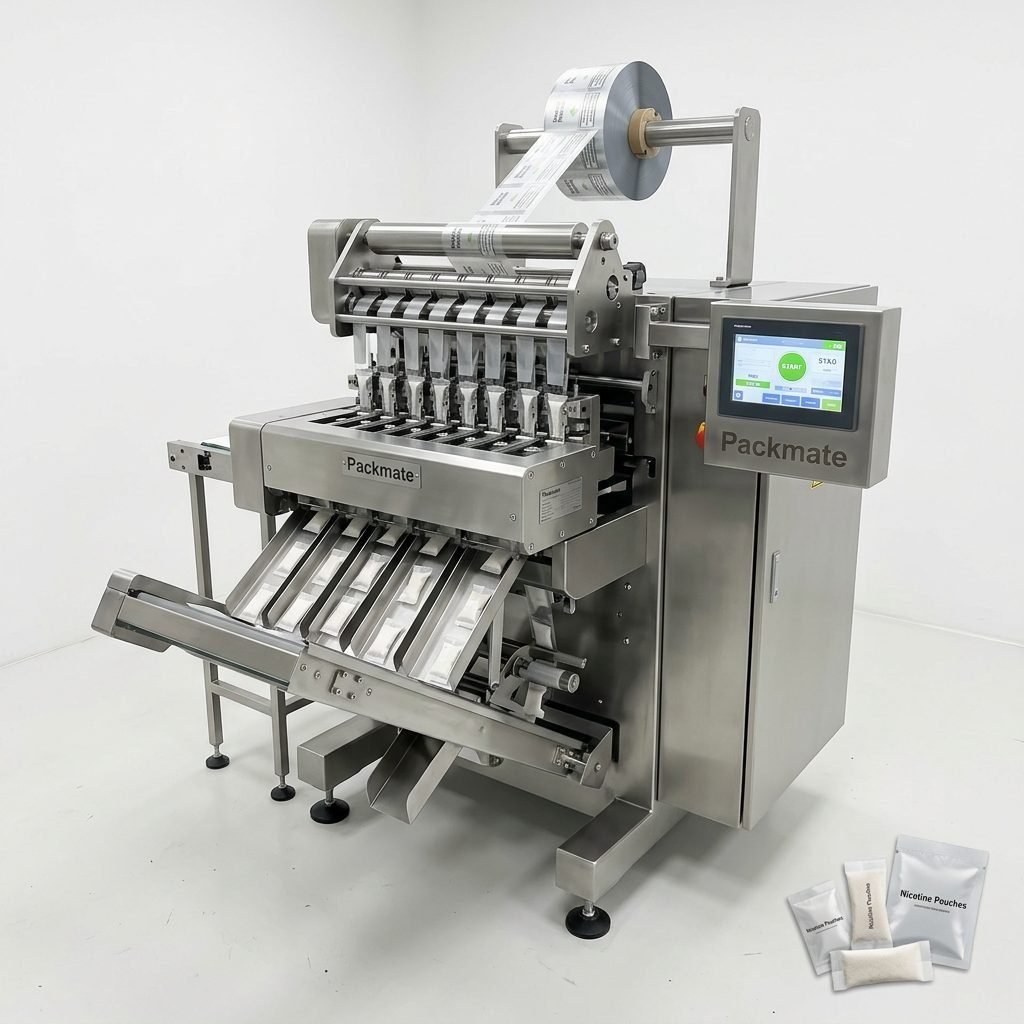
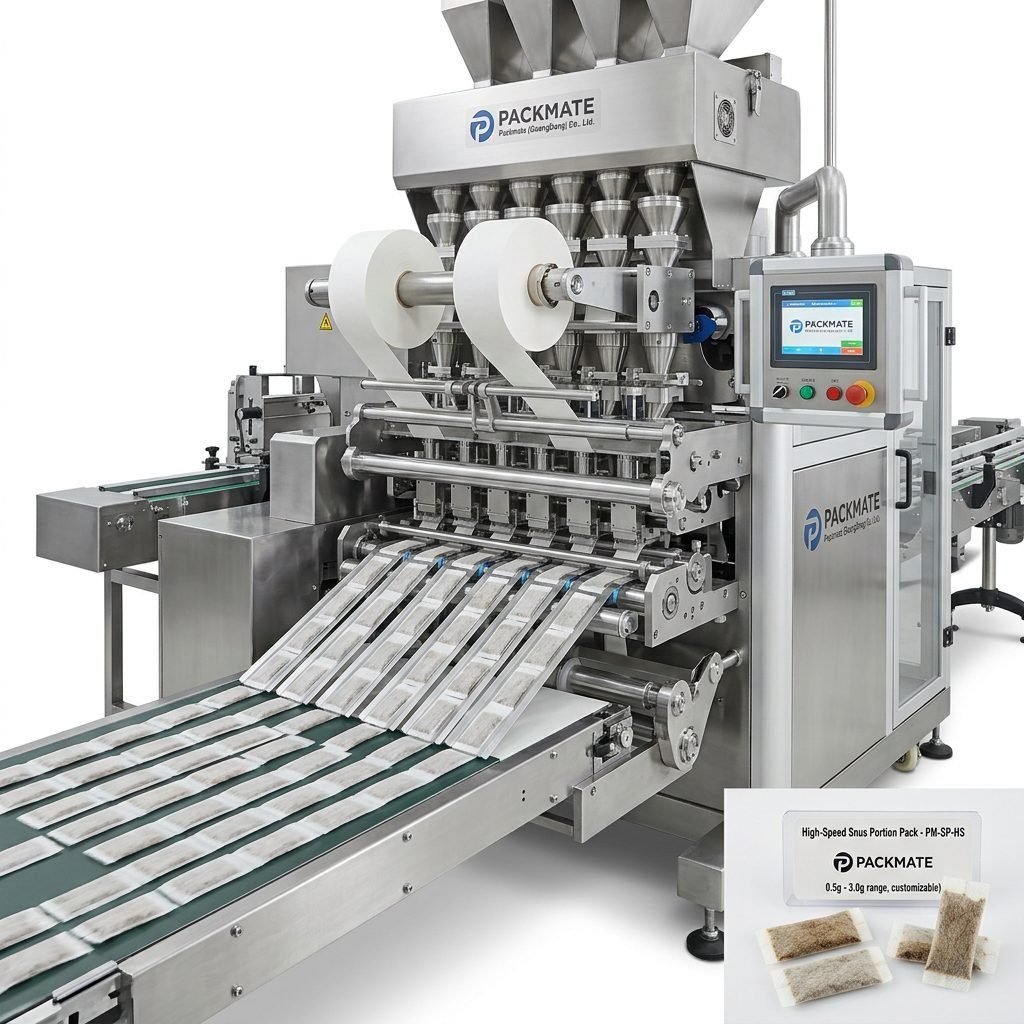
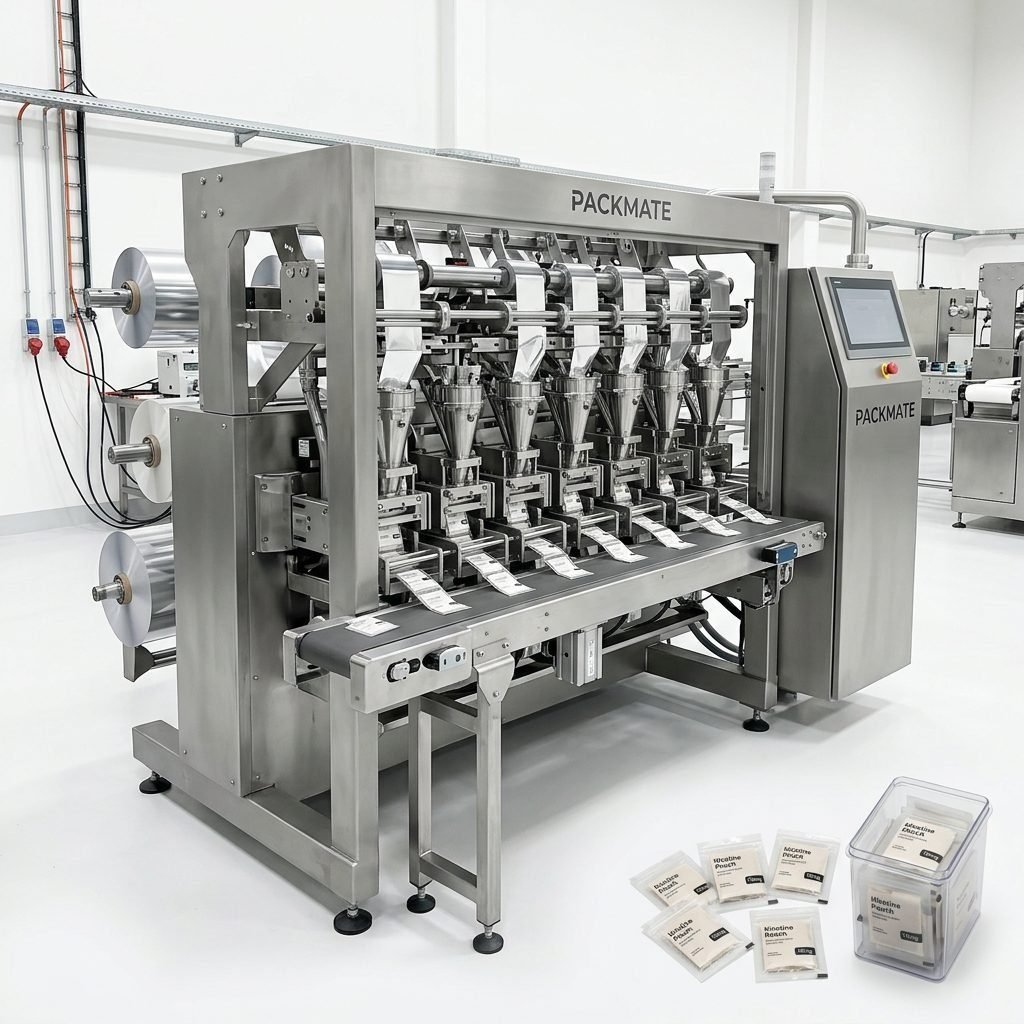
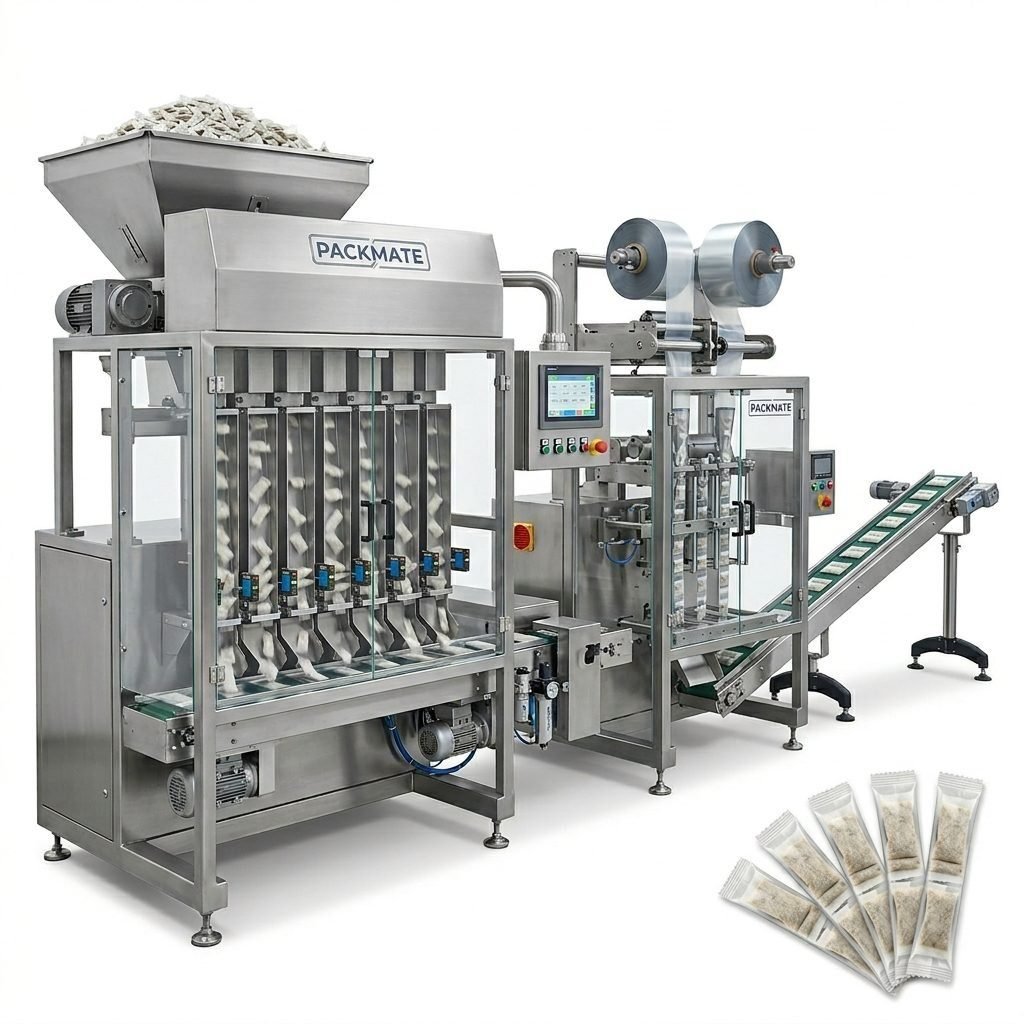
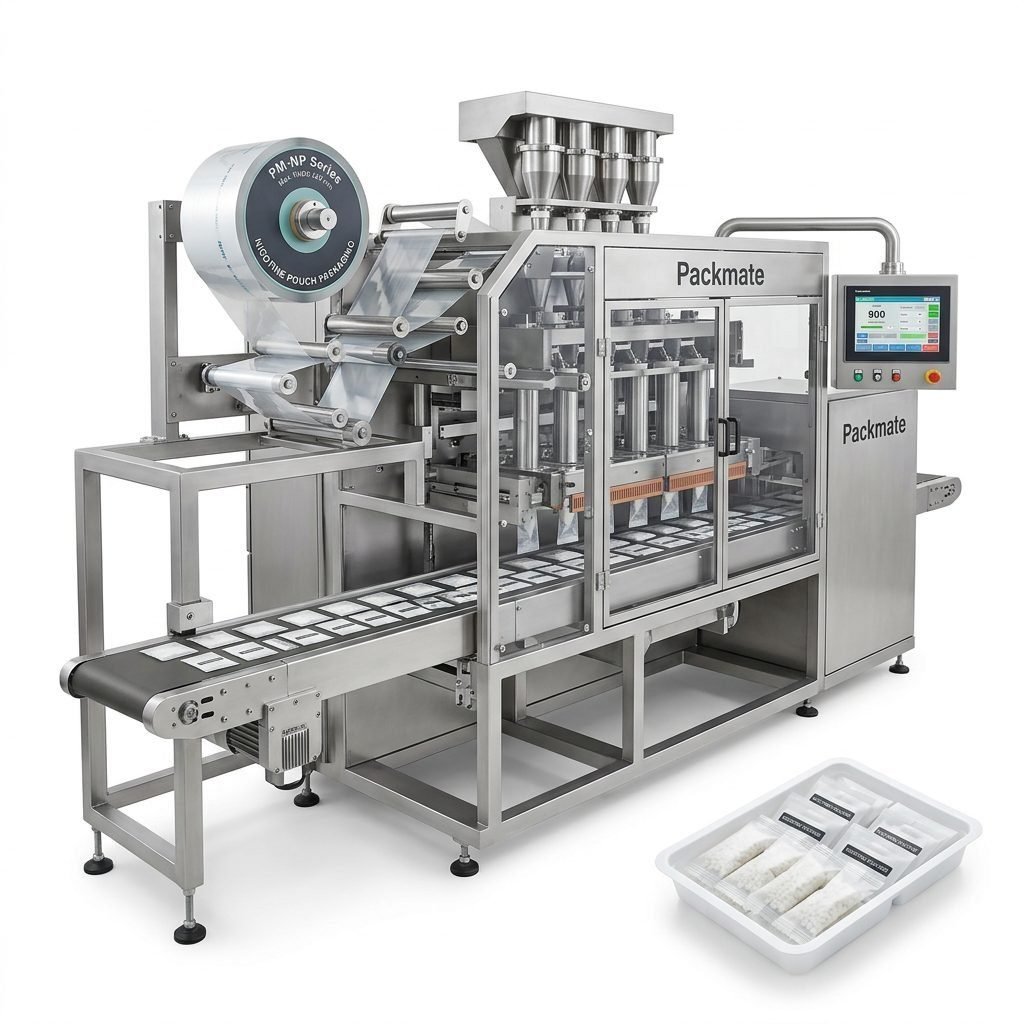
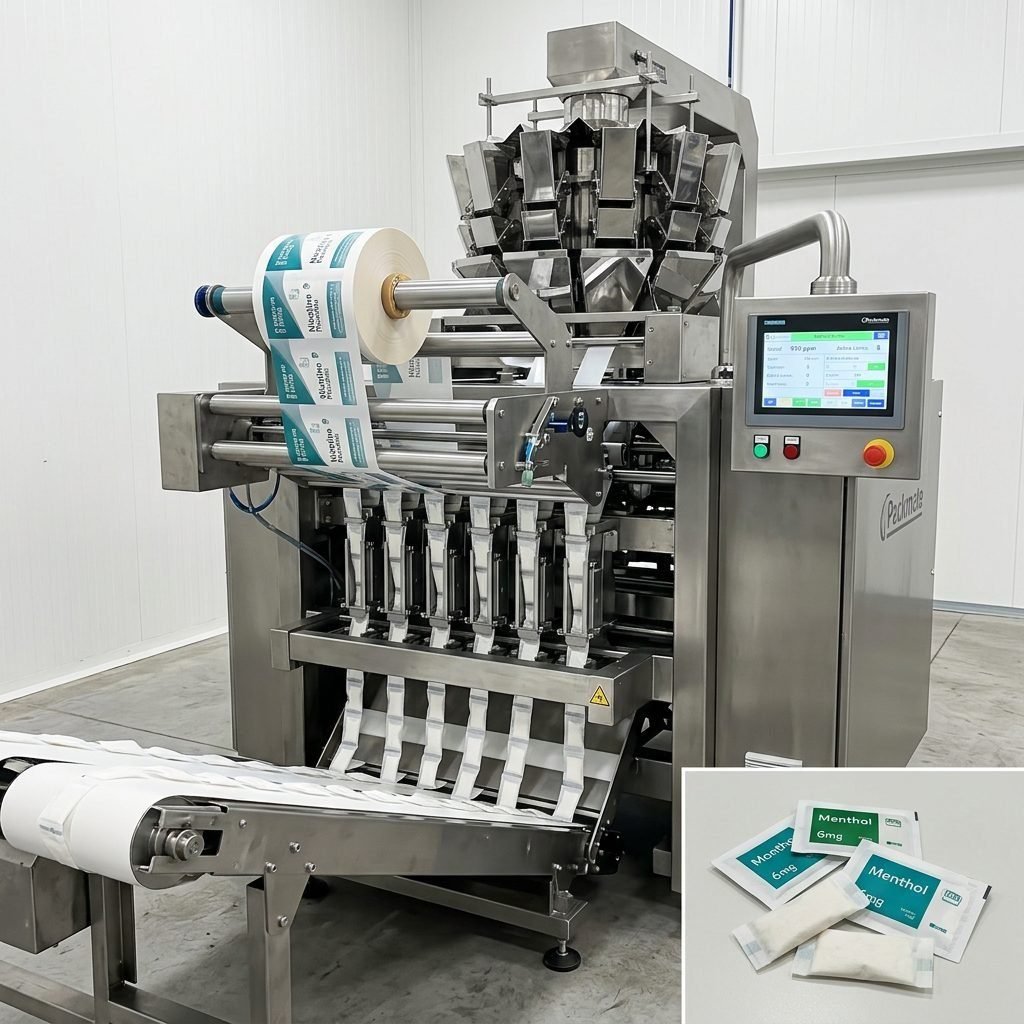
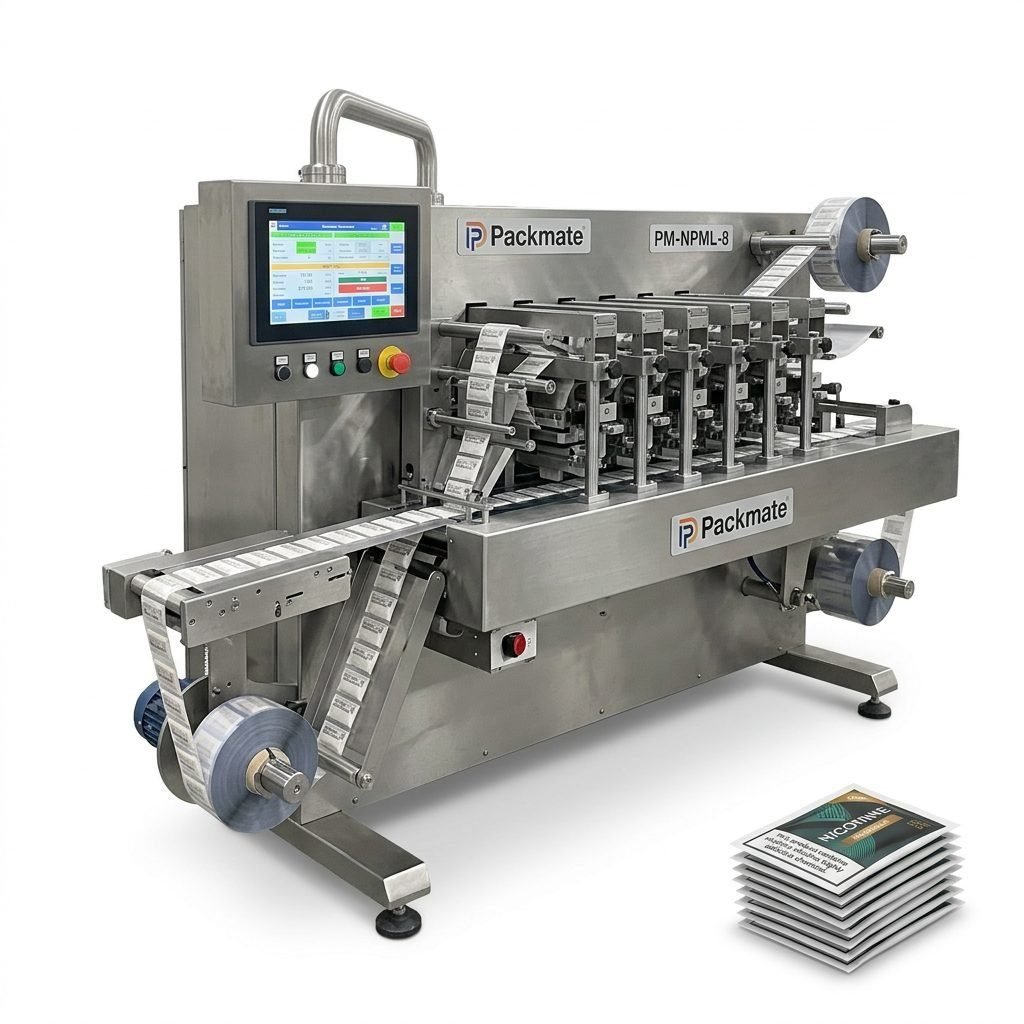
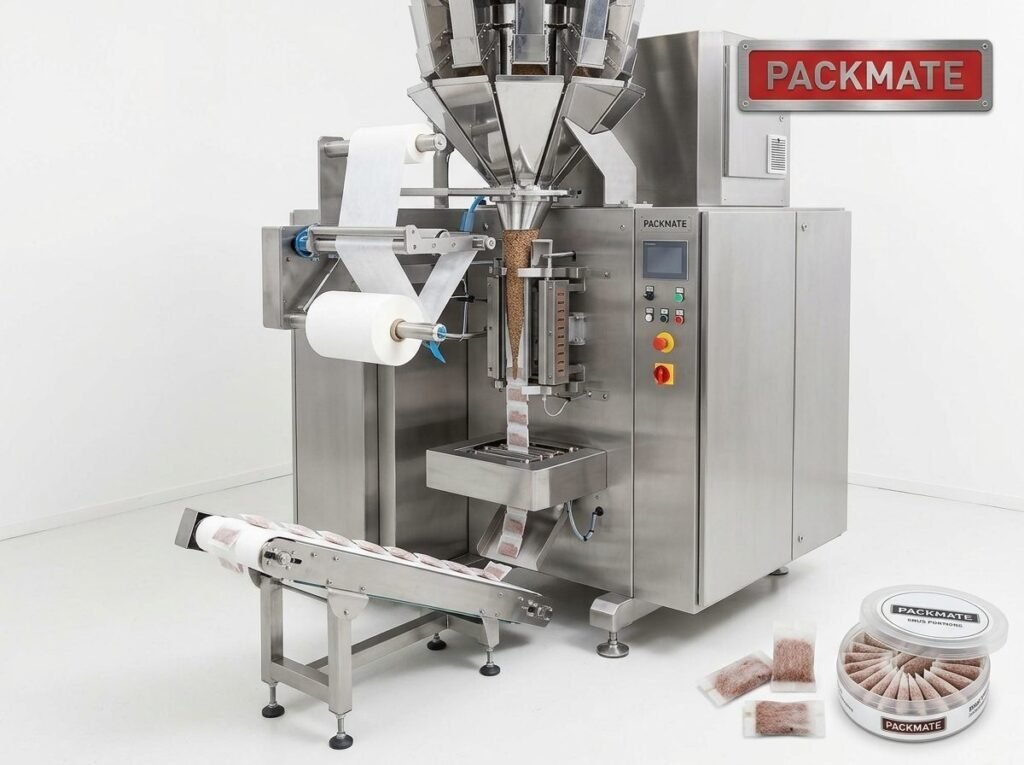
Partnering with an experienced supplier reduces risk. Look for companies with proven history in snus and nicotine pouch equipment, strong manufacturing capabilities, and global references. Packmate Snus Machine (Packmate) is one such example — with 30+ years of engineering experience and a broad machine portfolio, they can support turnkey production needs.
Important credentials and signs of reliability:
✅ Proven track record — long industry presence and case studies from multiple regions.
✅ Factory scale & equipment — advanced CNC machining centers and assembly lines indicate production stability.
✅ Certifications — CE, ISO, and other international standards ensure compliance and safety.
Technical Criteria: Match Machine Capabilities to Your Product
Nicotine pouches, snus, powders, liquids, and stick packs each demand different filling and sealing technologies. Carefully specify:
- Output capacity (pouches per minute and lanes)
- Filling accuracy and weight tolerance for low-dose products
- Compatibility with your pouch materials and sizes
- Options for multi-lane production to scale later
- Hygienic design and easy cleaning for regulatory compliance
For equipment portfolios, review specialized categories like Snus & Nicotine Packaging Machines, Sachet & Stick Pack Machines, and Filling & Packaging Lines for complementary needs.
Customization & Turnkey Solutions
Many buyers need customized solutions: special pouch formats, specific dosing systems, or integrated weighing and secondary packaging. Choose a supplier that provides:
Turnkey capabilities — from machine supply to full line integration, including auxiliary equipment and testing.
• On-site assembly and commissioning support.
• Training for operators and maintenance staff (preferably in French).
• Spare parts availability and clear service agreements.
After-Sales Support & Spare Parts
Downtime is expensive. Confirm the supplier’s service network, spare parts lead times, and remote support options. Ask for:
- Response time for service calls and remote diagnostics
- Availability of consumables and critical spares
- Training materials and multilingual manuals (French is essential in Mali)
- Preventive maintenance plans and optional warranty extensions
For a clear service offering, review the supplier’s dedicated service pages such as Service and their company overview at About Packmate.
Factory Visits, References & Case Studies
Validate supplier claims by reviewing case studies and visiting manufacturing sites when possible. Ask for:
- Video demos of the exact model you plan to buy
- References from customers in similar climates or distribution contexts
- Documented case studies and exhibition demos — see examples at Case and Our Exhibition
Cost Considerations & Total Cost of Ownership (TCO)
The machine price is only part of the equation. Calculate TCO to include:
- Shipping and import duties (Mali is landlocked — consider ports like Dakar or Abidjan and overland transport)
- Installation, training, and commissioning costs
- Spare parts, consumables, and preventive maintenance
- Energy consumption and local utility compatibility (voltage/frequency)
Ensure clear incoterms (FOB, CIF, DDP) and a logistics plan — delays at ports or during inland transport can influence lead times significantly.
Questions to Ask Potential Suppliers
Use this checklist during supplier evaluations and RFQs:
• What is your machine’s throughput and accuracy for low-dose pouches?
• Can you provide references from customers producing nicotine pouches?
• What certifications (CE/ISO) and compliance declarations do you offer?
• What is included in your standard warranty and what are lead times for spare parts?
• Do you offer on-site installation, training, and documentation in French?
Installation, Training & Local Workforce Integration
Successful commissioning depends on clear training plans and knowledge transfer. Prioritize suppliers who provide:
- On-site training for operators and maintenance technicians (French-language materials)
- Detailed electrical and mechanical drawings for local engineers
- Support for local sourcing of consumables and simple spare parts
Making the Final Decision
Balance technical fit, reliability, after-sales service, and logistics. Prioritize suppliers who demonstrate:
Final selection tips:
• Favor partners offering turnkey lines if you need rapid start-up.
• Confirm language support and local onboarding plans.
• Ask for a performance guarantee or acceptance test protocol before final payment.
Why a Supplier Like Packmate Might Be a Good Fit
Suppliers with extensive experience in snus and nicotine packaging — for example, those offering diversified lines (snus/nicotine machines, sachet/stick pack, filling systems, and auxiliary equipment) — can reduce integration risks and speed up commissioning. Review detailed product offerings at:
• Bag & Pouch Packaging Machines
• Weighing & Packaging Systems
• Contact suppliers directly via Contact Us for tailored quotes and timelines.
Practical Next Steps for Buyers in Mali
1. Prepare a clear specification sheet (product types, pouch formats, required output).
2. Request videos and references for the specific model you intend to purchase.
3. Confirm documentation and training in French; schedule installation around local holidays.
4. Plan logistics from nearest international ports (Dakar, Abidjan) and inland transport to Bamako or other destinations.
5. Negotiate spare parts packages and a defined SLA for service response times.
Closing Thought
Selecting the best nicotine packaging machine supplier for Mali is a strategic decision that blends technical specifications, cultural alignment, logistics planning, and after-sales reliability. By following the steps above and leveraging suppliers with proven nicotine packaging expertise, you can minimize risk and accelerate production readiness.
Frequently Asked Questions:
Q1: How do I verify a supplier’s on-site performance before purchase?
A1: Request live video demos, client references in similar markets, and acceptance test protocols. If possible, arrange a factory visit or view recorded machine runs.
Q2: What logistics challenges should I expect when importing machines into Mali?
A2: Mali is landlocked — plan for maritime transit to West African ports (Dakar or Abidjan) and secure inland trucking, customs clearance, and transit insurance.
Q3: Do I need machines that print multilingual labels?
A3: Yes — ensure your machines or integrated printers can handle French labels and required health warnings per local regulation.
Q4: How important is spare parts availability?
A4: Critical — fast access to key spares reduces downtime; consider stocking critical components locally and securing a clear spare-parts lead-time agreement.
Q5: Where can I find more detailed product information and catalogs?
A5: Visit supplier product pages and catalogs to compare technical specs and available models; for example, see Packmate’s Catalog and product pages listed earlier.