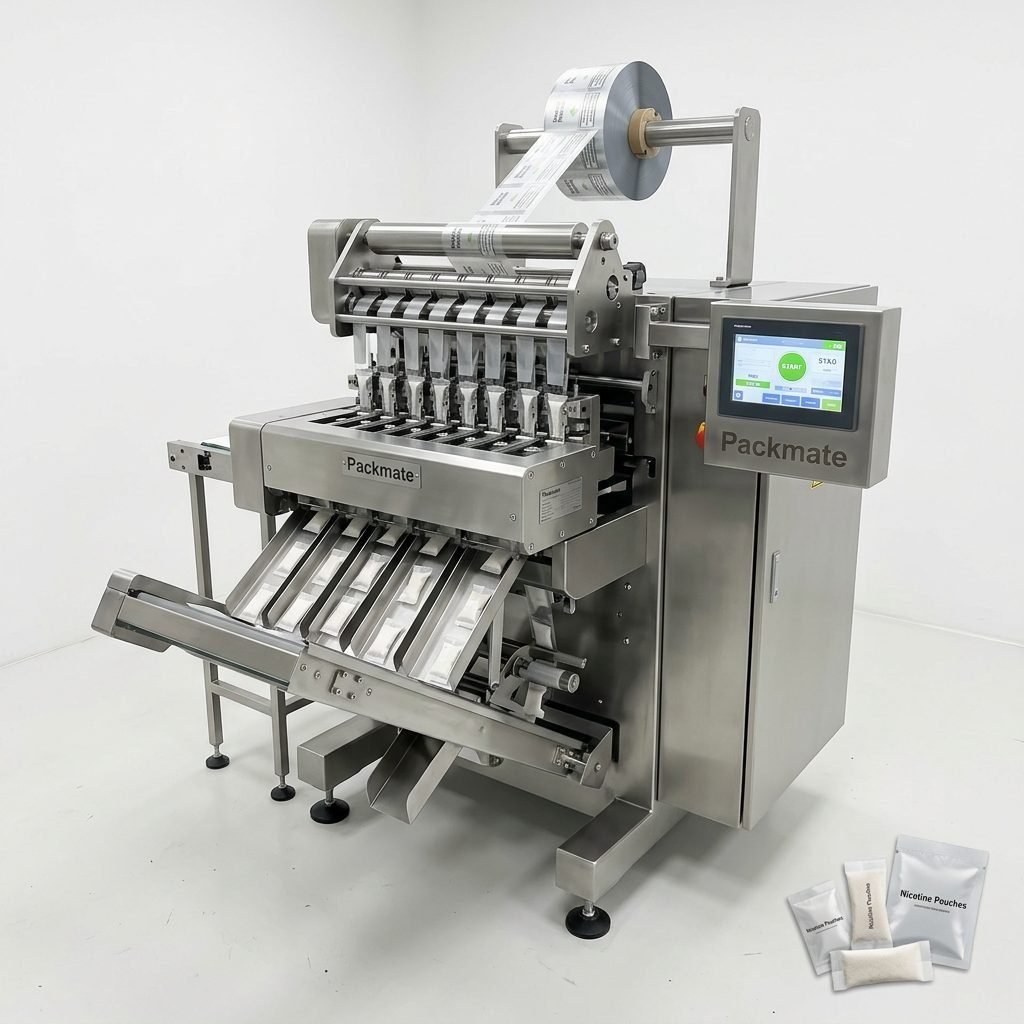
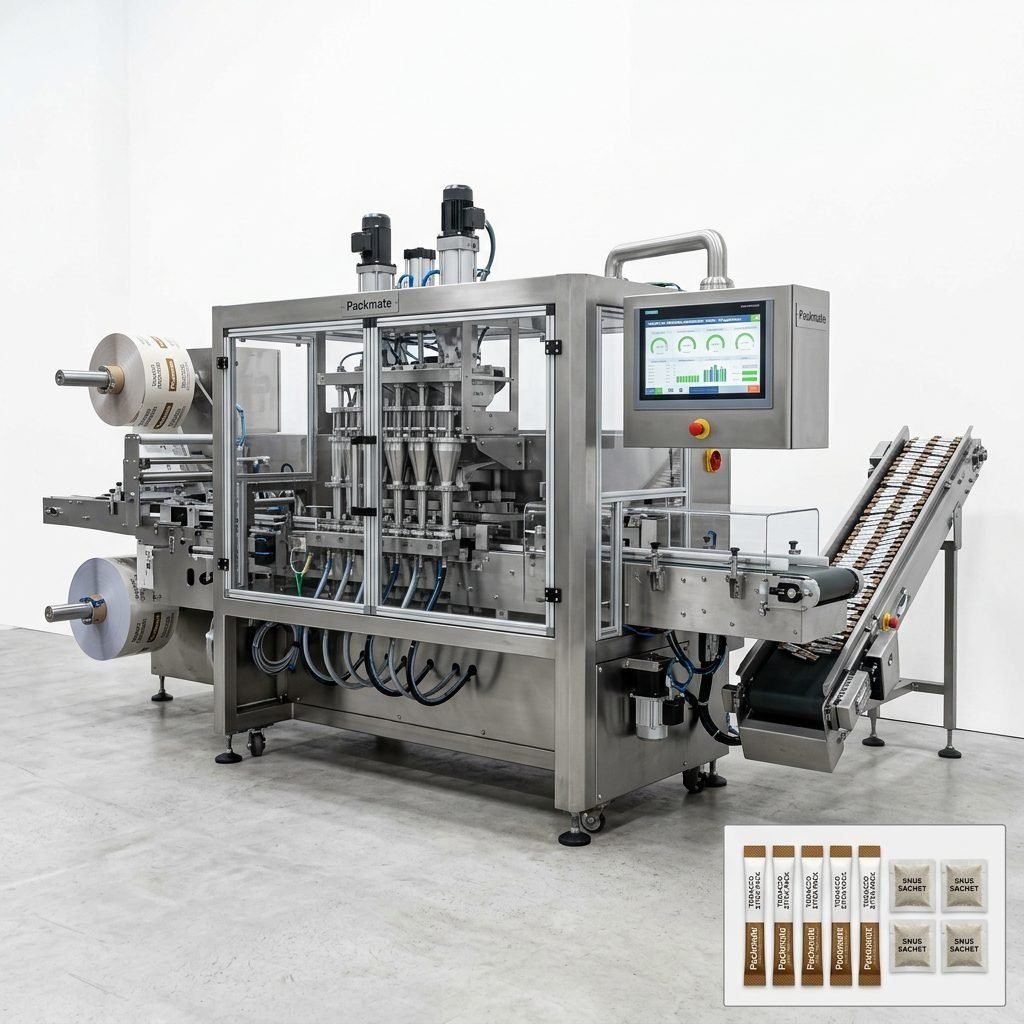
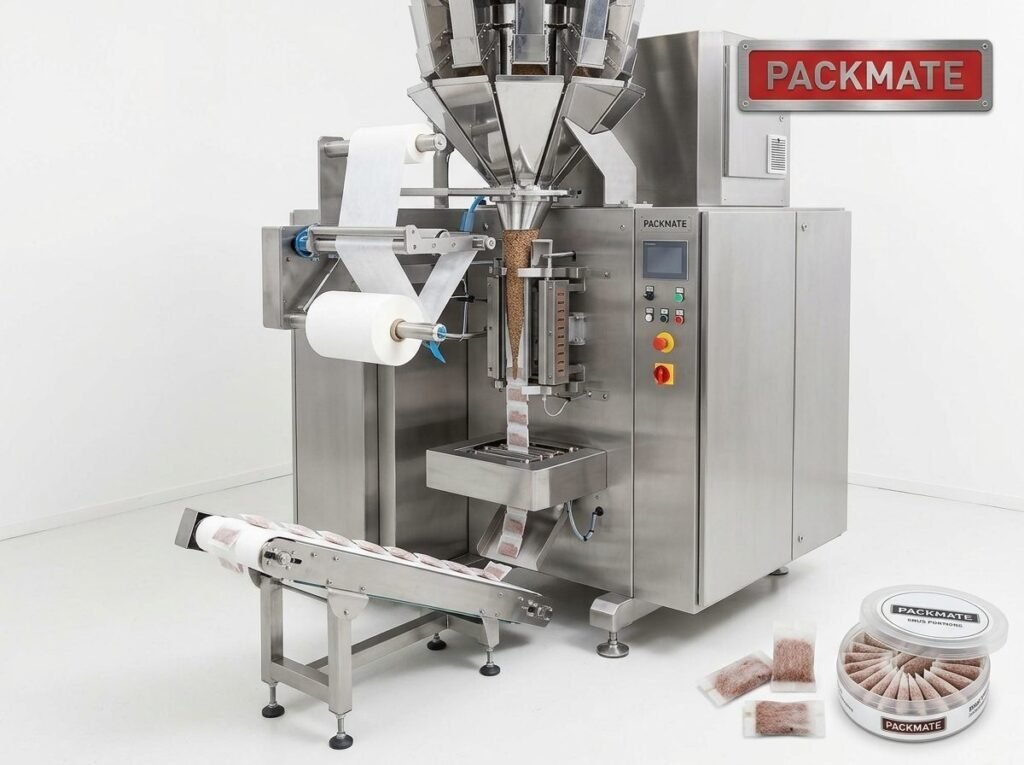
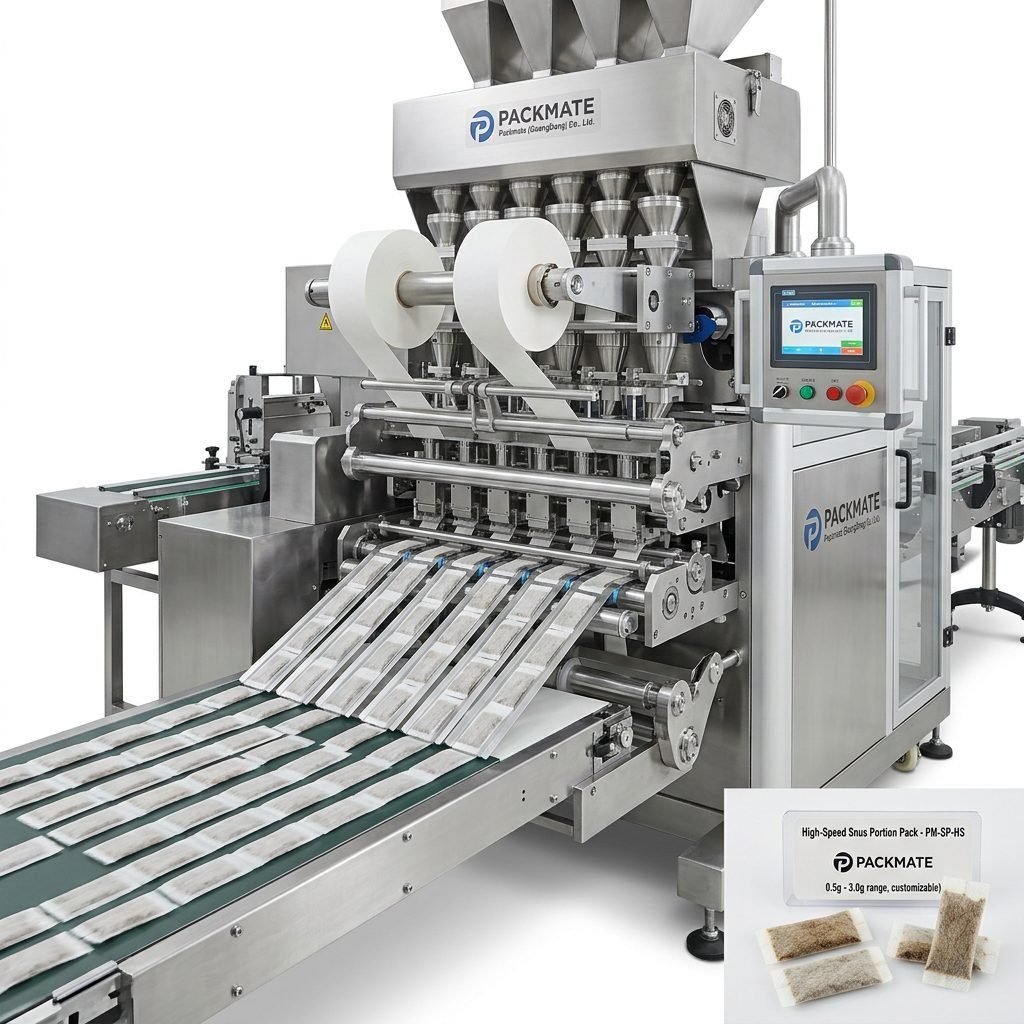
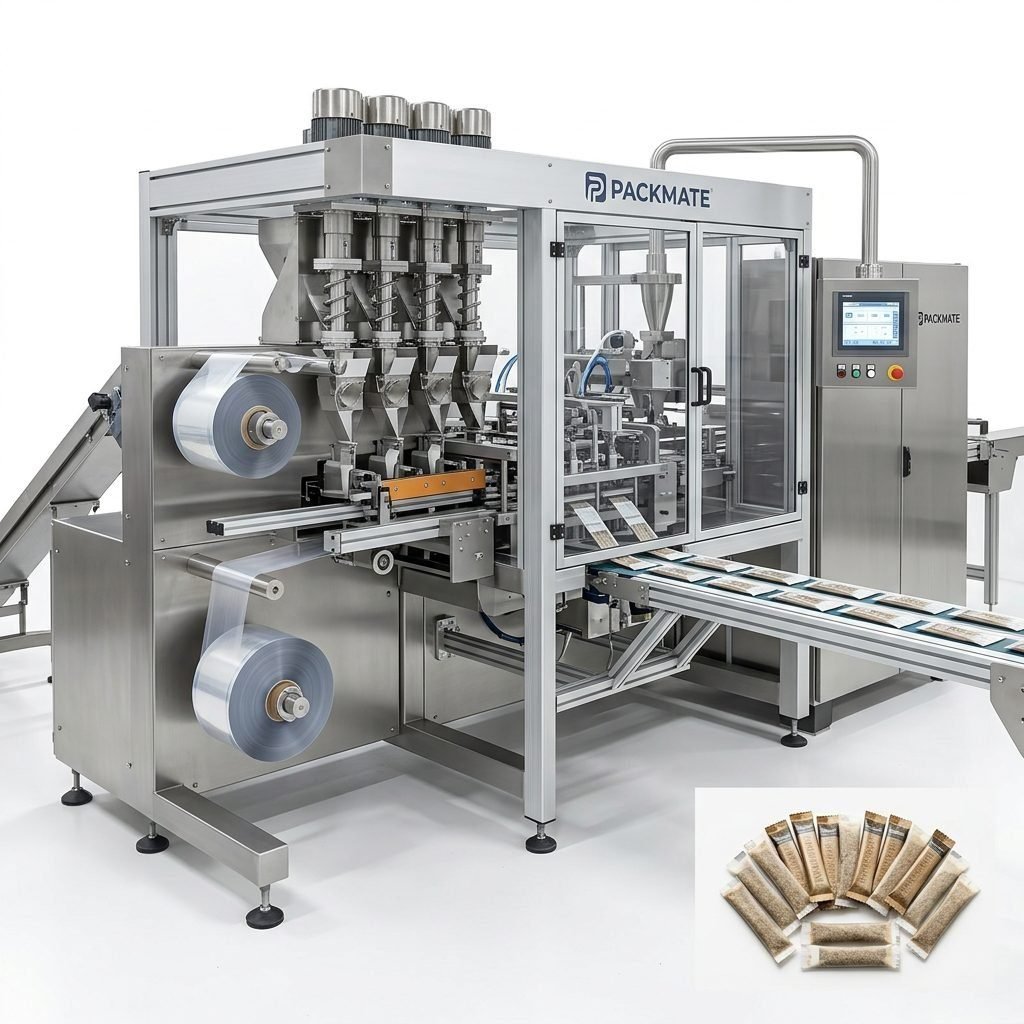
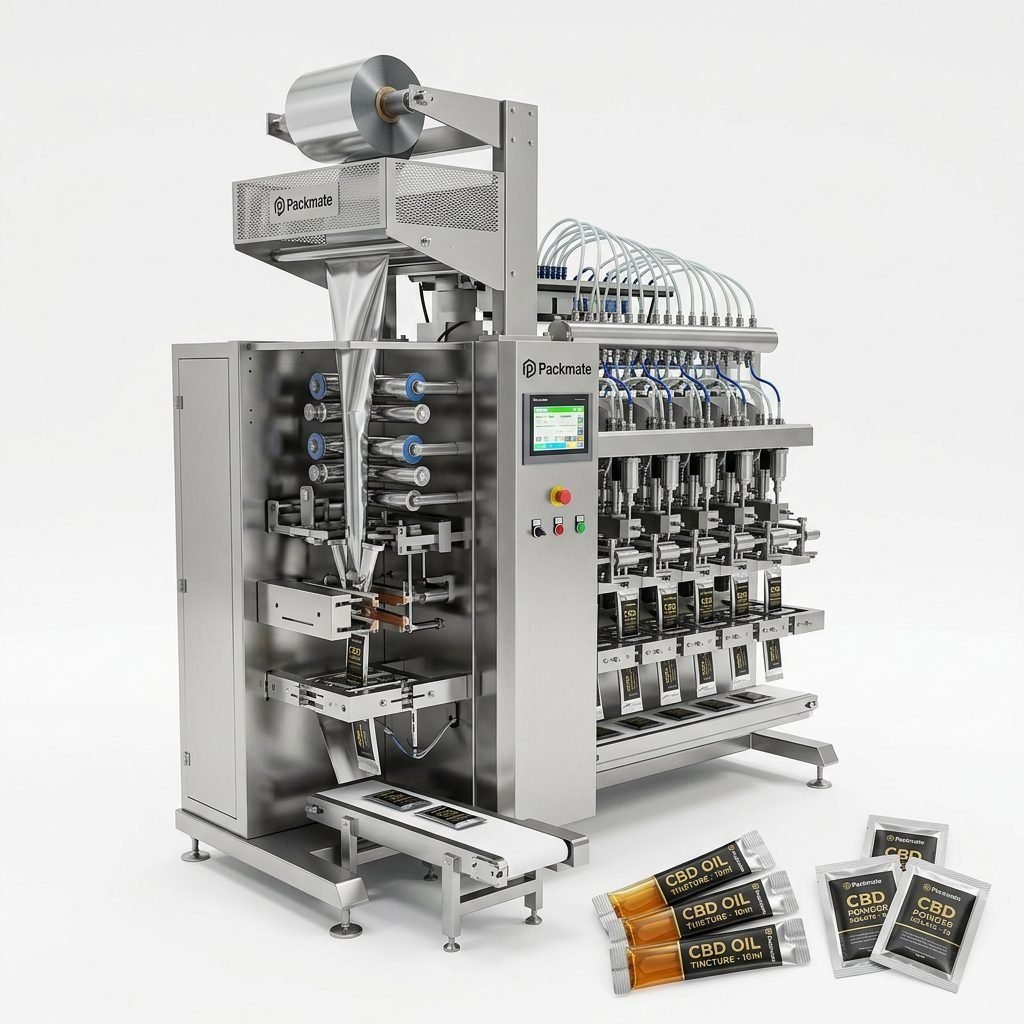
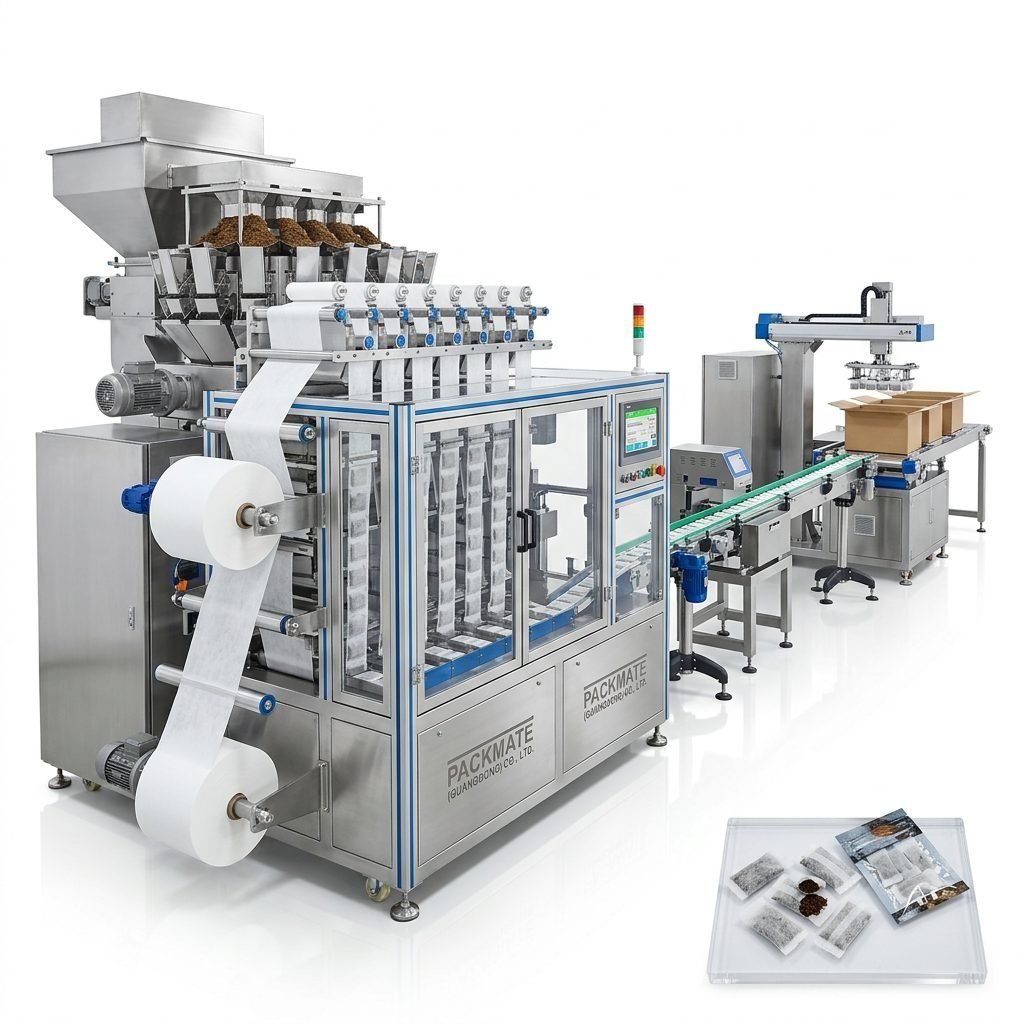
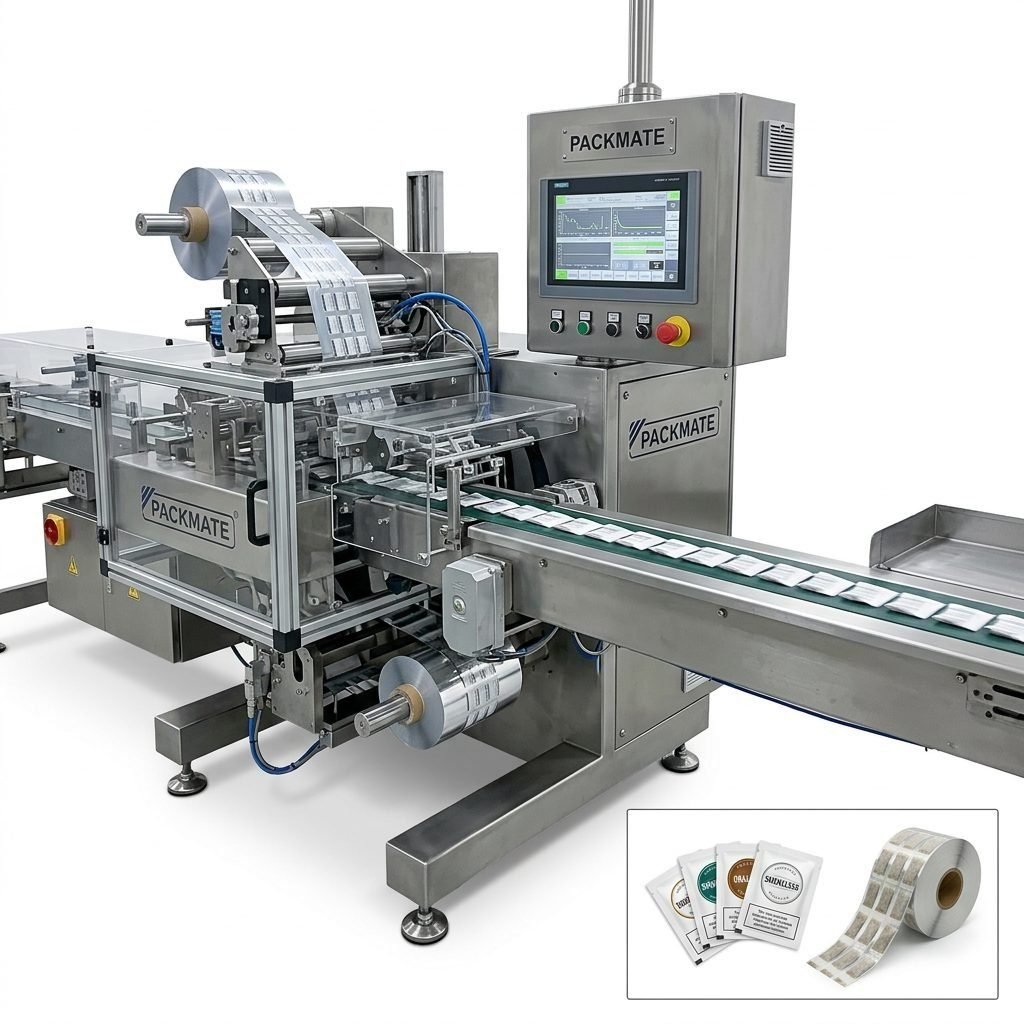
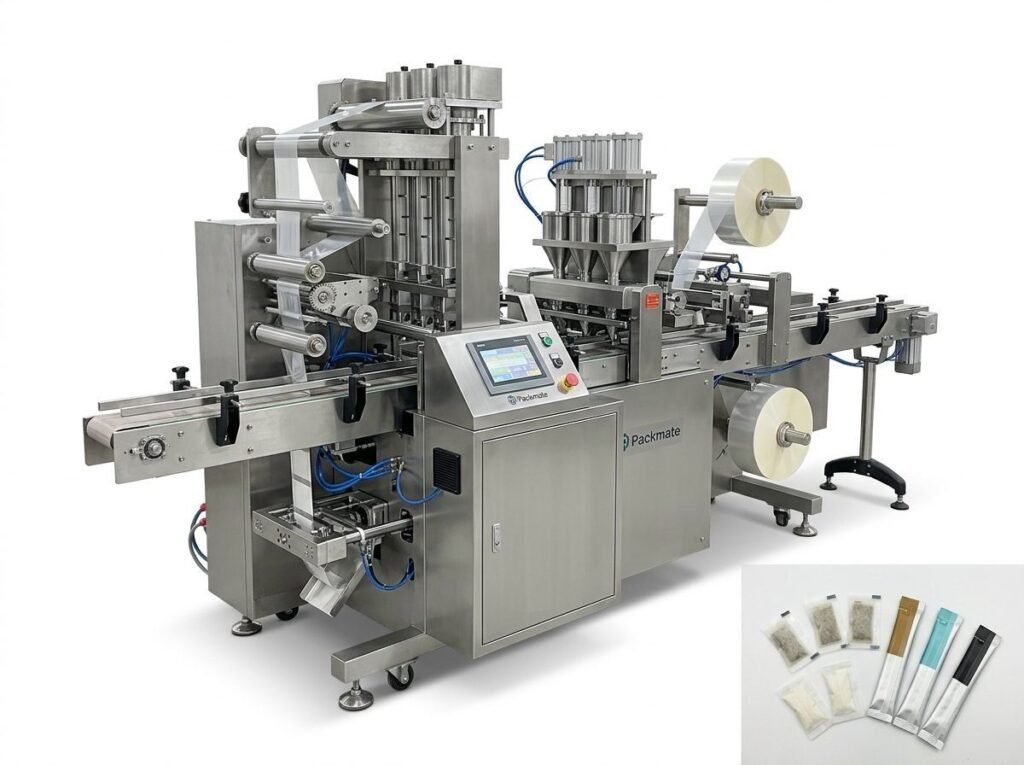
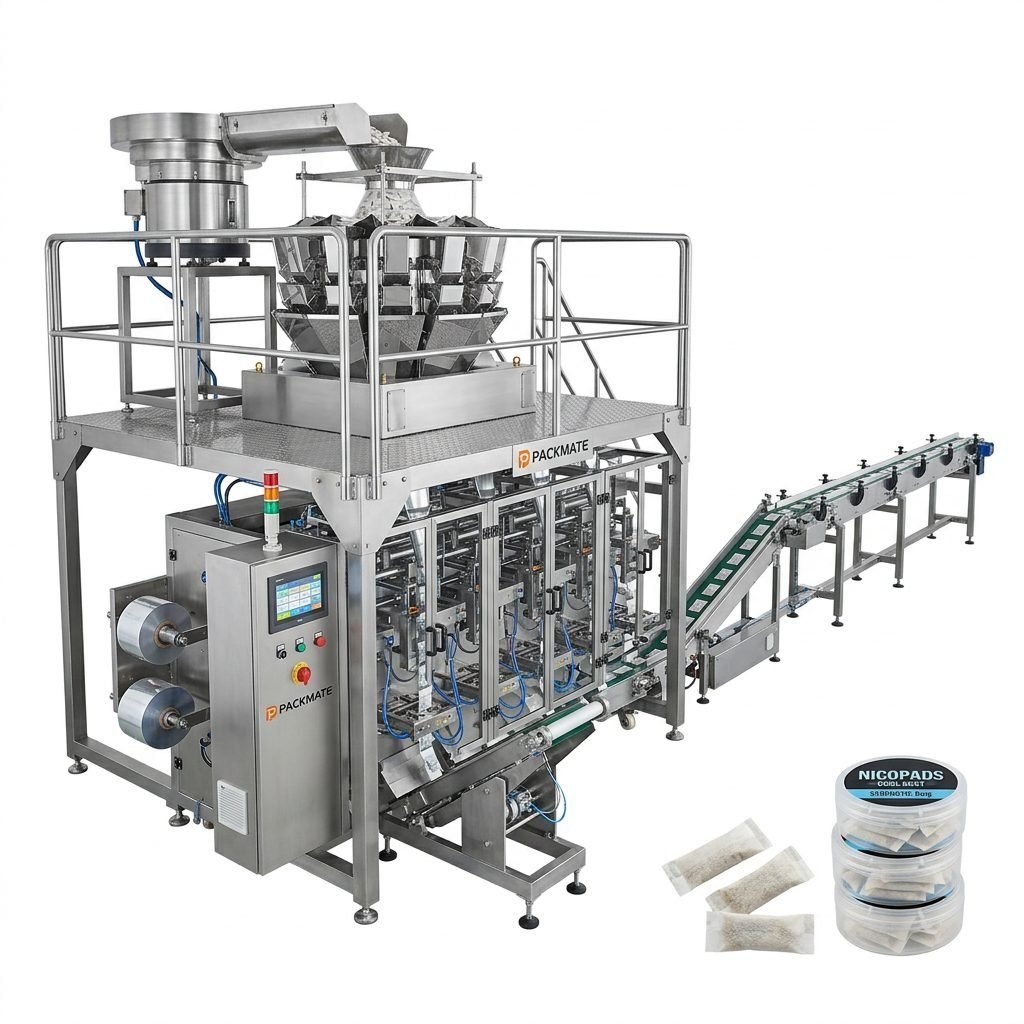
In modern snus and nicotine pouch production, automated packaging lines with remote monitoring are transforming how manufacturers maintain uptime, ensure consistent product quality, and scale operations. This article explores the best snus machines with remote monitoring, their core features, integration options, operational benefits, and how to choose the right automated solution for your factory. We’ll also cover maintenance, compliance, and return-on-investment considerations to help you make an informed decision.
Why Remote Monitoring Matters for Snus Production
Remote monitoring brings manufacturing visibility beyond the plant floor. For snus manufacturers, where small-dose pouch consistency, hygiene, and traceability are essential, remote-enabled packaging machines deliver critical advantages:
✔ Real-time performance metrics: track output, downtime, and yield immediately.
⚙️ Faster troubleshooting: remote diagnostics enable engineers to identify faults and suggest fixes without waiting for on-site visits.
📈 Predictive maintenance: data-driven alerts reduce unexpected stoppages and extend component life.
🔒 Enhanced traceability & compliance: automated log capture supports audits and regulatory reporting.
Core Features of the Best Snus Machines with Remote Monitoring
Leading snus packing machines combine high-speed mechanical design with sophisticated software ecosystems. When evaluating systems, prioritize equipment that integrates the features below:
Intelligent HMI + Cloud Connectivity — A responsive human-machine interface (HMI) that supports secure cloud connections allows supervisors to view KPIs and change recipes remotely. Remote sessions can be secured with VPNs and role-based access control.
Multi-lane Synchronization — For small-dose nicotine pouches and snus sticks, multi-lane systems ensure balanced filling across lanes and precise sealing. Look for machines with automatic lane balance and low product giveaway.
Advanced Sensing & Vision — Integrated camera inspection and sensors detect misfeeds, print errors, and seal defects, feeding data into the remote dashboard for trend analysis.
Modular Design & Retrofitability — Choose machines that are modular and can accept retrofit remote monitoring kits or additional lanes, scales, or pouch formats as product ranges expand.
Secure Data Logging & Reporting — Automatic batch logs, energy consumption records, and maintenance histories should be exportable or viewable via web dashboards for auditors and production planners.
How Remote Monitoring Works: Architecture & Data Flow
Remote monitoring platforms typically consist of on-machine PLC/HMI systems, an edge gateway for secure data aggregation, and a cloud-based analytics layer. Key elements include:
Edge Gateway: Collects machine telemetry (cycle rate, alarms, temperatures) and preprocesses data to reduce bandwidth usage.
Cloud Services: Hosts dashboards, run-time analytics, and historical reports. Advanced platforms enable machine learning models for anomaly detection.
User Interfaces: Role-based web or mobile dashboards, plus push notifications for critical alarms. This reduces response times and improves cross-site coordination for multi-factory operations.
Security & Compliance Considerations
When connecting packaging equipment to external networks, secure authentication, encrypted communication (TLS), and strict access controls are essential. Manufacturers should also verify that remote solutions support audit trails and comply with standards such as CE and ISO for machine safety and quality. For additional verification, review the machine manufacturer’s certificate pages and third-party testing documentation.
Selecting a Snus Machine with Remote Monitoring: Practical Checklist
Use this checklist to match machine capabilities with operational goals:
⚙️ Production Capacity: What is the target pouch output per hour? Ensure the multi-lane configuration can meet peak demand with headroom for growth.
🔌 Integration: Can the machine exchange data with your MES/ERP? Confirm native support for common industrial protocols or available API endpoints.
🛠 Maintenance: Does the vendor provide remote troubleshooting and a spare parts plan? Look for bundled service options to shorten mean time to repair.
🧪 Quality Controls: Does the system offer inline inspection, print verification, and batch traceability to minimize recalls?
🧭 Customization: Can the line be adapted for new pouch formats such as stick packs, sachets, or reclosable pouches? Evaluate modular add-ons for future-proofing.
Integration Examples & Manufacturer Resources
For manufacturers interested in proven solutions, explore dedicated product pages and system categories to compare technical specifications and available integrations. Recommended resources include the manufacturer’s product sections covering specialized machines:
– Snus & Nicotine Packaging Machines: https://www.snusmachinery.com/products/snus-nicotine-packaging-machines/
– Sachet & Stick Pack Machines: https://www.snusmachinery.com/products/sachet-stick-pack-machines/
– For company background and global support: About Packmate and Contact Us for inquiries.
Operational Benefits: What to Expect After Deployment
Deploying a remote-enabled snus packing line produces measurable gains across operations:
Increased Uptime: Remote alarms and diagnostic access reduce on-site troubleshooting time, typically decreasing unplanned downtime by 20-40%.
Consistent Quality: Inline inspection prevents defective pouches from reaching downstream packaging and reduces rework.
Lower Operating Costs: Predictive maintenance and optimized spare-part stocking lower maintenance spend and inventory carrying costs.
Faster Scale-Up: Modular, multi-lane designs enable capacity increases with minimal new floor space.
Service, Parts & Lifecycle Support
A strong aftermarket service program is crucial. Remote monitoring can be complemented with service contracts that include scheduled inspections, prioritized remote diagnostics, and guaranteed spare parts availability. Learn more about available support and service plans on the manufacturer’s service pages.
– Service & Support: https://www.snusmachinery.com/service/
Retrofitting Older Lines
Many factories can modernize existing equipment by adding edge gateways, retrofit sensors, and HMI upgrades. Retrofitting is often a cost-effective way to gain remote capabilities without replacing full mechanical systems. Ask vendors about retrofit kits and integration examples that preserve machine mechanics while unlocking data visibility.
Case Studies & Real-World Evidence
Manufacturers who adopted remote monitoring report rapid improvements in production transparency and reduced time-to-repair. For detailed case examples from global deployments and multi-industry projects, review the manufacturer’s case studies to understand how different line configurations perform under varying throughput and product constraints.
– Case Studies: https://www.snusmachinery.com/case/
Costs, ROI & Investment Considerations
Investing in remote-enabled snus packaging equipment requires balancing upfront capital and long-term operational savings. Key financial drivers include reduced downtime, improved yields, energy savings from optimized operations, and lower maintenance costs. When calculating ROI, include intangible benefits like faster product introductions and better compliance readiness.
Financing & Turnkey Options
Many manufacturers offer turnkey solutions, including layout design, equipment supply, commissioning, and remote support packages. These bundled options reduce implementation risk and accelerate production ramp-up. For full turnkey lines—covering filling, weighing, pouching, and secondary packaging—review the filling & packaging lines and weighing systems pages.
– Filling & Packaging Lines: https://www.snusmachinery.com/products/filling-packaging-lines/
– Weighing & Packaging Systems: https://www.snusmachinery.com/products/weighing-packaging-systems/
Best Practices for Commissioning Remote-Enabled Lines
1. Define KPIs up front: Establish OEE, yield, and quality targets to measure success.
2. Secure networks: Plan network segmentation and secure VPN access before connecting lines to the cloud.
3. Validate alerts: Configure alarm thresholds and test alert flows to on-call staff.
4. Train operators: Provide dashboard and remote-session training so operators can collaborate with remote engineers.
Environmental & Regulatory Notes
Snus and nicotine pouch production carries regulatory considerations for labeling, product composition, and packaging safety in different markets. Ensure the machine supplier understands regulatory packaging requirements and can support documentation for CE/ISO conformity and other targeted market certifications. You can check the vendor’s certificates for peace of mind.
– Certificates: https://www.snusmachinery.com/certificate/
Final Recommendations
When selecting the best snus machine with remote monitoring, prioritize proven mechanical design, modular multi-lane capacity, secure cloud-enabled diagnostics, and strong service support. Evaluate vendors with extensive packaging experience, documented global deployments, and comprehensive after-sales support to reduce implementation risk and maximize long-term performance.
Common Questions
Q1: How secure is remote access to packaging machines?
Remote access can be highly secure when configured properly. Use VPNs, TLS encryption, and role-based access controls. Confirm that the vendor offers secure gateways and follows industry best practices for authentication and logging.
Q2: Can older lines be upgraded for remote monitoring?
Yes. Many existing machines can be retrofitted with edge gateways, additional sensors, and HMI upgrades to enable remote telemetry and diagnostics. Retrofitting is often quicker and more cost-effective than full replacement.
Q3: What is the typical ROI timeline for remote monitoring upgrades?
ROI varies by operation size and baseline reliability, but many sites see payback within 12–36 months through reduced downtime, improved yields, and lower maintenance costs, especially when combined with service agreements.
Q4: How do I start the procurement process?
Begin with a clear definition of production targets, desired KPIs, and integration requirements. Request detailed proposals and demos from reputable vendors, review case studies, and confirm service offerings. For direct inquiries, use the manufacturer’s contact resources to arrange technical discussions and site demonstrations.
For more technical details, product comparisons, and support options, explore the manufacturer’s product pages and contact their sales team for a tailored proposal.