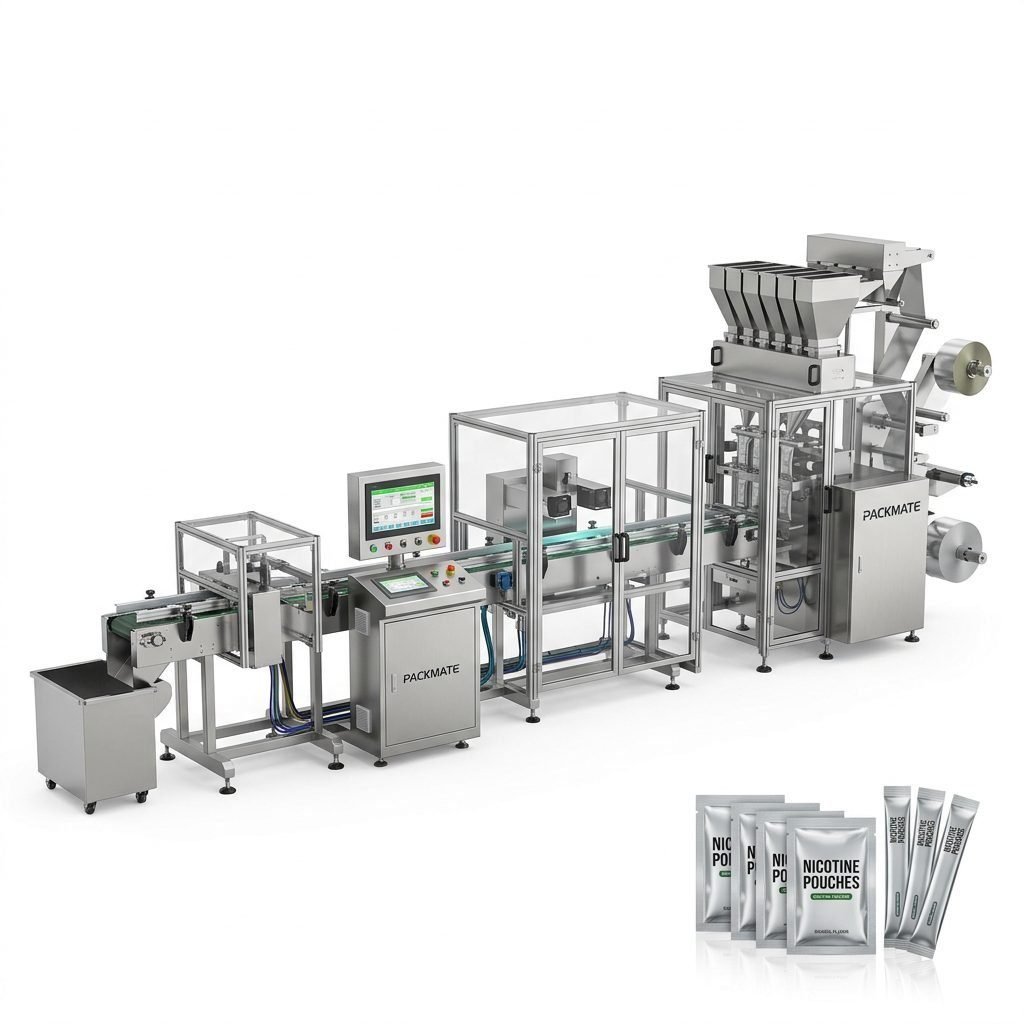
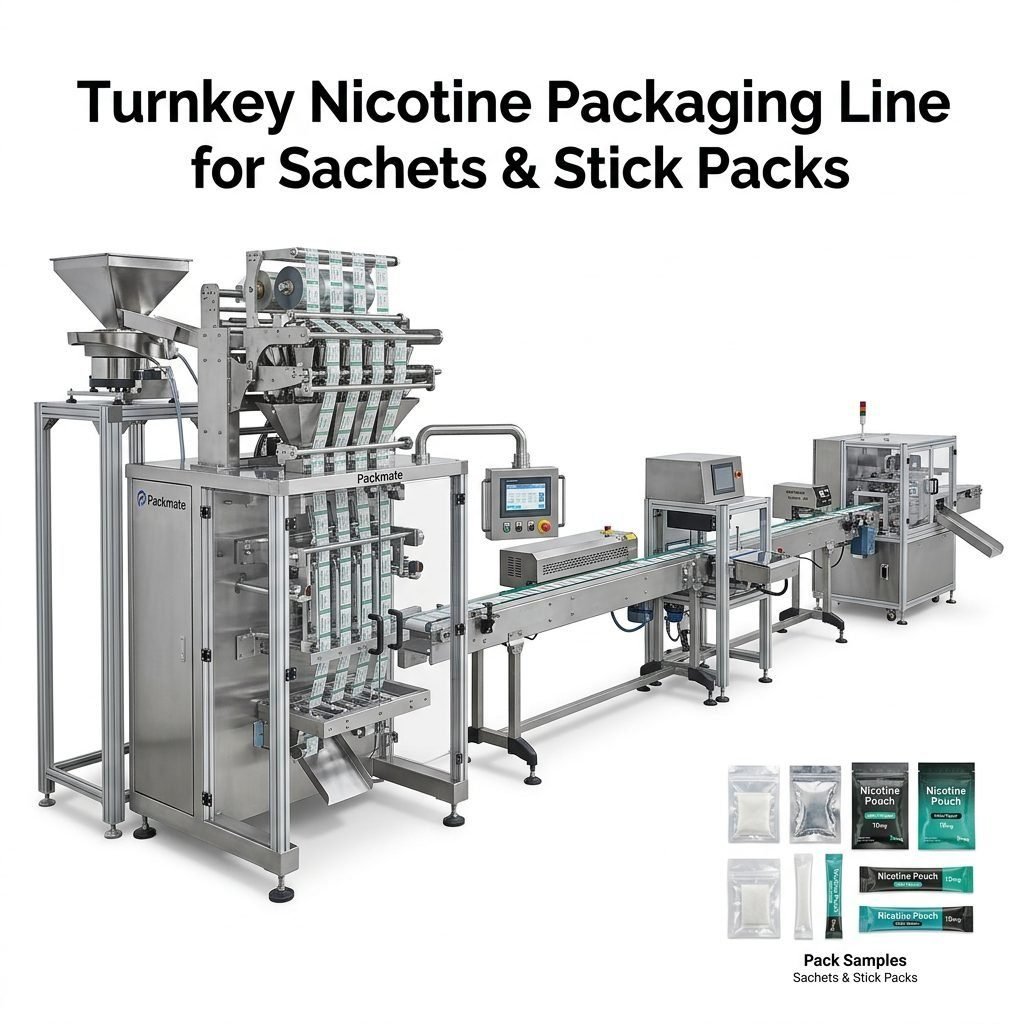
Choosing the right snus packaging machinery in Côte d’Ivoire requires understanding both technical requirements and local market habits. This guide walks you through practical steps—from evaluating production capacity and compliance to considering local consumption preferences in West Africa—so you can select a reliable, cost-effective packaging line that suits your nicotine pouch or snus business.
Understand the Ivorian Market and Consumer Habits
Côte d’Ivoire has a youthful population and growing urbanization that influence tobacco and nicotine product demand. Many consumers favor convenient, discreet formats such as small sachets or pouches that fit daily routines and social contexts. When assessing machinery, prioritize flexibility for small-dose pouch formats and multi-lane options to serve different product sizes and rapid packaging cycles.
Key local considerations
Seasonality and distribution: road conditions and seasonal rains can affect distribution timelines. Choose packaging solutions that produce shelf-stable, well-sealed pouches to reduce spoilage and protect product integrity during transport.
Aesthetics and labeling: clear printing and consistent sealing help local brands build trust. Machines with integrated printing or easy attachment points for labelling systems are highly valuable.
Define Your Production Needs
Start by listing absolute requirements: daily output targets, pouch types (e.g., round nicotine pouches, sachets, stick packs), and ingredient forms (powder, granule, liquid). For small-batch brands commonly found in Côte d’Ivoire, flexible multi-lane lines can dramatically increase throughput without requiring large floor space.
Checklist (quick): capacity (units/hour), pouch format compatibility, filling accuracy, ease of changeover, maintenance needs, power requirements, and spare parts availability.
Types of Snus Packaging Machinery to Consider
Understand core machine categories to match your product:
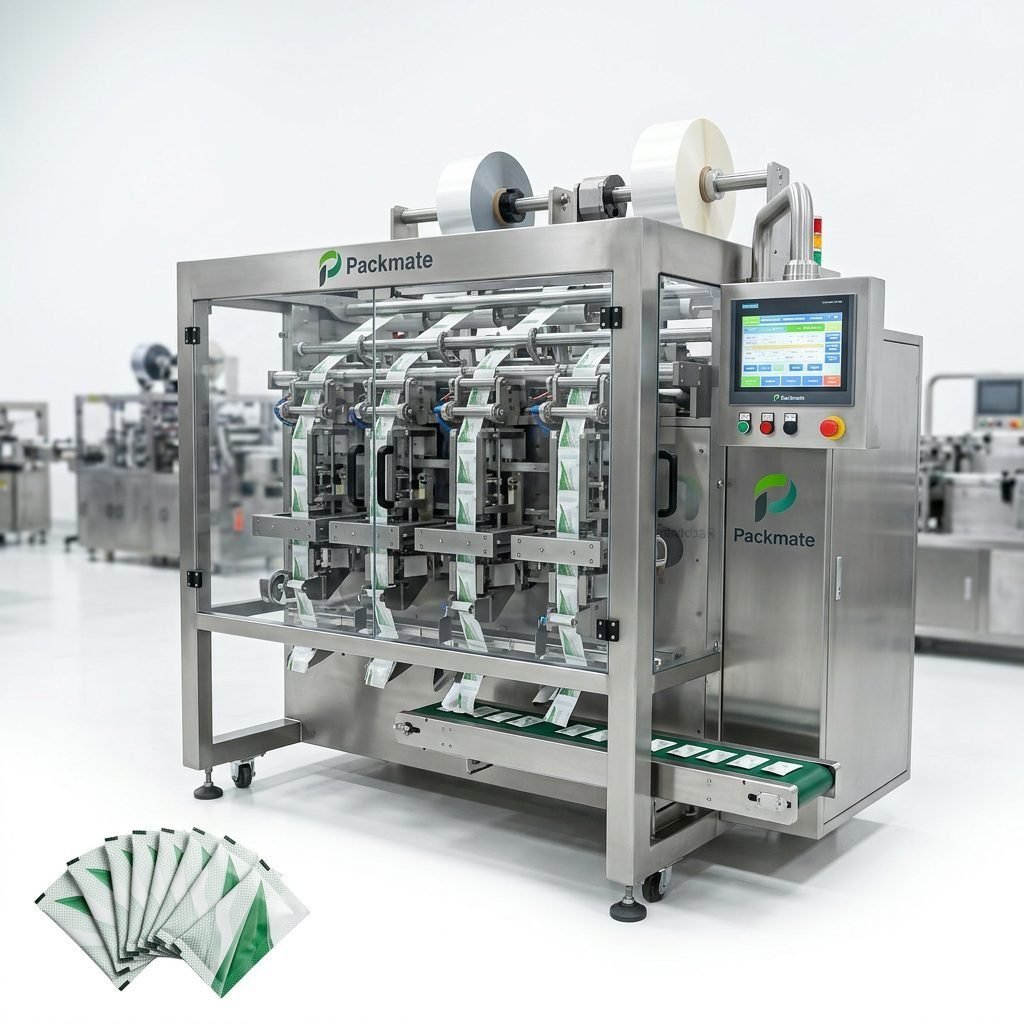
Sachet & Stick Pack Machines
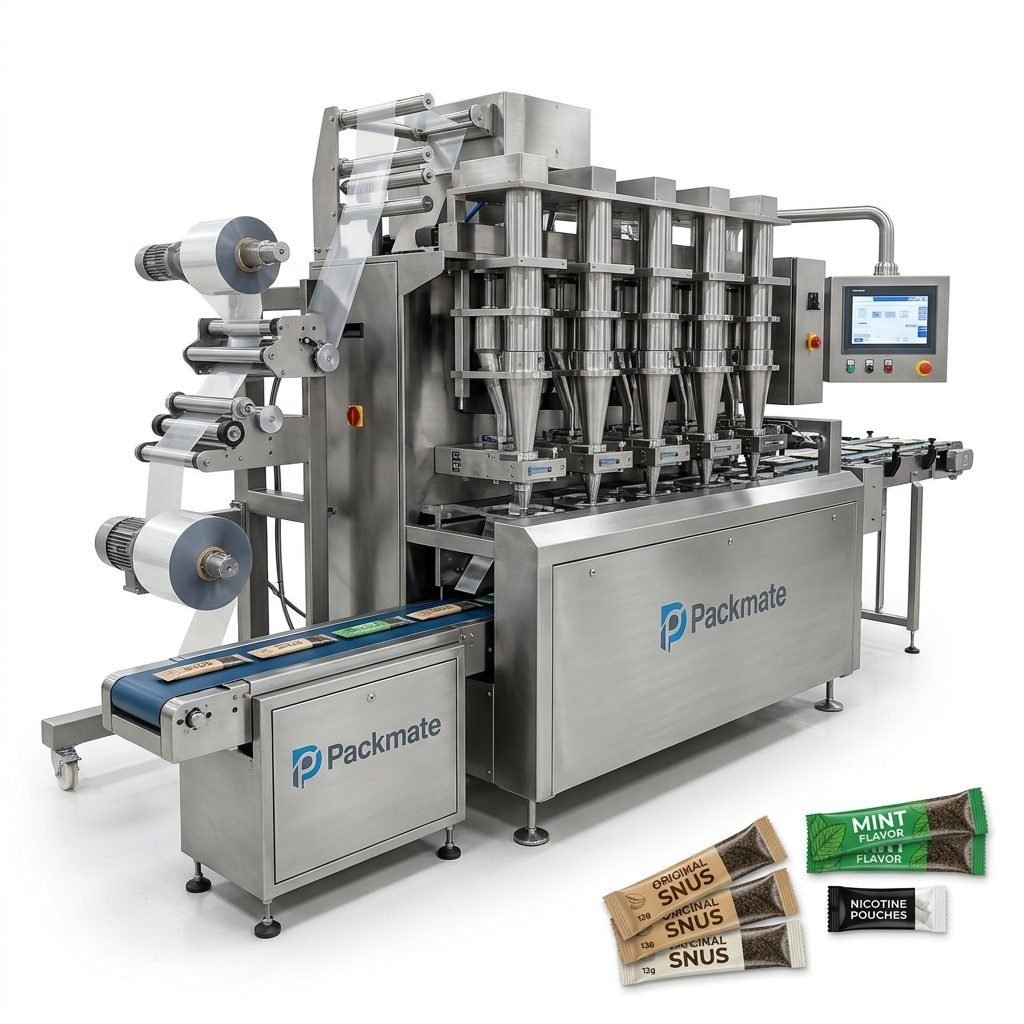
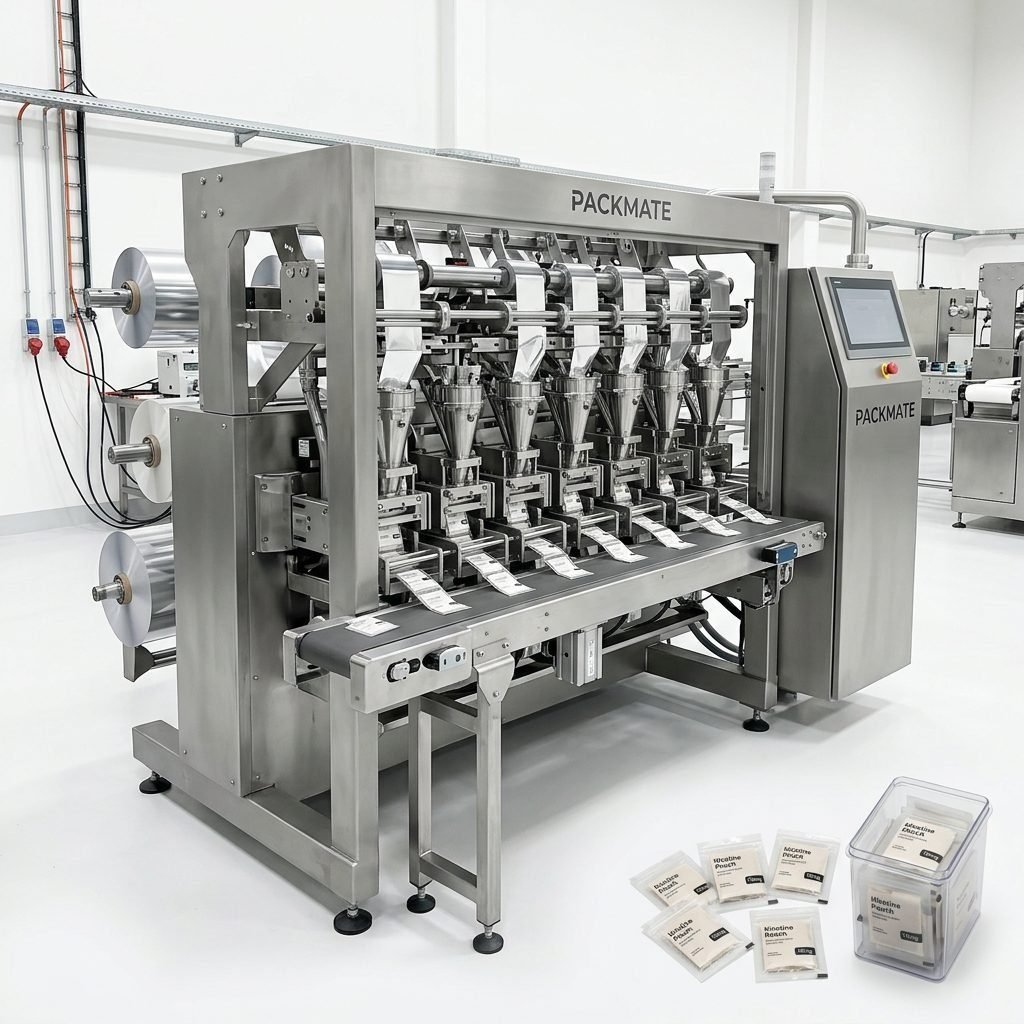
Ideal for single-dose pouches and stick packs. These machines are versatile, cost-efficient for small items, and can be good for flavored nicotine pouches often marketed locally.
See common models and capabilities at: Sachet & Stick Pack Machines 📦
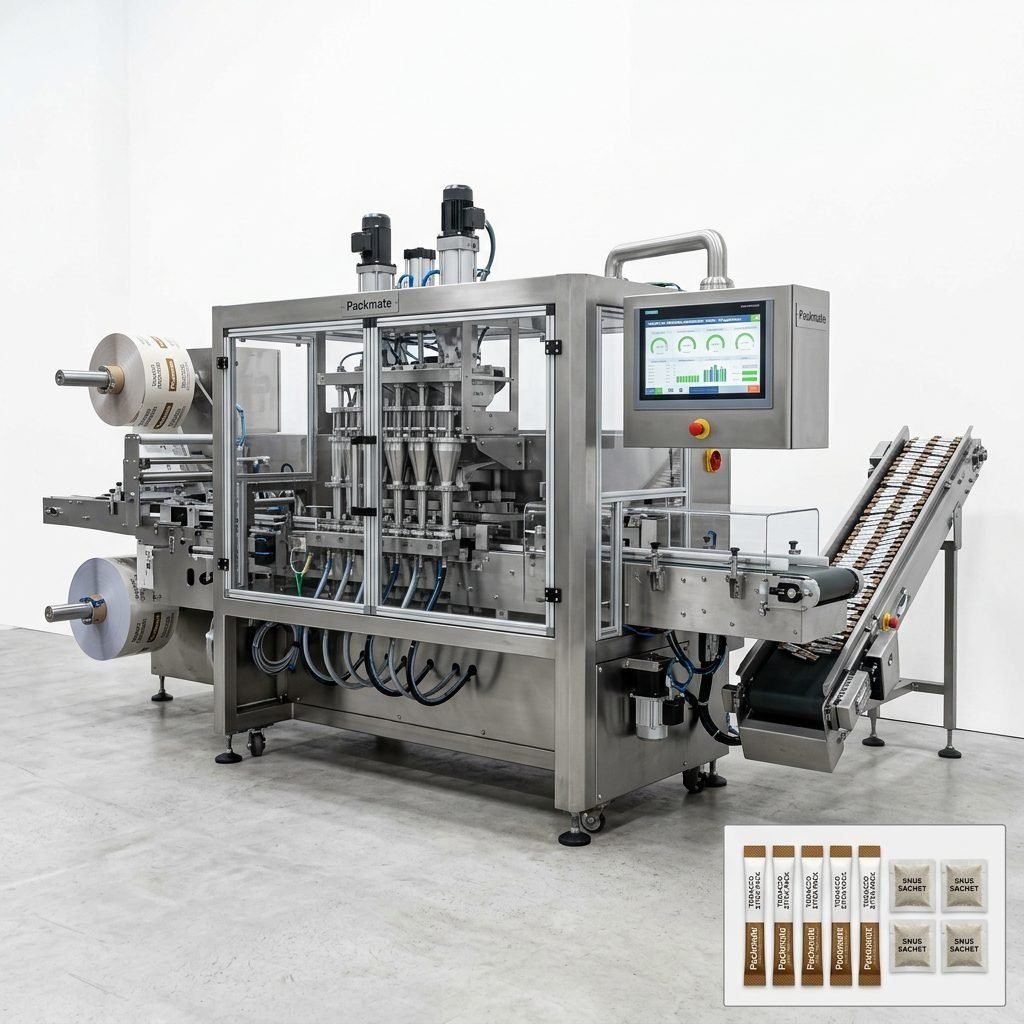
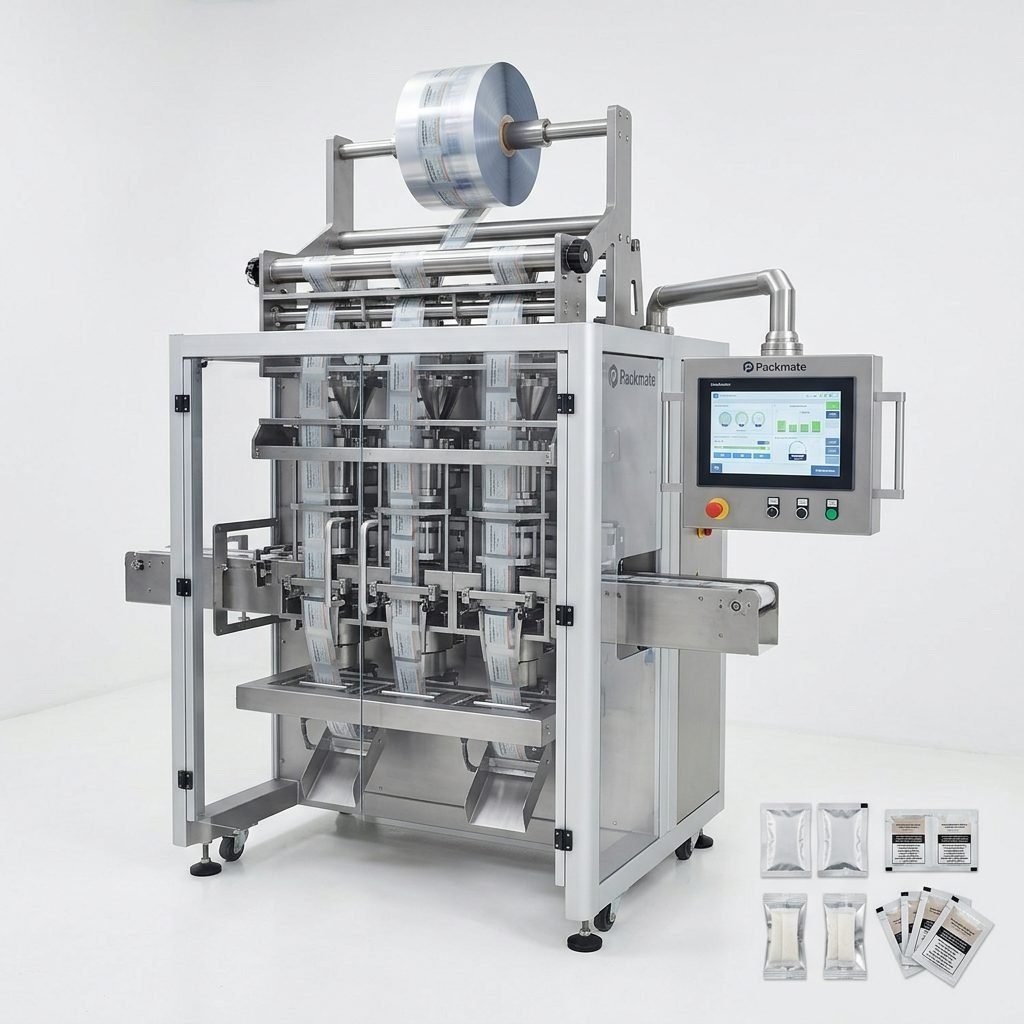
Multi-lane Snus & Nicotine Packaging Machines
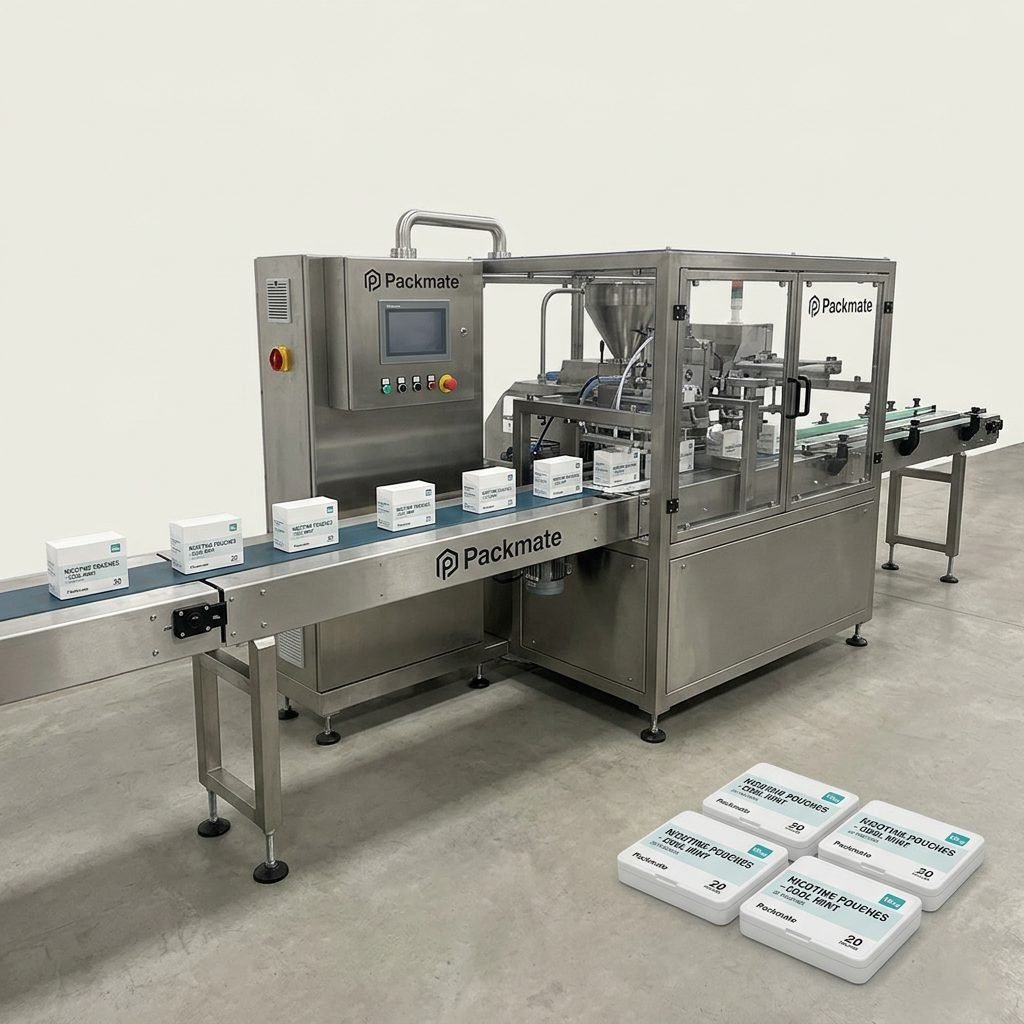
For brands that need high throughput with compact floor space, multi-lane systems can run 2–12 lanes simultaneously. They suit factories in Abidjan or other industrial zones where scaling quickly matters.
Explore multi-lane solutions: Snus & Nicotine Packaging Machines 🔧
Technical Specifications and Features to Prioritize
When comparing vendors, pay attention to the following technical factors. These will determine long-term reliability and operational cost.
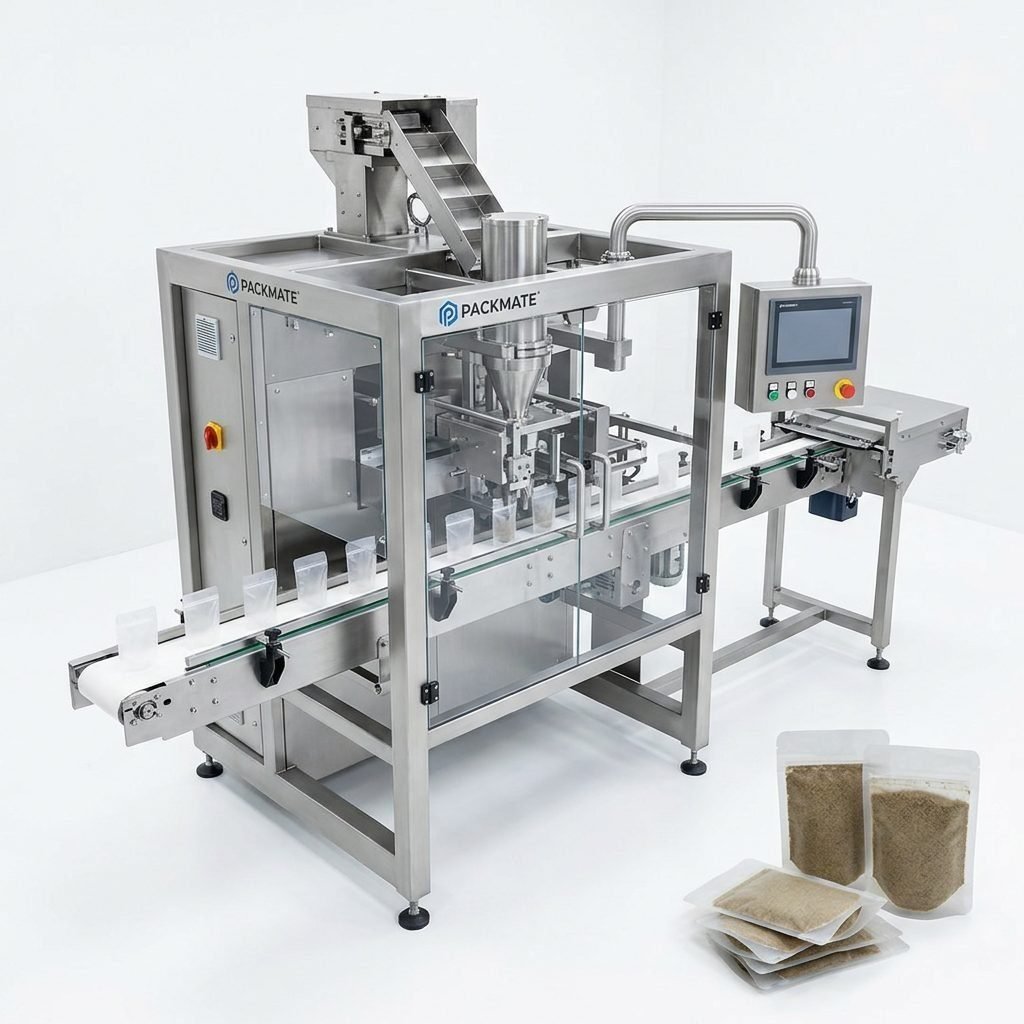
Filling Accuracy and Weighing Systems
Precision is crucial to avoid product giveaway or underfilled pouches. Machines with integrated weighing systems or modular dosing units deliver better consistency. Consider lines that integrate with your weighing & packaging systems.
Seal Quality and Material Compatibility
Heat-sealed pouches must remain airtight in hot and humid environments typical in Côte d’Ivoire. Verify compatibility with common substrate films and laminated materials and request long-term seal tests.
Changeover Speed and Ease of Maintenance
Fast tool-free changeovers reduce downtime and help small brands run multiple SKUs. Choose machines with accessible components, clear diagnostics, and local serviceability.
Tip: request an on-site or remote demonstration to observe accuracy and sealing in real time before purchase.
Compliance, Certifications and Local Regulations
Packaging machines must meet international and local standards—CE and ISO markings are important for safety and quality. Confirm the machine’s electrical compatibility with local power supply and inquire about export documentation and customs support for Côte d’Ivoire.
Learn about manufacturer credentials such as Certificate and quality systems to minimize import risks.
Service, Spare Parts, and Training
Reliable after-sales service in West Africa can be limited. Prioritize suppliers offering clear spare parts lists, remote support (video troubleshooting), and on-site commissioning. Training local technicians accelerates uptime and reduces dependence on overseas visits.
Packmate’s global service structure and case references can be useful to evaluate: Service | Case 📁
Budgeting and Total Cost of Ownership
Purchase price is only one part of cost. Consider installation, shipping, customs, spare parts, energy use, and downtime. A more expensive machine with lower maintenance and higher uptime can deliver better long-term value—especially where replacement parts shipping to Côte d’Ivoire may take time.
Energy and footprint: choose energy-efficient models and compact footprints to reduce operational costs in urban factories.
Selecting a Trusted Supplier
Evaluate suppliers by factory capability, warranty terms, and references. Look for manufacturers with decades of experience and international presence so they understand export, compliance, and diverse product needs. Packmate’s long history in snus packaging and broad product range is an example of the type of partner suited for serious buyers: About Packmate.
Questions to ask a potential partner
– Can you provide references from clients in Africa or similar climates?
– What is your average lead time for delivery and spare parts?
– Do you offer installation and training in Côte d’Ivoire or remote commissioning?
– Are there modular options to upgrade capacity later?
Practical Steps to Purchase and Commission
1. Define production specs and budget.
2. Shortlist manufacturers and request videos or live demos.
3. Ask for a factory acceptance test (FAT) or sample packaging trials.
4. Confirm warranty, spare parts kit, training plan, and shipping terms.
5. Plan on-site installation and staff training once the machine arrives in Côte d’Ivoire.
Note: ensure the shipping documentation includes clear part numbers and operating manuals in English or French for local technicians.
Installation and Local Adaptation
Installations in Côte d’Ivoire should account for site dust control, stable power with surge protection, and climate conditions. Consider local electrical standards and the availability of compressed air. Set up routine preventive maintenance schedules and keep a minimum spare parts inventory for critical wear components.
Training your team
Train operators on daily checks, quick changeovers, and basic troubleshooting. Vendor training combined with written SOPs in French and local languages reduces downtime and builds local capacity.
Where to Find Reference Machines and Support
Visit exhibitions or request virtual tours to experience machines in operation. Manufacturers often publish case studies and exhibition schedules—these resources help validate claims. For example, check exhibition updates and global presence here: Our Exhibition.
Final Buying Checklist
– Production capacity matches projected demand.
– Machine supports your pouch formats and materials.
– Strong sealing performance in humid conditions.
– Clear spare parts and service plan for West Africa.
– Factory certifications (CE/ISO) and warranty terms.
– Training and documentation in accessible languages.
Contact suggestion: when ready to request quotes or arrange demonstrations, prepare product samples and a short spec sheet to speed up accurate proposals. Use the manufacturer contact page: Contact Us.
Conclusion
Selecting the right snus packaging machinery in Côte d’Ivoire is a balance of technical fit, supplier reliability, and local adaptation. By focusing on sealing quality, production flexibility, after-sales support, and clear compliance, you will reduce risk and build a scalable production line that serves local consumer preferences efficiently.
Common Questions
Q1: How quickly can machines be delivered to Côte d’Ivoire?
A1: Delivery time depends on model availability, factory lead time, and shipping; typical lead times range from 8 to 16 weeks including export documentation and sea freight.
Q2: Are there local service partners in West Africa?
A2: Many manufacturers provide remote support and will train local technicians; confirm service network and spare parts logistics before purchase.
Q3: What is the minimum production scale for investing in a multi-lane machine?
A3: Multi-lane systems are best when you need high throughput or expect fast growth; evaluate ROI based on projected volumes and SKU mix.
Q4: Can machines handle different pouch materials?
A4: Most modern machines are compatible with a range of laminates; confirm material thickness, sealing temperature range, and test samples during FAT.
Q5: Where can I view real-world examples and references?
A5: Ask suppliers for case studies and demo videos, or visit exhibition listings and manufacturer case pages for references: Case.