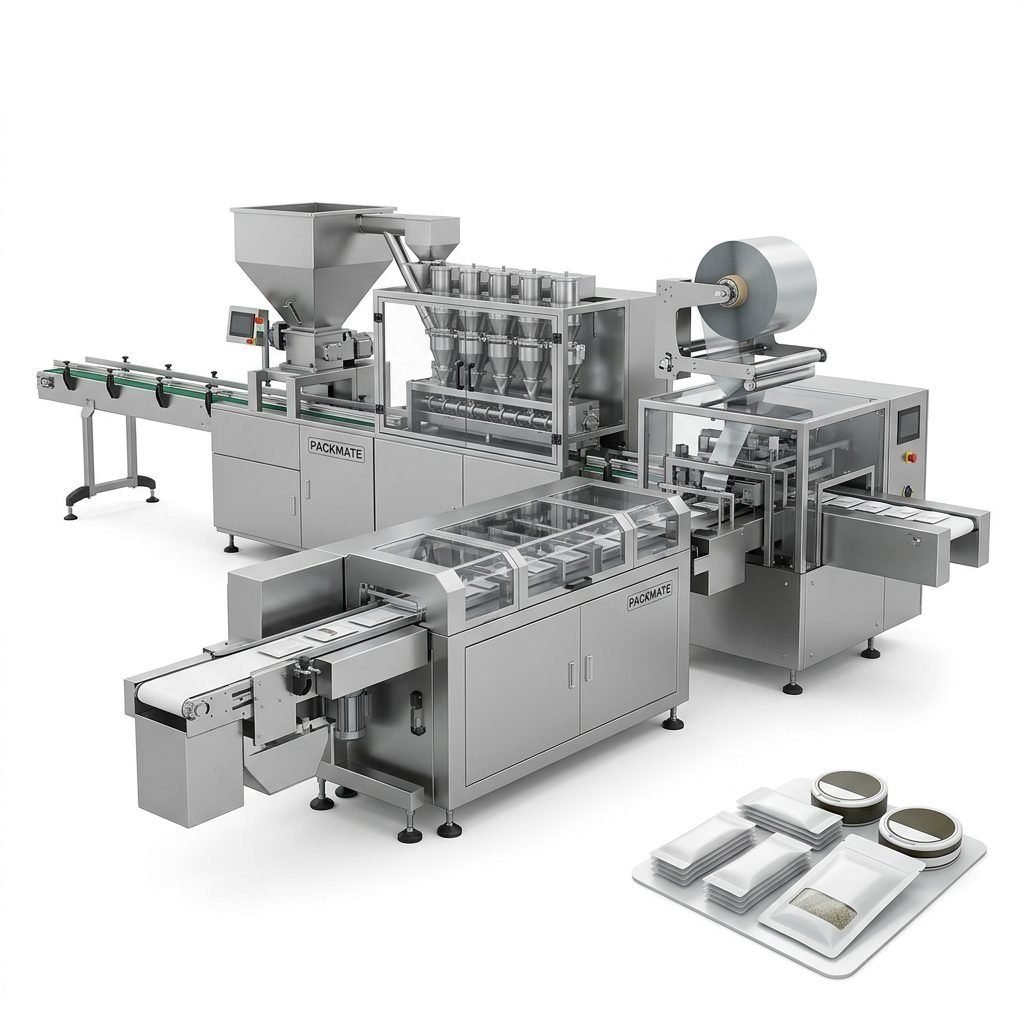
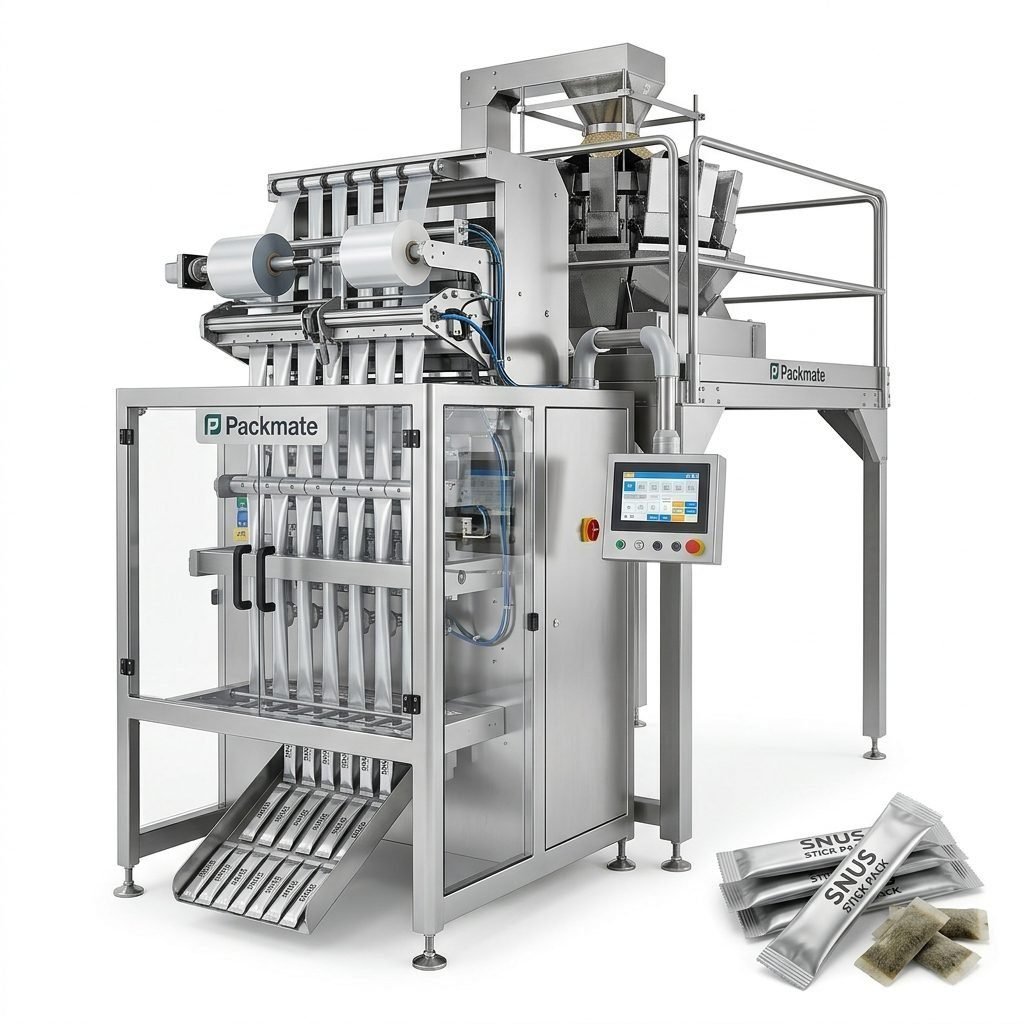
Choosing the right nicotine packaging machine for a production line in Cambodia requires a careful balance of technical specifications, regulatory compliance, local market needs, and the long-term service capabilities of the supplier. This guide walks production managers, engineers, and procurement teams through practical steps and decision points to select the best snus/nicotine pouch packaging equipment that maximizes throughput, maintains product quality, and reduces total cost of ownership.
Understand Cambodia’s Market and Regulatory Context
Cambodia’s tobacco and nicotine-related markets are evolving with increasing interest in modern nicotine pouch products. Before committing to equipment, it is essential to confirm local regulations, labeling requirements, and import rules for packaging machinery and consumables. Regulatory compliance affects machine features such as traceability modules, labeling stations, and batch coding.
Tip: Engage a local regulatory consultant early to ensure the machine supports required printing/traceability and safety standards in Cambodia.
Match Machine Type to Your Product and Throughput
There are several packaging formats and associated machines used for nicotine pouches and related products. Choose equipment that aligns with your product format and planned output.
Snus & Nicotine Pouch Specialized Lines
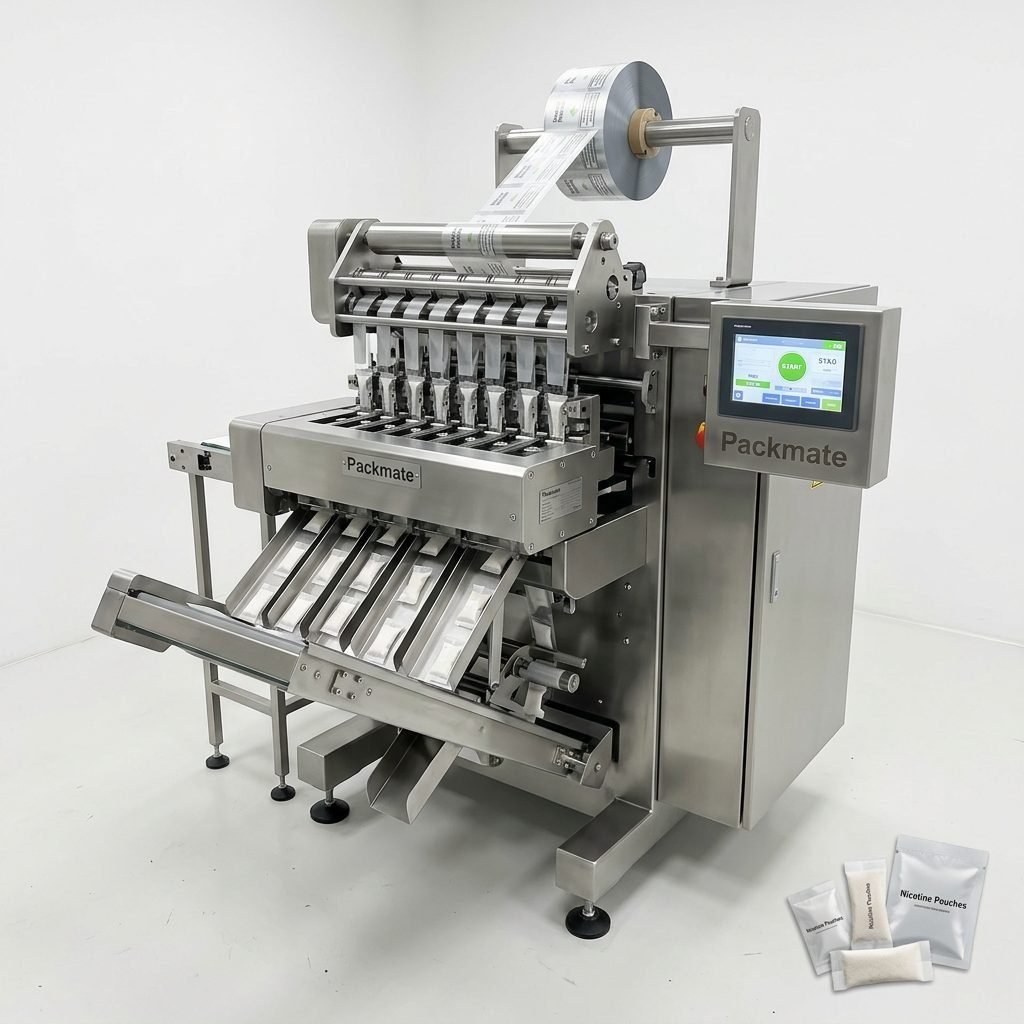
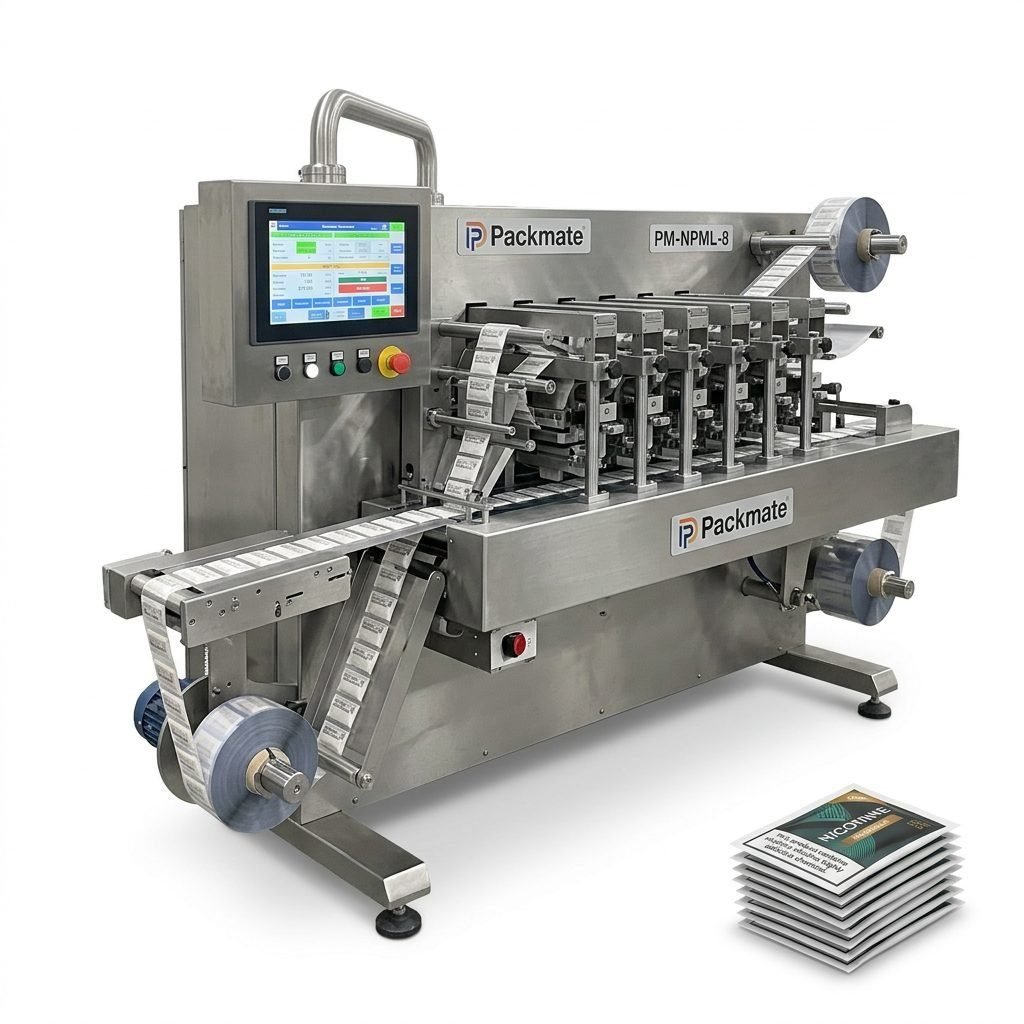
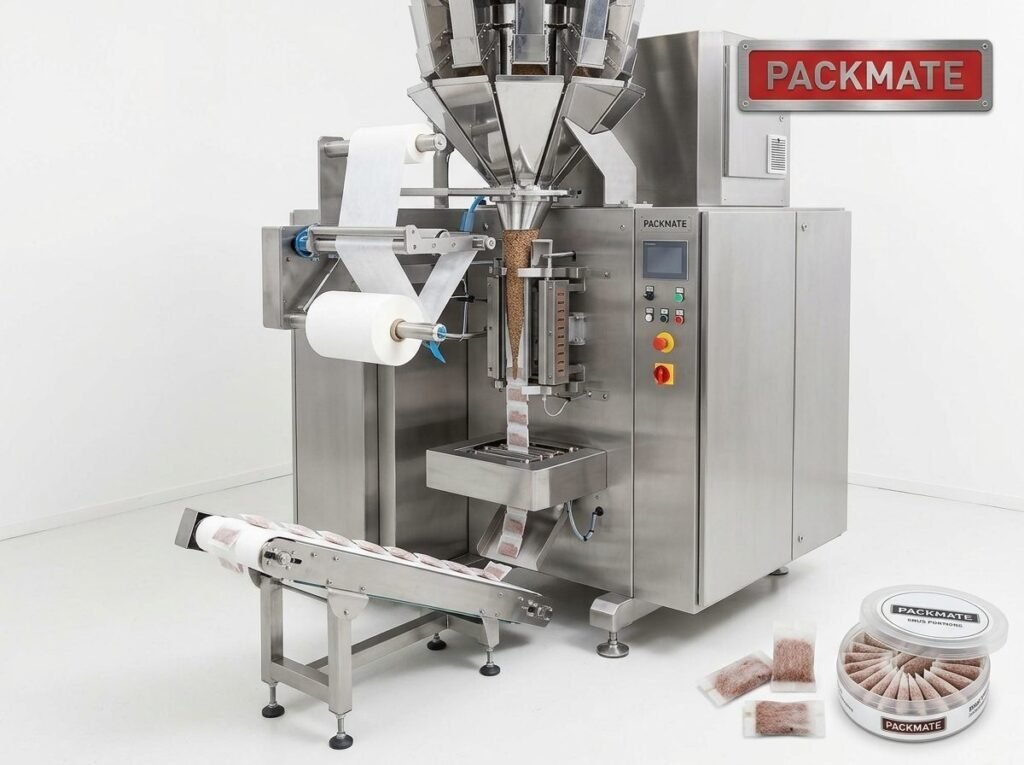
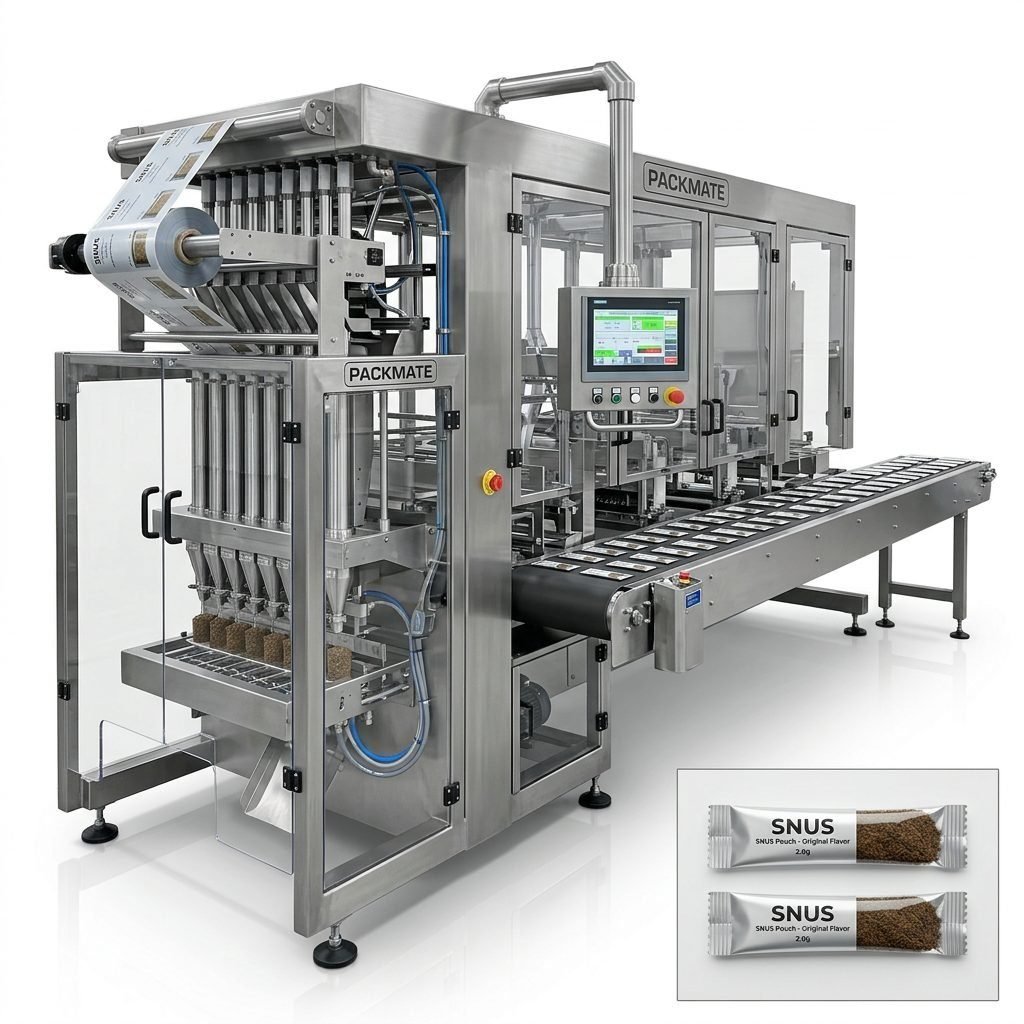
For single-dose nicotine pouches and conventional snus, specialized multi-lane filling and sealing machines are common. These machines often include precision dosing, pouch forming, sealing, and throughput optimized for small-dose products. If you want to review proven options, see Snus & Nicotine Packaging Machines.
Sachet and Stick Pack Machines
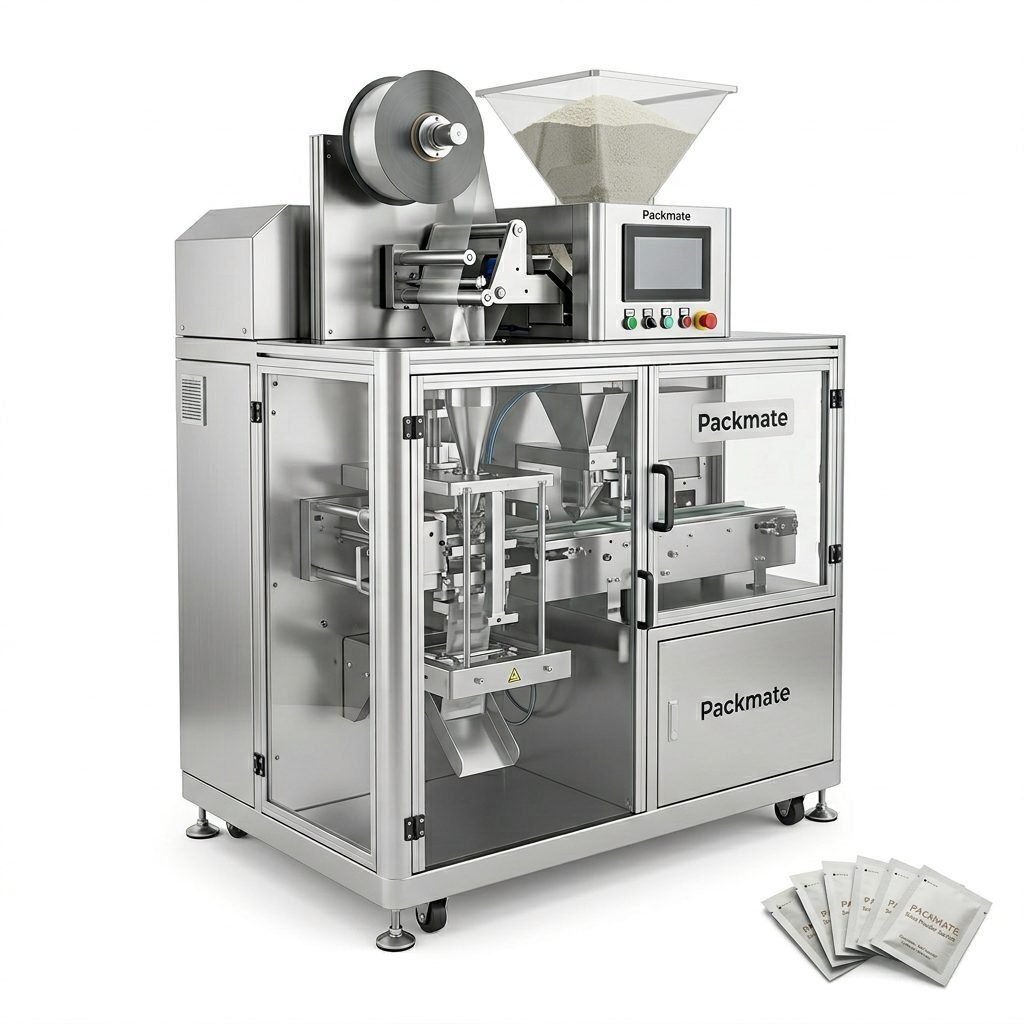
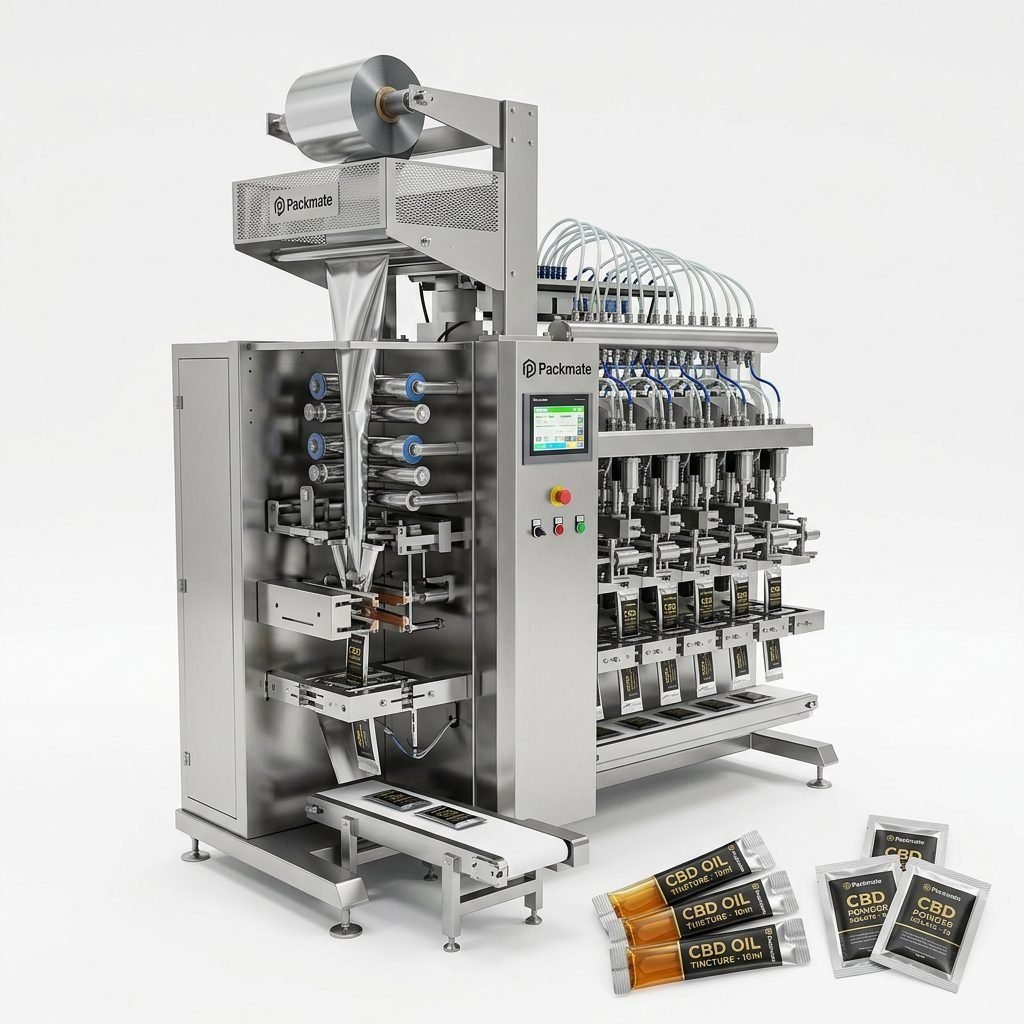
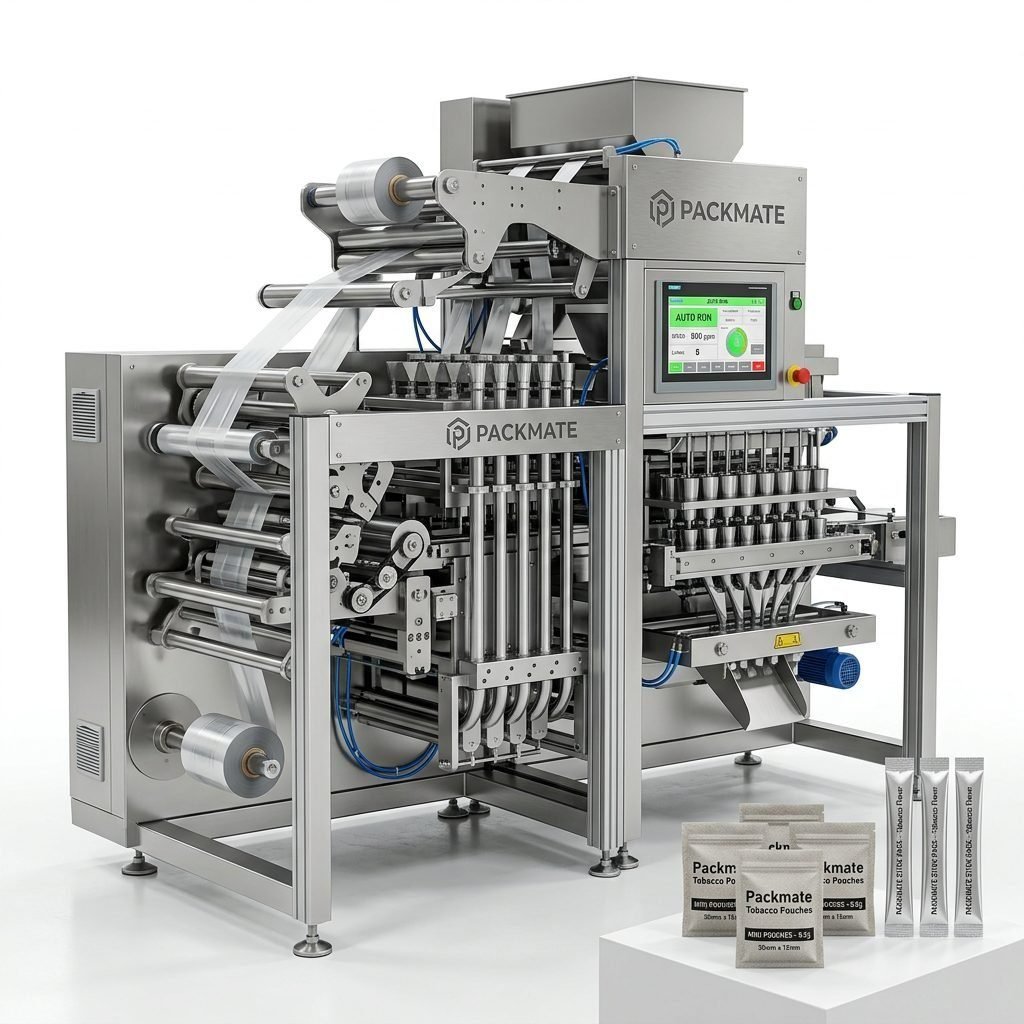
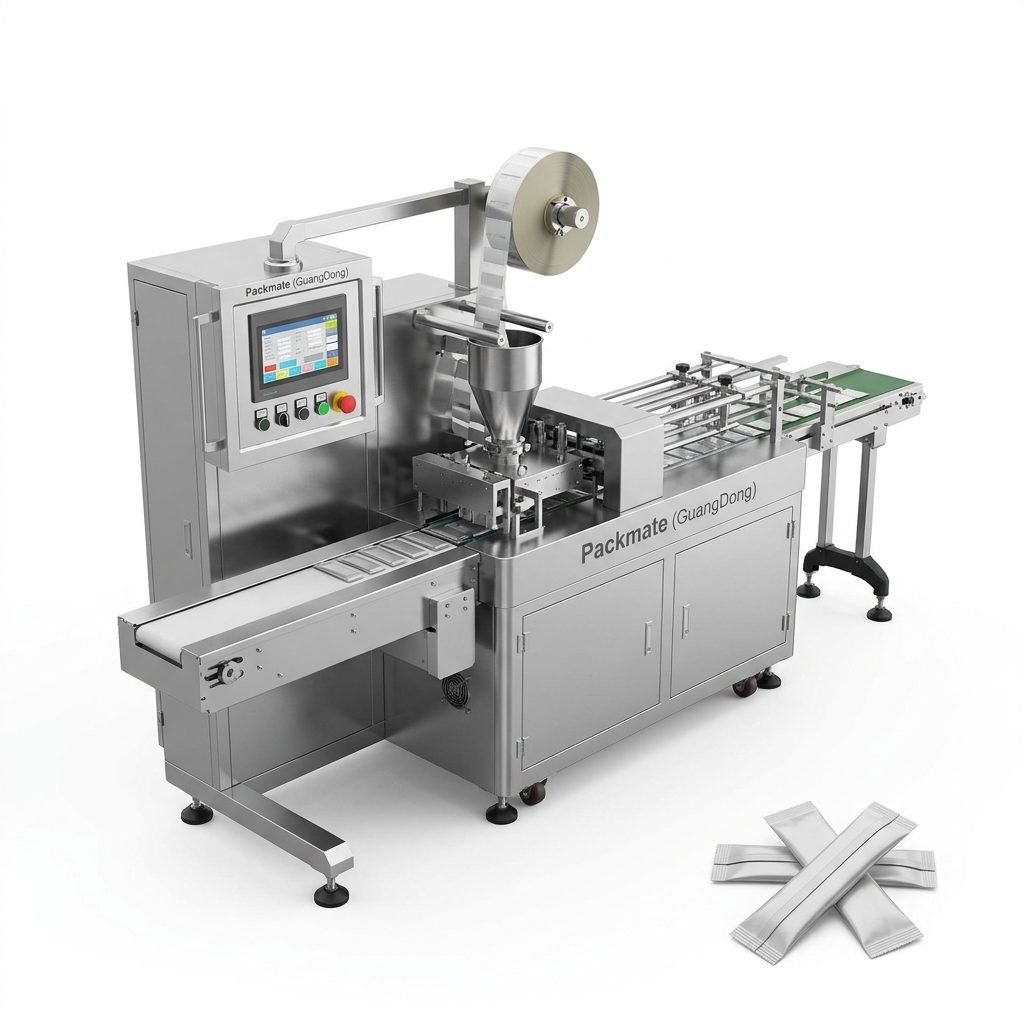
If your product will be offered as sachets or stick packs (single-serve pouches), consider vertical form-fill-seal (VFFS) stick pack or sachet machines. These types are widely used for small-dose powdered or particulate formulations. For machine models and configurations, check Sachet & Stick Pack Machines.
Integrated Filling & Packaging Lines
For factory-level automation, integrated filling and packaging lines bring together weighing, dosing, pouch forming, secondary packaging, and cartoning. These turnkey lines reduce manual handling and are ideal for scaling production efficiently. Learn about full solutions at Filling & Packaging Lines.
Essential: Select the machine family first (snus pouch, stick pack, sachet, or integrated line), then zero in on lane counts, dosing systems, and options like nitrogen flushing and gas flushing for extended shelf life.
Key Technical Specifications to Evaluate
Focus on objective, quantifiable specifications when comparing models. Below are the most critical technical factors.
Production Speed and Lane Count
• Required output (units per minute/hour/day) should drive lane configuration. More lanes can increase throughput but add complexity.
• Determine whether variable speed control and quick-changeover options are necessary for shorter production runs.
Dosing Accuracy and Fill Range
• Precision filling is essential for nicotine pouches due to small-dose tolerance. Look for high-accuracy dosing systems (e.g., volumetric piston, multi-head scales, or loss-in-weight feeders depending on material).
• Confirm the machine’s compatible fill range for powder, granules, or blends.
Material Compatibility and Packaging Films
• Verify compatibility with laminated films, paper-pouch laminates or other barrier materials you plan to use.
• Heat-sealing ranges, sealing jaw design, and sealing pressure controls influence seal integrity and shelf life.
Automation, HMI and Integration
• Modern machines incorporate PLCs, touchscreen HMIs, and recipe management for rapid changeovers. Ensure the control language and UI suit your operators.
• Integration capability for upstream weighing or downstream cartoning reduces manual intervention and improves OEE.
Cleaning & Maintenance Accessibility
• Tool-free parts replacement, open-frame design, and hygiene-friendly materials shorten downtime. For nicotine pouches, cleaning protocols and material residue handling are critical to maintain quality and safety.
Supplier Evaluation: What to Verify
Choosing the right supplier is as important as choosing the machine model. Investigate engineering depth, factory capabilities, certifications, and after-sales services.
Experience and Product Focus
Prefer suppliers with proven experience in nicotine pouch/snUS packaging. Companies that focus on snus and nicotine pouch equipment typically provide solutions tuned to small-dose accuracy and multi-lane efficiency. See the manufacturer profile at About Packmate for background on a specialized supplier.
Factory Strength and Customization
• A large, well-equipped factory with CNC machining centers and precision assembly lines indicates strong manufacturing capacity.
• Ability to customize a turnkey solution for your exact product, lane count, and line layout is valuable when launching new SKUs.
Certifications and Quality Control
Look for CE, ISO, and documented quality control procedures. These certifications streamline acceptance testing and ensure international safety standards are met.
After-Sales Support, Spare Parts and Training
• Assess local or regional service presence, spare parts lead-time, and training packages. A supplier with global deployments and exhibition presence usually offers better support networks — review real-world examples at the Case page.
Checklist: Confirm factory tour availability, prototype trials, FAT/SAT procedures, training, and spare parts commitment before final purchase.
Total Cost of Ownership and ROI Considerations
Purchase price is only part of the cost. Calculate expected ROI considering energy consumption, consumables, maintenance labor, spare parts, and uptime.
Energy & Consumable Costs
• Review power consumption rates, compressed air usage, and film/packaging yield per 1,000 units. Lower scrap rates and efficient film usage significantly reduce operating expenses.
Maintenance Intervals & Mean Time To Repair
• Machines with modular designs and locally stocked replacement parts minimize downtime. Ask vendors for MTTR and recommended maintenance schedules.
Installation, Factory Layout and Utilities
A successful machine selection must integrate with your manufacturing footprint. Evaluate factory floor layouts, utility availability, and material handling needs.
Footprint and Flow
• Verify machine footprint, required clearance, and how the line fits with upstream filling/weighing and downstream secondary packaging. Multi-lane lines may require larger, but more compact, footprints for the same throughput.
Utilities and Environmental Controls
• Confirm power specifications, air pressure/flow capacity, and any nitrogen or inert gas needs. Consider dust control and cleanroom requirements if your product demands high hygiene levels.
Customization, Upgrades and Turnkey Solutions
If you plan to expand SKUs or scale output, choose equipment that supports modular upgrades and software-based recipe storage. Many suppliers offer turnkey integration that includes upstream weighing systems, robotic handling, and downstream cartoning. Explore auxiliary options at Auxiliary Packaging Equipment.
Reminder: Clarify which accessories are included in quotes (film spindles, servo drives, human-machine interface languages, tool kits, spare parts kits).
Factory Acceptance Testing (FAT) and On-Site Commissioning
Insist on FAT with your product or a representative formulation before shipping. FAT should validate speeds, dosing accuracy, sealing quality, and integration points. On-site SAT and operator training are equally critical to achieve promised OEE.
Real-World Case Examples and Supplier Presence
Suppliers with international exhibition presence and documented global projects typically deliver reliable equipment and support. Visit supplier exhibition pages and certification records to verify credibility: Our Exhibition and Certificate.
A Practical Selection Roadmap
Follow these steps to arrive at a confident decision:
- Define target throughput, SKU mix, and packaging format (pouch, stick pack, sachet).
- List essential technical specs: fill accuracy, lane count, sealing method, and materials compatibility.
- Request detailed quotations with included accessories, FAT criteria, and lead times.
- Visit the factory or request pre-shipment tests with your product; confirm certifications and spare parts availability.
- Negotiate training, warranty terms, and post-sales service SLA.
Quick ROI Check: Calculate ROI using machine throughput × yield × margin per unit minus operating costs. Machines with higher initial cost but better uptime often yield faster ROI.
Why Choose a Specialist Snus/Nicotine Manufacturer?
Specialist manufacturers with decades of experience in snus and nicotine packaging deliver machines tailored to the unique needs of small-dose pouches — precise dosing, multi-lane efficiency, and packaging material expertise. Their focused R&D and case experience help reduce launch risks and accelerate time-to-market.
Manufacturer Capabilities to Prefer
• Long-term R&D investment and many machine models to choose from.
• Large manufacturing facilities with CNC machining and precision assembly lines that ensure component accuracy and machine longevity.
• Global turnkey capabilities and documented case history with references.
Final Recommendation
For Cambodia-based production lines, prioritize a machine that balances dosing accuracy, modular scalability, and strong local support. Choose a supplier with a proven track record in snus and nicotine pouch equipment, clear FAT procedures, and the ability to deliver turnkey integration. A knowledgeable partner reduces commissioning time, minimizes production risk, and improves long-term profitability.
Frequently Asked Questions (FAQs)
Q1: What machine type is best for launching a nicotine pouch product in Cambodia?
A1: If your product is single-dose nicotine pouches, start with a specialized snus/nicotine pouch multi-lane filling and sealing line for the best combination of accuracy and throughput. For alternative formats, consider stick pack or sachet machines.
Q2: How important is factory acceptance testing (FAT)?
A2: FAT is essential. It verifies that the machine meets throughput, accuracy, and sealing criteria using your actual product or a representative formulation before shipment. A thorough FAT reduces onsite issues and accelerates commissioning.
Q3: What support should I expect after purchase?
A3: Expect training for operators and technicians, spare parts availability, remote troubleshooting, and defined SLA for on-site support. Suppliers with exhibition presence and global cases usually provide comprehensive after-sales packages.
Q4: How do I compare suppliers on service and reliability?
A4: Ask for references, visit installed lines if possible, review certification documents (CE/ISO), and confirm spare parts lead times. Evaluate whether the supplier offers turnkey integration and documented FAT/SAT processes.
Q5: Where can I learn more about snus and related packaging machines?
A5: Learn about product lines and solutions via supplier product pages such as Snus & Nicotine Packaging Machines and their broader equipment portfolios for auxiliary systems and fill/packaging lines.