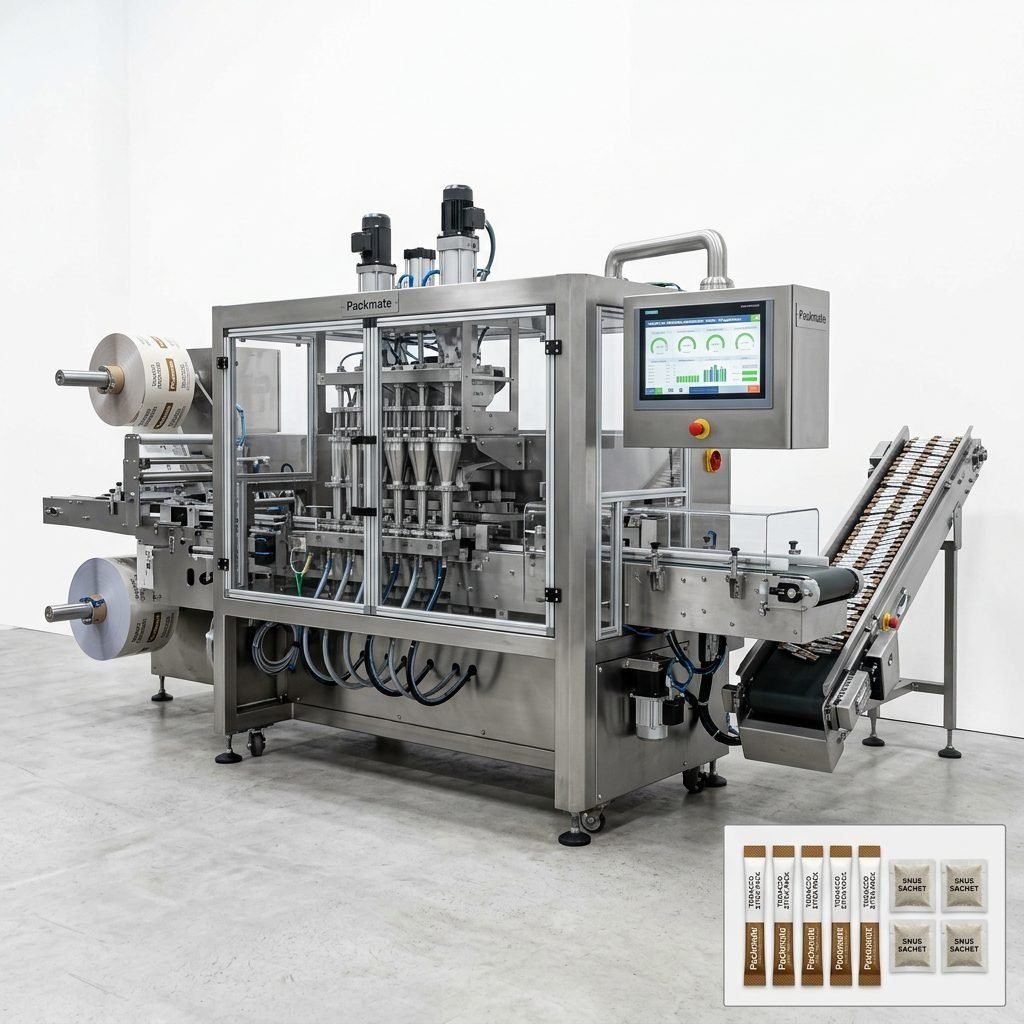
Choosing the right snus packaging machinery supplier in Guinea requires more than comparing prices. Local climate, import procedures at Conakry port, workforce skills, and regulatory expectations all affect the long-term success of a snus or nicotine pouch production line. This guide walks you through the critical factors—technical, operational, financial, and cultural—so you can select a supplier who delivers reliable equipment, timely support, and a clear path to ROI in Guinea’s market.
Understand Guinea’s Market & Local Habits
Guinea has a diverse tobacco-using population and long traditions of smokeless tobacco products in West Africa. While snus manufactured in Scandinavia differs from local chewing tobacco, demand for convenient, portioned nicotine pouches is growing among urban consumers in Conakry and other coastal cities. Suppliers should account for local preferences—smaller single-dose pouches, discreet packaging and languages on labels (French is widely used)—when proposing equipment, consumables and print/layout requirements.
Infrastructure considerations are also important: electricity fluctuations, tropical humidity and logistics from the Port of Conakry can impact machine uptime, packaging material storage and delivery schedules. A supplier with experience exporting to West Africa or who offers local training and robust spare parts plans will reduce operational risk.
Regulatory & Labeling Needs in Guinea
Before purchasing, confirm local labeling requirements, nicotine limits and import documentation. Work with suppliers who understand international compliance and can prepare documentation for customs clearance. Choose machines capable of printing multi-language labels and batch codes, supporting compliance documentation and traceability in French and English.
Assess Machine Types & Production Flexibility
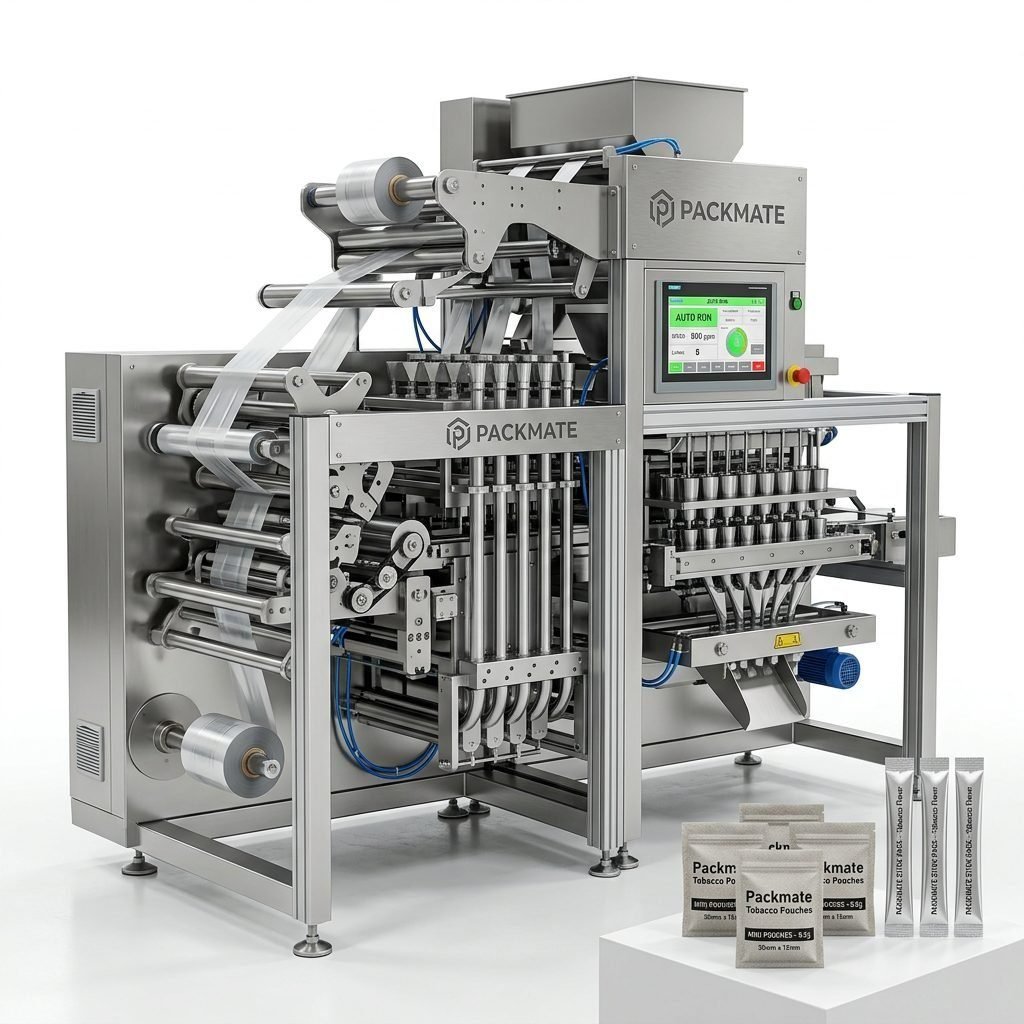
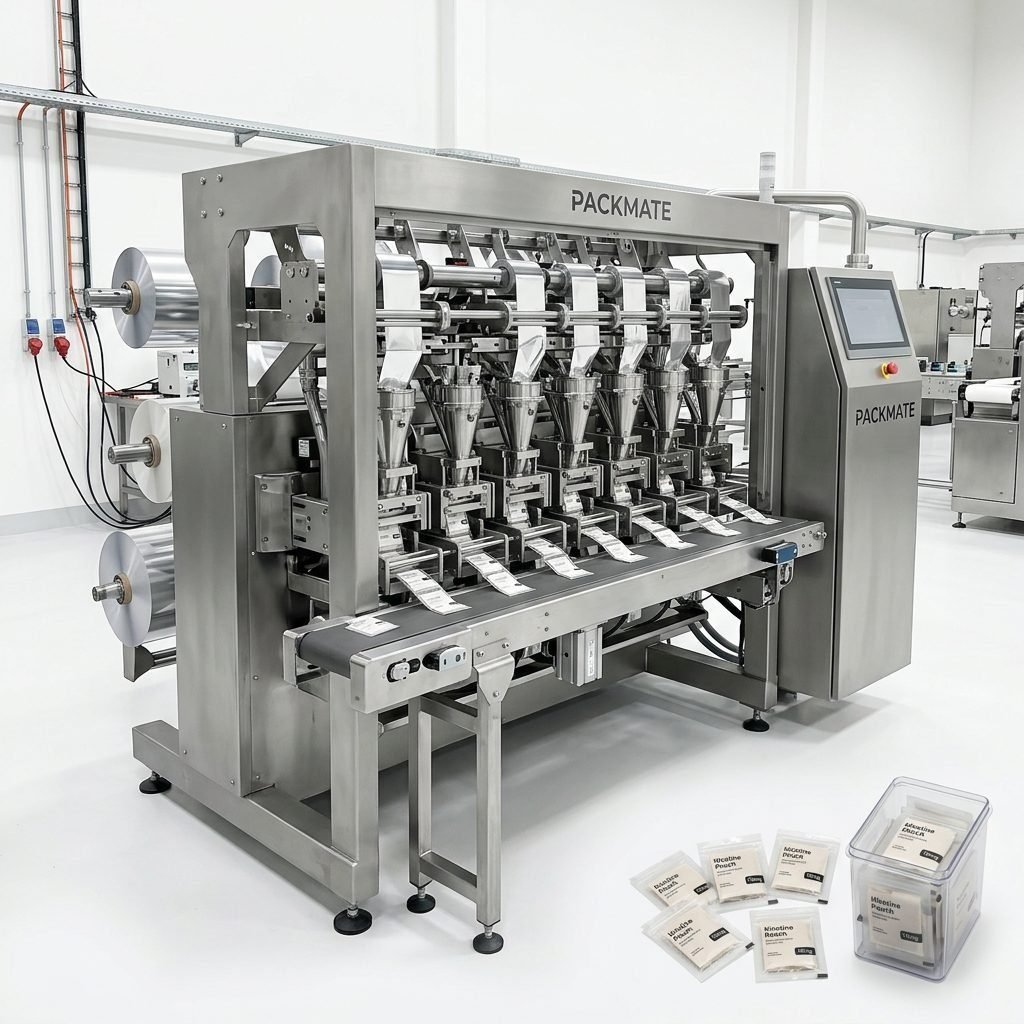
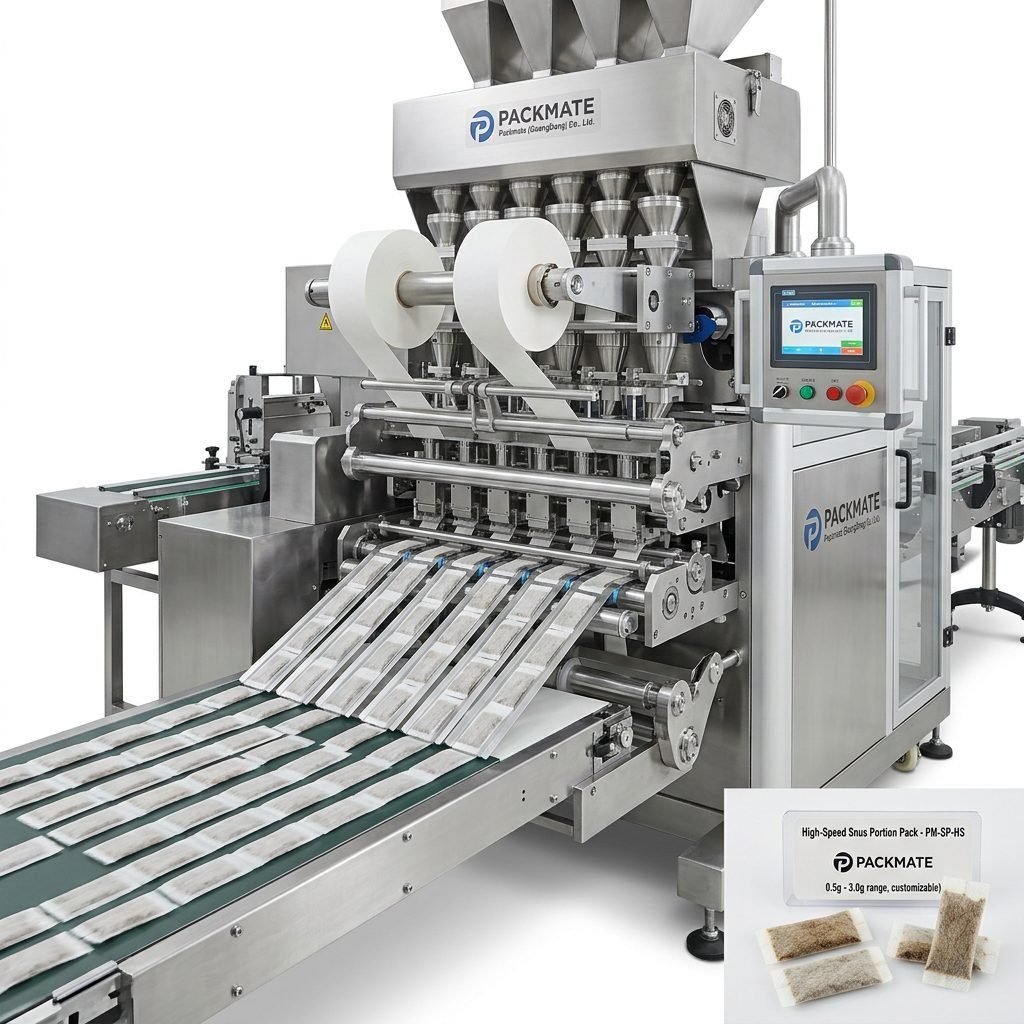
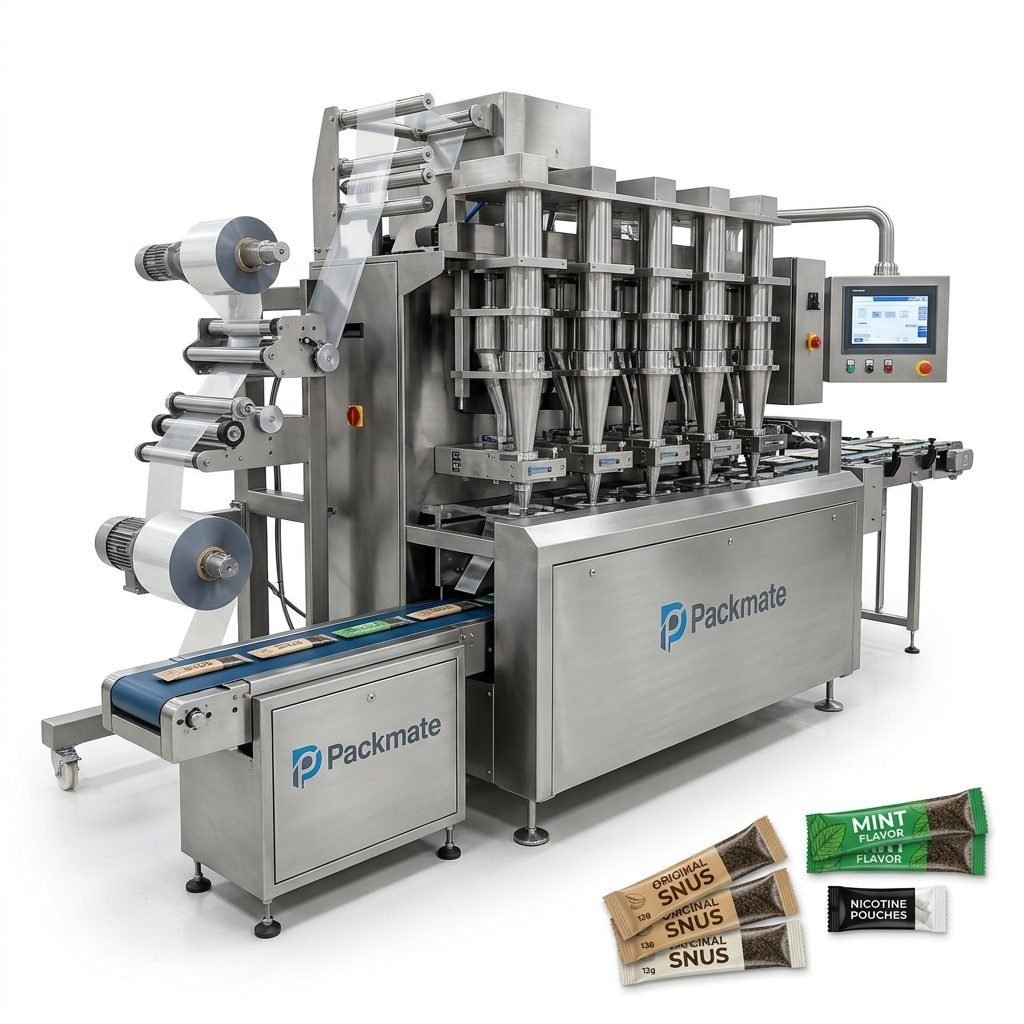
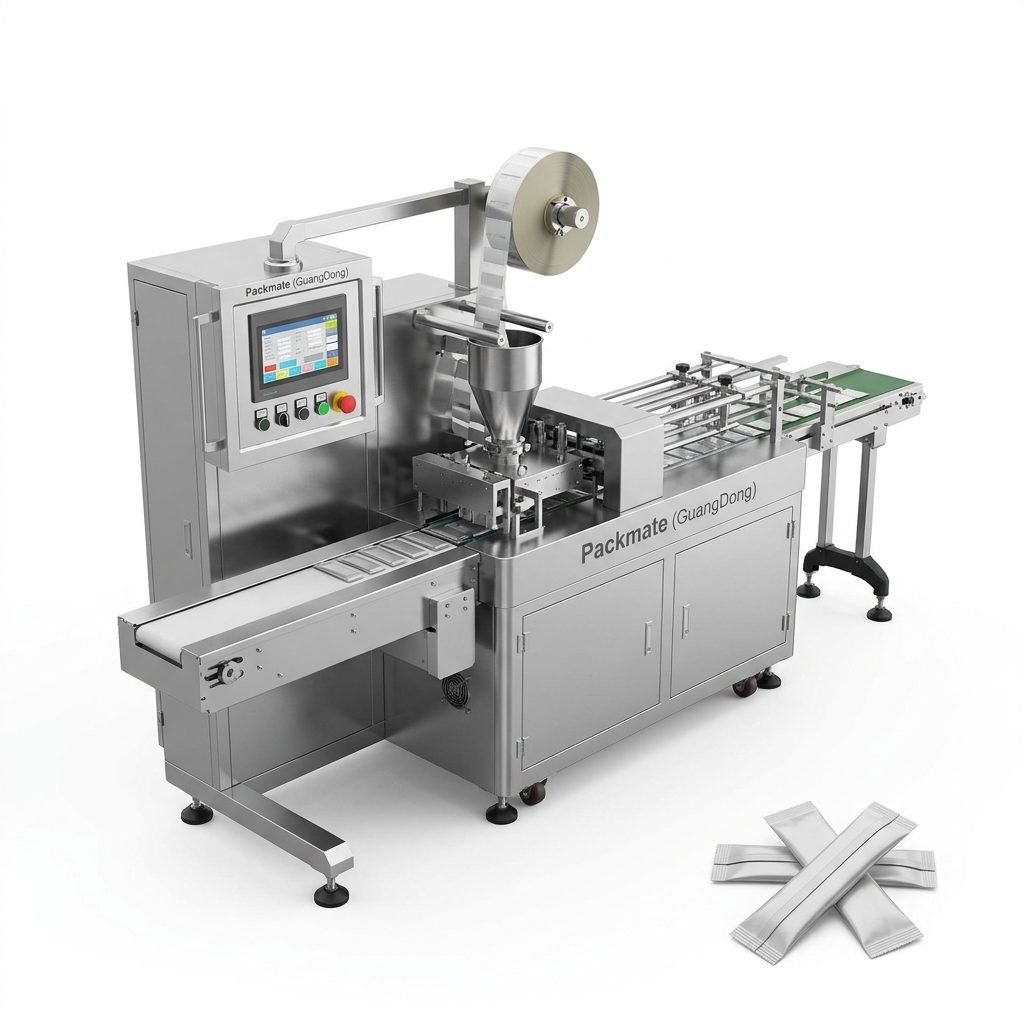
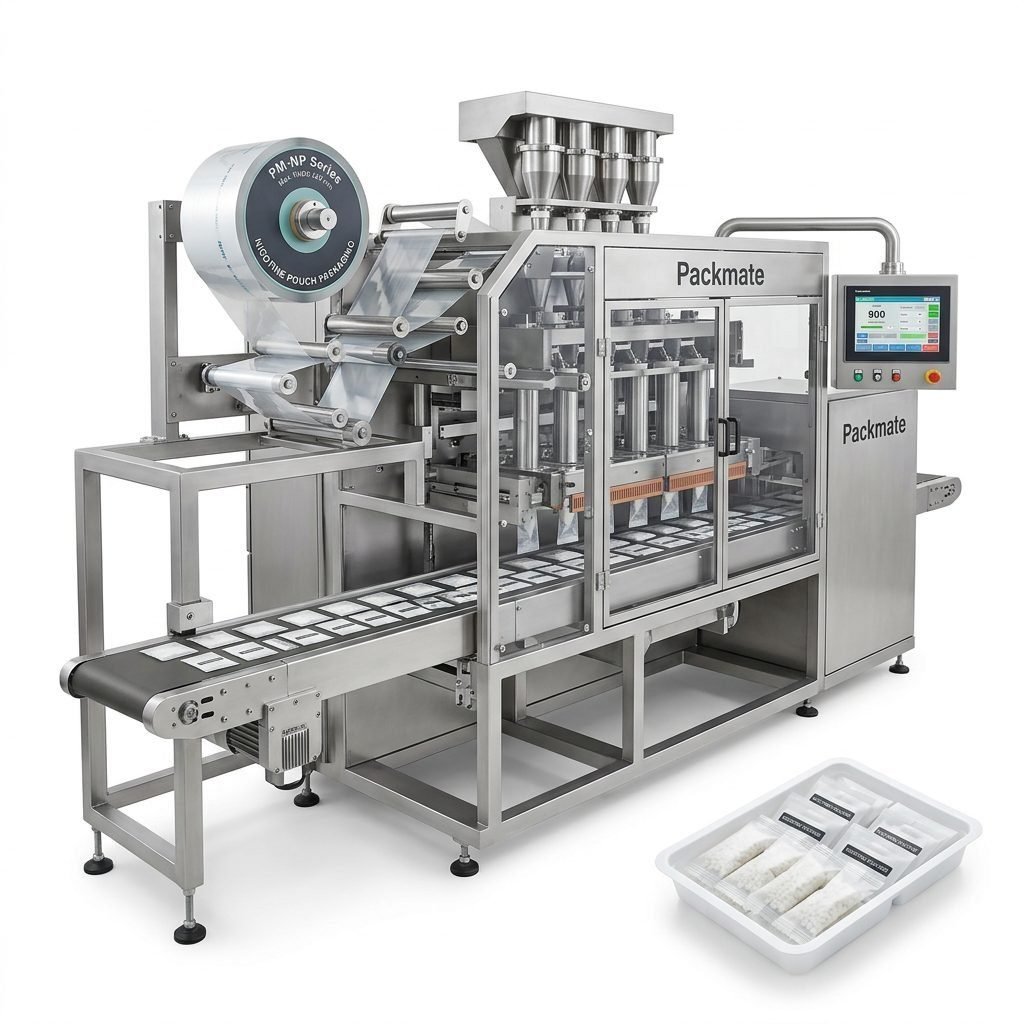
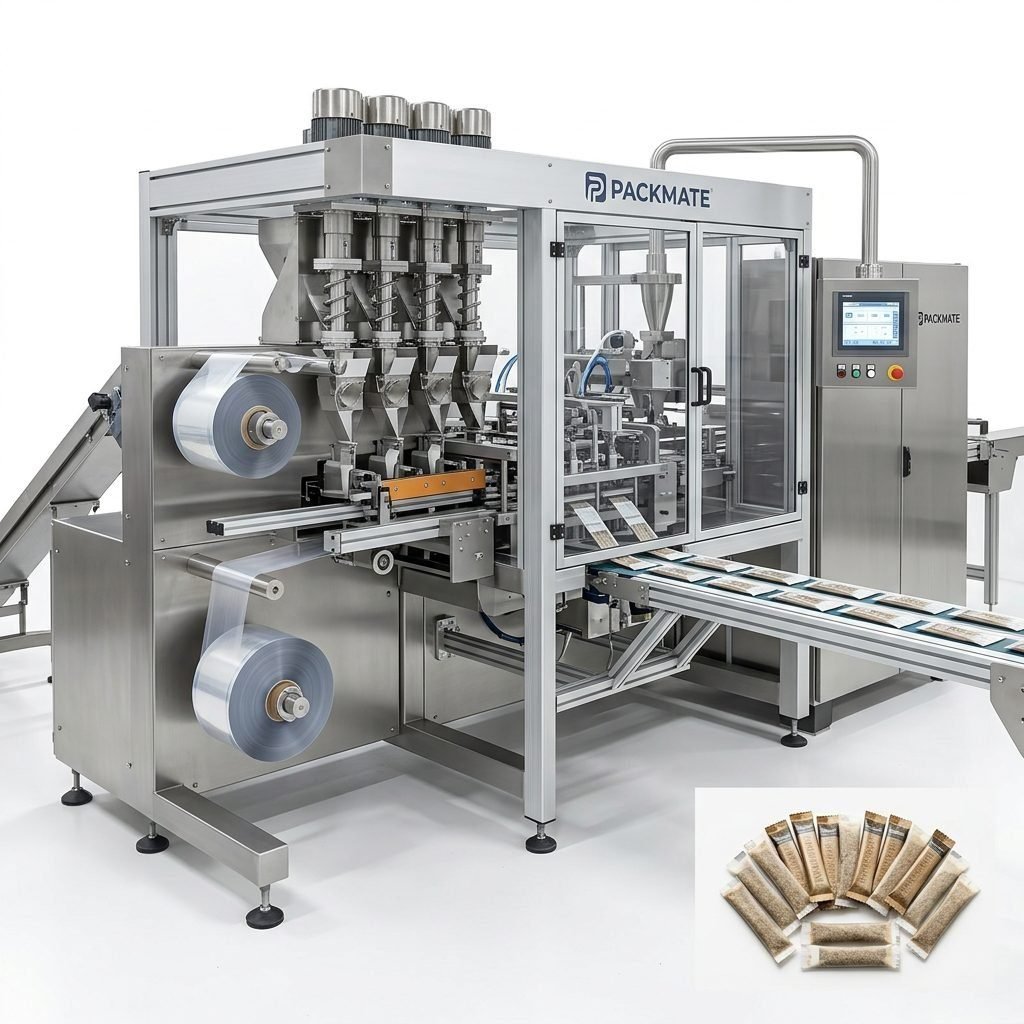
Match the machine type to your product portfolio. Key machine categories include stick packs, sachets, multi-lane pouch lines and specialized snus / nicotine pouch systems. Each has trade-offs in speed, flexibility and cost—multi-lane systems maximize throughput for small-dose pouches, while single-lane sachet or stick pack machines are ideal for smaller runs or frequent format changes.
Explore suppliers that offer a broad range of systems so you can scale without changing vendors. Example product families to review are:
Snus & Nicotine Packaging Machines,
Sachet & Stick Pack Machines,
and
Bag & Pouch Packaging Machines.
🔧 Practical tip: For Guinea’s humid climate, require desiccant or controlled-environment packaging solutions and moisture-resistant feeding systems. Machines with sealed hoppers and optional infeed dryers protect product consistency and reduce downtime.
Verify Manufacturer Credibility & Factory Strength
A supplier’s manufacturing capability reveals their ability to deliver reliable machines and spare parts on time. Key indicators include years of engineering experience, factory size, machining capacity and model diversity. Prefer suppliers with:
– Proven track record in snus packaging and nicotine pouch lines.
– Large, well-equipped factories with CNC machining centers and precision assembly.
– A portfolio of machine models and tailor-made turnkey solutions.
For example, Packmate Snus Machine highlights over 30 years of engineering experience and a 20,000㎡ manufacturing facility with advanced CNC systems and 50+ machine models—attributes that translate to stability and rapid spare-parts fulfillment. Learn more about the manufacturer profile and capabilities About Packmate.
Factory Visits, Certifications & Exhibition Presence
Arrange factory visits or remote audits. Look for international certifications such as CE and ISO which reflect compliance with safety and quality standards. Participation in global exhibitions and case studies demonstrates transparency and after-sales capability—inspect videos, case references and live demos when possible.
Useful resources: Certificate and Our Exhibition.
Performance, Customization & Technical Specs
Evaluate machine performance beyond headline speeds. Ask for:
– Actual tested throughput with your product formulation and packaging film.
– Repeatability and lane synchronization for multi-lane pouch lines.
– Format changeover time and ease of adjustment for different pouch sizes.
– Energy consumption, maintenance intervals and mean time between failures (MTBF).
📈 Key metric: Request machine run-off videos with your exact pouch type and weight. This eliminates surprises and demonstrates the supplier’s capability to handle your formulation and materials.
Service, Training & Spare Parts in West Africa
After-sales service is critical for remote markets. Confirm:
– Local or regional service partners who speak French.
– Training programs for operators and maintenance staff, including on-site commissioning in Conakry.
– Spare parts lead times and stocking options (fast-moving wear parts should be shipped quickly or stocked locally).
– Remote support capability (video diagnostics, PLC remote access) to minimize travel delays.
Many manufacturers provide dedicated service packages—review terms and consider extended warranty and preventive maintenance plans. For service enquiries and support options, see Service.
Power & Site Preparation
Prepare your Guinea site for steady operations: stabilize voltage with UPS or voltage regulators, ensure dust-free storage for film and ingredients, and allocate climate-controlled warehousing for hygroscopic materials. Request detailed site power, air, and floor-loading requirements from the supplier during technical review to avoid costly on-site changes.
Logistics, Customs & Delivery Considerations
Shipping heavy industrial equipment to Guinea involves port formalities, customs clearance and inland transport. Discuss incoterms (FOB, CIF, DDP) with suppliers and consider:
– Experience in handling shipments to Conakry port and inland deliveries.
– Inclusion of documentation for customs: packing lists, certificates of origin, machine manuals and CE/ISO certificates.
– Partnering with freight forwarders familiar with local procedures to shorten unloading and customs time.
Commercial Terms, Pricing & Total Cost of Ownership
The cheapest machine often costs more in the long run. Evaluate:
– Capital cost vs. throughput and lifetime service costs.
– Spare parts pricing and availability.
– Energy efficiency and consumables usage.
– Training costs and potential downtime during ramp-up.
💡 ROI tip: Calculate cost per pouch over expected lifetime, factoring in maintenance, energy and labor. Machines with precise dosing and low scrap rates usually yield the highest returns.
Factory Trials, Samples & Pre-Shipment Verification
Require sample runs at the supplier’s factory or a witnessed trial. Confirm packaging aesthetics, sealing integrity, weight accuracy and label printing quality. Pre-shipment inspections, FAT (Factory Acceptance Test) and documented run packs help avoid surprises on arrival in Guinea.
Useful references and real-world machine case studies are often available—review them to validate the supplier’s claims: Case.
Selection Checklist for Suppliers (Quick Reference)
✅ Proven export experience to West Africa and French-language support.
✅ Clear documentation (CE/ISO certificates, manuals, FAT reports).
✅ Demonstrated machine runs with your product and film.
✅ Robust spare-parts plan and local or remote service.
✅ Factory scale and machining capability (CNC centers, assembly lines).
✅ Flexible production formats and fast format changeovers.
How Packmate Aligns with These Needs
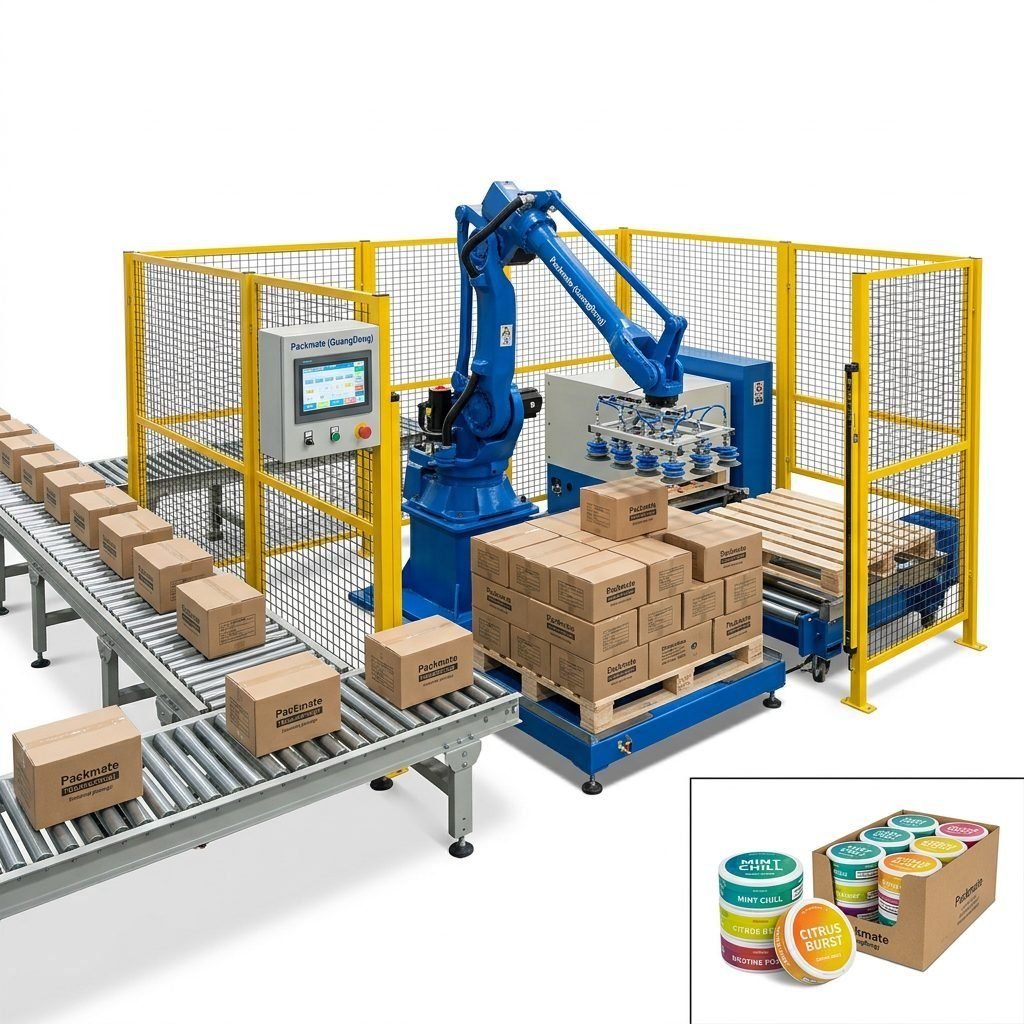
Suppliers such as Packmate Snus Machine provide a comprehensive offering: decades of R&D experience, a 20,000㎡ manufacturing base with advanced CNC and assembly systems, and a product lineup that covers snus/nicotine pouch lines, stick pack and sachet machines. Their turnkey approach can simplify installation, commissioning and training for Guinea-based operations. For product families and turnkey lines, explore Filling & Packaging Lines and Weighing & Packaging Systems.
⚠️ Red flag: Suppliers that refuse factory audits, cannot provide run-off samples, or offer vague spare-part lead times should be treated with caution—especially when operating in remote markets.
Making the Final Decision
Balance technical fit, supplier credibility, and total cost of ownership. Insist on clear contractual terms for delivery, commissioning, acceptance tests and warranty. Include language on spare-parts availability and remote support response times. A supplier who offers training in French and understands the logistics of shipping to Guinea is generally a better partner for sustainable operations.
If you need more details on machine types, spare parts policies or commissioning services, visit the manufacturer’s service and contact pages: Service | Contact Us.
Final Recommendations
– Prioritize suppliers who demonstrate successful snus/nicotine pouch projects and who provide detailed FAT documentation.
– Confirm French-language technical support and training.
– Build spare parts stock for critical components before the first production run.
– Validate humidity and power resilience features for Guinea’s climate and infrastructure.
Common Questions
Q1: How long does it take from order to machine delivery and commissioning in Guinea?
A1: Typical lead times vary by model and customization; allow time for factory testing, export documentation and shipping to Conakry. Discuss timelines early and include them in contracts to avoid delays.
Q2: What certifications should I insist on when importing packaging machinery?
A2: Require CE and ISO certificates for safety and quality. Request copies of certificates and ensure the supplier can provide full equipment documentation for customs clearance.
Q3: Can the supplier provide training in French and remote troubleshooting?
A3: Choose suppliers who offer on-site operator training in French and remote support tools (video diagnostics, PLC remote access) to reduce downtime.
Q4: What spare parts should I stock locally for Guinea operations?
A4: Stock critical wear parts (sealing jaws, belts, sensors, dosing components), electrical fuses, and common PLC modules. Discuss a recommended spares list with your supplier during negotiation.