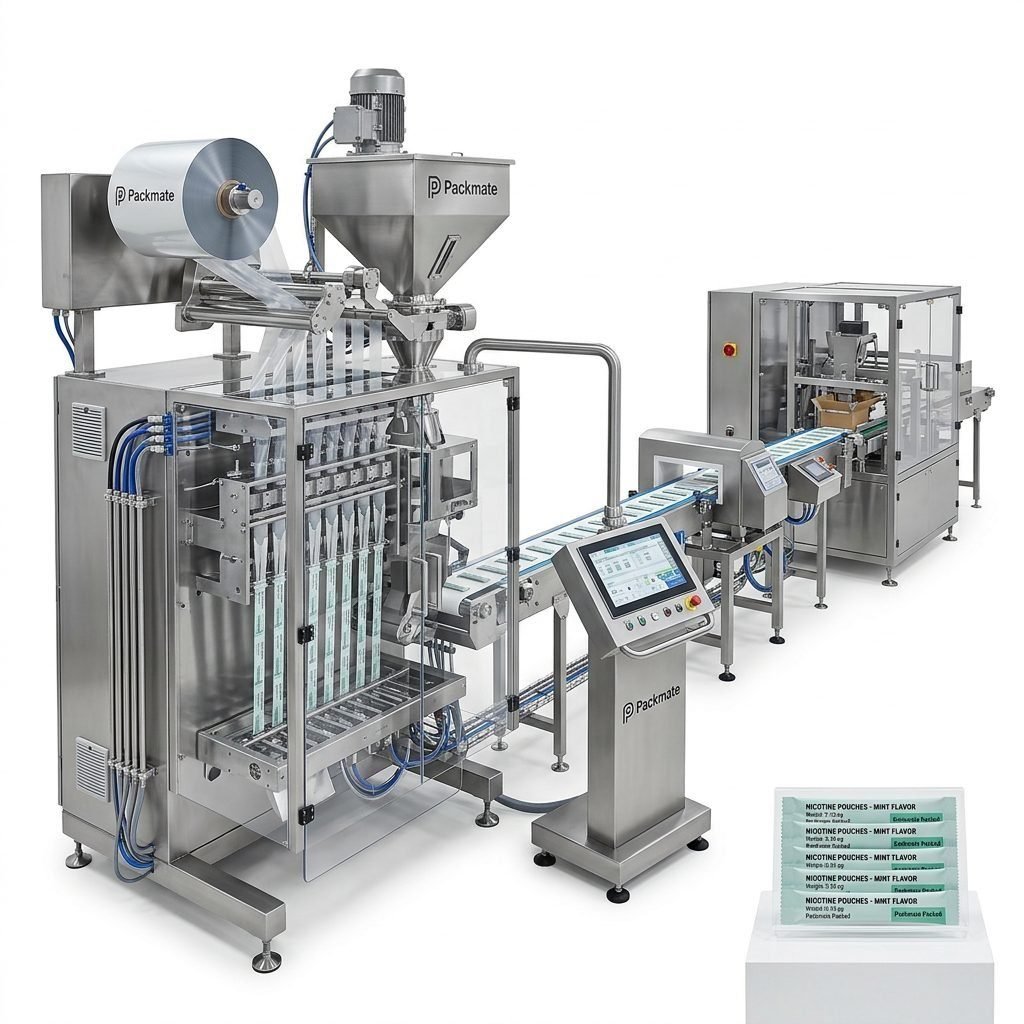
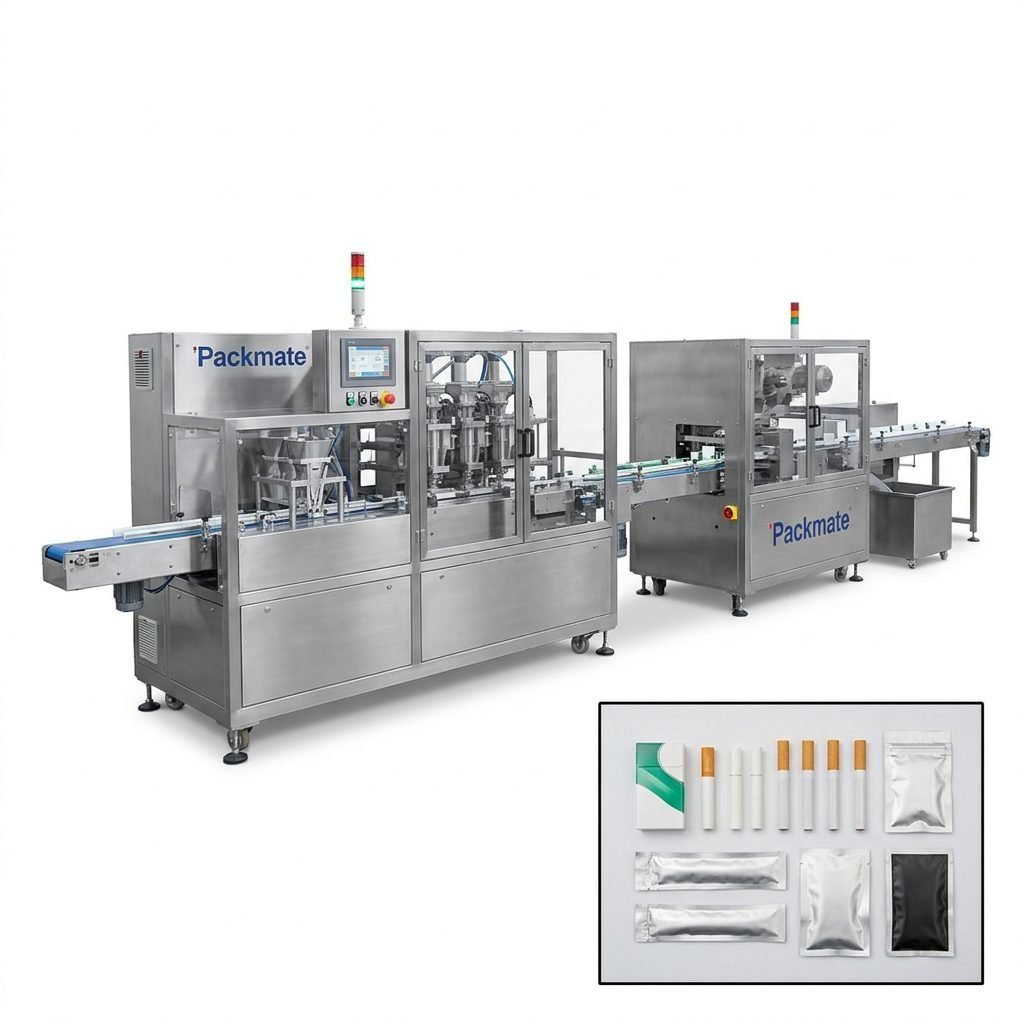
Entering the snus and nicotine pouch market in Nepal means balancing tradition, regulation, and modern consumer trends. Whether you are a small startup supplying local kiosks or an established tobacco business aiming to export, choosing the right packaging machine is a critical decision that affects product quality, production cost, compliance, and brand perception. This guide will help you evaluate options and choose the best snus packaging machine for your Nepal-based tobacco business.
Why Packaging Matters in Nepal’s Tobacco Market
Nepal has a long history of tobacco consumption, with traditional products like paan and smokeless forms widely used in rural and urban communities. Modern nicotine pouches and snus are emerging as alternatives for users seeking smoke-free options. Packaging plays a key role in ensuring product safety, hygiene, shelf life, and regulatory compliance. A reliable packaging line not only preserves product integrity but also communicates brand trust and can help access export markets.
Local habits and festival-driven demand
In Nepal, festivals and seasonal travel (pilgrimages, family gatherings) can trigger spikes in demand for tobacco-related products. Packaging that is compact, discreet, and travel-friendly is often preferred. Consider machines that produce smaller, individually sealed pouches or stick packs to match local buying habits and gifting culture.
Tip: Machines that can switch between multi-lane operations and single-lane runs allow you to meet both bulk orders and festival-season small pack demands without buying multiple systems.
Types of Snus Packaging Machines to Consider
Different production goals require different types of equipment. Here are the main categories:
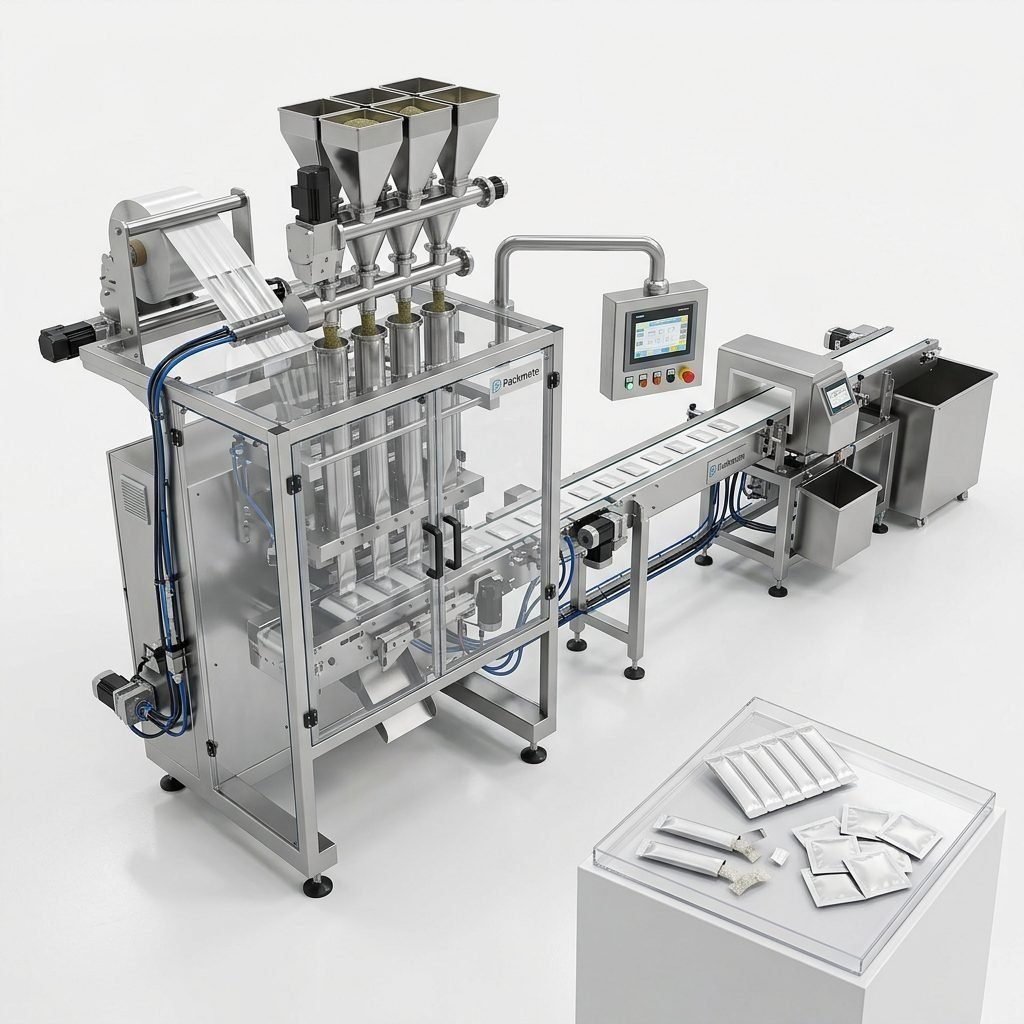
h5 – Sachet & Stick Pack Machines
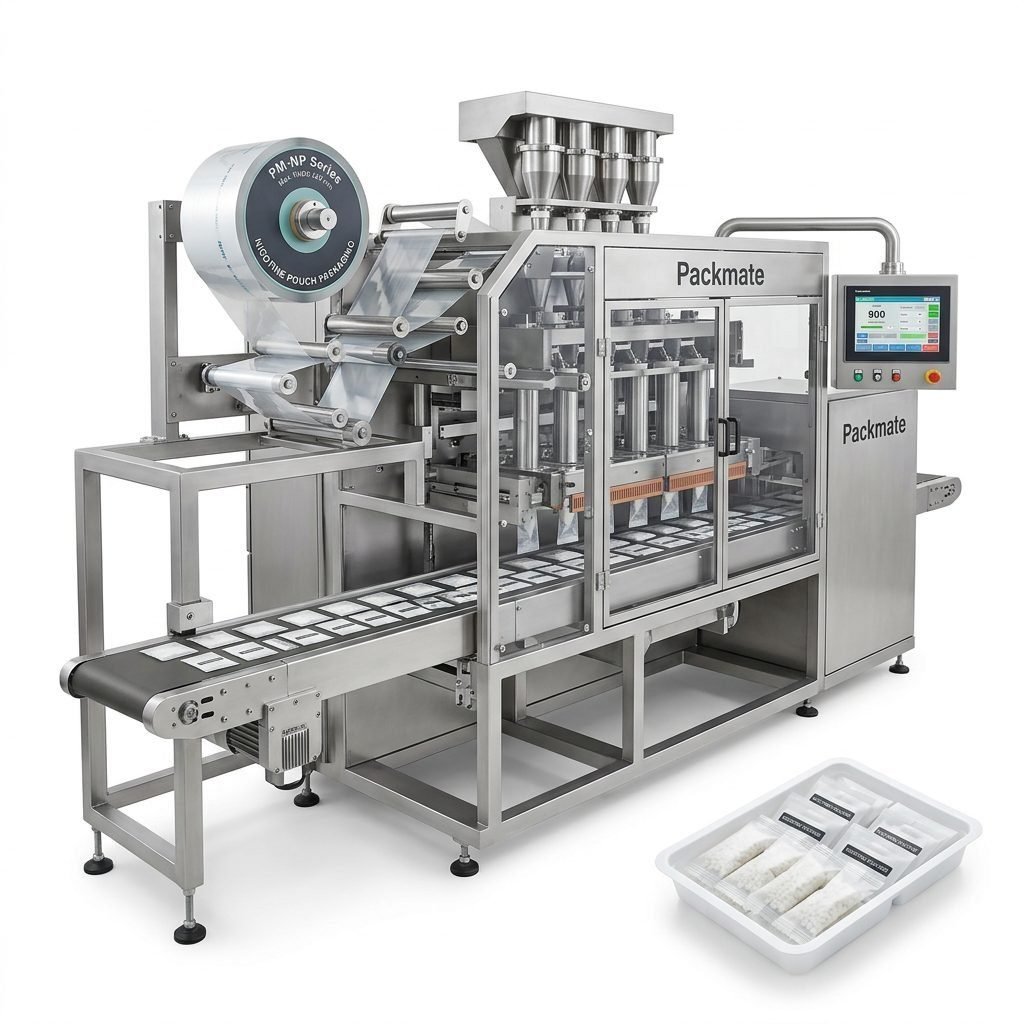
Sachet and stick pack machines are ideal for producing single-dose sachets or slim stick-style pouches. They are typically compact, fast, and suitable for powdered or granular formulations.
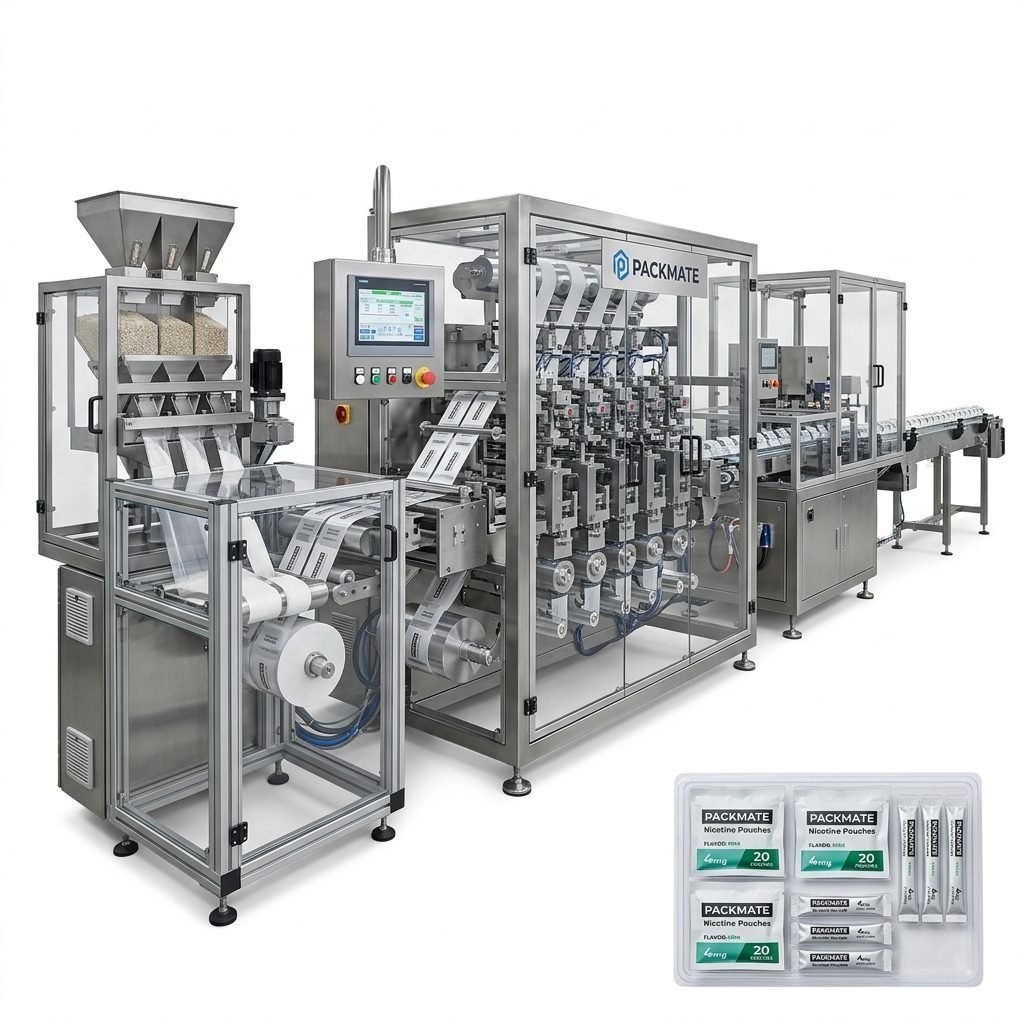
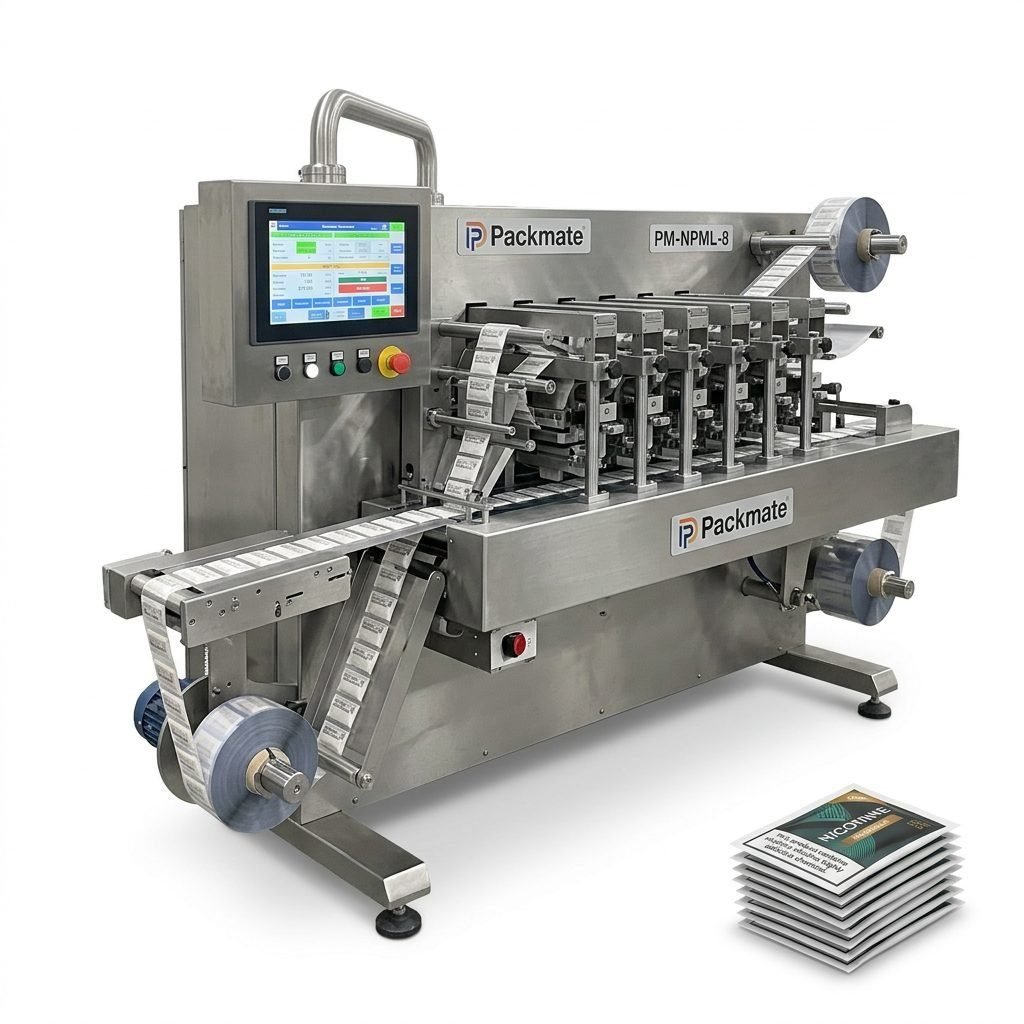
h5 – Multi-Lane Snus / Nicotine Pouch Machines
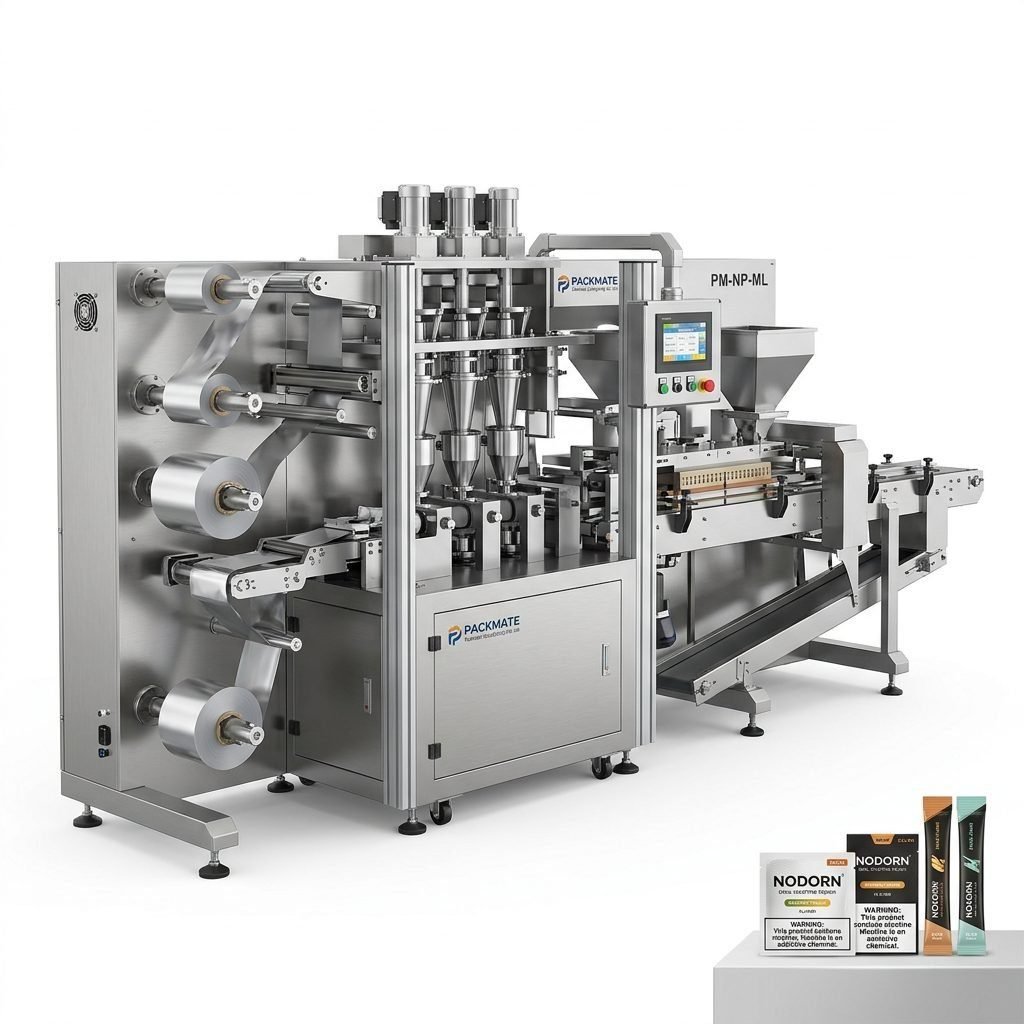
Multi-lane systems are engineered for high output and small-dose pouches (common for snus/nicotine pouches). They reduce per-unit cost and are best for businesses aiming at higher volumes or export markets.
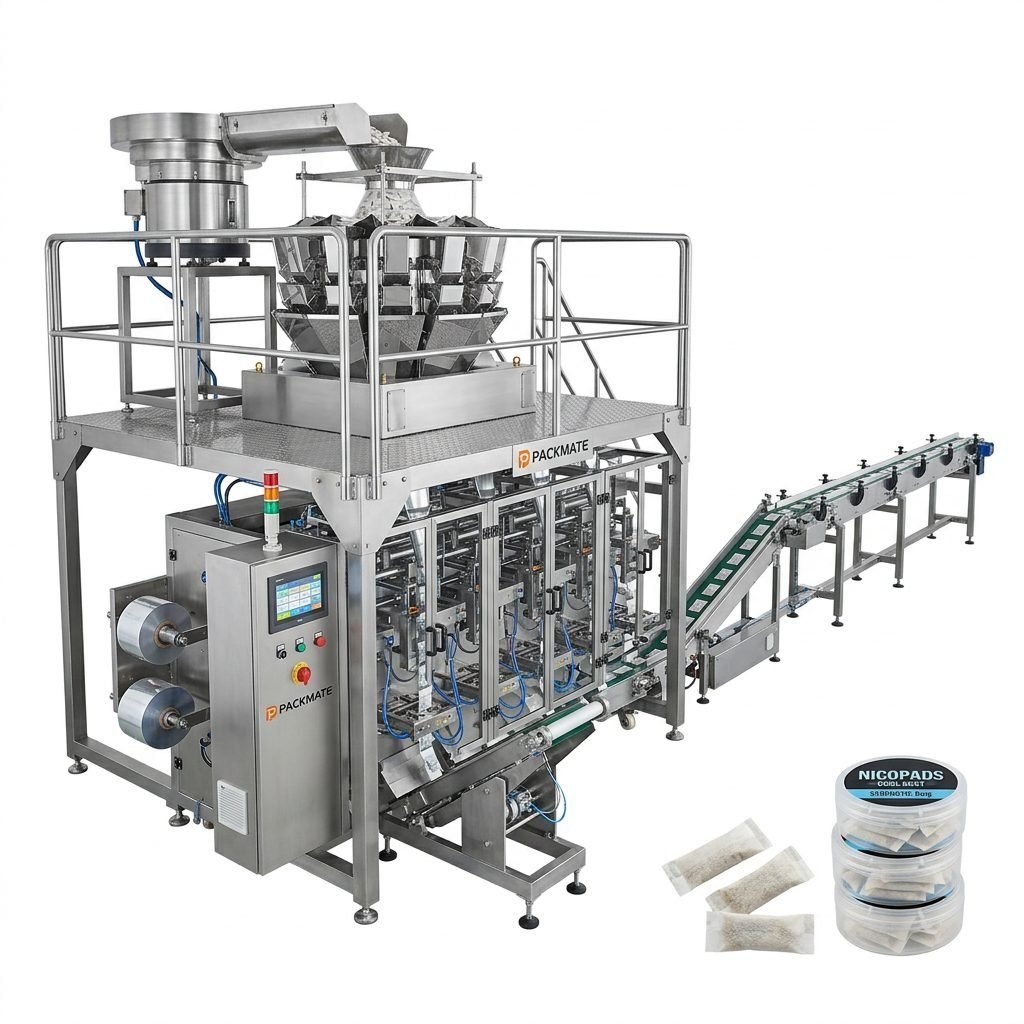
h5 – Bag & Pouch Packaging Machines
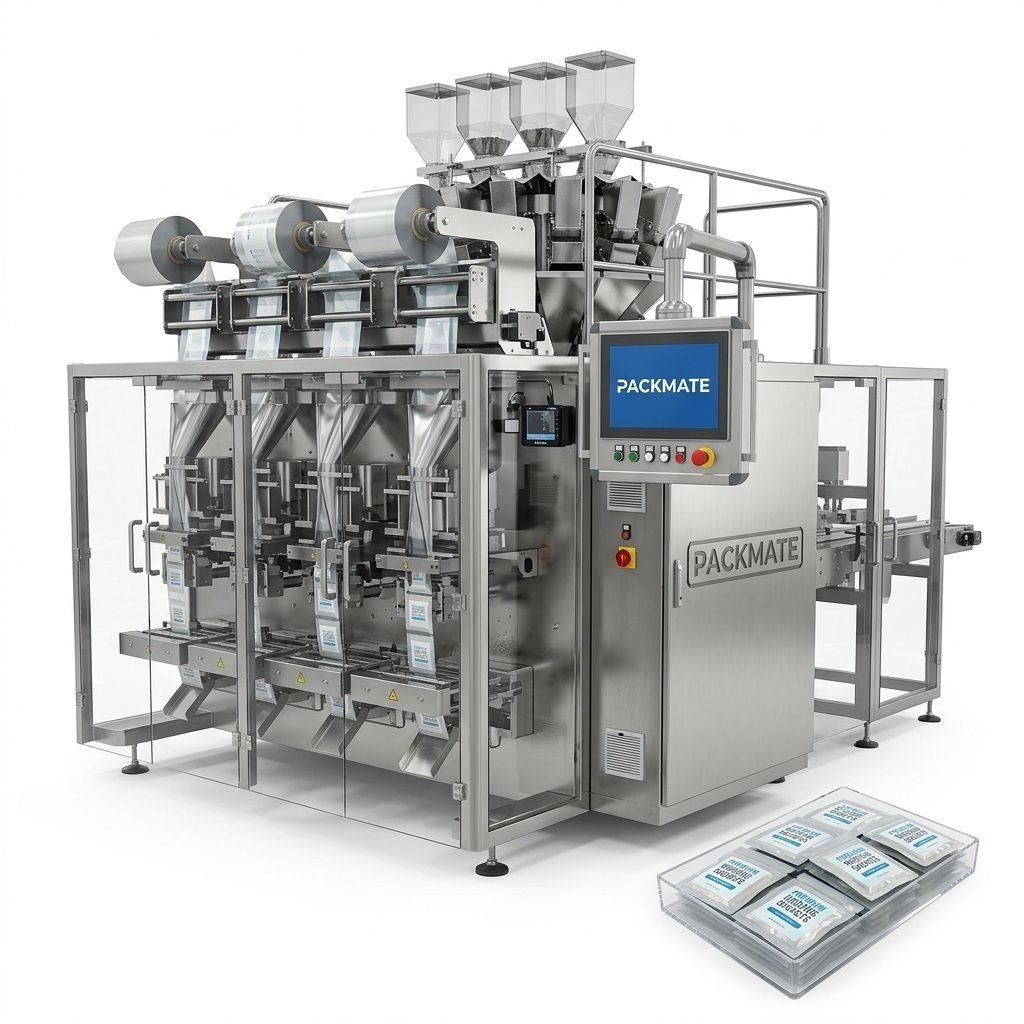
For bulk packs, re-sealable pouches, or retail-ready multi-packs, bag and pouch machines provide flexibility for various film formats and styles.
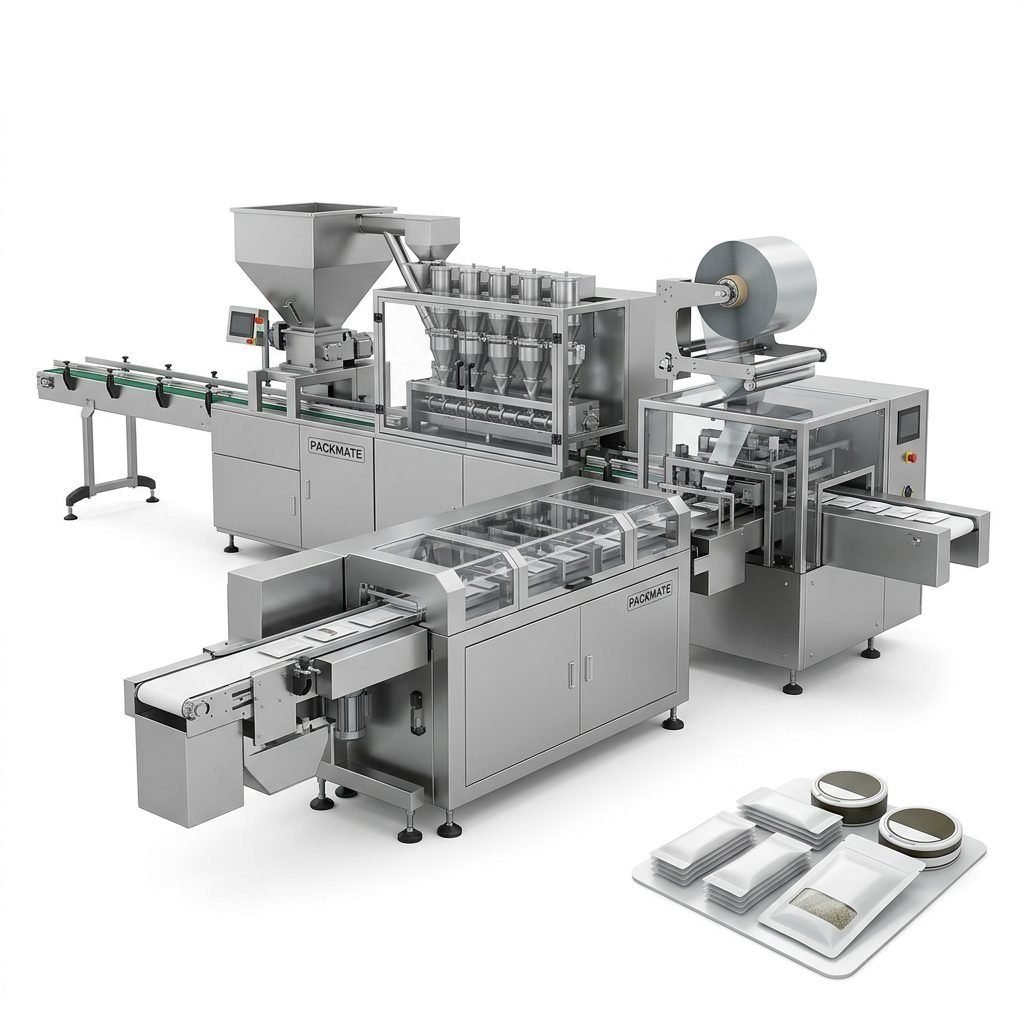
If you want to explore product options, Packmate’s product lines include specialized Snus & Nicotine Packaging Machines, Sachet & Stick Pack Machines, and Bag & Pouch Packaging Machines.
Key Selection Criteria: What Matters Most
Selecting the right machine depends on multiple factors. Prioritize these when evaluating suppliers:
🔧 Production Capacity: Match machine throughput (pieces/min or pouches/min) to your expected demand and growth plans.
⚖️ Dose Accuracy & Fill Systems: For nicotine pouches, accurate dosing is crucial for product safety and regulatory compliance.
📦 Package Formats Supported: Ensure the machine supports the pouch style, film types, and sizes you plan to use.
🔁 Flexibility & Changeover Time: Quick changeovers reduce downtime when switching SKUs for seasonal demands.
🛠️ After-Sales Support & Spare Parts: Local service availability or fast parts delivery reduces production risk.
Automation level and operators
Fully automated lines reduce labor costs and increase consistency, but require higher initial investment and technical skill. Semi-automatic machines can be suitable for smaller Nepalese operations that prefer lower capital expenditure and local labor involvement.
Technical Specifications to Verify
The following technical details can make or break your production goals:
- Throughput rate (pouches per minute) under real product conditions
- Multi-lane capability and lane synchronization accuracy
- Material compatibility (films, foil, biodegradable materials)
- Electrical specifications and local voltage compatibility
- Cleanability and hygiene design for food-contact parts
Regulatory & Cultural Considerations in Nepal
Nepal’s regulatory environment for tobacco products may include labeling requirements, health warnings, and restrictions on certain additives. Always confirm local regulations with authorities before finalizing a packaging solution. Additionally, cultural sensitivity in labeling and packaging design is important—clear Nepali language labeling and discreet design can improve market acceptance.
Compliance note: Choose machines from reputable manufacturers with CE/ISO compliance to ease export and regulatory approvals. For example, Packmate machines comply with international standards—see more on their About Packmate page.
Installation, Training & After-Sales Support
Local technical support is a major factor for businesses in Nepal. If the supplier provides remote commissioning, training, or onsite engineers, downtime and troubleshooting become easier. Confirm spare-part lead times and whether the supplier offers local stocking or fast shipping.
Service agreements and warranties
A clear warranty and optional maintenance plan reduce operational risk. Check if the manufacturer has documented case studies or references—Packmate offers global turnkey solutions and a history of international cooperation; see Case examples.
Cost Considerations & Return on Investment
Upfront cost, operating expenses, consumables, and downtime all affect your ROI. Higher-speed multi-lane machines lower per-unit cost when running at capacity, but small businesses may prefer lower-cost modular machines to start. Calculate break-even points based on your expected sales volume and SKU mix.
✅ Starter option: Compact sachet/stick pack machines for small runs and flexible SKUs.
✅ Scale-up option: Multi-lane snus machines for stable high-volume production and export.
Why Choose a Proven Supplier Like Packmate
Experience, factory capability, certifications, and global service networks matter. Packmate Snus Machine brings over 30 years of engineering experience, a 20,000㎡ facility, CE/ISO certifications, and a catalog covering snus, sachet, bag, and weighing systems. If you want a tailored solution or a full packaging line, explore their Filling & Packaging Lines and contact them via Contact Us for consultation.
Questions to ask suppliers
Ask about uptime statistics, examples of similar installations, spare-part lists, training packages, and references. Also verify electrical compatibility and whether pre-shipment testing will be performed with your actual product.
Maintenance Tips to Maximize Machine Life
Preventive maintenance, timely lubrication, and using recommended consumables extend equipment life. Keep a small stock of wear parts (seals, blades, belts) and document changeovers. For hygiene, schedule regular deep cleaning of product-contact parts to prevent product contamination and odor transfer.
🔔 Local tip: In Nepal’s varying climate, monitor humidity control in production areas—moisture can affect pouch integrity and dosing accuracy.
Common Pitfalls to Avoid
Choosing the cheapest machine without verifying actual throughput, ignoring spare part availability, and underestimating changeover complexity are frequent mistakes. Also, ensure the supplier can test the machine with your exact formulation (moisture, particle size) to avoid surprises.
Next steps for Nepal-based buyers
Start with a clear production plan, SKU definitions, and estimated monthly volumes. Request sample pouches from suppliers, ask for production videos, and schedule a factory visit or remote demo. Reliable manufacturers will provide technical specifications, compliance documentation, and references from similar projects.
For a deeper look at available equipment and turnkey packaging solutions, you can browse Packmate’s catalog and product lines to identify the machines best aligned with your goals.
Conclusion
Choosing the best snus packaging machine for your Nepal tobacco business requires evaluating production scale, package format, dosing accuracy, compliance needs, and after-sales support. Prioritize machines with proven multi-lane capability if you plan to scale, and seek suppliers with strong factory credentials and service networks. With the right equipment, you can deliver consistent, compliant, and market-appropriate products that meet the preferences of Nepali consumers.
Frequently Asked Questions
Q1: What machine type is best for a small Nepalese startup?
A1: Start with a flexible sachet or stick pack machine for low to medium volumes. These machines are cost-effective, easy to operate, and allow you to test the market before upgrading to multi-lane systems.
Q2: How important is regulatory compliance when buying packaging equipment?
A2: Extremely important. Choose machines from manufacturers with CE/ISO certifications and ask for documentation to simplify local approvals. Proper labeling and hygienic equipment design help ensure compliance.
Q3: Can suppliers test machines with our snus formulation?
A3: Reputable suppliers will test machines with your actual product. Request trial runs or sample videos and confirm dosing accuracy and pouch integrity before purchase.
Q4: What after-sales services should I expect?
A4: Expect installation support, operator training, spare parts availability, remote troubleshooting, and optional maintenance contracts. Ensure the supplier can provide timely support for Nepal-based customers.
Q5: Where can I get more detailed product information?
A5: Visit supplier product pages for specifications and case studies. For Packmate products and services, explore their Weighing & Packaging Systems and contact the team via Contact Us.