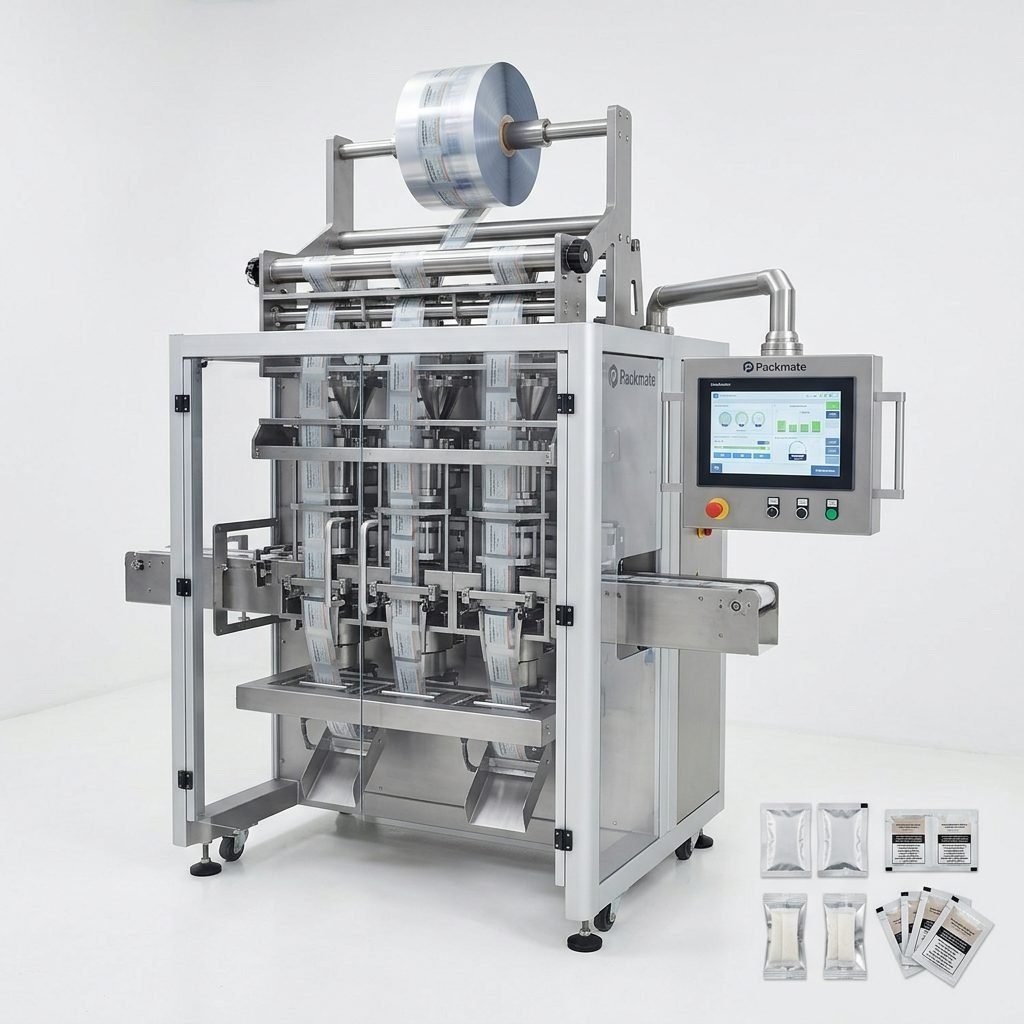
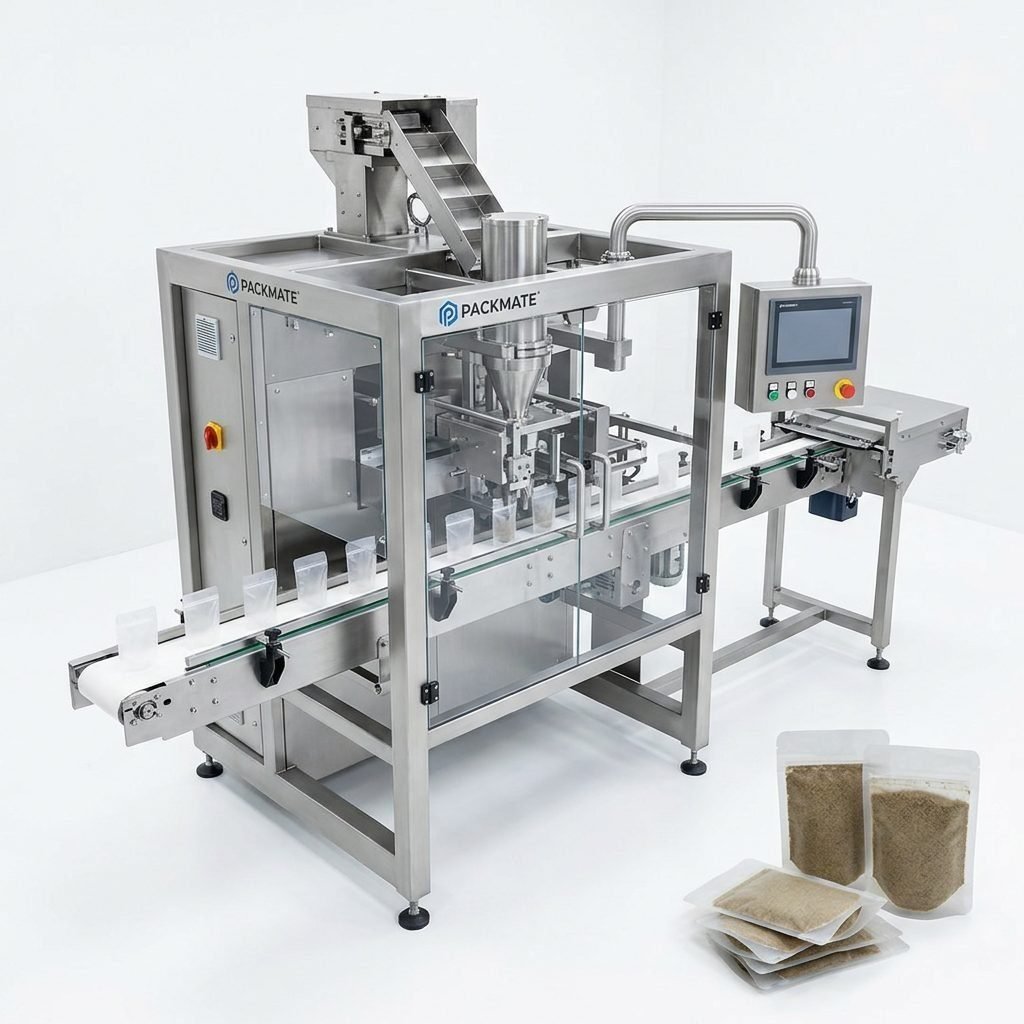
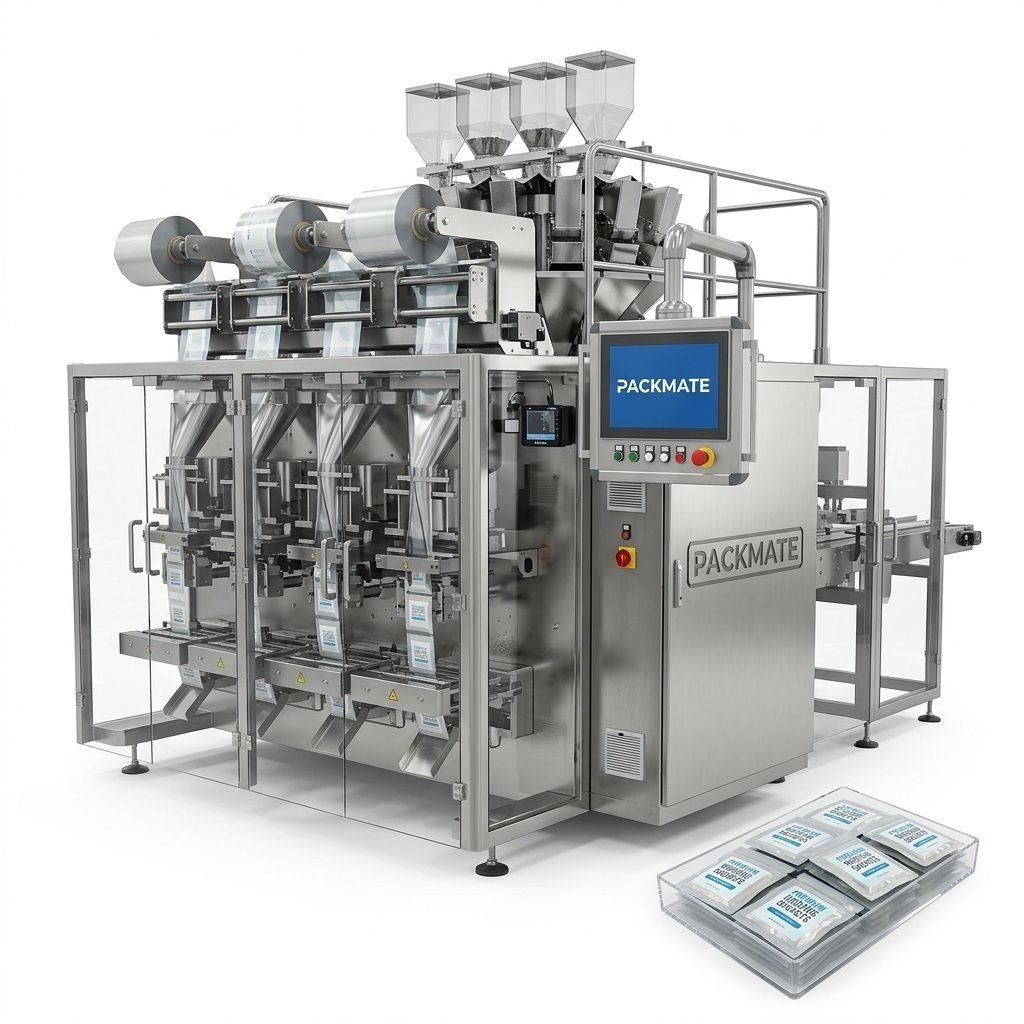
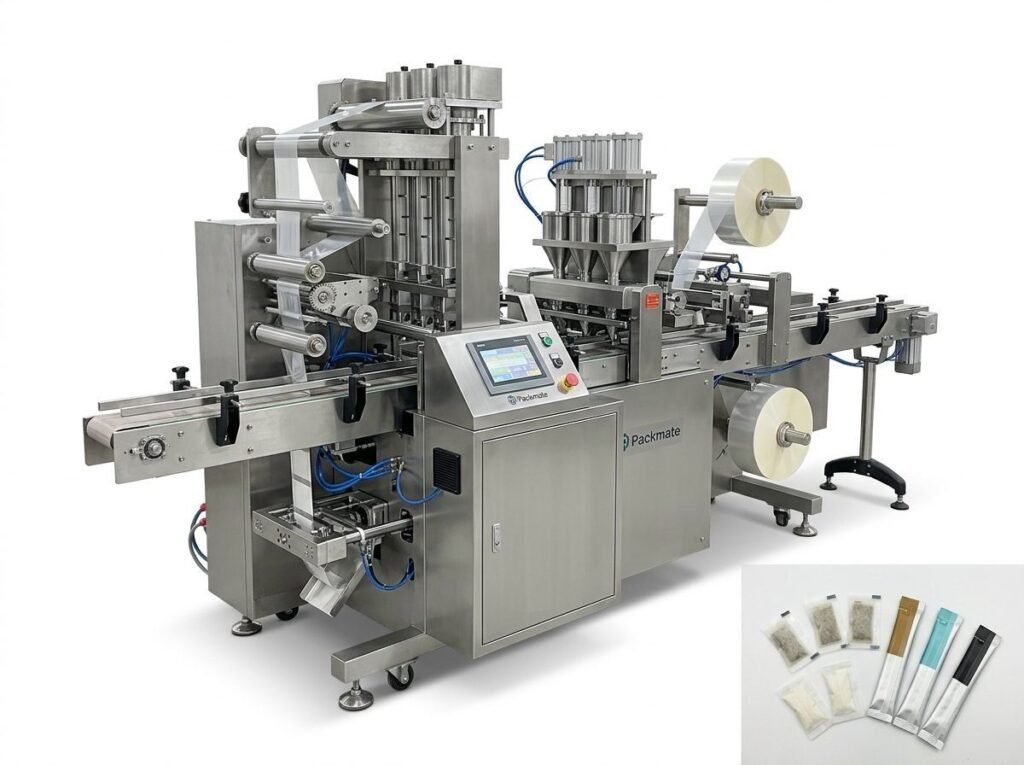
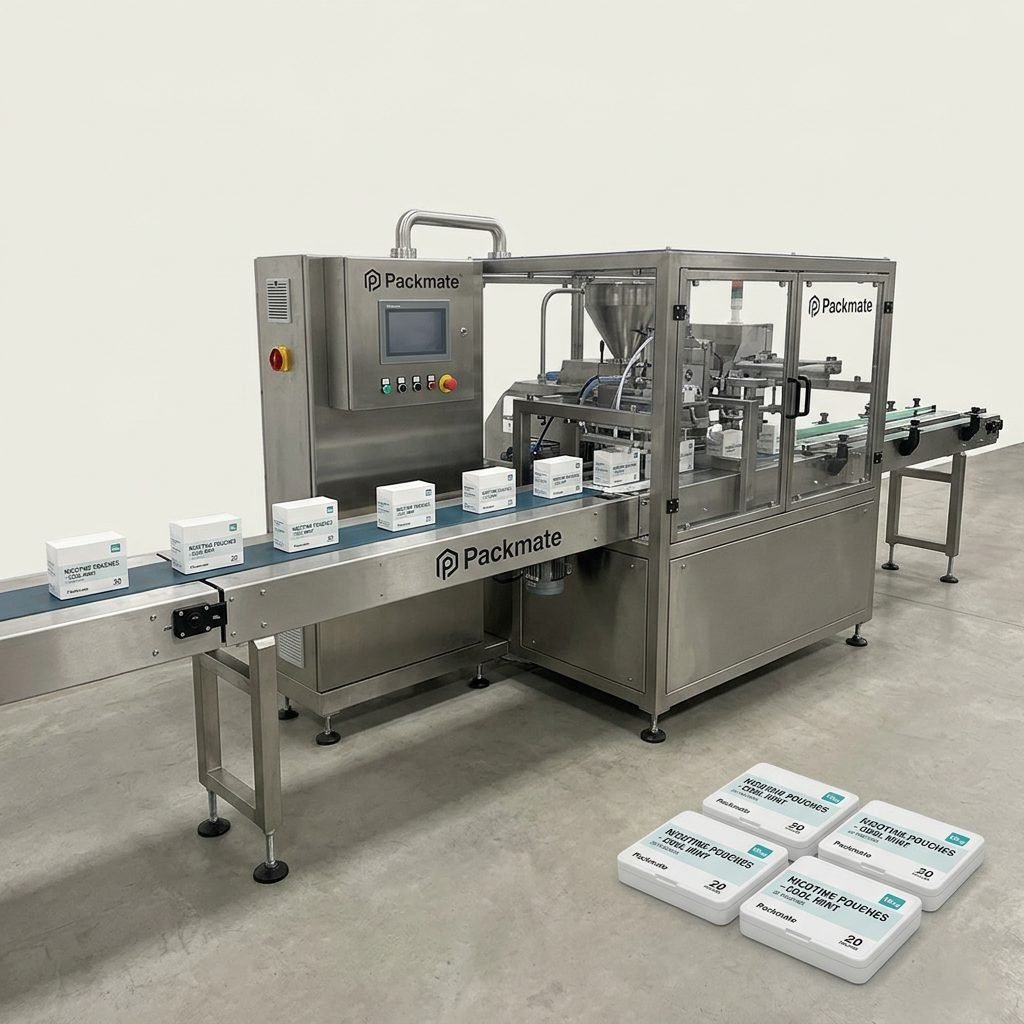
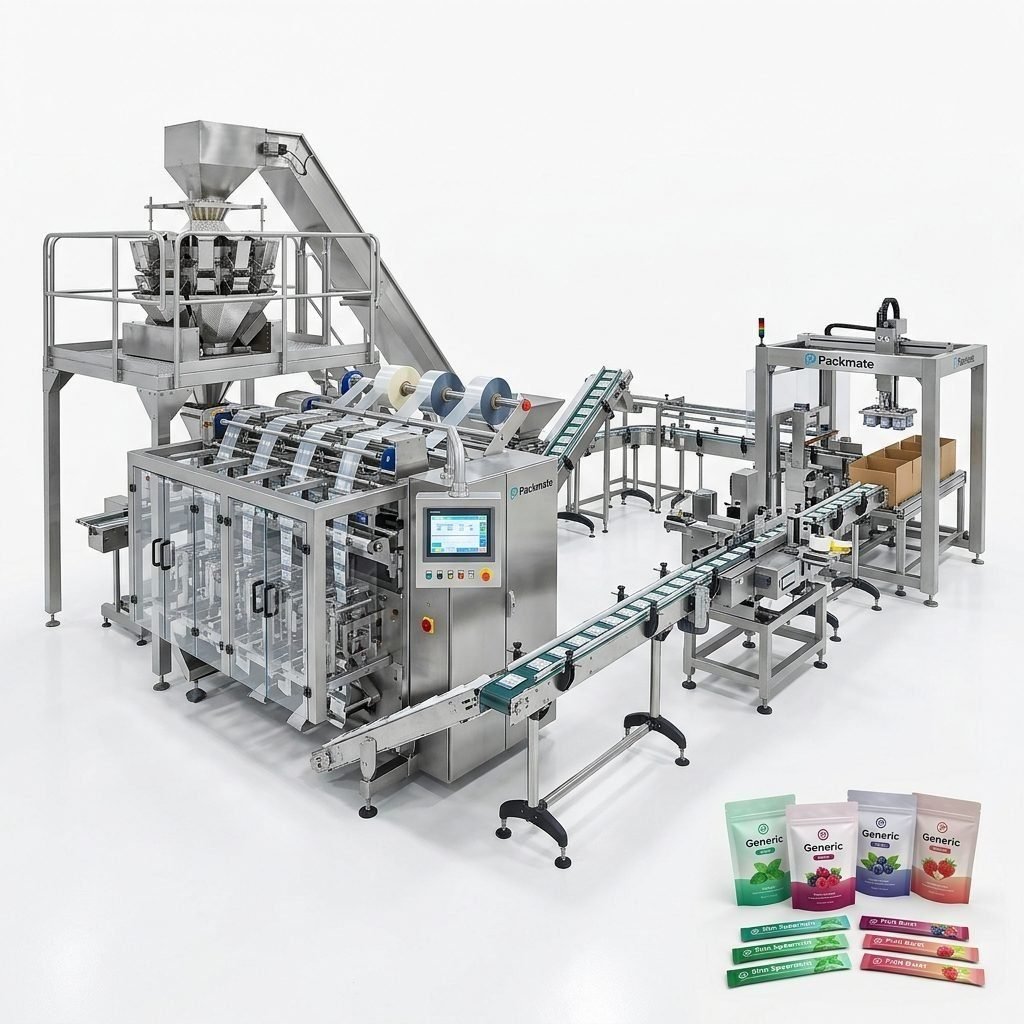
In a rapidly evolving nicotine pouch and snus market, manufacturers need packaging lines that deliver speed, precision, and cost-efficiency without compromising product integrity. This guide explores practical automation solutions—from high-speed multi-lane pouch fillers to integrated weighing and end-of-line systems—that help operations scale reliably while meeting regulatory and consumer expectations.
Why Automation Matters for Nicotine Pouch Production
Manual packaging cannot consistently meet the high throughput, hygiene, and traceability requirements of modern nicotine pouch lines. Automation brings consistent dosing, hermetic sealing, and synchronized downstream operations. The result is higher yields, less waste, and improved compliance.
✓ Increased throughput • ✓ Improved accuracy • ✓ Reduced labor costs
Core Automation Benefits at a Glance
Faster changeovers, automated quality checks, and machine-driven packaging formats (stick, sachet, multi-lane pouches) directly translate to better unit economics. Modern systems also integrate data logging and remote diagnostics, enabling predictive maintenance and real-time performance optimization.
Key Machine Types for Nicotine Pouch Lines
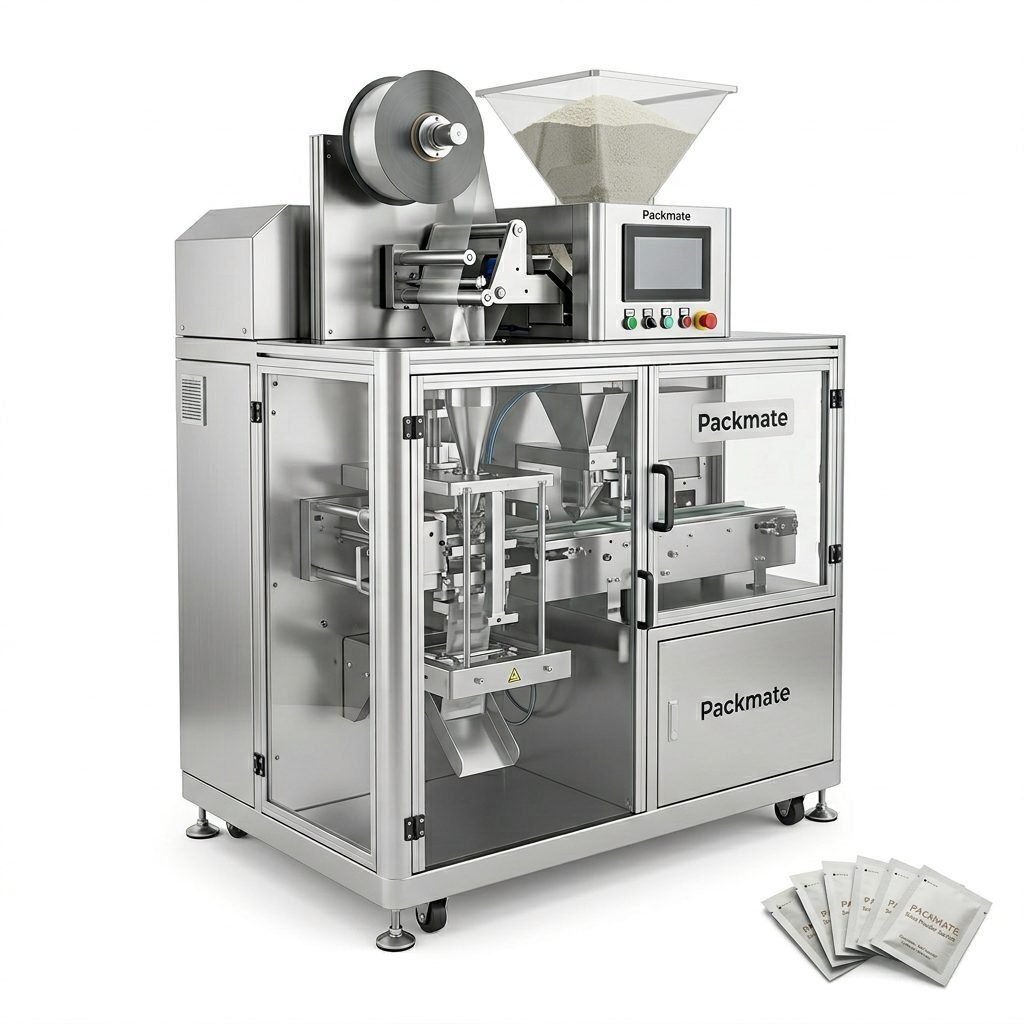
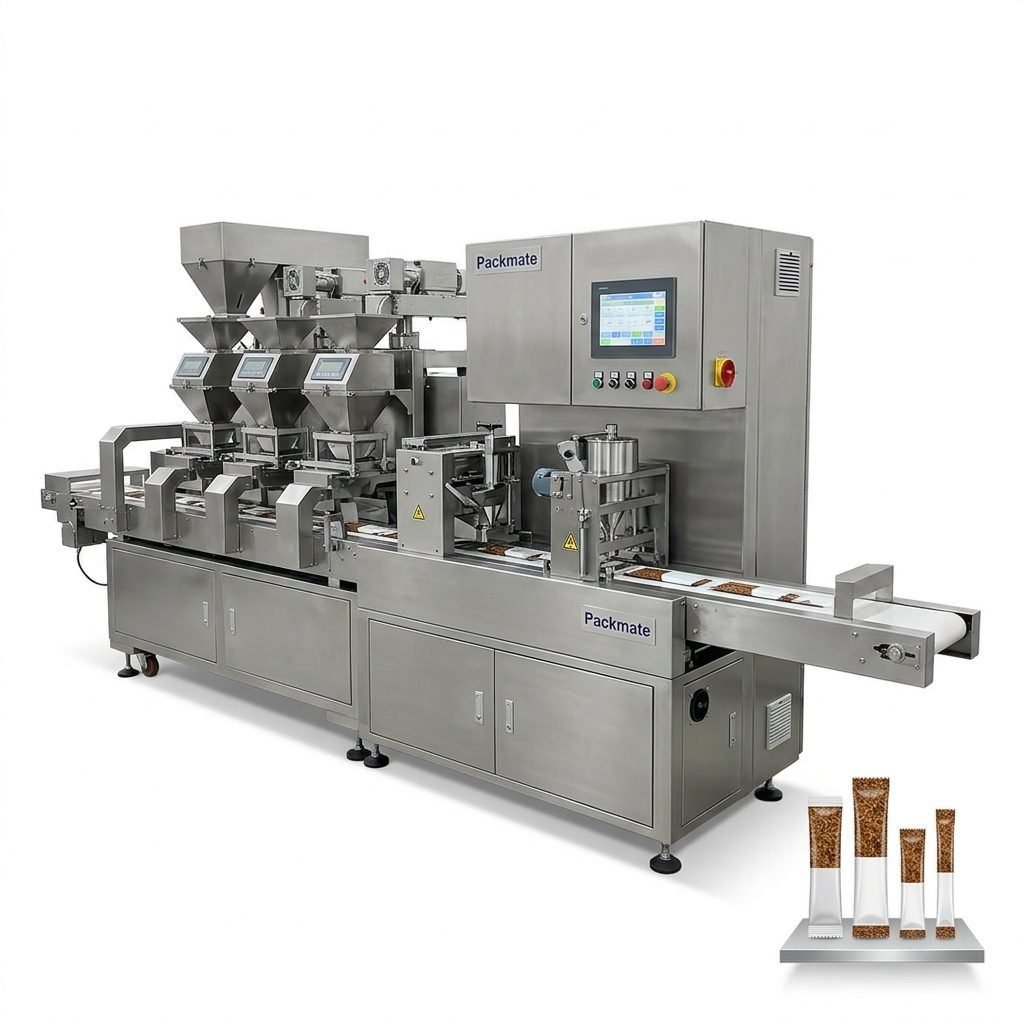
Selecting the right mix of machines depends on product format, line speed, and regulatory constraints. Typical building blocks include pouch formers and sealers, precision dosing systems, multi-lane stick pack machines, and modular feeding/closing equipment.
Snus & Nicotine Packaging Machines
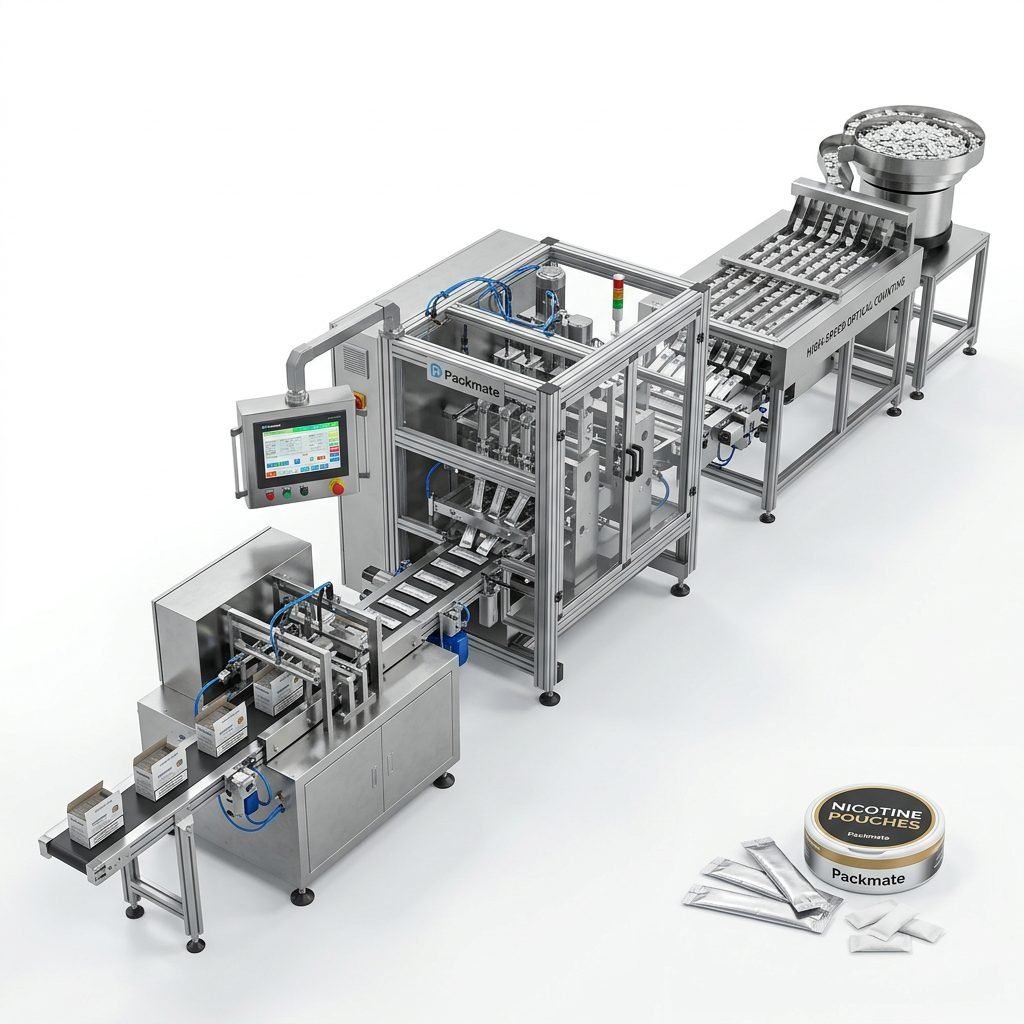
For end-to-end solutions tailored to nicotine pouches, check detailed machine options and configurations that address small-dose pouch filling, gentle handling, and precise heat-seal control. Explore product lines for both single-lane and multi-lane operations to match production targets: Snus & Nicotine Packaging Machines.
Sachet & Stick Pack Machines
Many nicotine pouch manufacturers adopt stick or sachet formats for consumer convenience. Machines in this class provide high speed and uniform dosing with compact footprints: Sachet & Stick Pack Machines.
Weighing & Packaging Systems
Precision weighing systems ensure each pouch contains the target nicotine mass. Integrated check-weighers and loss-in-weight feeders minimize variation and scrap: Weighing & Packaging Systems.
Design Considerations When Upgrading or Building a Line
When planning automation, consider product characteristics (moisture, particle size, flowability), target throughput, packaging formats, and end-of-line requirements such as cartoning or case packing. A modular approach helps future-proof the investment.
⚙️ Integration tip: Use standardized machine interfaces (Ethernet/IP, OPC-UA) to enable centralized control and easier scalability.
Hygiene, Materials, and Regulatory Compliance
Nicotine pouches require strict hygiene and traceability. Machines should use food-grade materials where required, provide easy-to-clean zones, and allow serialization and batch tracking. Always verify equipment supports compliance to local and international certifications.
Packmate’s Manufacturing Strength & What It Means for Buyers
With over 30 years of engineering experience and a 20,000㎡ manufacturing facility, Packmate is positioned to deliver robust snus packing machines and full turnkey lines. From CNC-produced components to precision assembly and quality testing, their capabilities reduce lead times and ensure consistent machine performance.
Customers benefit from a broad portfolio of 50+ machine models and customizable solutions that align with unique product specs and production goals. Learn more about the company and its journey here: About Packmate.
Factory Capabilities and Certifications
Packmate’s facility includes advanced CNC machining centers and precision assembly lines. All equipment is designed to meet certifications such as CE and ISO, ensuring safety and international regulatory compliance.
🔒 Quality focus: Rigorous testing protocols and final acceptance runs reduce commissioning issues and speed the start-up phase.
Turnkey Solutions: From Filling to Case Packing
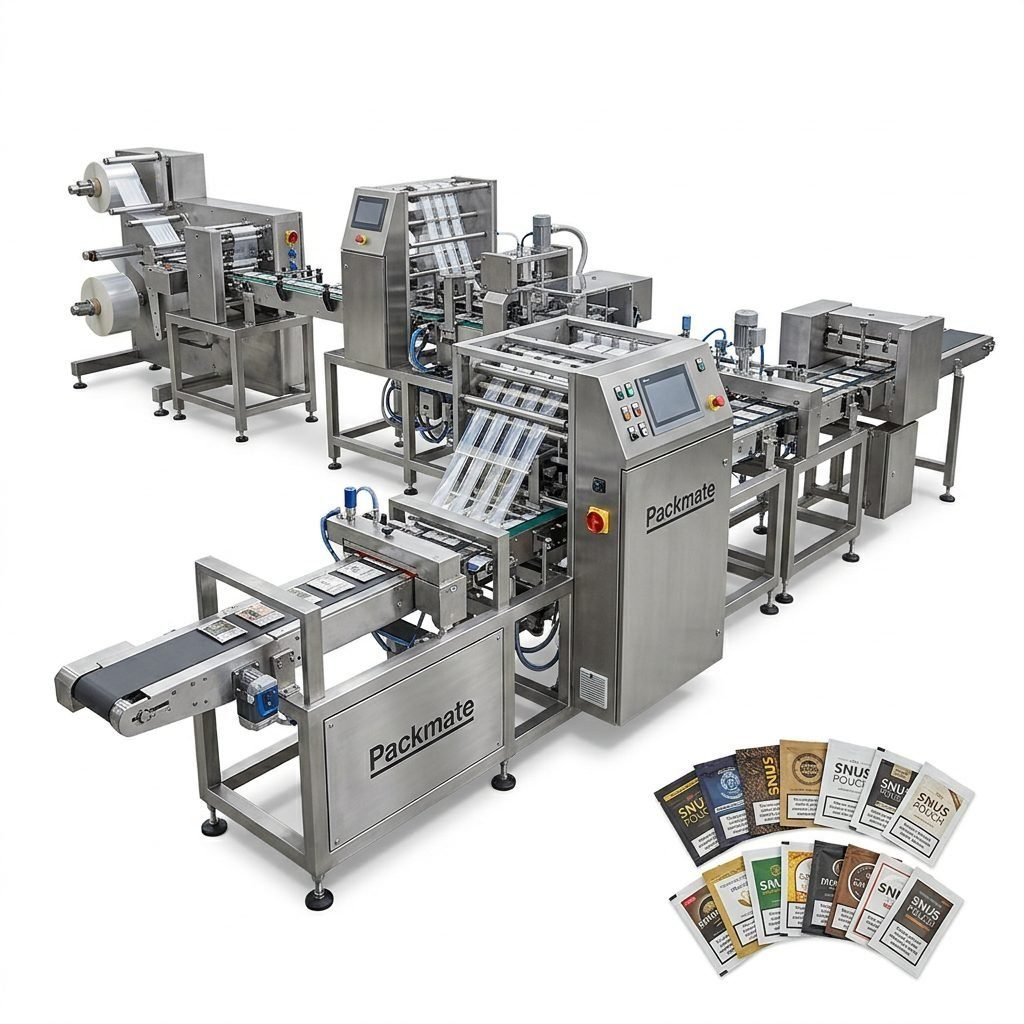
Full production lines combine upstream feeding, precision dosing, pouch forming/sealing, quality inspection, and downstream cartoning or case packing. Integrating auxiliary equipment—such as vibratory feeders, conveyors, and case erectors—creates a coherent automated flow that minimizes touchpoints.
For auxiliary options and peripheral components, reference: Auxiliary Packaging Equipment.
Case Studies & Global Deployments
Packmate machines serve customers across Europe, Asia, and the Americas. Real-world deployments show consistent performance improvements: reduced scrap rates, higher OEE, and faster payback periods because of labor savings and lower material waste. For in-depth examples, review customer cases: Case.
Calculating ROI: What to Expect
ROI depends on throughput increases, labor reduction, and material savings. Typical contributing factors:
- Higher units/hour — more product packaged with the same footprint.
- Lower rework/scrap — precise dosing and sealing lower rejects.
- Labor efficiency — fewer manual operators and easier shift turnover.
A well-optimized line often realizes payback within 12–36 months depending on scale and local labor costs.
Practical Tips for Successful Automation Projects
Start with a clear product spec and desired throughput. Conduct factory acceptance tests (FAT) and onsite site acceptance tests (SAT). Plan for spare parts, operator training, and a defined maintenance schedule. Remote support and clear documentation accelerate troubleshooting and minimize downtime.
Maintenance & Service: Keeping Performance High
Preventive maintenance, calibrated dosing equipment, and routine checks on sealing jaws and conveyors ensure consistent packaging quality. Access to genuine spare parts and fast technical support reduces Mean Time to Repair (MTTR).
🔧 Pro tip: Maintain a small inventory of high-wear parts and schedule quarterly performance reviews.
How to Start: From Evaluation to Commissioning
Begin with a line audit to define bottlenecks and desired outputs. Request machine demos and FAT runs to validate performance with your product. Contractually define acceptance criteria and spare parts lists. Finally, plan for operator training during commissioning to ensure smooth handover.
For full production solutions including filling and downstream systems, view the available lines here: Filling & Packaging Lines.
Exhibitions & Technical Support
Seeing machines in operation is invaluable. Packmate participates in international exhibitions and provides live demonstrations—an excellent way to evaluate machine ergonomics and build a specification: Our Exhibition.
Final Thoughts
Upgrading to automated nicotine pouch packaging solutions is not just a technology change; it’s a strategic move to ensure consistent product quality, operational predictability, and competitive cost structure. By selecting experienced partners with strong manufacturing capabilities and global support, manufacturers can accelerate time-to-market and protect margins as demand grows.
Common Questions
Q1: What formats can an automated line handle?
A: Modern lines handle stick packs, sachets, single-lane and multi-lane pouches suitable for nicotine pouch products. For format-specific machines see the product pages above.
Q2: How long does commissioning typically take?
A: Commissioning varies with line complexity. Simple stand-alone machines may be commissioned in days, while full turnkey lines with upstream and downstream equipment can require several weeks for installation, testing, and training.
Q3: What certifications should I require?
A: Ensure machines comply with relevant CE and ISO standards and that sanitary design follows local food/drug handling rules for nicotine products. Packmate machines are engineered to meet international certification requirements.
Q4: How do I ensure ongoing technical support?
A: Negotiate a service agreement that includes remote diagnostics, spare parts availability, and scheduled preventive maintenance. Confirm training for on-site engineers during handover.
Q5: Where can I find catalogues and contact details?
A: Access machine catalogues and contact Packmate for quotes or factory visits: Catalog • Contact Us.