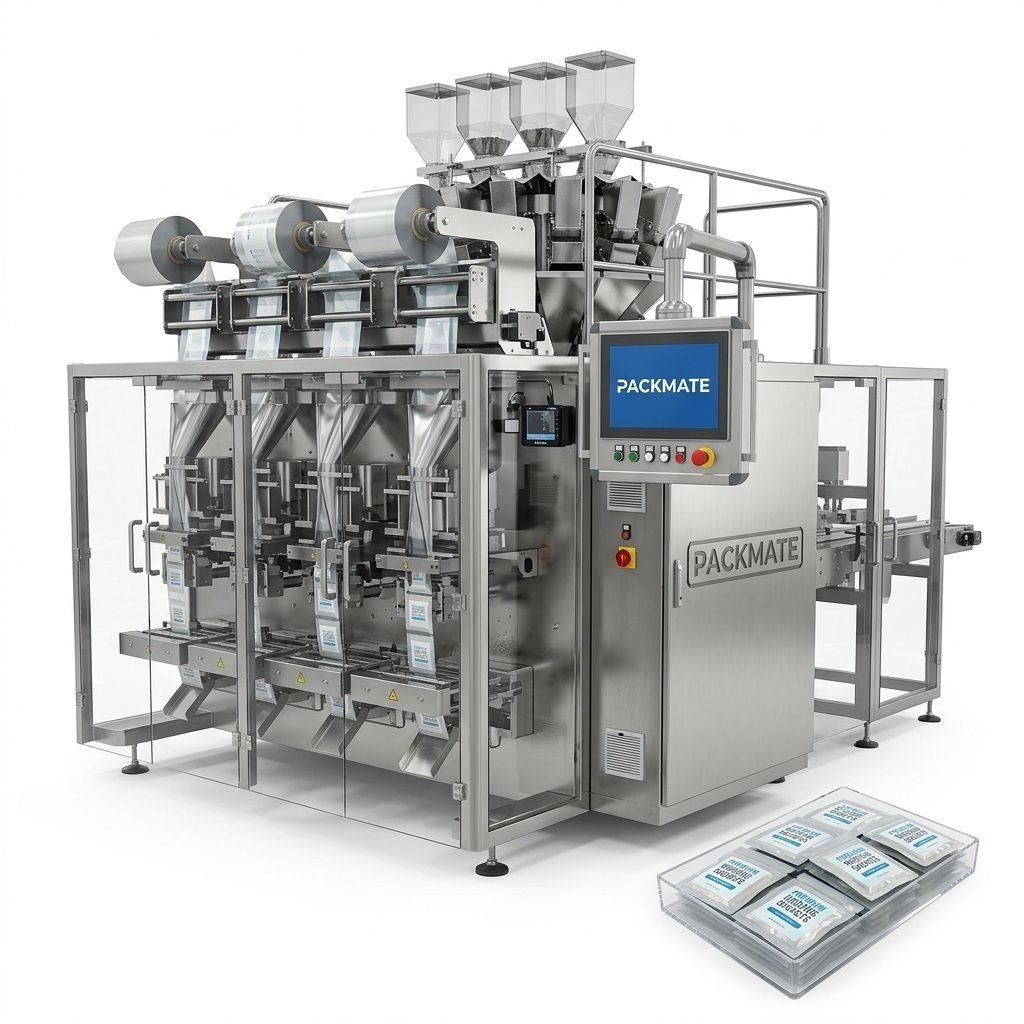
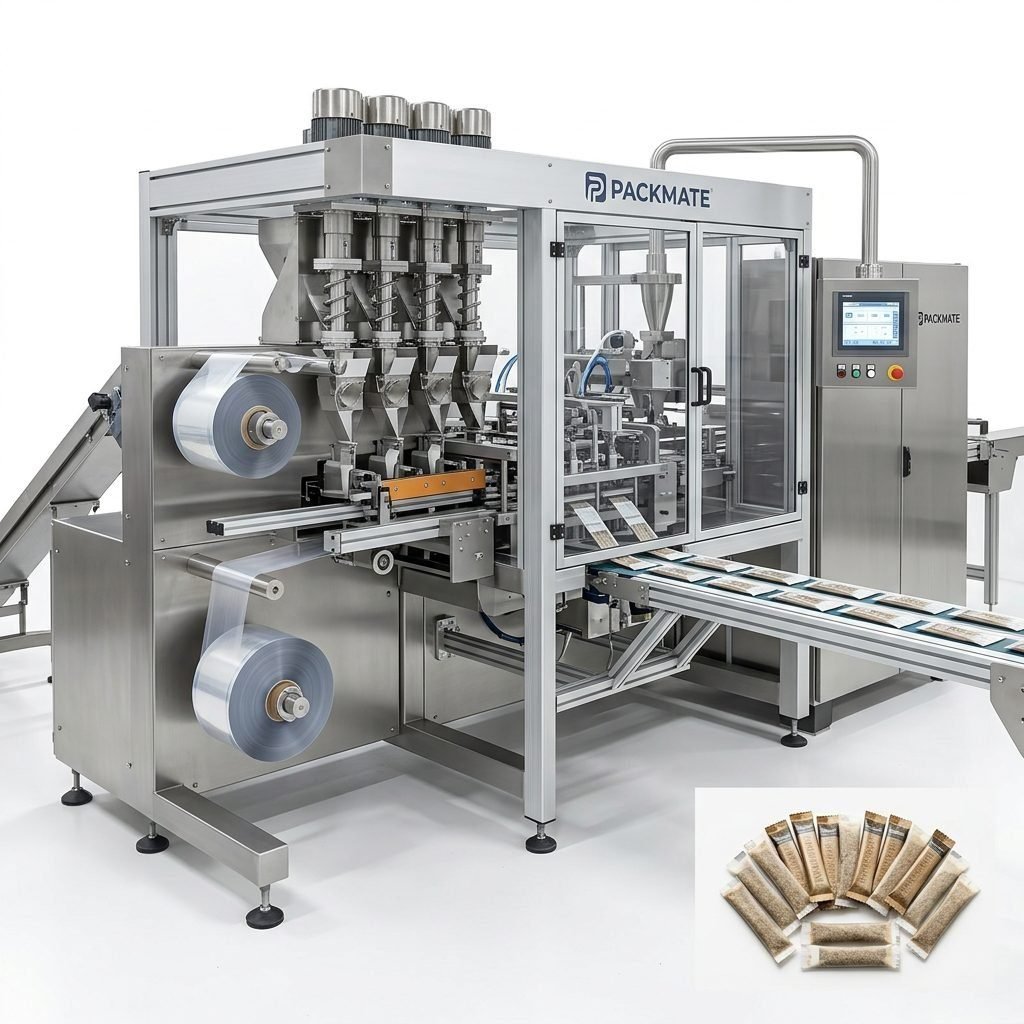
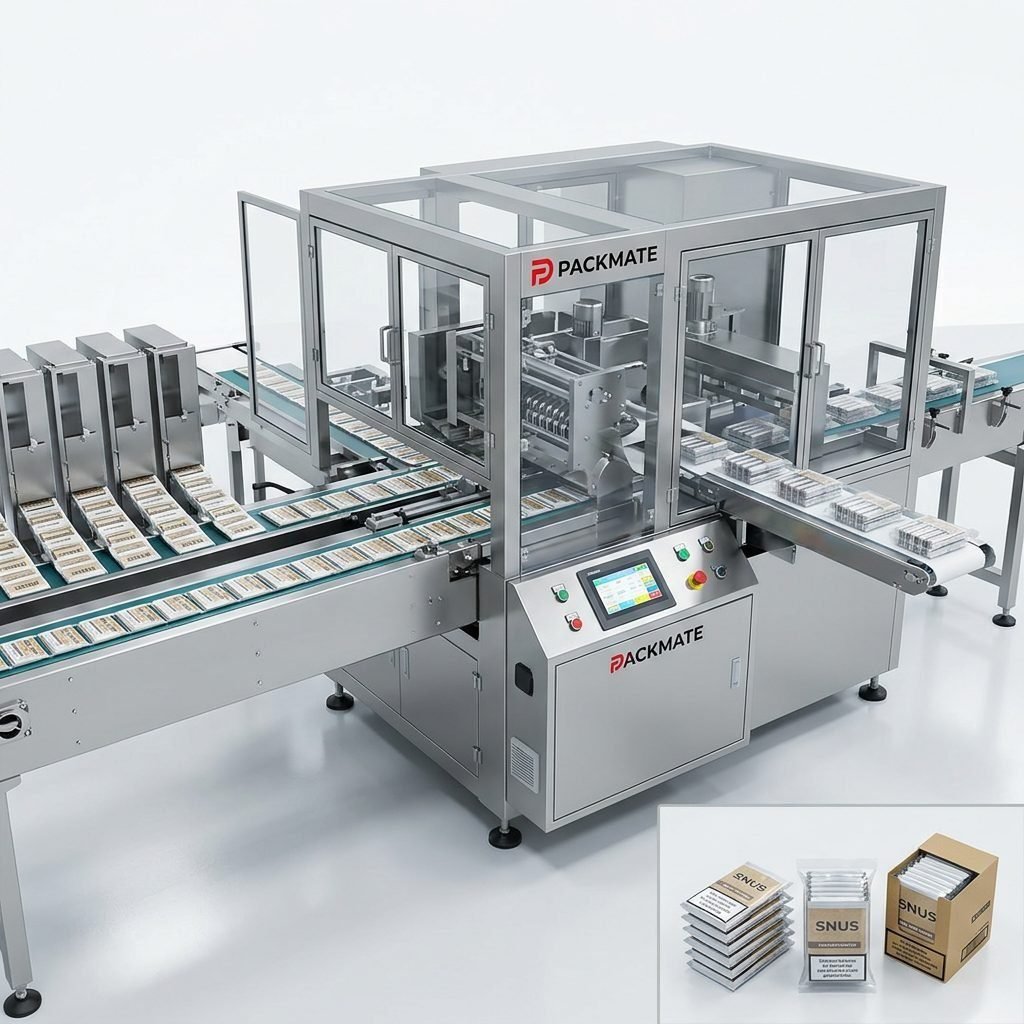
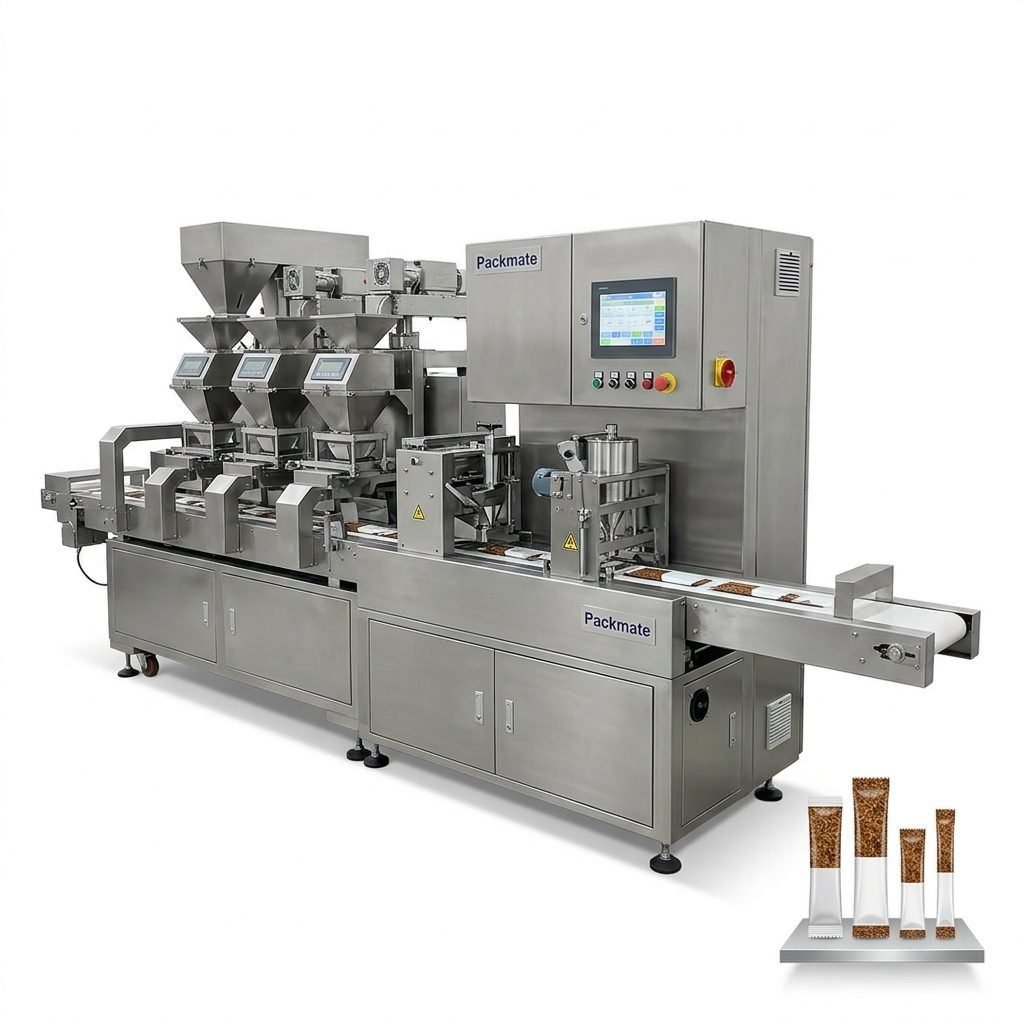
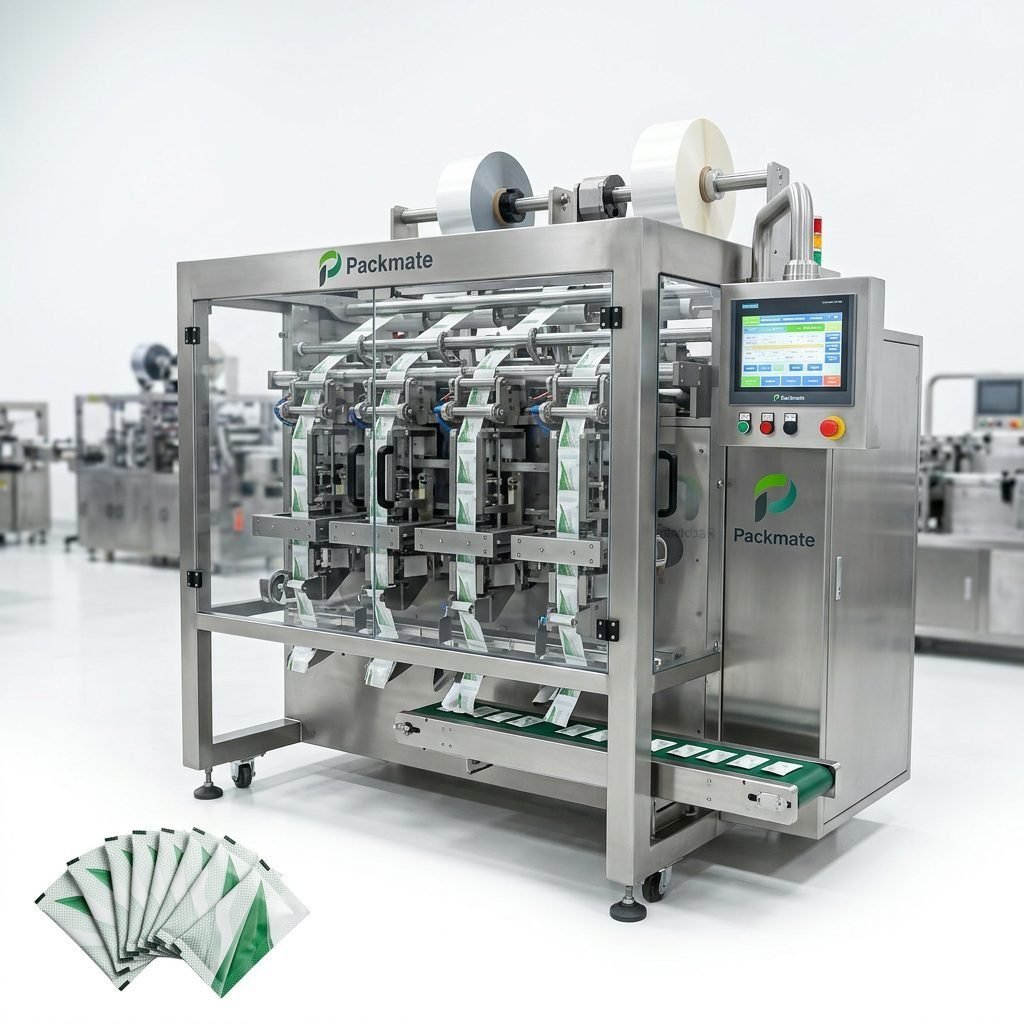
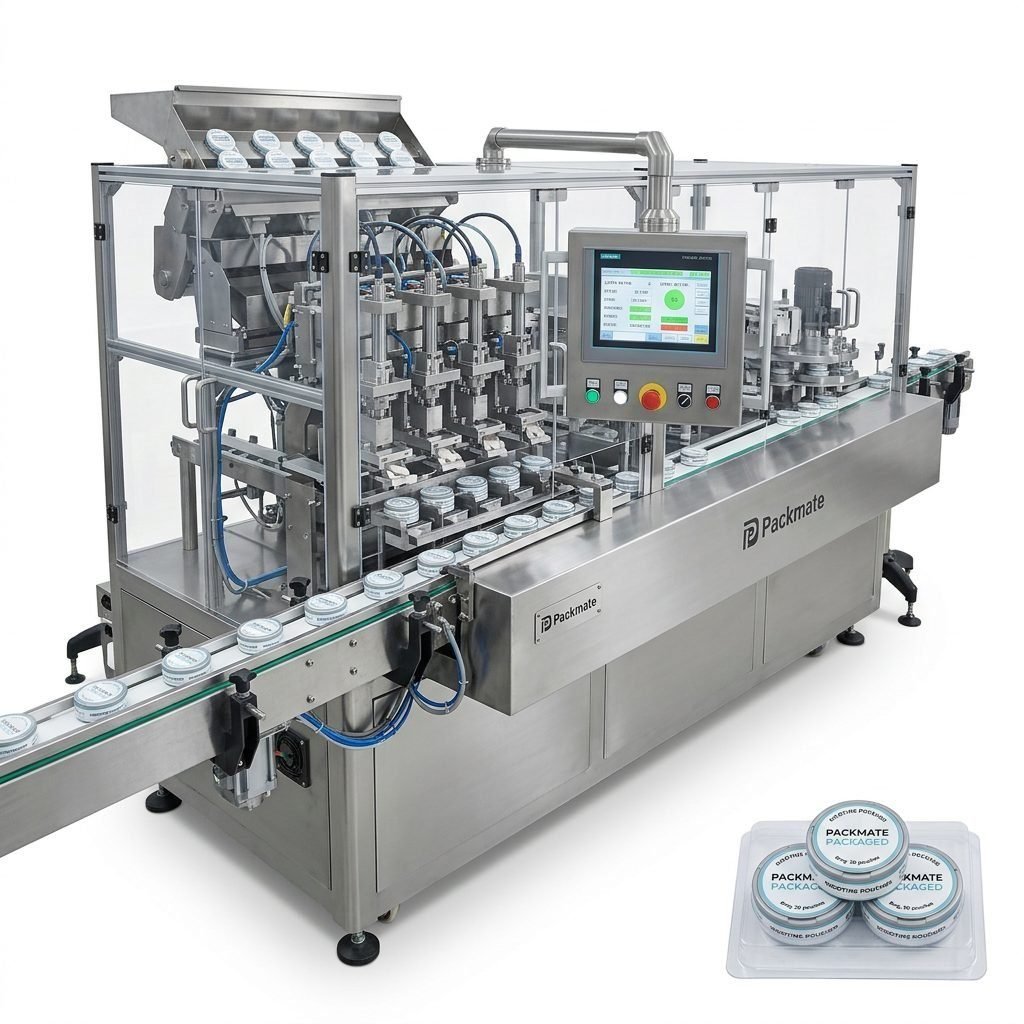
In modern snus and nicotine pouch production, automated packaging lines are the backbone of reliable, high‑throughput manufacturing. This article walks you step‑by‑step through a typical snus machine production workflow — from raw material handling to final case packing — and explains how advanced machines and integrated systems deliver consistent product quality, regulatory compliance, and scalable output. Practical notes and operational tips are highlighted throughout to help production managers, engineers, and packagers optimize their lines.
Overview: What a Complete Snus Packaging Line Includes
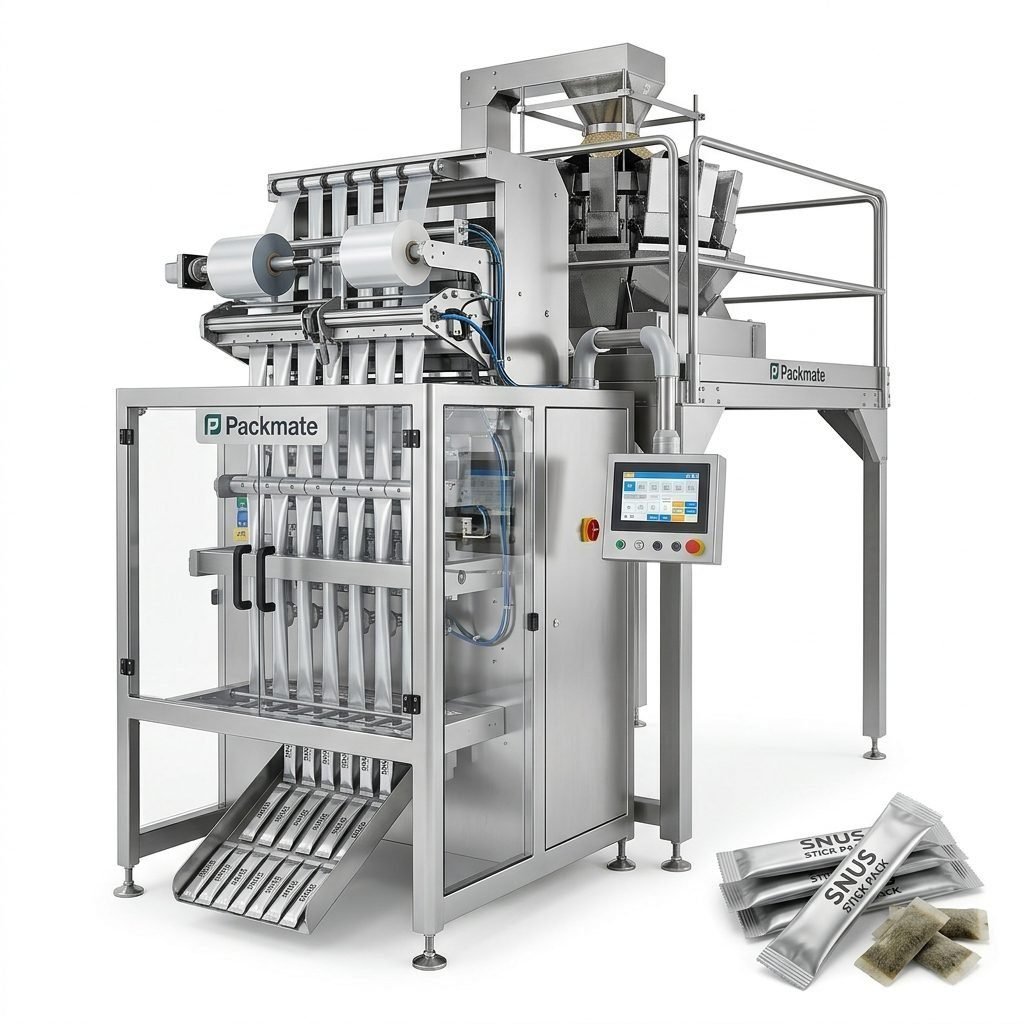
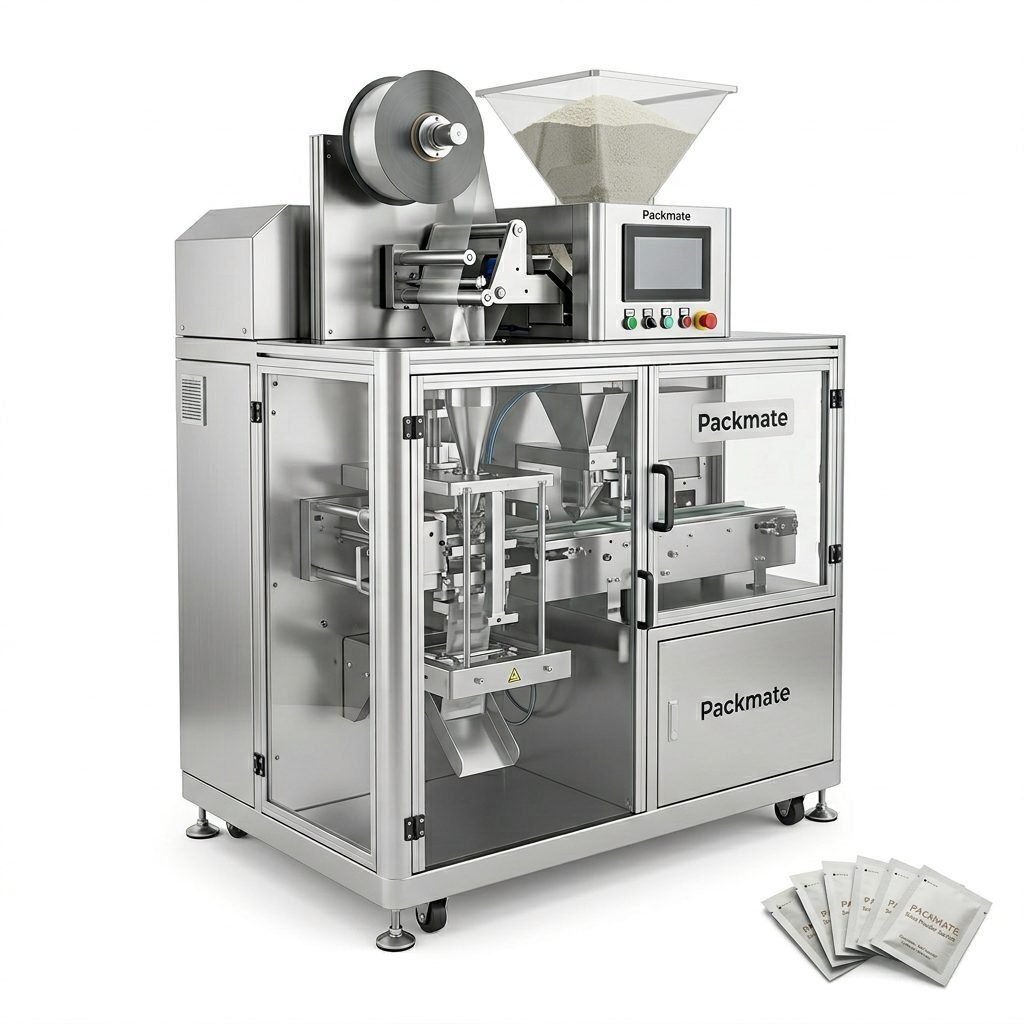
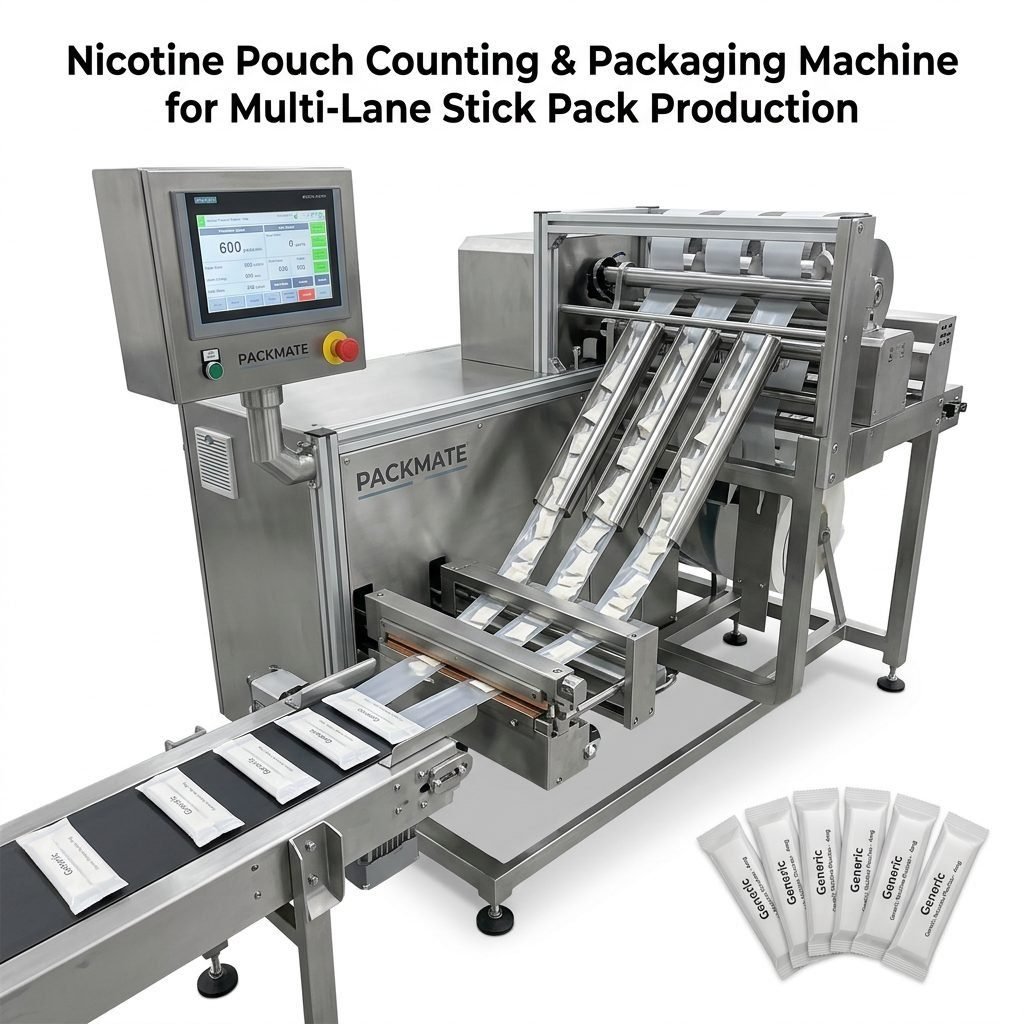
A full snus manufacturing and packaging line typically combines multiple specialized units that work in synchrony: raw material feeders and mixers, high-precision weighing systems, pouch forming machines (stick pack, sachet, or preformed pouch), multi-lane filling heads, sealing and cutting stations, quality inspection systems, and secondary packaging equipment such as carton erectors and case packers. Leading suppliers (for example, see the Snus & Nicotine Packaging Machines and Sachet & Stick Pack Machines pages) offer modular lines so customers can scale from pilot capacity to fully automated multi‑lane production.
Core capabilities to look for
High accuracy dosing — essential for small-dose nicotine pouches; multi‑lane synchronization — for high throughput; easy changeover — for flavor or format switches; and sanitary design — for consumer safety and cleaning efficiency. Many manufacturers also integrate weighing & packaging systems and filling & packaging lines for turnkey solutions.
Step‑by‑Step Production Workflow
1. Raw material preparation and control ⚖️
The production cycle begins with precise handling of base materials: tobacco-free substrate (if applicable), nicotine extract, flavoring concentrates, fillers (e.g., plant fibers), and moisture control agents. Materials enter the line via silo and hopper systems connected to automated feeders. Quality at this stage is critical — impurities or inconsistent moisture dramatically affect downstream filling and sealing.
2. Precision dosing and blending ⚙️
Micro‑dosing systems and loss‑in‑weight feeders deliver consistent nicotine and flavor dosing. For powders or granules, dosing heads synchronize with the packaging machine’s cycle. Liquid or paste components use piston or servo-driven pumps. Inline mixers may homogenize the blend before the filling station.
Key performance indicators: dosing accuracy (mg), CV% across lanes, and response time for flavor changes.
3. Pouch forming and material handling 📦
Pouches can be formed in-line from rollstock (sachet or stick pack) or use preformed pouches on a rotary or linear feeding system. Material selection (barrier films, laminates) depends on shelf life and regulatory requirements. Modern sachet and stick pack machines include servo controls to maintain precise film tension and registration.
4. Filling: multi‑lane and micro-dose accuracy 🎯
Filling modules are designed for either volumetric, gravimetric, or auger-based dosing depending on product rheology. For nicotine pouches, gravimetric weighers and multi-head dosing offer the best consistency. Multi‑lane systems increase output by running several lanes in parallel; precise synchronization ensures each lane receives the exact portion every cycle.
5. Sealing, cutting and finishing ✂️
After filling, the pouch is sealed using heat, ultrasonic, or impulse sealing depending on the film. Cutting or perforation creates individual units. Machines provide adjustable dwell time and pressure to maintain seal strength across variable film types and speeds.
6. Inline inspection and quality control 🔍
Vision systems, metal detectors, and checkweighers are standard on snus lines. Vision systems can verify print registration, pouch integrity, and label accuracy. Checkweighers remove units outside tolerance. Data logging ensures traceability for every batch and supports continuous improvement.
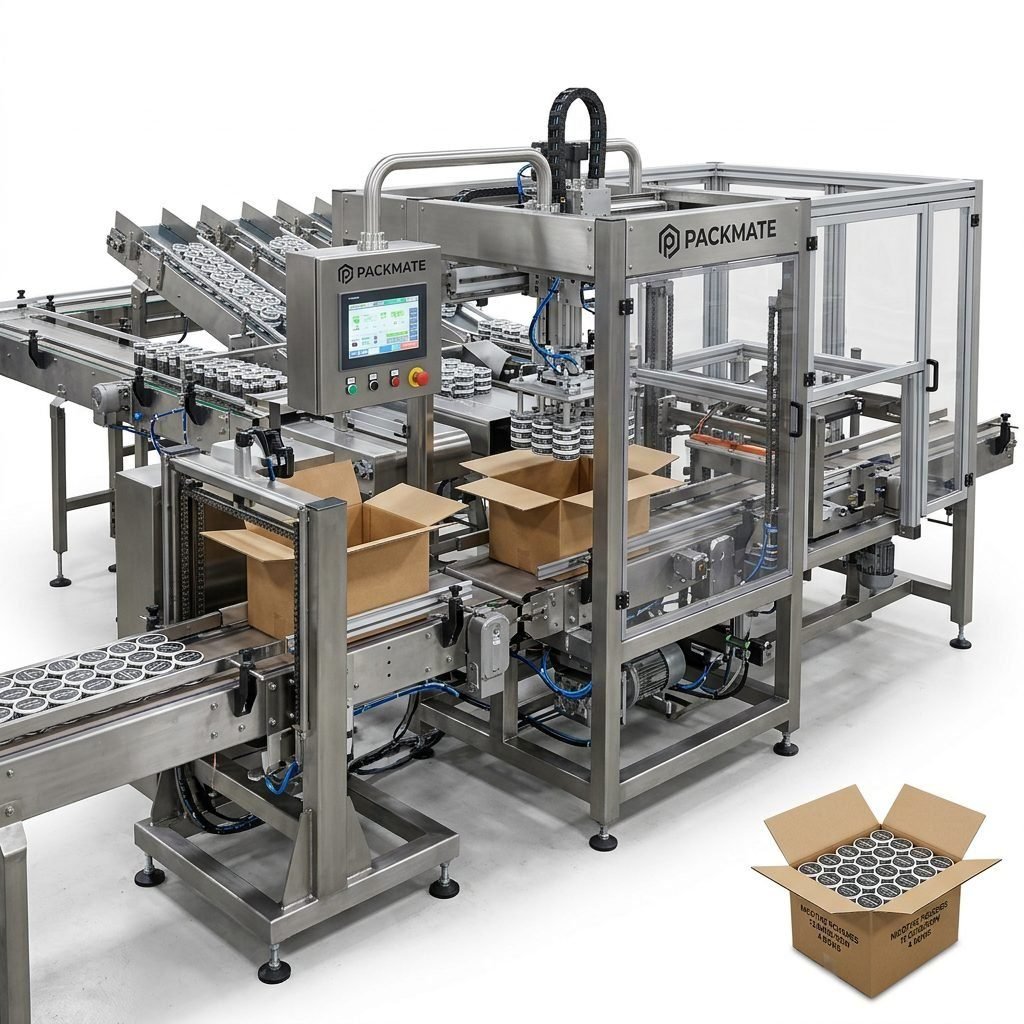
7. Secondary packing: overwrapping, cartoning and case packing 📦🤝
Once primary sealed units pass inspection, they move to secondary packaging: flow wrappers, wrap-around carton machines, or robotic case packers. Automated case erectors and palletizers finalize the logistics-ready unit. Many suppliers provide complete Filling & Packaging Lines and Bag & Pouch Packaging Machines to integrate these stages seamlessly.
8. Cleaning, maintenance and changeover 🔧
Robust cleaning protocols (CIP where applicable) and modular parts reduce downtime. Quick-change tooling and recipe-based HMI controls make flavor or format changeovers rapid and repeatable. Scheduled preventive maintenance minimizes unplanned stops.
Automation, Integration and Industry Considerations
Fully automated lines use PLCs and SCADA systems to coordinate feeders, weighers, formers, and quality equipment. Integrating data from on‑line instruments into an MES drives production visibility and OEE improvements. For global suppliers like Packmate, compliance with CE and ISO standards is a common expectation, and many systems support optional modules for serialization, allergen tracking, and environmental monitoring.
Customization and Turnkey Solutions
Many manufacturers offer turnkey solutions that combine Snus & Nicotine Packaging Machines with upstream and downstream systems. Custom options include multi‑flavor feeders, RFID tracking, flame‑treated sealing surfaces for improved sealability, and specially designed tooling for exotic pouch formats. Packmate’s modular approach supports scaling from pilot lines to high‑capacity multi‑lane installations, backed by CNC‑machined parts and factory testing.
Localization: adapting to regional consumer habits
When deploying in different regions, factor in consumer preferences: pouch sizes and nicotine strengths vary between markets in Europe, the Americas and Asia. Packaging aesthetics (color, language) and tactile finishes (matte vs gloss) can impact market acceptance. For manufacturers entering Scandinavian markets where snus has a long tradition, ensure formats meet long‑established user expectations; in newer markets, smaller trial packs and clear usage information can aid adoption.
Installation, Commissioning and Training
Proper factory acceptance testing (FAT) and site acceptance testing (SAT) are essential. FAT verifies machine performance before shipment; SAT confirms line performance under local utilities and materials. Training for operators, maintenance technicians, and quality staff ensures that the line meets productivity targets from day one.
Case Examples and Proven Applications
Successful deployments range from single‑lane pilot lines for R&D to 12‑lane high‑output production systems delivering millions of pouches per week. Clients in Europe, Asia and the Americas have used integrated Filling & Packaging Lines and auxiliary equipment to meet regulatory demands and market growth. For design inspiration and real-world case studies, explore industry Case listings and Exhibition showcases.
Practical Checklist Before Purchase
– Define target output (units/min) and planned lanes.
– List required formats (stick, sachet, preformed pouches).
– Confirm acceptable dosing accuracy and tolerance.
– Specify regulatory labeling and serialization needs.
– Plan for spare parts, training and service coverage.
Conclusion
Automated snus manufacturing and packaging is a multi‑disciplinary endeavor combining precision dosing, robust mechanical design, quality inspection, and systems integration. By following the production workflow described above and prioritizing accuracy, hygiene, and modular automation, manufacturers can achieve high efficiency and regulatory compliance. For turnkey options or specific machine models, consult product pages such as Snus & Nicotine Packaging Machines or contact suppliers for tailored solutions.
Frequently Asked Questions (FAQs)
Q1: What level of dosing accuracy can I expect for nicotine pouches?
Typical gravimetric multi‑head systems can achieve single‑digit milligram accuracy with low CV% when maintained and calibrated correctly. Accuracy depends on product flowability, dosing method, and lane synchronization.
Q2: Can one line handle multiple pouch formats?
Yes — many modern machines offer quick‑change tooling and adjustable settings for stick packs, sachets, and different pouch sizes. Confirm the range of changeover modalities with the supplier to ensure minimal downtime.
Q3: How do I ensure regulatory compliance across markets?
Implement traceability via batch codes, maintain accurate formulation records, and configure labeling systems for multi‑language print. Work with suppliers that meet CE/ISO standards and can provide documentation for audits.
Q4: What after‑sales support should I expect?
Reliable vendors offer installation, commissioning, training, spare parts kits, and remote diagnostics. Consider service agreements for guaranteed response times and preventive maintenance schedules.
Q5: Where can I view machine models and request a quote?
Explore product catalogs and request detailed proposals via official pages such as Filling & Packaging Lines, Bag & Pouch Packaging Machines, and About Packmate. For practical examples and client references, view Case and Our Exhibition resources.
Further resources and direct contact: Snus & Nicotine Packaging Machines, Sachet & Stick Pack Machines, Filling & Packaging Lines, About Packmate.