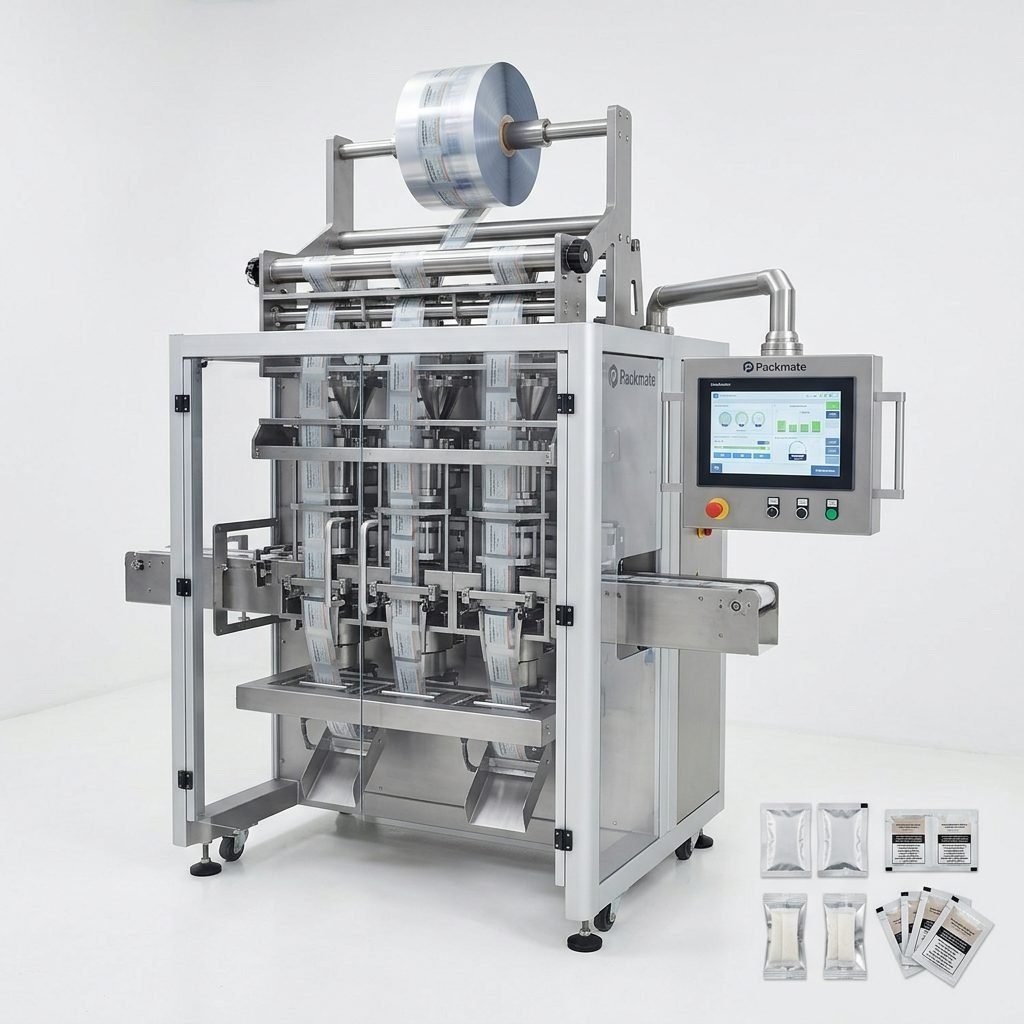
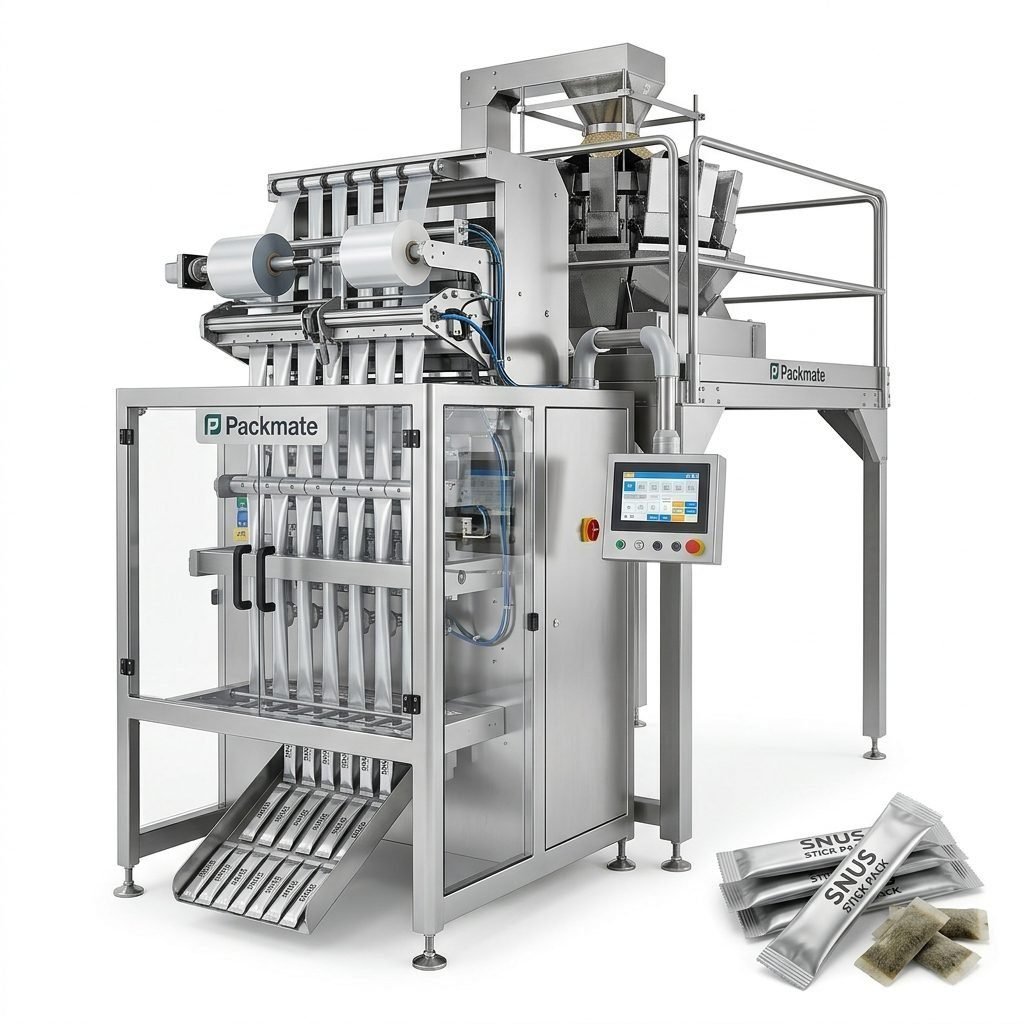
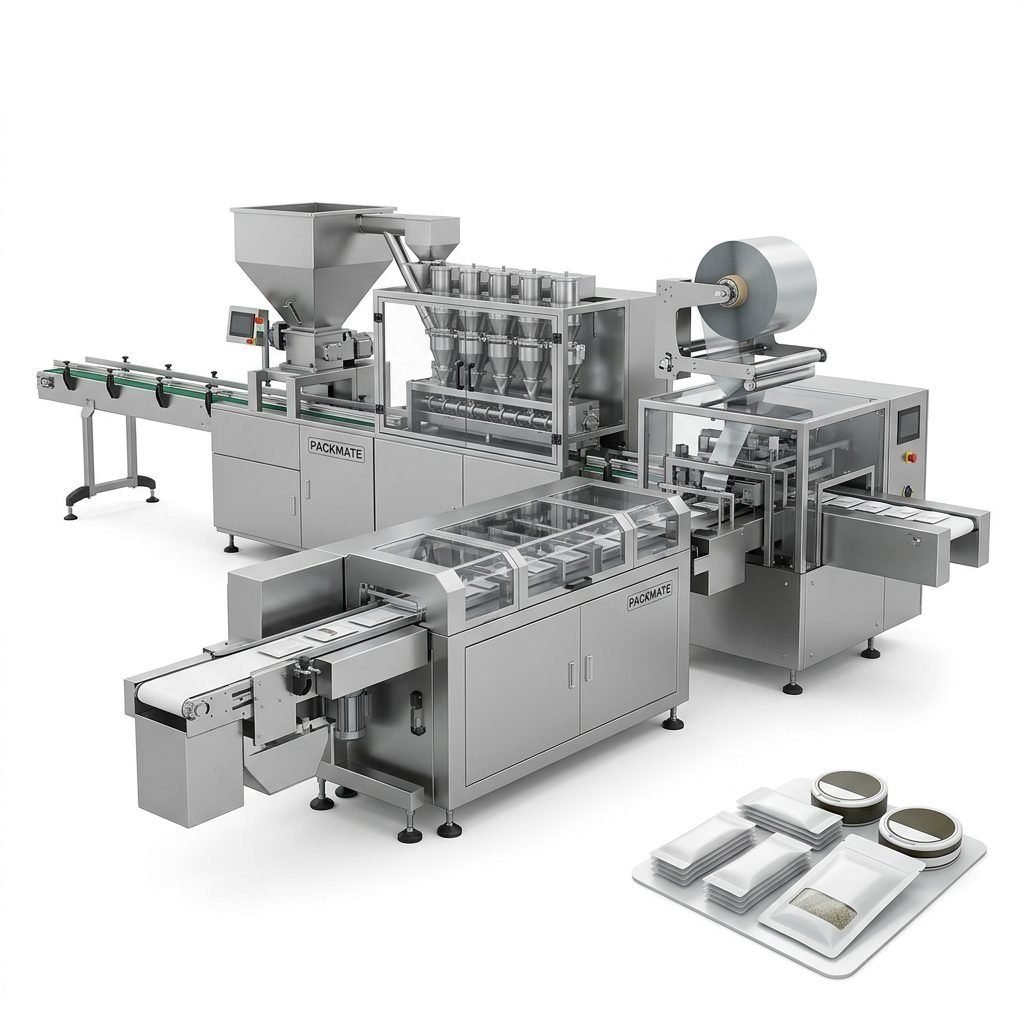
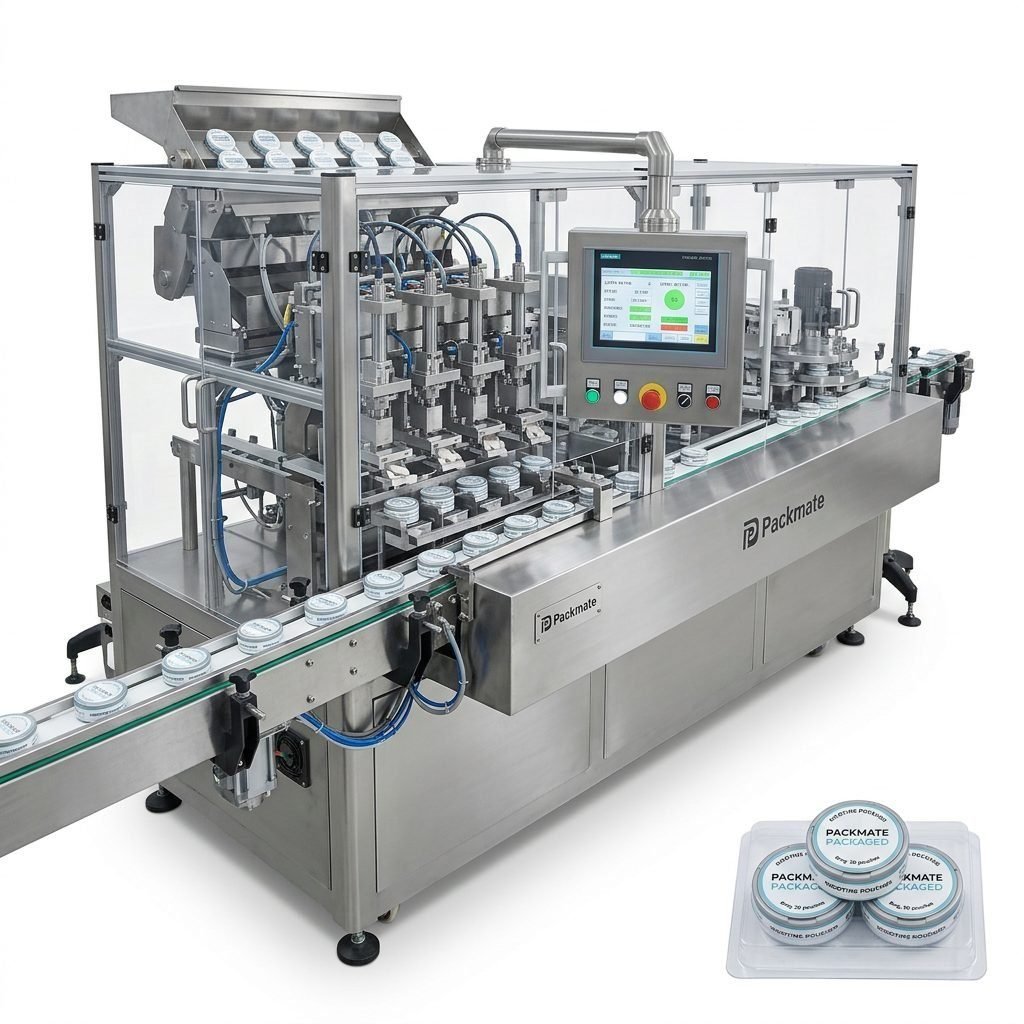
Choosing the right snus packaging machinery in Togo requires a practical mix of technical knowledge, awareness of local customs and regulations, and an understanding of logistics and after-sales service. This guide walks production managers, entrepreneurs, and importers through the essential steps and considerations so you can make a confident purchasing decision that fits Togo’s market realities.
Understand Togo’s Market and Cultural Context
Togo is a West African country where French is the official language and several local languages (such as Ewe and Kabiyé) are widely used. When selecting packaging machinery, consider how cultural preferences and local regulations affect product presentation. For example, packaging that uses clear, readable French labeling plus icons and minimal text in local languages tends to improve market acceptance.
Local attitudes toward nicotine and tobacco products vary: urban centers like Lomé may have discreet adult users while many communities emphasize public health. Therefore, ensure machines can produce packaging with tamper-evident seals, child-resistant features, and clear health warnings that meet both international norms and Togolese regulatory expectations.
Key Machine Types for Snus & Nicotine Pouches
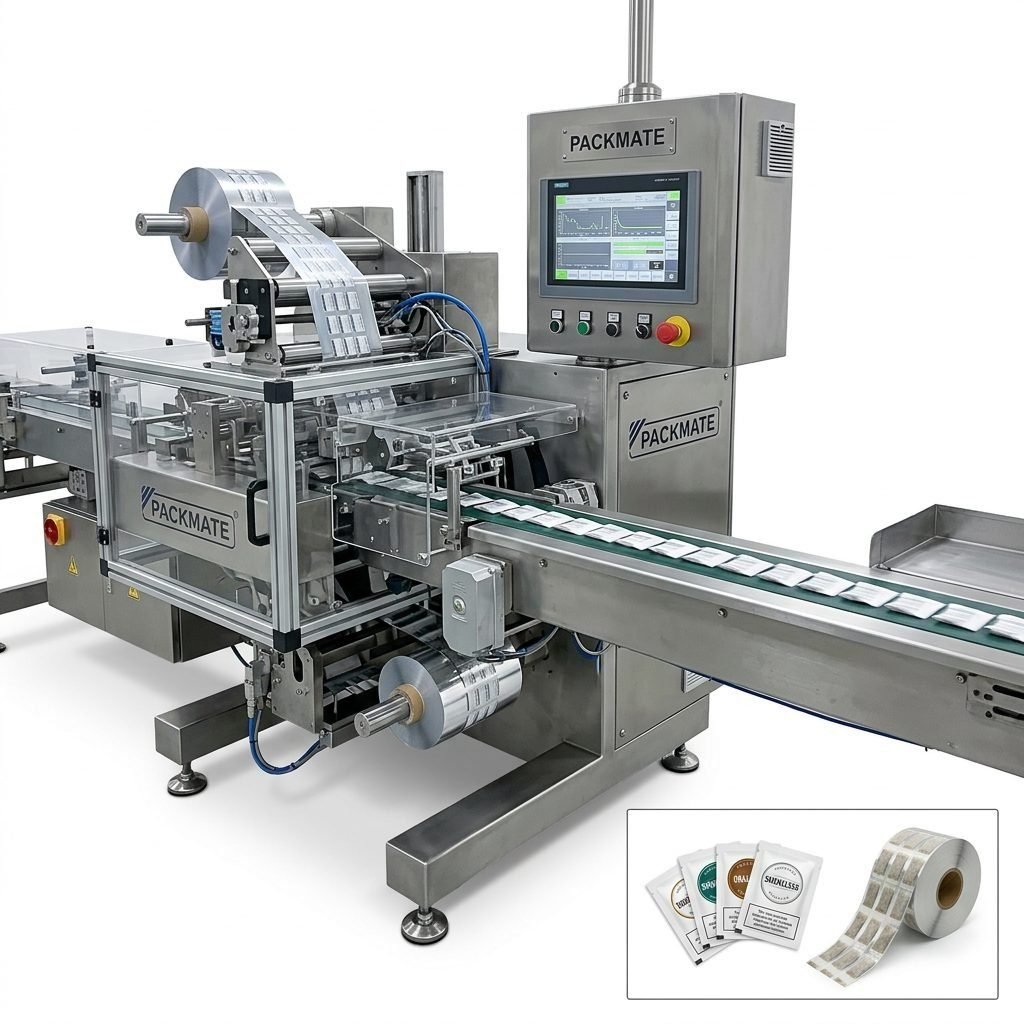
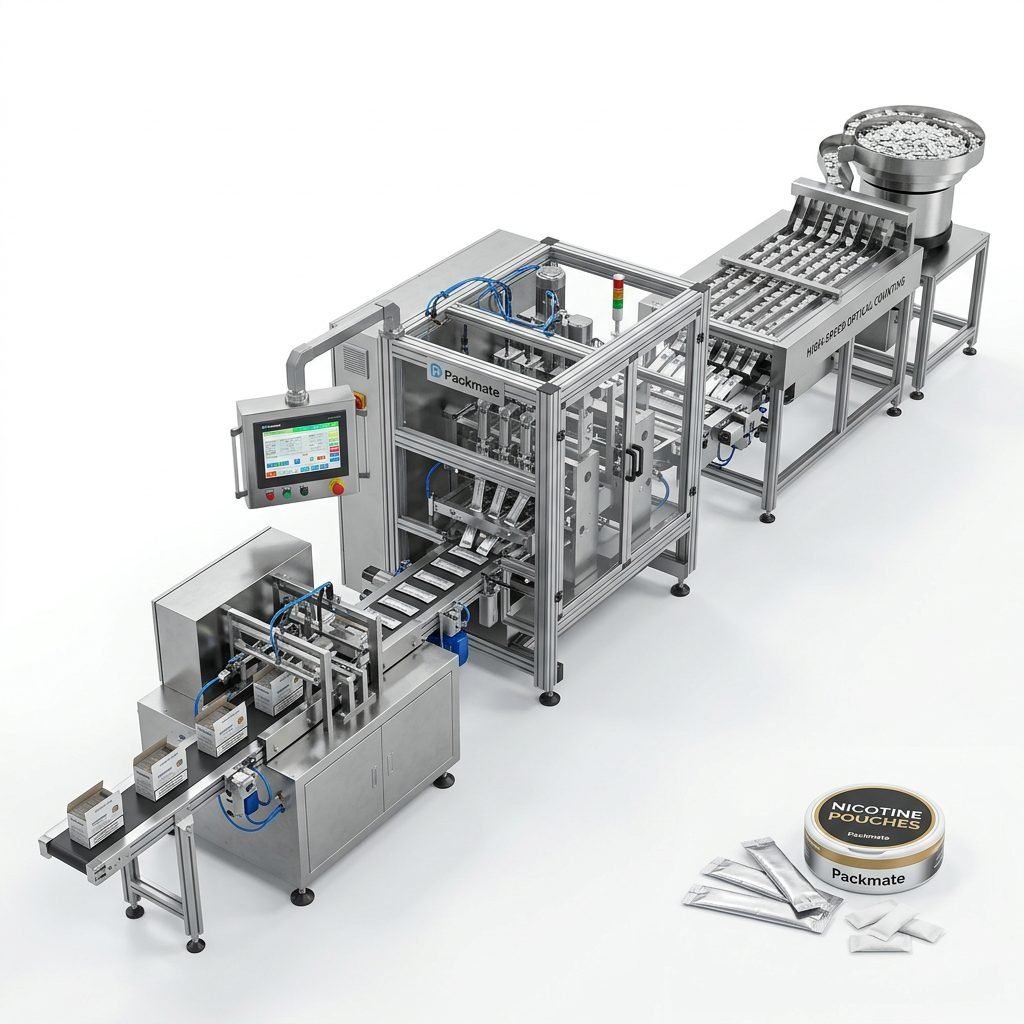
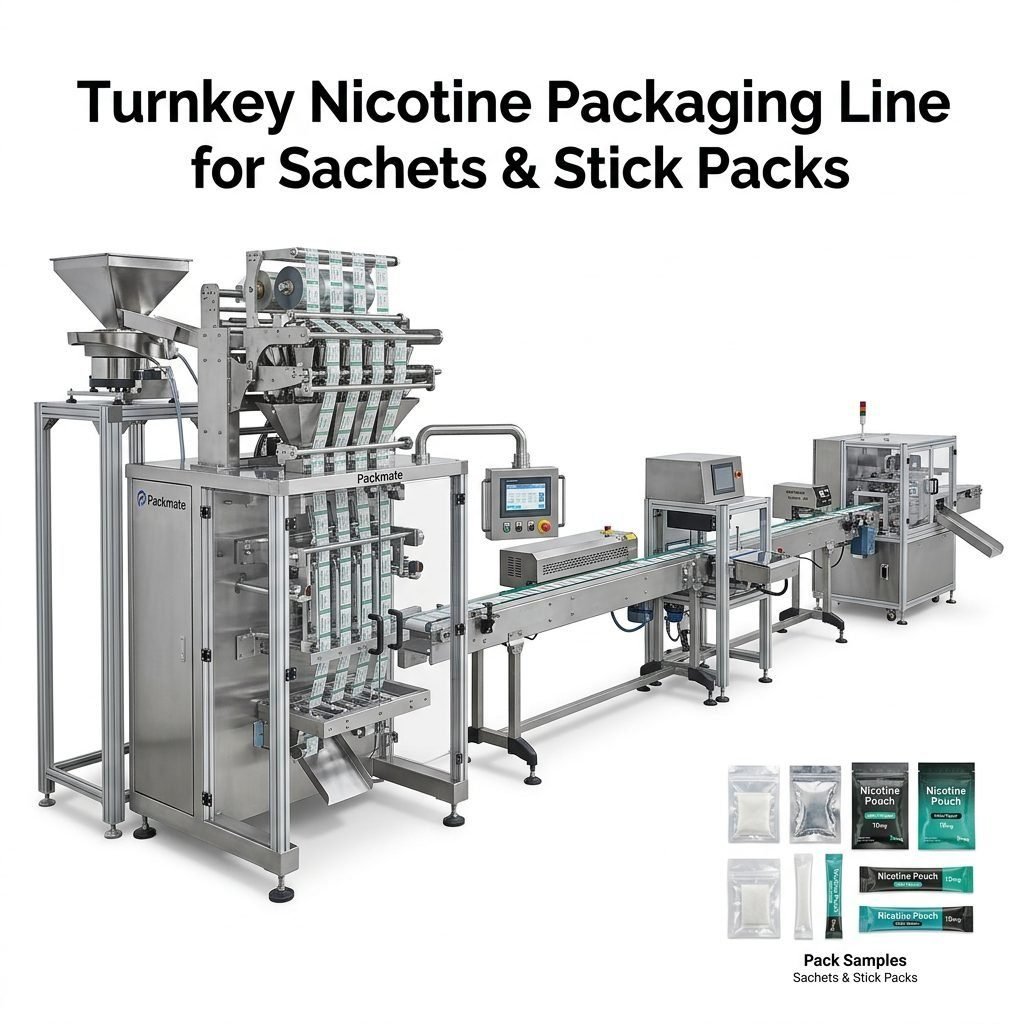
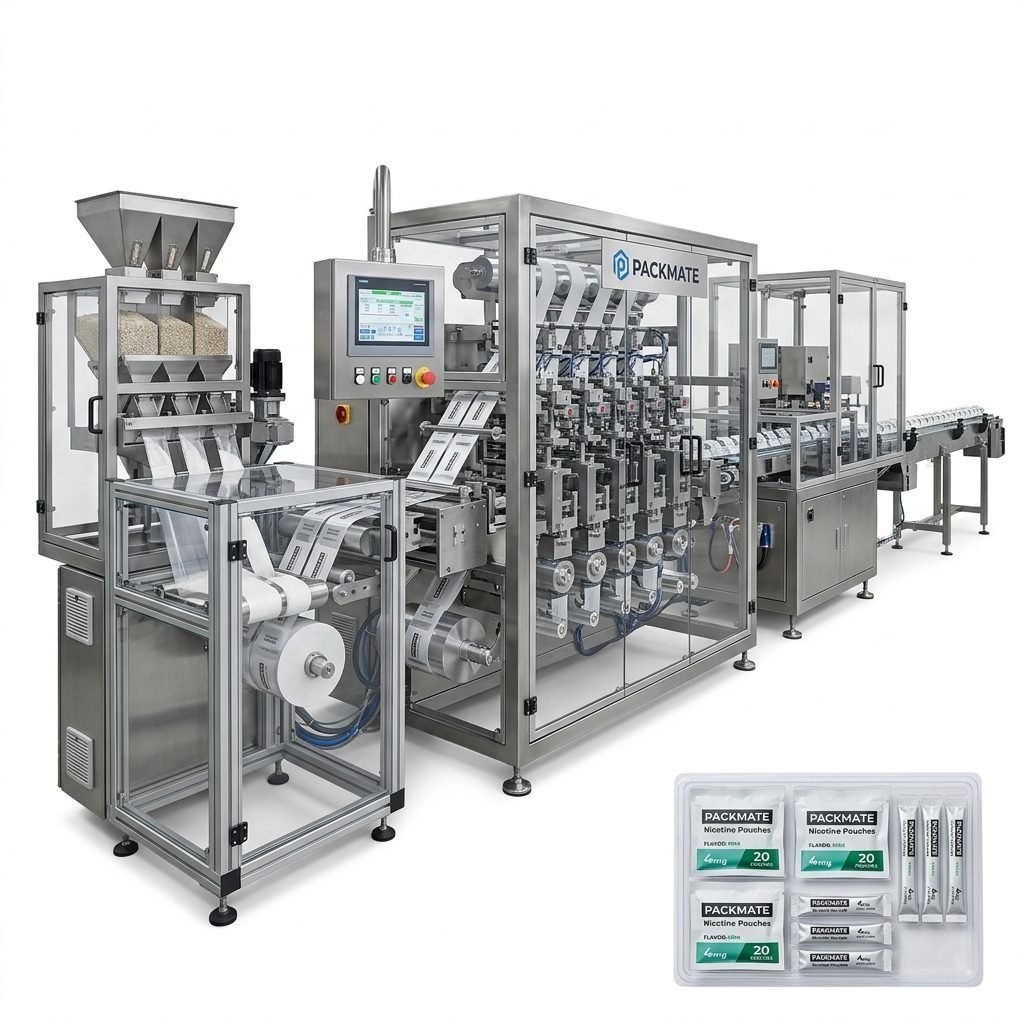
Different production scales and product formats require different equipment. The most common machine types are:
- Stick pack machines — ideal for single-dose sachets and elongated formats.
- Sachet and pouch machines — flexible for multiple shapes and sizes.
- Multi-lane filling systems — maximize output for small-dose pouches across several lanes simultaneously.
- Auxiliary equipment — feeding systems, weighers, and case packers to create a full line.
If you want to explore machine models and configurations, see recommended categories like Snus & Nicotine Packaging Machines and Sachet & Stick Pack Machines.
Production Capacity and Throughput Planning
Estimate your required daily and monthly output before choosing a machine. Consider peak demand periods (holiday seasons, promotional months) and the ability to scale. Machines advertise cycles per minute, but real-world throughput depends on changeovers, maintenance, and operator proficiency.
Product Format Flexibility and Changeover
Togo’s market may require multiple pack sizes and occasional reformulations. Choose machinery that supports quick format changes and modular upgrades. Look for:
- Tool-less or quick-change tooling to reduce downtime.
- Software-supported recipes for repeatable setups.
- Compatibility with different pouch materials and barrier films.
Quality, Certifications and Compliance
Prioritize machines from manufacturers with proven quality systems and international certifications. CE and ISO certifications indicate adherence to safety and quality management standards that ease import and operation.
Packmate Snus Machine, for instance, emphasizes CE and ISO compliance and has decades of engineering experience, making it a viable partner if you need reliable, certified equipment. Review certificates and request test reports for hygiene-critical components.
Local Service, Spare Parts and Training
After-sales support is crucial in Togo, where rapid access to spare parts and trained technicians can be limited. Choose suppliers offering:
- Comprehensive training for local operators and maintenance staff.
- Spare parts kits and clear lead times for replacements.
- Remote support options (video troubleshooting, spare parts identification).
Machine Footprint, Utilities and Plant Layout
Assess floor space, power supply, compressed air, and waste handling when planning installation. A compact multi-function line reduces initial investment and is easier to maintain in smaller Togolese facilities. Always request layout drawings and utility lists during the quotation stage.
Material Compatibility and Barrier Performance
Snus and nicotine pouches often require moisture, oxygen, and light barriers to preserve product quality. Ensure the machine supports laminated films and heat-sealing parameters suited to your selected packaging material. Ask for real-world packaging trials from the manufacturer to verify seal integrity and pouch aesthetics.
Testing and FAT (Factory Acceptance Test)
Insist on a thorough Factory Acceptance Test (FAT) showing the machine running at target speeds with your actual material. A proper FAT reduces commissioning time and verifies true performance metrics and product quality before shipment.
Total Cost of Ownership (TCO) and ROI Considerations
Beyond the purchase price, calculate installation, training, spare parts, consumables, energy consumption, and expected uptime. A slightly more expensive machine with better energy efficiency and lower downtime can deliver a far superior ROI in Togo’s operational environment.
Logistics, Import and Customs in Togo
Plan for import logistics: verify HS codes, documentation requirements, and whether your supplier offers DDP (Delivered Duty Paid) or EXW terms. Lomé Port handles most sea imports — coordinate with a local customs broker and check for any special permits required for nicotine or tobacco-related equipment.
Also take into account inland transport, skids vs. crates, and installation assistance at the site. A manufacturer that provides supervisory installation or local partners in West Africa reduces the risk of miscommunication and extended downtime.
Choosing the Right Supplier: Questions to Ask
When evaluating vendors, use a checklist to compare offers:
- Can you provide FAT videos or on-site demonstrations?
- What certifications (CE/ISO) and test reports are available?
- What is the lead time for key spare parts and consumables?
- Do you provide training and installation support in Togo or nearby regions?
- Are there references or case studies in similar markets? (See Case for examples.)
Warranty, After-Sales and Spare Part Packages
A clear warranty, defined response times for service, and spare parts availability are essential. Confirm the warranty scope for mechanical wear parts, electrical components, and software. Negotiate a spare parts starter kit to keep the first 6–12 months of operation stable.
Remote Support and Upgrades
Remote diagnostics and software updates can accelerate problem resolution. Check whether the supplier offers remote support, spare part identification tools, and options to upgrade the line as your product range expands.
Sustainability and Energy Use
Energy-efficient machines reduce operating costs and appeal to ecologically-minded consumers. Evaluate power consumption per 1,000 packages and ask about recyclable or reduced-plastic packaging options to meet evolving market expectations in Togo and export goals.
✓ Capacity and format needs | ✓ FAT and trials | ✓ Local service & spares | ✓ Certifications | ✓ Logistics & customs readiness
Why Consider Packmate and Where to Learn More
Packmate Snus Machine offers specialized snus and nicotine pouch packaging lines, backed by over 30 years of engineering and a 20,000㎡ factory. Their portfolio includes multi-lane systems, stick pack and sachet machines, plus integrated weighing and filling systems. Explore their machines and solutions to match production goals:
If you want direct contact, check the manufacturer’s contact options and exhibition schedules to meet representatives or schedule a factory visit: Contact Us and Our Exhibition.
Local Compliance and Responsible Marketing
Be mindful of local advertising restrictions and consumer protection rules. Packaging should clearly state nicotine content and health warnings in French, and you should avoid packaging that could be attractive to minors. Integrate age-restricting labeling and monitor local regulations to remain compliant.
Final Steps: From Quotation to Commissioning
When you receive quotations, compare apples-to-apples: include machine scope, spare parts, FAT, training, packaging trials, shipping terms, and warranty conditions. Plan a commissioning schedule that includes local team training and staggered start-up to ensure consistent product quality from day one.
Frequently Asked Questions
Q1: What certifications should I require when importing packaging machinery into Togo?
A1: Request CE and ISO certificates to ensure safety and quality standards. Also ask for electrical compliance documents and FAT reports showing machine performance with your materials.
Q2: How do I ensure the machine meets local labeling and health warning requirements?
A2: Provide the supplier with sample labels in French and any local language requirements. Confirm the printing and serialization modules support multi-language text, barcodes, and batch codes.
Q3: What is the recommended spare parts strategy for a first-time importer in Togo?
A3: Acquire a starter spare parts kit covering high-wear items, secure an agreement for critical parts lead times, and ensure remote diagnostics support. Negotiate an initial spare parts package with the supplier.
Q4: Can I upgrade a single-lane machine to a multi-lane system later?
A4: Many suppliers design modular systems for future expansion. Confirm upgrade paths, required mechanical changes, and software compatibility during purchase negotiations.
Q5: Where can I see real examples and case studies?
A5: Review manufacturer case pages and request customer references in similar markets. Packmate’s case examples and exhibition presence are useful starting points: Case.