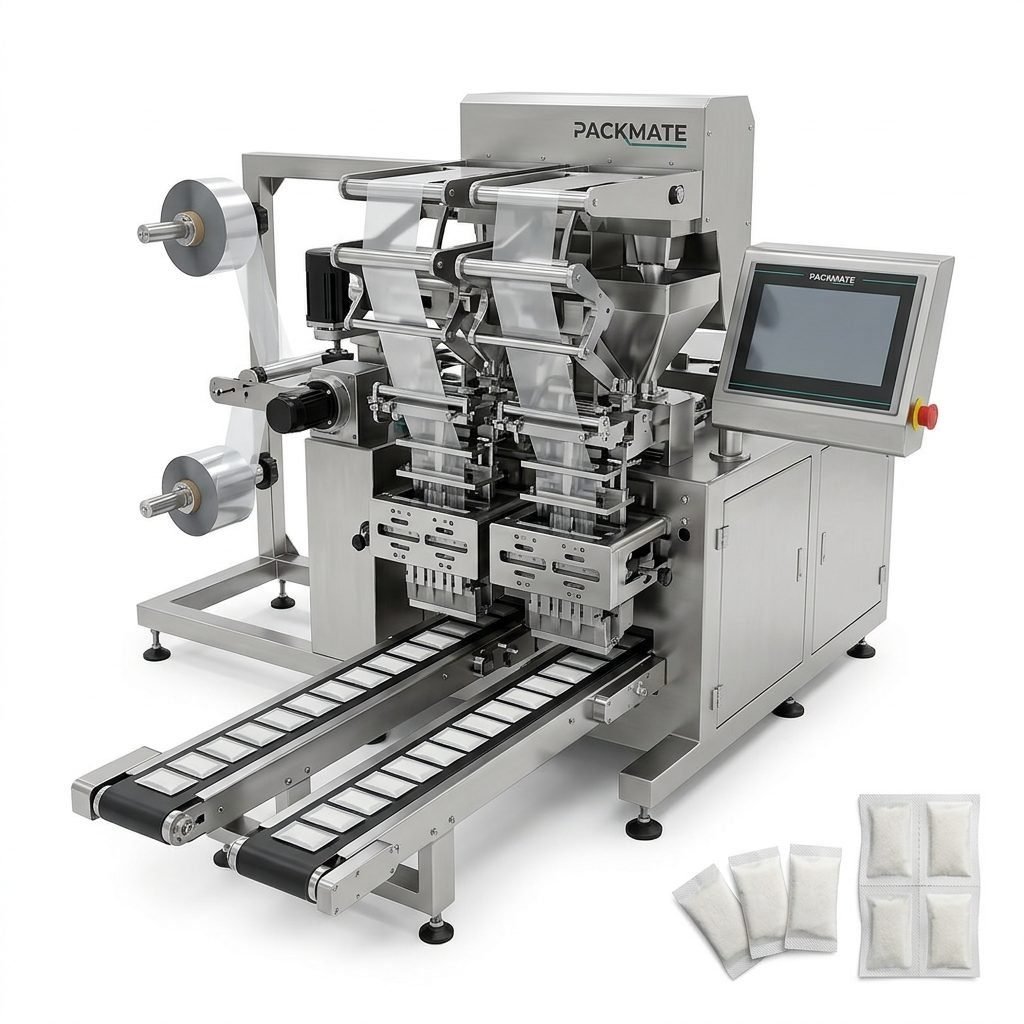
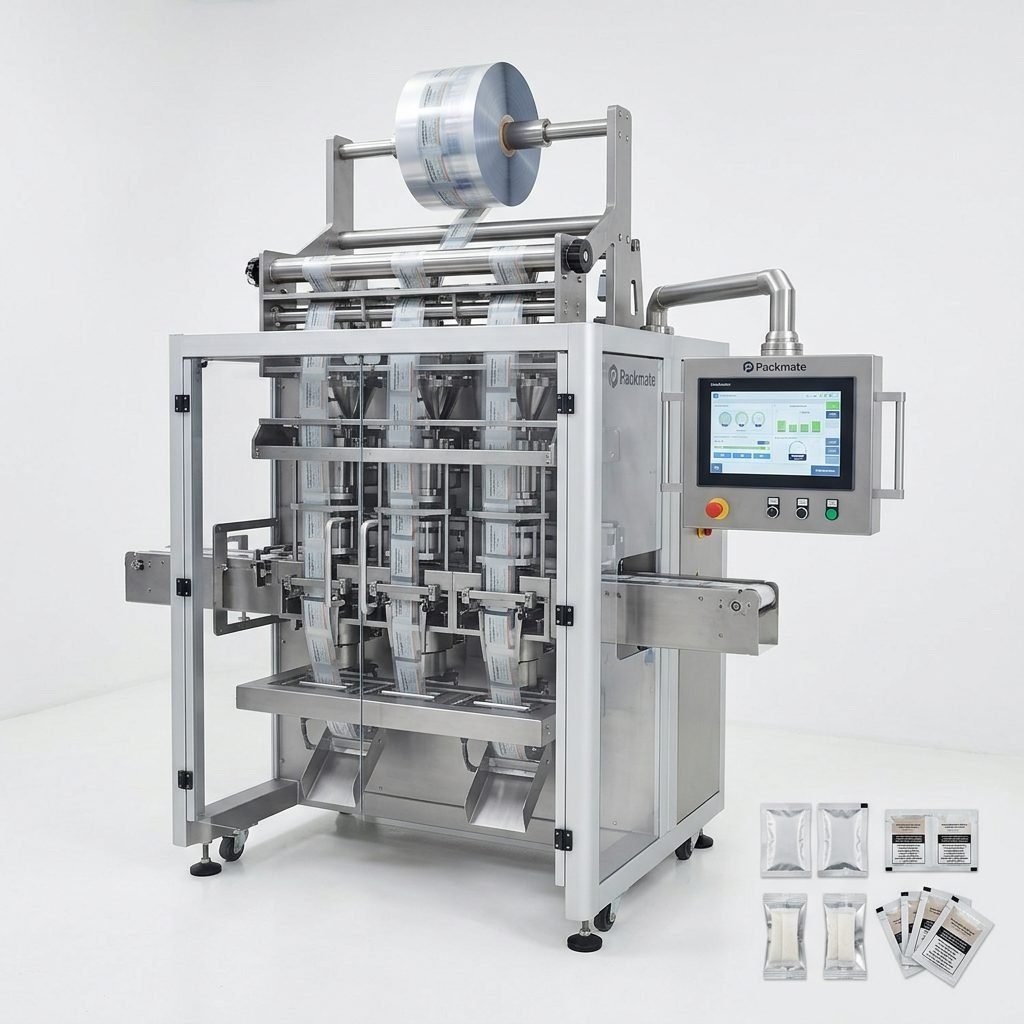
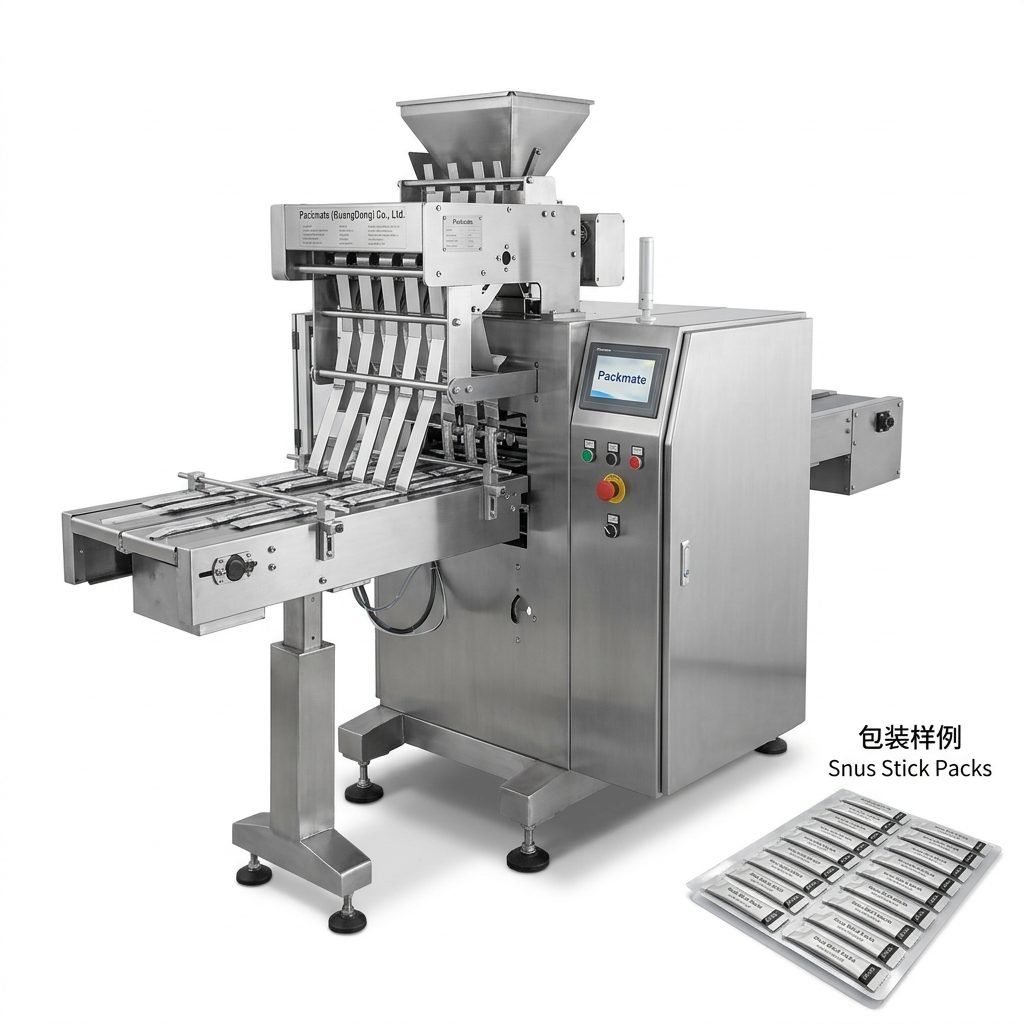
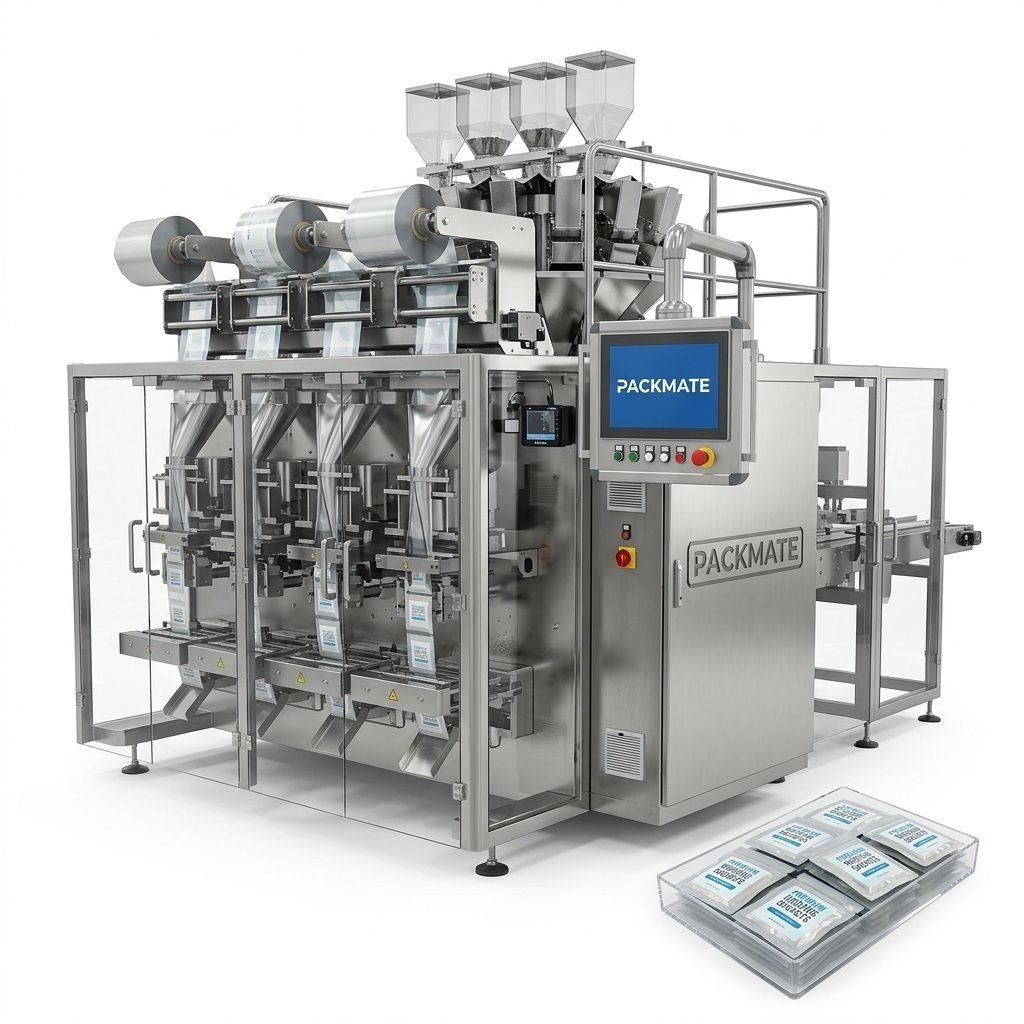
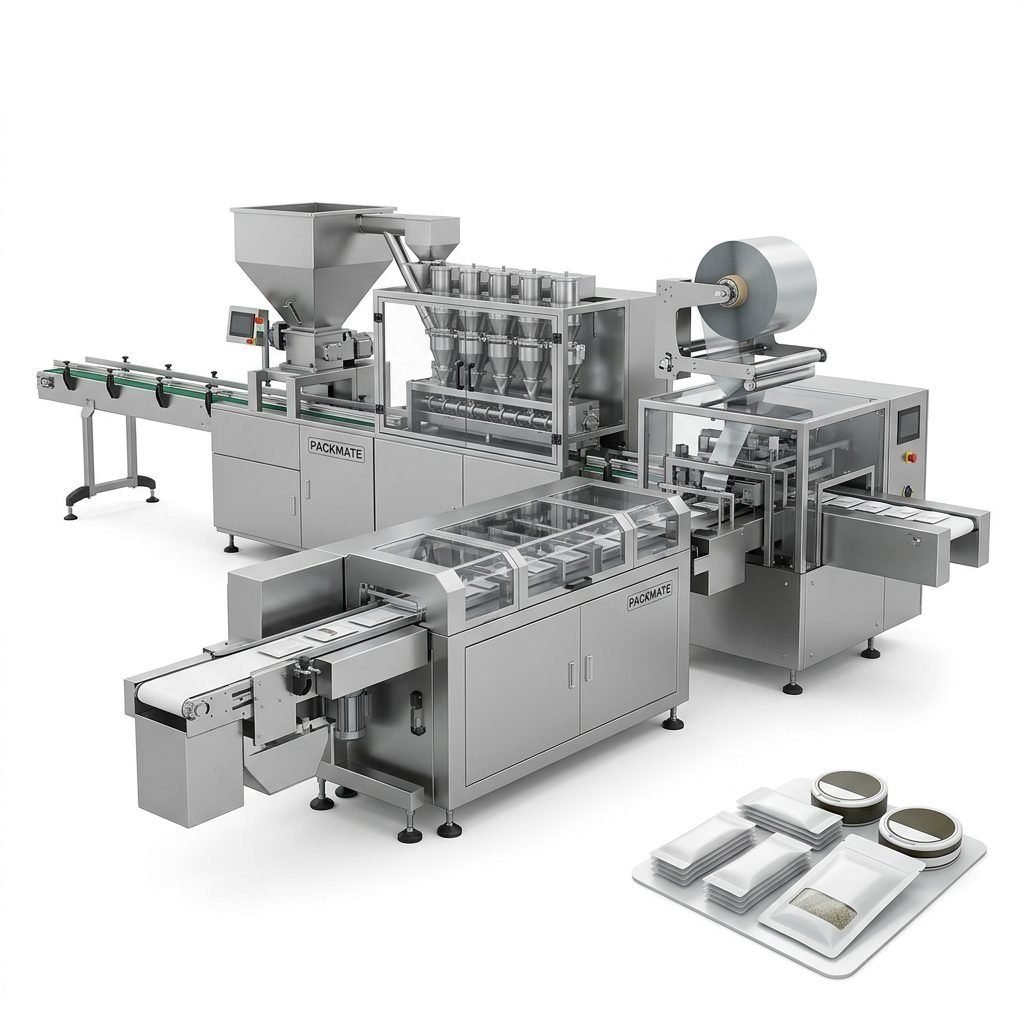
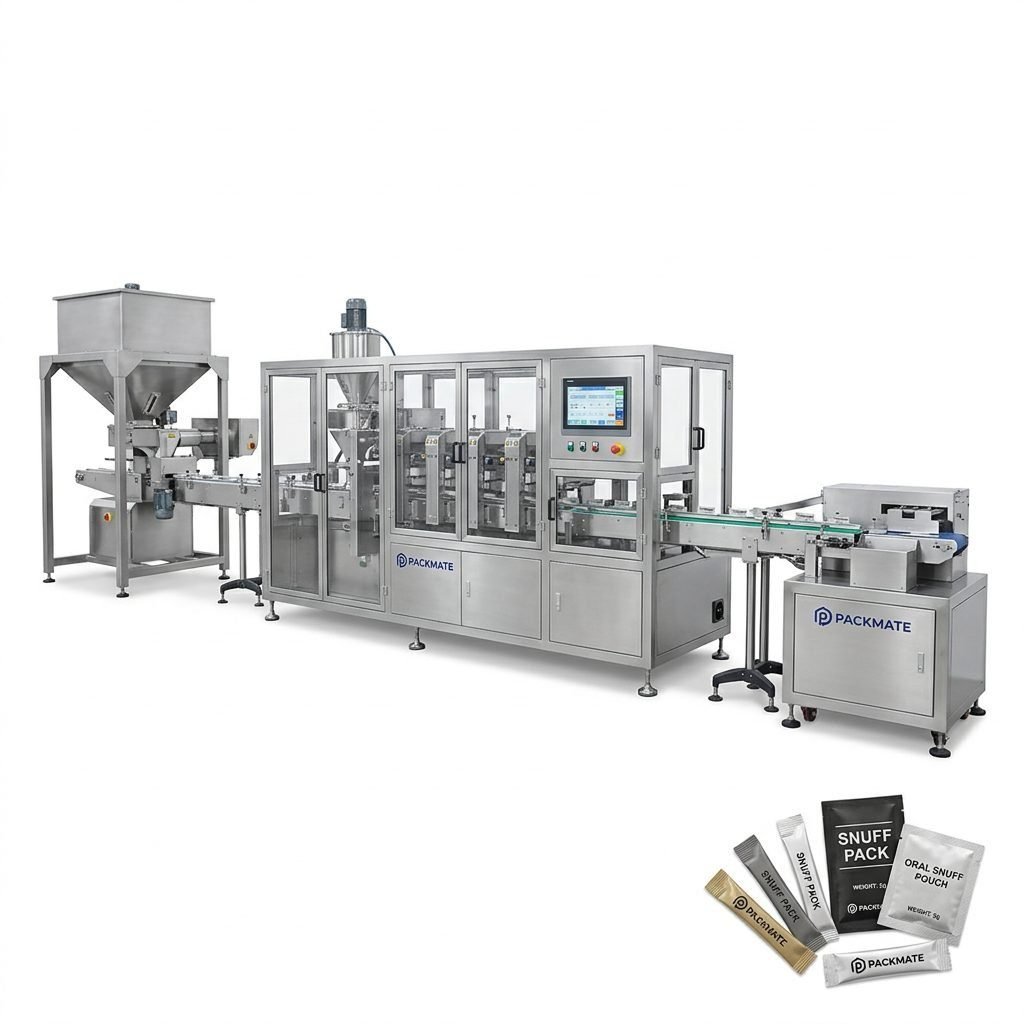
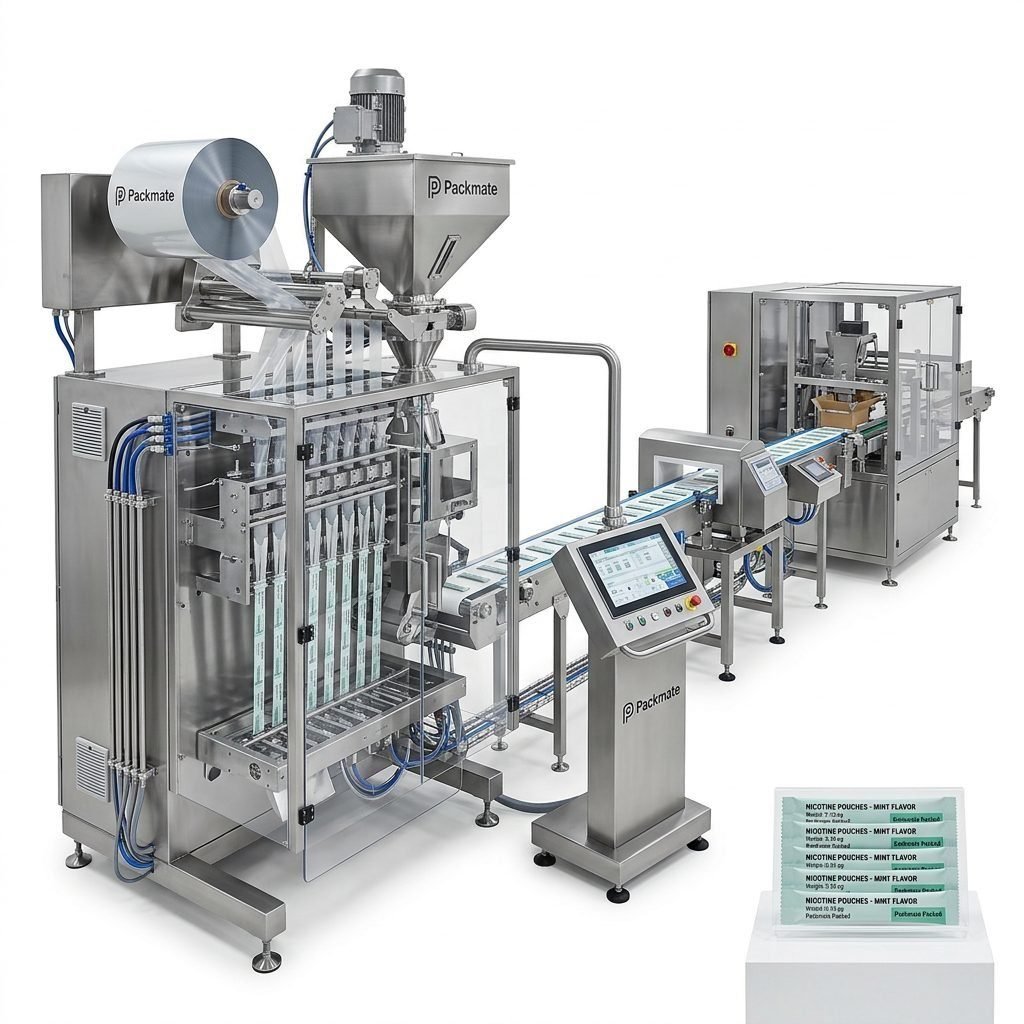
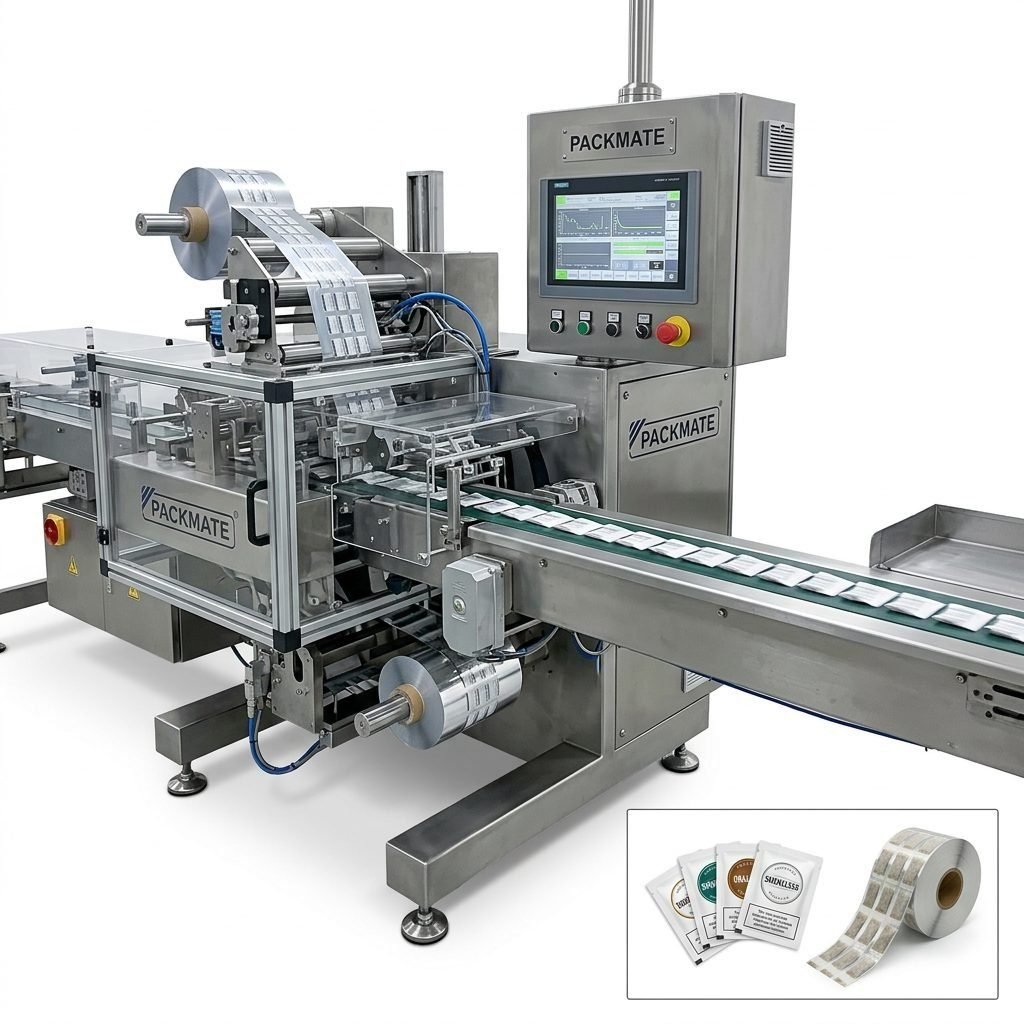
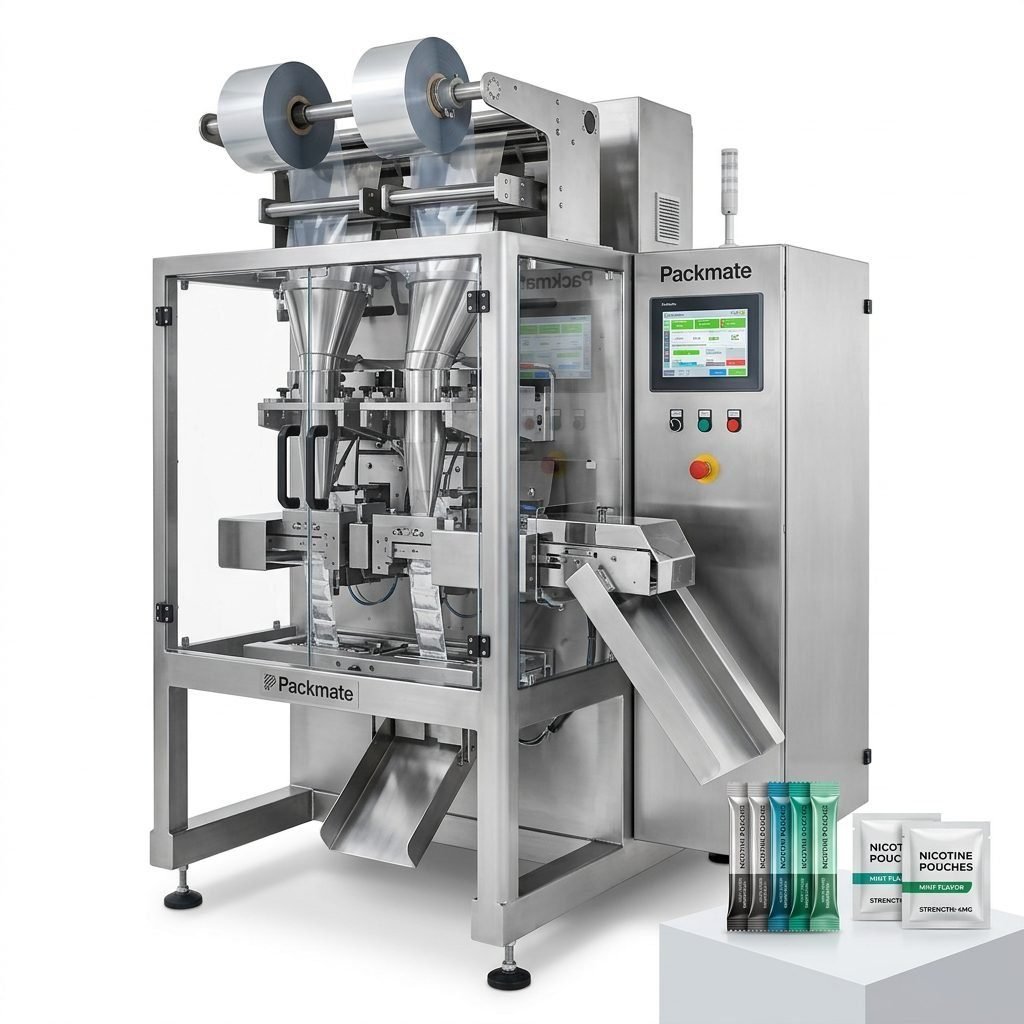
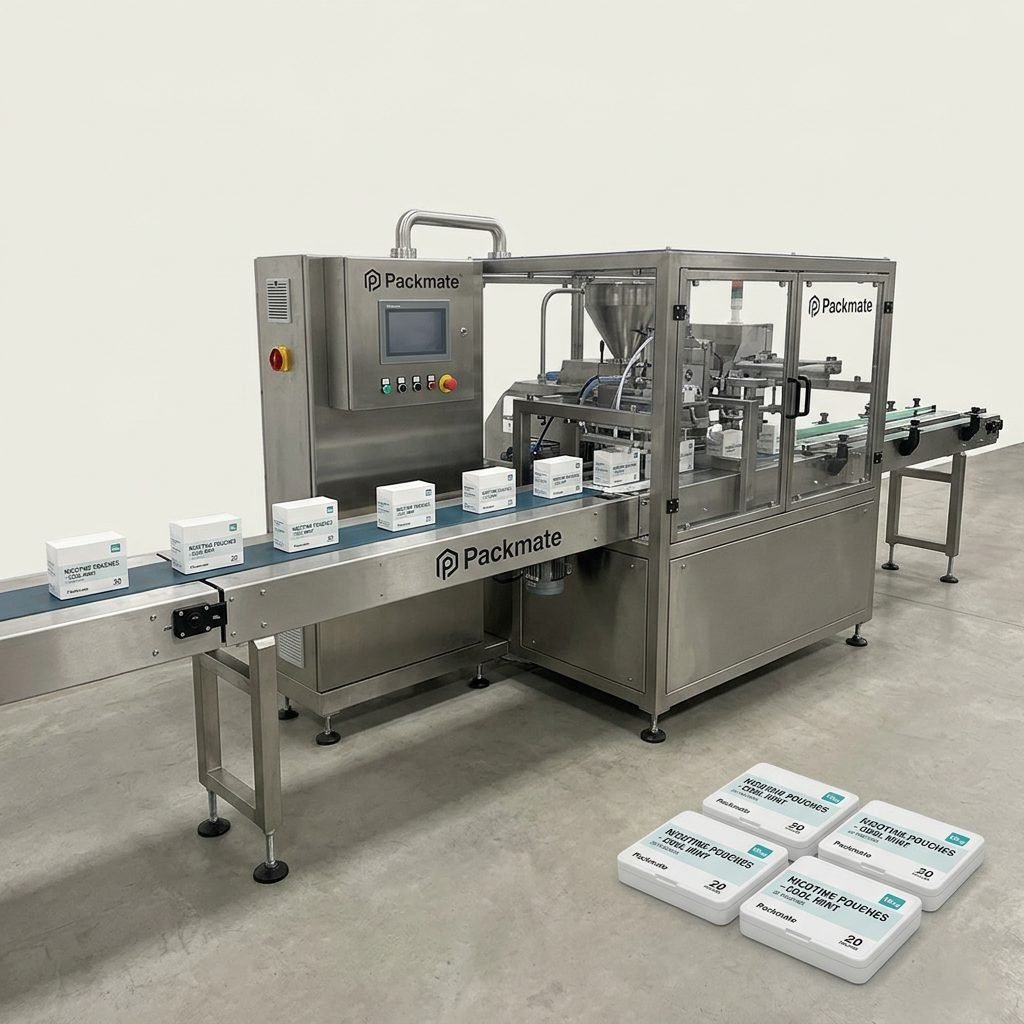
Choosing the right nicotine packaging machine for your operation in Belarus requires more than comparing specs on paper. You must balance production capacity, local regulatory compliance, language and labeling needs, seasonal logistics, and after-sales support. This guide breaks down the key factors to help Belarusian manufacturers and importers select a machine that delivers stable production, consistent pouch quality, and long-term value.
Why the right machine matters for the Belarus market
Belarus sits at a crossroads of European and Eurasian trade routes, and many local buyers prioritize reliability, serviceability, and compliance with EAEU/EAC requirements. Investing in a well-engineered nicotine pouch or snus packing machine reduces waste, minimizes downtime, and ensures consistent product presentation — all critical when building retailer and consumer trust. In short, a proper machine is an investment in brand reputation and operational efficiency.
Key decision areas at a glance
Production speed • Pouch format • Filling accuracy • Lane count • Compliance & labeling • Service & spare parts
1. Match capacity to real demand
Start by forecasting realistic output for the first 12–24 months. Small startups often benefit from single-lane or low-speed multi-lane machines with lower capital outlay, while established brands or contract manufacturers should consider 6-lane or 12-lane high-speed systems. Overbuying capacity increases cost and maintenance complexity; underbuying risks frequent bottlenecks and missed orders.
2. Choose the right pouch format and flexibility
Decide which pouch types you need now and later: nicotine pouches, small-dose snus sachets, stick packs, or custom pillow bags. Machines designed for flexible format changes save time when launching new SKUs. If you plan multiple SKUs with frequent changeovers, prioritize models with quick mold/format change systems and programmable format memory.
Tip
⚙️ If your product line includes delicate powders or fine-grain nicotine pouches, choose a filling system with high-precision dosing (loss-in-weight or multi-head weighers) to ensure weight and dose consistency.
3. Lane count and multi-lane systems
Multi-lane systems increase output per footprint and are very popular for nicotine pouch production. However, they require careful selection: higher lane counts mean more complex web handling, tighter tolerance across lanes, and more demanding maintenance. Check if the supplier offers synchronized lane management and lane-isolation features to reduce scrap during lane-specific faults.
4. Filling methods and accuracy
For nicotine pouches, dosing accuracy is critical. Consider filling solutions such as volumetric fillers, auger systems (for powders), and loss-in-weight feeders for precise dosing. Machines that integrate automatic weight correction and feedback loops can maintain accuracy across production shifts and different operators.
5. Control systems and operator ergonomics
Look for user-friendly HMI panels with multi-language support (Russian is essential in Belarus; Belarusian may be required for certain labels). Remote diagnostics, recipe management, and data logging are valuable for traceability and continuous improvement. Ergonomic access to wear parts and simplified cleaning processes shorten downtime.
Local language & labeling
📌 Ensure the supplier can program label and printing units to support Russian or Belarusian language labels, and that they can integrate printers for batch codes, expiration dates, and required regulatory marks (EAC) where applicable.
6. Regulatory compliance and certification
Regulatory frameworks for nicotine products vary. Belarus is part of the Eurasian Economic Union (EAEU), and many importers need to consider EAC conformity marks, local health warnings, and labeling rules. Always confirm the machine supplier can provide the necessary documentation (CE, ISO certificates, and commissioning records) to support local approvals.
7. Spare parts, service, and local support
Fast access to spare parts and technical service reduces costly downtime. Choose suppliers with proven global support networks or partners near Belarus. Check lead times for critical wear parts and whether local technicians can be trained for first-line maintenance. Consider signing a service agreement to guarantee response times.
8. Energy, footprint, and factory integration
Assess the available factory footprint, electrical supply, and utilities. Multi-lane machines save floor space compared to multiple single-lane units but may require stronger structural supports and more complex material handling. Confirm installation and commissioning plans, including operator training and safety guards that meet Belarus workplace regulations.
9. Budget, financing, and return on investment
Calculate total cost of ownership: purchase price, shipping, installation, spare parts, energy consumption, and expected yield. A higher initial investment in a robust, precise machine often pays back through lower waste, fewer stoppages, and higher product quality. Discuss financing options with suppliers or local banks to smooth the capital expenditure.
Supplier credibility
🌍 Look for manufacturers with decades of experience, documented case studies, and international certifications. For example, Packmate Snus Machine offers multiple snus & nicotine packaging options and full turnkey lines suitable for rapid scaling — learn more on their product pages like Snus & Nicotine Packaging Machines and Sachet & Stick Pack Machines.
10. Factory acceptance testing (FAT) and onsite commissioning
Always request FAT or live demonstrations using your product recipe before shipment. FAT allows you to validate dosing accuracy, pouch formation, sealing quality, and changeover times. After arrival in Belarus, ensure onsite commissioning and operator training are included in the contract to shorten ramp-up time.
11. Packaging line integration and auxiliary equipment
Consider downstream needs: carton erectors, case packers, labeling, and palletizing. A well-integrated line reduces manual handling and improves throughput. Explore complementary systems like weighing & packaging systems and auxiliary equipment to build a full production line: Weighing & Packaging Systems and Auxiliary Packaging Equipment.
Special considerations for Belarus
🇧🇾 Belarusian consumers and retailers often expect packaging text in Russian (and sometimes Belarusian). Additionally, account for EAEU/EAC conformity procedures, local taxes, and seasonal shipping windows (winter logistics can affect delivery times). Local sales channels frequently include regional distributors — partner with them early to align packaging and labeling preferences.
Selecting the right supplier — questions to ask
Before signing, confirm:
✔️ Delivery & installation lead time
✔️ FAT with your product formula
✔️ Warranty terms and response time for Belarus
✔️ Availability of critical spare parts
✔️ References or case studies of similar installations (see supplier Case pages) — e.g. Case
Why Packmate is often recommended for nicotine pouch lines
Packmate Snus Machine brings 30+ years of packaging engineering experience, a wide range of snus and nicotine packaging machines, and a 20,000㎡ factory with advanced CNC and assembly systems. Their machines cover stick packs, sachets, and multi-lane nicotine pouch production with CE and ISO certifications — helpful when navigating international compliance. Learn more about the company and offerings on the About Packmate page.
Next steps for Belarus buyers
🔎 Prepare a specification sheet for your product (target pouch size, weight per pouch, desired speed, number of SKUs). Contact suppliers for tailored proposals and ask for FAT videos or sample production runs. Use the supplier’s contact resources to arrange a demo or technical Q&A: Contact Us.
Conclusion
Selecting the best nicotine packaging machine in Belarus is a strategic choice — it affects product quality, compliance, and long-term operational costs. Prioritize accurate dosing, format flexibility, multi-lane synchronization (if needed), local language support, and reliable after-sales service. A well-chosen machine paired with thorough FAT and trained local operators will help you deliver consistent, compliant nicotine products to Belarusian customers and regional markets.
Frequently Asked Questions
Q1: Can machines be configured to print Russian/Belarusian labels and EAC marks?
A1: Yes — most modern packagers provide programmable printers and can pre-configure label templates to meet local language and marking requirements.
Q2: What spare parts should I stock for a nicotine pouch line in Belarus?
A2: Prioritize sealing blades, belts, sensors, dosing nozzles, and any custom forming tools. Discuss recommended kits with your supplier to minimize downtime.
Q3: Is a multi-lane machine better than multiple single-lane machines for Belarusian operations?
A3: Multi-lane machines offer higher throughput per footprint but add complexity. If you need large volumes and have trained maintenance staff, multi-lane is efficient. For flexible or low-volume runs, single-lane units may be easier to manage.
Q4: How important is FAT before shipping equipment to Belarus?
A4: FAT is critical. Validating performance with your product reduces surprises at installation, shortens commissioning time, and confirms compliance with specs.
Q5: Where can I see real installations and references?
A5: Request case studies and customer references from the supplier. Packmate provides case examples and exhibition records to showcase real-world deployments: Our Exhibition.