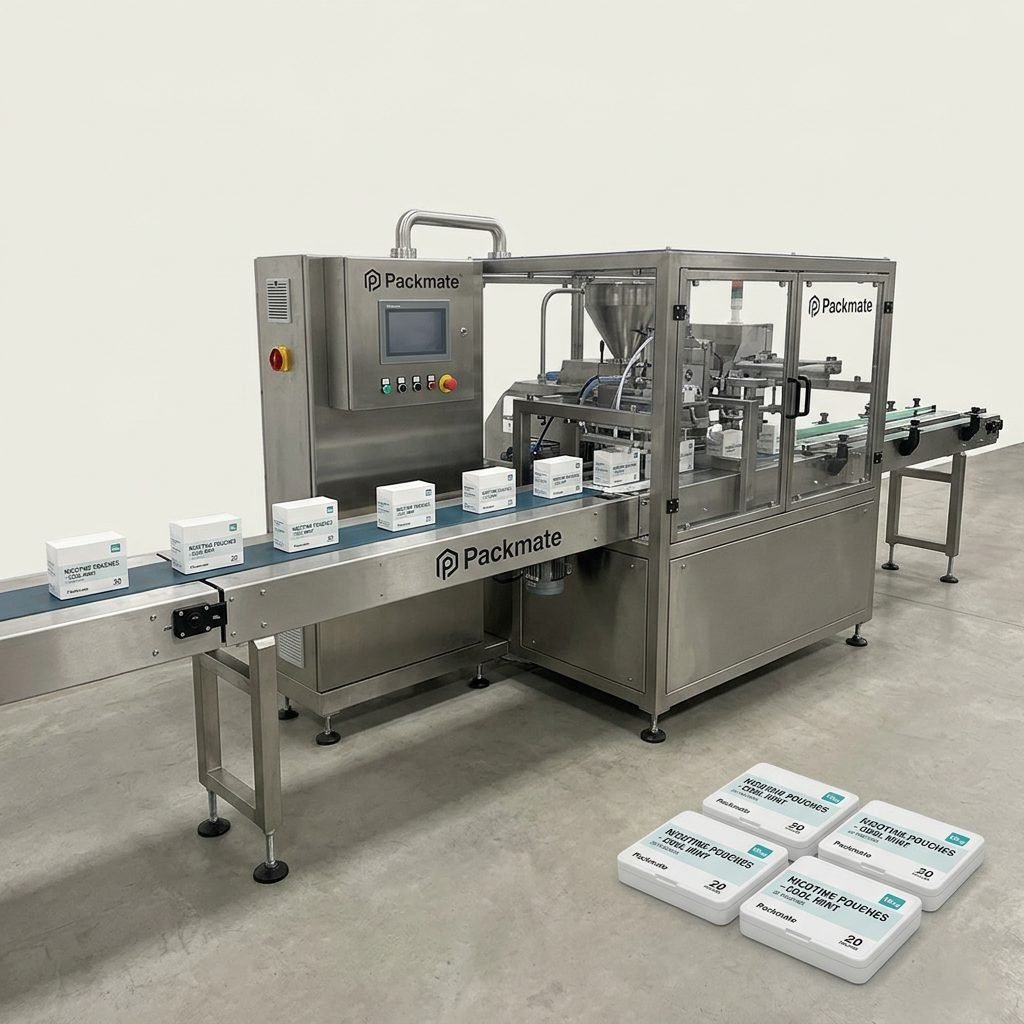
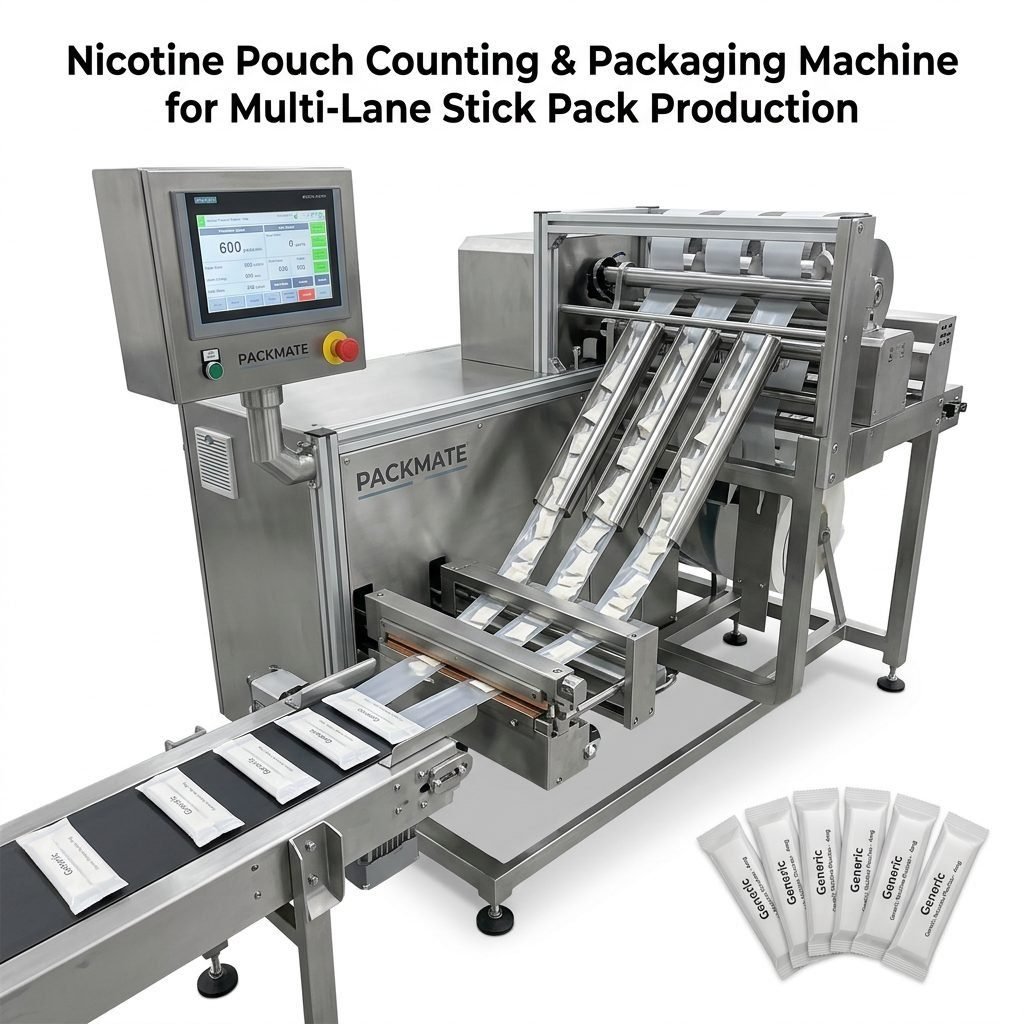
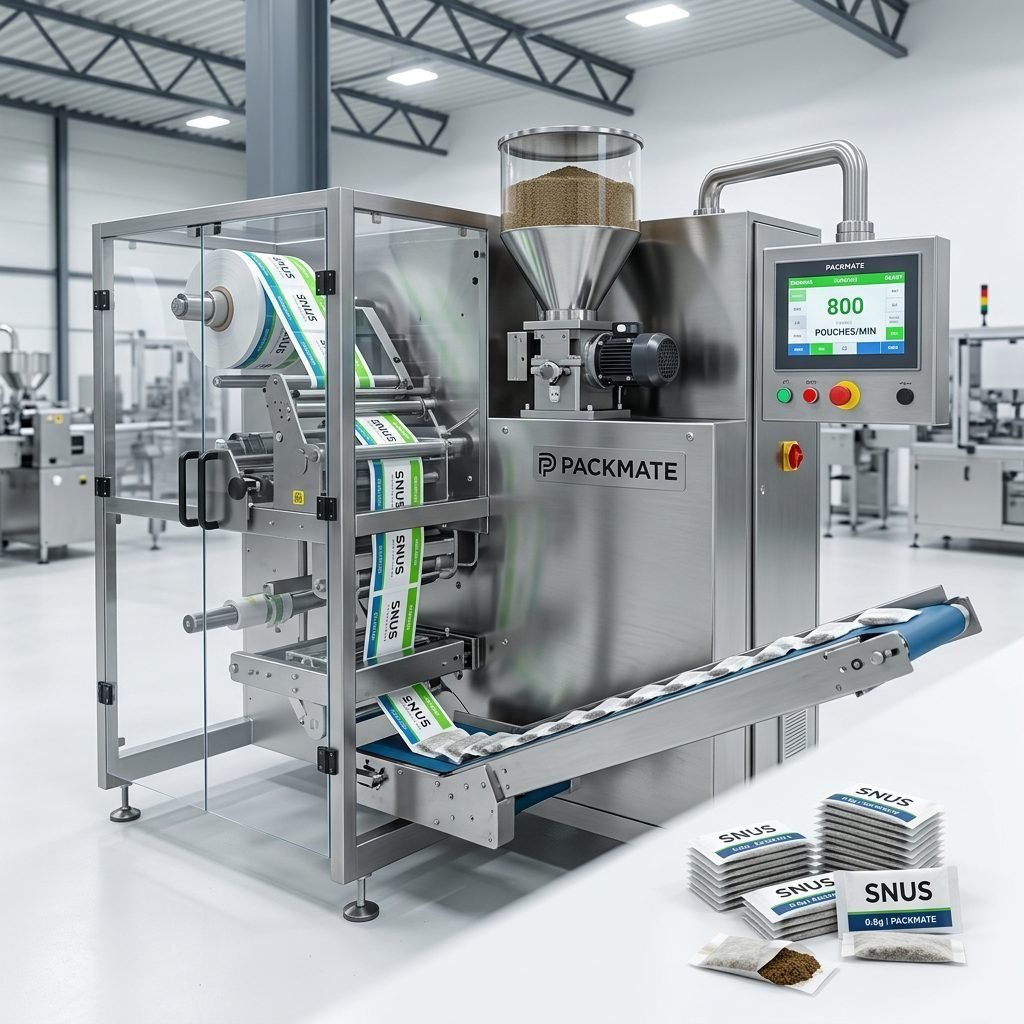
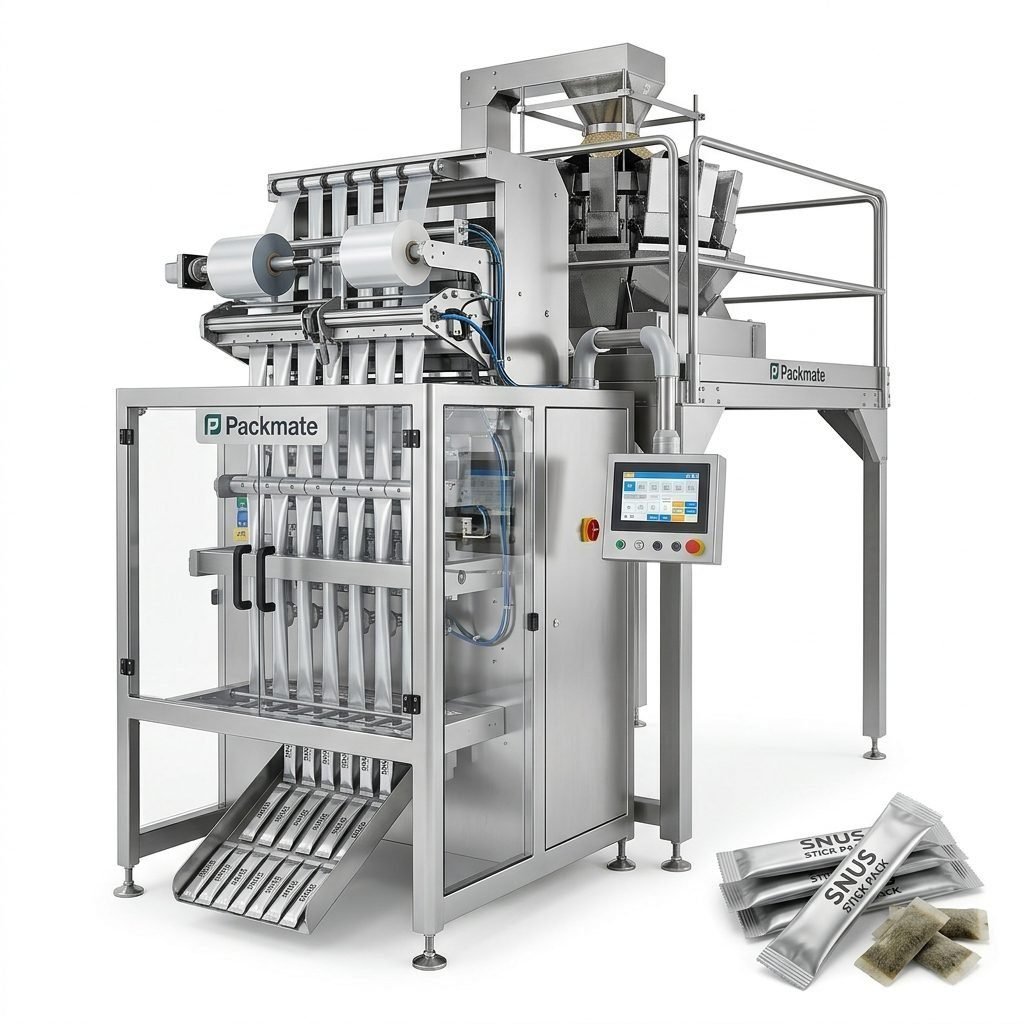
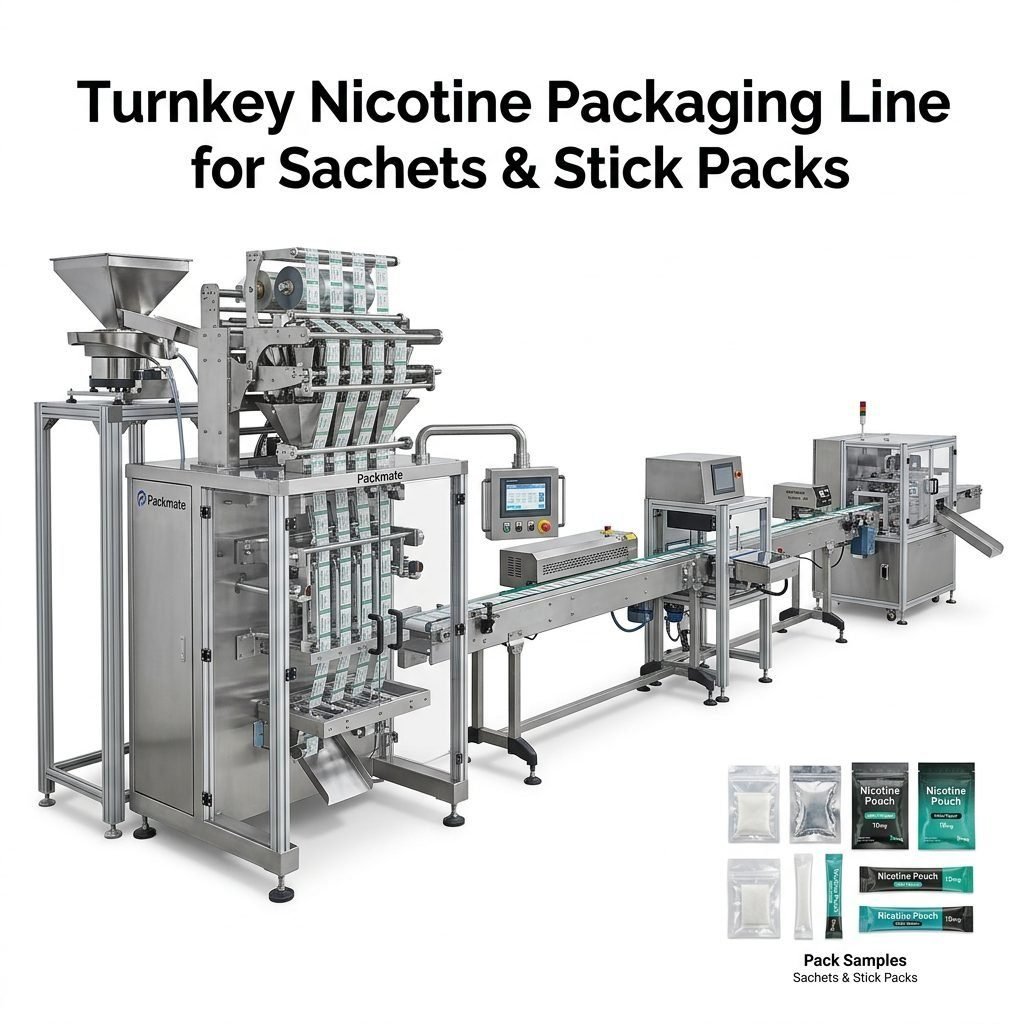
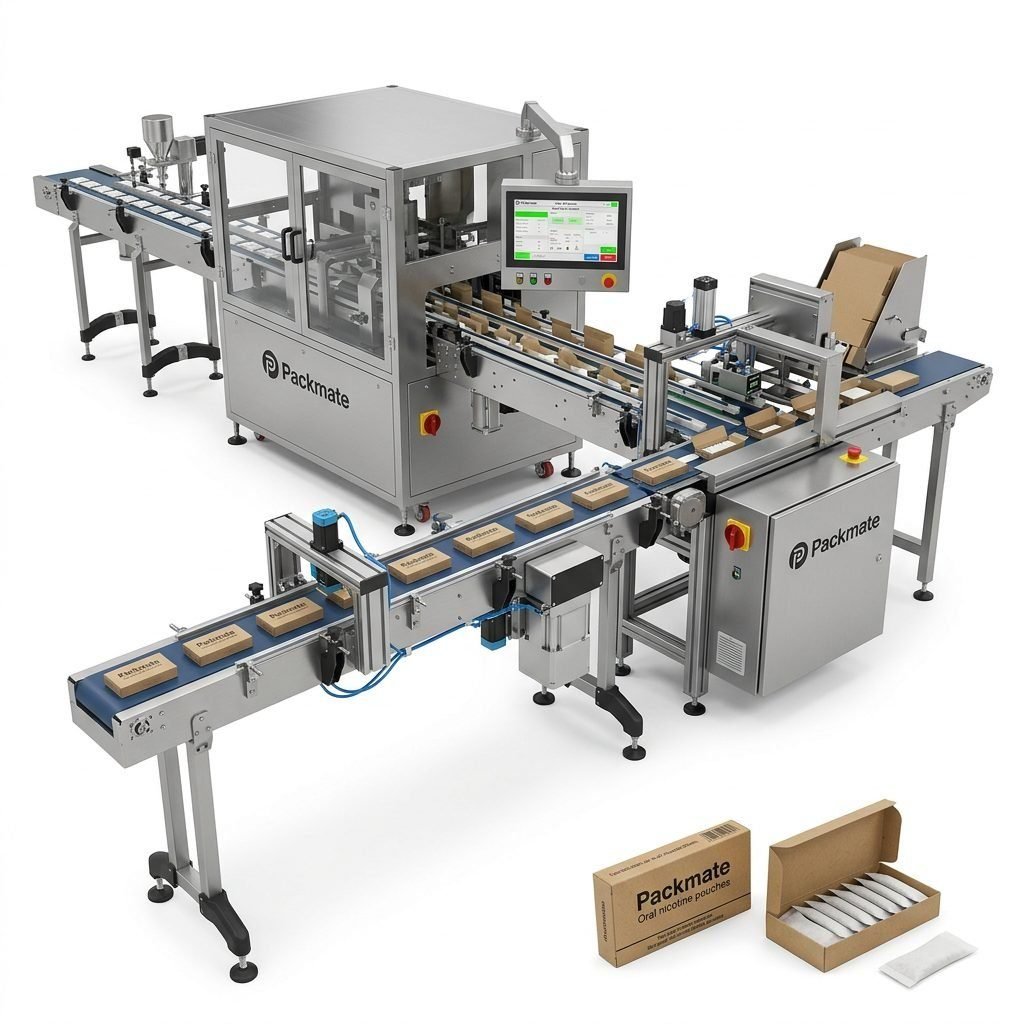
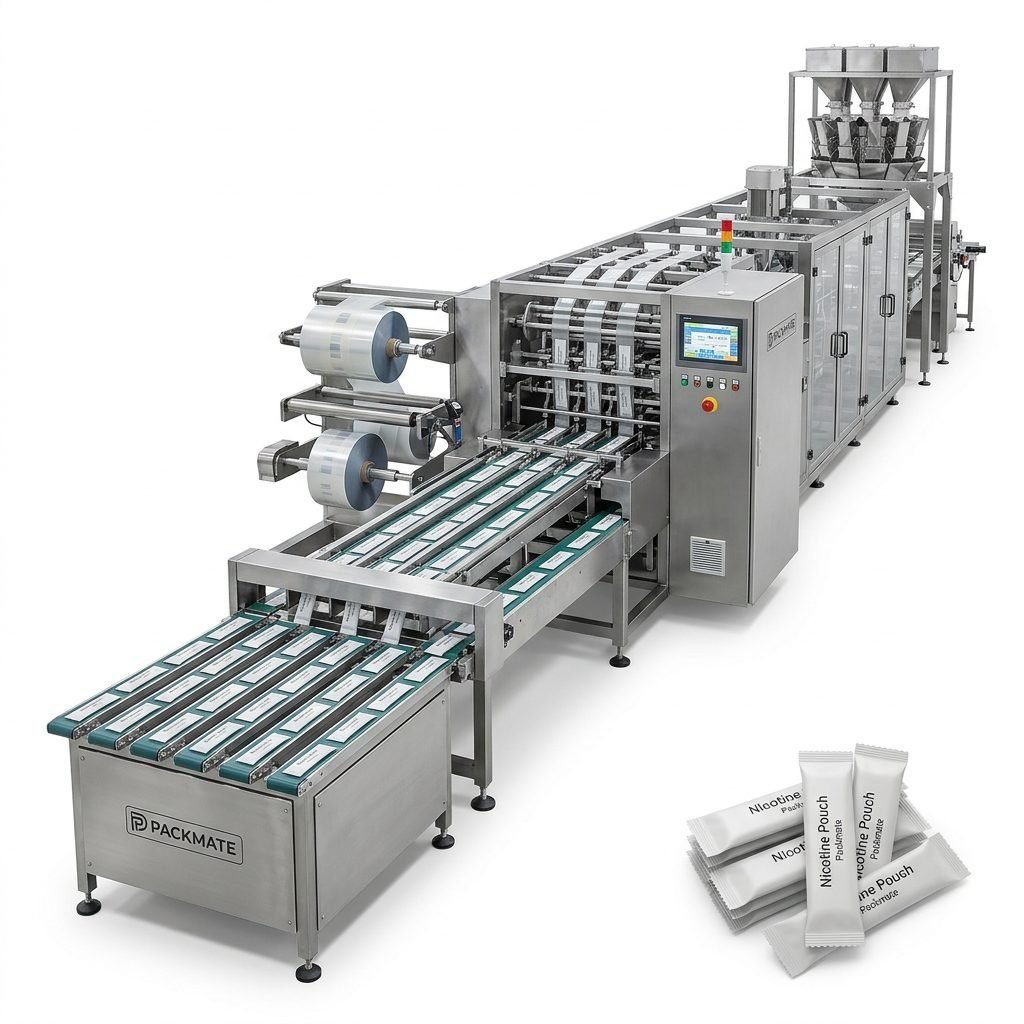
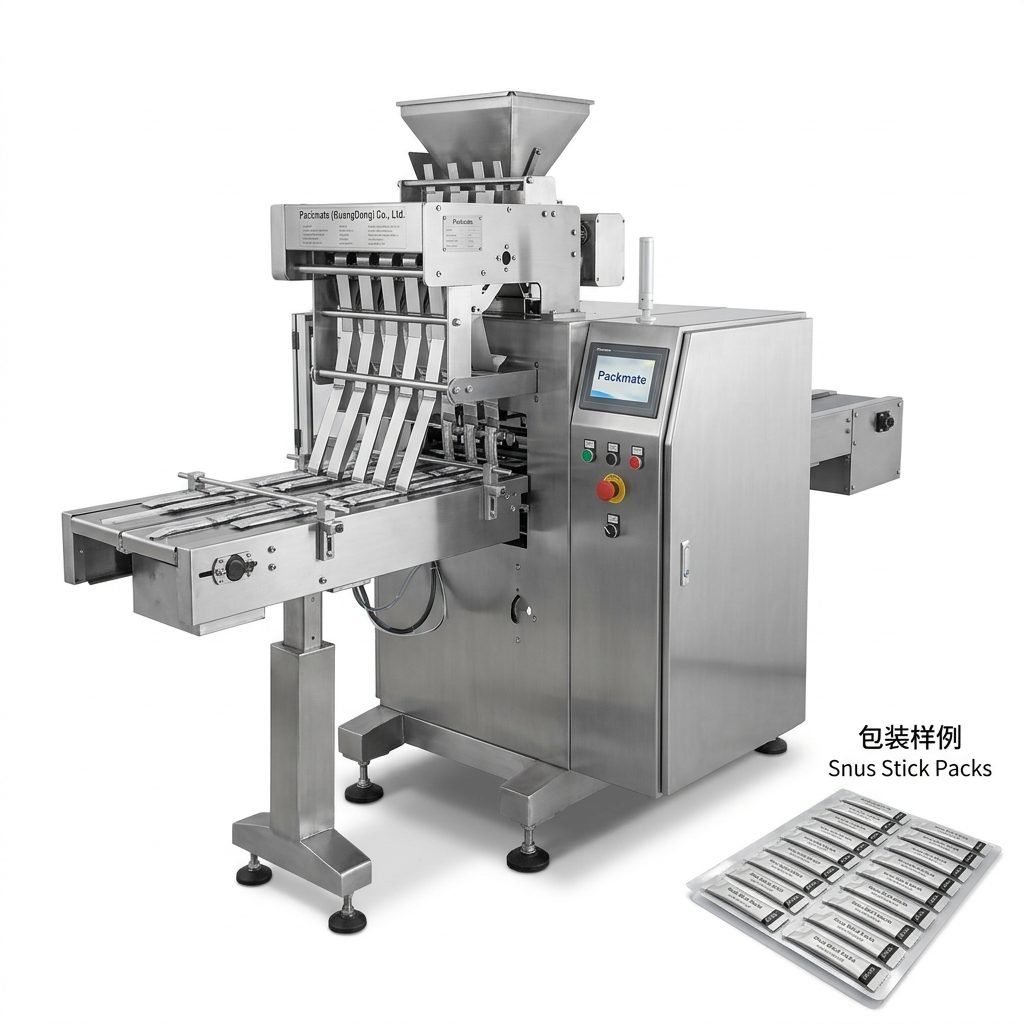
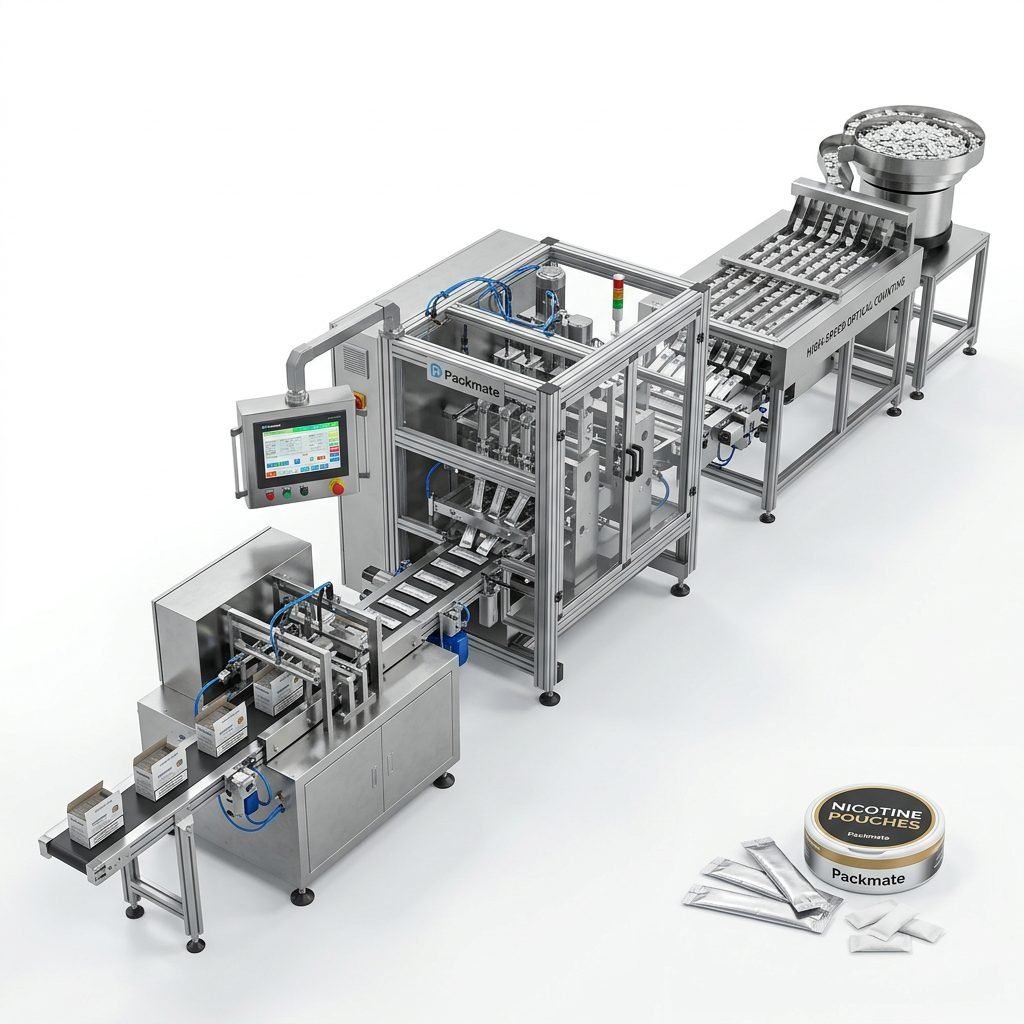
In high-speed nicotine pouch and snus packaging lines, spare parts are the unsung heroes that keep production stable, safe and profitable. Proper selection, inventory planning and maintenance of spare parts determine machine uptime and product quality. This guide walks you through essential components, practical maintenance tips, stocking recommendations and buying advice tailored for packaging engineers, maintenance managers and procurement teams working with nicotine pouch machines.
🔧 Core categories of nicotine pouch machine spare parts
Packaging lines for nicotine pouches combine precision mechanical systems, thermal sealing, high-speed cutting and sensitive controls. Spare parts fall into several functional categories — knowing these categories helps prioritize inventory and respond quickly to faults.
⚙️ Mechanical wear parts
These items experience friction, abrasion and fatigue during normal operation. Typical examples include:
• Cutting knives and blade assemblies — critical for accurate pouch separation and dose integrity.
• Sealing jaws and Teflon covers — subject to heat cycling and abrasion.
• Conveyor belts, guide rails and feeding chains — wear leads to misfeeds and jams.
• Bearings, shafts and roller sets — loss of rolling efficiency causes vibration and product defects.
🔌 Electrical & control parts
Control systems and electrical parts are the backbone of modern lines:
• PLC modules, I/O cards and relays — ensure uninterrupted logic control.
• HMI touchscreens — operator interface replacement items.
• Servo motors and drives — maintain indexing accuracy and speed regulation.
• Sensors (photoelectric, proximity, temperature) — misreadings cause rejects.
🌬️ Pneumatic, vacuum & thermal parts
Temperature and air systems enable sealing, product handling and aspiration:
• Air valves, solenoids and regulators — lost air control causes poor sealing and vacuum loss.
• Vacuum pumps and suction cups — critical for pick-and-place and pouch handling.
• Heating cartridges, thermocouples and temperature controllers — consistent sealing relies on them.
🛠️ Tooling, molds & process-critical consumables
Tools tailored to the product form the heart of quality control:
• Dosage cups, multi-lane dosing heads and augers — accuracy affects content weight tolerances.
• Forming collars, pouch dies and sealing profiles — product fit and appearance depend on them.
• Film rollers, tension control parts and brake assemblies — film handling affects sealing consistency.
📦 Critical spare parts you should always stock
Inventory decisions must balance capital and downtime risk. The following list focuses on parts that typically cause line stoppages if unavailable:
High-priority spares (minimum 1-2 units each) 🔴
• Cutters & blades — include spare blade sets matched to your format.
• Sealing jaws (complete set) — keep at least one spare matched to machine model.
• Servo motor(s) & drive(s) — especially for multi-lane indexing axes.
• PLC spare module and essential I/O cards — to restore control quickly.
• Vacuum pump or a service kit — vacuum failure frequently halts product handling.
🛠️ Maintenance best practices to extend spare part life
Preventive maintenance avoids unplanned downtime and reduces spare parts consumption. Implement a documented maintenance schedule with checkpoints and metrics.
Daily checks (operator level)
• Inspect cutting and sealing areas for debris and adhesive buildup.
• Check film tension indicators and adjust as needed.
• Confirm sensors and safety interlocks show green; log any anomalies.
Weekly tasks (maintenance team)
• Lubricate bearings and guide rails per manufacturer guidance.
• Measure blade edge condition and schedule replacements before burrs appear.
• Verify temperature controller calibration and stability across sealing zones.
Monthly & quarterly actions
• Test vacuum pump performance and replace filters; check seals on suction cups.
• Review PLC diagnostics and firmware versions; back up configuration files.
• Inspect belts and replace if elongation or cracking exceeds limits.
🔎 Practical troubleshooting: common symptoms and likely spares
Quick symptom-to-spare mapping helps the team act fast:
• Poor seal integrity → check heating elements, thermocouples, sealing jaws and Teflon covers.
• Misfeeds or jam events → inspect feeders, guides, belts and sensors.
• Inconsistent pouch length or registration → inspect encoder, servo drive and pull-down roller assemblies.
• Increased rejects with wrong weight → check dosing heads, augers, weighing system calibration.
📈 Buying advice: select spares smartly
Purchasing spare parts requires a balance between cost, lead time and authenticity. Follow these buying principles:
1) Prioritize OEM or certified equivalents
For critical mechanical and thermal components (sealing jaws, blades, dosing tooling), prefer OEM parts from the machine manufacturer or certified equivalents. Using matched components preserves machine calibration and reduces setup time.
2) Verify part numbers and revision levels
Control modules and firmware-sensitive parts must match the machine’s software baseline. Always confirm part numbers, serial numbers and firmware compatibility before purchase.
3) Keep a rolling 3–6 month supply strategy for consumables
Consumables (blades, Teflon covers, filters) are low-cost but high-frequency. Track consumption rate and lead times to avoid stockouts. For long-lead items (specialized servo motors, custom dies), plan ahead and maintain at least one spare on-site.
4) Build supplier relationships for rapid service
A reliable supplier offers fast quotations, correct parts and technical support. Consider vendors that provide installation assistance or remote troubleshooting to reduce downtime. If you work with Packmate machines, explore official support options via the About Packmate and Service pages:
About Packmate | Service | Contact Us
🧾 Spare parts lifecycle & traceability
Maintain a parts database with purchase date, installation date, runtime hours and maintenance notes. Good traceability supports warranty claims and helps refine reorder points based on actual wear patterns rather than estimates.
Key fields for each spare part record
• Part number & revision
• Vendor and purchase order
• Expected service life (hours/cycles)
• Last inspection date and condition notes
• Installed machine ID and serial number
📦 How to plan spare parts inventory for multi-line operations
For factories with several nicotine pouch lines, centralize common spares in a small parts warehouse and keep line-specific critical items near the machines. Use a Kanban or min-max system to automate reorder signals.
Suggested stocking tiers
Tier A (critical, 24–72h downtime risk):
• Blades, sealing jaws, vacuum pump service kit, one servo drive, PLC spare module.
Tier B (important, 3–7 days lead time acceptable):
• Motors, belts, sensors, heating cartridges.
Tier C (low-frequency replacements):
• Custom forming tools, spare HMI units, film roll cores.
🔗 Useful product resources and machine types
If you need to upgrade machines or source compatible spares across different packaging formats, review product families to ensure part compatibility:
• Snus & Nicotine Packaging Machines
• Bag & Pouch Packaging Machines
• Sachet & Stick Pack Machines
✅ Supplier qualification checklist (quick)
When evaluating spare parts suppliers, use this checklist to reduce risk:
• Certification: CE/ISO documentation available? (packaging machines and components often require compliance)
• Traceability: Can the supplier provide batch numbers and manufacturing dates?
• Technical support: Are drawings, installation guides and contactable engineers available?
• Lead time & logistics: Confirm typical delivery times and expedited shipping options.
• Warranty & returns policy: Clear terms for defective parts and repair/replacement.
🧰 Case example: spare parts plan for a medium-speed snus line
A 3-lane nicotine pouch line running two shifts should keep the following baseline on-site for a 1-month buffer:
- 3 sets of sealing jaw covers / 2 spare jaw assemblies
- 10 blade cartridges / 2 full replacement blade units
- 1 spare servo motor for main indexer
- 1 PLC spare rack with essential I/O
- 1 vacuum pump service kit + spare suction cups
- Consumables: filters, belts, Teflon sheets, thermal terminals
🌍 Notes for global buyers and cultural considerations
If you operate lines in different regions, consider local customs and practices. For example, in markets with frequent national holidays or customs delays, increase buffer levels to account for shipping pauses. When working with suppliers from regions with strong export documentation practices (e.g., Europe), request pre-shipment inspection reports and clear customs paperwork to avoid delays.
🔚 Final recommendations
A robust spare parts strategy combines the right parts on-site, predictable maintenance schedules and trusted supplier relationships. Regularly review failure patterns, update your inventory policy and ensure technicians have access to parts documentation. Partnering with an experienced OEM like Packmate can simplify parts management and guarantee compatibility — explore product lines and service offerings to align your spare parts plan with machine specifics.
Frequently Asked Questions
Q1: What spare parts should I prioritize for the highest uptime? — Prioritize blades, sealing jaws, vacuum components and a spare servo drive because their failure commonly stops the line quickly.
Q2: How many spare units of each part should I keep? — Use a tiered approach: keep 1–2 critical spares on-site, a 1–3 month consumable stock for high-use items, and allow longer lead-time items to be centralized.
Q3: Are aftermarket parts acceptable for nicotine pouch machines? — For non-critical items aftermarket equivalents can be cost-effective, but for sealing tools, blades and electronic modules use OEM or qualified substitutes to avoid mismatch and setup issues.
Q4: How do I verify part compatibility with Packmate machines? — Confirm the machine serial number and part revision with the supplier, and request supporting drawings or installation instructions; contact the manufacturer’s service team for final verification.
Q5: Where can I find official machine and spare part documentation? — Manufacturer websites and service portals provide catalogs, manuals and contact channels. To browse Packmate product families and resources, visit their product and support pages: Weighing & Packaging Systems and Case.